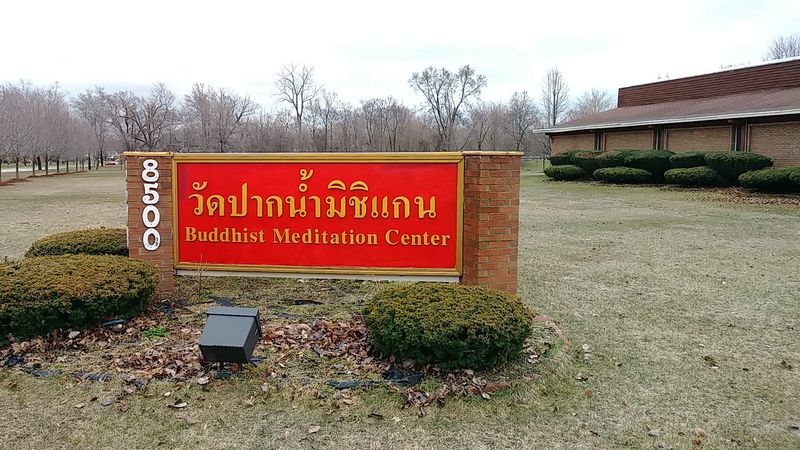
A Buddhist meditation temple in Michigan opens its grounds once a year for a Thai street food festival. Yes, the same peaceful place where people come to sit in silence turns into a buzzing outdoor market full of grills and woks.
The festival features authentic street food from different regions of Thailand, made fresh on site. Traditional Thai dances share the spotlight, and popular dishes can sell out surprisingly fast.
I like how the temple keeps its calm heart while throwing its gates open to everyone in the neighborhood and beyond. Newcomers are welcomed warmly, and that welcome doesn’t end when the last grill cools down.
I can’t imagine a tastier excuse to skip the usual weekend takeout order and drive somewhere new. So how early should you show up to beat the crowd?
A Peaceful Temple In Macomb County Swings Its Gates Wide Open
Meditation and street food rarely share an address. At the Buddhist Meditation Center – Wat Paknam Michigan, they share one beautifully.
The temple sits in Sterling Heights, a busy suburb in Macomb County north of Detroit. Most days, it serves as a place for meditation, Buddhist teaching and quiet reflection.
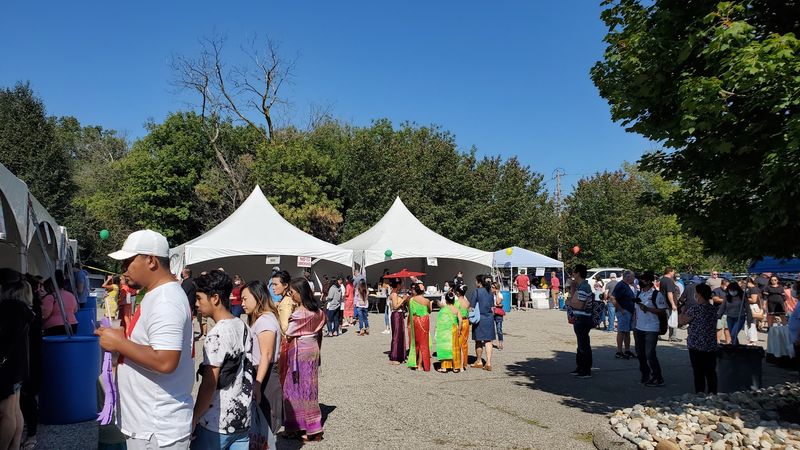
Then festival season arrives, and the grounds take on a very different personality. Tables, cooking stations and hungry visitors fill the space for the annual Thai Street Food Festival.
I love that the switch never feels like a contradiction. The temple already doubles as a community center, so feeding a crowd fits right into its everyday mission.
It also serves as the community hub for the Thai American Association of Michigan. That connection gives the festival real roots, rather than the feel of a rented-out parking lot event.
Visitors of every background are welcome, both on festival day and during regular programs. For a Michigander who thinks authentic Thai culture requires a passport, that news lands nicely.
The Buddhist Meditation Center – Wat Paknam Michigan proves heritage can live right down the road. Sometimes the best day trip is shorter than your commute.
Thai Families In Metro Detroit Found A Home Base Here
Back in 2004, a group of Thai Americans formed the Thai American Association of Michigan. Their goal was supporting a growing Thai community in places like Sterling Heights and Warren.
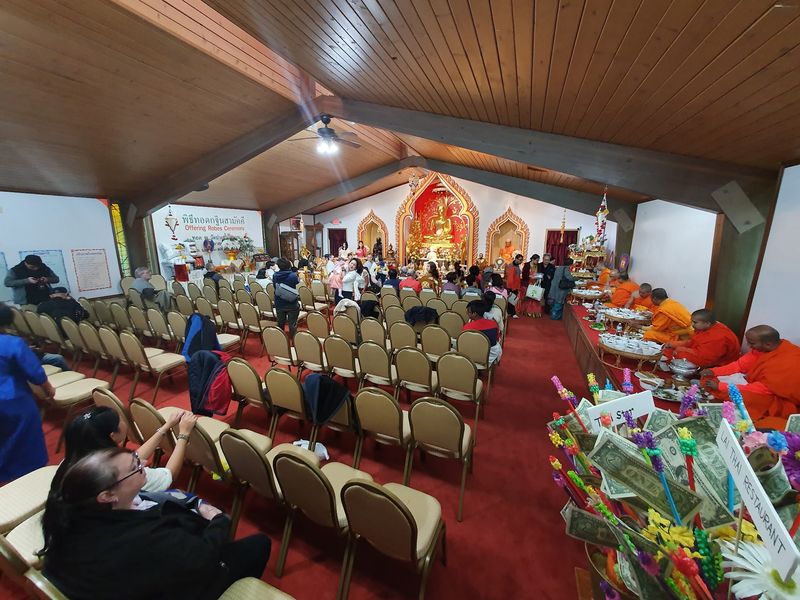
Every community needs a gathering spot, and the association found one at this temple. The Buddhist Meditation Center functions as the group’s community center.
That matters more than it might sound at first. Immigrant communities often build their traditions around a shared place, and this one carries both faith and culture.
Michigan has a long history of newcomers keeping their heritage alive through churches, halls and festivals. Polish, Lebanese and German communities did it, and Thai families are writing their own chapter now.
The festival grew out of that same spirit. It’s an intentional way to share Thai identity with neighbors who might never have tasted the real thing.
Organizers have framed the event as a chance for open conversation and learning. Food just happens to be the friendliest icebreaker ever invented.
So when you grab a plate here, you’re stepping into a story still unfolding. Few lunches come with that much backstory attached.
Calm Comes Standard On A Quiet Stretch Of Plumbrook Road
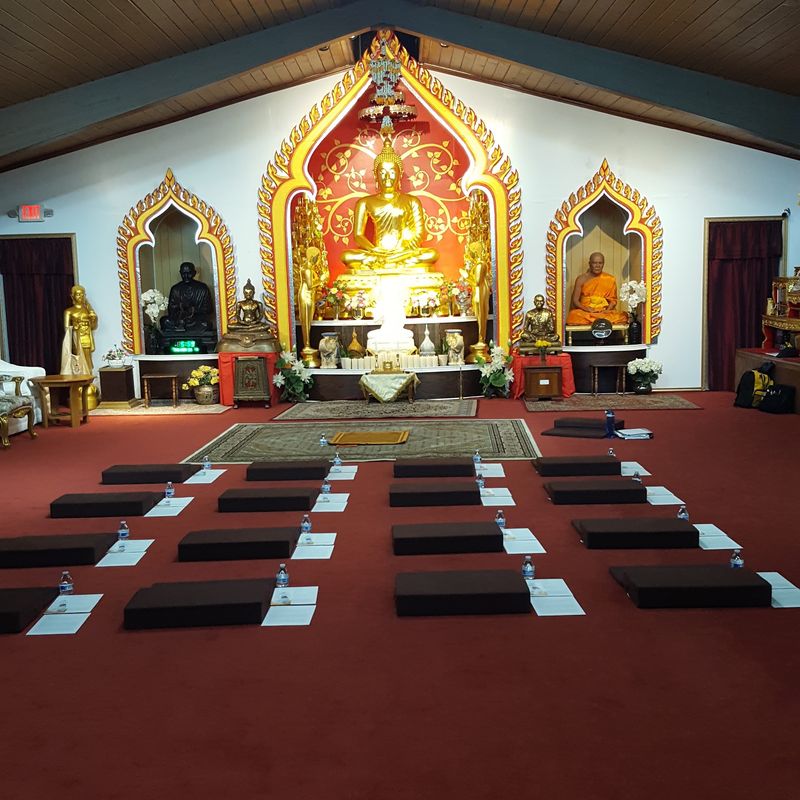
Silence is the main attraction for much of the year. The temple sits away from the heaviest traffic, which makes it a welcoming spot for meditation.
That setting helps explain why newcomers often feel at ease here. The location isn’t on a busy road, so outside noise stays fairly low.
Inside, the focus stays on meditation practice and learning about Buddhism. Resident monks live at the temple, guiding the spiritual side of daily life.
Free reading material has also been offered to visitors over the years. It’s a thoughtful touch for anyone who wants to keep learning at home.
The space carries a 4.8-star rating on Google from a few dozen reviews. Most comments center on kindness, peace and a feeling of being genuinely welcomed.
I find that contrast with festival day delightful. One weekend you could hear a pin drop, and on another the grills take over.
Knowing the everyday calm makes the festival feel even more special. You’re visiting a real place of practice that briefly turns up the volume for its neighbors.
Your Passport Can Stay Home For A Taste Of Thailand
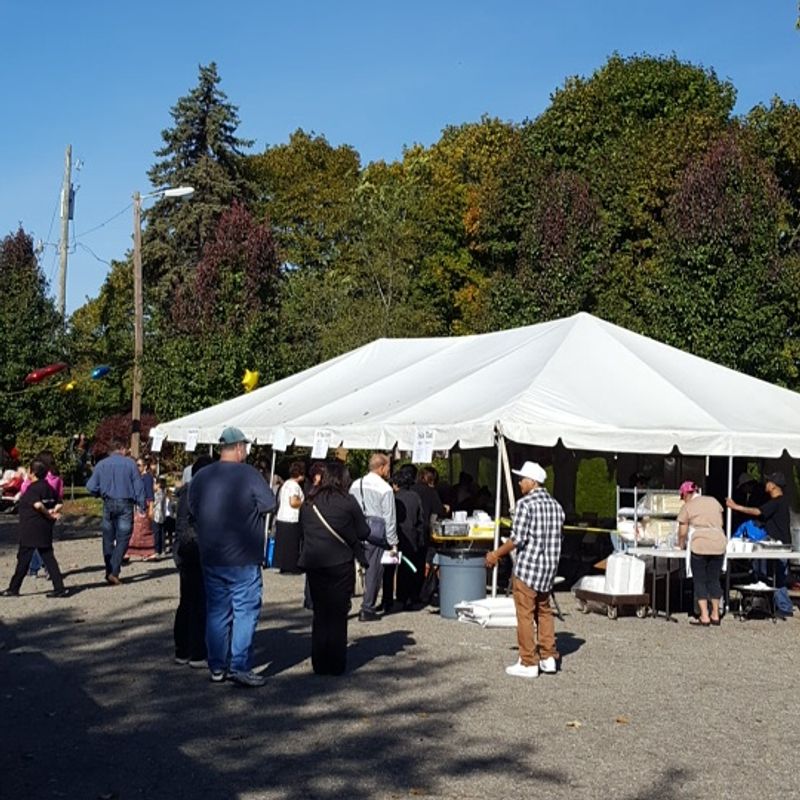
Thailand’s food changes a lot from region to region. The Thai Street Food Festival leans into that variety instead of serving one generic menu.
Vendors prepare authentic street food from various parts of the country. Many dishes get cooked right in front of you, which turns waiting into half the entertainment.
That approach makes the event different from a typical restaurant meal. You can sample several styles in one afternoon without bouncing between strip malls.
Expect savory grilled options alongside sweet, refreshing treats. The exact lineup can change from year to year, so it’s smart to stay flexible.
Honestly, flexibility might be the best strategy anyway. The fun comes from trying something you can’t pronounce yet and leaving with a new favorite.
Plenty of festivalgoers have praised the food over the years. More than one visitor has described the experience simply as delicious, which feels like the highest compliment possible.
The grounds of the Buddhist Meditation Center – Wat Paknam Michigan basically become a sampler platter. Your only real challenge will be pacing yourself before the good stuff disappears.
Early Birds Get The Best Bites At This Festival
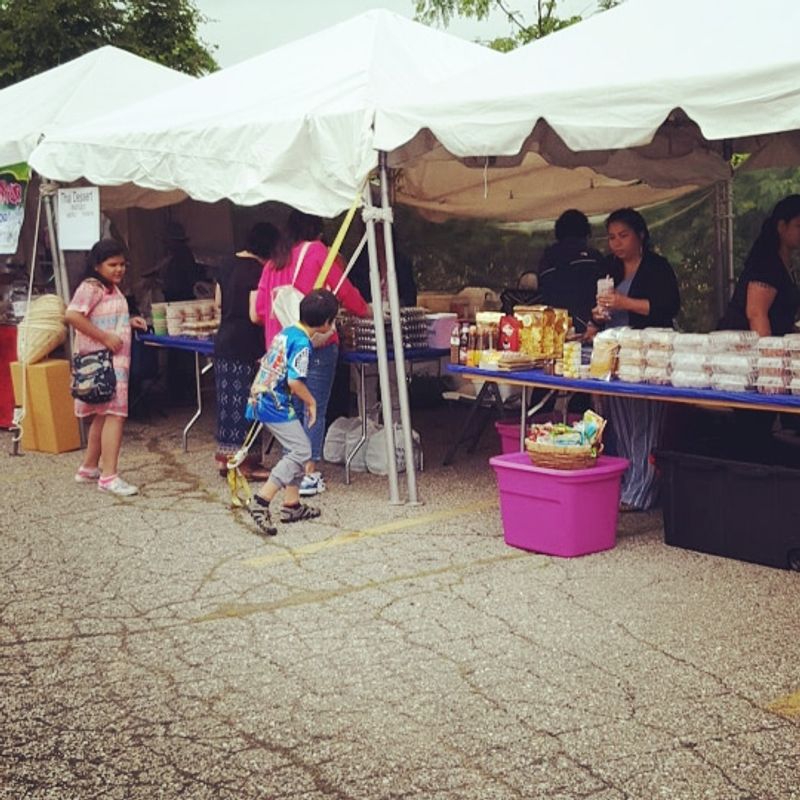
Popular Thai street foods can sell out quickly here. That’s not a scare tactic, just a friendly heads-up from the festival’s track record.
Arriving early ranks as the smartest move you can make. It gives you a shot at the full spread before favorite stalls run low.
Showing up early helps with more than food, too. Parking can be limited, and the closest spots tend to go first.
A loose game plan works well once you’re there. Scout the stalls first, then circle back to the ones that make your stomach growl loudest.
Sharing plates with friends is another clever trick. More people means more dishes tasted, and nobody has to choose just one.
Patience helps when lines form at the busiest tables. Food made fresh takes a little time, and the payoff usually beats anything from a drive-thru.
Families can make a full outing of it by planning a relaxed morning start. Hungry kids and sold-out signs never mix well, so beat the rush and everyone stays happy.
Cash Talks Loudest At The Food Stalls
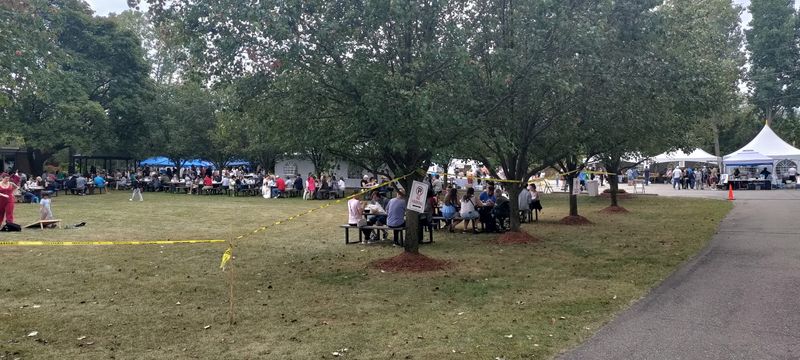
Cards rule most of modern life, but not every festival stall. Many vendors at the Thai Street Food Festival have operated on a cash-only basis.
Stopping at an ATM before you leave home can save some frustration. Nobody wants to discover a perfect dish and realize their wallet only holds plastic.
Bringing smaller bills tends to make things smoother. Vendors juggling busy lines will appreciate it, and you’ll move through faster.
Policies can shift from year to year, of course. Checking the temple’s official Facebook page before the festival may help you confirm the latest details.
A parking fee has also been collected at past events, often as a donation. That money helps support upkeep of the temple grounds, which feels like a fair trade.
Think of it as a small thank-you to the hosts. The temple opens its space to the public, and the donation keeps that welcome going.
So pack cash, a reusable bag and maybe some napkins. You’ll look like a seasoned pro while first-timers hunt for a card reader.
Graceful Thai Dance Steals The Spotlight Between Bites
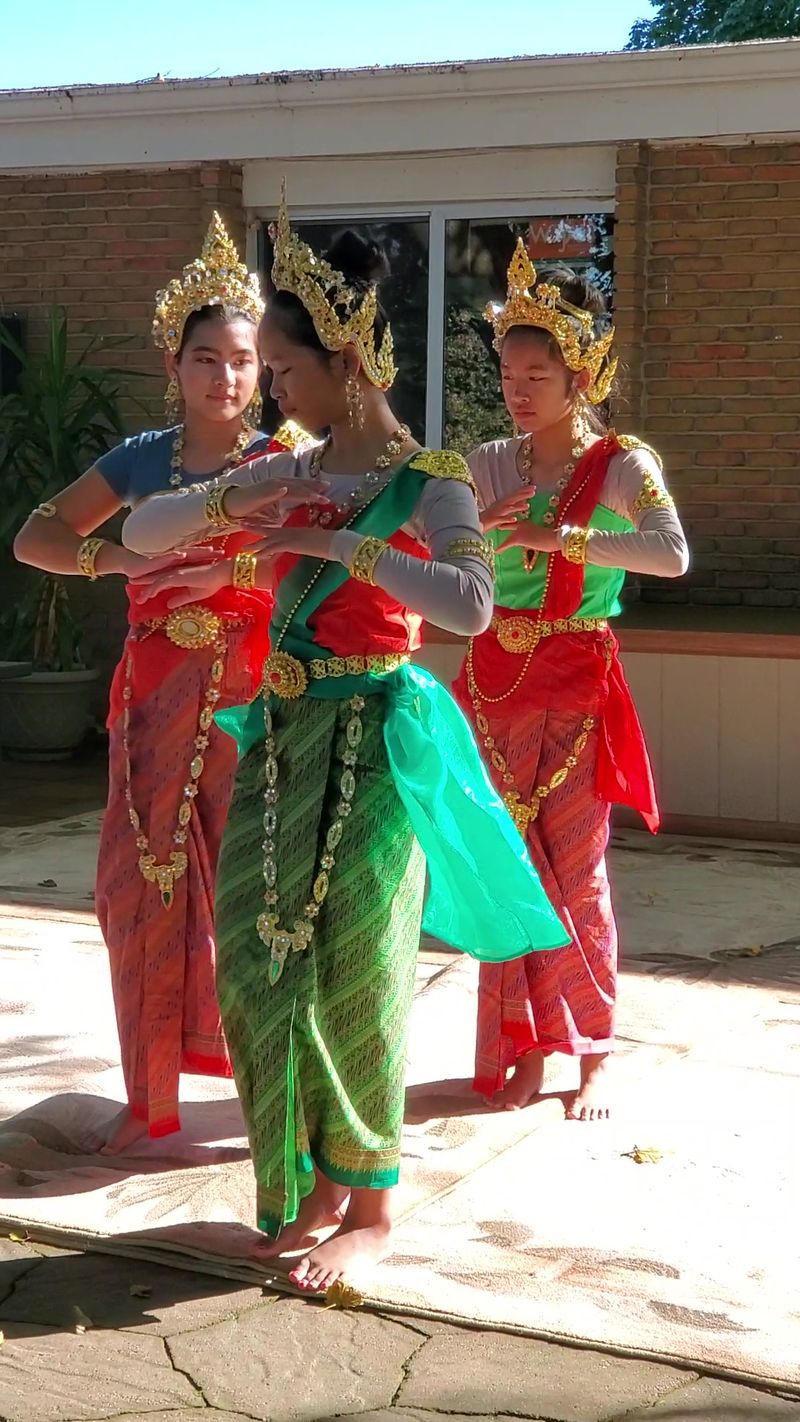
Hands curve, costumes shimmer and the crowd slows down to watch. Traditional Thai dances are part of the festival’s entertainment lineup.
Those performances add a cultural layer you won’t find at an ordinary food truck rally. They give the day rhythm, and they give your full stomach a reason to sit.
Thai dance carries deep tradition, often tied to storytelling and ceremony. Seeing it performed on temple grounds adds meaning you can feel, even without knowing every detail.
Kids especially may find the performances captivating. Bright costumes and careful movements hold attention better than most screens manage.
The entertainment also reflects the festival’s bigger purpose. Organizers want guests to learn about Thai culture, not just eat their way through it.
I appreciate that balance a lot. Food invites people in, and the performances help them understand where that food comes from.
Schedules can vary, so keep an eye out for performance times when you arrive. Grab a plate, find a good viewing spot and let the show come to you.
Neighbors From Across Asia Bring Their Own Traditions
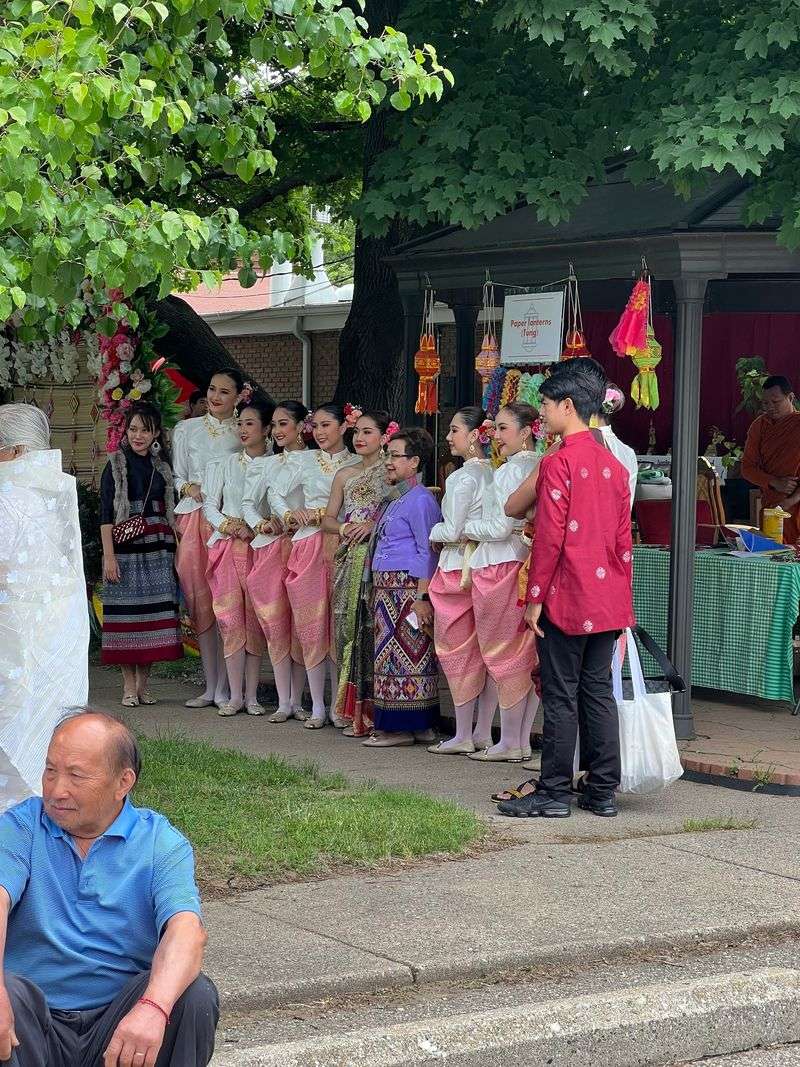
The guest list has grown beyond Thailand. Organizers expanded the festival to include representatives from Bangladesh, Vietnam, the Philippines and Laos.
Those communities share their own traditions through performances. Suddenly, one temple lawn becomes a crash course in Asian cultures across Metro Detroit.
That expansion says a lot about the festival’s heart. It isn’t trying to stay small or exclusive, and it clearly enjoys sharing the stage.
The temple also serves as a cornerstone for local Asian American communities more broadly. Inviting neighbors to perform turns that role into something you can see and hear.
For Michigan families, the variety offers a rare chance. Kids can watch several cultures celebrated in one afternoon without leaving Macomb County.
Adults benefit just as much, honestly. Plenty of us live near these communities for years without ever seeing their traditions up close.
Lineups may change between festivals, so performers in a given year aren’t guaranteed. Still, the spirit of welcome seems built into the event, and that part travels well from year to year.
Six Years In And The Crowds Keep Coming Back
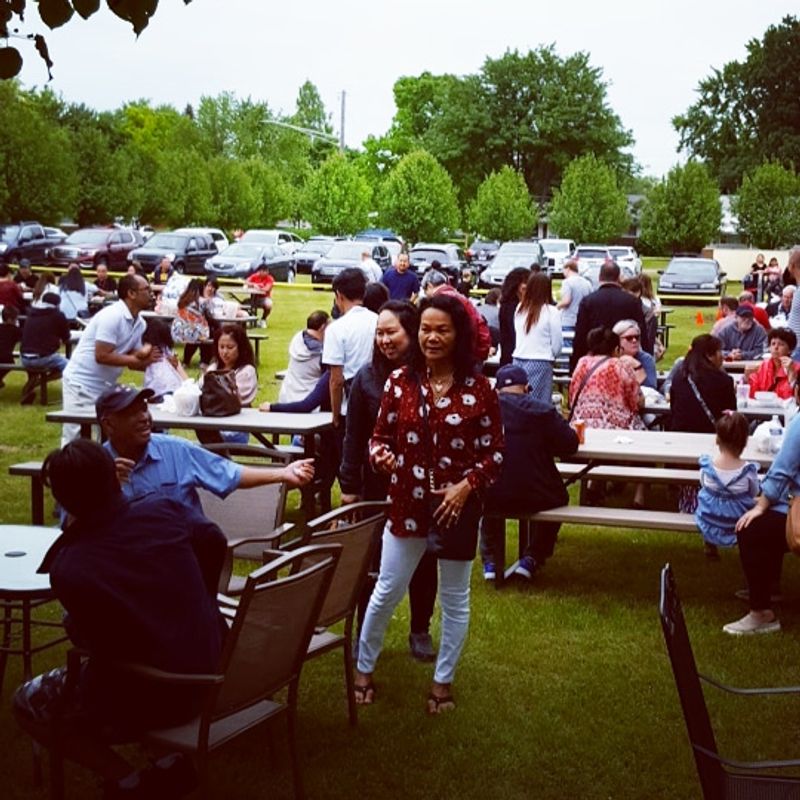
By September 2022, the Thai Street Food Festival had already reached its sixth year. For a community-run event, that kind of staying power is impressive.
Plenty of festivals fizzle after a season or two. This one kept going, built momentum and earned a regular spot on local calendars.
The event typically takes place during the warmer months. Exact dates can shift, so watching the temple’s announcements ahead of time is a good idea.
Continuity like this usually signals strong volunteer energy behind the scenes. Feeding and entertaining crowds takes serious teamwork, year after year.
The festival has also become a doorway for newcomers. Some visitors first discovered the temple through the food event, then returned for meditation programs.
That ripple effect might be its quiet superpower. A fun afternoon turns into lasting curiosity about Buddhism and Thai culture.
I like thinking about how a tradition starts small and slowly becomes part of a city’s identity. Give it a few more years, and Sterling Heights kids may grow up thinking every temple throws a food party.
Sunday English Nights Keep The Welcome Going All Year
Missed the festival? The temple’s welcome doesn’t vanish once the stalls pack up.
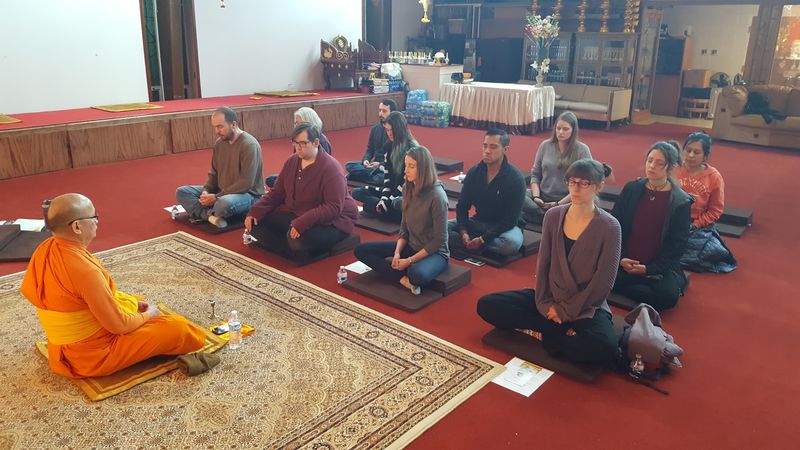
English Nights have long been a draw for people who aren’t of Thai descent. They’ve been held on Sundays at 6 p.m., though checking ahead before visiting is wise.
These evenings focus on meditation and learning about Buddhism. Visitors have described the sessions as informative, friendly and surprisingly easy for beginners.
Several people have mentioned discovering the temple at the food festival first. A plate of Thai food somehow led them to a meditation cushion, which is a pretty great plot twist.
The resident monks add depth to the experience. Their teaching gives newcomers a chance to learn from people who live the practice every day.
No special background is required to show up. Curiosity and a willingness to sit quietly for a while seem like the main qualifications.
For anyone in Michigan seeking calm after a hectic week, that’s a generous offer. The Buddhist Meditation Center – Wat Paknam Michigan makes the quiet side just as welcoming as the festival side.
A Few Simple Courtesies Make Your Visit Shine
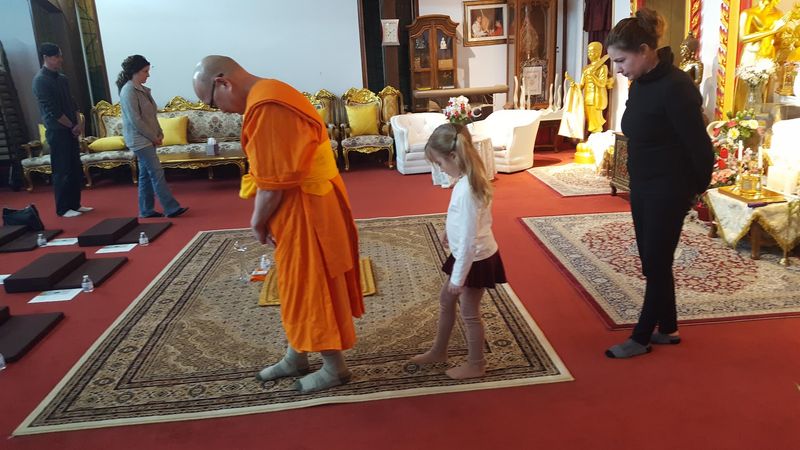
Good manners travel well, especially on sacred ground. The festival is joyful, but it still happens at an active Buddhist temple.
You’ll find the grounds at 8500 Plumbrook Rd, Sterling Heights, MI 48313. The spot sits in Macomb County, an easy drive for much of Metro Detroit.
Dressing modestly is encouraged during your visit. Covered shoulders and knees are a respectful choice, especially if you plan to explore beyond the food area.
Be ready to remove your shoes before entering any prayer spaces. Slip-on footwear can make that step much easier on a busy day.
Parking may be limited during the festival, so carpooling could help. Arriving early also gives you better odds of finding a spot nearby.
Hours and festival dates can change, so check the temple’s Facebook page before heading out. That small step may spare you a disappointing drive.
None of these tips is complicated. They simply show respect to hosts who open their spiritual home to strangers, which feels like the least a grateful guest can do.
Save This One For Your Next Warm-Weather Day Trip
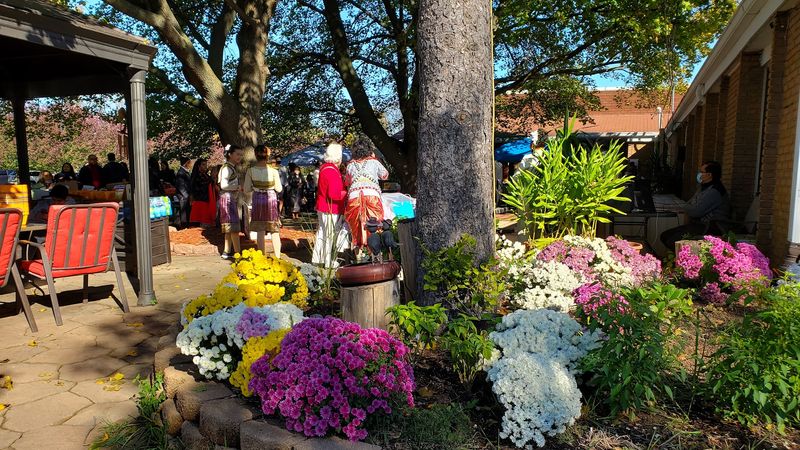
Few places manage to be both peaceful and wildly fun. The Buddhist Meditation Center – Wat Paknam Michigan pulls off both, depending on the day you arrive.
On festival day, it delivers regional Thai street food, traditional dance and neighbors from across Asia. On quieter days, it offers meditation, teaching and a calm that people keep returning for.
The 4.8-star Google rating backs up that warm reputation. Kindness, friendliness and a genuine sense of welcome come up again and again.
For Michiganders who love discovering heritage close to home, this belongs on the list. It’s the kind of place that sparks an honest reaction of I never knew that was here.
Pack cash, dress respectfully and show up early. Those three steps will set you up for a great afternoon.
Then consider coming back for a Sunday English Night. The food may be the hook, but the community gives you a reason to stay.
I believe that’s the real magic here. One temple, one suburban road and a whole culture shared generously with anyone hungry enough to visit.