A woman who never learned to read or write now stands 12 feet tall in bronze, mid-speech, with her hand resting on a Bible. She looks ready to finish an argument she started more than 150 years ago.
Most of us got one paragraph about her in school, maybe two. Few textbooks mentioned that she chose Michigan as home for the last chapter of her life.
I believe that skipped detail is the best part of her story.
The statue never closes, costs nothing to see, and glows after dark. Bronze plaques behind her carry her words and even a copy of her signature.
I like how a single downtown corner can hold so much history. So who was she, really, and why did she pick this particular Michigan city out of everywhere she could have gone?
A Downtown Corner Where A Giant Of History Holds The Floor
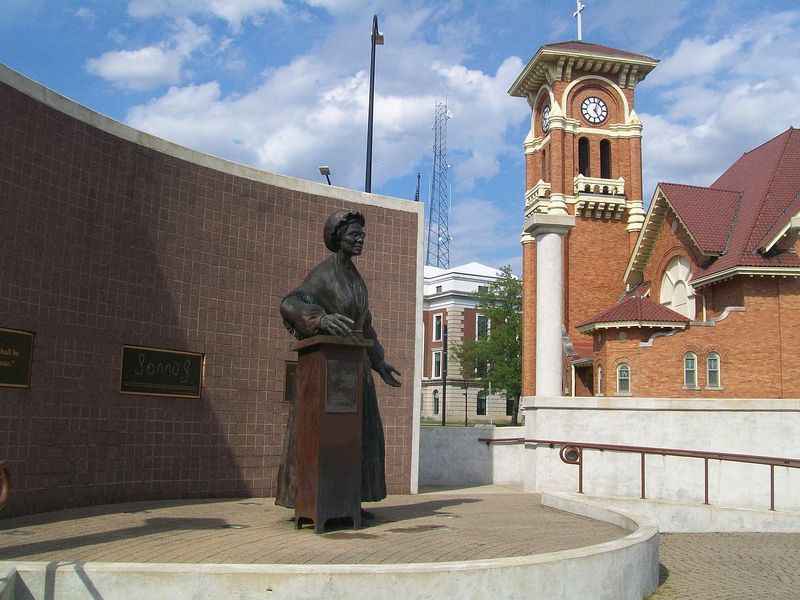
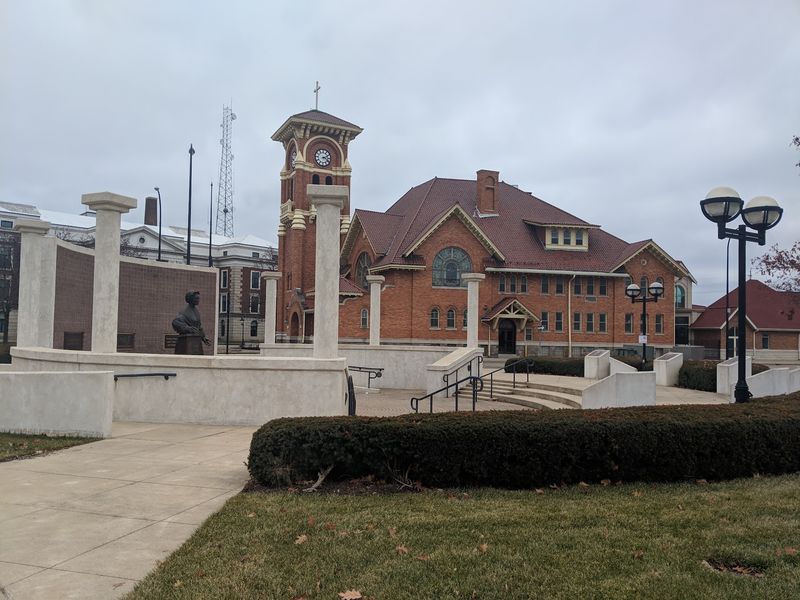
Downtown Battle Creek has plenty of traffic lights, but only one corner where a towering abolitionist seems to be addressing the whole street. The Sojourner Truth Monument rises inside Monument Park, near the meeting point of Division Street and Michigan Avenue.
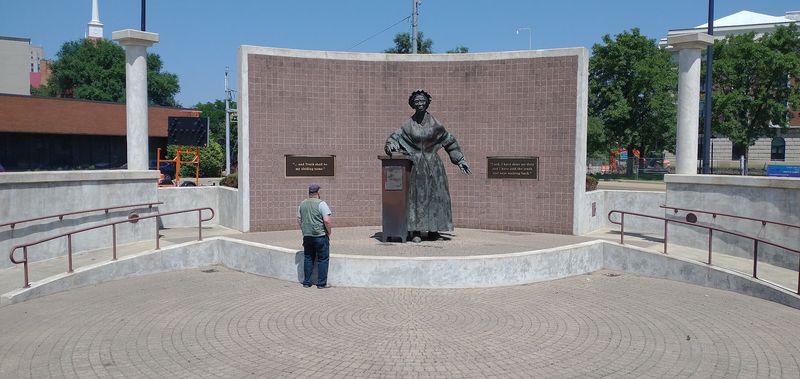
She stands 12 feet tall, cast in bronze, frozen in the middle of a speech. Drivers can spot her from the road, which makes her a pretty effective billboard for history.
The monument honors Sojourner Truth, the formerly enslaved abolitionist and women’s rights crusader. She spent the final decades of her life in this Michigan city, and she rests in a local cemetery today.
That connection is what makes this spot feel personal rather than ceremonial. She wasn’t just passing through Battle Creek on a speaking tour.
She lived here, organized here, and grew old here among neighbors who knew her by name.
For Michiganders who love finding the story behind a landmark, this one delivers in a big way. It’s a free, always-open stop that rewards anyone who slows down long enough to read what surrounds the statue.
The California Artist Who Gave Her Bronze A Voice
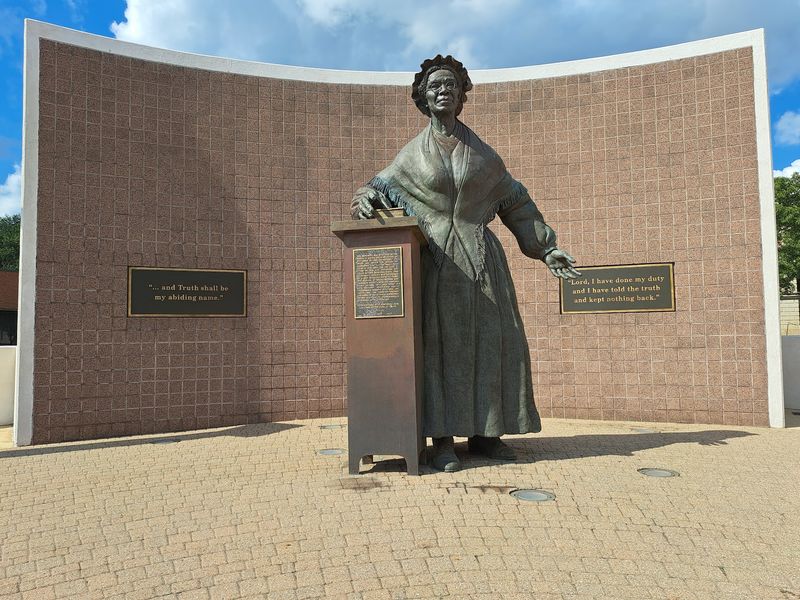
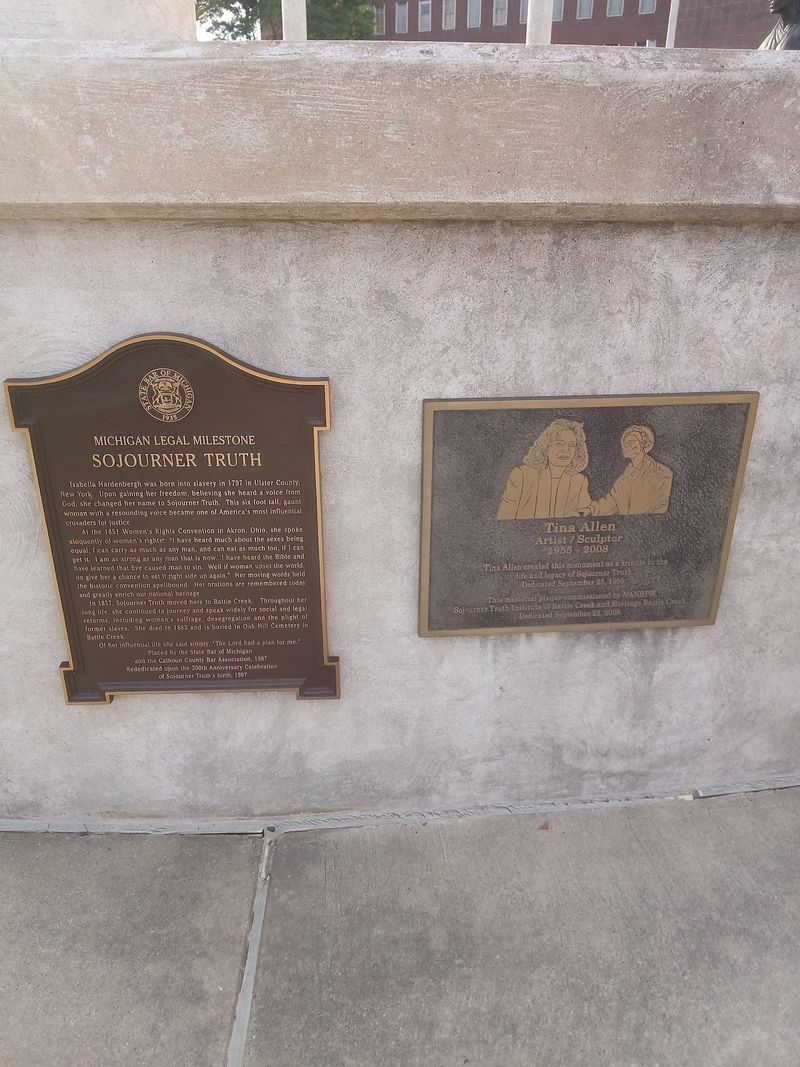
Tina Allen, a renowned sculptor from California, created the figure that now anchors Monument Park. Her work was dedicated on September 25, 1999, which means the statue has been greeting Battle Creek for over two decades.
Allen faced a tricky assignment. How do you capture a woman known mainly for her voice, using a material that can’t make a sound?
Her answer was to show Truth in action rather than at rest. The figure isn’t posed politely for a portrait.
She’s caught in a working moment, speaking to a crowd that only exists in your imagination.
That choice matters because Truth earned her reputation at podiums, pulpits, and meeting halls. She persuaded audiences with wit and conviction, not with written essays.
A seated or static likeness would have missed the whole point of who she was.
The scale helps, too. At 12 feet, she commands the same attention she reportedly drew in person, when her height and powerful delivery left listeners talking for days.
The 1999 dedication gave Michigan one of its most striking public tributes to a civil rights figure. It still holds up beautifully.
Bonnet, Shawl, Lectern, And A Bible Under Her Hand
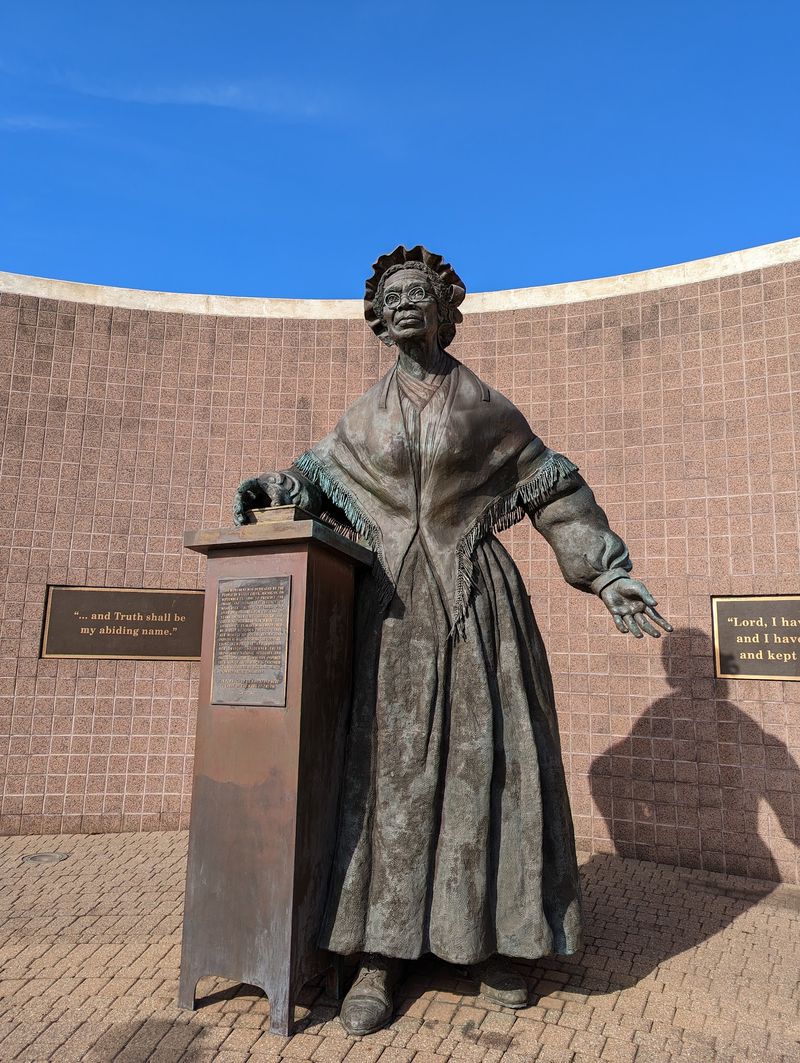
Look at her right hand first. It rests on a Bible set atop a lectern, a quiet detail that says a lot about where her strength came from.
Truth’s faith shaped nearly everything she did. She even chose her name, Sojourner Truth, as a reflection of her calling to travel and speak plainly about what was right.
Her clothing tells its own story. She wears a bonnet and shawl, the modest dress she favored in the photographs that survive from her lifetime.
Allen didn’t glamorize her or turn her into a myth.
Instead, the sculpture feels grounded and recognizable. If you’ve seen her famous portraits, the resemblance in spirit comes through right away.
The lectern finishes the scene. It places her squarely in the role she owned for decades: orator, advocate, and someone who refused to stay quiet.
You can almost hear the next sentence coming.
Spend a minute walking around her. Each angle shows a slightly different mood, from steady to fierce.
It’s a thoughtful reminder that public art works best when you give it more than a passing glance from the car window.
Words In Metal On The Wall Behind Her
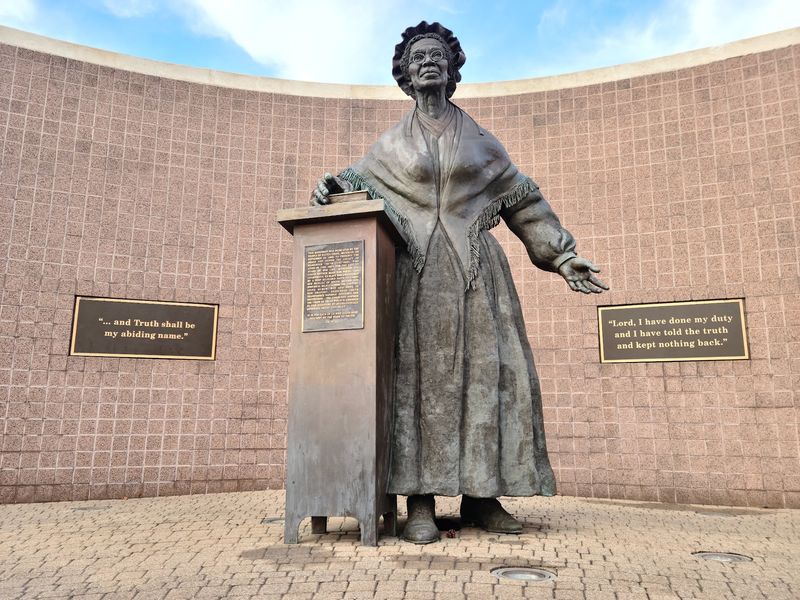
Here’s a fun irony worth savoring. Truth never learned to write, yet a replica of her signature now sits permanently in bronze behind her statue.
The wall behind the figure holds a set of plaques that turn a photo stop into a short history lesson. Several feature her own quotes, preserved in metal so they can’t fade or wander off.
Another plaque offers a concise biography. It traces her path from Isabella Baumfree, born into slavery around 1797, to the nationally known speaker she became.
Those plaques are the secret ingredient here. Plenty of people admit they arrived knowing little about her and left with a real sense of her life.
The reading takes only a few minutes, and the payoff is huge.
Bring the kids over and let them find the signature. It’s a great hook for talking about how she built such influence without reading or writing a single word herself.
The quotes also make strong conversation starters on the drive home. Free, on-the-spot information doesn’t usually come this well presented, and it fits neatly into even a short downtown stroll.
Before The Famous Name Came Isabella Baumfree
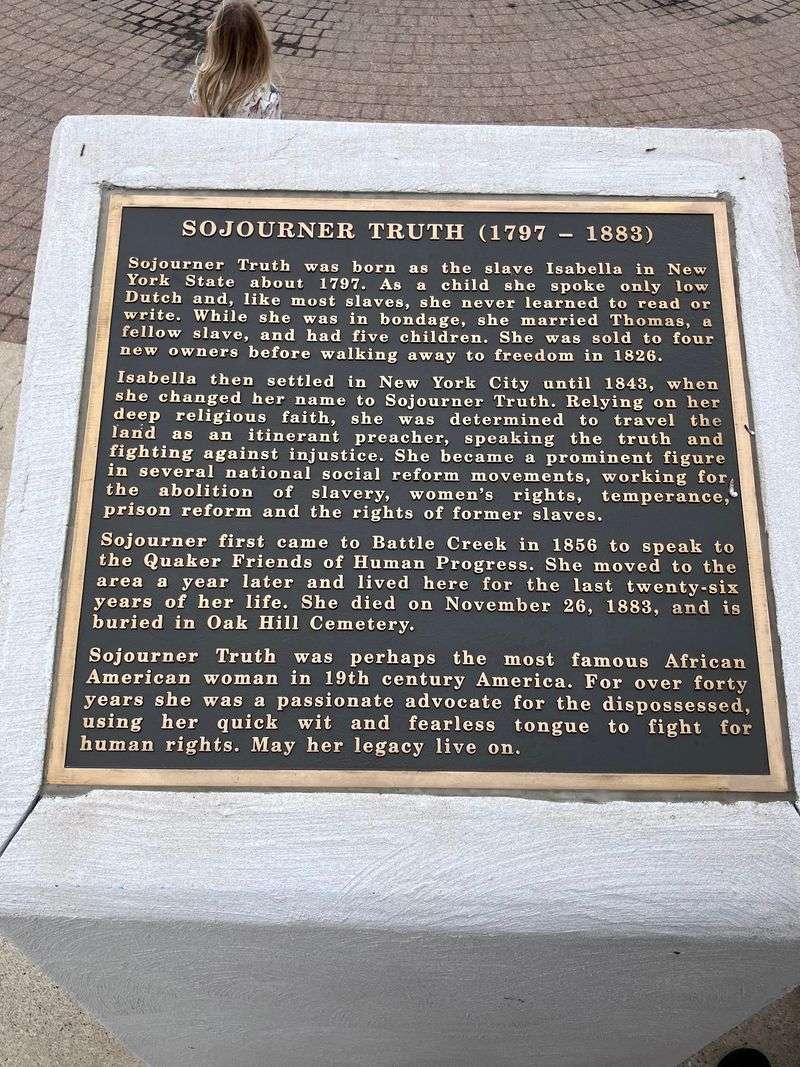
Long before Michigan entered her story, she was a girl named Isabella in Ulster County, New York. She was born into slavery around 1797, the daughter of enslaved parents.
Her first language was Dutch, since she grew up in a Dutch-speaking community. That detail surprises a lot of people who only know her from a single famous speech.
As a child, she was sold away from her family. She endured years of harsh treatment under several enslavers, an experience that could easily have broken a person.
It didn’t break her. New York’s gradual emancipation law set 1827 as the year enslaved people in the state would be freed, and Isabella didn’t wait around for the calendar to catch up.
In 1826, she walked away to freedom carrying her infant daughter. Later, in 1843, she took the name Sojourner Truth and began traveling to preach and speak.
Knowing this backstory changes how the statue reads. The confident woman at the lectern started with nothing the law would let her claim as her own.
Everything she became, she built through sheer resolve.
The Courtroom Win That Brought Her Son Home
Few school lessons mention that Sojourner Truth took on the legal system and won. It happened years before she became a national figure.
Her young son, Peter, was illegally sold to an enslaver in Alabama. New York law prohibited selling enslaved people out of the state, and Isabella knew she had a case.
So she went to court. With help from local supporters, she filed suit to get her son back, which was an astonishingly bold move for a recently freed Black woman in the 1820s.
She succeeded, and Peter was returned to her. Her victory is often cited as one of the first times a Black woman won such a case against a white man in an American court.
That story adds real weight to the statue’s lectern pose. Long before crowds gathered to hear her, she had already proven she could argue her way through closed doors.
Telling this part of her life to younger visitors can spark big questions about courage and fairness. Honestly, it’s the kind of history that sticks far longer than a vocabulary list or a timeline handout.
Why She Chose Battle Creek Over Anywhere Else
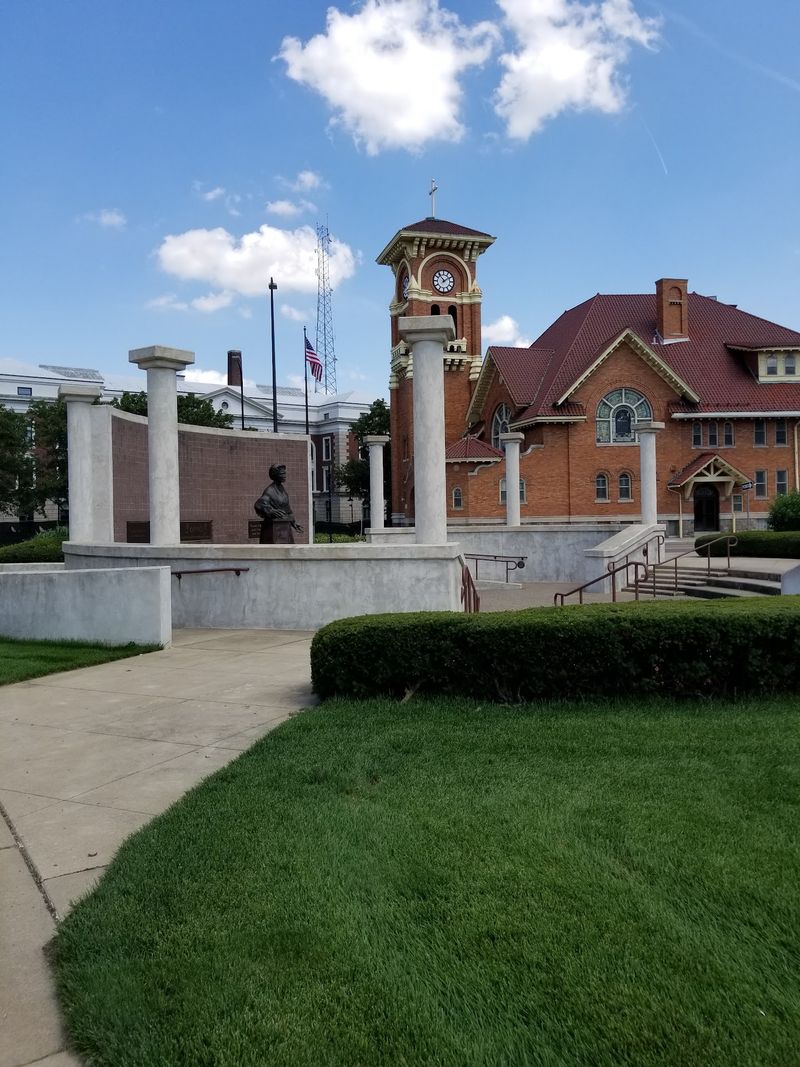
Out of every town she visited across America, Truth picked a spot in south-central Michigan to call home. That’s a point of pride Michiganders can claim outright.
She first came to Battle Creek in 1856 to speak to the Friends of Human Progress, a group with strong Quaker ties. The community clearly made an impression on her.
By 1857, she had moved to the area for good. Battle Creek had a reputation for progressive thinking and anti-slavery activism, so she found allies close at hand.
She stayed for roughly 26 to 27 years, the rest of her life. Even as she aged, she kept traveling and speaking, using her Michigan home as a base for her work.
Truth passed away in Battle Creek on November 26, 1883. The city didn’t simply host her final years; it became central to how she’s remembered.
That’s why the monument feels rooted rather than symbolic. She walked these streets and knew these neighbors.
Standing in Monument Park, you’re closer to her real daily life than almost any other place in the country can offer.
Abolition, Suffrage, And A Very Full To-Do List
Most people would be satisfied championing one major cause. Truth signed up for several and pursued them all with remarkable energy.
Abolition came first, naturally, given her own life. She also fought hard for women’s suffrage, arguing that freedom meant little if half the population couldn’t vote.
Her list didn’t stop there. She supported temperance and prison reform, and she worked to help formerly enslaved people find land and new opportunities after emancipation.
Her most famous speech came in 1851 in Akron, Ohio, at a women’s rights convention. It’s remembered today as the “Ain’t I a Woman?” speech, though the exact wording has been debated by historians.
What made her so persuasive? Quick wit, deep faith, and an unshakable sense of fairness.
She could silence a heckler with one sharp line and then win over the rest of the room.
She also met President Abraham Lincoln in 1864, a meeting that capped years of tireless advocacy. Seeing her bronze form in Battle Creek, it’s easy to understand how one determined voice managed to cover so much ground.
A Monument That Still Hosts Real Conversations
Some statues just stand there collecting pigeons. This one keeps attracting people with something to say, which feels exactly right.
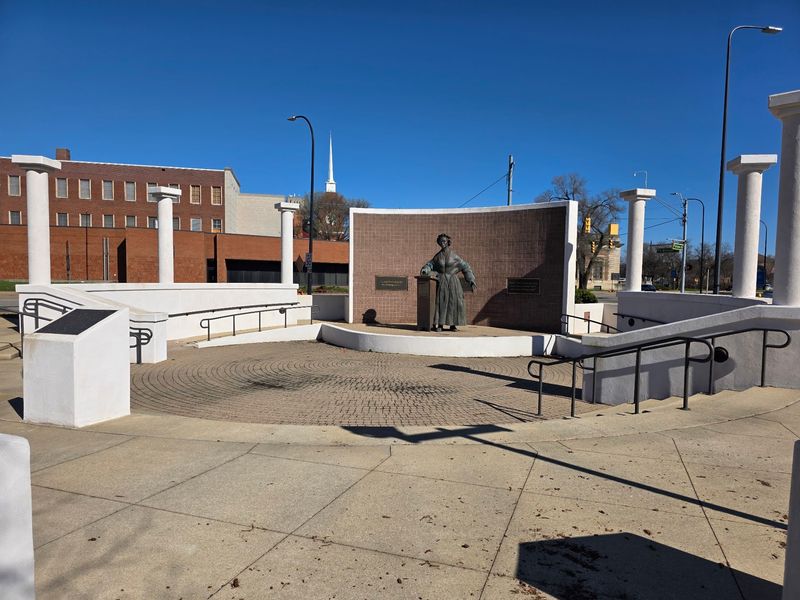
The monument often serves as a gathering spot for rallies, demonstrations, and discussions about social justice. Community members value it as a meeting place as much as a memorial.
Truth spent her life speaking up in public squares and crowded halls. Having modern voices gather around her bronze lectern carries that tradition straight into the present day.
It also makes the park feel alive in a way many historic markers don’t. History here isn’t sealed behind glass.
It’s out in the open air, still part of the city’s ongoing civic life.
For families, that offers a meaningful teaching moment. Kids can see how a figure from the 1800s still inspires people to stand together and speak out about fairness.
Of course, most days are calmer, and you may find the space nearly empty. Either way, the setting invites reflection.
It’s a fitting tribute to a woman who believed ordinary people, gathered with purpose, could change the direction of a whole nation.
Quiet Afternoons, Glowing Evenings, And Who Will Love It
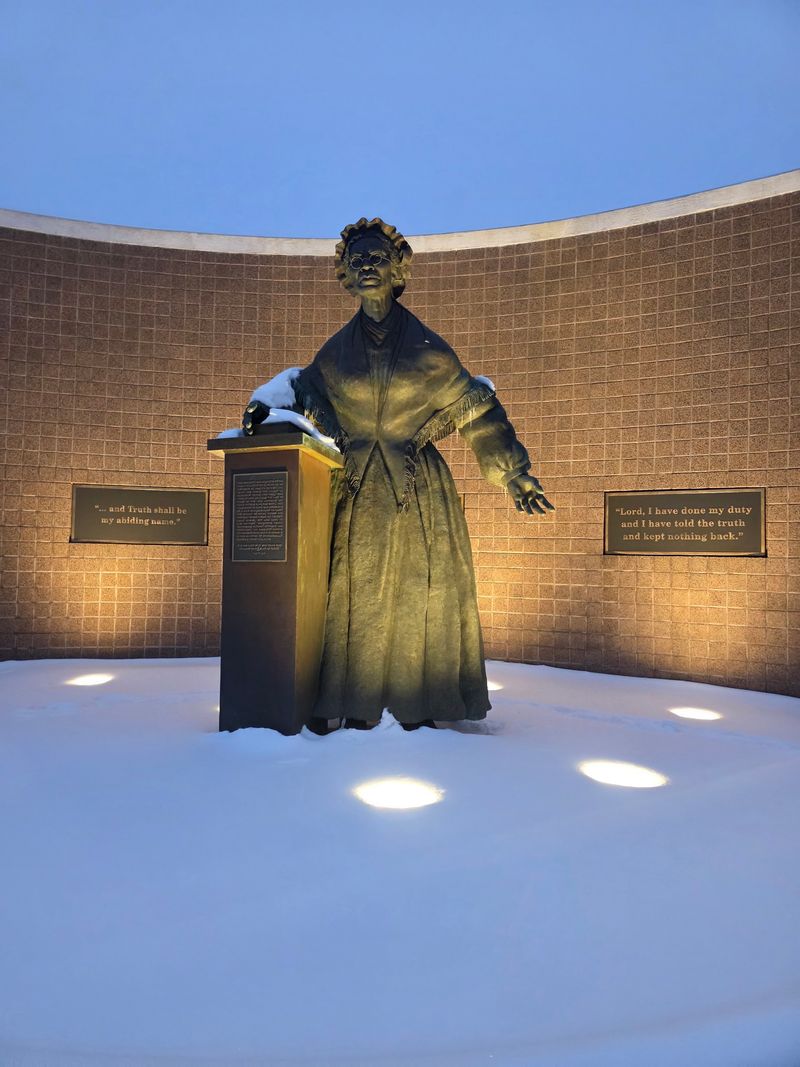
After sunset, the monument gets a second personality. The statue is well lit at night, so the bronze figure stands out sharply against the dark downtown sky.
Daytime visits tend to feel calm and reflective. Many describe the park as quiet and inspiring, a place to pause rather than rush.
History lovers will obviously feel at home here. So will teachers, homeschool families, and anyone working on a Black history or women’s history project.
Road-trippers who like quick, meaningful stops will appreciate it, too. You can see the statue and read the plaques in a short window, then continue exploring downtown.
Fun bonus: the site pops up for Pokemon Go players, so the occasional gamer may wander through. Not a bad way to sneak a little history into a phone session.
One honest note. This is an urban park, and some past visitors have mentioned unhoused people spending time in the area.
Like any downtown space, staying aware of your surroundings makes sense, and daylight visits may feel more comfortable for some families.
Hours, Parking, And The Nicest Price Tag In Town
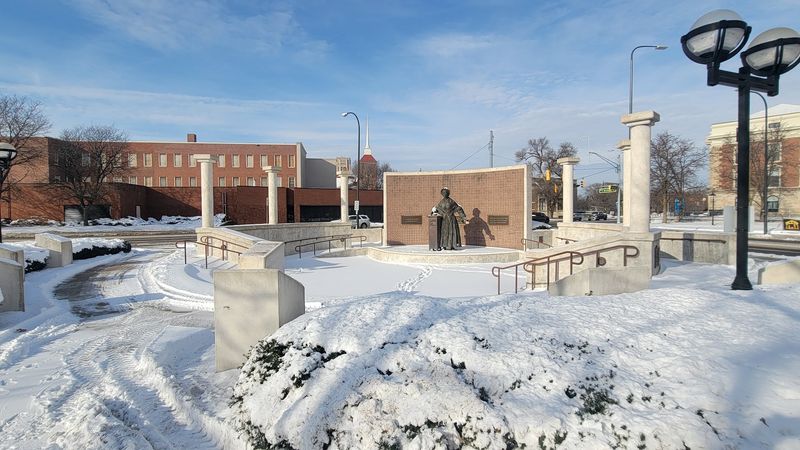
Good news for spontaneous types: the monument never closes. It’s open 24 hours a day, seven days a week, and admission is completely free.
You’ll find it at 2-14 E Michigan Ave, Battle Creek, MI 49014. That puts it right in the heart of downtown, near the corner of Division Street and Michigan Avenue.
Parking can be a mixed bag depending on the day. Some find spaces easily nearby, while others mention it takes a bit of hunting.
Plan on a short walk from wherever you park. The statue is easy to see from the road, but reaching the plaques means getting out of the car, which is well worth it.
Because it’s an outdoor site, weather matters more than a schedule. A clear afternoon makes reading the plaques easy, and an evening stop shows off the lighting nicely.
Battle Creek sits right off I-94 in south-central Michigan, roughly between Kalamazoo and Jackson. That makes it an easy add-on for anyone driving across the state, whether you’re heading to Lake Michigan or simply exploring closer to home.
Her Footsteps, Her Resting Place, And A Mural Up The Street
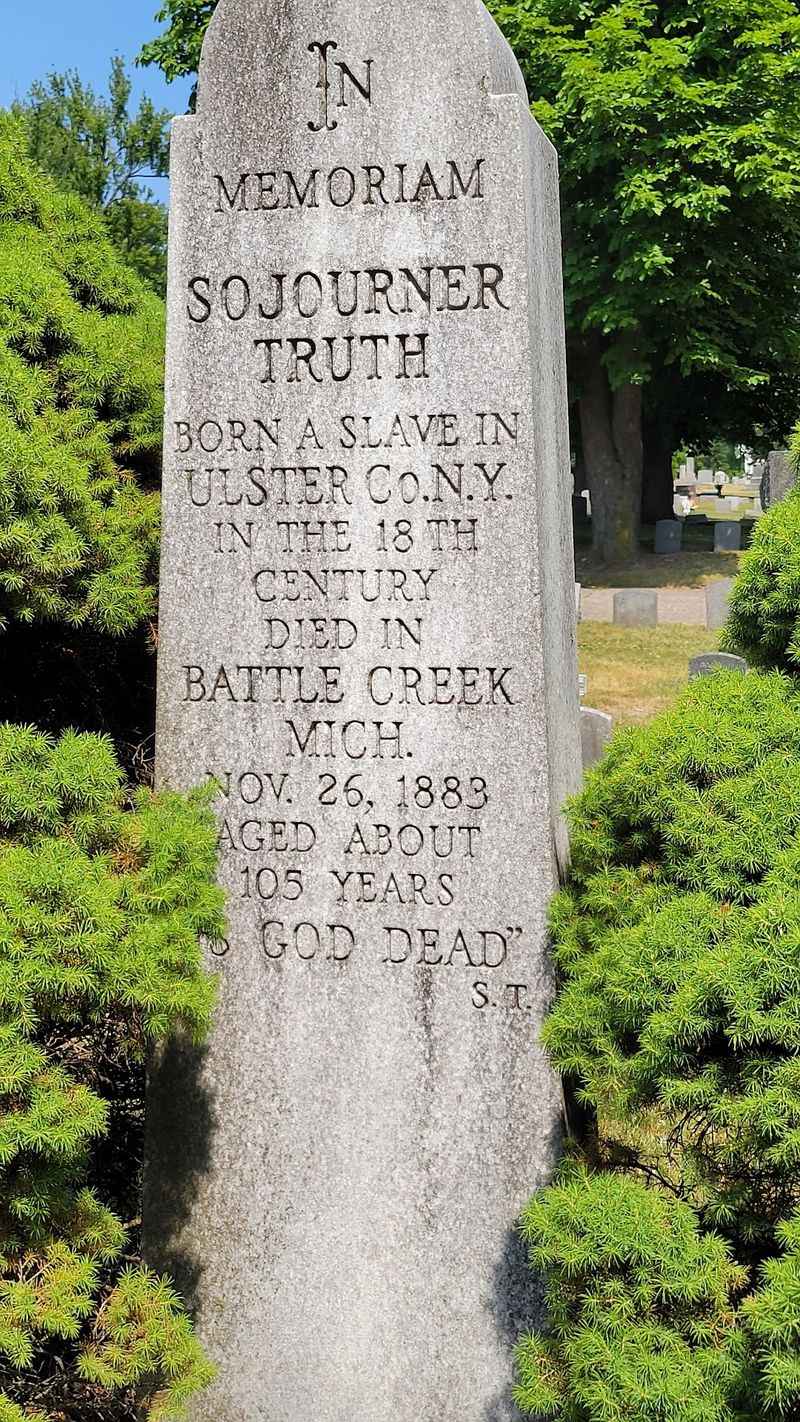
Don’t hop back on I-94 just yet. Battle Creek holds several more Sojourner Truth sites, and they turn a quick stop into a full afternoon.
Start with Oak Hill Cemetery, where she rests beside two of her daughters. Her grave sits near that of cereal pioneer C.W.
Post, a pairing that captures the city’s layered history.
Quaker Park preserves a set of Sojourner Truth “footsteps,” a unique tribute to her presence in the community. It’s a small but moving detail for anyone tracing her life.
Back downtown, the Sintex Sojourner Truth Mural brightens 17 W. Michigan Ave. It’s a short stroll from the statue and adds bold color to the experience.
Nearby, the Underground Railroad sculpture honors the network that helped freedom seekers pass through this region. Pairing both monuments gives a fuller picture of Battle Creek’s anti-slavery past.
The Battle Creek Regional History Museum also holds artifacts tied to her life, some donated by descendants. Hours can vary, so checking ahead is a smart move before building your route.
Worth The Detour For Every Michigander Who Missed This Chapter
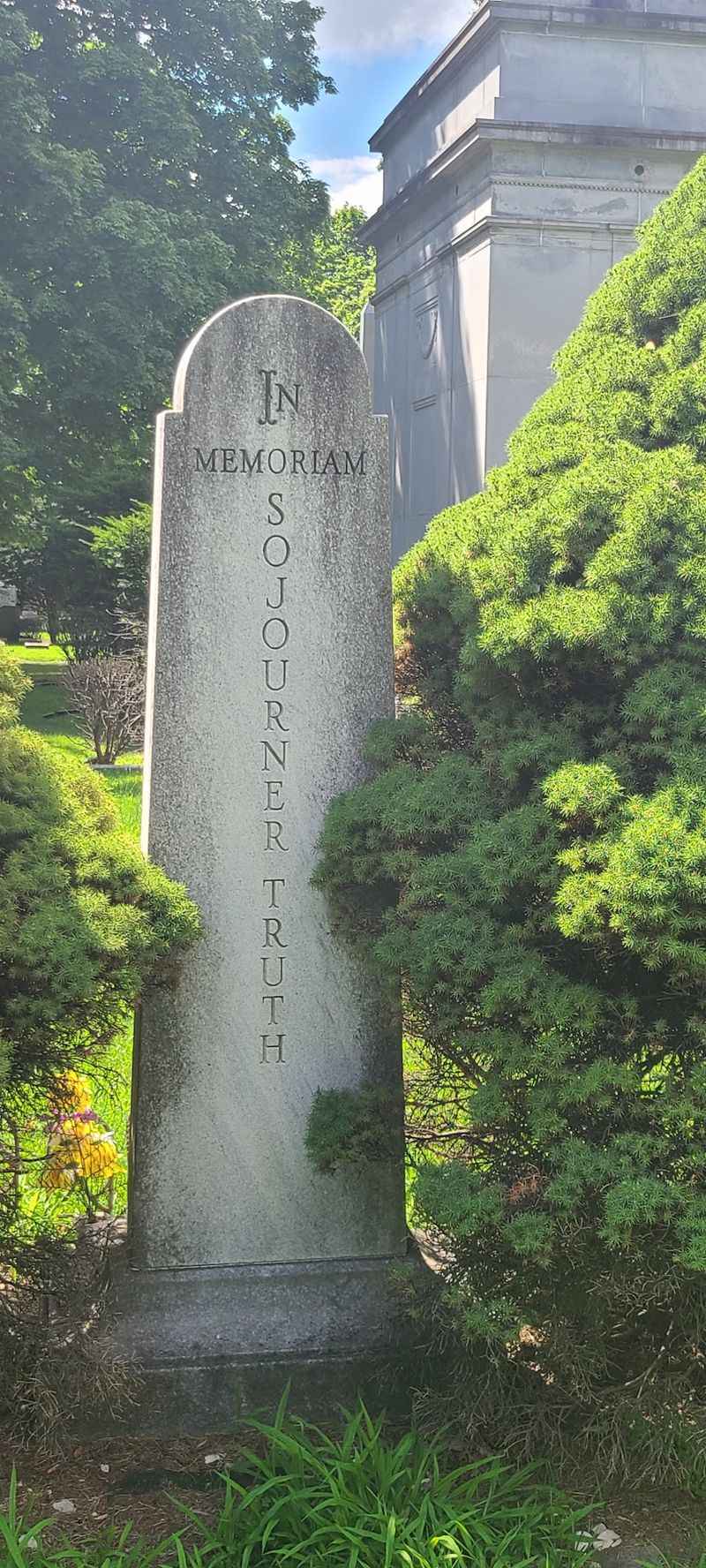
A free, always-open landmark with a story this powerful is rare. The Sojourner Truth Monument earns its spot on any list of Michigan places worth a dedicated drive.
Is it a big attraction with a gift shop and guided tours? Not at all, and that’s part of its charm.
What you get instead is focus. A striking 12-foot bronze, thoughtful plaques, and the chance to stand where one of America’s boldest voices chose to spend her final years.
That Michigan connection deserves far more attention than it gets. Many of us learned her name in school, but rarely learned that she was a Battle Creek neighbor.
Pair the statue with her grave, the mural, and the Underground Railroad sculpture, and you have a meaningful day trip. Fall colors at Oak Hill Cemetery make that combination especially lovely.
Bring curious kids, out-of-town guests, or just yourself. Read her words, find that bronze signature, and give her a few quiet minutes.
She spent a lifetime speaking up for others, so the least we can do is stop and listen.