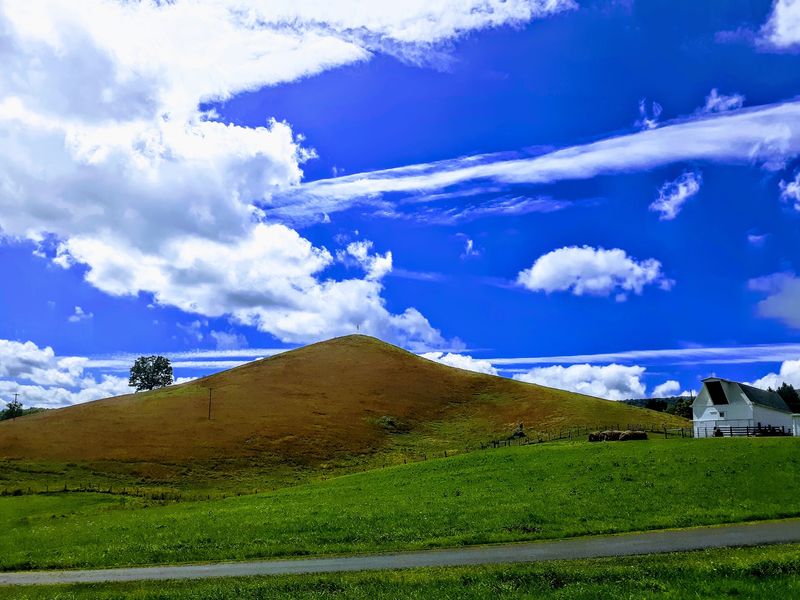
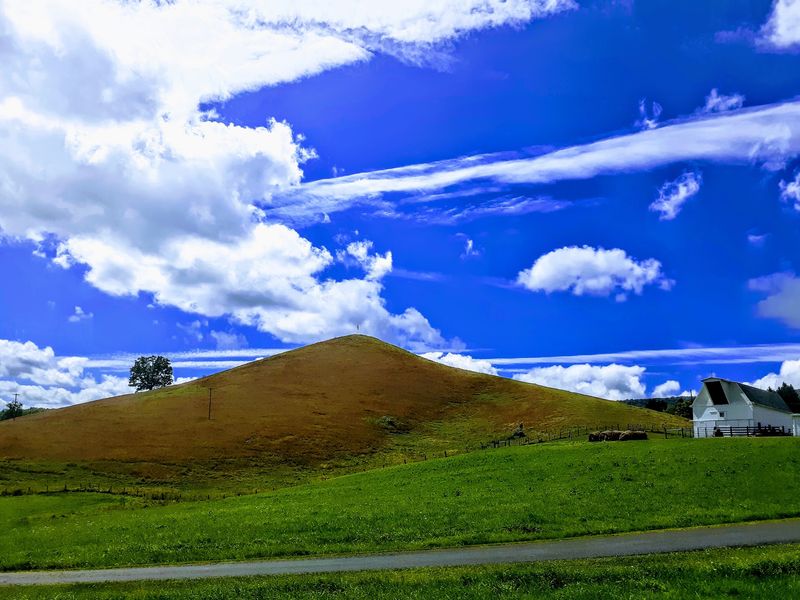
A volcano once punched its way up through the hills of western Virginia. The rounded, grassy bump it left behind still stands there today, looking about as harmless as a sleeping cow.
That little hill is no ordinary mountain peak. Geologists see it as the stubborn plug of hardened rock that filled an ancient volcanic vent.
The softer stone around it wore away over millions of years, and the plug simply refused to budge.
I love that the evidence is hiding in plain sight. No smoke, no crater, no warning signs.
Just a quiet knob near a sleepy mountain town, with fields and fences all around it.
I can’t imagine a better way to make a road trip feel like a science fiction movie. So how did fire end up here, so far from any famous volcano zone?
A Volcano Plug Sitting Quietly in Highland County
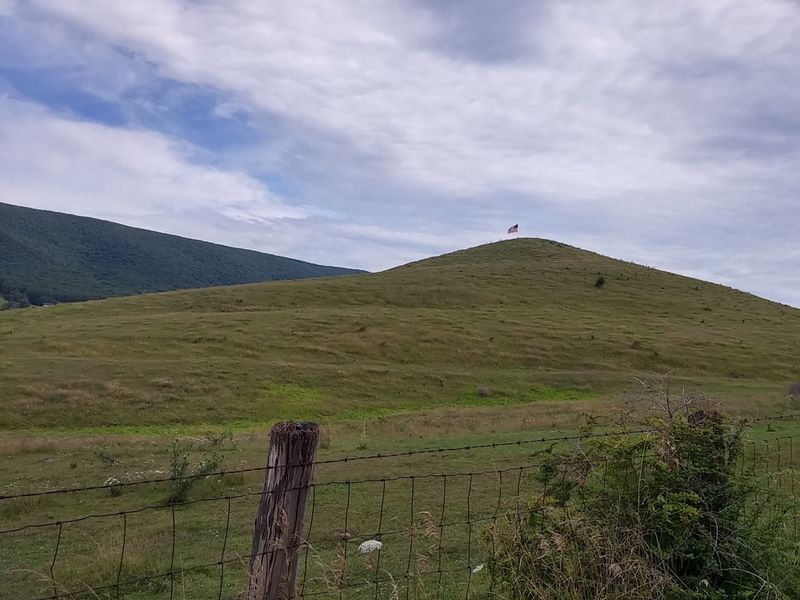
Trimble Knob sits in Highland County, Virginia, near the small mountain town of Monterey. Google lists it simply as a mountain peak, which feels like a polite understatement.
Underneath that modest label is a far wilder story. The knob is widely described as the eroded neck of a volcano, the hardened throat where molten rock once rose toward the surface.
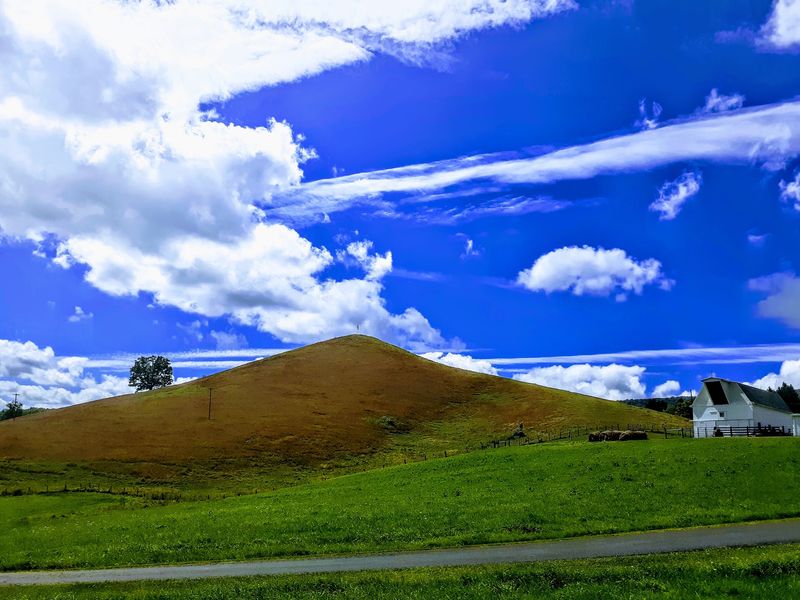
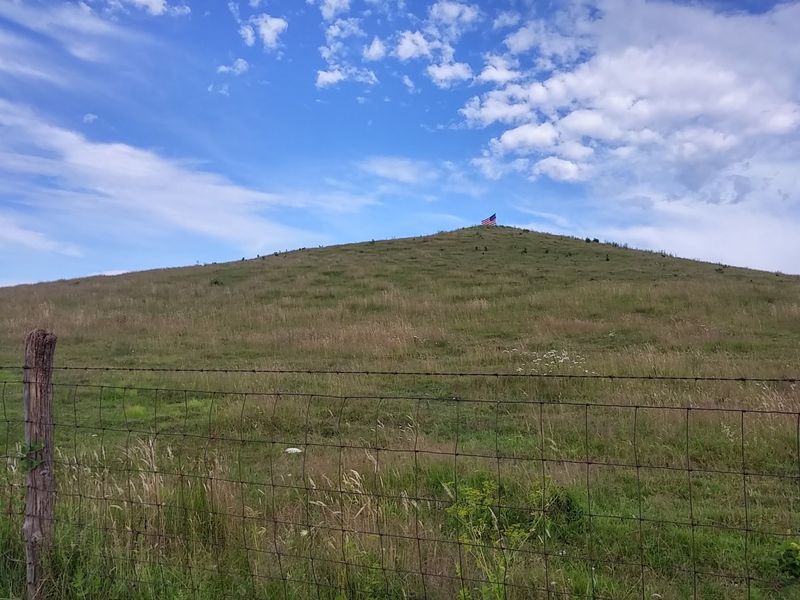
Size is not its selling point. The hill is small and rounded, more like a green bump than a dramatic summit.
You could drive past it and never suspect a thing.
That is exactly what makes it fun. Most people picture volcanoes in Hawaii, Alaska, or the Pacific Northwest, not in the Allegheny highlands.
Finding one here feels like spotting a palm tree in a snowbank.
Highland County is already known for its high elevation and quiet farm valleys. Add a volcanic remnant to that mix, and the scenery suddenly gets a lot more interesting.
Think of this as a rare chance to stand near a piece of Earth’s fiery past. No ticket booth required, just a curious mind and a decent pair of eyes.
Why Fire Showed Up Where It Shouldn’t
Volcanoes usually form near the edges of tectonic plates. Western Virginia sits nowhere near one, which is why scientists still scratch their heads over this region.
During the Eocene epoch, a burst of eruptions hit parts of Virginia and West Virginia. Research places that eruptive period roughly between 48 and 35 million years ago.
Trimble Knob belongs to that strange chapter. So does Mole Hill, a similar basalt plug west of Harrisonburg in Rockingham County that geologists have studied closely.
Nobody has fully solved the mystery yet. Some ideas point to a large shift in plate motion.
Others suggest a mantle plume, a column of unusually hot rock rising from deep inside the planet.
I like that the question remains open. It means this quiet hill is not just a relic.
It is still part of an active scientific puzzle, and researchers keep returning for clues.
Compared with the Appalachians themselves, these eruptions are youngsters. The mountains around them are hundreds of millions of years old.
That age gap is why the area earns its reputation as home to the East Coast’s youngest volcanoes.
Hard Rock That Outlasted Everything Around It
Erosion is patient, and it always wins eventually. Well, almost always, because volcanic rock tends to put up a serious fight.
When magma cools inside a volcanic vent, it hardens into tough stone. In this part of Virginia, that stone is basalt, the same dark rock found in many famous lava fields around the world.
Over millions of years, rain, wind, and frost chewed away the softer rock that once surrounded the vent. The tougher plug stayed behind, standing above the landscape like the last kid left in a game of musical chairs.
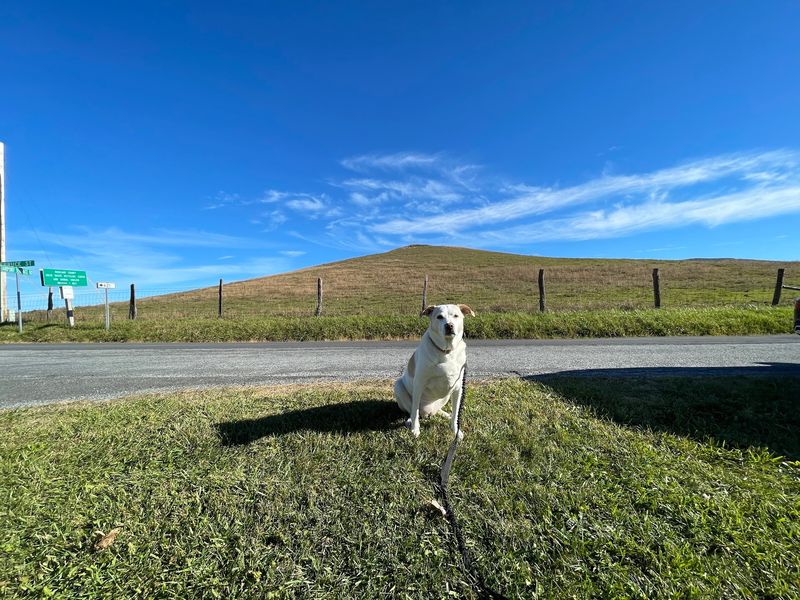
That process explains the knob’s shape. It is not a cone with a crater on top.
It is the core that remained after the outer volcano wore away.
Geologists call features like this volcanic necks or plugs. Mole Hill, its cousin to the east, shows hexagonal basalt formations that formed as lava cooled and cracked.
Knowing all that changes how the hill looks. A gentle lump in a field becomes a survivor that outlasted a whole volcano.
Pretty impressive for something a cow could graze on.
The Best of All the Knobs, According to One Fan
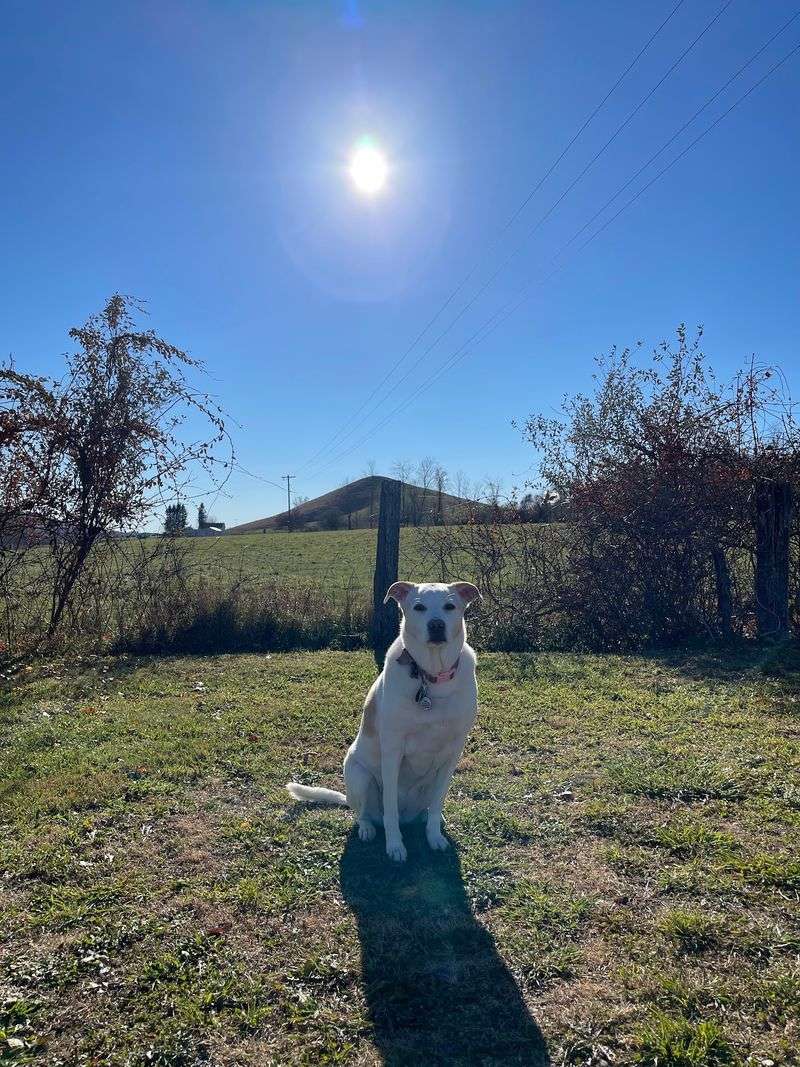
Seven ratings, seven perfect scores. On Google, Trimble Knob holds a flawless five-star average, which is quite the record for a hill.
One fan put it with charming confidence, calling it the best of all the knobs. Considering how many knobs dot the Virginia mountains, that is a bold ranking.
Another visitor mentioned the walk to the top felt a little windy. Even so, they still called the spot a little charm, which sounds about right for this small summit.
Honestly, the low-key praise fits the place perfectly. Nobody is promising thrill rides or gift shops here.
The appeal is quieter, rooted in scenery and a jaw-dropping backstory.
That wind detail is worth remembering. Highland County sits high in the mountains, so breezes can pick up on exposed ground.
A light jacket makes sense even when the valley feels calm.
A handful of reviews does not make a crowd. It does suggest a small group of curious people who found this spot and walked away happy.
Being in on a geological secret clearly has its perks.
Farm Fields, Mountain Air, and a Very Old Secret
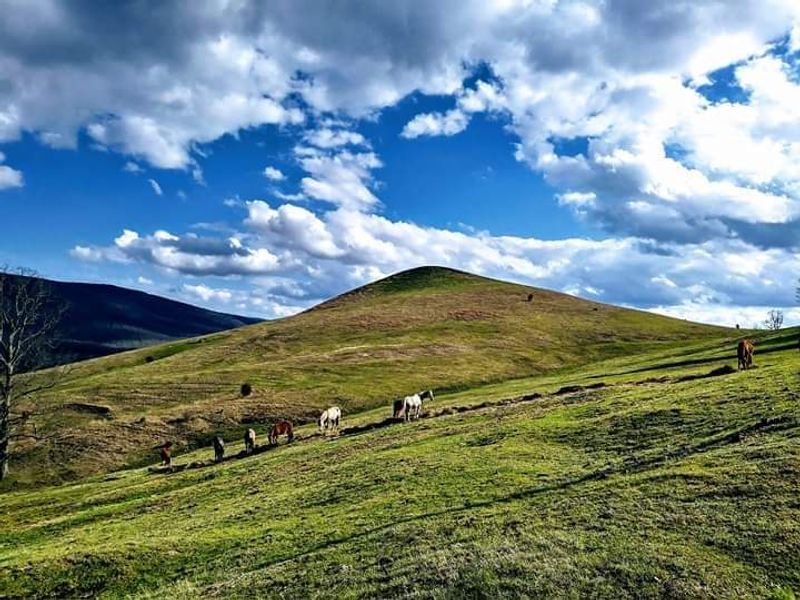
Sheep and cattle pastures do most of the talking out here. Highland County is a rural mountain place, and Trimble Knob rises from that quiet, open countryside.
Its official address keeps things refreshingly simple: Virginia 24465. That ZIP code belongs to the Monterey area, so the town makes an easy reference point for your trip.
The Google coordinates place the knob at roughly 38.4048 N and 79.5881 W. Plugging those numbers into a map app is the surest way to find it.
Because the hill is small, the setting matters as much as the summit. Fields wrap around it, and ridges stack up in the distance.
The contrast helps the volcanic plug stand out.
I believe the calm surroundings make the story land harder. Nothing about the scene shouts danger or drama.
Yet the ground beneath once carried molten rock toward the sky.
That mix of peaceful farmland and ancient fire is the real attraction. It turns an ordinary scenic drive through Virginia into a lesson you can actually see from the car window.
A Sibling Volcano Worth Adding to the Route
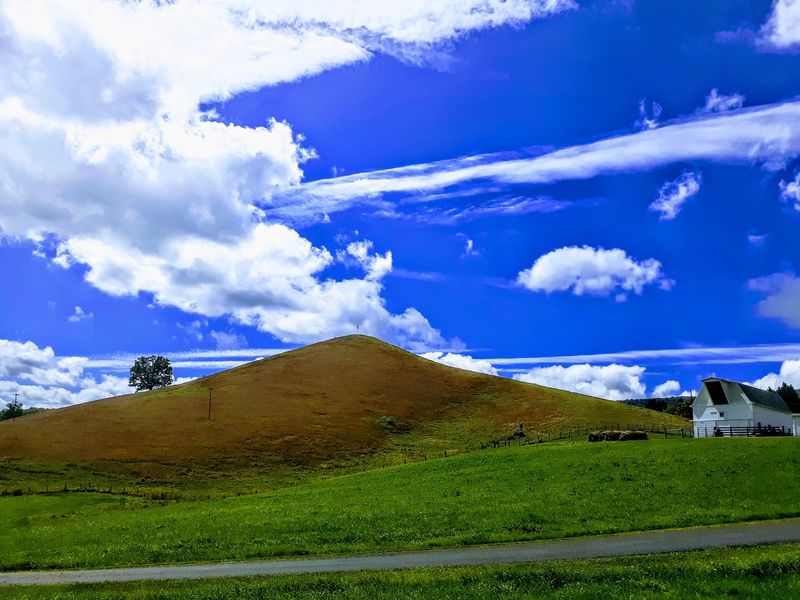
Trimble Knob has company in the Shenandoah region. Mole Hill, west of Harrisonburg in Rockingham County, is another eroded volcanic remnant from the same strange Eocene era.
Mole Hill formed roughly 47 to 48 million years ago. It is a rounded, tree-covered hill surrounded by farmland, and its basalt core pushed through much older carbonate rock.
Geologists from James Madison University have studied Mole Hill extensively. They have noted hexagonal basalt formations inside it, a classic sign of cooling lava.
Here is a key difference to plan around. Mole Hill sits on private property, and access usually requires permission, often arranged through Mole Hill Bikes in nearby Dayton.
The good news is you can still see it from public roads like Mole Hill Road and Swope Road. That makes it an easy add-on for anyone already chasing volcanoes through the area.
Seeing both hills gives you a fuller picture of the story. Two small plugs, two counties, one unsolved mystery.
That is a pretty great theme for a Virginia day trip.
Curious Kids, Rock Nerds, and Back-Road Wanderers
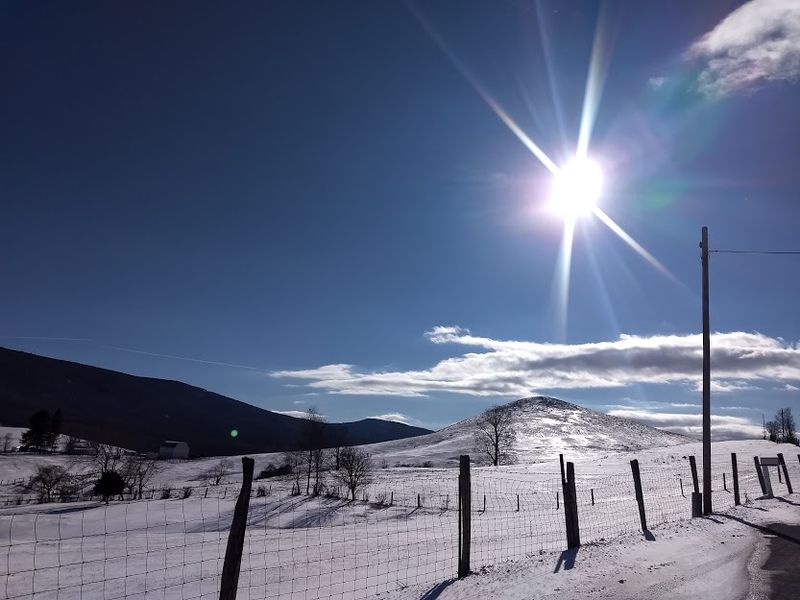
Got a kid obsessed with volcanoes? Showing them a real one in Virginia might earn you legendary parent status for at least a week.
Trimble Knob suits people who enjoy stories more than spectacle. Geology fans, science teachers, and road-trippers who love odd facts will get the biggest kick out of it.
Photographers may enjoy the setting too. A lone rounded hill against open farmland makes a simple, striking shot, especially with mountains layered behind it.
It probably will not satisfy someone craving a long, rugged hike. The knob is small, and the main thrill is understanding what you are looking at.
Before visiting, read up a little on volcanic necks and the Eocene eruptions. A few minutes of background turns a quick stop into a genuine wow moment.
I like the idea of turning it into a game for kids. Ask them to spot the hill that does not match its neighbors.
Then reveal that it used to be part of a volcano and watch their faces change.
Practical Tips Before You Point the Car West
No hours, no admission fees, no visitor center. Trimble Knob is a natural mountain peak, so planning works a little differently than it would for a museum.
Start by entering the coordinates or the Virginia 24465 address into your map app. Monterey serves as the closest town, so it makes a handy base for the drive.
Land access deserves some respect. Many hills in this rural region sit on or beside private farmland, so stay on public roads unless you have clear permission.
Viewing from the roadside still delivers the main payoff. The knob’s rounded shape is the whole point, and you can appreciate it without climbing a single fence.
Pack for mountain weather. One visitor noted windy conditions near the top, and high elevations can turn breezy fast.
Layers and sturdy shoes are smart choices.
Cell service in remote mountain areas can be spotty. Downloading offline maps before you leave saves stress later.
Fill up your tank too, because gas stations get scarce once you head deep into the highlands.
Small Hill, Big Bragging Rights
Some road trip stops dazzle with size. Trimble Knob wins with a story so unexpected it sticks in your head for days.
A quiet green hill in Virginia once channeled molten rock from deep underground. That alone makes it one of the most surprising sights in the Allegheny highlands.
Its five-star record on Google hints that the few people who seek it out leave pleased. Calling it the best of all the knobs might be a stretch, but I love the enthusiasm.
The best visits will be simple ones. A scenic drive, a respectful roadside look, and maybe a side trip toward Mole Hill near Harrisonburg.
Bring curiosity and leave expectations of lava at home. The real reward is seeing millions of years of change compressed into one modest bump in the land.
And when friends ask what you did on vacation, you get a fantastic answer. You went volcano spotting on the East Coast.
Good luck topping that at the next family dinner.