Scuba divers have to trim the kelp in this tank every week, because it can grow 3 to 5 inches a day. That is a garden with a serious attitude.
And it towers 28 feet tall, three full stories of swaying gold-green fronds.
The water pumped inside comes straight from the ocean outside, unfiltered. A special surge machine keeps everything moving, just like the real coast.
Sardines flash past, leopard sharks cruise low, and a wolf-eel might peek out from the rocks.
I like how the whole thing feels less like a tank and more like a window onto the California seafloor. I can’t imagine a better way to show kids what lives just offshore.
So what happens when a chatty six-year-old meets a living forest that never stops moving? Often, something rare.
Silence.
An Old Sardine Cannery Now Holds the Entire Bay
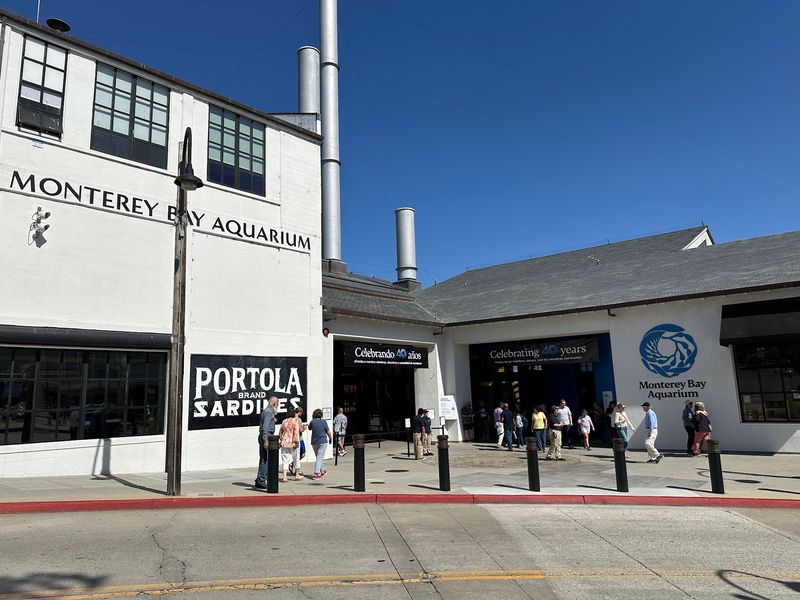
Sardines built this building long before sharks moved in. The Monterey Bay Aquarium sits inside the old Hovden Cannery, once the largest sardine cannery on Cannery Row.
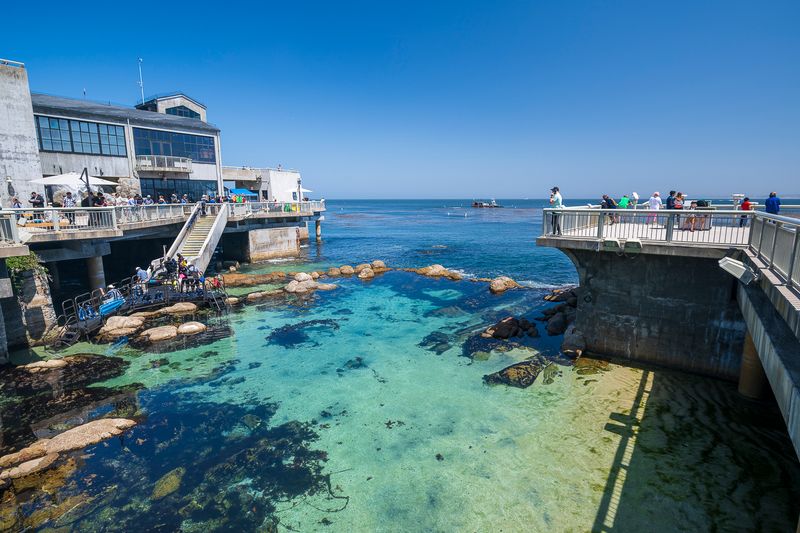
Today it anchors the west end of that famous waterfront street in Monterey, California. Waves slap the rocks right outside, and the bay itself becomes part of the show.
Monterey sits roughly 125 miles south of San Francisco. Los Angeles is about 360 miles away, which makes this a classic Central Coast road trip either way.
The aquarium is a nonprofit, and its mission is simple: inspire people to care about the ocean. That goal shapes everything, from the exhibits to the signs on the walls.
Inside, you’ll find otters, penguins, jellies, sharks, tuna, deep-sea oddities, and a walk-through aviary. Still, the star for many families is that soaring kelp forest near the heart of the building.
I love that a place once built to can fish now exists to protect them. That’s a pretty satisfying plot twist for one stretch of California coastline.
Wide spaces, tall ceilings, and outdoor decks keep it from feeling cramped. Good news for anyone who gets twitchy in dark, crowded aquarium hallways.
How a Family Dream Opened the Doors in 1984
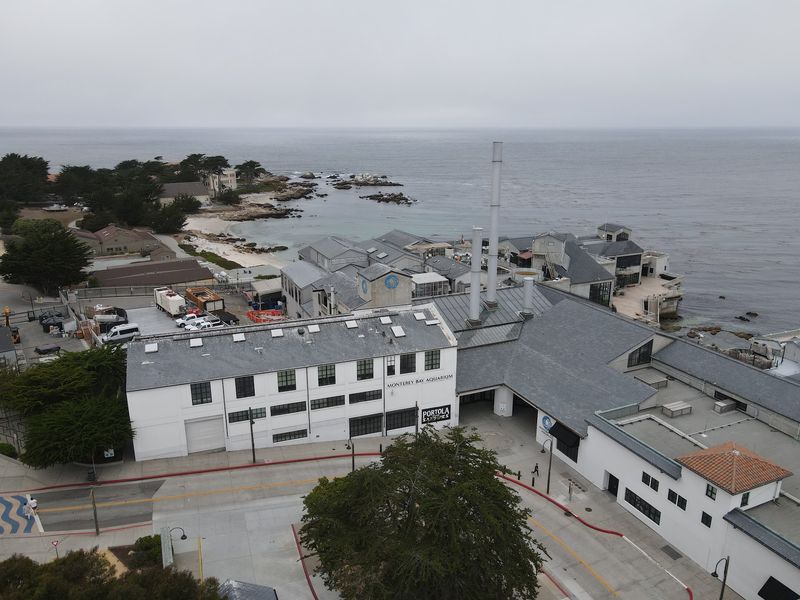
Plenty of big ideas fizzle out in a planning meeting. This one got a site in 1977 and a foundation in April 1978.
David and Lucile Packard spearheaded the project and largely funded it with a personal gift of 55 million dollars. Their daughter Julie Packard, a marine biologist, helped shape the vision.
She still serves as executive director today. That kind of continuity feels rare in fast-changing California.
The doors opened on October 20, 1984. On day one, 10,681 visitors poured through, which is a lot of people for one old cannery.
Here’s what made it groundbreaking. It was the first major public aquarium in the world with permanent exhibits devoted to its own home waters.
Instead of importing exotic reefs, the founders showed off Monterey Bay and the Central Coast. Turns out the neighborhood was plenty impressive.
The aquarium also pioneered large-scale jellyfish displays and rotating special exhibitions. Those ideas spread to aquariums far beyond California.
For anyone who visited as a kid in the 1980s or 1990s, coming back now feels like a reunion. The building has grown, but the spirit hasn’t wandered off.
Three Stories of Kelp That Make Grown-Ups Whisper Too
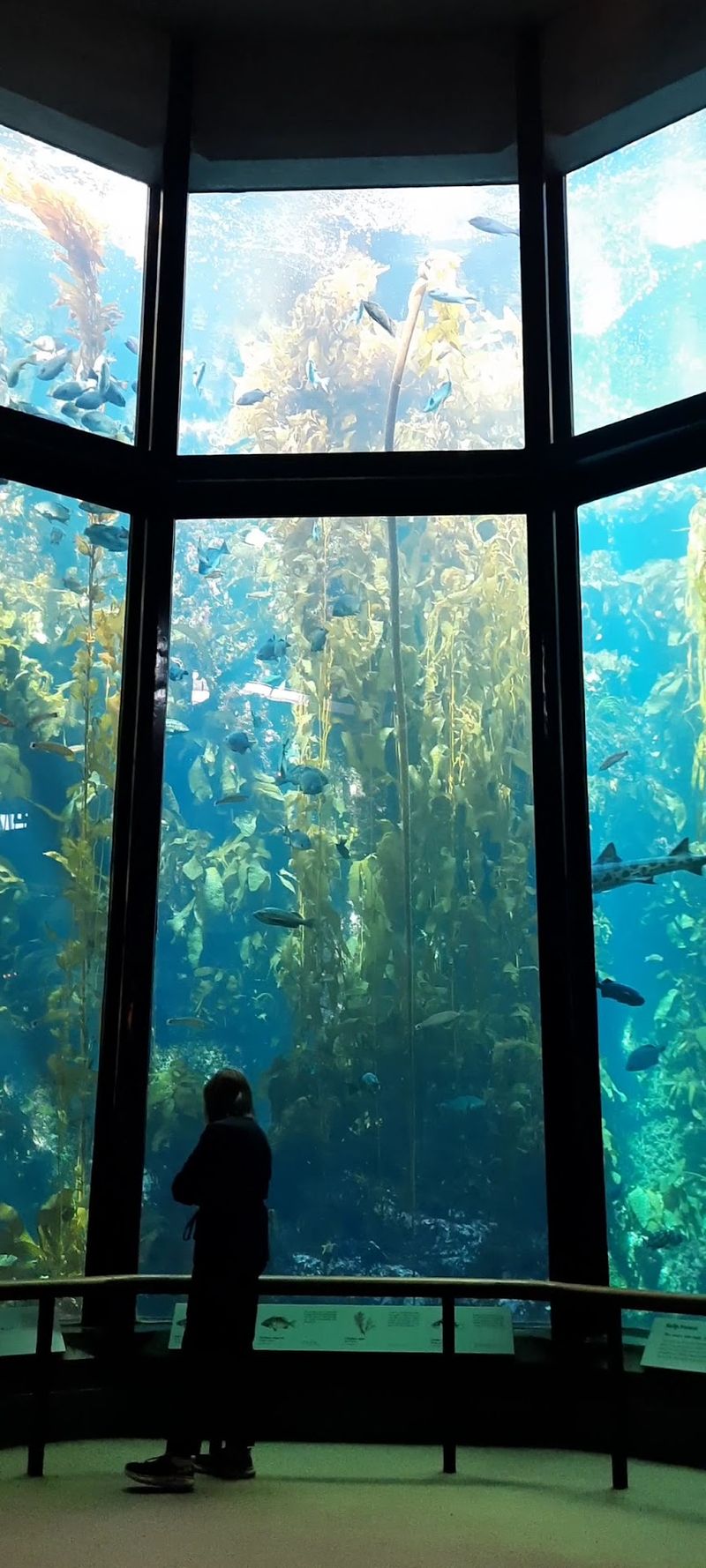
Twenty-eight feet. That’s the height of the Kelp Forest exhibit, one of the tallest aquarium exhibits anywhere on the planet.
Stand at the base and look up. Golden fronds sway toward the light, and schools of fish drift through like slow confetti.
It was the first living kelp forest ever grown outside the wild. Back in 1984, people weren’t sure it could even work.
Spoiler: it worked. The exhibit holds hundreds of species of fish, invertebrates, and algae, all living together like they would offshore.
Keep an eye out for leopard sharks gliding near the bottom. California sheephead, rockfish, northern anchovies, and sardines can all show up too.
A red octopus or wolf-eel might be hiding in the rocks. Patience pays off here, and kids love being the first to spot one.
Want a different angle? The Kelp Forest Canopy Walk offers a closer look from higher up.
Fun fact for the car ride home. The aquarium’s logo is inspired by the tip of a growing giant kelp frond, so this tank basically wears the crown.
Underwater Gardeners Keep the Forest From Taking Over
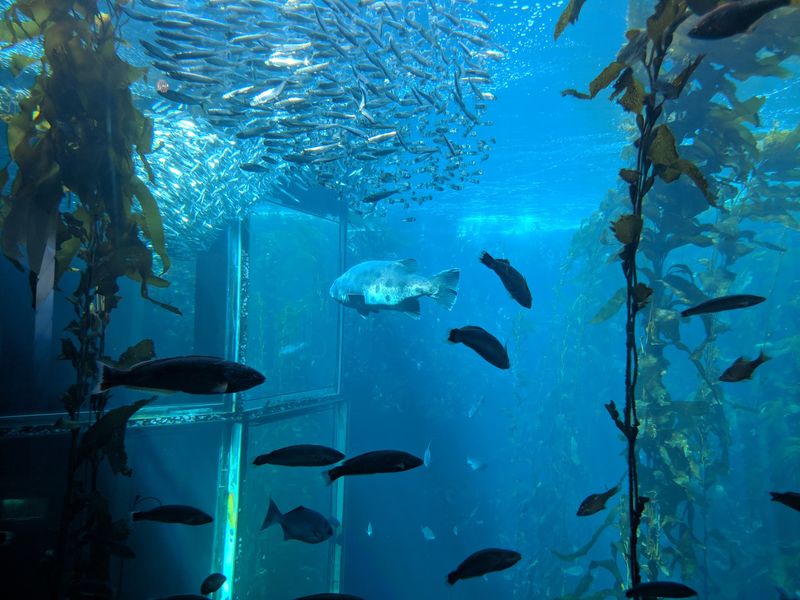
Most gardeners complain about weeds. These gardeners wear scuba gear.
Giant kelp, known to scientists as Macrocystis pyrifera, grows about 3 to 5 inches every single day. Leave it alone and you’d get a tangled green wall.
So divers head into the tank weekly to untangle and trim it. Watching people swim among sharks with pruning duties is a pretty great job description.
The real secret is the water. It’s unfiltered seawater pumped straight in from Monterey Bay, carrying tiny life the kelp needs.
A specially designed surge machine keeps that water rocking back and forth. Kelp needs constant motion, just like it gets along the rocky California coast.
That gentle swaying is part of why the exhibit feels so calming. Nothing sits still, yet nothing feels rushed.
I believe that’s the hidden reason kids settle down in front of it. The motion is slow, steady, and strangely hypnotic.
Ask a volunteer nearby about how the system works. The staff and volunteers are known for being friendly and happy to share what goes on behind the glass.
The Open Sea Window Feels Like Floating Offshore
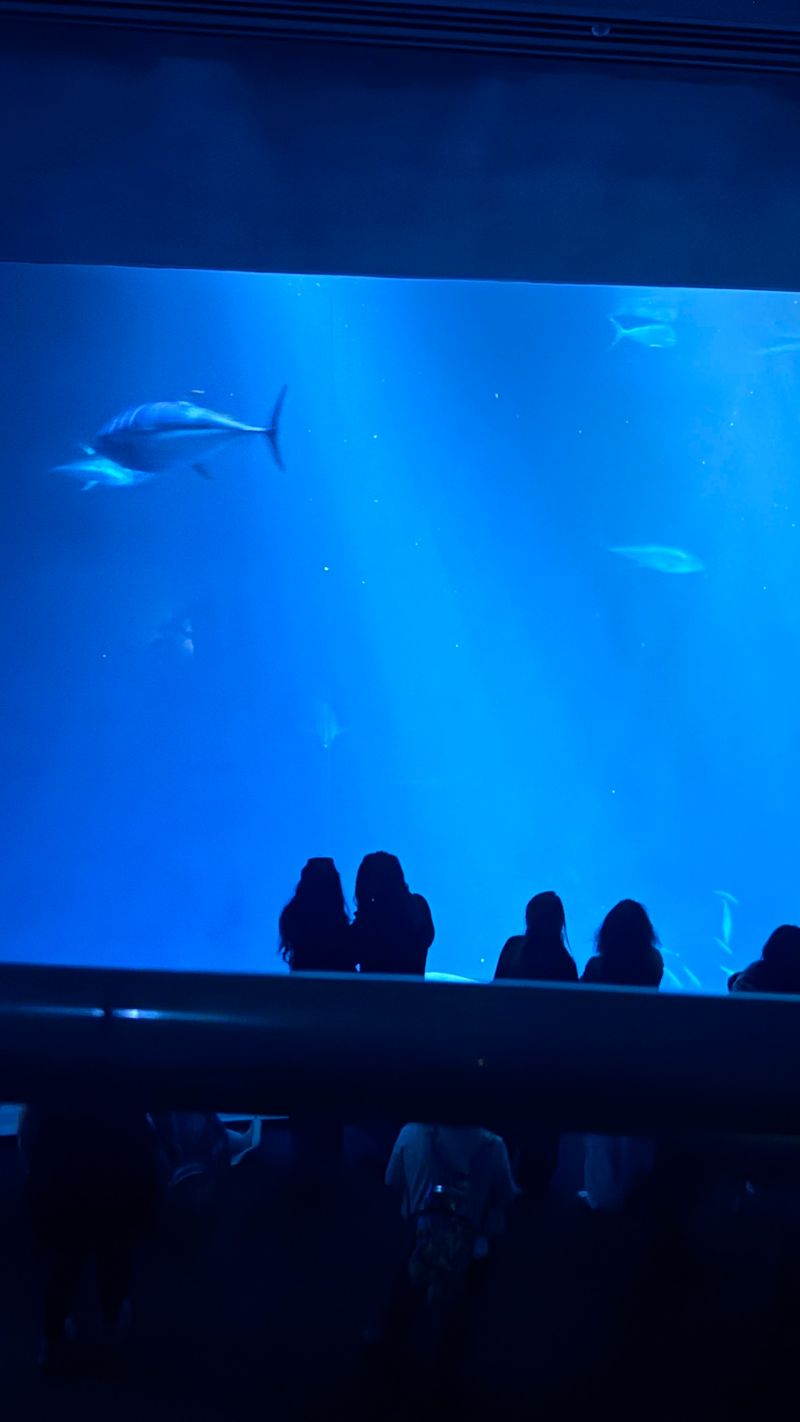
Now for the big blue. The Open Sea is the aquarium’s largest exhibit, holding a whopping 1.2 million gallons.
The tank stretches 90 feet long, 52 feet wide, and 35 feet deep. Standing in front of it feels like peering out of a submarine.
Long-distance swimmers live here. Green sea turtles, hammerhead sharks, and flashing mahi-mahi all cruise past the window.
Then there’s the ocean sunfish, or Mola mola. It looks like someone forgot to finish drawing a fish, and kids adore it for that.
A massive school of Pacific sardines swirls in silver waves. It’s a fitting tribute, considering this building once canned their ancestors.
The Monterey Bay Aquarium is also one of the few aquariums anywhere to show both bluefin and yellowfin tuna. These fish are built like torpedoes.
Feeding programs at the Open Sea happen at scheduled times. Seeing tuna rocket through the water during a feeding is a highlight worth planning around.
Arrive early to grab a good view. Many people sit on the carpet during programs, so comfy clothes help.
Sea Otters Doing Real Work Behind the Cuteness
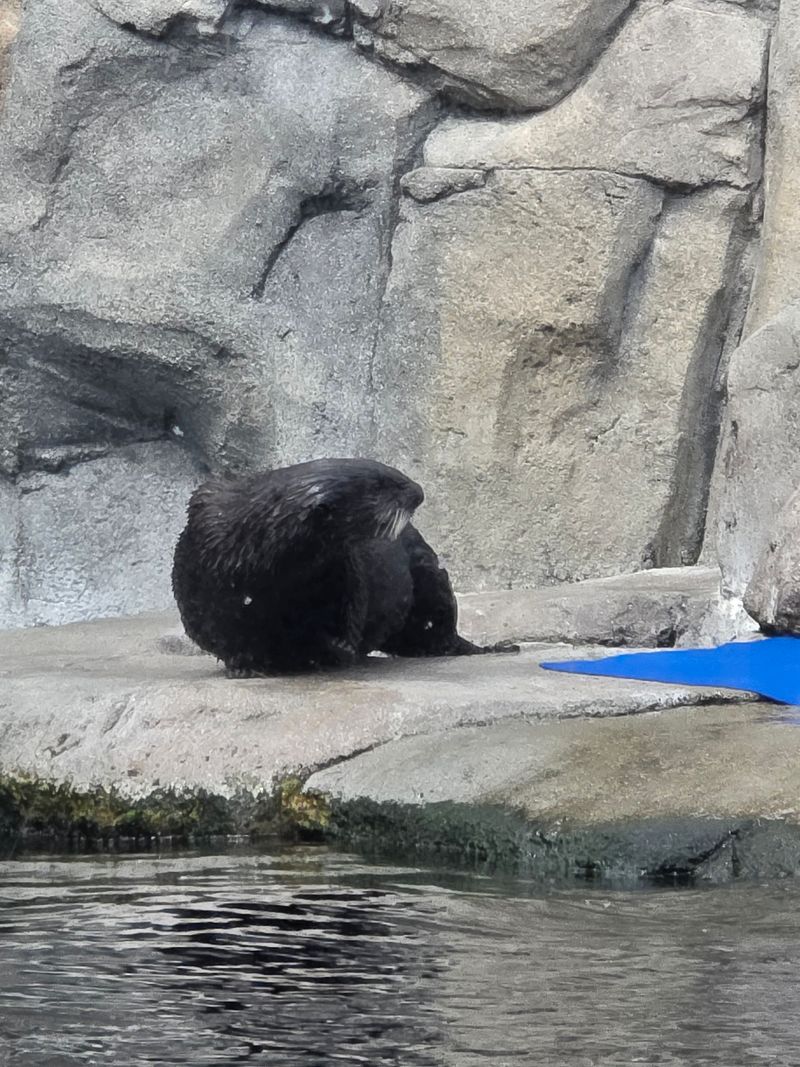
Floating on their backs and grooming their whiskers, these otters look like they’re on permanent vacation. They’re actually on the job.
The two-story Sea Otter exhibit is home to rescued female otters. The U.S.
Fish and Wildlife Service deemed them unable to return to the wild.
Instead, they serve as surrogate mothers for stranded otter pups. They teach the youngsters skills that could help them survive back in the ocean.
That’s a big deal for a species still recovering along the California coast. The aquarium’s Sea Otter Research and Conservation program dates back to 1984.
Otters are also one of the most talked-about animals here. Feedings draw a crowd, so showing up early for a good spot is smart.
Watching them crack, wrestle, and tumble is pure comedy. Few animals manage to be this adorable and this useful at the same time.
Two levels mean you can watch from above the water or below it. Down low, you’ll catch the fur trapping silvery bubbles as they spin.
Kids who read about otters in school often treat this exhibit like meeting a celebrity. Honestly, fair enough.
Glowing Jellies and Strange Creatures From the Deep
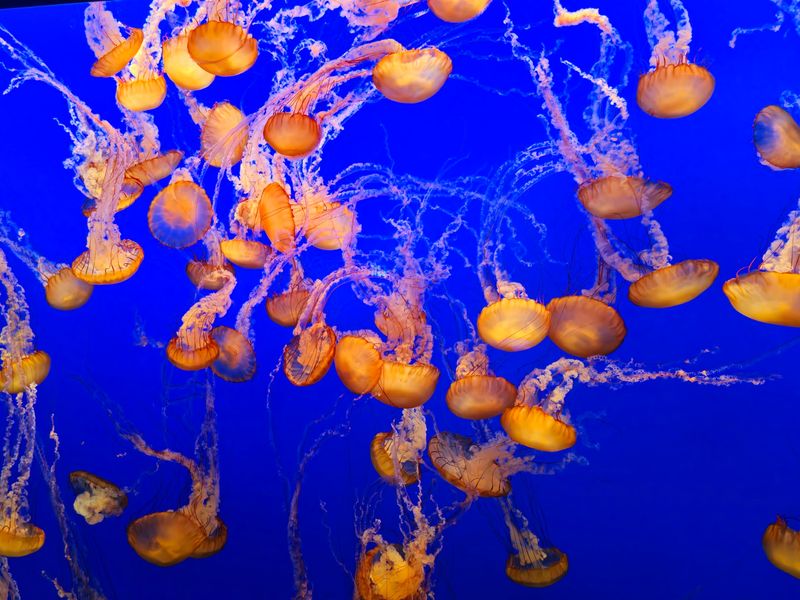
Some animals look like they were designed by a sci-fi film crew. They live in Into the Deep: Exploring Our Undiscovered Ocean.
One of the aquarium’s newest exhibits, it holds the largest collection of deep-sea animals in North America. That’s quite a claim, and the creatures back it up.
Sea angels flutter like tiny winged ghosts. Transparent jellies glow in the darkness, and giant isopods look like oversized pill bugs from another planet.
Jellies have deep roots here. Aquarium biologists pioneered the care of jellyfish, which helped make those dreamy jelly galleries possible worldwide.
Jellyfish are among the most mentioned favorites at the Monterey Bay Aquarium. Their slow pulsing is a cousin to the kelp’s calming sway.
Darker rooms make this area feel hushed and mysterious. It’s a fun contrast after the bright, busy Open Sea.
Little ones may need a hand to hold in the dim light. Bigger kids usually want to name every weird creature they spot.
Bring your camera, but skip the flash. The animals and fellow guests will both appreciate it.
Touch Pools, Crashing Waves, and a Room Full of Birds
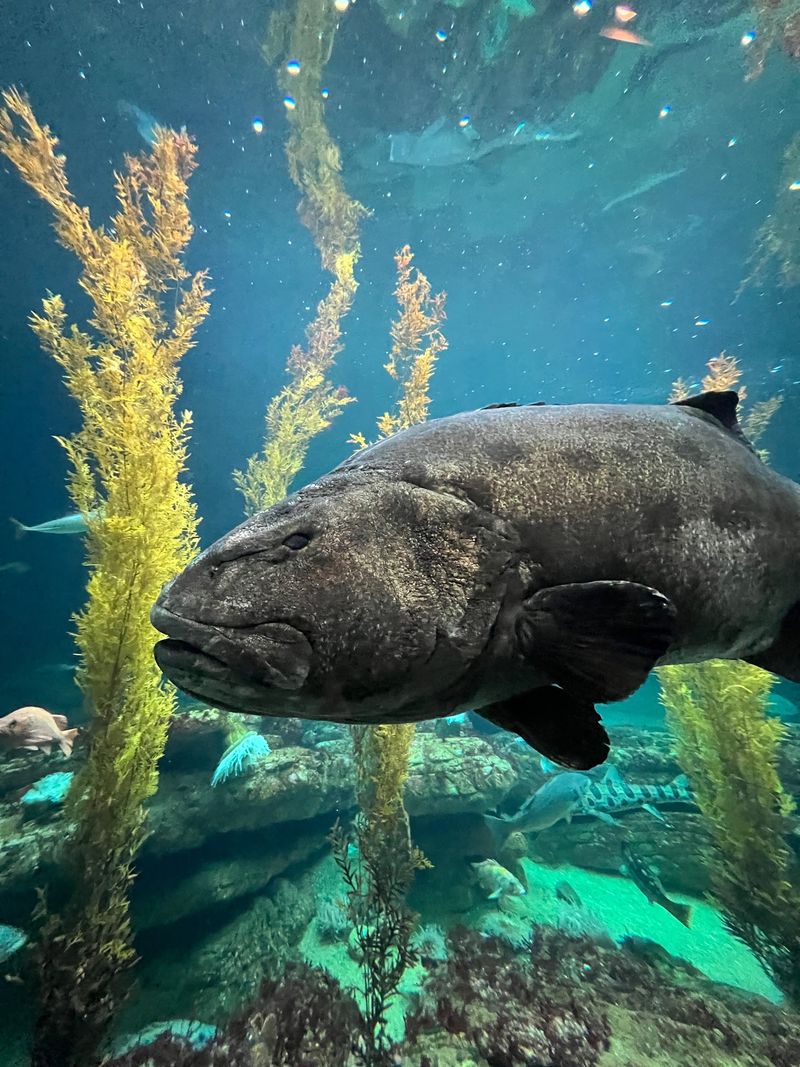
Hands get wet in the Monterey Bay Habitats area, and that’s exactly the point. This gallery focuses on the creatures of the bay’s sandy seafloor, shale reefs, and rocky depths.
Wharf pilings get their own spotlight too. Who knew the underside of a pier could be so colorful?
Look for sevengill sharks, California halibut, rockfish, and giant sea bass. That last one lives up to its name.
Small “jewel case” exhibits show off tiny animals up close. They’re easy to rush past, so slow down and peek.
The wave crash passageway is a crowd favorite. Water thunders overhead while you stay perfectly dry.
Touch pools let kids, and plenty of adults, feel sea plants and animals. Volunteers often stand nearby, sharing facts and gentle tips.
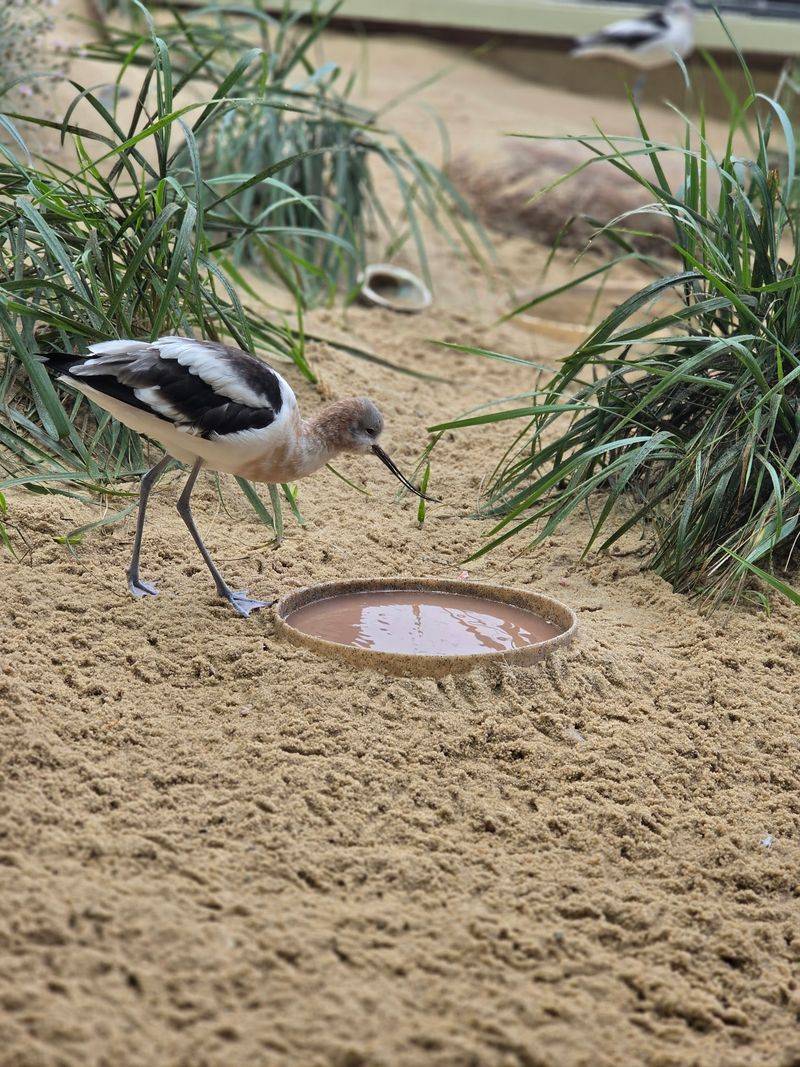
Then there’s the walk-through aviary. Shorebirds go about their business right around you, which feels wonderfully close.
Puffin feedings may also appear on the daily schedule. Check the program list when you arrive so you don’t miss them.
This section shows how much life thrives right outside the windows. California’s coast is busier than it looks from the beach.
Splash Zone Gives Little Explorers Room to Roam
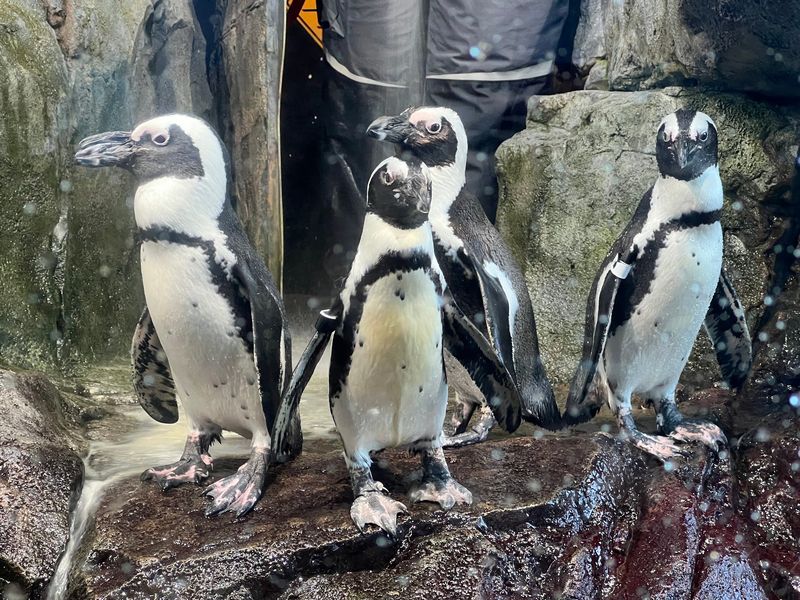
Toddlers and penguins share one thing. Both waddle with total confidence.
The Splash Zone is built for young visitors. African penguins steal the show, and penguin feedings happen daily.
Tropical fish add pops of color. Interactive games and touch pools keep restless hands happily busy.
A water play area comes with waterproof aprons provided. Parents can relax a bit about soggy sleeves.
There’s even a special zone just for babies and toddlers. It’s a calm spot for the littlest visitors to explore safely.
Strollers move easily around the building, with ramps and elevators throughout. A nursing room is available too, which tired parents will appreciate.
Kid-friendly is one of the most common words tied to the Monterey Bay Aquarium. With features like these, it’s easy to see why.
I like that the fun never feels like a distraction from learning. Kids end up absorbing ocean facts without realizing they’re in class.
Plan a stop here between bigger exhibits. It gives young legs a break and lets everyone recharge before heading back to the kelp.
Ocean Science That Reaches Far Beyond the Glass
Your ticket does more than open doors. It helps fund real ocean science.
The Monterey Bay Aquarium is a leader in conservation, education, and marine research. Its work focuses on sea otters, seabirds, tunas, and much more.
Ever checked a seafood guide before ordering fish? You may have used Seafood Watch, the aquarium’s well-known sustainable seafood program.
It grew from a 1997 exhibition called “Fishing for Solutions.” Today it helps shape what restaurants and stores choose to buy.
The aquarium also made history as the first to successfully care for and display a great white shark. That was a huge milestone for shark science.
In 1987, the Monterey Bay Aquarium Research Institute was founded. Researchers there explore the deep ocean with advanced technology.
The aquarium also helped build momentum for the Monterey Bay National Marine Sanctuary, established in 1992. That protected area now safeguards the waters right outside.
Knowing all this changes how a visit feels. Every otter and every jelly connects to a bigger effort to keep California’s coast healthy.
Sushi, Cioppino, and Souvenirs With an Ocean View
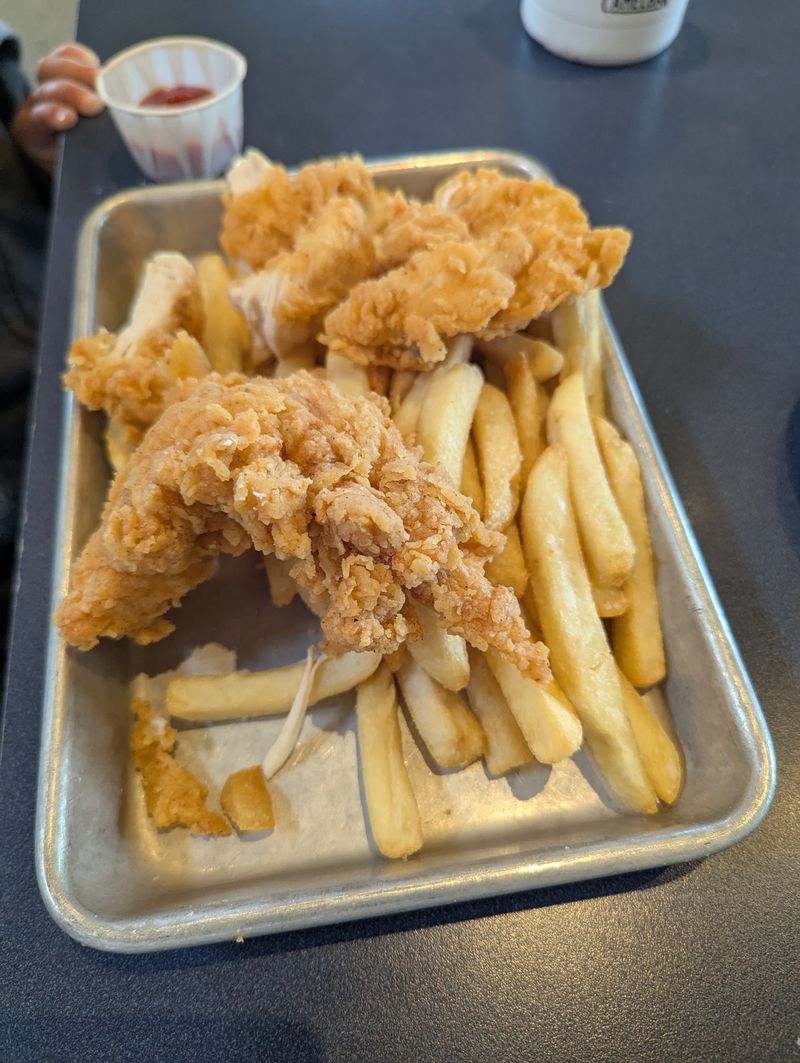
Staring at fish all morning can make anyone hungry. Luckily, the Aquarium Cafe is right inside.
The menu leans on sustainable seafood and local ingredients. Look for sushi, poke bowls, cioppino, and fish and chips.
Burgers and children’s items cover the pickier eaters. Nobody leaves cranky because the menu only had squid.
The cafe opens daily at 10 a.m. and closes 30 minutes before the aquarium does. It’s cash-free, with ordering by phone, kiosk, or staff.
Outside food and drink generally aren’t allowed, except for guests with medical needs. Refillable water bottles are welcome, so pack one.
Shopping comes in several flavors. The Aquarium Store, Ocean Discovery Store, and The Store in the Open Sea are all on site.
There’s also an off-site Monterey Bay Aquarium Store at 585 Cannery Row. You can shop there without a ticket.
Plush otters seem destined to ride home in somebody’s backpack. Just a hunch, but an educated one.
Breaking for lunch also helps stretch a visit into a full day. Hand stamps let you leave and come back the same day.
Smart Moves for Tickets, Parking, and Timing
A little planning saves a lot of standing around. Start by buying tickets online ahead of time, since that makes entry smoother.
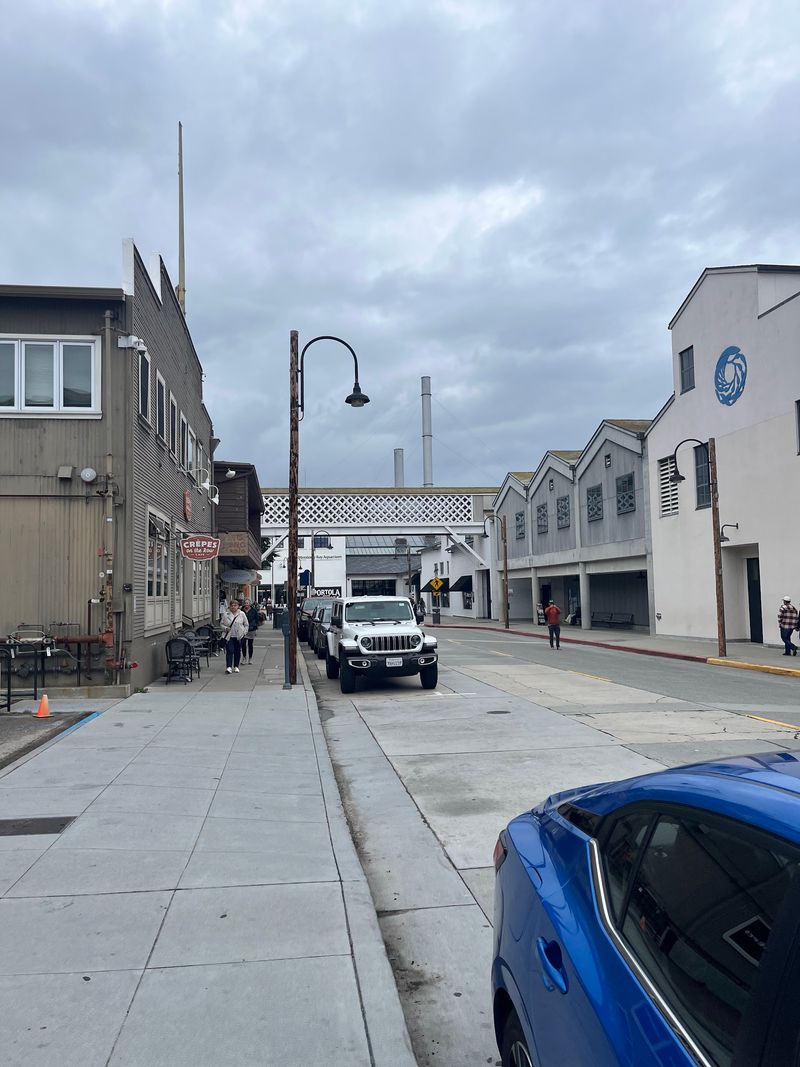
You’ll find the aquarium at 886 Cannery Row, Monterey, CA 93940. It’s right where Cannery Row meets the rocky edge of the bay.
Doors generally open at 10 a.m. daily, and closing times can shift with the season. Check the schedule before you go, especially for holidays.
There’s no public parking on site. The Cannery Row Parking Garage at 601 Foam Street is a popular choice a short walk away.
Cannery Row Lot 7 and Lot 21 offer more spots. Metered street parking runs along Foam Street, Wave Street, and Ocean View Boulevard.
Guests with a disabled person or disabled veteran placard can park free at nearby metered spaces. The building aims to be fully accessible, with ramps and elevators.
Feeding programs are scheduled throughout the day, with several in the morning. Mornings can be busy, and afternoons sometimes feel calmer.
Weekends and summer often bring bigger crowds. A weekday visit in the off-season may give you more breathing room at the glass.
Why the Quiet Moment by the Kelp Lingers Long After

Kids remember the strangest things from road trips. A sticky snack, a funny sign, and sometimes a 28-foot forest swaying behind glass.
The Monterey Bay Aquarium has spent four decades turning curious kids into ocean lovers. Plenty of grown-ups now bring their own children back.
Most families spend somewhere between a few hours and a full day here. Feedings, touch pools, and the cafe make it easy to linger.
Admission isn’t cheap, so plan to make the most of it. Arriving early and staying for a program or two helps stretch the value.
Afterward, the rest of Cannery Row is right outside. Strolling the old cannery street adds fresh meaning after seeing the building’s sardine past.
The patios and overlooks deserve a few minutes too. Monterey Bay spreads out in every direction, a reminder that the show continues beyond the walls.
I believe the best moments here are the quiet ones. A child goes still, eyes on the kelp, and the whole room seems to breathe slower.
That’s a California memory worth a day trip. Pack the water bottles and go find your own hush.