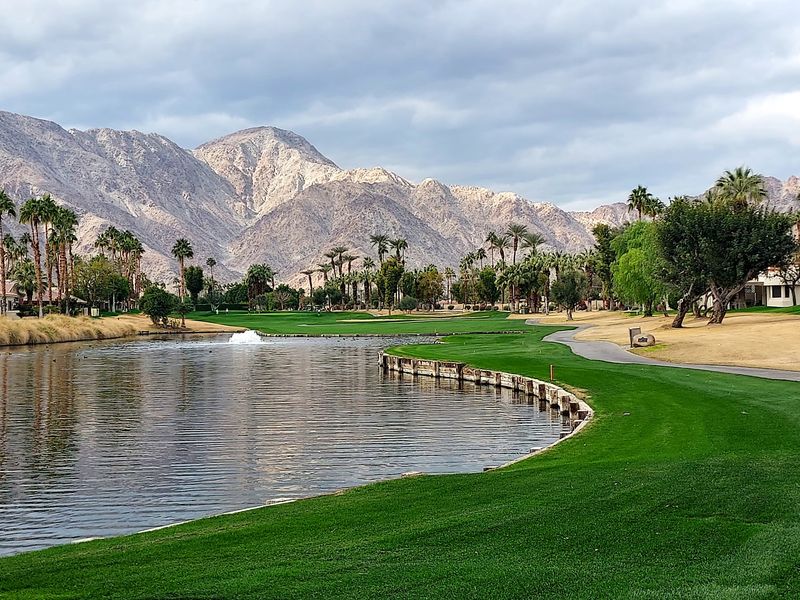
One golf hole here sits on a tiny island of grass, and locals named it Alcatraz. Miss the green, and your ball takes a swim with zero chance of parole.
That famous hole is only one of many fairways packed into a single desert city. The resort that started it all opened back in 1926, long before golf carts were a thing.
Hollywood stars came for quiet winters, and the sport followed close behind.
I like how this corner of California treats a sunny afternoon like a serious plan. Mountains rise right behind the greens, so even a bad swing comes with a great view.
I can’t imagine a better place to blame the scenery for a missed putt.
So how did a quiet patch of desert become a golfer’s dream?
A Desert City Built Around The Tee Box
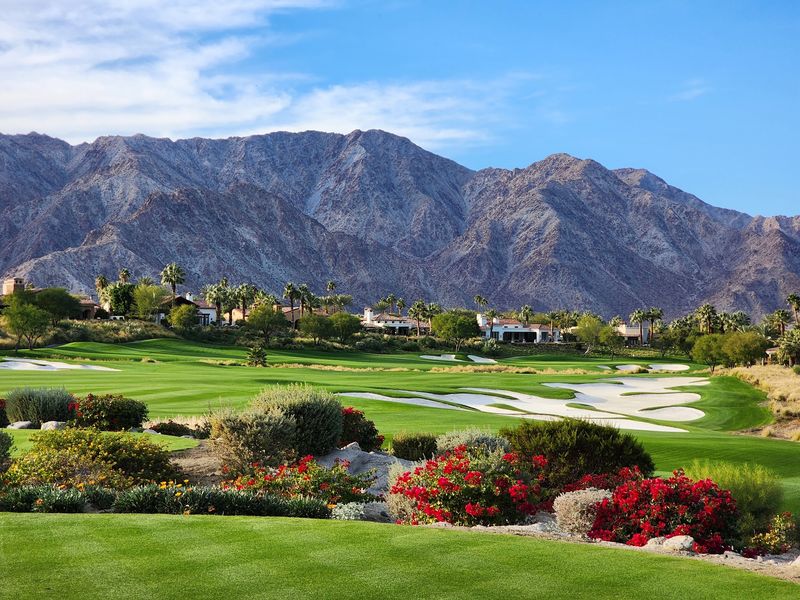
Green ribbons of grass cut through brown desert here like someone spilled a giant box of crayons. Welcome to La Quinta, California, a resort city in the Coachella Valley of Riverside County.
The city sits between Indian Wells and Indio, and it’s one of nine cities in the valley. About 37,558 people lived here at the 2020 census, which feels small for such a big reputation.
Golf is the headline act, and the setting explains why. The Santa Rosa Mountains rise sharply along the city’s edge, giving fairways a dramatic backdrop that never gets old.
The wider Coachella Valley holds more than 100 golf courses, with some counts reaching well past that. La Quinta claims a big slice of that action, from famous championship layouts to relaxed resort tracks.
You don’t need to be a scratch golfer to enjoy it, though. The same sunshine that keeps grass green also makes patios, trails, and pools hard to resist.
Think of it as a city with a hobby. That hobby just happens to cover an impressive amount of land, and it wears the mountain view like a crown.
The 1926 Hideaway That Started Everything
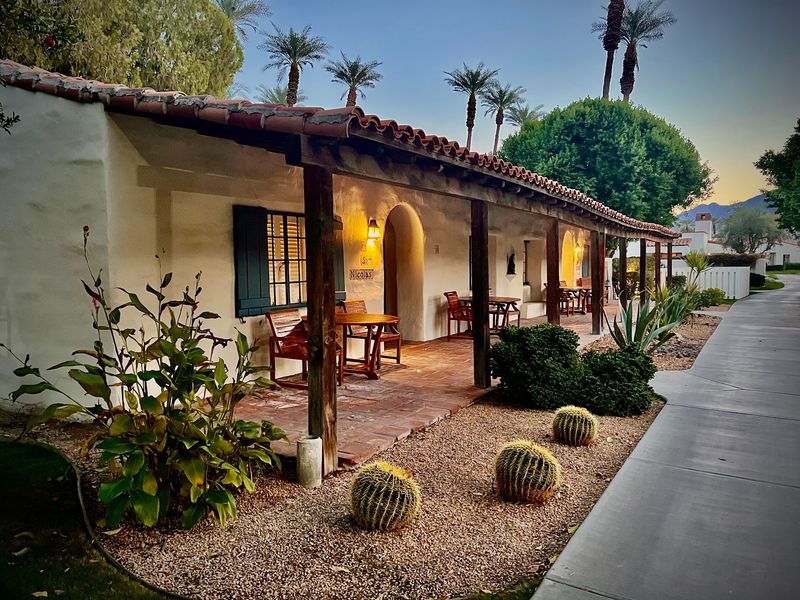
Back in 1926, a businessman named Walter H. Morgan opened a quiet desert retreat at the base of the mountains.
That retreat became La Quinta Resort, and the city later took its name from the same spot.
Architect Gordon Kaufmann designed the original buildings in a Spanish Colonial style. White walls, red tile roofs, and private casitas gave guests a calm escape from busy city life.
Hollywood noticed fast. Film director Frank Capra is linked to the resort’s early fame, and stars came looking for privacy far from studio crowds.
The resort’s nickname, the Gem of the Desert, stuck around for good reason. Nearly a century later, it still operates as La Quinta Resort & Club, now with its own golf, pools, and spa.
I believe that long history matters when you visit. Golf feels different when you know the desert welcomed travelers here long before fairways took over.
The city itself didn’t incorporate until 1982. So the resort is actually much older than the town, which is a fun fact to drop between holes.
Meet Alcatraz, The Hole That Eats Golf Balls
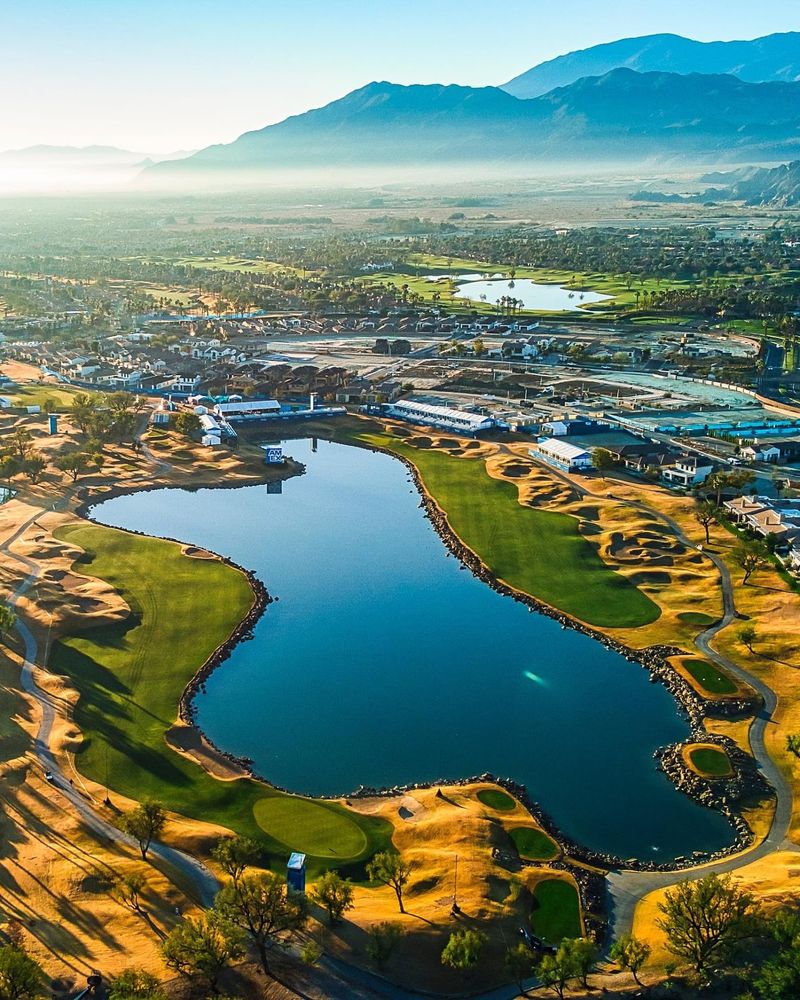
Golfers talk about the 17th hole at the PGA West Stadium Course in nervous whispers. Its island green, nicknamed Alcatraz, sits surrounded by water and a rocky edge.
Pete Dye designed the Stadium Course, which opened in 1986. He built a reputation for tough, clever layouts, and this one shows off his playful side in a slightly cruel way.
The course features deep bunkers, sharp angles, and water that seems to appear right when you relax. It’s the kind of round you remember, even if your scorecard asks to stay anonymous.
PGA West is home to several courses, not just the famous Stadium layout. Big names like Jack Nicklaus and Greg Norman also have designs within the resort community.
That variety makes PGA West a golfer’s buffet. You can test yourself on a brutal track one day and enjoy a friendlier layout the next.
Bring extra balls. The rocks around Alcatraz have a talent for sending shots in directions physics never planned, and the water waits patiently for the rest.
Pro Tour Players Show Up Every January

When most of the country shovels snow, pro golfers arrive in La Quinta wearing sunglasses. The PGA Tour’s yearly stop here, now called The American Express, kicks off the desert season in style.
The event has deep roots. It was long known as the Bob Hope Classic, and the comedian helped turn desert golf into a national television event.
Today, the tournament uses courses in La Quinta, including the PGA West Stadium Course. Fans can watch top players take on those same punishing greens weekend golfers face.
It’s fun to see experts struggle on holes that humble everyone else. Somehow that makes your own double bogey feel a little more respectable.
The tournament also brings a festive energy to the city each winter. Hotels fill up, restaurants buzz, and golf talk floats across every patio in town.
If you plan a January trip, check tournament dates first. You’ll either want front-row access or a quieter week, and both are good choices for very different reasons.
Your Wallet Will Like The City-Owned Course
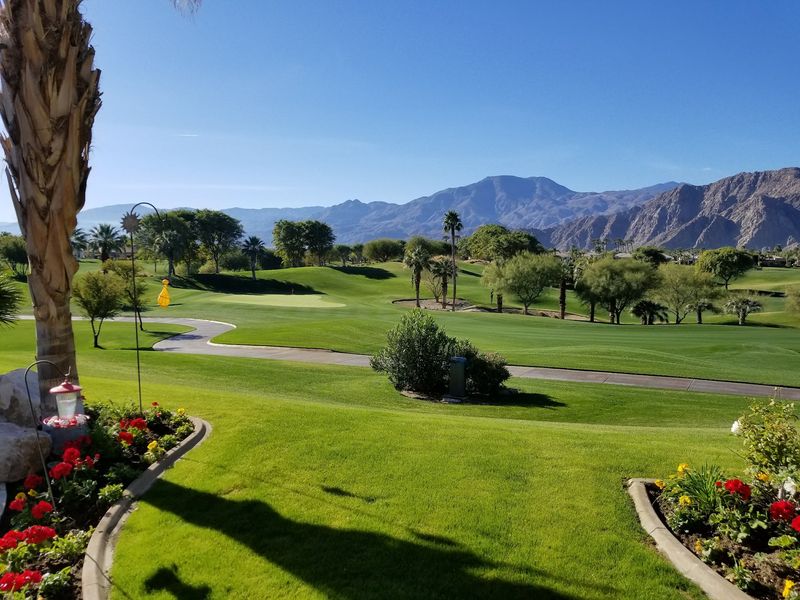
Not every great round requires a private membership card. SilverRock, owned by the city of La Quinta, gives the public a chance to play with serious mountain views.
The course was designed by Arnold Palmer’s team, and it hugs the base of the Santa Rosa Mountains. Rocky slopes rise close to the fairways, so your backswing comes with a rugged backdrop.
SilverRock has hosted rounds of The American Express in past years. That gives everyday golfers bragging rights about playing a tournament-tested layout.
Public courses like this one keep La Quinta from feeling exclusive. Families, visitors, and locals can all book tee times without knowing someone on a membership board.
The resort tracks still shine, of course. But a city-owned option shows that golf here belongs to the whole community, not only the gated neighborhoods.
Check tee times in advance during the busy winter season. Desert golf runs on calendars, and the best morning slots tend to be claimed early by early risers.
Old Town Brings A Slower, Friendlier Pace
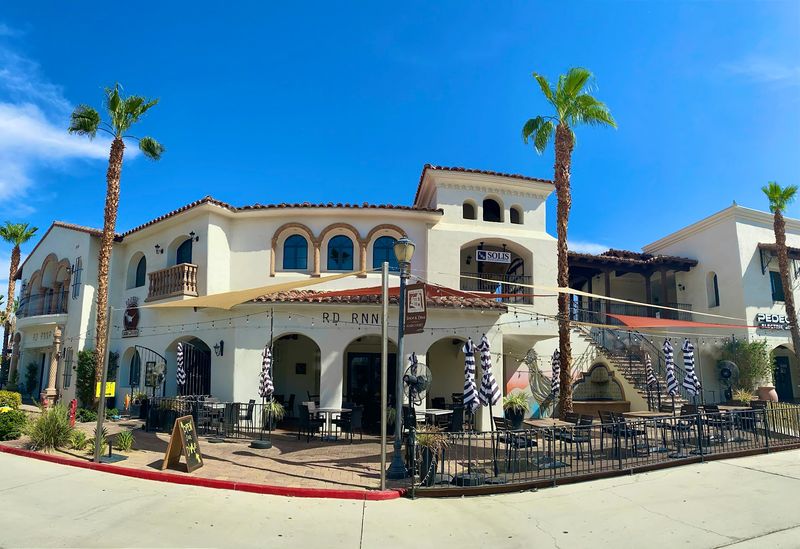
Golf spikes off, sandals on. Old Town La Quinta swaps fairways for a walkable village of shops, eateries, and shaded courtyards near Calle Estado.
The buildings lean into Spanish-style design, matching the look of the historic resort nearby. Strolling here feels relaxed, which is exactly what you want after four hours chasing a tiny white ball.
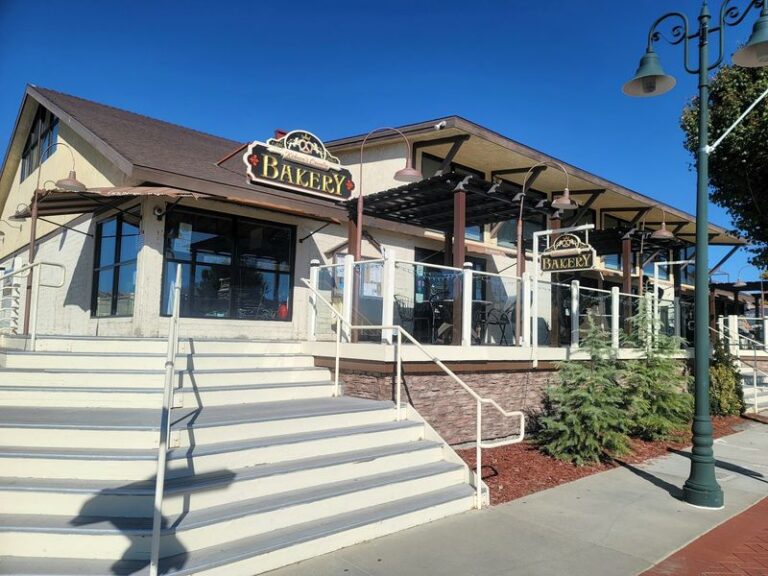
You’ll find casual spots for lunch, coffee, and treats. It’s an easy place to recover from a rough round with something sweet in hand.
Old Town also hosts community events through the year, including a popular farmers market season. Checking the city calendar before your trip can turn a simple stroll into a fun surprise.
I like how this area gives La Quinta a true center. So much of the desert feels spread out, and Old Town pulls everything together into one friendly spot.
Bring a hat, even in cooler months. The sun stays strong here, and shade becomes a favorite friend fast while you wander from shop to shop.
Trails That Climb Right Out Of The Neighborhood
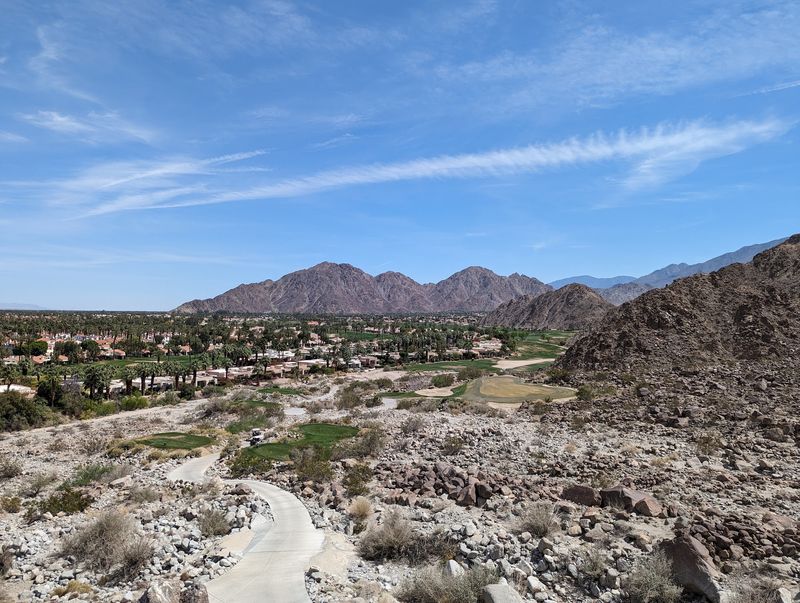
A short walk from quiet streets, the desert turns wild in a hurry. The La Quinta Cove neighborhood sits right against the mountains, and trailheads start practically at the curb.
The Bear Creek Trail is a local favorite for a reason. It climbs into rocky hills and rewards you with wide views over the city and its many green fairways.
From up high, the golf courses look like scattered puzzle pieces. It’s a great way to see how much green this little city really holds.
Other routes branch off into the Santa Rosa Mountains, ranging from easy strolls to steep climbs. Pick one that fits your energy level, not your ego.
Desert hiking needs smart planning. Start early, carry plenty of water, and skip the hottest hours, especially once spring warms into summer.
Wildlife sightings can happen too, including bighorn sheep in the surrounding mountains. Keep a respectful distance, stay on marked paths, and enjoy the quiet that golfers below never quite get.
Lake Cahuilla Adds Water To The Desert Map
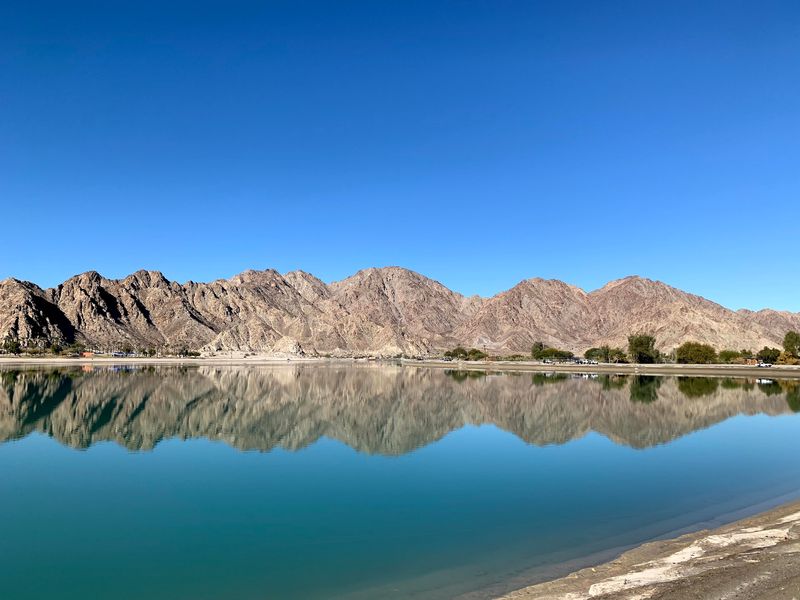
A lake in the middle of the desert sounds like a mirage. Lake Cahuilla Recreation Area proves otherwise, offering a calm stretch of water at the southern edge of La Quinta.
The Riverside County park features picnic spots, fishing, and camping. Mountains wrap around the shoreline, creating a peaceful scene far from the clink of golf clubs.
Families like it for an easy day outdoors. It’s a nice break when someone in your group has heard enough about putting angles.
The park also connects with nearby trails, so hikers can stretch their legs before lunch. Camping here feels surprisingly remote, even though the city sits just minutes away.
Fall and winter bring the most comfortable weather for camping. Desert nights can turn chilly, so pack warm layers along with your sunscreen.
Check park rules and reservations before heading out. County parks set their own schedules, and planning ahead keeps a peaceful lake day from turning into a frustrating detour.
Art Lovers Get Their Own Big Weekend
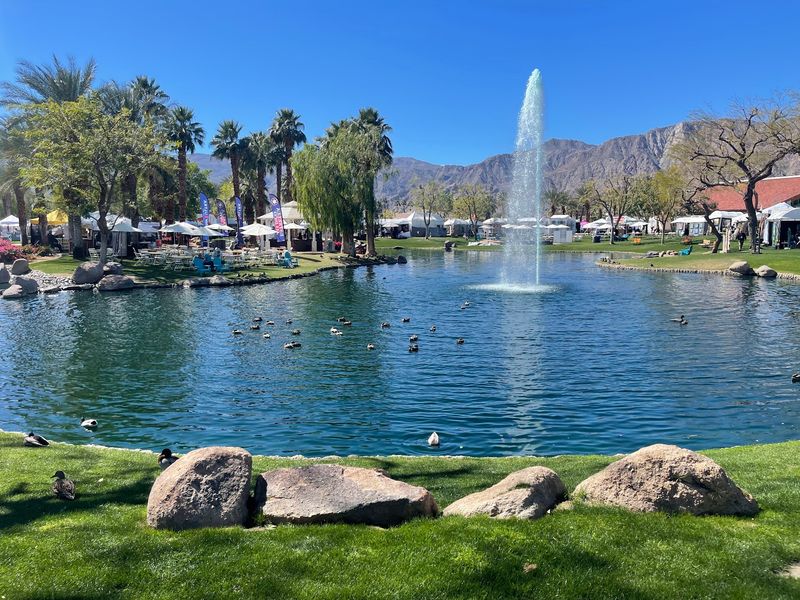
Each spring, white tents pop up and painters take the spotlight from golfers. The La Quinta Arts Festival draws artists from across the country for a long weekend of creativity.
The festival has run for decades and ranks among the respected fine art shows in the West. Visitors browse paintings, sculpture, jewelry, and photography in an open-air setting.
The mountain backdrop makes every booth feel like a gallery with a view. Even if you don’t buy anything, the people-watching and art-gazing make it worth the stop.
Public art also shows up around the city all year. Sculptures dot parks and streets, adding color to La Quinta far beyond the festival weekend.
I can’t imagine a better balance for a golf-focused town. Art gives non-golfers something exciting to plan around, and it shows another side of local life.
Festival dates and tickets change yearly. Check the event schedule before you book, since spring weekends here fill quickly with visitors chasing sunshine and creativity.
Smart Timing Makes A Desert Trip Shine
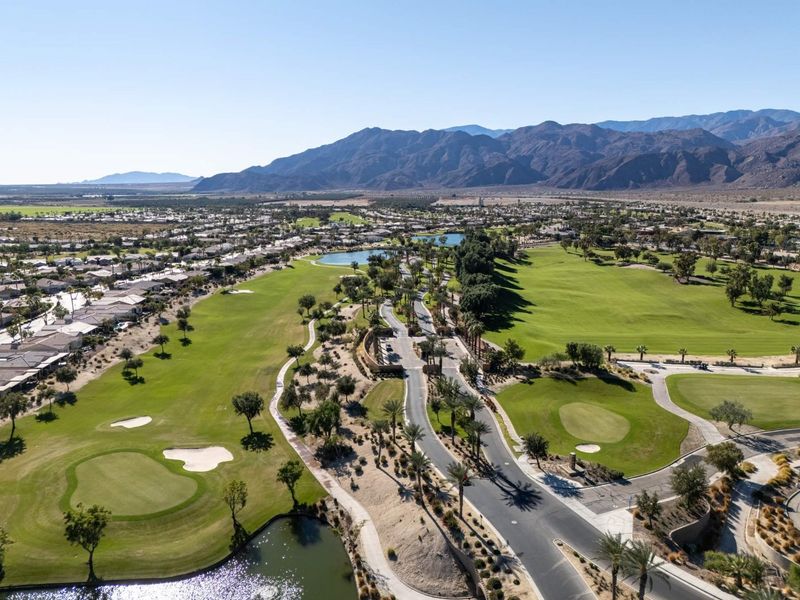
Timing is everything in La Quinta, California, and the calendar shapes your whole visit. Winter and early spring bring the comfortable weather that made this valley famous.
Those cooler months are also the busiest. Tee times, resort rooms, and restaurant tables fill up fast, so booking early is the smartest move you’ll make.
Summer brings serious heat across the Coachella Valley. Golf still happens, but rounds start at sunrise, and many courses offer lower summer rates to lure brave players.
Getting here is easy if you love a road trip. La Quinta sits in Riverside County, roughly a couple hours east of Los Angeles depending on traffic.
Palm Springs International Airport offers the closest commercial flights. From there, a short drive east through neighboring cities brings you straight to La Quinta.
A car makes exploring simple, since courses, trails, and Old Town are spread out. Pack sunscreen, a refillable water bottle, and layers for desert evenings that cool quickly after sunset.
Why Golfers And Non-Golfers Both Win Here
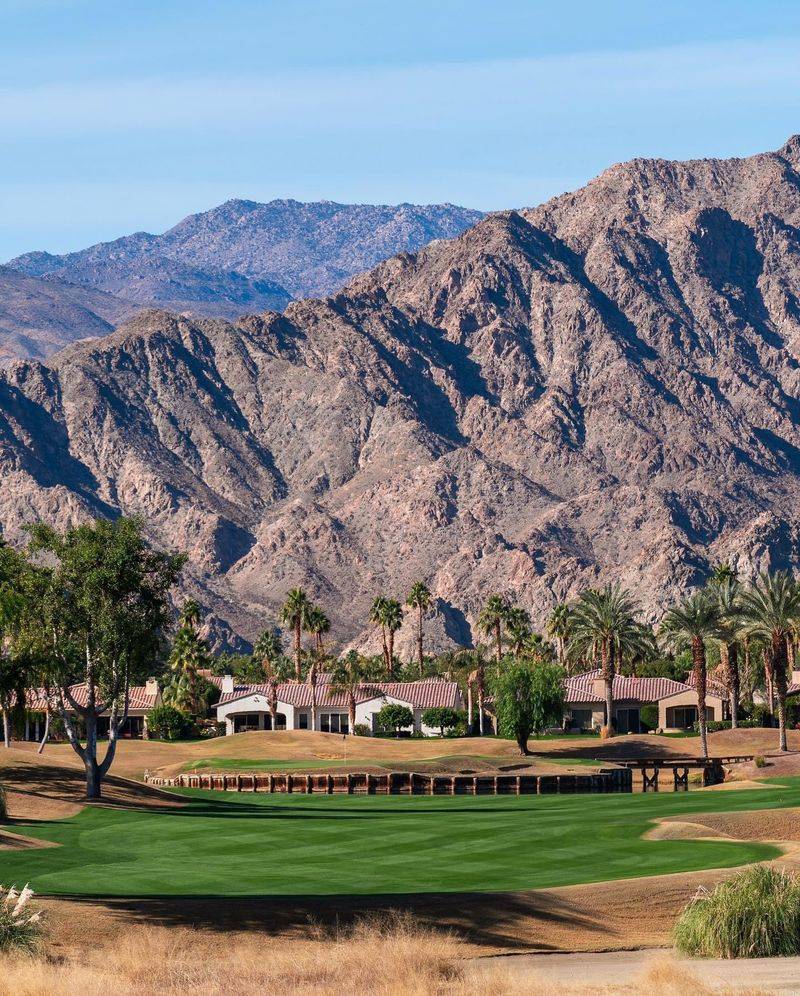
Plenty of towns love golf, but few build their whole identity around it like La Quinta. The fairways here carry nearly a century of history, star power, and tournament drama.
Golfers get bucket-list holes, from the island green at PGA West to public rounds at SilverRock. Every course comes framed by the Santa Rosa Mountains, which makes even bad days look good.
Non-golfers aren’t stuck waiting in the clubhouse. Old Town, mountain trails, Lake Cahuilla, and a big spring art festival keep everyone busy and happy.
The historic La Quinta Resort & Club ties it all together. It reminds you this desert welcomed travelers long before anyone counted golf courses.
I believe that mix is the real secret here. California has many sunny escapes, but this one blends sport, history, and quiet nature in a way that feels personal.
So pack your clubs, or don’t. Either way, La Quinta has a sunny afternoon waiting, and the mountains will happily handle the scenery while you handle the fun.