Yarn, fabric, and stamp sets for as little as a dollar. Every penny of profit goes to food and clean water charities.
That combo sounds almost too good, but it’s real.
The whole inventory comes from donations, and volunteers run the entire operation. Beads, patterns, thread, crochet hooks, sewing machines, and junk journal paper all rotate through.
No two visits look the same.
I like how a simple shopping trip here quietly turns into a good deed. Your scrap bin grows, and somewhere a family gets a meal or safe water.
I can’t imagine a better excuse to buy more yarn.
This little shop sits outside Rochester in Upstate New York, and it has already raised close to six figures and beyond. So how does a tiny craft thrift store pull that off?
A Craft Thrift Store With A Very Big Heart
Crafting for Good, Inc. is a nonprofit craft thrift store in North Chili, New York, just outside Rochester. Think of a regular thrift shop, then remove everything that isn’t a craft supply.
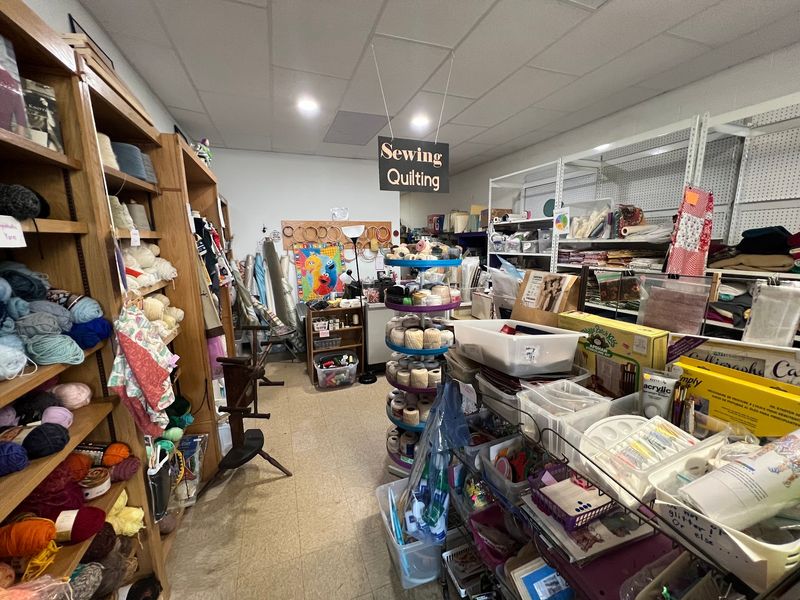
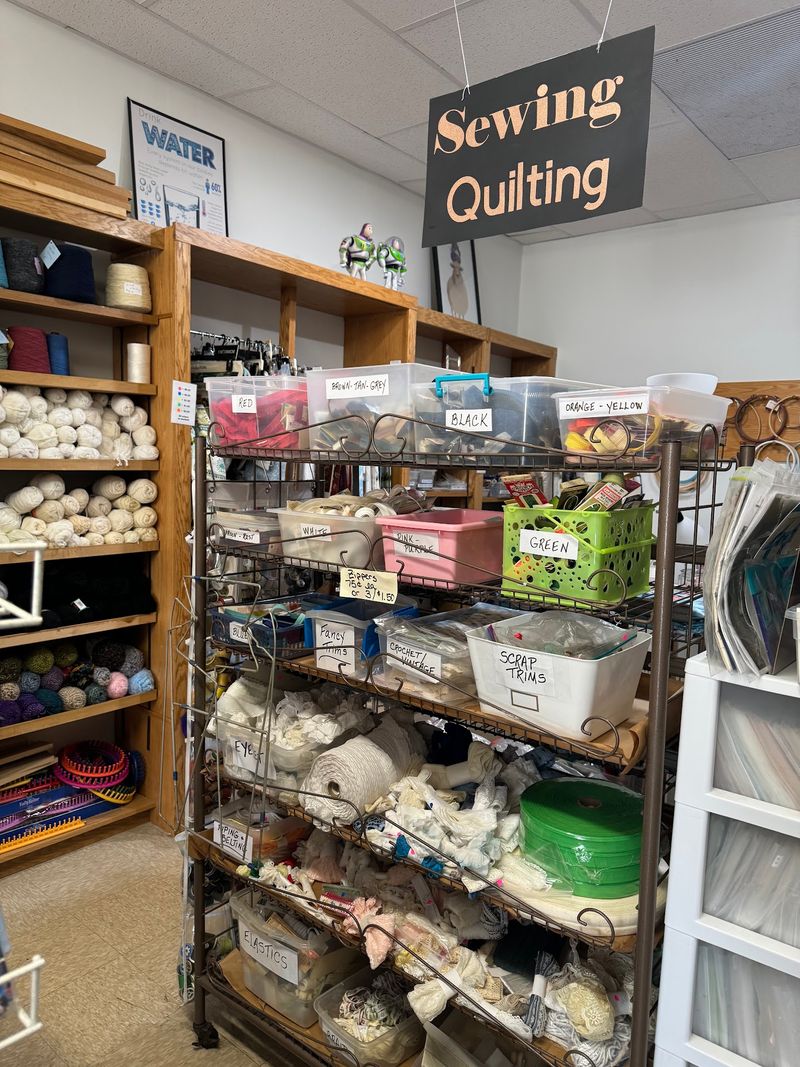
What’s left is a crafter’s dream. Yarn, fabric, beads, paper, stamps, thread, notions, and tools fill the space.
The mission has two parts, and both are refreshingly simple. First, the shop wants to make crafting affordable for everyone.
Second, it turns donated supplies into money for charity.
That second part is the real kicker. Every penny of profit goes to organizations focused on food and clean water.
So the half-finished quilting stash from someone’s closet becomes another person’s next project. Then the money from that sale goes somewhere it truly matters.
It’s a neat little loop.
I believe that’s why the place feels so different from a big chain craft store. You aren’t just shopping for a bargain skein.
You’re joining a project much bigger than any blanket.
And honestly, the bargains are hard to ignore. Many items sell for as little as a dollar, which makes the whole thing even sweeter.
How A Mission Trip Sparked A Yarn-Filled Idea
Every good story needs a spark, and this one had two. The founder, Byers, got the idea from a friend who ran a similar craft thrift store.
The charity focus came from somewhere more personal. During a mission trip to the Dominican Republic, she saw poor living conditions and a lack of clean water.
That experience shaped everything that followed. Food and clean water became the heart of the shop’s giving.
It’s a fitting pairing, if you think about it. Crafters spend hours making useful things by hand.
Here, those humble supplies help provide the most basic necessities of all.
The road wasn’t perfectly smooth, though. The shop went through a temporary closure before finding its current home.
In 2021, it reopened in a more accessible commercial space. That move made it easier for shoppers to find and easier for donors to drop off supplies.
I like that the story isn’t flashy. There’s no giant corporate backer here.
Just a clear idea, a meaningful cause, and a lot of donated yarn put to excellent use.
The Dollar Deals That Make Crafters Giddy
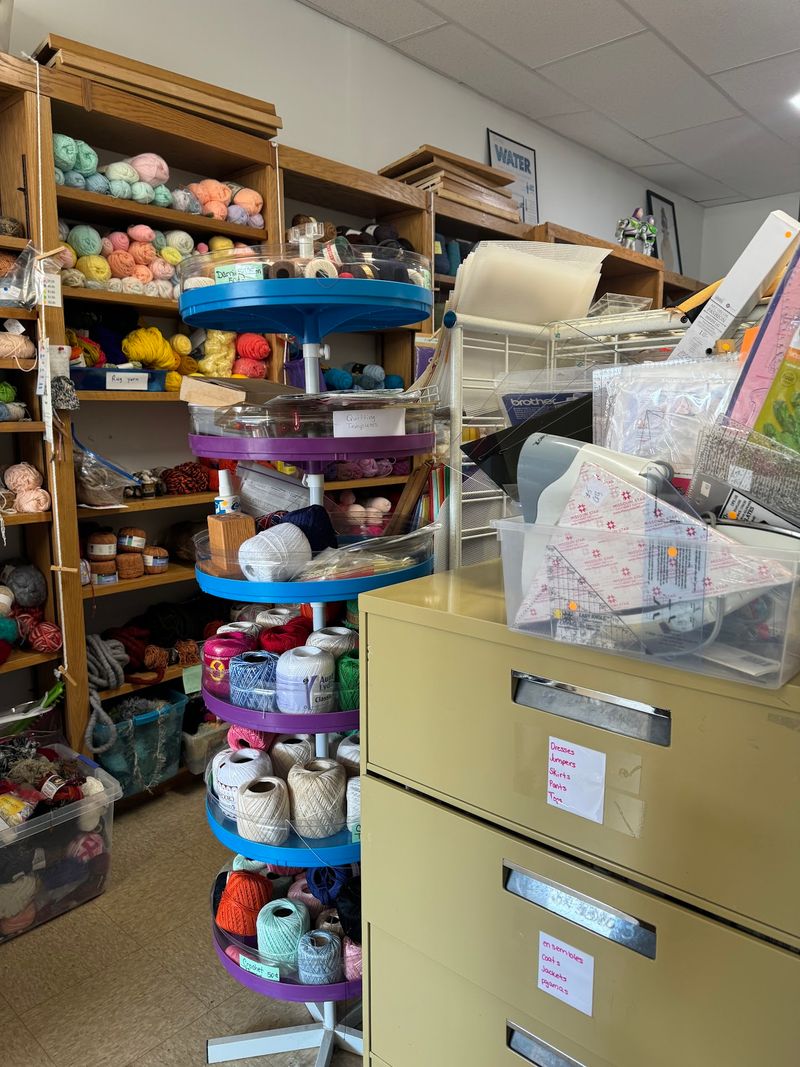
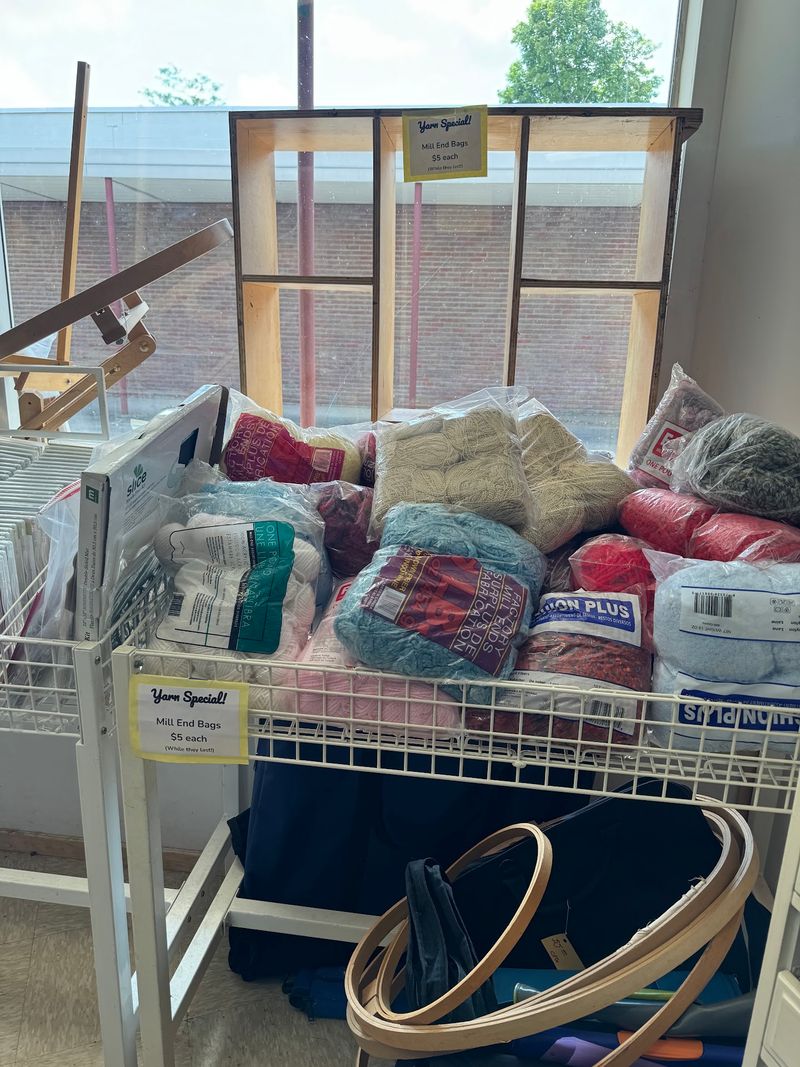
Yes, a dollar. Many items, including yarn, fabric, and stamp sets, can go for as little as a single bill.
Prices across the shop are deeply discounted. For anyone who has winced at a chain store receipt, that’s a big deal.
Shoppers regularly compare it favorably to big box craft stores. Several call the yarn prices especially good, and some mention leaving with a full bag for a tiny sum.
The shop also runs sales fairly often. So even the low prices sometimes get lower.
Good luck sticking to a budget.
Here’s why that matters beyond your wallet. Crafting can get expensive fast, especially for beginners testing a new hobby.
A dollar skein lowers the stakes. You can try crochet, embroidery, or junk journaling without a major investment.
That fits the shop’s goal of making crafting affordable for everyone. It also means kids, students, and retirees on tight budgets can create freely.
And remember, the money you spend isn’t vanishing into a corporate account. It’s headed toward food and water programs.
Cheap supplies with a conscience? That’s a pretty great deal.
Shelves That Cover Nearly Every Hobby You Can Name
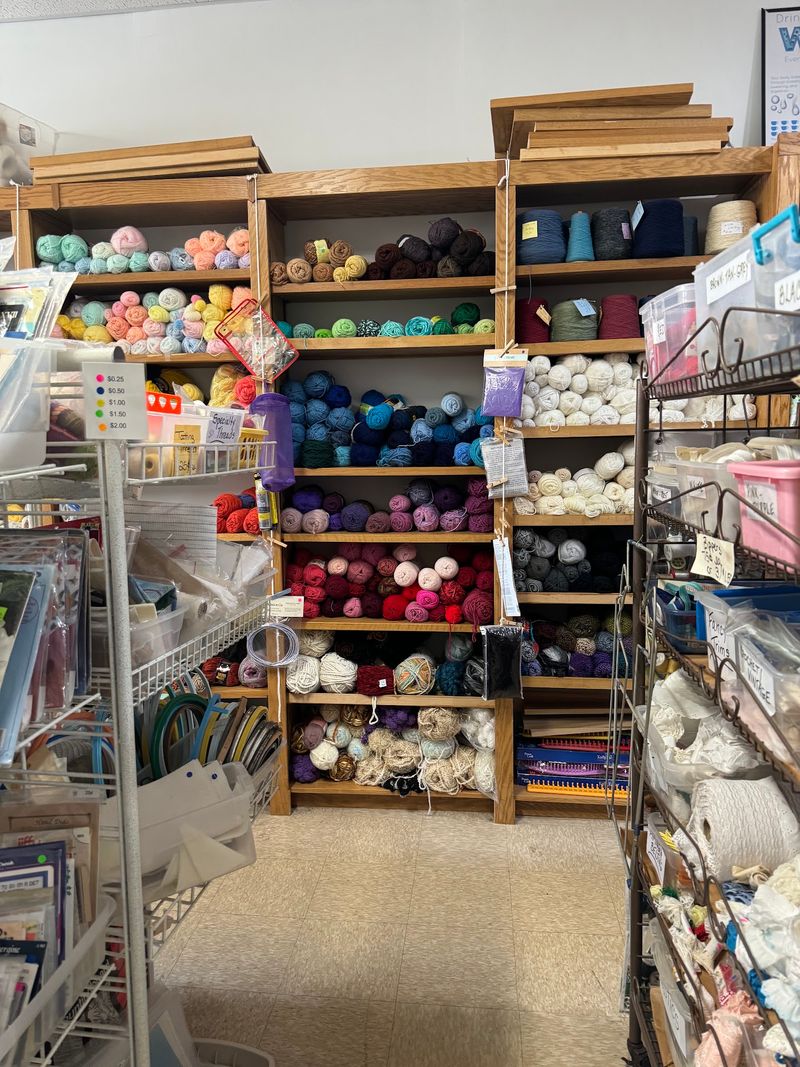
Knitters, quilters, scrapbookers, and bead lovers can all find something here. The range is surprisingly wide for one shop.
Yarn and fabric lead the pack. Then come patterns, thread, notions, knitting needles, crochet hooks, and embroidery tools.
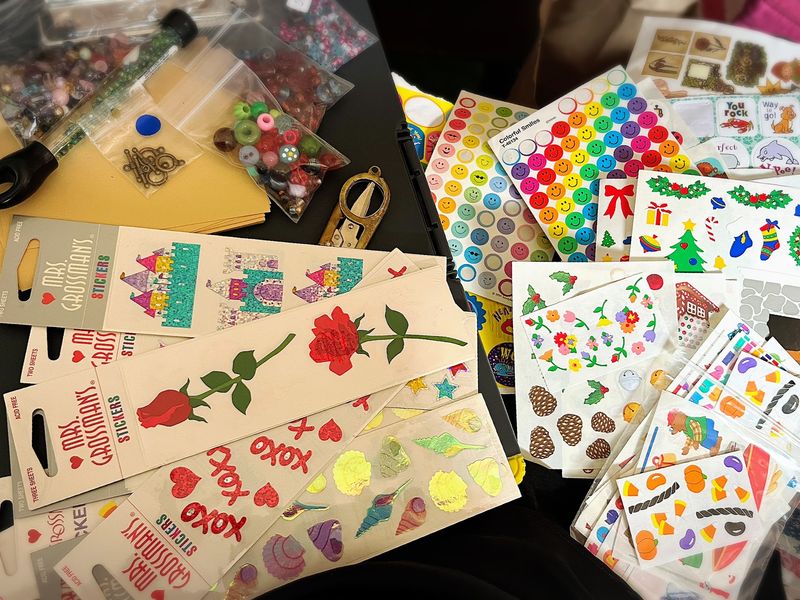
Paper crafters get plenty of attention too. Stamps, stickers, scrapbooking supplies, collage materials, and junk journal paper all show up.
Jewelry makers can browse beads and beading supplies. There are also kits, cutting tools, and even sewing machines when donations allow.
Some shoppers point out finds that are tough to locate secondhand. Snap fasteners, Cricut mats, decorative hole punches, and specialty scissors have turned up.
Stencils, buttons, books, and a bit of paint round things out. The paint section tends to stay small, so don’t count on it.
What impresses many people is the organization. The space packs in a lot, yet shoppers describe it as tidy and easy to browse.
That’s no small feat for a store built entirely on whatever arrives in donation boxes. Someone clearly puts real effort into keeping the chaos in check.
Every Visit Turns Into A Treasure Hunt
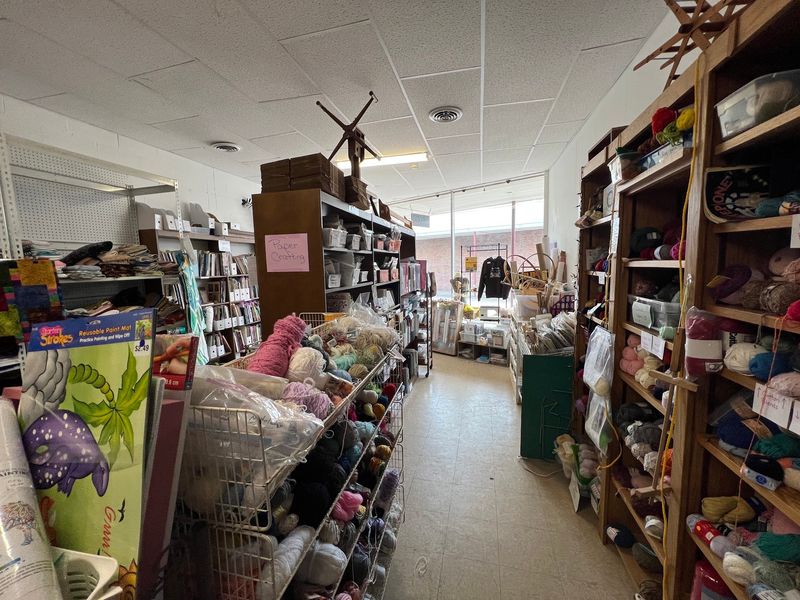
Nothing here is ordered from a catalog. The entire inventory comes from donations, so the shelves change constantly.
That’s part of the fun. One week might bring a mountain of vintage fabric.
The next might be all about rubber stamps.
You can’t plan a precise shopping list. You can, however, plan to be surprised.
Shoppers mention finding unique and vintage items that never appear in chain stores. That alone makes the trip worth it for many crafters.
The trick is to stay open-minded. Go in looking for worsted yarn, and you might leave with embroidery floss and a stack of collage paper.
Is that a problem? Only for your storage closet.
Since stock depends on what people donate, popular items can disappear quickly. If something catches your eye, grabbing it on the spot is usually wise.
I love that the unpredictability feels like a feature, not a flaw. It turns errand shopping into something closer to a scavenger hunt.
And frequent visits start to make a lot of sense when the shelves keep changing.
Free Puzzles On The Shelf Are A Sweet Bonus
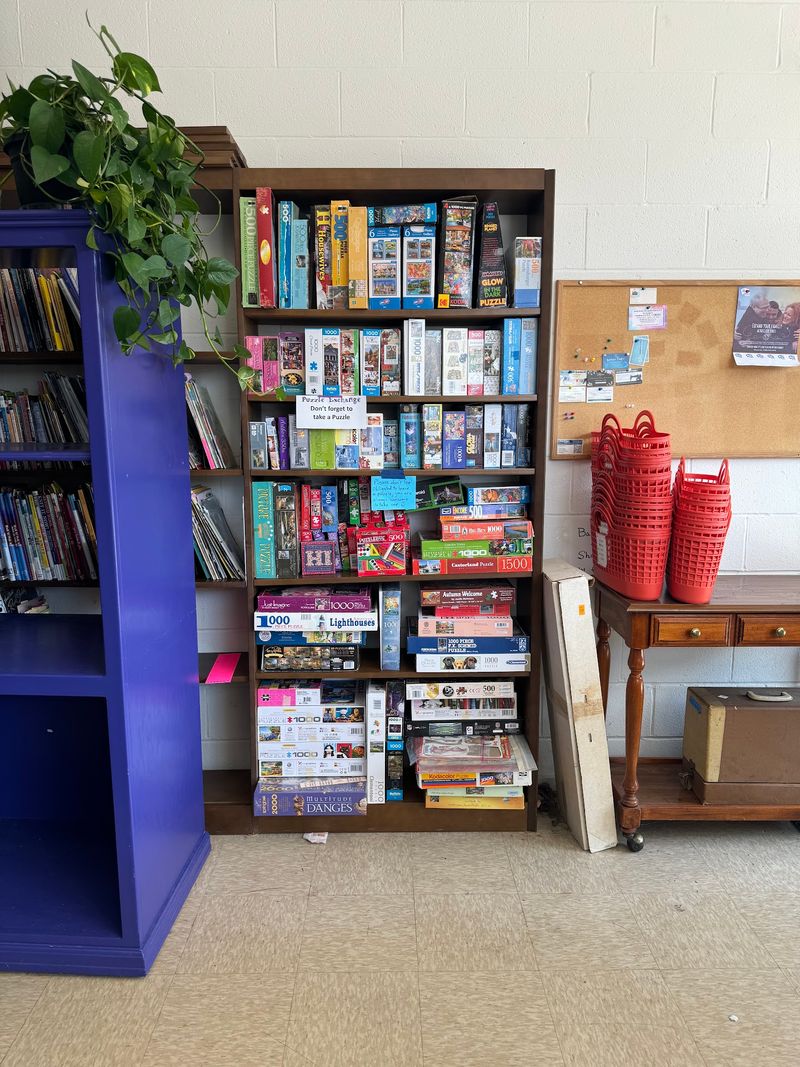
Jigsaw puzzles, free for the taking. That’s a perk most craft stores definitely don’t offer.
The shop keeps a bookcase stocked with puzzles. Shoppers are encouraged to take one home.
It works as a puzzle exchange, so you can bring one back too. There are a few polite guidelines, though.
Hand your puzzle to the staff rather than leaving it on the shelf. Make sure no pieces are missing, or mark the box if any are gone.
Putting the pieces in a zip-top bag also helps. That keeps everything together for the next person.
It’s a small touch, but it says a lot about the place. The whole store runs on the idea of passing things along.
A puzzle you finished last winter can entertain another family next month. Nothing goes to waste, and nobody has to pay a cent.
Honestly, it’s the kind of detail that makes a shop feel like a community spot. You might come for yarn and leave with a thousand-piece lighthouse scene too.
No complaints there.
Where Your Spending Actually Ends Up
Close to $150,000. That’s how much the shop had donated to charities by October 2026.
For a volunteer-run store selling dollar yarn, that number is staggering. It adds up one small sale at a time.
The biggest share went to The Water Project, Inc. About $49,000 supported clean water and sanitation in sub-Saharan Africa.
Foodlink received roughly $42,000. That money fights food insecurity in Rochester and the Finger Lakes region.
DigDeep got around $26,000 for clean water projects in Appalachia and the Navajo Nation. World Central Kitchen received about $25,000 for meal service during crises.
I appreciate that the giving stays focused. Food and water are basic needs, and the shop sticks to them.
The local and global mix feels thoughtful too. Some funds stay right here in Upstate New York, while others travel much farther.
Sales have also been climbing. In the first half of 2026, they rose 34 percent over the same period the year before.
More sales mean more meals and more clean water. That’s a growth chart everyone can cheer for.
Volunteers Who Seem Genuinely Curious About Your Projects
Nobody here collects a paycheck. The shop runs entirely on volunteers, which explains a lot about its warm reputation.
Friendly staff is the single most common theme people bring up. Words like welcoming, helpful, and vibrant appear again and again.
Several shoppers mention Sheryl by name, along with her crew. One even notes she happily pulls out a chair for an older mother who needs to sit.
Younger crafters seem to benefit too. One shares getting advice on what to buy for different projects.
Many describe volunteers who ask what you’re making. That kind of curiosity turns a quick errand into a conversation.
Some people admit they come for supplies and stay for the chatting. It’s a funny problem to have.
Yarn shops sometimes get a reputation for feeling a little cliquey. Here, the vibe reportedly leans the other direction, with both staff and fellow shoppers described as friendly.
I believe that matters as much as the prices. A store can be cheap and still feel cold.
This one seems to manage cheap and kind at the same time.
Perfect For Beginners, Pros, And Kids With Big Ideas
Brand-new knitters and seasoned quilters can shop side by side here. Low prices make the store friendly for every skill level.
Beginners can experiment without spending much. Trying needlepoint for a few dollars feels a lot less risky than buying a full kit at retail.
Experienced crafters get something different. They get the thrill of rare notions, vintage fabric, and specialty tools at thrift prices.
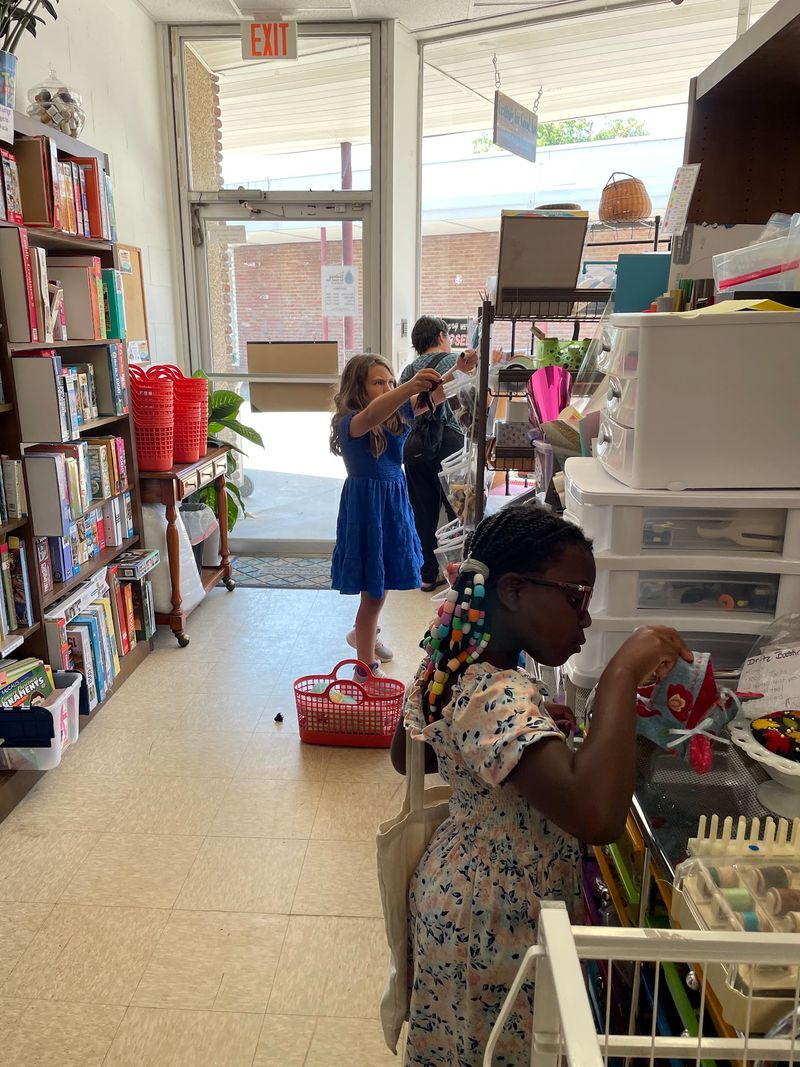
Families seem to enjoy it too. One parent mentions daughters finding plenty of bits and bobs for their own crafts.
That makes it a smart stop for kids who love to make things. A small budget goes a long way when supplies cost so little.
Teachers, scout leaders, and camp counselors might find it useful as well. Bulk supplies for group projects add up fast elsewhere.
Junk journalers and collage artists have a lot to work with. Papers, stamps, stickers, and stencils are right in their wheelhouse.
Really, anyone with a creative itch belongs here. You just need some curiosity and a tote bag.
Got A Closet Full Of Supplies? Read This First
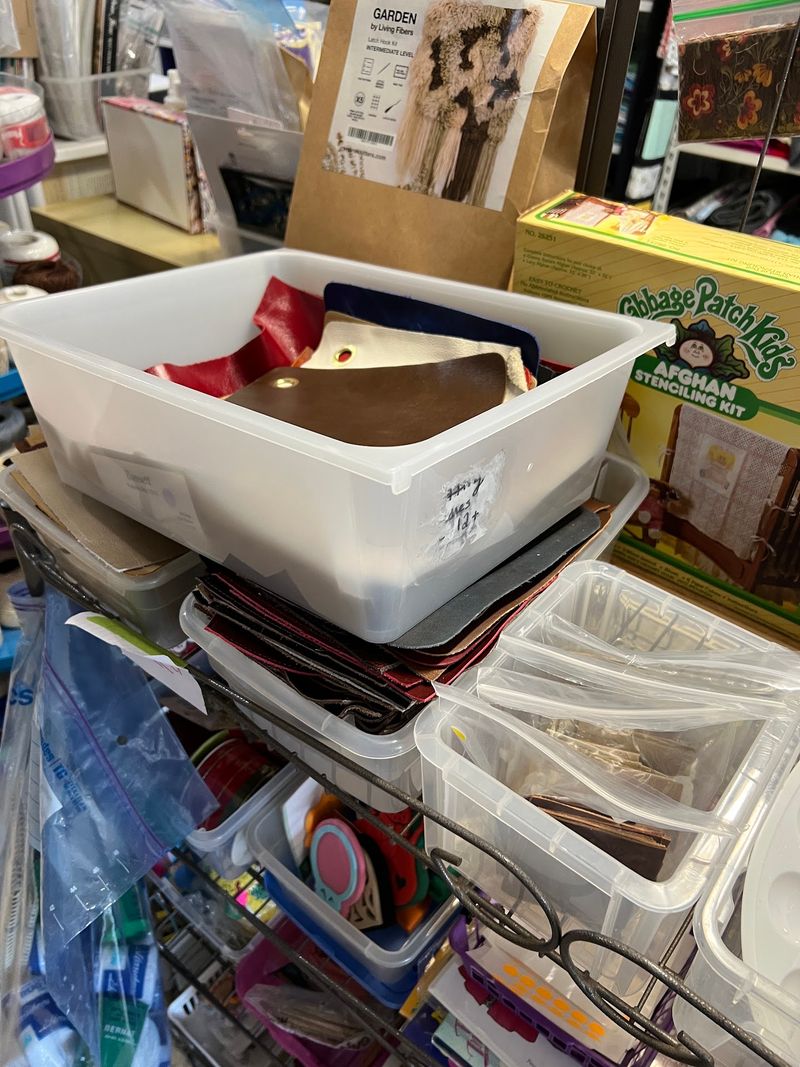
Plenty of crafters own more supplies than they’ll ever use. This shop exists partly to rescue that overflow.
Donations are the lifeblood of the store. Every skein and spool on the shelves arrived from someone’s generous cleanout.
Right now, though, there’s an important catch. Donations are temporarily paused because of an overwhelming volume.
That’s a nice problem to have, honestly. It shows how many people believe in the mission.
Still, it means you shouldn’t just load up the car and show up. Check with the shop before attempting to drop anything off.
When donations do reopen, craft and sewing items are the focus. Yarn, fabric, notions, and tools fit the store’s purpose best.
Giving supplies here does double duty. Your extras get a second life with a new maker, and the sale funds food and water programs.
That beats letting a bin of fabric gather dust in the basement. It also frees up space for, let’s be honest, buying more supplies.
Crafters understand that logic perfectly.
Look For The Awning In The Plaza
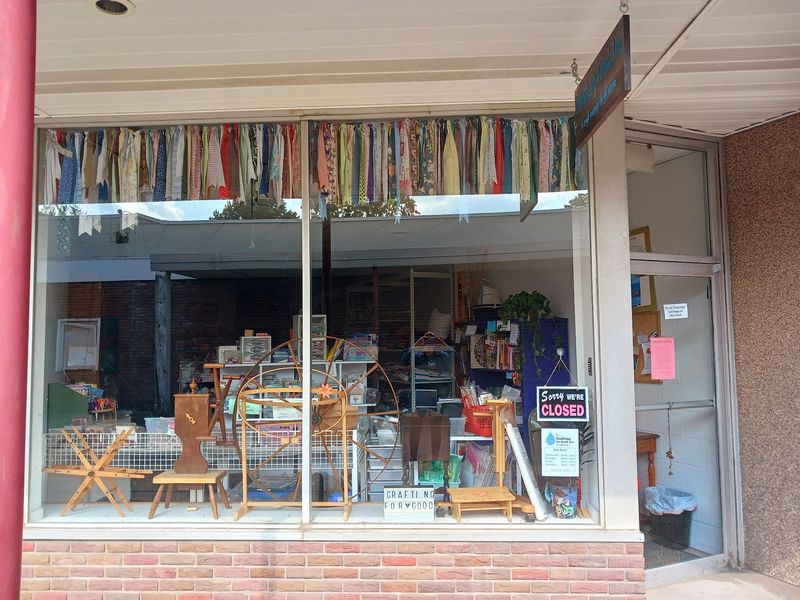
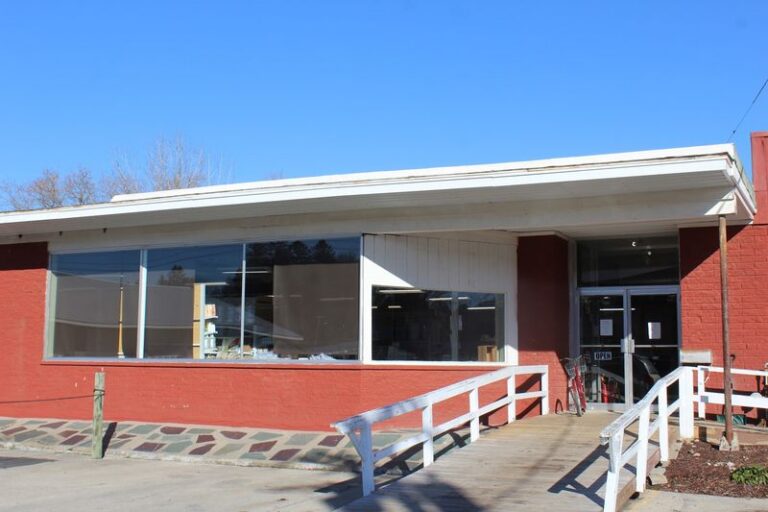
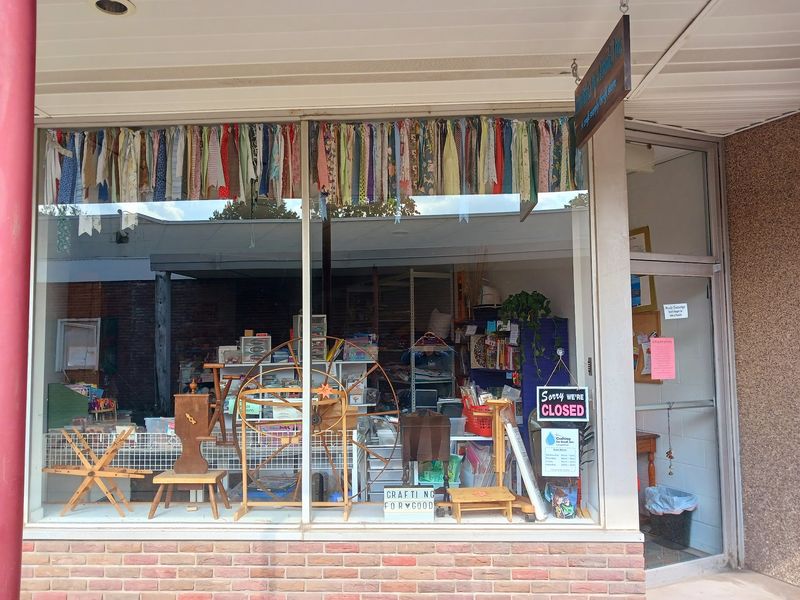
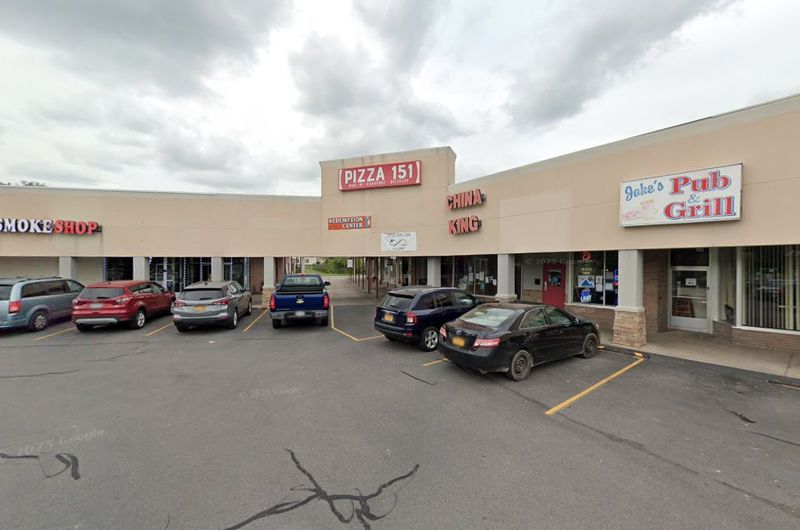
Finding the shop takes a little attention. It sits in Towne Plaza at 4390 Buffalo Rd, North Chili, NY 14514.
One shopper describes it as being under the awning in the alley of the plaza. So keep your eyes open once you pull in.
North Chili is part of the Greater Rochester area. That makes the trip easy for anyone around Rochester or the western Finger Lakes.
Several shoppers say it’s worth a drive from farther out. For serious crafters, a road trip here makes plenty of sense.
A plaza location brings practical perks too. The 2021 move into a commercial space was meant to make the shop more accessible.
Pair your visit with other Rochester-area errands. A Saturday morning loop that includes a yarn stop sounds pretty ideal.
Just remember the shop is small. The building won’t wave at you from the road, so slow down and look carefully.
Once you spot it, you’ll likely remember it for next time. And there probably will be a next time.
Plan Around These Short-But-Sweet Hours
Volunteers keep the lights on, so the schedule is limited. Showing up on a Monday will only earn you a locked door.
The shop opens Wednesday, Thursday, and Friday from noon to 5 p.m. Saturday hours run from 10 a.m. to 3 p.m.
Sunday, Monday, and Tuesday are closed. Write that down somewhere crafty.
Saturday is your best bet for a morning visit. Weekday options lean toward afternoons, which works nicely after lunch.
Bring a sturdy bag or two. Between dollar yarn and surprise finds, empty hands rarely stay empty.
Leave yourself enough time to browse properly. Packed shelves reward slow looking, and conversations with volunteers can stretch a visit.
It’s also smart to have a loose idea of your projects. Since inventory shifts constantly, flexibility will serve you better than a strict list.
If you have supplies to donate, remember the current pause. Check ahead first so nobody ends up with a trunk full of returned fabric.
A little planning goes a long way here. The reward is a very satisfying haul.
A Shopping Trip That Feels Good Long After Checkout
Some stores sell you stuff. Crafting for Good sells you stuff and then sends the profits toward food and clean water.
That makes it one of the most feel-good shopping stops in New York. The 4.9-star rating across dozens of reviews suggests plenty of people agree.
The appeal is easy to understand. Prices are low, the selection keeps changing, and volunteers bring real warmth.
Then there’s the bigger picture. Close to $150,000 has gone to groups like Foodlink and The Water Project.
I can’t think of a better way to justify buying yet another skein. Your stash grows, and so does the good being done.
It’s not a massive superstore, and that’s fine. The small size seems to be part of its charm.
If you craft in any form, put this place on your list. Check the hours, bring a bag, and stay open to surprises.
You might leave with yarn, stamps, or a free puzzle. Either way, you’ll leave knowing your dollars went somewhere meaningful.