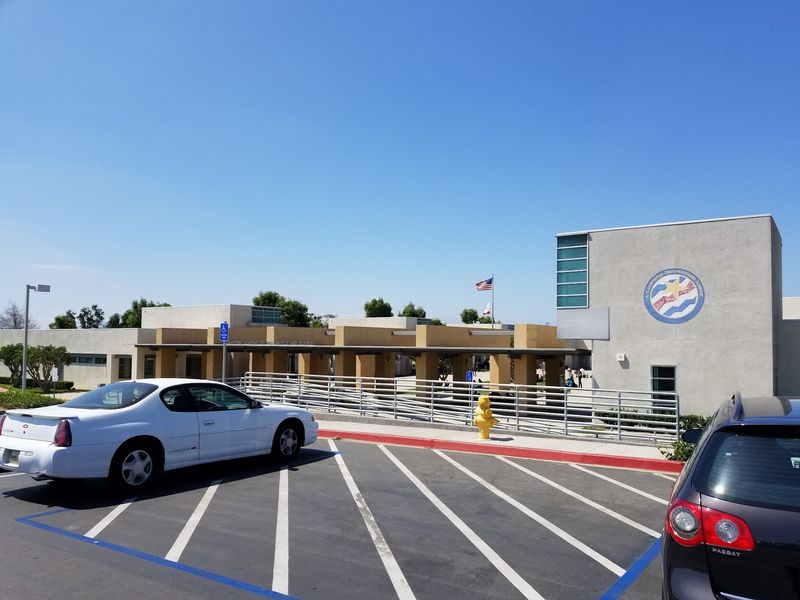
A public high school in Southern California holds its classes on a university campus. Its teenagers can walk past college lecture halls on the way to their own lessons.
That setup alone made me curious. The school stays small on purpose, and it focuses hard on math, science, and engineering.
I like how it skips the giant-campus model that most California families know. Instead, it bets on a tight community, early college exposure, and students who chose to be there.
The results have pushed it toward the very top of state rankings. So what happens when a public school stops acting like a typical high school?
I believe the answer is more interesting than any test score.
A Public High School That Lives On A University Campus
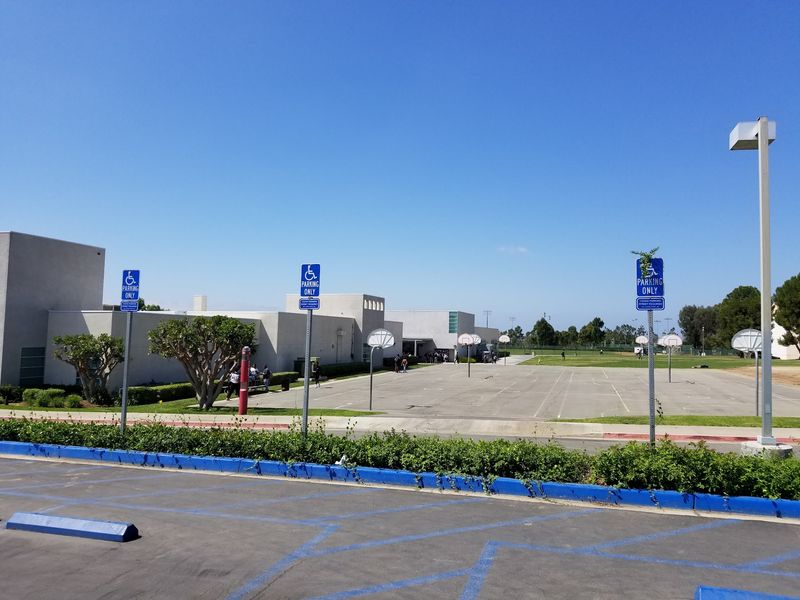
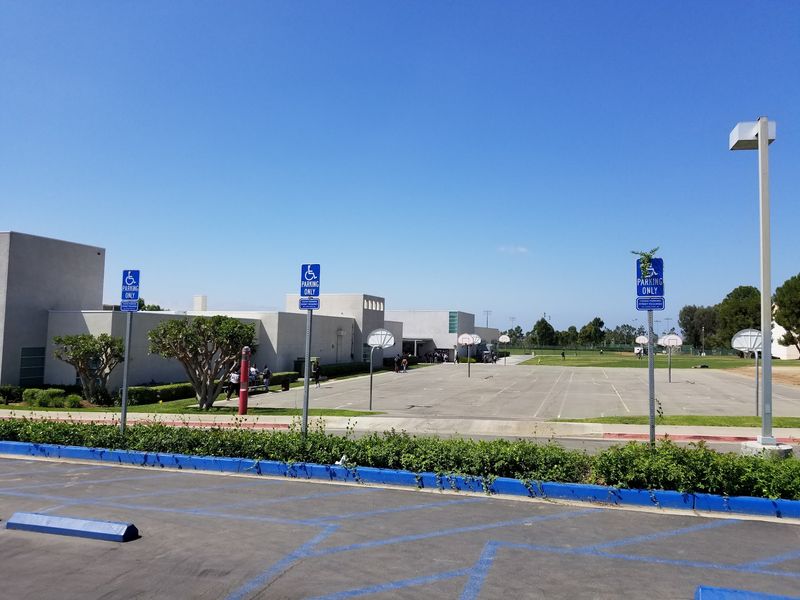
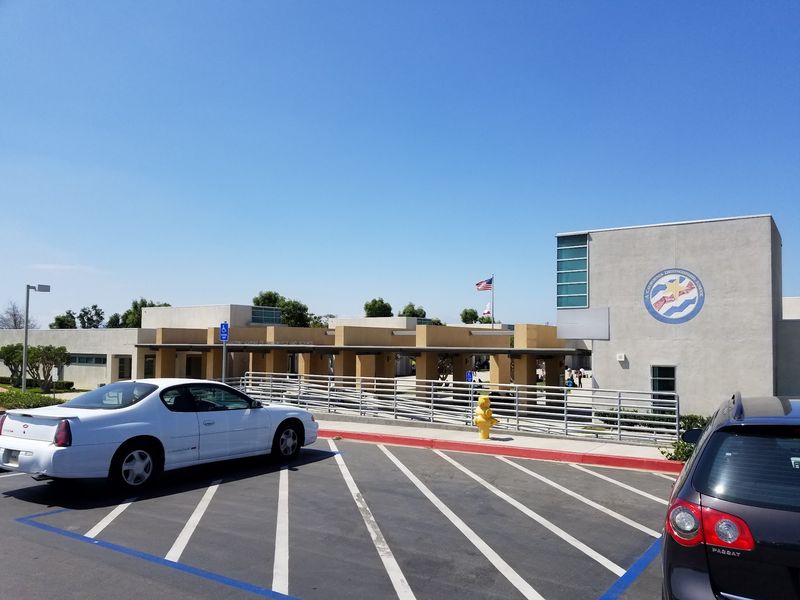
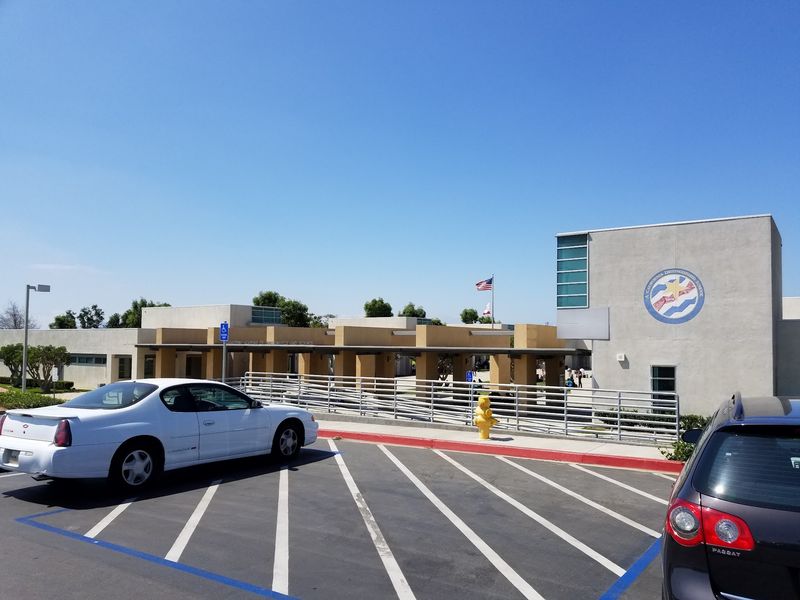
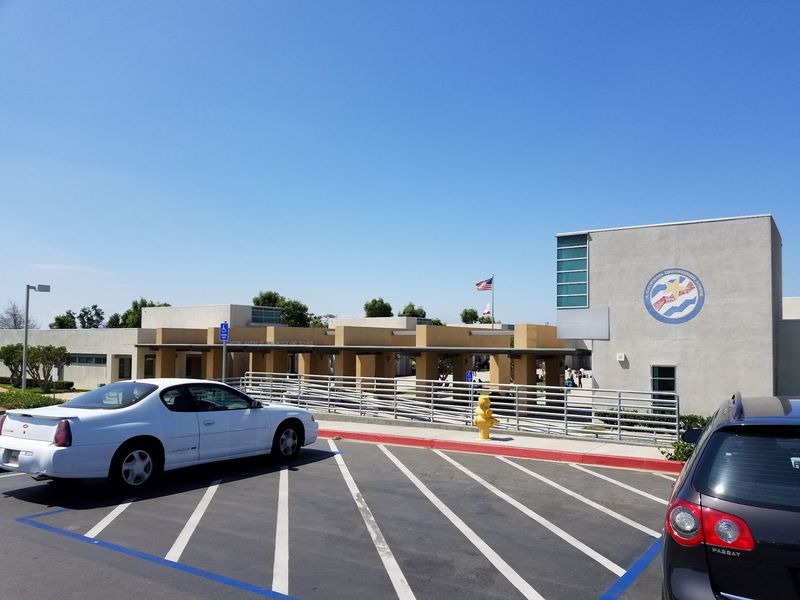
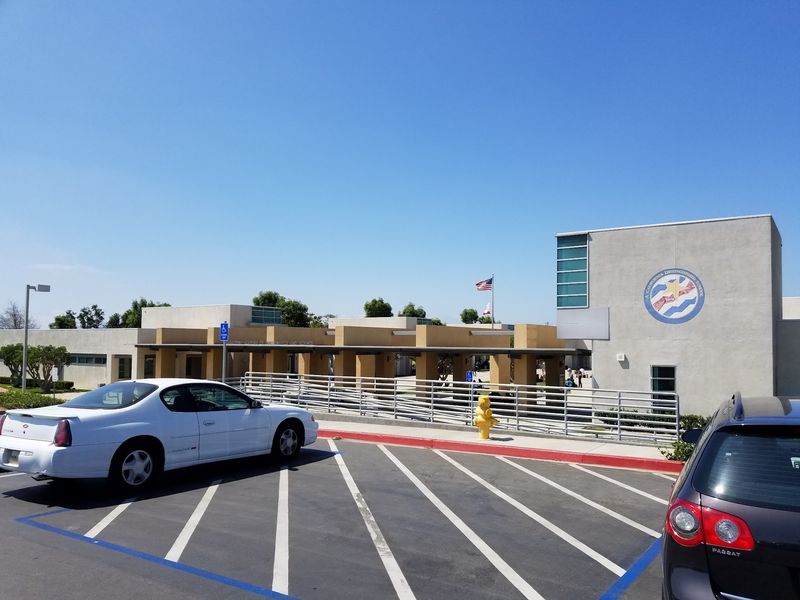
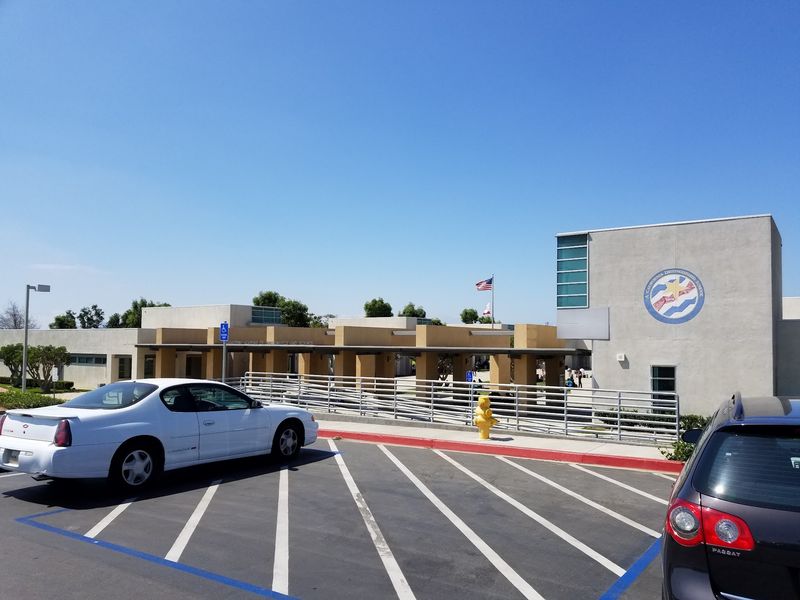
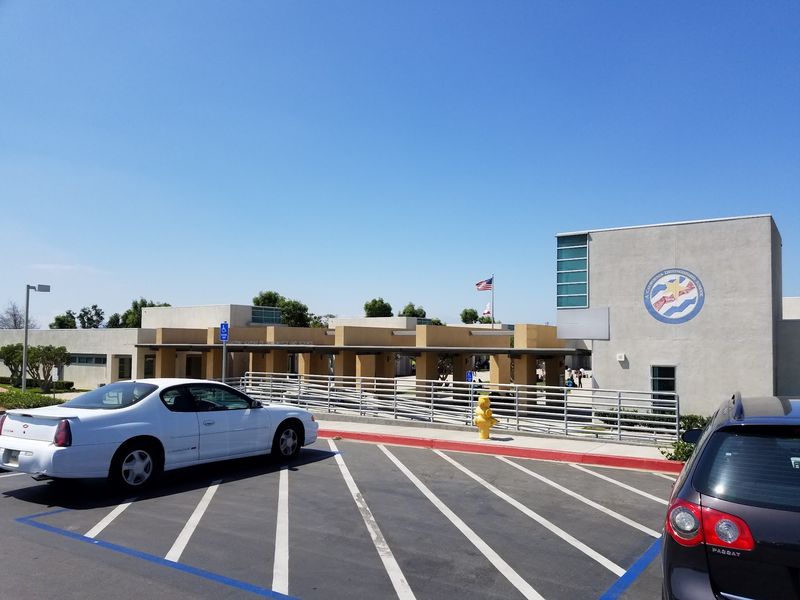
Most high schools have their own fences, gyms, and parking lots. California Academy of Mathematics and Science School sits on the campus of California State University, Dominguez Hills, in Carson.
That detail changes everything about the school’s personality. Teenagers here share sidewalks, views, and some resources with a working university.
The school is part of the Long Beach Unified School District. It is a public school, so there is no private tuition attached to that college-campus address.
Families often know it simply as CAMS. The short name is easy to say, but the school itself carries a big reputation across Southern California.
Its focus is right there in the full name. Math and science sit at the center of the program, with engineering and technology woven through the experience.
Still, it remains a comprehensive college-prep high school. Students take English, history, languages, and the arts alongside their technical classes.
I like that balance more than I expected to. A science school that still values a good essay feels refreshingly grounded.
The school has also built a strong track record in national and state rankings. That success started with a very unusual idea.
The Bold 1990 Idea Behind CAMS
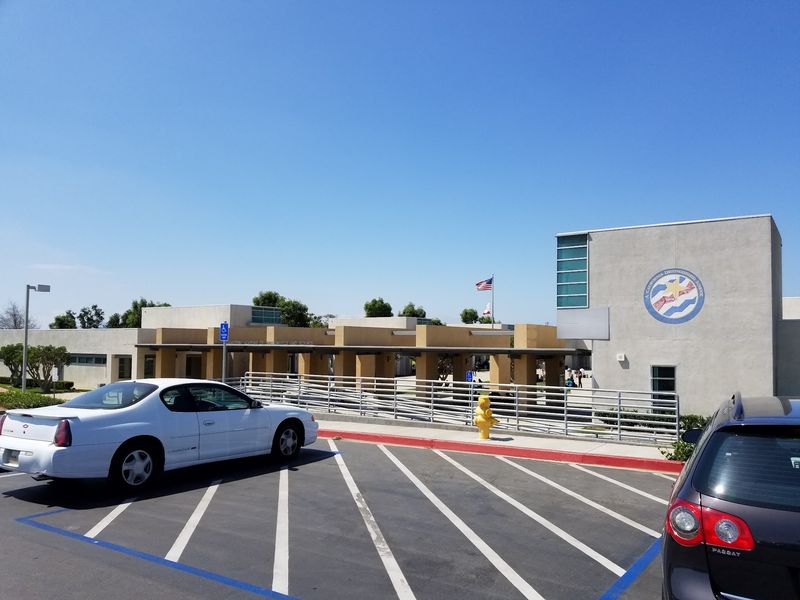
Back in 1990, a new kind of public school opened its doors in Carson. The plan was simple to describe and hard to pull off.
Put a specialized math and science high school directly on a university campus. Then give regular public school students access to that environment.
The partnership with Cal State Dominguez Hills became the backbone of the school. It linked a public high school district with a public university in a practical, daily way.
Thirty-plus years later, the idea still looks forward-thinking. Plenty of schools now talk about early college, but CAMS has been living it for decades.
In fast-changing California, that kind of staying power feels meaningful. A program that keeps its mission for over three decades is a small act of preservation.
The school also drew students from beyond one neighborhood from early on. That regional reach helped shape its diverse, ambitious student body.
Plenty of Southern California families have watched siblings, cousins, and friends pass through. For many, CAMS has become a name passed along at kitchen tables.
Its founding mission still shows up in daily life. Rigor, access, and real-world science remain the core ingredients.
Why Small Size Works In Its Favor
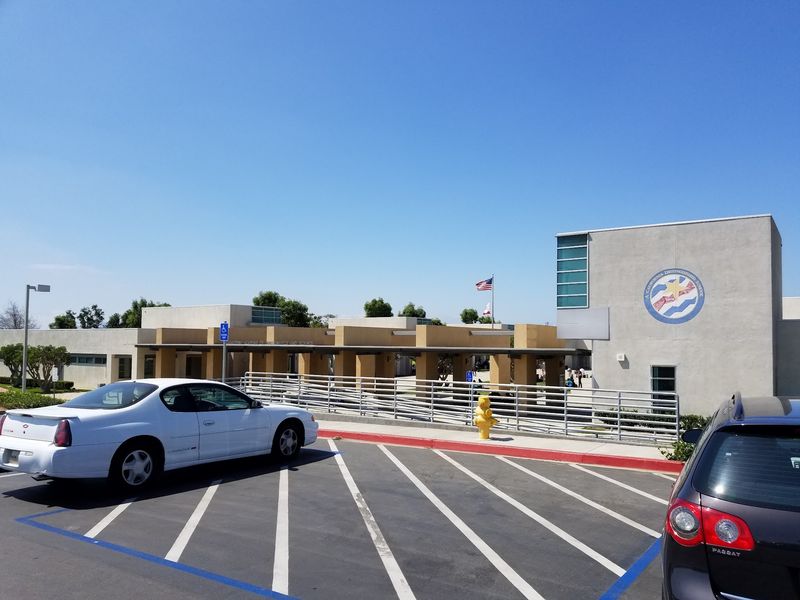
Big high schools can feel like small cities. CAMS goes the other direction and keeps its enrollment modest for a public high school.
That choice shapes the whole experience. Teachers can know students by name, and classmates often share several classes over four years.
A smaller school also means fewer places to hide. Students who struggle are easier to notice, and students who shine are easier to push further.
I believe that closeness is part of the secret. Rigorous coursework is easier to handle when the people around you actually know you.
There is a tradeoff, of course. A smaller campus typically cannot offer every elective or activity a giant comprehensive school runs.
For the right student, that tradeoff barely registers. The focus becomes depth instead of endless options.
Families weighing CAMS should think about personality as much as grades. Some teenagers thrive in a tight community, while others prefer a sprawling campus.
That honest fit question matters more than any ranking list. CAMS works best for students who want to be challenged among peers who chose the same path.
College Classes Before The Senior Prom
Picking up college credits in high school sounds like a bonus. At CAMS, it is part of the culture.
Because the school shares space with Cal State Dominguez Hills, students can take university courses during their high school years. That access comes with far less hassle than commuting across town.
The benefit goes beyond transcripts. Sitting in a college class teaches time management, independence, and how to speak up among older students.
Those are skills many freshmen learn the hard way. CAMS students often get an early rehearsal instead.
It also takes some mystery out of college. A teenager who has already handled university coursework tends to walk into a dorm with more confidence.
I can’t imagine a better way to test whether a major fits. Trying a college class at sixteen is much cheaper than switching majors at twenty.
Of course, the workload is real. Balancing high school assignments with university expectations takes discipline.
That challenge is exactly the point. CAMS treats its students as capable young adults, and many rise to meet that expectation.
Math And Science At The Center Of Everything
Calculus, physics, chemistry, and biology are not side dishes here. They are the main course.
CAMS builds its program around demanding math and science coursework. Students move through a sequence designed to prepare them for STEM study in college.
Engineering and technology also show up across the curriculum. The goal is not just memorizing formulas but using them to solve problems.
That hands-on angle keeps science from feeling abstract. A lab result tells you more than a worksheet ever will.
Advanced Placement courses add another layer of challenge. Students can earn college-level recognition while still in high school.
Still, the humanities hold their ground. Strong writing and clear thinking matter for scientists too, and CAMS treats them that way.
I like that the school does not chase a narrow image of a STEM kid. Future engineers, doctors, and researchers all need to explain their ideas to other people.
For families in California hunting for a serious science track inside the public system, this is a rare find. The emphasis is clear from day one.
Rankings That Put Carson On The Map
Carson rarely gets headlines for education. CAMS has quietly changed that story.
The school has repeatedly appeared near the top of national and California high school rankings. Recent lists have placed it among the strongest public high schools in the entire state.
That is a remarkable feat for a regional public school. It competes with campuses in much wealthier zip codes and holds its own.
Rankings tend to weigh college readiness, test results, and graduation outcomes. CAMS performs strongly across those measures year after year.
I believe the consistency matters more than any single number. One great year can be luck, but decades of strong results point to a real system.
Families should still read rankings with some caution. A list cannot measure whether a particular teenager will feel happy and supported.
Even so, the recognition brings well-earned pride to the South Bay and the Long Beach Unified community. It shows what public education can achieve with a focused mission.
For many Californians, this school becomes a pleasant surprise. A top-tier public school in Carson?
That changes some assumptions fast.
How Students Earn A Seat
Nobody lands at CAMS by accident. Students apply, and the process is competitive.
The school draws applicants from across a wide area rather than a single neighborhood. That regional pull brings together students from many communities in Southern California.
Families typically handle applications during the eighth-grade year. Admission details and timelines can change, so checking with Long Beach Unified directly is the smart move.
Because demand is high, preparation matters. Strong grades and genuine interest in math and science help a student stand out.
The selective setup creates a classroom full of motivated peers. That energy can lift everyone, though it can also feel intense.
I like that the opportunity sits inside public education. Talented students do not need private tuition to reach a rigorous program like this.
Parents should also think about logistics before applying. A regional school may mean a longer daily commute than the neighborhood campus.
That practical question deserves an honest family conversation. The best application starts with a student who truly wants this kind of challenge.
A Student Body Shaped By Many Communities
Walk past any lunch table and you might hear several languages. Southern California’s mix of cultures shows up naturally at CAMS.
Students arrive from different cities, backgrounds, and family stories. Many come from immigrant families who see education as a ladder worth climbing.
That diversity adds something rankings cannot measure. Problem-solving gets richer when people bring different perspectives to the same question.
It also mirrors the real STEM world. Labs, hospitals, and tech firms across California depend on teams with varied experiences.
I believe that may be one of the school’s quiet strengths. Students learn to collaborate with people who did not grow up on their street.
For many families, a spot here represents years of sacrifice and hope. Seeing a child thrive at a top public school can feel like a shared family victory.
That sense of pride often travels beyond graduation. Alumni stories frequently loop back to younger siblings and neighbors.
The result is a community bigger than the campus. CAMS connects corners of the region that might otherwise rarely meet.
Life Beyond The Lab Bench
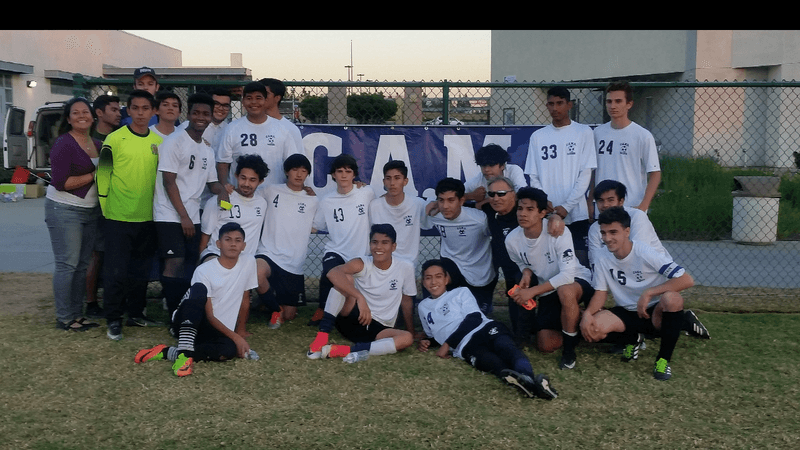
Equations do not fill every hour. Students at CAMS also find room for clubs, competitions, and friendships.
STEM-focused activities naturally fit the school’s identity. Science and engineering clubs give students a chance to apply classroom ideas to real projects.
Not everything revolves around circuits and calculus, though. Student organizations can also reflect interests in culture, service, and the arts.
Specific club lists change from year to year. Families should check with the school for the current lineup.
Activities matter for more than college applications. They help students build friendships and blow off steam after demanding coursework.
I like that a rigorous school still makes space for fun. Teenagers need laughter as much as lab reports.
The small size helps here too. Students may find it easier to step into leadership roles when the community is tight-knit.
A sophomore can start a club without getting lost in a crowd of thousands. That kind of visibility builds confidence that lasts well beyond high school.
Finding The Campus In Carson
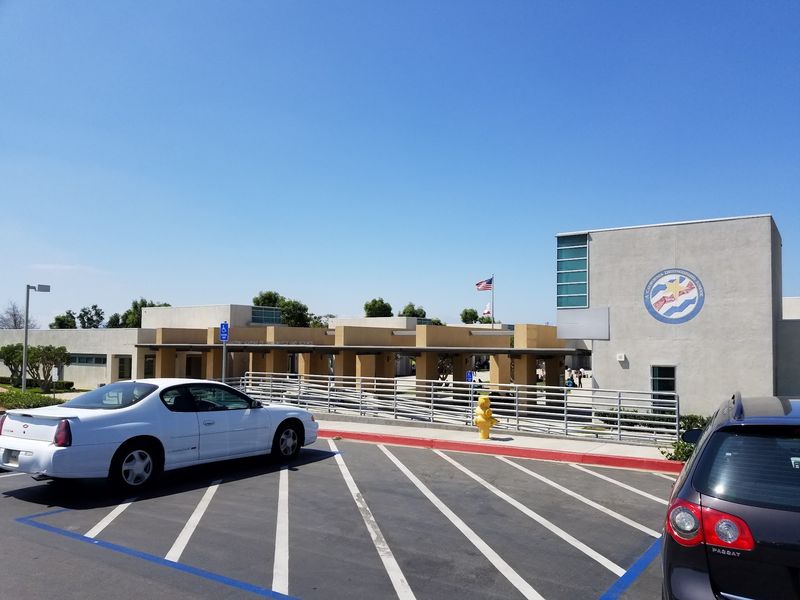
Carson sits in the South Bay, close to Long Beach and the busy freeways that crisscross Los Angeles County. CAMS shares that geography with the university around it.
The school’s address is 1000 E Victoria St, Carson, CA 90747. That location places it on the Cal State Dominguez Hills campus.
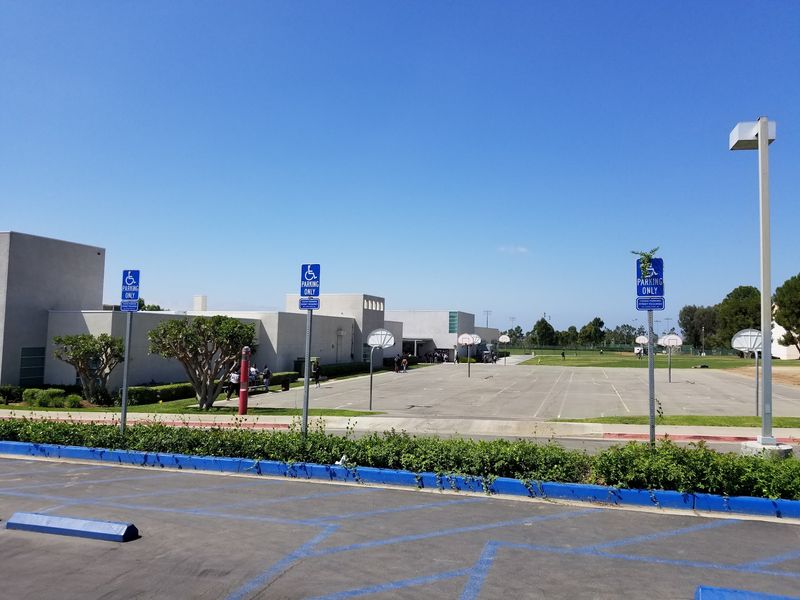
Families coming for official events should plan ahead. University campuses often have their own parking rules and busy periods.
Remember that this is a working school, not a tourist stop. Visits should happen through scheduled events or by arrangement with the school office.
That rule protects students and keeps the day running smoothly. Showing up unannounced is never a great look on any campus.
For prospective families, information sessions are the best way to see the program. They answer the practical questions that websites cannot cover.
The South Bay location also connects to a wider region. Students from neighboring cities can reach the school, though commute times vary a lot.
Southern California traffic deserves respect. Plan a test drive at morning rush hour before committing.
Practical Tips For Curious Families
Homework for parents starts early. Learning about CAMS works best a year or more before applications are due.
Long Beach Unified is the go-to source for current admission rules and dates. Those details can shift, so relying on old advice from a neighbor is risky.
Information events give families a feel for the culture. Bring questions about workload, college courses, and support for students who hit a rough patch.
Ask about transportation too. A great school still needs a realistic daily route.
Talking with your teenager honestly matters most. Their motivation will carry them through tough weeks far better than a parent’s enthusiasm.
I believe the best decisions come from fit, not prestige. A ranking means little if a student feels miserable every morning.
Families should also review the school’s main office contact through the district. Staff can clarify what tours or visits are possible.
School calendars follow the academic year. Summer can be a quiet time on campus, so plan questions during the school year when staff are more available.
Who Thrives Here And Who Might Not
Curiosity is the best ticket in. Students who love asking how things work tend to feel at home at CAMS.
The school suits teenagers who enjoy challenge rather than fear it. A heavy math and science load can energize the right student.
Independence helps a lot. College classes and demanding coursework reward students who manage their own time.
Students who want a huge campus with every possible elective might feel boxed in. A smaller school simply cannot offer everything.
That is not a flaw, just a different design. Families should match the school to the child, not the other way around.
I can’t imagine a better spot for a teenager who lights up during a physics experiment. That kind of student may find their people here.
Kids still exploring interests can succeed too. Strong humanities classes keep doors open beyond engineering.
The key ingredient is willingness to work. CAMS offers a remarkable opportunity, but students still have to grab it with both hands.
A Southern California Success Story Worth Knowing
Plenty of Californians drive past Carson without a second thought. Few realize one of the state’s standout public high schools sits right there.
CAMS proves that a focused mission can beat sheer size. Small classes, early college access, and serious STEM work add up to something special.
Its longevity impresses me as much as its rankings. Holding onto a bold idea for more than three decades takes real commitment.
The school also shows what public education can accomplish. Talented students from many communities get a pathway that once felt reserved for private schools.
For families in the South Bay and beyond, it deserves a spot on the research list. Even if it is not the right fit, learning about it broadens the options.
I believe more schools could borrow pieces of this model. Partnerships between high schools and universities make a lot of sense.
California Academy of Mathematics and Science School remains a true insider’s story. It is the kind of place true Californians feel proud to mention.
Not bad for a little school on a college campus in Carson.