California’s biggest lake exists because a river broke through an irrigation canal and flowed for about two years. Nobody planned it.
Engineers spent that whole time trying to stop it.
Now the water is slowly pulling back. The lake loses roughly 2,400 acres of surface area every year.
Its shoreline crunches underfoot with broken barnacles, shells and old fish bones.
I like how honest this place is about its own story. The pale rings of dried lakebed read like a timeline.
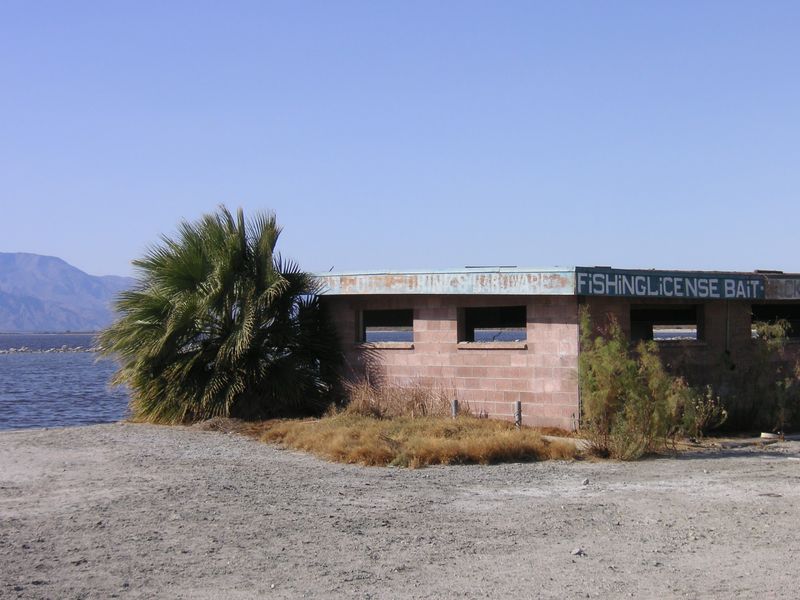
Abandoned buildings, bold outdoor art and huge flocks of birds share the same stretch of desert.
Most drivers zip past without a second look. I can’t imagine skipping it once you know what those strange shores are saying.
So what exactly happened out here, and why does it keep changing?
California’s Biggest Lake Sits Way Below Sea Level
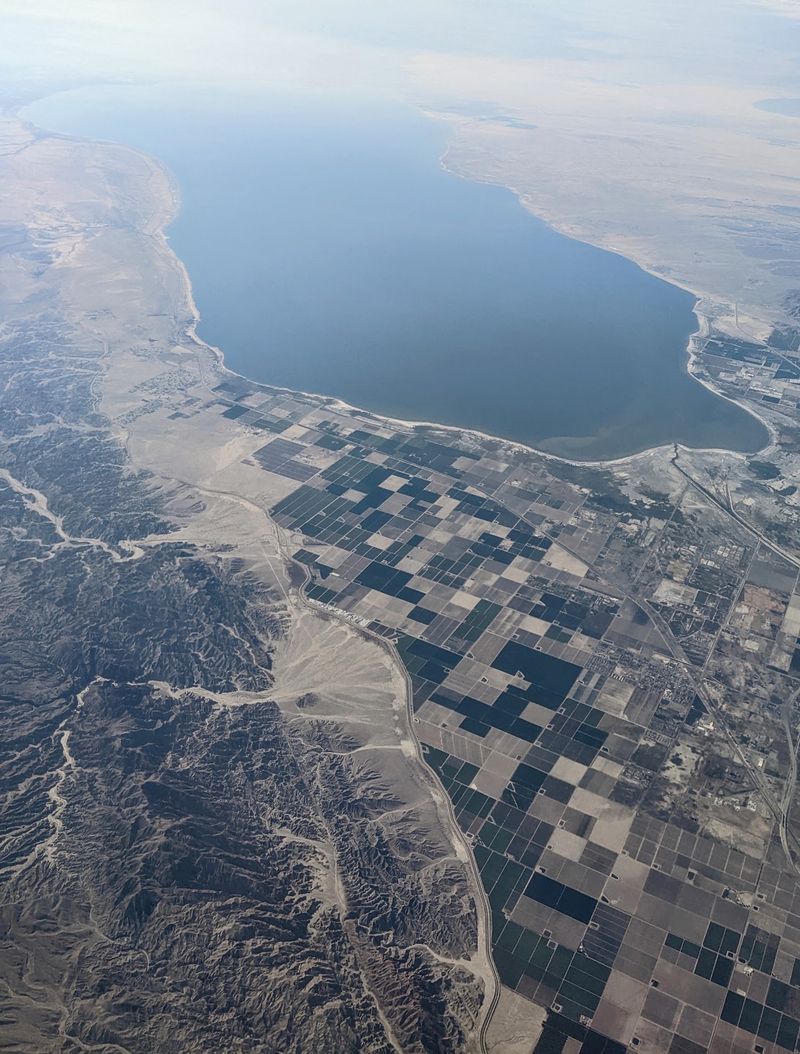
The Salton Sea is California’s largest lake, and it sits in a spot most people would never guess. Its surface lies well below sea level inside the Salton Trough.
That trough is a geological low point along the San Andreas Fault. The lake spreads across parts of Riverside and Imperial counties in Southern California.
Shallow, landlocked and very salty, it doesn’t behave like a typical mountain lake. No river drains it out to the ocean.
Water comes in, sits in the desert sun, and slowly disappears into the air. Whatever salt it carried stays behind.
At its biggest, the modern lake stretched about 45 miles long and 20 miles wide. That’s a lot of water for a place surrounded by sand and farms.
You can spot it from far away, too. Some visitors first notice it from high above the Coachella Valley.
The lake carries a four-star rating on Google from hundreds of reviews. Words like eerie, surreal and beautiful pop up again and again.
That mix of reactions makes sense once you learn the backstory. It’s quite a tale.
The Day a River Wandered Off Course
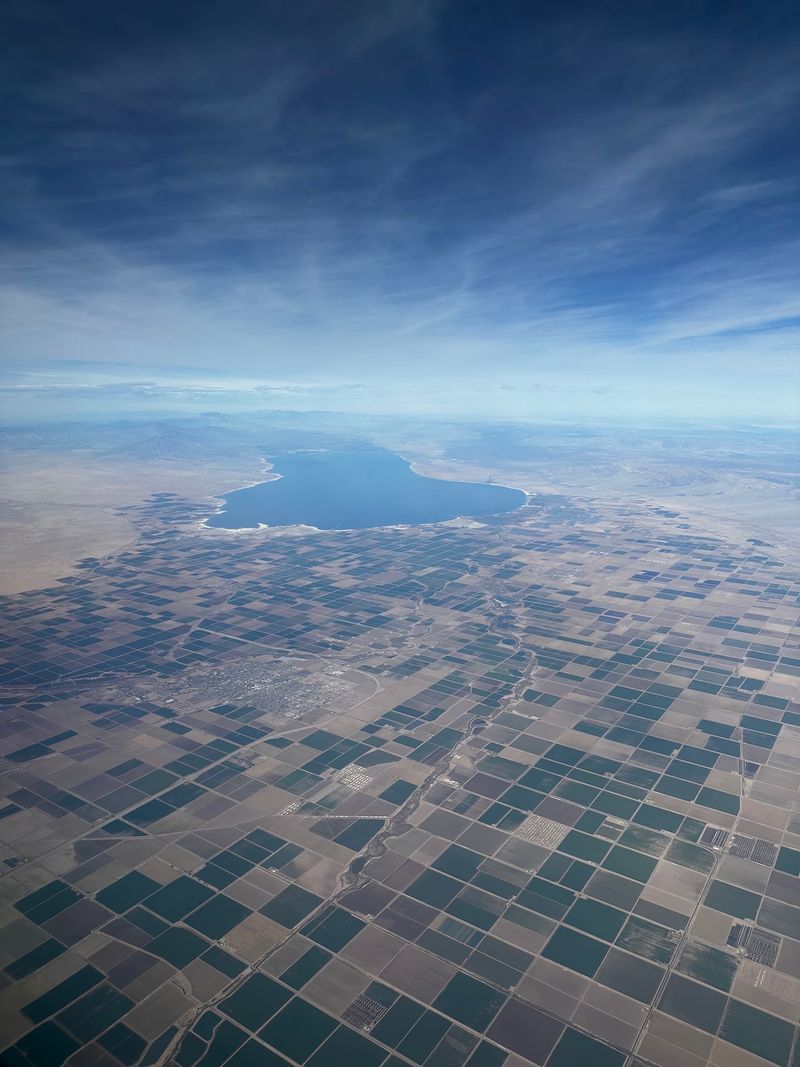
Back in 1905, floodwaters smashed through an irrigation canal built to bring Colorado River water to the Imperial Valley. The river didn’t politely trickle in.
For about two years, its flow poured into a dry basin called the Salton Sink. Engineers finally pushed the river back into its banks in 1907.
By then, a brand-new inland sea had formed. Talk about an expensive plumbing mistake.
Here’s a twist that makes the story even better. Water had filled this basin many times before people ever dug a canal.
Over thousands of years, the Colorado River shifted course and created a large freshwater lake now known as Lake Cahuilla. That ancient lake came and went in natural cycles.
So the modern Salton Sea is both an accident and a repeat. Humans caused this version, but the desert has seen the act before.
I believe that’s what makes the place so fascinating. It sits right where human error meets deep geologic time.
Keep that in mind when you stand at the shore. You’re looking at the newest chapter of a very old story.
Thirteen Feet Gone and Still Dropping
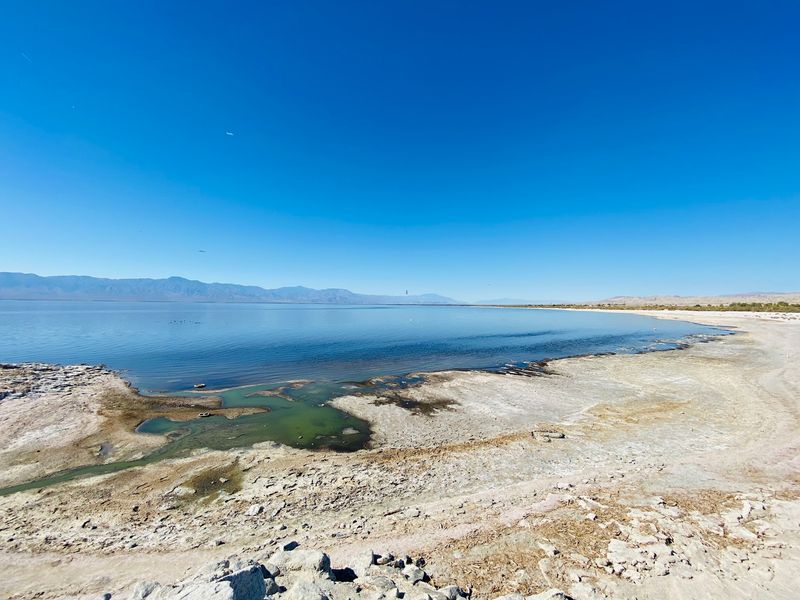
Numbers tell this part of the story best. By July 2026, the lake’s surface sat at -243.8 feet, a 13-foot drop from its 2003 level.
Every year, roughly 2,400 more acres of lakebed dry out. That exposed ground is called playa.
Why the slow retreat? Less fresh water is flowing in, and the desert sun keeps pulling water out.
Most of the lake’s supply comes from farm runoff in the Imperial and Coachella valleys. The New, Alamo and Whitewater rivers add some too.
When inflows shrink, evaporation wins the tug-of-war. The shoreline creeps farther away each year.
That’s why old docks and structures can end up stranded far from the water. The pale bands of dried ground almost work like tree rings.
Each one marks where the lake used to reach. You can literally read the decline from the beach.
Few drivers on the nearby highways realize how fast this is happening. Once you know, those wide, empty flats look completely different.
Saltier Than the Ocean, Crunchier Than a Beach
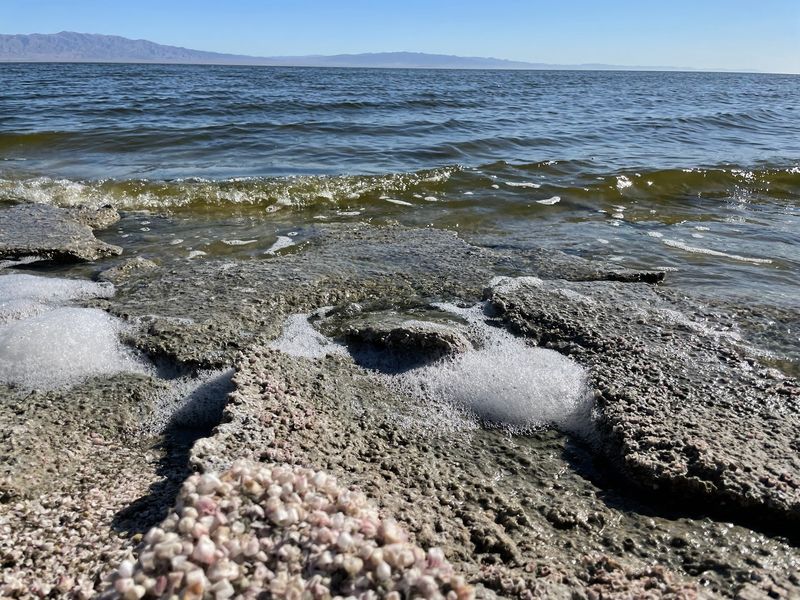
Crunch, crunch, crunch. That’s the soundtrack of a Salton Sea shoreline walk.
Instead of soft sand, much of the beach is made of broken barnacles, shells and fish bones. Visitors often describe it as either muddy or covered in dead barnacles.
The water is now about 50 percent saltier than the ocean. As water evaporates, the salt has nowhere to go.
High nitrogen levels add another problem by feeding algal blooms. Those blooms can drain oxygen from the water.
Many fish can’t handle these conditions, and that has hit populations hard. Tilapia are still hanging on, though.
Then there’s the smell. Hydrogen sulfide from the lake can produce a strong rotten egg odor.
Plenty of visitors mention it, some with very creative comparisons. Consider yourself warned.
Swimming isn’t the move here because of water quality concerns. The fun is in looking, walking and taking pictures, not splashing around.
Wear sturdy shoes for that crunchy shoreline. Your flip-flops will thank you.
Why the Dust Matters to Nearby Neighbors
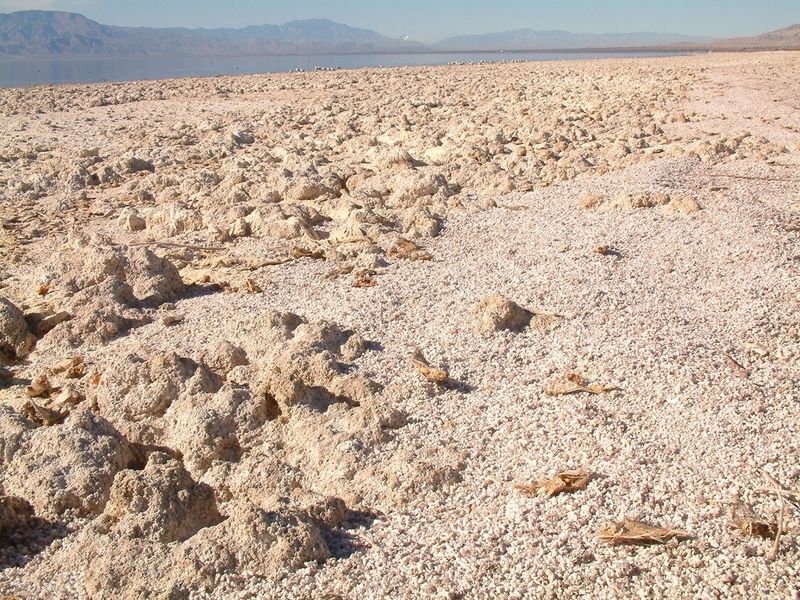
A dry lakebed sounds harmless enough. At the Salton Sea, it’s a bigger deal.
The exposed playa holds salts, farm chemicals and heavy metals built up from decades of runoff. When wind sweeps across it, fine dust lifts into the air.
That dust is a real public health concern. It can make breathing problems like asthma worse in nearby communities.
Research from University of California campuses has linked the dust to lung harm. Children appear especially affected.
Many people living closest to the lake are low-income and Latino families. That’s why the issue is often described as an environmental justice concern.
Visitors should keep this in mind too. Windy days can get dusty, so plan around the forecast if you can.
I don’t think the Salton Sea needs to be scary to be worth visiting. Knowing the stakes just makes the trip more meaningful.
You’re seeing a landscape that real people live with every day. It’s a road trip lesson you won’t get from a textbook.
More Than 400 Kinds of Birds Still Show Up
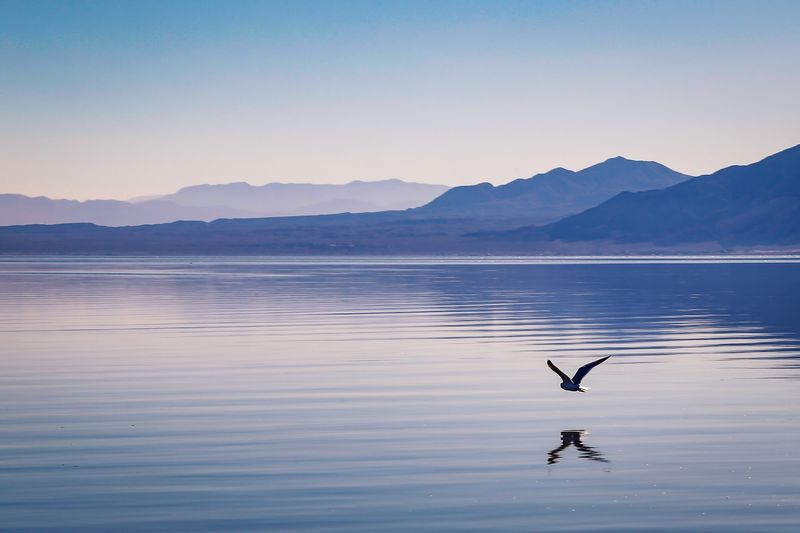
Despite all its troubles, the Salton Sea still draws a crowd with wings. More than 400 bird species rely on it.
The lake sits along the Pacific Flyway, a major migration route. Birds stop here to rest and feed on long journeys.
Several threatened and endangered species are part of that list. That makes the lake far more important than its looks suggest.
Bird lovers should head to the Sonny Bono Salton Sea National Wildlife Refuge in Calipatria. You’ll find it at 906 W.
Sinclair Road, Calipatria, CA.
The refuge offers wildlife viewing and photography blinds. It’s built for patient watchers with binoculars and long lenses.
Visitors often mention the birds as a highlight. Ducks and shorebirds are common sights along the water.
One visitor’s complaint about too many birds is basically a birder’s dream review. Funny how perspective works.
Bring binoculars, a camera and some patience. The birds set the schedule here, not you.
A State Park Gateway With Friendly Rangers
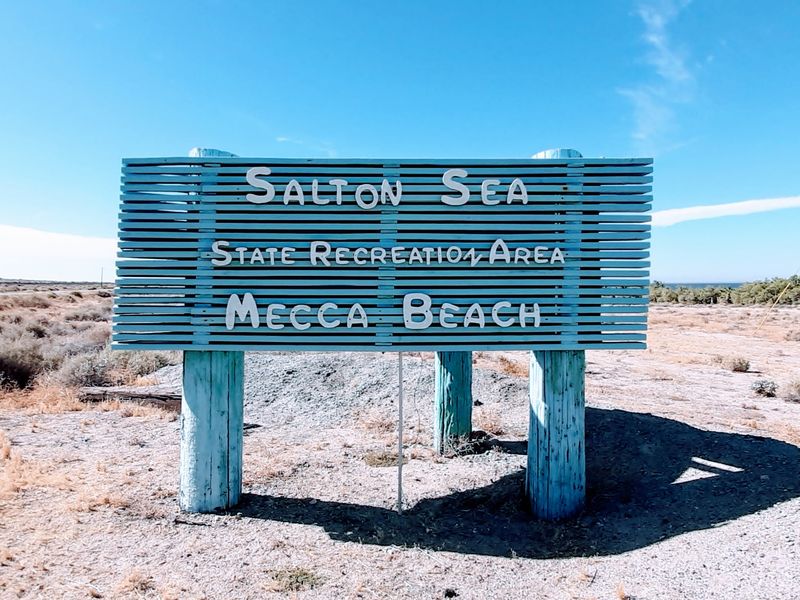
Want a smart first stop? The Salton Sea State Recreation Area makes a great launch point.
The park sits at 100-225 State Park Road, Mecca, CA 92254. It runs along a long stretch of the northeastern shoreline.
The visitor center shares the lake’s history and geology. Visitors often mention how much they learned there.
Rangers here get warm praise in multiple reviews. One even called them ultra nice.
The park offers camping, bird-watching and plenty of photography chances. Fishing is possible too, mostly for tilapia.
Dogs are allowed in developed areas and campgrounds. They aren’t permitted on beaches or trails.
Some areas, like certain campgrounds or Varner Harbor, may close temporarily. Check the park’s current status before you drive out.
Restrooms are another thing travelers appreciate in such a remote area. Out here, a working bathroom feels like luxury.
I like starting with the visitor center because it frames everything else. Suddenly that strange shoreline makes a lot more sense.
Bombay Beach Turned Ruins Into an Art Show
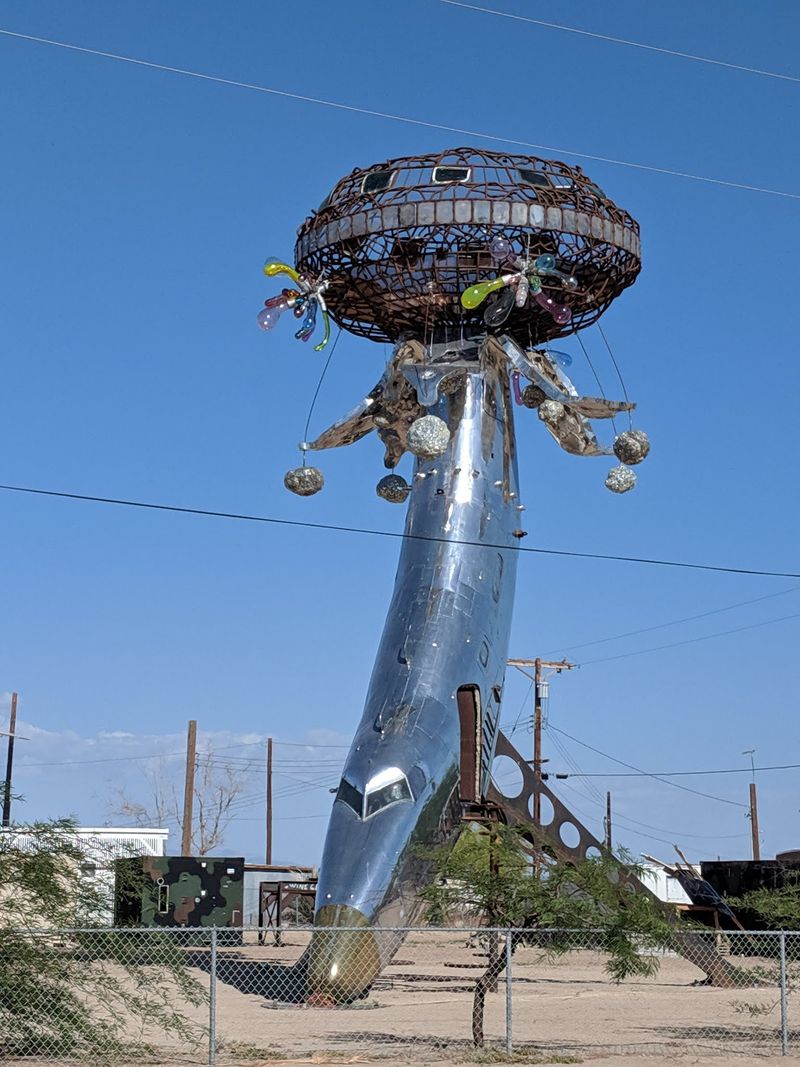
Old resort towns usually fade quietly. Bombay Beach chose a louder path.
Once a busy mid-century getaway, the community now feels like an open-air gallery. Artists have turned weathered structures into canvases.
You’ll find murals, sculptures and odd installations along the eastern side of the Salton Sea. The art gives fresh energy to a place many would call desolate.
Bombay Beach is among the most talked-about spots in visitor comments. Abandoned buildings and art both come up often.
One traveler described the area as eerie, eclectic and full of art that leaves you in wonder. That’s a pretty good summary.
Hungry? The Ski Inn is a long-running local spot known for burgers.
It’s one of the few businesses left from the area’s heyday. That alone makes it a fun stop.
Bring a camera and walk slowly. Some pieces pop up where you least expect them.
It’s strange, creative and a little haunting. In other words, it fits the Salton Sea perfectly.
Bubbling Mud and a Painted Mountain Nearby
Bubbling ground isn’t something you expect on a lake trip. Then again, nothing here is typical.
The region sits on the San Andreas Fault, and geothermal activity shows up at the surface. Mud pots and small mud volcanoes gurgle in the desert.
They look like tiny alien landscapes. Kids and grown-ups alike tend to stare.
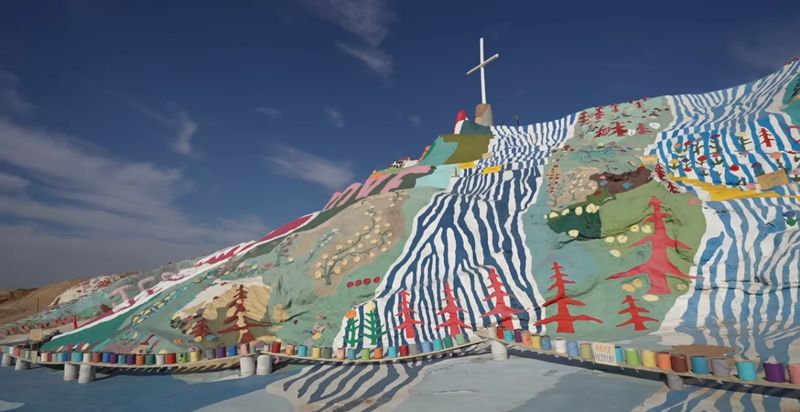
Not far away stands Salvation Mountain, one of California’s best-known folk art creations. Leonard Knight spent decades building and painting it.
The hillside is covered with bright colors, flowers, Bible verses and messages of love. Much of the paint was donated.
It’s a striking sight against the beige desert. Photographers will have a field day.
Slab City, another famous nearby stop, also comes up in visitor comments. It adds to the area’s offbeat reputation.
These side trips round out a Salton Sea visit nicely. You get geology, art and history in one loop.
Plan extra time, because each stop invites wandering.
Thousands of Acres of New Wetlands in the Works
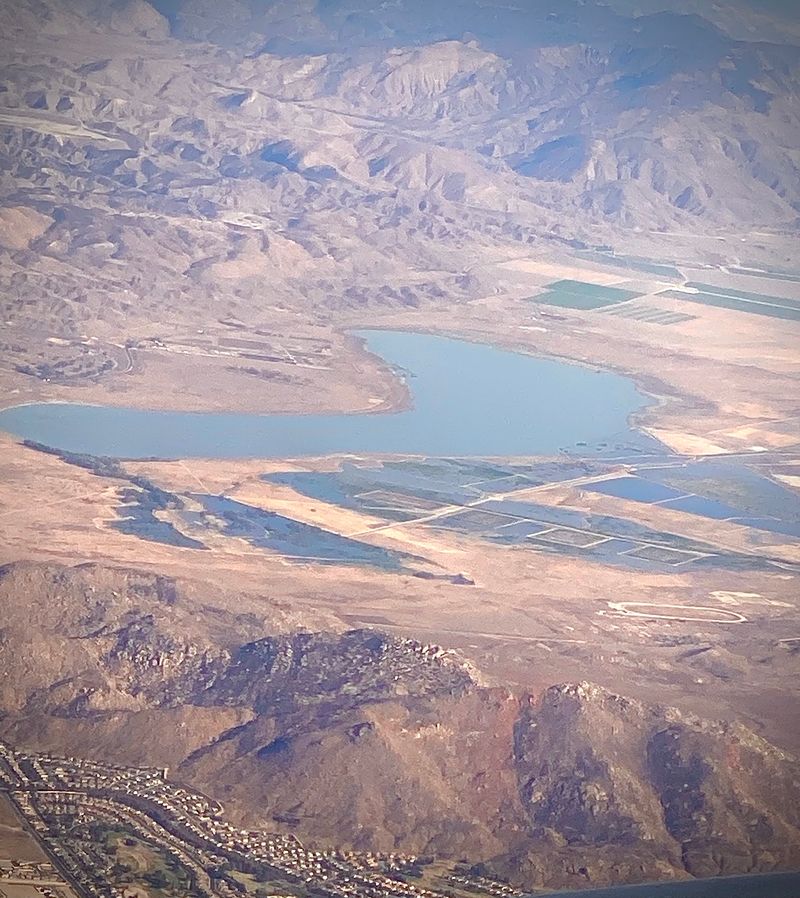
Good news does exist at the Salton Sea. California is putting real work into its future.
The state launched the Salton Sea Management Program in 2017. The 10-year plan aims to build about 30,000 acres of habitat and dust control projects.
One big effort is the Species Conservation Habitat Project on the lake’s southern edge. It brings water to create shallow wetlands for birds.
Water began flowing into the first 2,000 acres in 2025. In August 2026, added federal funding expanded the project to more than 9,000 acres.
That’s a lot of new habitat for a lake that keeps shrinking. It could help birds and cut down on blowing dust.
I believe this part of the story deserves more attention. People usually hear only the gloomy headlines.
Restoration won’t bring back the old resort days. It can, however, help the lake keep supporting wildlife.
Visiting now means seeing a landscape in the middle of change. Come back in a few years, and it may look different again.
Smart Timing Makes This Trip So Much Better
Summer here is no joke. Temperatures often climb above 100 degrees from June through September.
October through May is far more comfortable for exploring. Fall and winter make perfect road trip seasons for this corner of California.
Pack lots of water, a wide-brimmed hat and sunscreen. Infrastructure is limited, so don’t count on easy supply stops.
Expect dust, wind and that famous smell. A bandana can help with both dust and odor.
Skip the swim and keep pets and kids away from the water. Visitors repeatedly stress this, and the water quality backs them up.
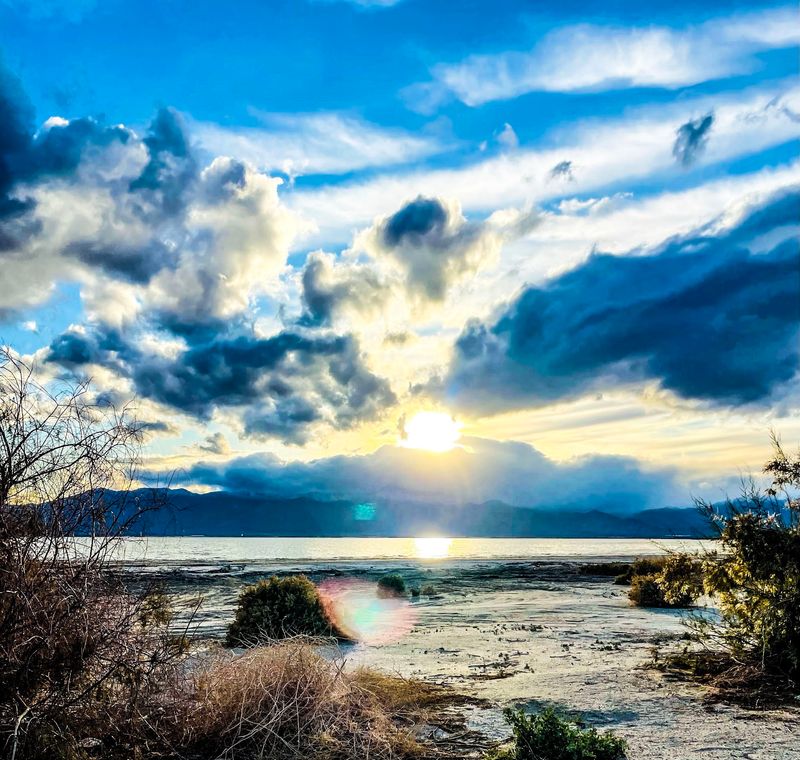
Sunset is when the Salton Sea really shines. Visitors often praise the glowing skies and dramatic views.
So is it worth the drive? For curious travelers who love strange places, I’d say yes.
It’s beautiful, odd, a little sad and totally unforgettable. Few lakes can say all that at once.
Just check conditions before heading out. This shoreline changes every year, and that’s exactly the point.