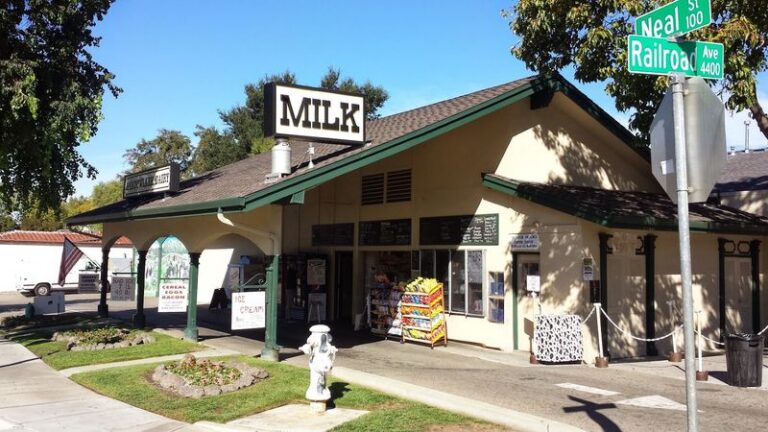
A 15-mile mountain bike trail here drops more than 5,000 feet and finishes right in town. That’s not a typo.
Riders roll off the mountain and into a settlement founded during the Gold Rush in 1849.
The place first went by a nickname, ‘The Forks,’ because two rivers meet right in the middle of it. Gold once pulled thousands of miners into this narrow canyon.
Now mountain bikes do the pulling.
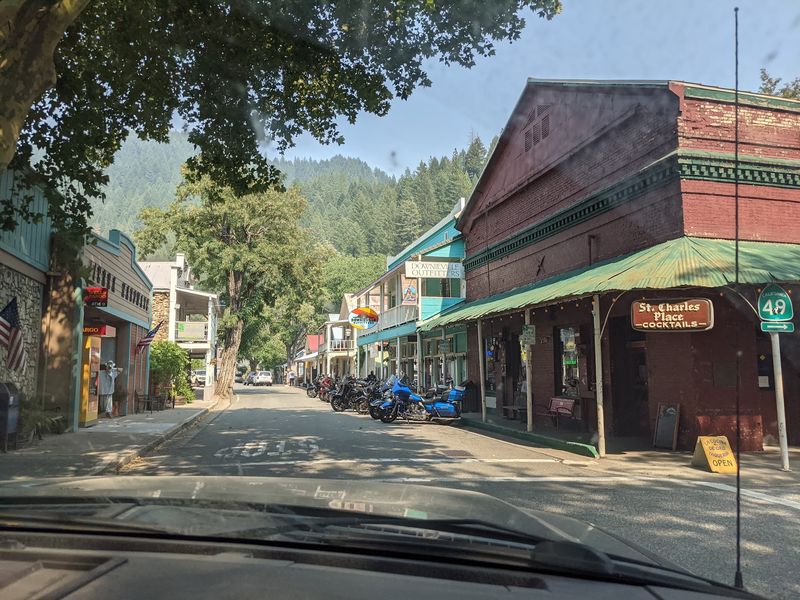
I like how this corner of California never tried to become something it wasn’t. The old wooden boardwalks are still here.
The stone buildings still wear their iron shutters. Only about 290 people live here year-round.
So how does a tiny mining camp in the Lost Sierra land on bucket lists for riders around the world? The answer runs straight downhill.
Two Rivers, One Tiny County Seat, And A Whole Lot Of Mountain
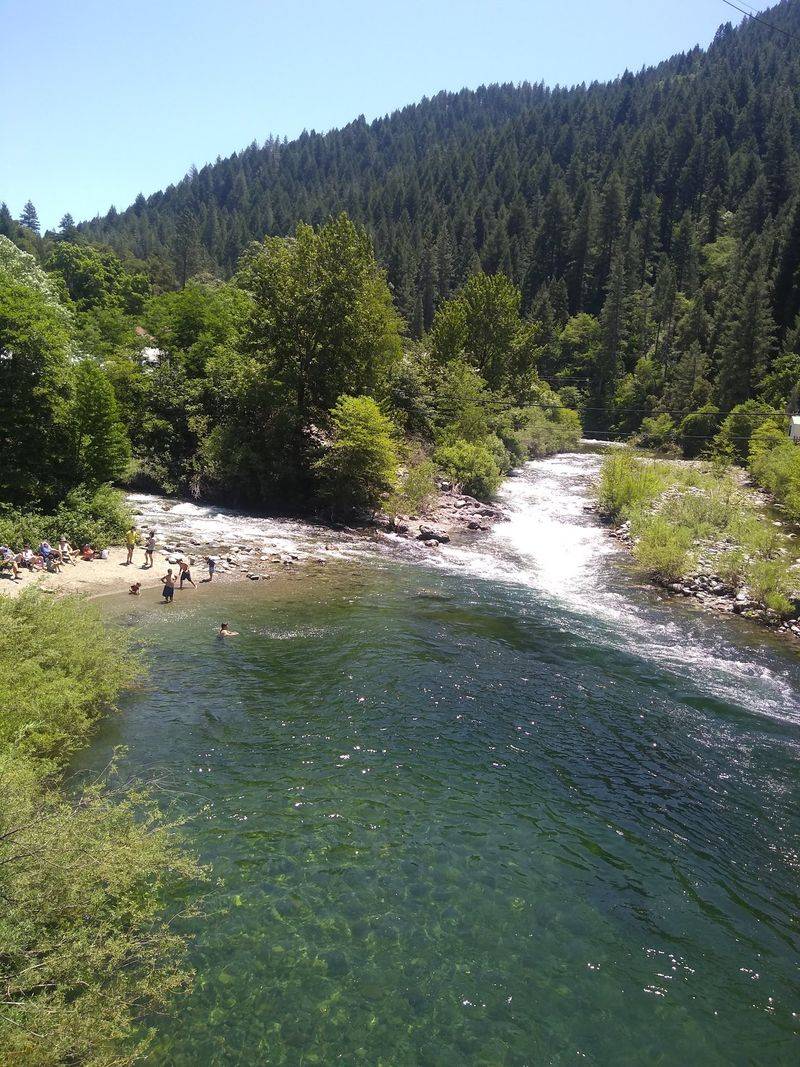
Downieville, California, sits where the Downie River meets the North Fork of the Yuba River. Steep forested slopes rise on every side, so the town fits into the canyon like a pebble in a pocket.
It’s also the county seat of Sierra County, which surprises plenty of first-timers. The 2020 census counted just 290 residents, making it one of the smallest county seats you’ll find anywhere in the state.
The elevation lands at 2,966 feet. That’s high enough for real mountain scenery, yet low enough that the town feels tucked beneath the bigger peaks rather than perched on top of them.
Downieville belongs to a region people call the Lost Sierra. The name fits a stretch of northern Sierra Nevada country that many Californians drive past on the way to Tahoe without ever turning off.
Highway 49 threads right through town, following the river as it curls through the canyon. That road is part of the charm, since the drive itself feels like a slow reveal of rivers, bridges, and old mining country.
So what draws people this far? Partly the history, partly the scenery, and mostly a trail system with a reputation that stretches far beyond Sierra County.
From ‘The Forks’ To A Major’s Name On The Map
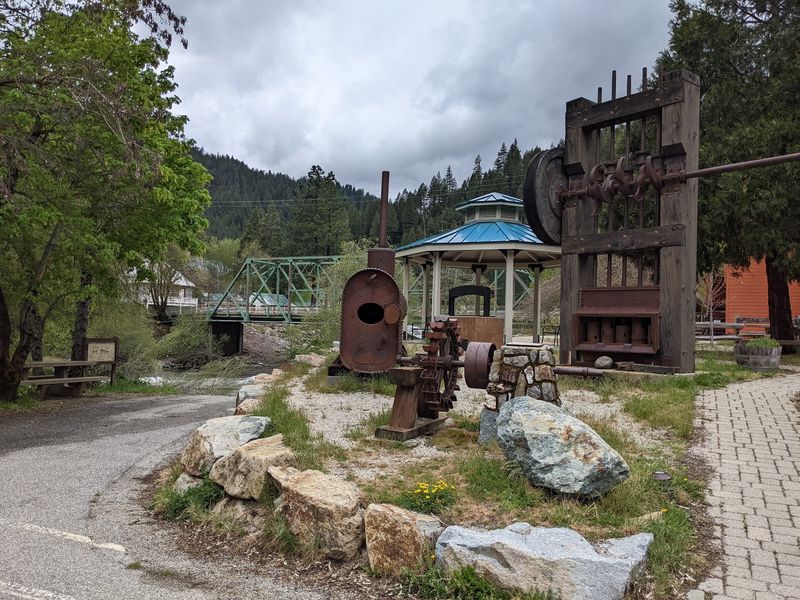
Gold showed up here in a big way in late 1849. Miners poured into the canyon, and the camp they built first carried a simple, practical name: The Forks.
The name came straight from geography, since two rivers join right here. Then Major William Downie arrived with an expedition that struck rich gold, and the town eventually took his name instead.
Growth happened fast. By 1851, the population had climbed past 5,000 people, all chasing the same shiny dream in the same narrow valley.
Picture how crowded that must have felt between those canyon walls. Every flat patch of ground mattered, and every bend in the river held somebody’s hopes.
The rush eventually cooled, as rushes always do. Many mining camps across California faded away completely once the gold ran thin.
Downieville didn’t. It held on as the county seat and kept many of its early buildings, which is why the town still looks the part today.
In fast-changing California, a place with more than 170 years behind it feels like a small act of preservation. The miners left, but their town stayed put, waiting for a new kind of visitor.
Fifteen Miles Of Downhill That Ends At Your Lunch Table
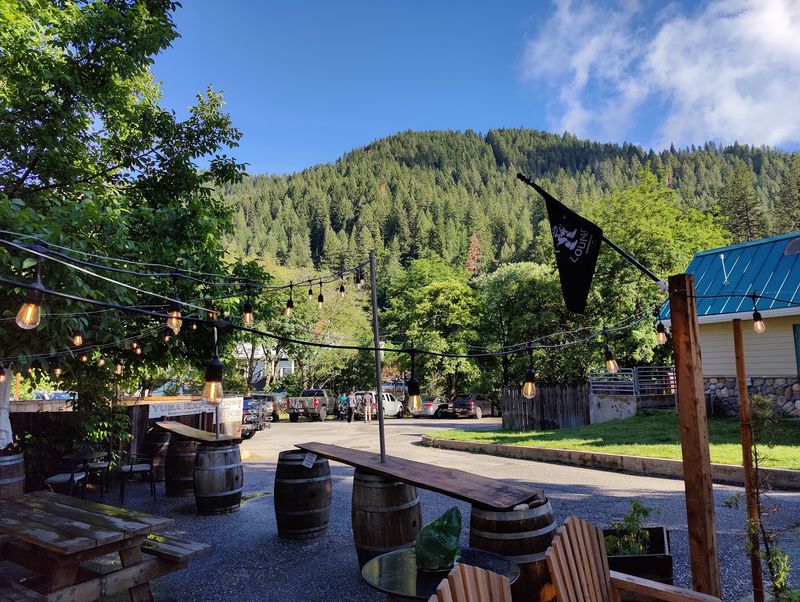
More than 5,000 feet of descent in a single ride sounds like a dare. On the famous Downieville Downhill, it’s simply the plan.
The route stretches about 15 miles and is often called one of the most sought-after mountain bike trails in the Western United States. Its difficulty runs from intermediate to difficult, so it rewards riders who already have some trail time under their tires.
Four singletrack sections make up most of the fun. A short fire road stretch and a paved road descent tie the whole thing together.
The best part might be the finish line. Riders end up right in Downieville, which means the ride wraps up steps from food, the river, and a well-earned rest.
Think about that for a second. Most big descents leave you at a dusty trailhead, but this one delivers you into a Gold Rush town with boardwalks.
Because of that layout, a lot of riders use shuttle services to reach the top. That way the legs get saved for the part everyone actually came for: the long, rowdy ride back down.
Miner Footpaths That Learned A New Trick
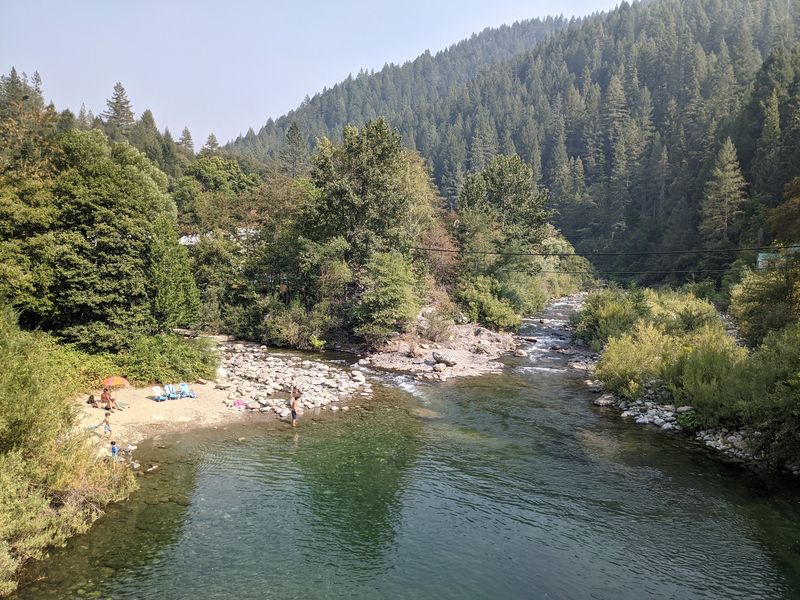
Old trails rarely get a second career this exciting. Around Downieville, routes that once served the Gold Rush era now carry mountain bikes instead of mule packs and pickaxes.
The best example is the course used for the Downieville Classic cross-country race. It covers 26.5 miles, starting in nearby Sierra City and climbing all the way to the Sierra Crest.
From there, the course plunges back down into Downieville. Much of the path follows a rugged line rooted in the mining days, so riders literally pedal through history.
I love that the trails weren’t invented for tourism. They grew out of real work, real hardship, and real people trying to move through steep country.
Today the same landscape tests a different kind of grit. Instead of hauling ore, riders haul themselves up long climbs and then fly down rocky descents.
The views along the way include the craggy Sierra Buttes and deep river canyons. It’s the kind of scenery that makes you forget your burning thighs for at least a few minutes, which honestly counts as a gift on a climb this long.
The Trail Builders Keeping The Lost Sierra Rideable
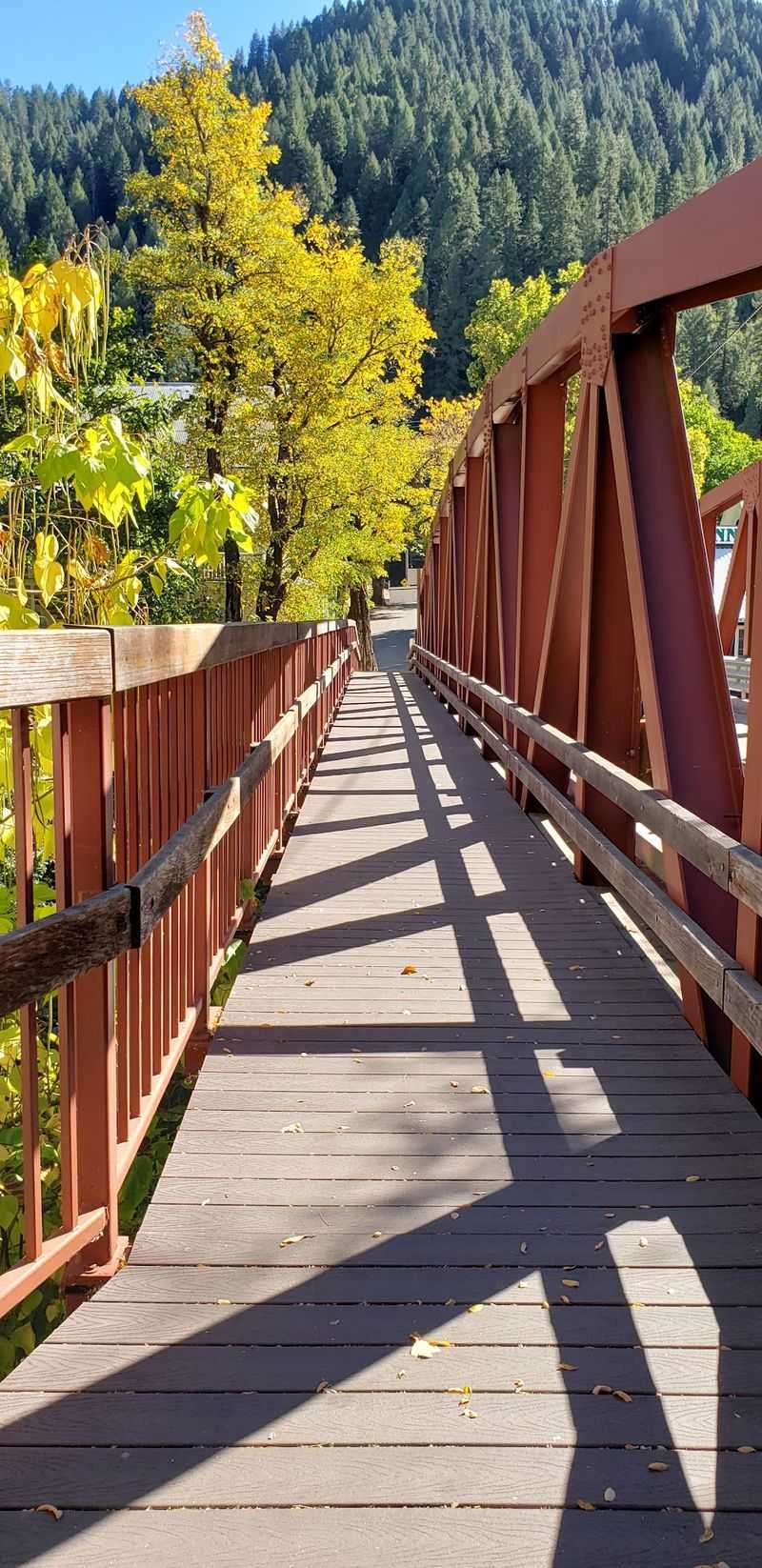
Great trails don’t maintain themselves. Around Downieville, much of that hard work falls to the Sierra Buttes Trail Stewardship, a local nonprofit with big ambitions for the region.
The group builds and maintains trails across the Lost Sierra. Its mission also reaches beyond dirt, aiming to support strong and healthy mountain communities.
One major effort is the Connected Communities Project. The idea is to link small mountain towns through improved trail access, which can boost local economies through outdoor recreation.
That’s a smart approach for a region full of tiny towns. When trails connect places, visitors tend to linger longer and spread their spending around.
The stewardship’s work keeps the old singletrack in shape for today’s riders. Rocky, steep terrain takes a beating every season, so ongoing care matters.
Here’s a fun twist for anyone planning a trip. Profits from the Downieville Classic help fund this trail work, so showing up for the festival quietly supports the very paths you’ll be riding.
It’s a full-circle setup that feels right for a former mining town. The ground once supported the economy through gold, and now it does the same job through dirt trails.
A Summer Weekend When The Whole Canyon Cheers
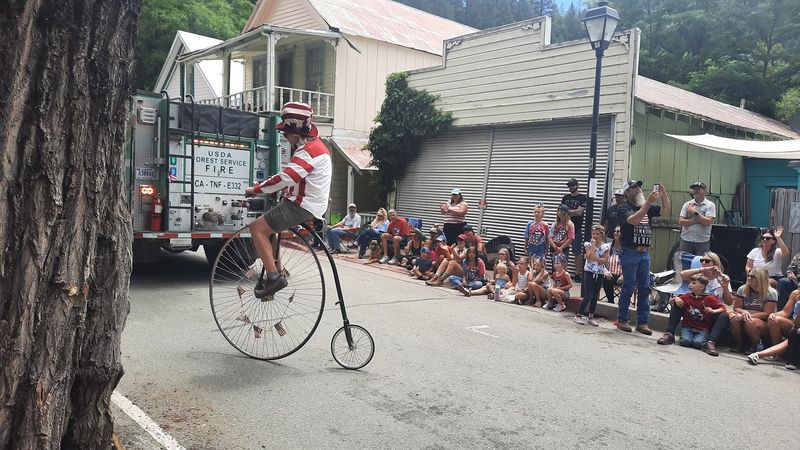
Outside Magazine once named the Downieville Classic among the top 10 bicycle festivals. One look at the lineup explains why.
The event runs as a combined race and festival each summer. It draws athletes and spectators from around the world into a town with fewer than 300 residents.
Racing anchors the weekend. Riders tackle the 26.5-mile cross-country course plus the 15-mile Downieville Downhill, and the competition gets serious fast.
The fun spills well beyond the trails, though. An outdoor marketplace and live music fill the town, giving non-racers plenty to enjoy.
Then come the riverside traditions. Ron’s House of Big Air River Jump sends riders launching into the water, and the Log Pull competition adds a playful, old-timey twist.
Families can enjoy the people-watching even without a bike. Few things beat sitting near the river while someone flies off a ramp and splashes down to loud applause.
Event dates shift from year to year, so check the official schedule before booking anything. Lodging in a town this small can fill up quickly during a festival this popular, so planning early is a wise move.
Boardwalks Built For Slow Strolls And Window Shopping
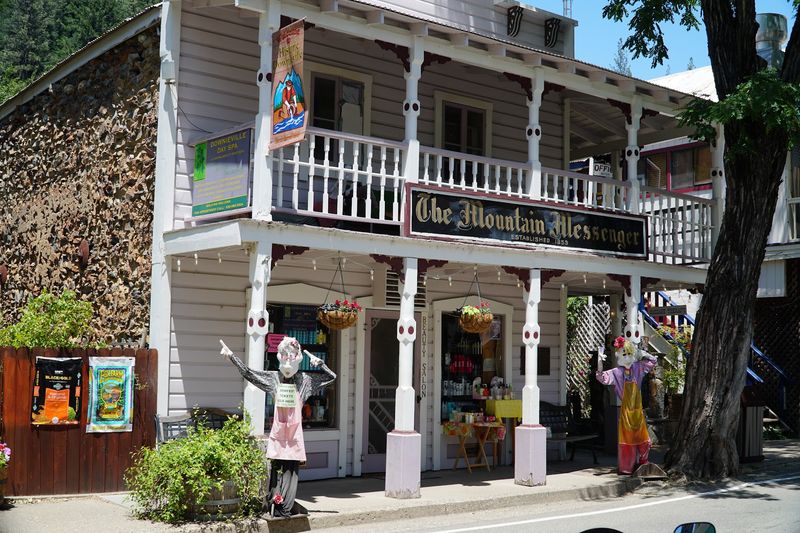
Wooden boardwalks still line the streets downtown, and they set the mood instantly. Walking them feels like stepping into an older chapter of California.
Historic buildings frame Main Street in Downieville, CA 95936. Many date back to the Gold Rush era, giving the whole district an authentic western look without any theme-park polish.
Shopping here is small-scale and personal. You’ll find quaint shops, an art gallery, and even a day spa, which might be exactly what tired riders need after a long descent.
Thrifters and antique lovers will appreciate the vibe. Everything here feels rooted, from the storefronts to the stone walls built by people who expected them to last.
Downtown is compact, so wandering on foot makes the most sense. You can cover it in a relaxed afternoon and still have time to sit by the river.
The best part is the contrast. Mountain bikes lean against railings that once saw prospectors pass by, and somehow both eras look perfectly at home together.
Bring a camera, comfortable shoes, and zero urgency. Downtown rewards anyone willing to slow down and actually look at the details around them.
Iron Shutters, Old Stone, And 160 Years Of Stories
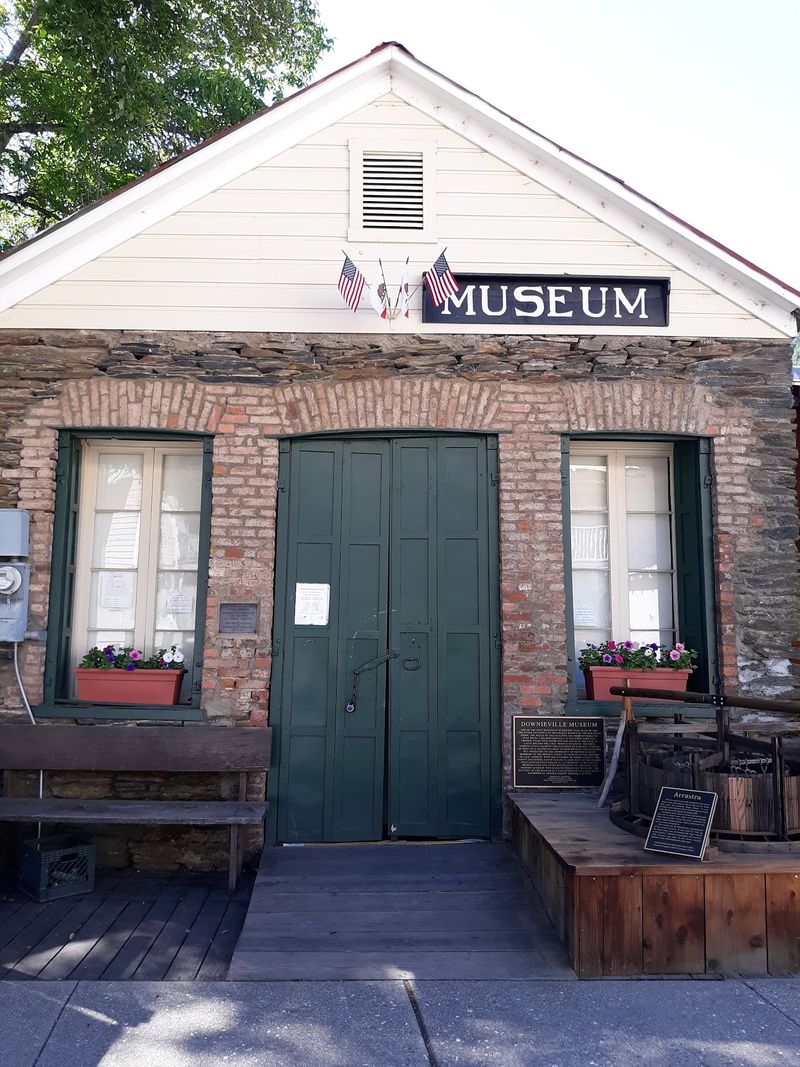
Original iron doors and window shutters from 1852 still guard the Downieville Museum. Before you even step inside, the building itself tells you it has survived a lot.
The sturdy stone structure holds collections covering roughly 160 years of life in the community. Exhibits trace the town’s path from a frantic Gold Rush camp to the quiet mountain home it is today.
A highlight is a detailed model of turn-of-the-century Downieville. Seeing the town laid out in miniature helps everything outside the museum make more sense.
Displays also cover logging and mining. Those two industries shaped the surrounding forests and rivers long before mountain bikes showed up.
History fans will find plenty to chew on here. Kids often connect with the hands-on side of local history too, especially when gold comes up.
Speaking of gold, gold panning is open to the public in town. It’s a fun, tangible way to connect with the reason Downieville exists at all.
Museum hours can vary by season, so it’s smart to confirm before your visit. A small-town museum like this often keeps limited schedules, especially outside the busy summer months.
Riverside Patios And Hearty Plates For Hungry Riders
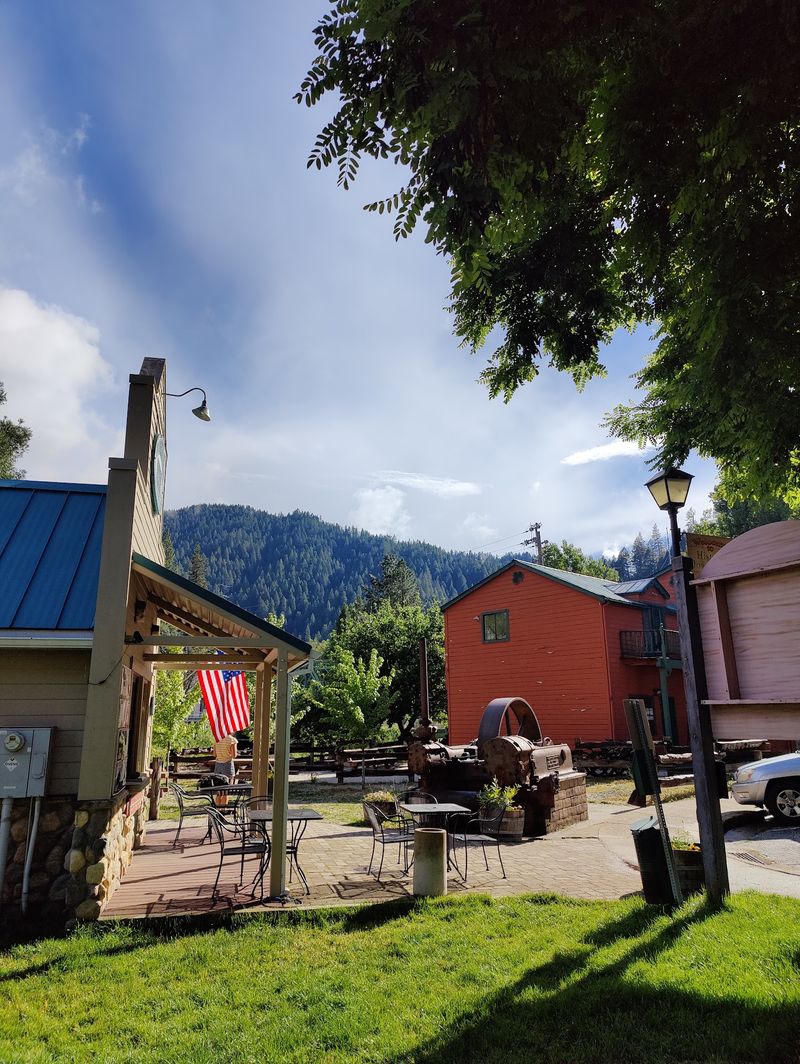
Dropping 5,000 feet on a bike builds a serious appetite. Luckily, Downieville offers more dining variety than you might expect for a town of 290 people.
Mornings can start at Cold Rush Cafe, a coffee spot that doubles as a community hub. It’s a natural place to sip something warm and map out the day’s adventures.
For homestyle cooking, JADAA’s Kitchen fits the bill. Comfort food just makes sense in a mountain town after a long day outdoors.
Sabrina’s at the Forks brings a view to the table. Its patio overlooks the Downie River, so you can watch the water while you eat.
Craving Mexican food instead? La Cocina de Oro rounds out the lineup with flavors that pair nicely with a sunny Sierra afternoon.
Hours at small mountain restaurants can shift with the seasons. Calling ahead or checking current information keeps you from arriving hungry to a locked door.
The name Cold Rush Cafe deserves a little applause, by the way. A Gold Rush town with a coffee shop pun like that clearly hasn’t lost its sense of humor.
Balconies Over The River And Bike Storage Downstairs
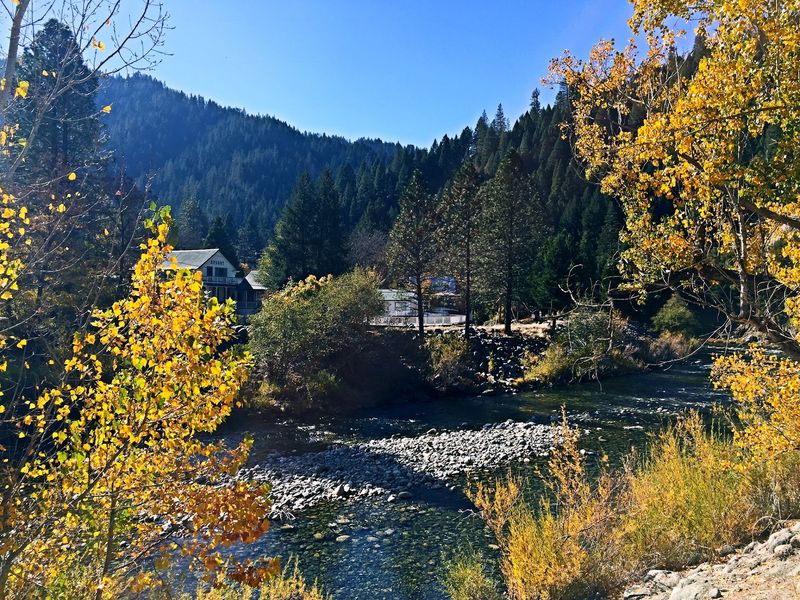
Falling asleep to the sound of a river beats any white-noise machine. Several lodging spots in Downieville put that soundtrack right outside your window.
The Carriage House Inn is a three-story boutique hotel in the heart of town. Private balconies look out over the Downie River, which makes morning coffee feel extra scenic.
Need more room? The Carriage House Lofts offer apartment-style stays with kitchens and balconies, a handy setup for groups or longer visits.
Riverside Mountain Lodge sits directly on the banks of the Yuba and Downie Rivers. Updated rooms include Wi-Fi and secure bike storage, a detail every rider will appreciate.
The Downieville River Inn offers rooms and cottages with gardens and a picnic area. It also features a pool and sauna, which sound pretty great after a day on rocky trails.
Vacation rentals like the Costa House and Sunny Side House add more options. Many places sit within walking distance of downtown shops and restaurants.
Since the town is small, rooms can go quickly during busy weekends. Booking early is especially smart if your trip lines up with the Downieville Classic.
No Bike? The Rivers And Lakes Have You Covered
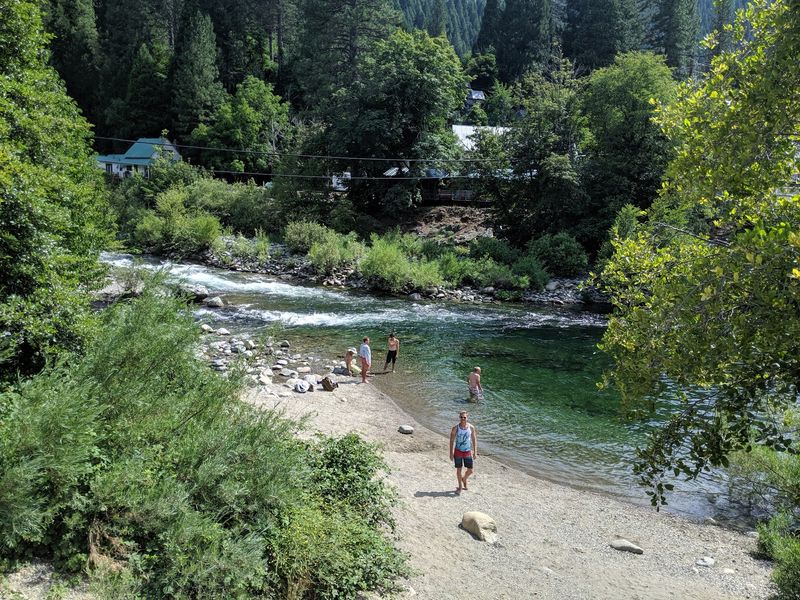
Not everyone wants to bomb down a mountain, and that’s totally fine. Downieville works as a year-round base for all kinds of outdoor fun.
Warmer months bring spring and snowmelt-fed rivers to life. Visitors can try white-water rafting, kayaking, and fly fishing, depending on conditions and water levels.
The surrounding Tahoe National Forest opens up even more choices. Hiking, camping, and off-roading all fit naturally into a Lost Sierra weekend.
Up Highway 49, the Lakes Basin Recreation Area adds another layer. It holds more than 20 clear mountain lakes, great for paddleboarding, kayaking, or quiet fishing.
Winter changes the whole picture. Snow can turn the area into a playground for snowmobiling, snowshoeing, and cross-country skiing.
Fall can be a lovely time to visit as well. Cooler days and quieter trails often make the canyon feel peaceful, though conditions in the Sierra can change quickly.
Black bears live throughout the Sierra Nevada and may be active before winter. Store food properly and follow posted guidance, especially when camping or picnicking in the forest.
Why A Long Drive On Highway 49 Pays Off
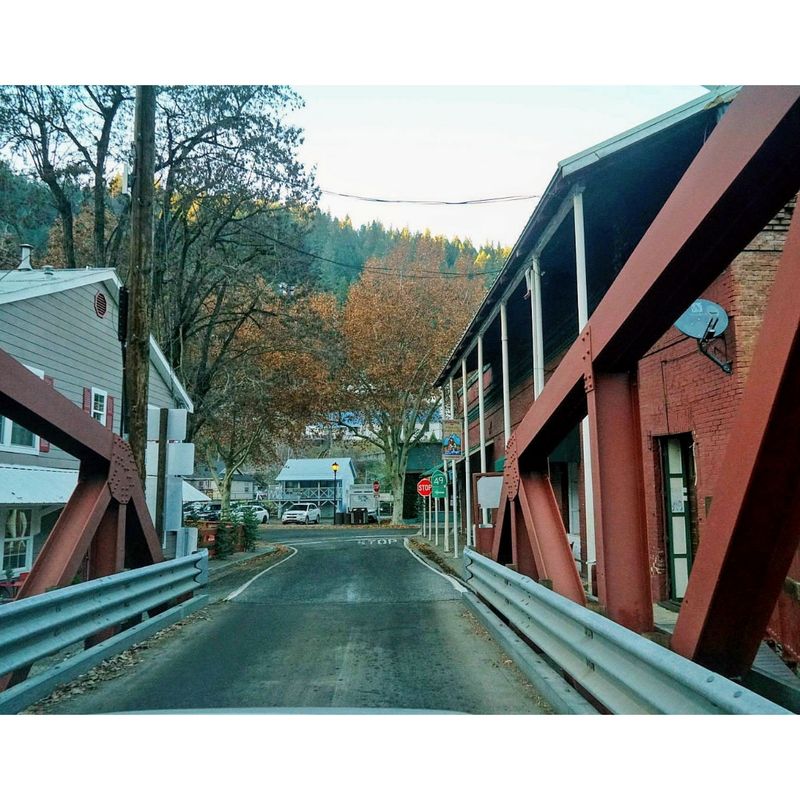
Getting here takes some commitment, and that’s part of the magic. Highway 49 winds along the North Fork of the Yuba River before landing you right in Downieville.
The curvy mountain road calls for patience and attention. Winter weather can affect travel, so check road conditions before heading up during snowy months.
Plan around what you want to do. Summer suits riding, river time, and the Classic, while winter brings snow sports for those who come prepared.
Business hours in a town this size can be limited and seasonal. Confirming ahead keeps your day running smoothly, especially for the museum and restaurants.
Families, history lovers, and adrenaline seekers can all find something here. The mix of old stone buildings and fast trails gives everyone a reason to come along.
So is Downieville worth the drive? I believe it is, especially for anyone who loves places that refuse to fade away.
This California mining town swapped picks for pedals and kept its soul intact. Pack your bike, or just your curiosity, and let the Lost Sierra show you a secret worth the trip.