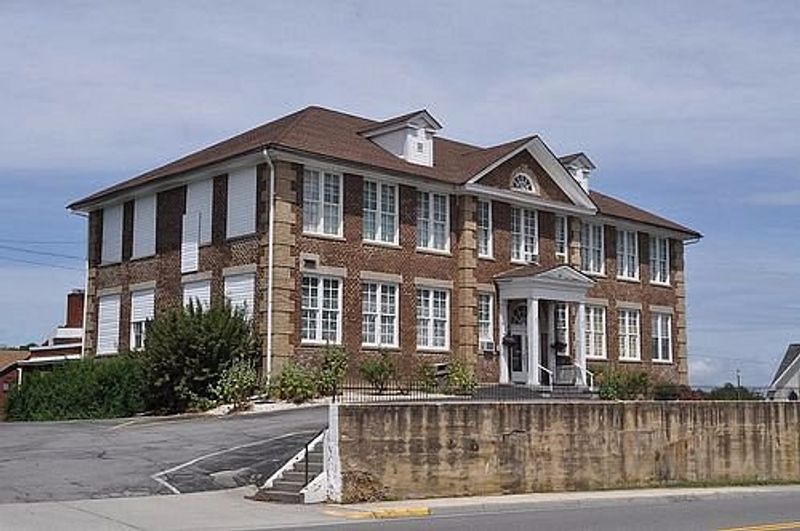
An old schoolhouse with chalkboards still on the walls now sells fabric across three full floors. Yes, the classrooms are full of bolts instead of desks.
The building sits in the Blue Ridge Mountains of southwest Virginia. Its hardwood floors carry decades of wear, and the shelves carry everything from quilting cottons to bridal lace.
I like how the place refuses to pick one kind of sewist. Quilters, prom dress makers, costume builders, and upholstery shoppers all get their own corners.
There’s even a separate building out back just for upholstery fabric.
I can’t imagine a better excuse for a road trip. Some shoppers drive two or three hours, and others plan whole vacations around a visit.
So what exactly is waiting up those stairs, and how much fabric can one old school really hold?
A Mountain Town Fabric Store With a Report Card Past
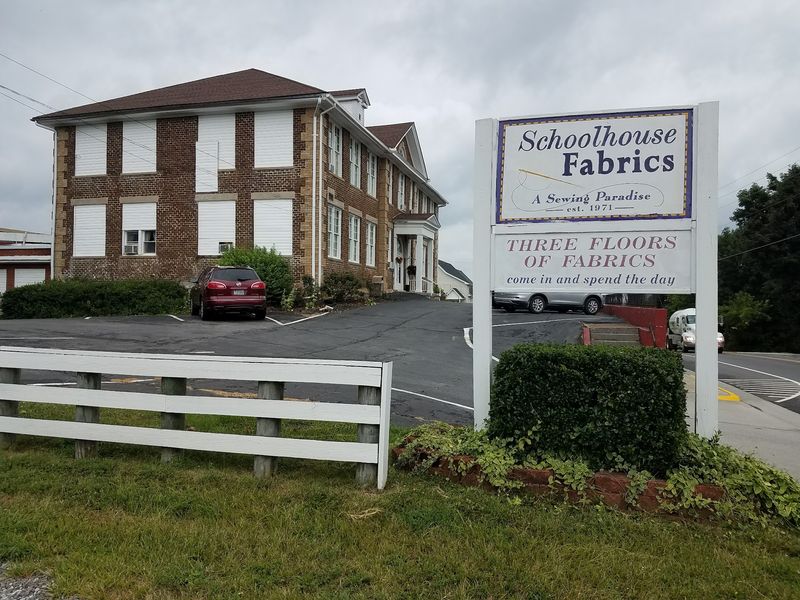
Floyd, Virginia, is a small Blue Ridge town where one brick schoolhouse traded homework for hemlines. Schoolhouse Fabrics Inc. now fills that building with fabric, trims, notions, yarn, and craft supplies.
The store sells fabric by the yard, the old-fashioned way. You can touch it, hold it up to the light, and compare colors in person.
That hands-on part matters more than ever. Plenty of sewists now buy fabric online and simply hope the shade matches the screen.
Here, guessing stops being part of the hobby. You see the drape, feel the weight, and leave with something you actually chose.
The shop serves a wide crowd without trying to be fancy about it. Quilters, garment sewists, home decorators, and crafters all find something aimed squarely at them.
It also carries a strong reputation for its size and staff. The store holds a 4.7-star rating across more than 240 Google reviews, which is a solid grade for any school.
So think of it as a fabric store with a permanent hall pass. Three floors, a second building, and enough bolts to keep any project list growing well past next semester.
Generations of Students Before the First Bolt Arrived
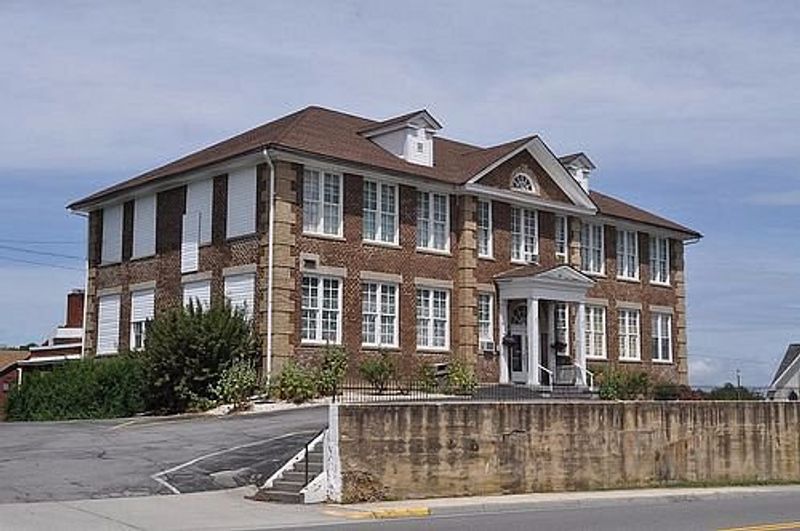
Long before anyone measured a single yard of cotton here, the building rang with school bells. It went up in the early 20th century and served generations of students in Floyd County.
That history isn’t hidden behind fresh drywall. The schoolhouse bones still show in nearly every room you pass through.
Some shoppers find the chalkboards bring back their own school memories. One older visitor joked that the blackboard made them feel like one of the oldies now.
I love that the building got a second career instead of a wrecking ball. Old schools often sit empty, and this one stayed busy with a brand-new kind of lesson.
The switch from classroom to fabric store feels surprisingly natural. Both are places where people come to learn something, make mistakes, and try again.
Quilting itself is a craft passed down through families, much like a school tradition. Seeing it sold inside a building with so much community history feels fitting.
So when you climb those stairs, you’re following decades of footsteps. Only now, the students carry rotary cutters and pattern envelopes instead of lunch pails and spelling books.
Columns, Brick, and Windows Lined Up Like Good Students
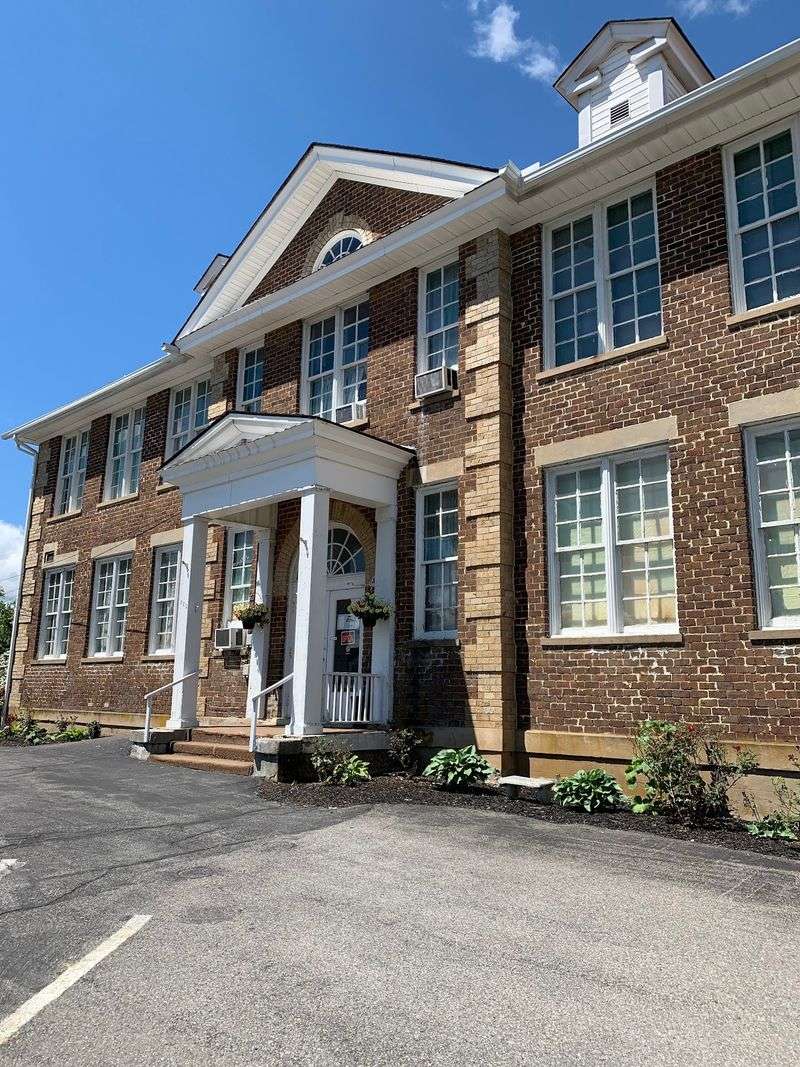
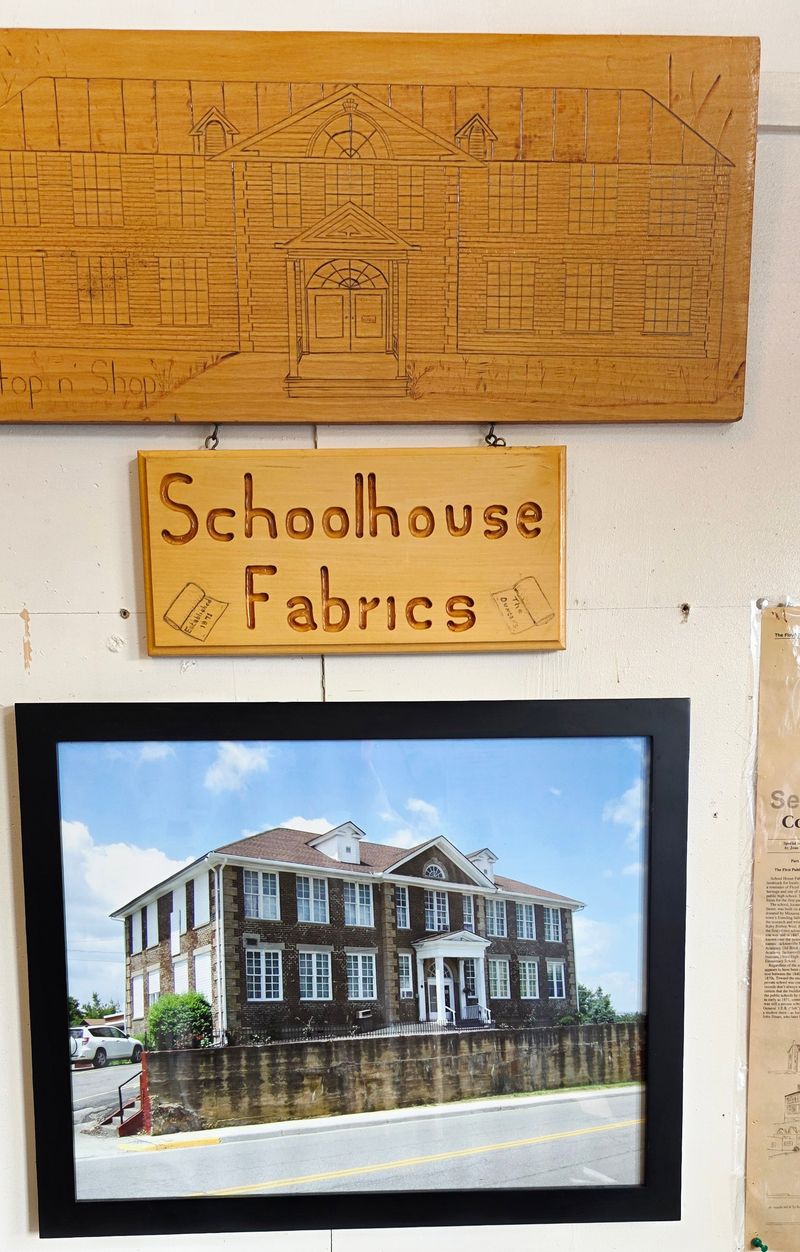
Pull up out front and the building looks ready for a school photo. Three stories of brick rise behind a portico entrance with white columns.
The windows line up in neat, symmetrical rows. Limestone accents add a crisp trim that any sewist will appreciate on principle.
It’s a stately look for a fabric shop. Most craft stores live in strip malls, so this feels like a big upgrade in character.
The classic architecture also hints at the size inside. Three full floors means this isn’t a quick in-and-out errand.
Shoppers frequently call the building itself a highlight of the trip. Several praise the craftsmanship as much as the fabric on the shelves.
That says something, because the fabric selection is the main event. When the building competes with thousands of bolts for attention, it’s doing something right.
Take a minute outside before heading in. Those columns and tidy rows of windows set the mood for what’s ahead.
Fair warning, though. Once you’re through the door, you probably won’t think about architecture again until you’re back at the car with full bags.
Hardwood Floors and Chalkboards That Never Retired
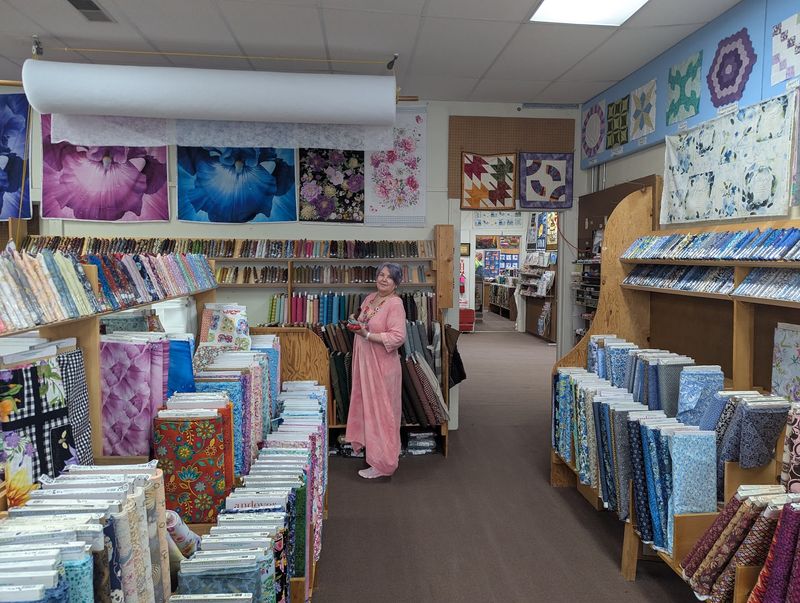
Original hardwood floors run through the store, worn smooth by decades of footsteps. They give every aisle a warm, lived-in feel that new flooring just can’t fake.
Then there are the chalkboards. They’re still mounted on the walls, now used for announcements instead of times tables.
It’s a charming touch that costs nothing and says everything. You’re shopping in a real school, not a themed imitation of one.
The old rooms also break the store into natural sections. Each former classroom becomes its own little world of fabric.
That layout makes browsing feel like exploring. Turn a corner and you might go from flannels to lace in a few steps.
Some descriptions call the place a fabric labyrinth, and that’s fair. Getting a little lost is half the fun when every wrong turn leads to more bolts.
The floors might creak a bit, as old wood tends to do. Consider it the building’s way of saying hello.
Honestly, I can’t think of a cozier backdrop for picking out quilt fabric. It feels like the building itself wants you to make something good.
Three Floors of Bolts and a Serious Stair Workout
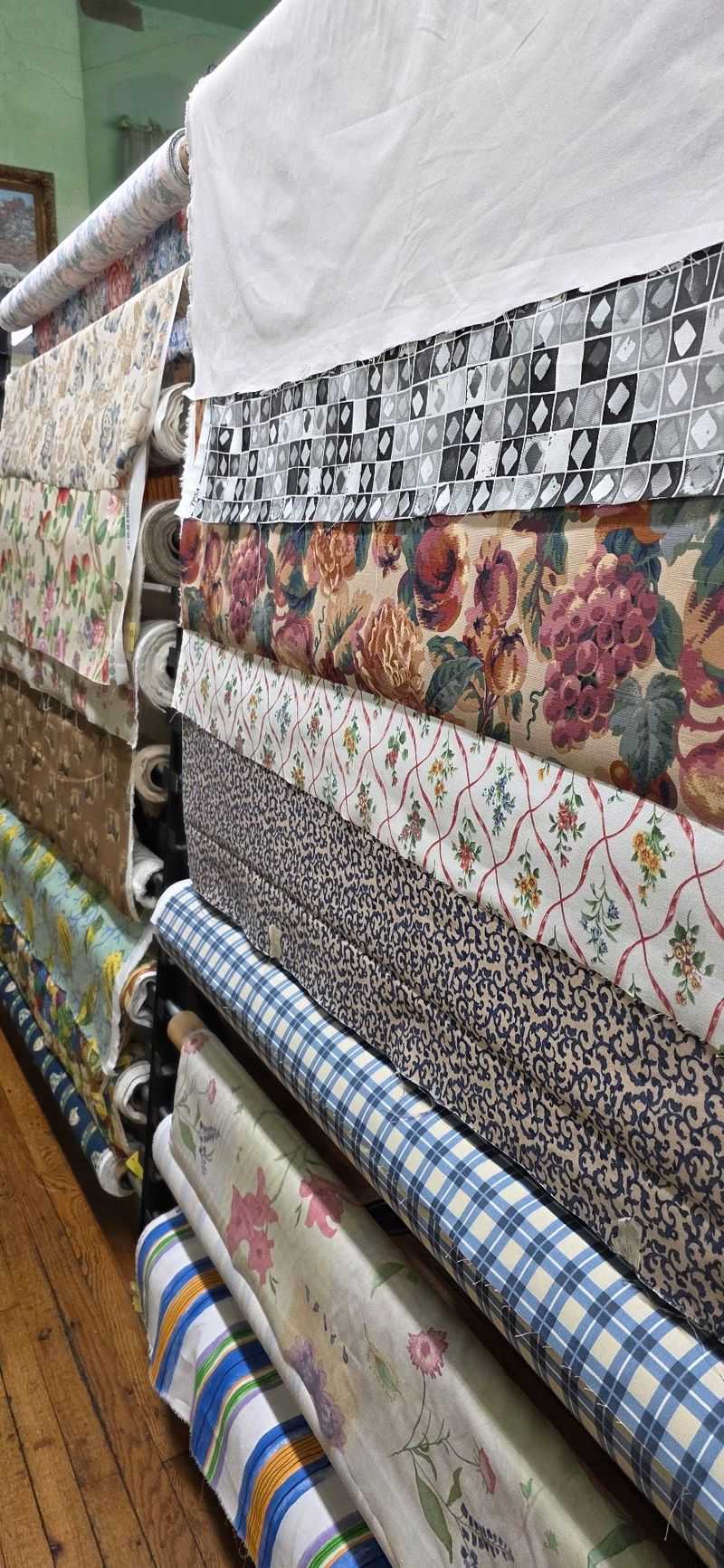
Thousands of fabric bolts spread across three floors in the main building. Every level has its own sections, so the browsing doesn’t stop at the ground floor.
One shopper summed it up well, saying the store seems to carry at least two of everything in every color imaginable. That’s a bold claim, but the shelves make a strong case.
The vertical layout keeps things organized. Different fabric types tend to live on different floors, which helps once you get your bearings.
The top floor is where satins, laces, and special occasion fabrics wait. Save some energy, because that climb pays off for anyone sewing something fancy.
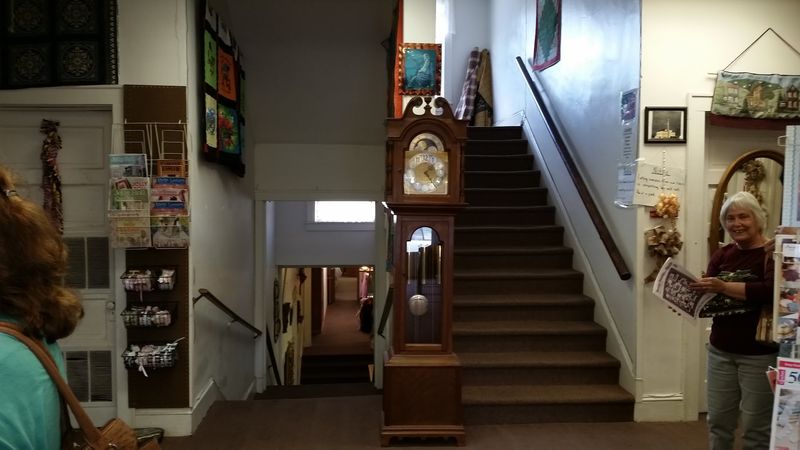
Stairs are part of the deal, though. There are steps throughout the shop, connecting all three levels.
Comfortable shoes are a smart move here. You’ll likely go up and down more than once when you remember that perfect bolt two floors below.
Plan for more time than you expect. A store this tall rewards slow browsing, and rushing means missing something great.
Think of it as cardio with a craft bonus. Your legs might complain, but your stash will thank you.
Quilting Cottons for Every Pattern on Your Wish List
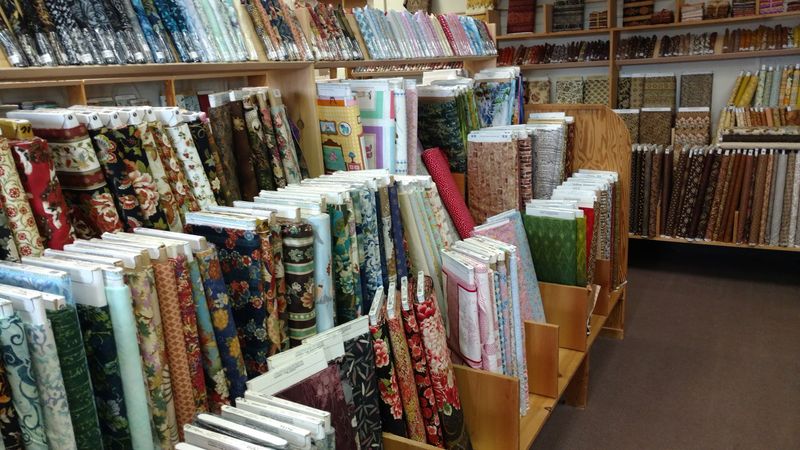
Quilters, this is your homeroom. Cottons fill a big part of the store, from traditional florals to geometrics and modern solids in a wide range of shades.
That variety makes color planning much easier. You can line up bolts side by side and see exactly how a quilt will come together.
Batiks show up here too, along with reproduction historical fabrics. Those older-style prints are a treat for anyone making a traditional or country-style quilt.
The quilting support goes beyond fabric. Cutting mats, batting, rulers, thread, and backing material all sit within reach.
Panels are also on hand for quick projects. One shopper picked up a panel and matching supplies to make a crib quilt for a baby shower.
Flannels and fleece round out the cozy side of things. They’re ideal for warm throws and snuggly baby blankets.
Staff members have helped customers work out quilt measurements too. That kind of math help can save a project before it even starts.
If your fabric stash already fills a closet, consider yourself warned. A trip here tends to make that closet a little fuller.
Novelty Prints With a Sense of Humor
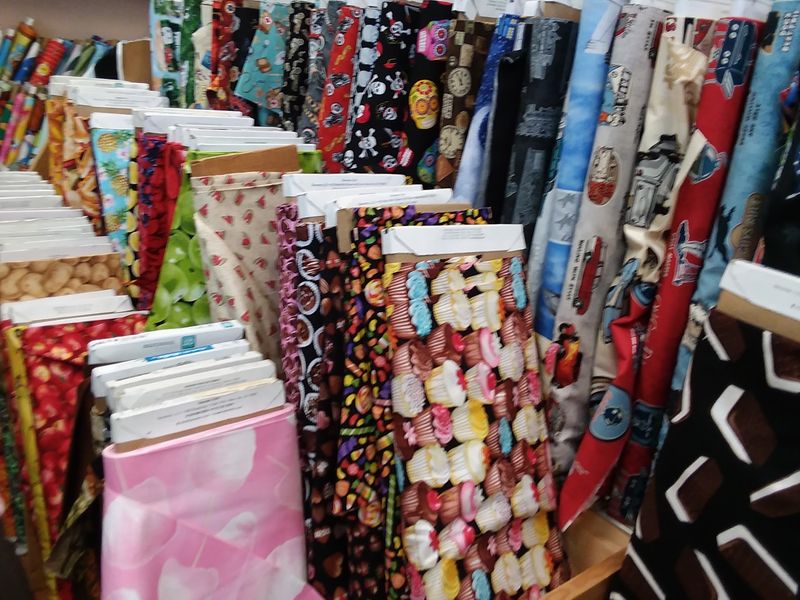
Dancing tacos on fabric? Apparently, yes, along with strips of realistic-looking bacon and plenty of character prints.
Novelty cottons are a fun corner of the store. They’re perfect for pajama pants, pillowcases, tote bags, and gifts with a wink.
These prints also make great quilt backs. A serious front with a silly back is a classic quilter move.
Kids’ projects get a boost here as well. Character fabrics turn simple sewing into something a child will actually want to use.
Plenty of quilters love a good novelty print. One longtime fan specifically praised the novelty selection along with the rest of the fabrics.
It’s easy to overlook this section if you came for something practical. Give it a few minutes anyway, because it might spark your next project.
A fun print can save a sewing slump. Sometimes the right fabric makes you want to drag the machine out again.
Just try leaving without at least one yard of something ridiculous. Taco fabric has a strange pull, and I’d rather not test my willpower against it.
Prom Gowns and Bridal Dreams Start on the Top Floor
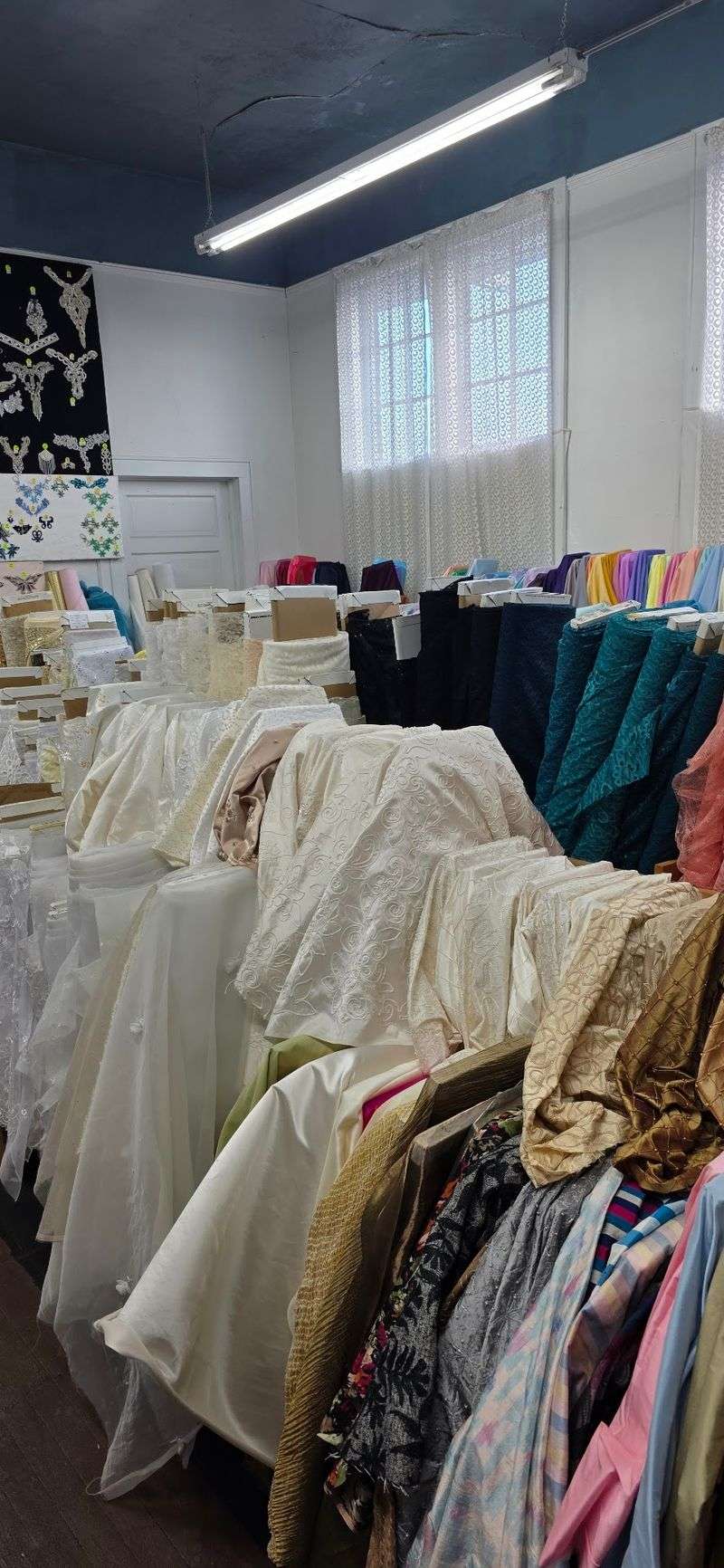
Here’s a detail garment sewists love. The top floor carries satins, laces, and special occasion fabrics for formal looks.
Apparel fabric is getting harder to find in person. Quilting cotton is everywhere, but dressmaking materials often take real hunting.
That’s why this store draws people from far away. One shopper drove over two hours just for apparel fabric and found good options for formal dresses and suits.
Prom season brings families here too. More than one shopper has come to find fabric for a homemade prom dress.
One family from Pearisburg got hands-on help with measurements and pattern layout. A staff member even studied the pattern with them to make sure they bought the right amount.
Bridal and formal trims also earn high praise. Lace, beading, and fancy edging can take a dress from nice to unforgettable.
Delicate imported silks and ethereal chiffons add even more choices. Some silks even feature intricate embroidery.
If you’re sewing for a big day, this floor is worth the climb. It’s hard to picture a better place to touch fabric before committing to a gown.
Silks, Wools, Denim, and Canvas for the Ambitious
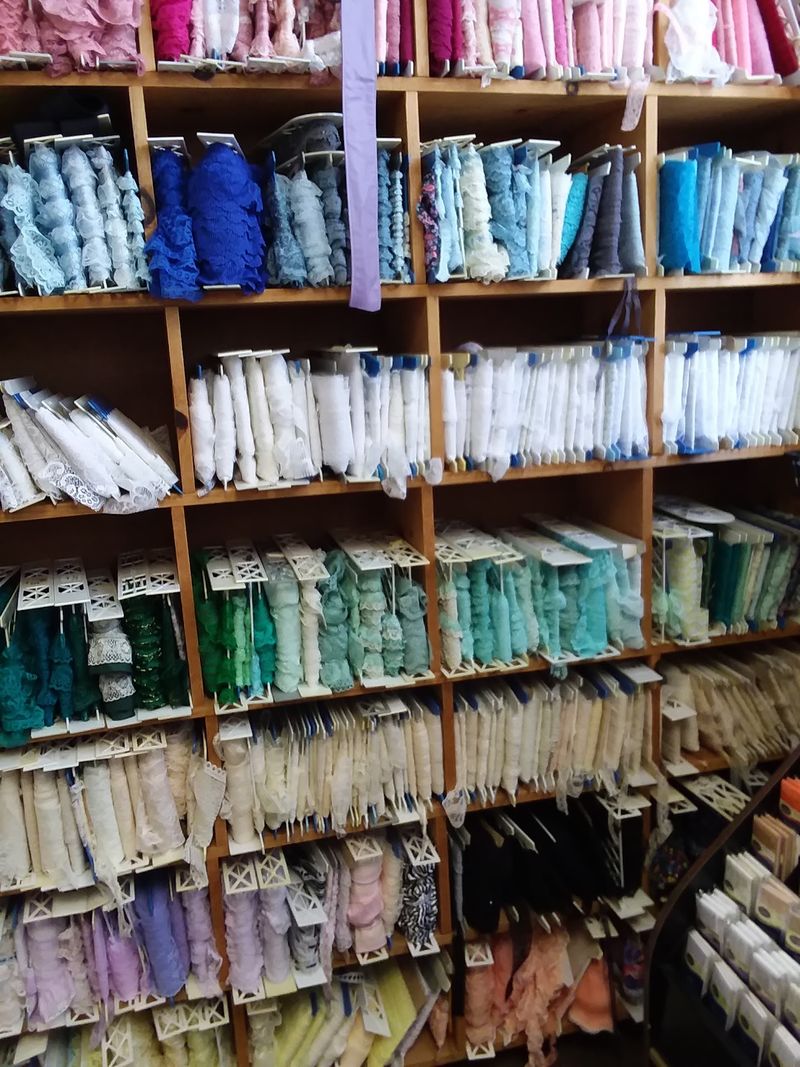
Practical sewists aren’t left out. Denim and sturdy canvas sit alongside the dressier stuff, ready for bags, aprons, and workwear.
Fine wools are here as well. They’re great for coats, skirts, and tailored pieces that need a little structure.
Specialty fabrics are a big reason people make the drive. Shoppers often mention finding materials they couldn’t track down anywhere else.
One shopper said they found fabric they hadn’t seen in years. That kind of discovery feels like winning a small lottery.
The store won’t have absolutely everything, and that’s fine. No shop does, but the specialty range here is wider than most.
Costume makers can find plenty to work with too. Shoppers have noted it’s a good spot for clothing and costume projects alike.
Patterns are available as well. One customer picked up shirt patterns, which makes it easy to match fabric and design in one stop.
Bring your project ideas, even the wild ones. The odds are good something on these shelves will push your plan forward.
Buttons, Zippers, and Trims Worth Their Own Trip
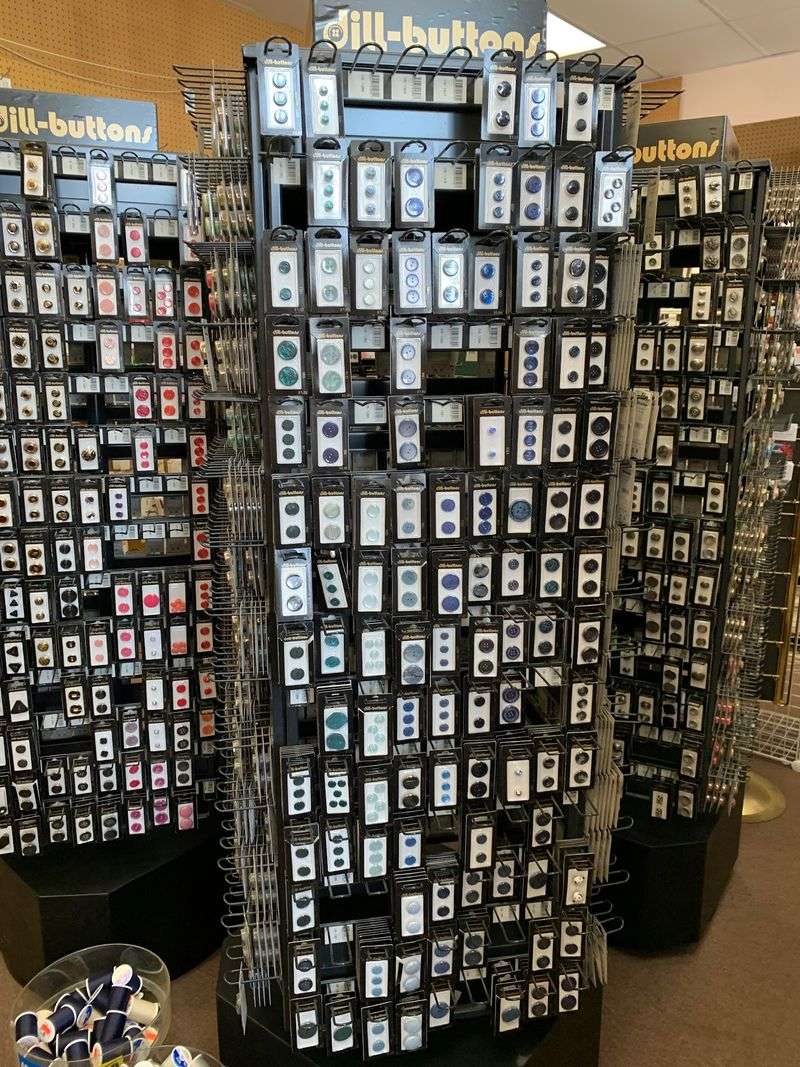
The former principal’s office now holds a notions department. Getting sent there has never sounded so appealing.
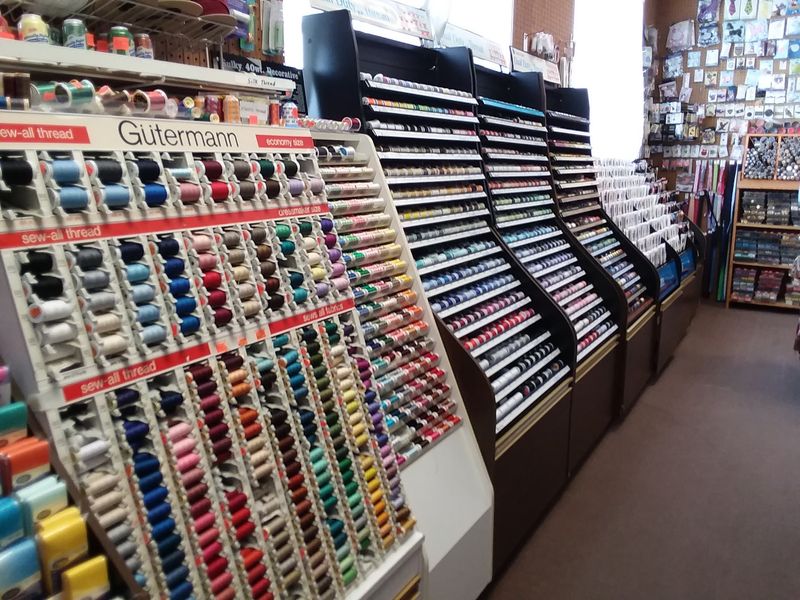
Buttons, zippers, and specialized sewing tools are sorted into categories. That makes hunting for the right size or color much less painful.
Trims are a standout across the store. Shoppers regularly praise the trim and lace choices as unique and harder to find elsewhere.
Patches, scissors, and needles are on hand too. One shopper joked that the store has you covered, literally.
Notions can make or break a project. The perfect button or trim often turns a decent piece into a favorite.
Staff help with notions as well. One family credited a staff member with suggesting details that would complement a prom dress.
It’s easy to spend a long time in this section. Small items add up quickly, both in fun and in your total.
Bring swatches of your fabric if you can. Matching thread, zippers, and trim in person beats guessing every single time.
A Whole Separate Building Just for Upholstery
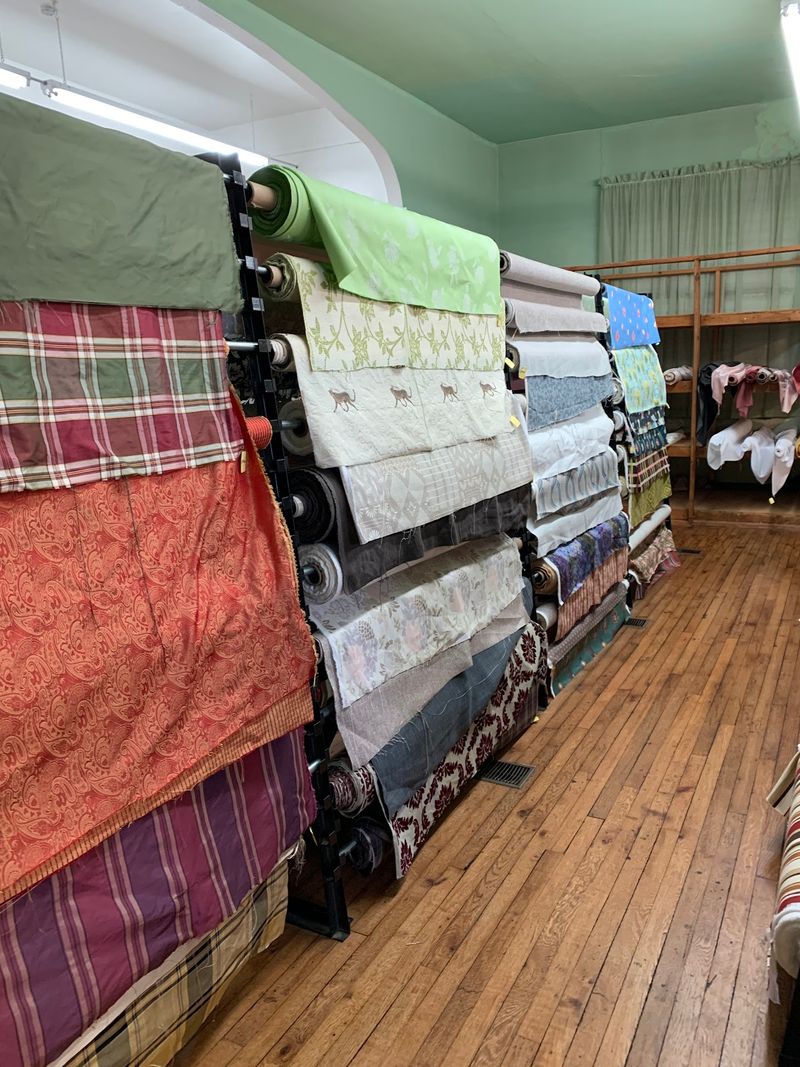
Behind the main schoolhouse sits a second building. It’s dedicated entirely to upholstery fabrics and supplies.
That’s great news for anyone recovering a chair, couch, or set of cushions. Heavy decorator fabric needs room, and this space gives it plenty.
Home decor projects get serious attention here. One shopper noted you can spruce up a living room or add something unique to a man cave.
The upholstery building may keep different hours than the main store. Earlier information lists it as open from 10 to 4 on weekdays, so confirm before you go.
Planning helps if upholstery is your main goal. Arrive with measurements, photos of the furniture, and a rough idea of the style you want.
Seeing big upholstery fabric in person matters a lot. Texture, weight, and pattern scale are tough to judge from a tiny online image.
Stopping in even without a project can be inspiring. A great fabric might convince you that tired armchair deserves a second life.
Two buildings, one trip. That’s a pretty efficient way to tackle both your quilt and your sofa.
Friendly Help That Knows When to Step Back
Friendly staff is the most mentioned topic about this shop. Shoppers bring it up more than any single fabric type.
Staff members get credit for helpful, pleasant service. One shopper liked that help was there when needed, without anyone hovering.
That balance is rare. Many crafters want space to browse but appreciate quick answers when they get stuck.
Specific staff members get thanked by name for going above and beyond. Help with quilt measurements and dress patterns comes up again and again.
Beginners might especially benefit from that kind of support. Fabric choices can feel overwhelming when you’re new to sewing.
The owners also respond warmly to customers online. One reply called a regular shopper a dear friend who stops by often.
Like any shop, not every interaction has been perfect. The owners have publicly apologized and invited unhappy customers to reach out directly.
Overall, the people here seem to care about your project. When someone helps you get it right before cutting, that’s worth a lot in a fabric store.
Hours, Stairs, and Smart Planning Before You Go
Timing matters, especially on weekends. Current Google hours list Monday through Friday from 9 AM to 5 PM, with Saturday running 9 AM to 2 PM.
The store is closed on Sundays. Other sources have listed slightly longer hours, so a quick call ahead is a smart idea.
You’ll find the shop at 220 North Locust Street, Floyd, VA 24091. It sits in the rolling hills of the Blue Ridge Mountains of Virginia.
Accessibility is worth thinking about. There are stairs throughout the shop, and the restroom is located on the top floor.
One family helped a relative with a walker by carrying it up the stairs. If mobility is a concern, bringing a friend could make the visit easier.
On pricing, opinions vary. Some find a few items pricey, while others say prices match or beat other fabric stores.
Bring your project list and measurements. With this much fabric, a plan keeps you focused, at least for the first floor.
Also bring a little patience with yourself. Leaving with only what you planned is a rare achievement here.
Why This Old School Deserves a Spot on Your Road Trip
Some shoppers come from Wilmington, North Carolina, and plan return trips. That’s a long haul for fabric, which tells you plenty about Schoolhouse Fabrics Inc.
One couple even plans vacations around the store and local food. Floyd makes an easy add-on to a Blue Ridge getaway.
The appeal comes from a rare mix. You get a historic building, a huge selection, and help from people who seem to love sewing.
Quilters will find plenty of cottons and supplies. Garment sewists will appreciate the formal fabrics, trims, and lace upstairs.
Upholstery shoppers get their own building. Crafters get yarn, panels, and supplies tucked into every floor.
Not every bolt will be trendy, and some styles lean classic. For country quilts and timeless projects, that’s actually a perk.
Virginia has plenty of scenic stops, but few let you shop inside a schoolhouse. This one turns a fabric run into a small adventure.
So pack your list, your swatches, and some comfy shoes. Class is in session, and the only homework is sewing something you love.