The cows here get milked just once a day, and the rest of their schedule is mostly grass. They graze outdoors, and the cheese gets made from their raw milk on the very same farm.
The milking season runs only from April through November. That means the cheese follows the pasture, not a factory calendar.
Some wheels then rest in a cheese cave for up to two years before anyone slices them.
I like how the whole operation feels so patient. The cheesemakers start each batch with the previous day’s whey instead of a packet of modern cultures.
There’s also a wood-fired bakehouse turning heritage grains into crusty loaves.
I can’t imagine a better excuse for a country drive in New Jersey. So who’s ready to meet the cows behind the cheese board?
A Working Dairy Farm Where Your Cheese Has A Hometown
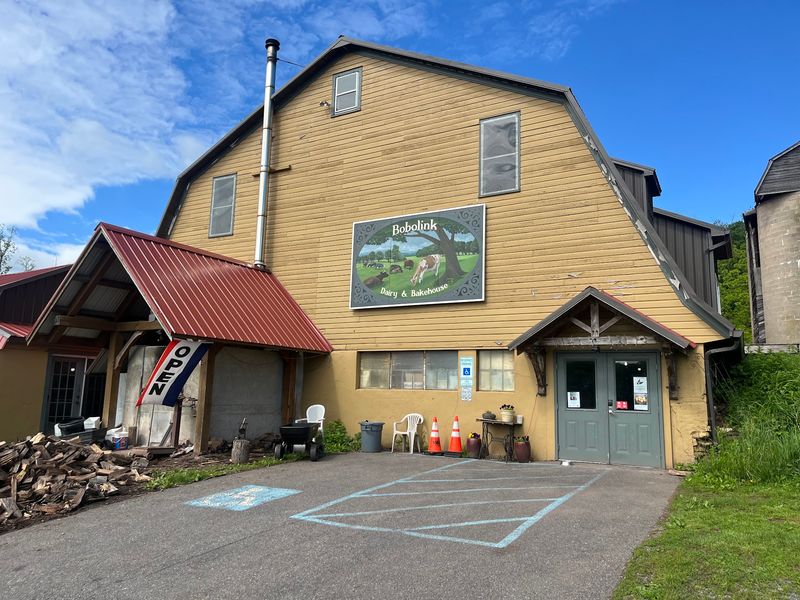
Out in the rolling farmland of Hunterdon County sits Bobolink Dairy & Bakehouse, a farm store perched on a real, working dairy. The cows graze outside, the cheese is made on site, and the bread comes out of a wood-fired oven.
That combination is rarer than it sounds. Plenty of shops sell local cheese, but few let you buy it within sight of the pasture that fed the herd.
Bobolink Dairy & Bakehouse sits in Milford, New Jersey, a small town near the Delaware River. The drive there winds past fields and farms, which feels like a reward all on its own.
The store sells artisanal cheeses, wood-fired breads, and grass-fed meats raised on the property. It’s officially labeled a farm shop, but that phrase undersells it a bit.
Think of it as a pantry with a pedigree. Nearly everything on the shelves can be traced back to the same 185 acres or to trusted growers nearby.
For New Jersey families who love proving the state is more than highways and malls, this place makes a strong case. Cows outnumber traffic lights out here, and nobody seems to mind.
Two Founders With A Big Idea About Small Farming
Jonathan and Nina White started Bobolink Dairy & Bakehouse in 2002 with a goal that sounded bold at the time. They wanted to show that small-scale, regenerative farming could actually work in the Northeast.
That’s a tall order in a region known for pricey land and tight margins. Still, more than two decades later, the farm is going strong.
In 2010, the couple bought their current farm in Milford. The land reportedly wasn’t in great shape when they arrived, and they set out to rebuild it into healthy pasture.
Their approach leans on grazing animals to improve the soil over time. The farm points to better soil health and a meaningful rise in organic matter as results of that work.
Both founders stay deeply involved in the hands-on side. Jonathan leads cheesemaking classes, while Nina teaches bread baking and knows her grains inside and out.
That personal touch matters on a farm this size. When the people who started the place are still the ones teaching you, the lessons tend to stick.
It’s a story of stubborn optimism, honestly. And it tastes a lot better than most business plans.
The Little Songbird Behind The Farm’s Name
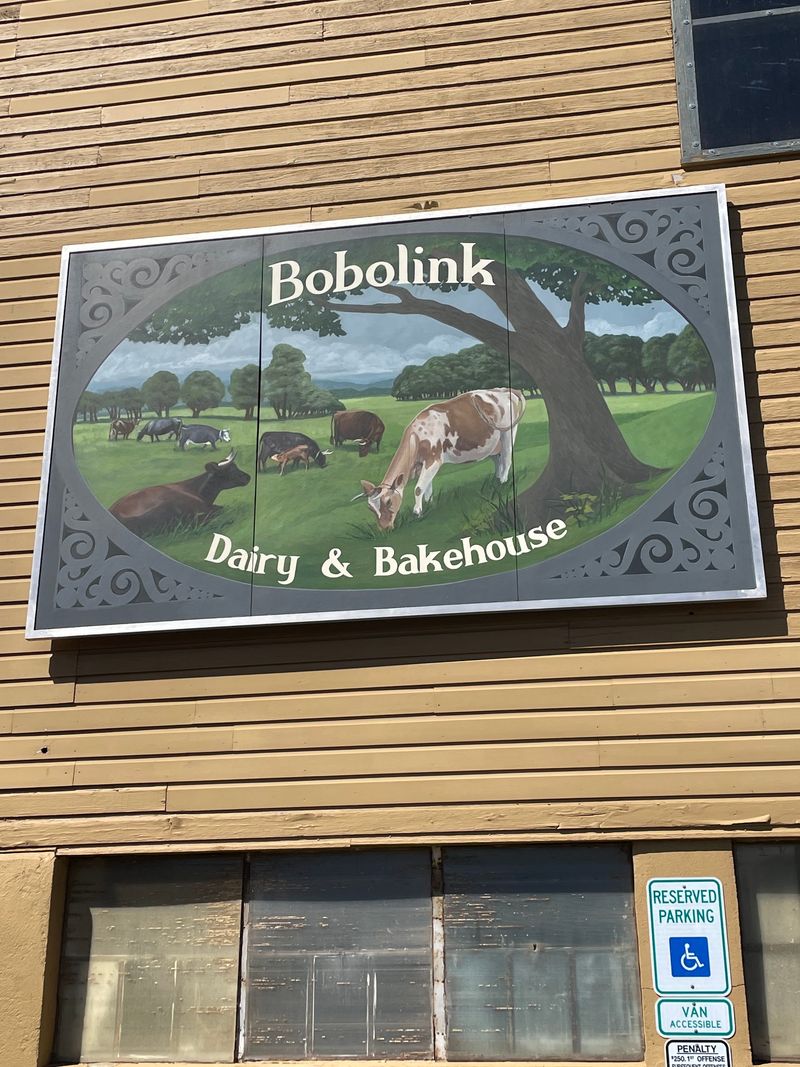
Bobolinks are small grassland birds with a cheerful, bubbly song. They nest in meadows and hayfields, and their numbers have been sliding for years.
The farm took its name from that threatened bird on purpose. The idea was to spark conversation about farming that leaves room for wildlife.
It’s a clever bit of branding with a real message underneath. Every time someone says the name out loud, they’re nodding to a bird that depends on open grassland.
Grazing farms like this one keep land in pasture rather than pavement. That kind of open, grassy space is exactly what birds like the bobolink need to raise their young.
The farm itself is preserved, which means those 185 acres should stay farmland. In a state as busy as New Jersey, that protection counts for a lot.
So the name isn’t just cute. It doubles as a mission statement, wrapped up in three playful syllables.
Keep your eyes on the fields during a visit. You may or may not spot a bobolink, but you’ll definitely understand why the founders wanted to honor one.
Cows With A Remarkably Relaxed Schedule
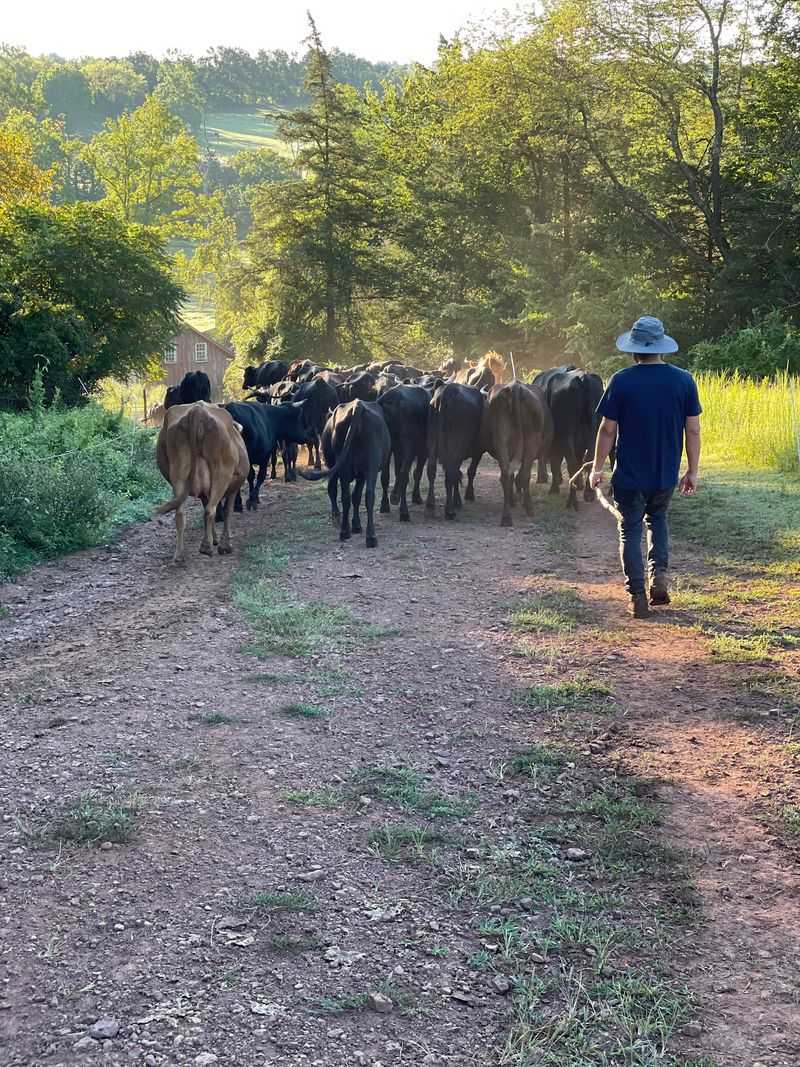
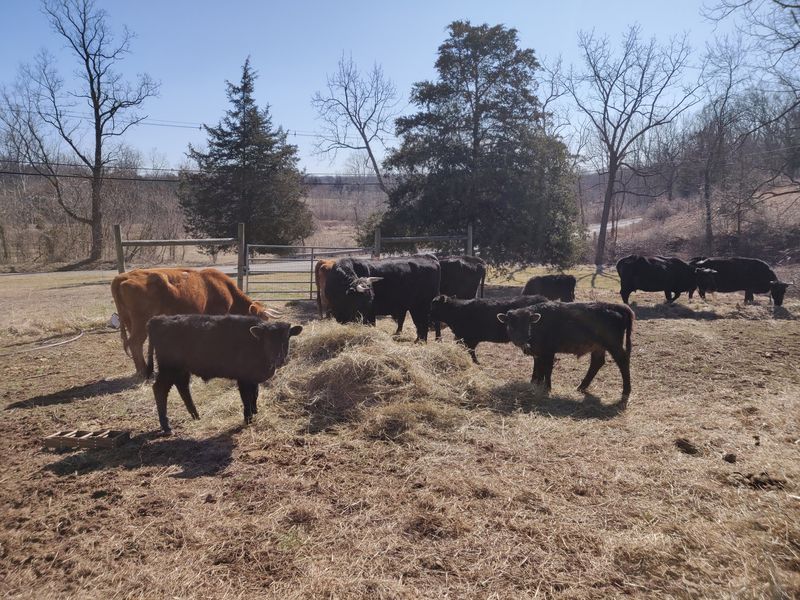
Most dairy cows get milked two or three times daily. At Bobolink, the herd gets milked just once a day, which leaves plenty of hours for grazing.
That’s a pretty sweet deal if you’re a cow. More pasture time, less waiting around in the barn.
The herd is a mix of breeds rather than a single uniform type. The farm calls some of them Bobolink Grazers, animals suited to thriving on grass alone.
And grass really is the whole menu here. The milk comes from cows that are 100% grass-fed, which is a big part of what shapes the flavor of the cheese.
Cows Outside is the farm’s longtime motto, and it fits. The animals live outdoors on pasture instead of spending their days confined.
For kids, seeing cows actually roaming around can be a small thrill. Many children only know dairy as something that comes in a plastic jug.
Out here, the connection is right in front of you. The grazing cow, the cheese in the case, and the field between them all share one easy story.
Cheese That Follows The Seasons, Not A Factory Clock
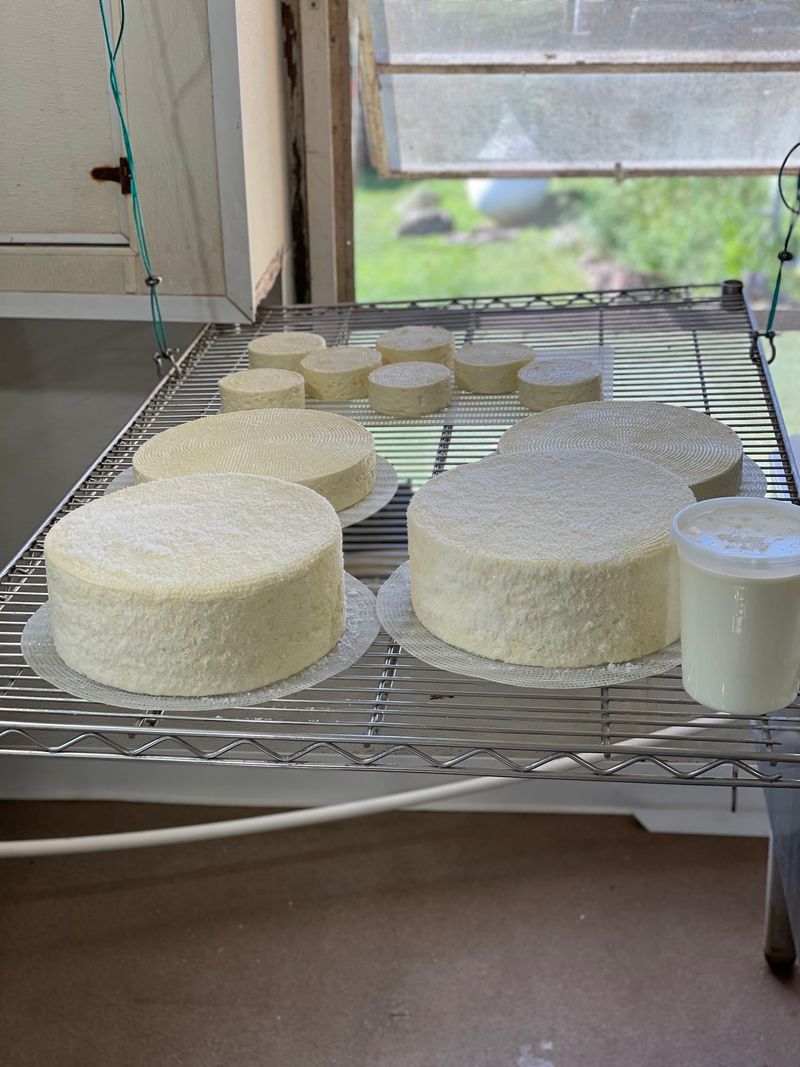
April through November. That’s the window when Bobolink makes cheese from its own herd’s milk.
The schedule follows the grass. When the pasture is growing and green, the cows produce the milk that becomes each season’s wheels.
Industrial dairies aim for the same flavor every single day of the year. This farm goes the opposite direction and lets the land call the shots.
Spring grass, summer grass, and fall grass can all differ. That natural variety can show up in the milk, and then in the finished cheese.
It’s a bit like a farmers market tomato versus a winter supermarket one. Timing matters, and the farm embraces that instead of fighting it.
The milk stays raw, too, meaning it isn’t pasteurized before cheesemaking. Raw milk cheese in the United States has to age at least 60 days before it’s sold.
So the cheese you buy in winter likely started in a sunnier month. Think of it as a little preserved slice of pasture, waiting patiently for your cracker.
That patience is kind of the point. Good things here run on nature’s calendar.
An Old-World Trick With Yesterday’s Whey
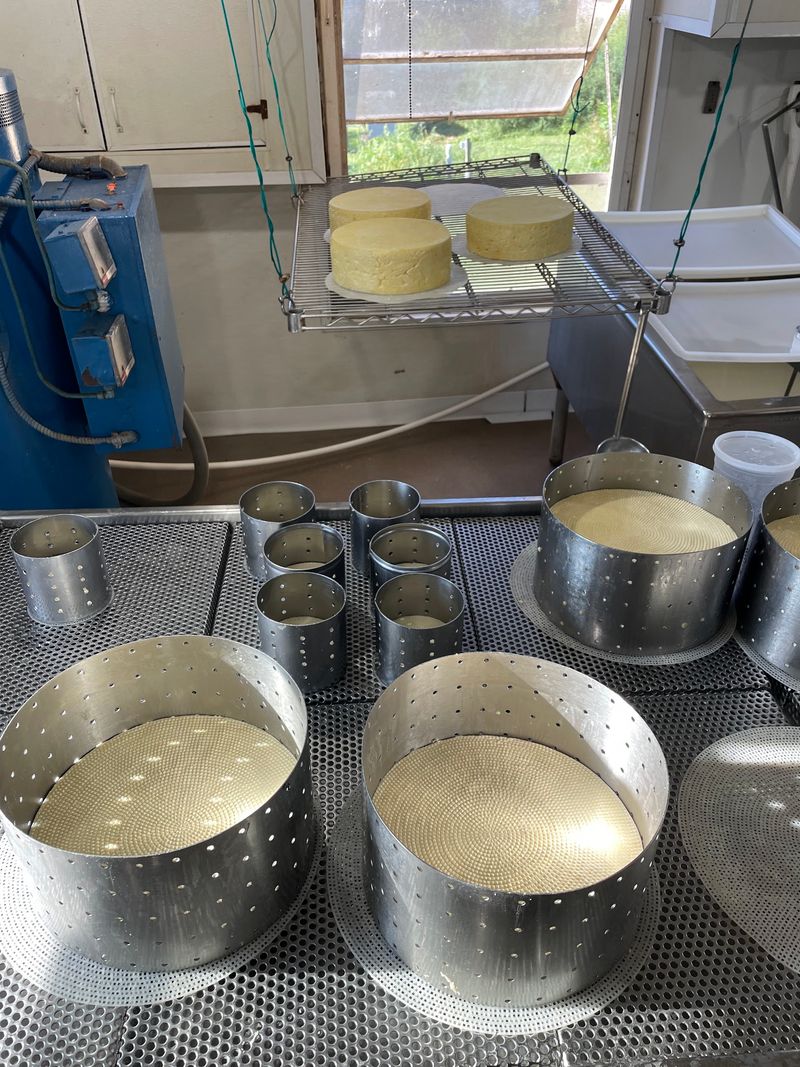
Modern cheesemakers usually reach for packaged starter cultures. Bobolink skips that shortcut and uses the previous day’s whey to kick off fermentation instead.
It’s a method that goes back more than two centuries. Each batch essentially inherits something from the one before it.
Whey is the liquid left over after curds form. Saving it and adding it to fresh milk carries along the helpful microbes that turn milk into cheese.
The result is a style often described as old-world. Flavors can be more distinctive and less predictable than mass-produced cheese.
That approach takes attention and patience. You can’t just tear open a packet and walk away.
Visitors who join a cheesemaking class can see this process up close. Students have described bringing the cows in and following the milk straight into the cheese room.
Honestly, it’s a little like sourdough for dairy. One generation of whey hands off to the next, day after day.
And it fits the farm’s personality perfectly. Old techniques, fresh milk, and no rush to cut corners.
Where Wheels Wait In A Real Cheese Cave
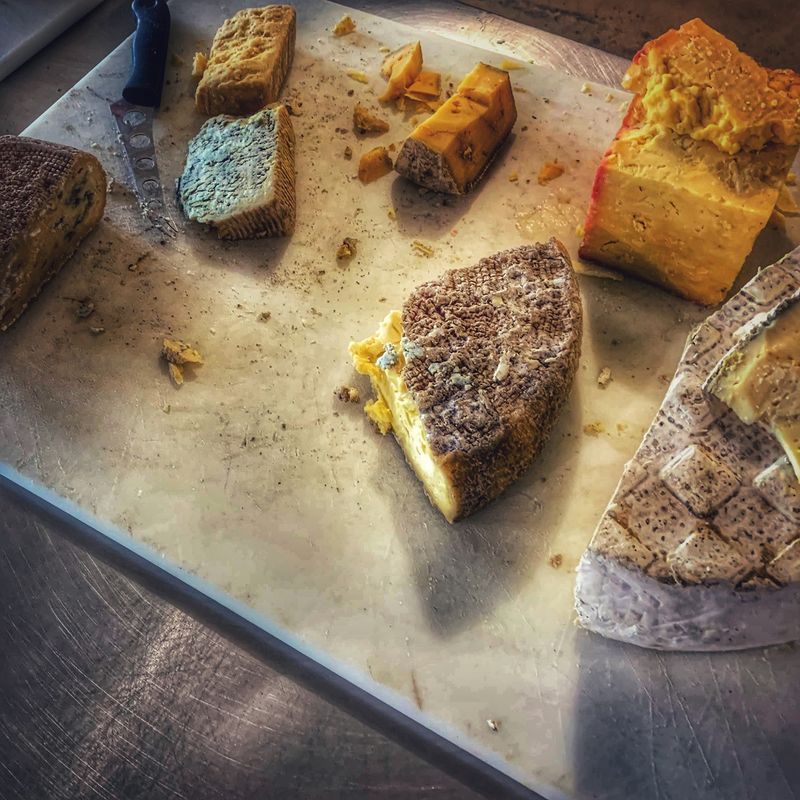
Some of these cheeses spend up to two years maturing before they’re ready. That’s a long nap, even for a wheel of cheddar.
The aging happens in the farm’s cheese cave, a cool space built for slow ripening. Time does a lot of quiet work in there.
As cheese ages, its texture firms up and its flavor sharpens. Long-aged wheels can develop deep, savory notes you just won’t find in younger cheese.
The cave-aged cheddar is a good example. The farm’s sharp cheddar, aged for around two years, has earned a devoted following among shoppers.
Raw milk cheeses must age at least 60 days by law. Many here sit far longer, simply because the cheesemakers want them to taste their best.
It’s a lesson in waiting, really. Nobody here is trying to rush a wheel to market.
Cheese lovers often appreciate that kind of patience. When you finally slice into a two-year cheddar, every month of waiting counts.
Just don’t expect to tour the cave casually. Treat it as a behind-the-scenes treasure room that does its magic out of sight.
A Cheese Case Full Of Characters With Names
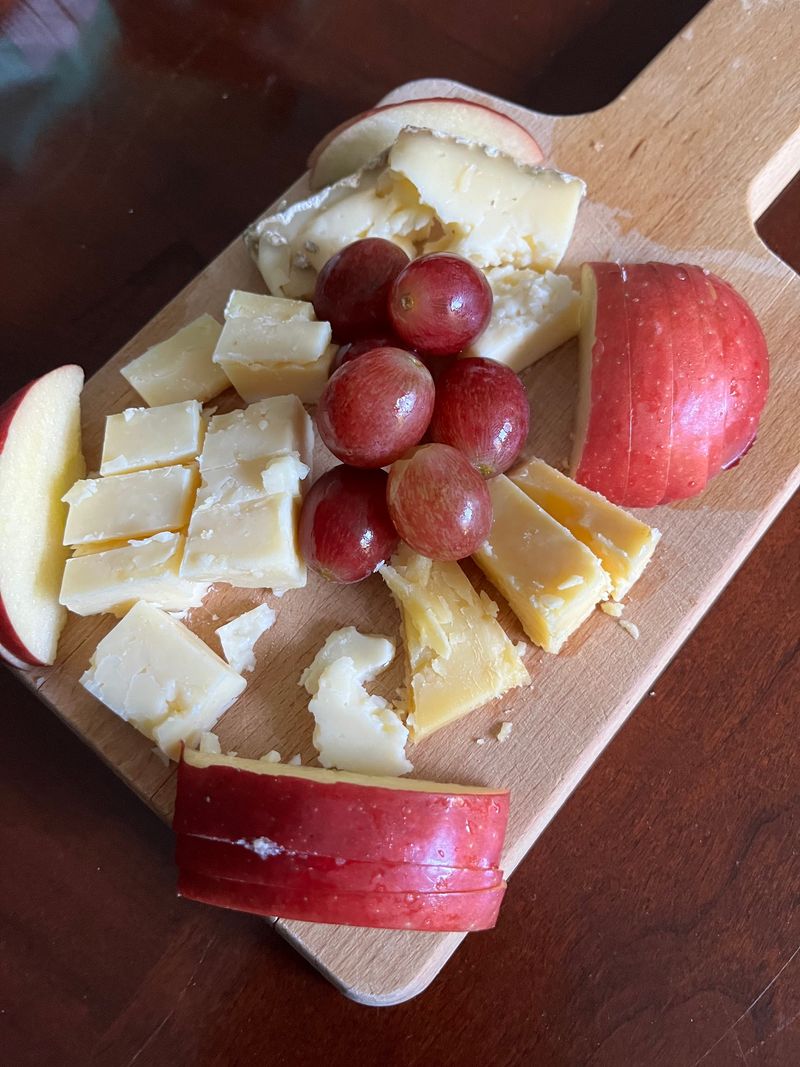
Drumm, Jean-Louis, Baudolino, Frolic. The names alone sound like a quirky cast from a storybook.
Each one is a farmstead cheese from Bobolink’s raw, grass-fed milk. And each has its own personality on the plate.
Jean-Louis and Baudolino are frequent favorites for shoppers bringing out-of-town friends. Frolic has an international fan base, too, having caught attention from cheese lovers abroad.
Then there’s the cave-aged cheddar for anyone chasing a serious, sharp bite. It may be the one to grab if you like cheese with real attitude.
Bobolink cheeses have also picked up recognition beyond New Jersey. One of them earned a silver medal at an international competition in Lyon, France.
Not sure where to start? First-time customers may be offered a tasting of the lineup, which is a very generous way to make up your mind.
That tasting can be the best part of the trip. It’s hard to choose favorites when they all have names, but somebody has to do it.
Bring a cooler bag. You’ll probably leave with more wedges than you planned.
A Neighborly Partnership With Amish Graziers
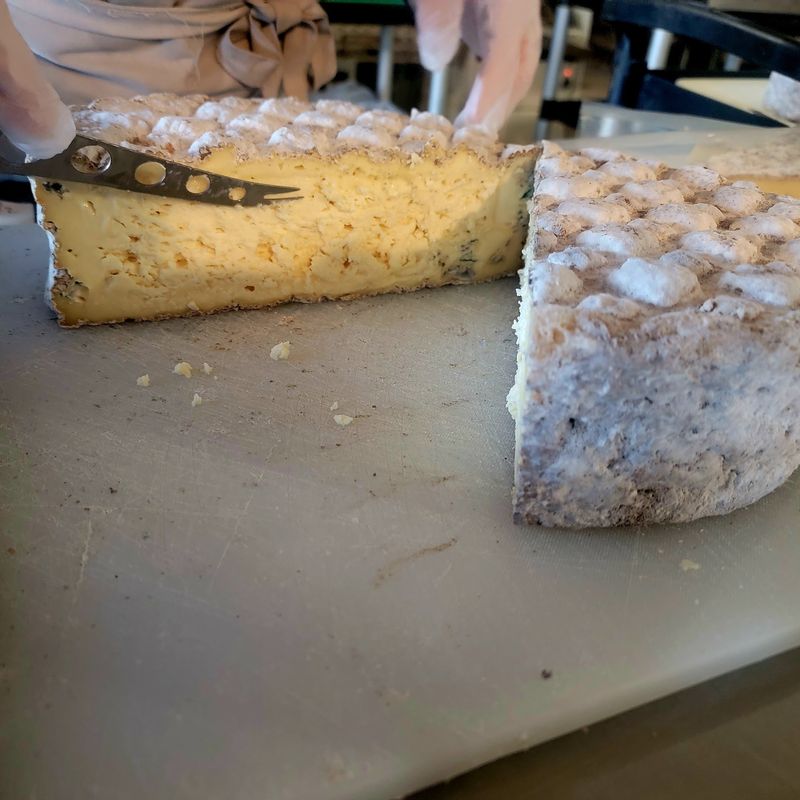
Not every cheese in the case comes from the home herd. Bobolink also works with Amish graziers in Pennsylvania who share a grass-based approach.
It’s a partnership that widens the lineup without watering down the philosophy. Grass-fed values stay front and center.
Amish Blue is the standout from this collaboration. Shoppers have called it creamy and exceptional, and it pops up as a favorite at the farm and its market stands.
There’s also Amish Schmearkase, a spreadable cheese with a fun name. Try saying it three times fast before your toast gets cold.
These partnerships matter for small farms. Working together helps family operations reach more people and stay afloat.
For you, it simply means more choices. A blue cheese lover and a cheddar fan can both walk out happy.
Bobolink cheeses also travel to regional markets and festivals. Some people discover Amish Blue at a stand first, then make the drive to Milford to see where it all begins.
That’s a pretty great chain reaction. One wedge leads to a road trip.
The Wood-Fired Oven That Steals Some Of The Spotlight
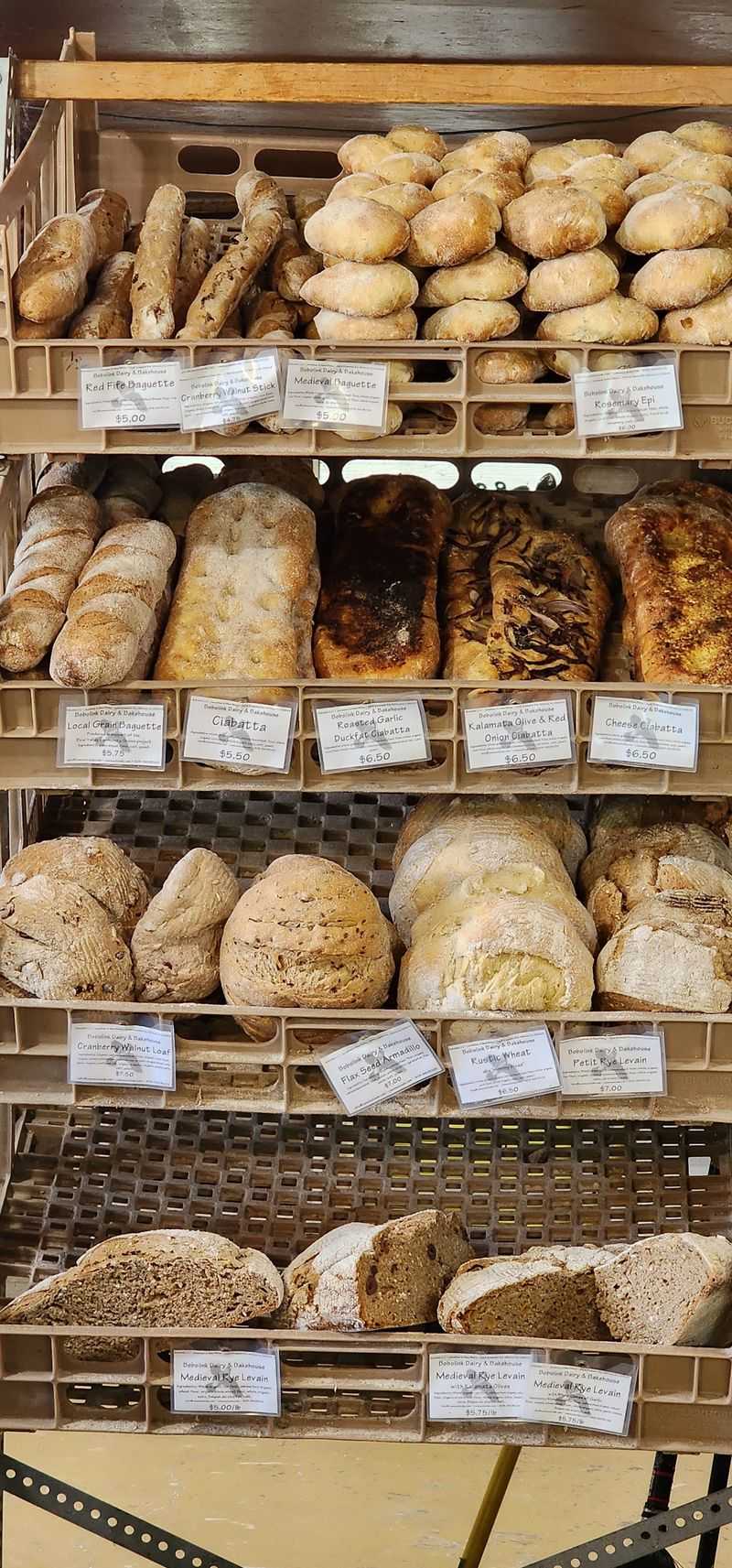
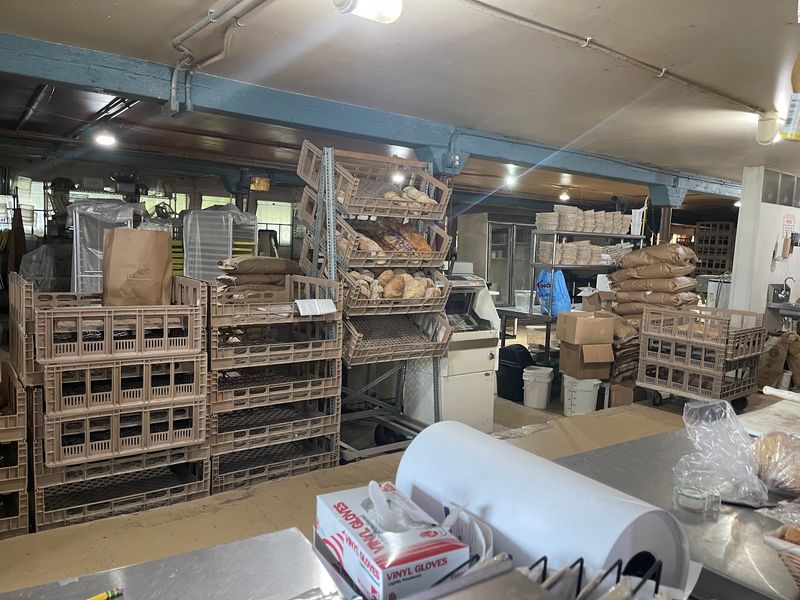
Cheese may get top billing, but the bakehouse could easily headline its own show. Bobolink bakes its breads in a wood-fired oven right on the farm.
That kind of oven gives loaves a deep, rugged crust. It’s old-fashioned baking, the slow and fiery way.
The breads rely on sourdough starter and long fermentation. That extra time helps build flavor and gives each loaf real character.
Heritage and heirloom grains play a big role. Many come from artisan growers in the region, which keeps the bakehouse tied to local farmland.
Nina White leads the baking side and teaches bread classes too. Students have praised her know-how on sourcing grains and shaping dough.
One student even compared her loaves to the European-style bread they grew up with. That’s high praise for a bakery in rural New Jersey.
Baking days can vary, so it helps to check ahead before driving out for a specific loaf. Arriving early may not guarantee a full selection either.
Still, catching bread fresh from a wood fire is worth some planning. Your car will smell amazing for the ride home.
Duck Fat, Garlic, And Other Loaves Worth The Detour
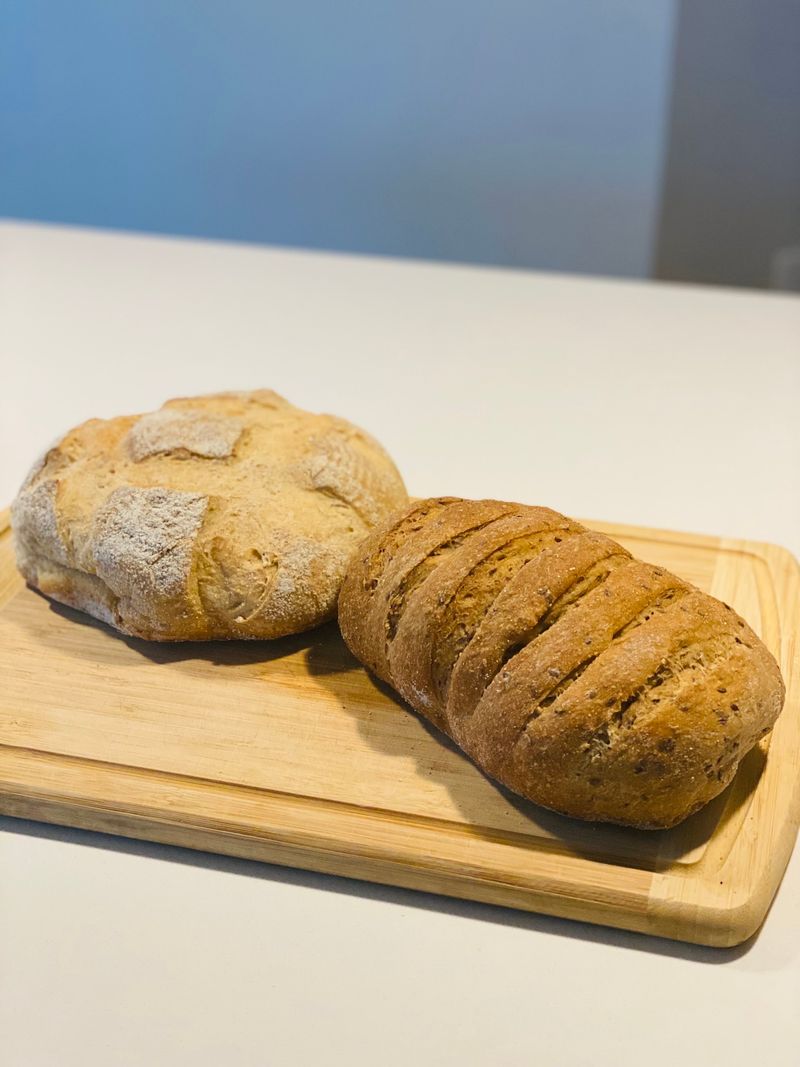
Duck fat and garlic ciabatta. Read that again, slowly.
It’s one of the bakehouse’s most talked-about breads, and it’s a strong pick for sandwiches. Good luck ignoring that one on the shelf.
The Rosemary Epi is another favorite. Shaped like a wheat stalk, it’s easy to tear apart and share, assuming you feel like sharing.
Cranberry Walnut loaves bring a touch of sweetness. Onion and olive ciabatta sneaks its flavors in, so you may not see the olives until the first bite.
There’s more on the rotating lineup, too. Chocolate cherry bread, flaxseed loaves, rustic sourdough, and apple biscuits have all earned fans.
Pastries and cookies show up alongside the breads. The selection can shift depending on the day and the season.
That variety makes repeat visits fun. Some families stop in every week just to keep up with what’s coming out of the oven.
Pair any of these with a wedge from the cheese case and you’ve got lunch. Add a field view, and it becomes a pretty perfect afternoon.
Pasture-Raised Meats And Pantry Extras In The Farm Store
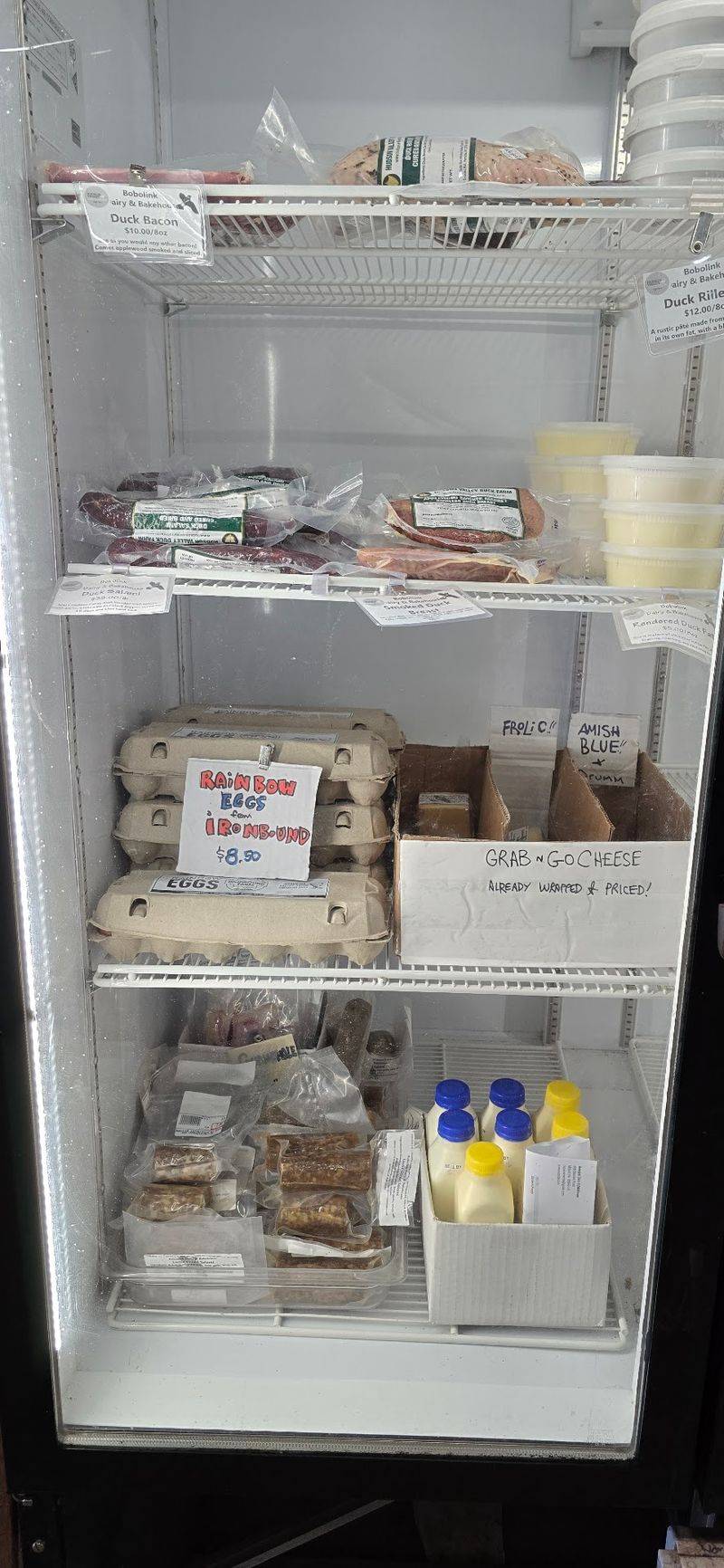
Grass-fed beef, whey-fed pork, and suckled veal all come from animals raised outdoors here. None are confined, and they don’t receive grain or growth-stimulating antibiotics.
The whey-fed pork is a smart bit of farm logic. Leftover whey from cheesemaking becomes food for the pigs.
The store also stocks house-made charcuterie. Smoked ham and gabagool have both won over shoppers, which says a lot in a state that takes cold cuts seriously.
Thirsty kids might spot chocolate milk in the cooler. Other local goods like honey, eggs, and duck products may appear depending on availability.
The shop itself is rustic and simple. Some shoppers have noted it can feel chilly inside during colder months, so a jacket isn’t a bad idea.
Prices reflect small-batch farming, and some find them on the higher side. Others call them reasonable for the quality, and the store accepts credit cards.
Either way, it’s a one-stop spot for a seriously local dinner. Meat, cheese, and bread from the same farm is a rare combo.
Bring a cooler for the trip home. Your fridge will thank you.
Tours, Classes, And Concerts For Curious Visitors
Want to meet the herd? Bobolink has offered farm tours on weekends, including pasture walks where you can see cows grazing up close.
Schedules can change, so confirm times before you go. Seeing the cows in person really completes the story behind your cheese.
Classes are a big draw for hands-on learners. Options have included bread baking, cheesemaking, and charcuterie.
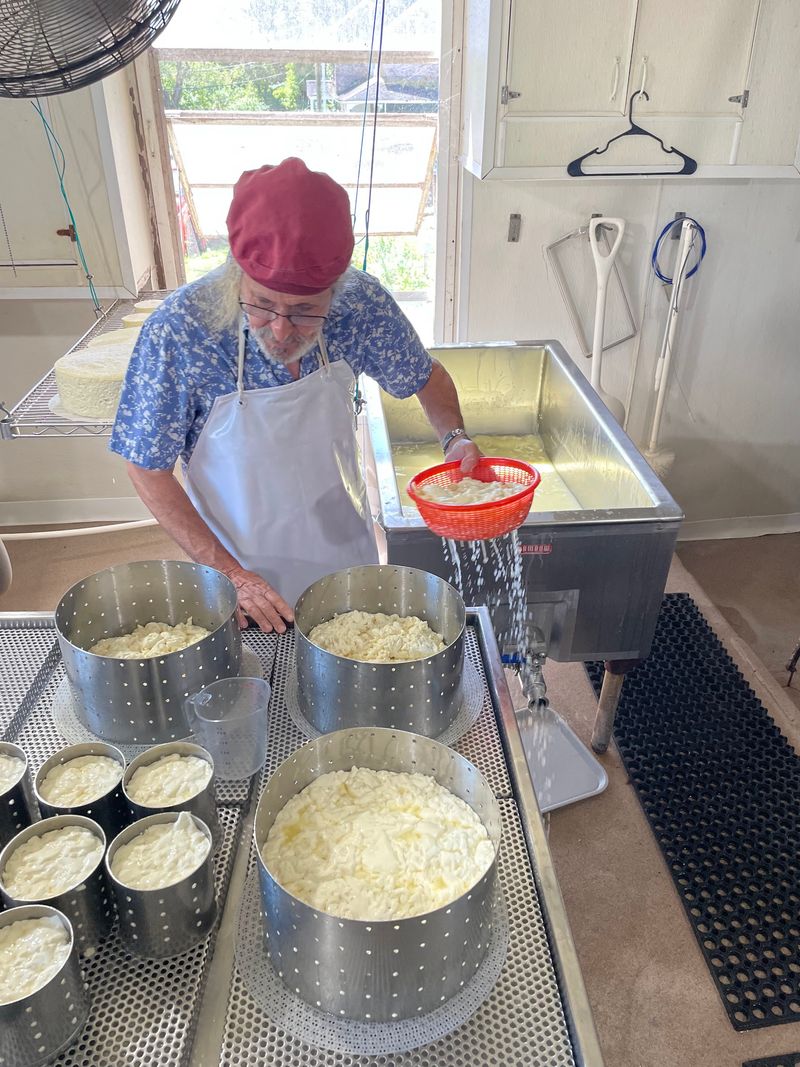
Cheesemaking students have described starting with bringing in the cows. From there, they follow fresh milk all the way through the process, often ending with a tasting.
Warmer months may bring music concerts and farm-to-fork picnics on the farmhouse lawn. Some events pair dinner with a tour, which sounds like a lovely summer evening.
So who will love it most? Food fans, curious kids, and anyone craving a slice of New Jersey that feels a long way from the Turnpike.
Families can turn a store stop into an easy outing. A short browse, a tasting, and a look at the pasture can fill a relaxed afternoon.
Bigger events and classes need planning. Simpler visits just need a free afternoon and an appetite for cheese.
Your Game Plan For A Delicious Day In Milford
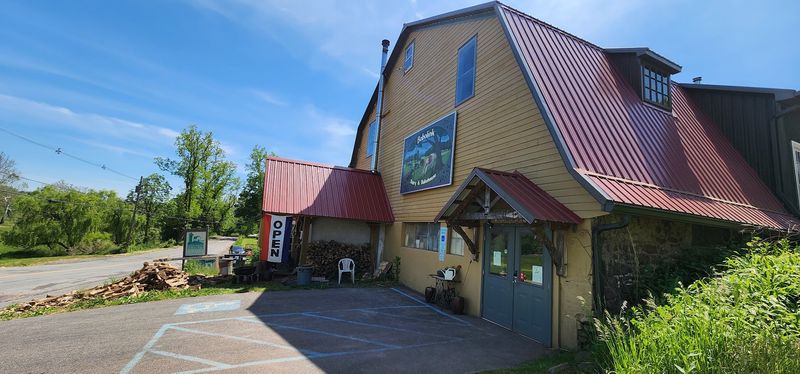
Plug 369 Stamets Rd, Milford, NJ 08848 into your GPS and enjoy the scenic drive. The farm sits in Hunterdon County, close to the Delaware River and the town of Frenchtown.
The roads out here are pleasantly rural. Slow down, roll the windows down, and soak up the farmland.
The store opens Monday from 12 to 3 PM and stays closed on Tuesdays. Wednesday through Friday, hours run from 12 to 6 PM.
Weekends start earlier, from 9 AM to 5 PM on Saturday and Sunday. Early birds may find a smaller selection if baking is still underway.
Parking can be limited, so a little patience may help on busy days. Dress for the weather, since the shop can feel cool inside.
Bobolink Dairy & Bakehouse holds a strong 4.7-star rating on Google. That’s a nice sign for a small farm that does nearly everything by hand.
Is it fancy? Not at all, and that’s part of its charm.
It’s a real New Jersey farm with grazing cows, crackling ovens, and cheese aged with patience. For a wholesome day trip, it’s very hard to beat.