A Philadelphia millionaire once bought up close to 100,000 acres of South Jersey woods for one reason. He wanted the water hiding underneath them.
His plan was bold. He hoped to pump that clean Pinelands groundwater across the Delaware River and sell it to Philadelphia.
Then New Jersey lawmakers stepped in and said no.
That single no changed everything. The land never became a giant water supply for another city.
It stayed wild, quiet, and full of sandy roads, cedar-stained rivers, and pitch pines that seem to go on forever.
I love that one of the biggest wild places in New Jersey exists because a business deal fell flat. Today you can paddle it, hike it, camp in it, and wander an old iron village in the middle of it.
So how did a failed scheme turn into a forest everyone can enjoy?
The Biggest Backyard In The Garden State
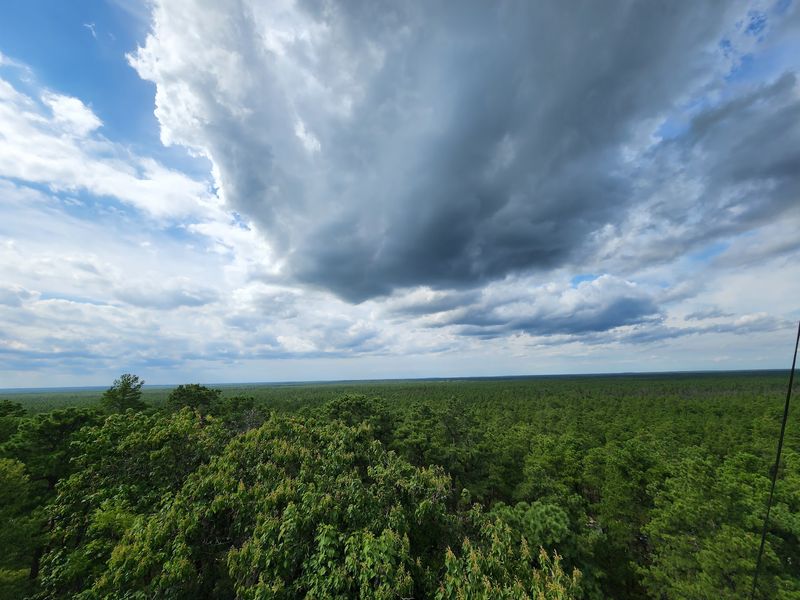
Over 124,000 acres of pines, rivers, and sand roads sit in one protected piece of South Jersey. That huge stretch is Wharton State Forest, the largest single tract of land in the New Jersey State Park System.
It spreads across parts of Burlington, Camden, and Atlantic counties. That’s a lot of ground for one park to cover.
The forest sits inside the Pinelands National Reserve, the wild heart of the area everyone calls the Pine Barrens. Think low pitch pines, sugar-sand trails, quiet lakes, and rivers the color of iced tea.
Here’s what makes it fun to explore. The park holds more than scenery, because it also guards a whole historic village, several campgrounds, and a lakeside swimming area.
Families can spend a full day here without running out of things to do. Paddlers, hikers, bikers, and history fans all get their own corners of the map.
Wharton State Forest also offers something that feels rare in such a busy state. It gives you real distance from traffic, noise, and strip malls.
For a state known for highways, that’s a pretty great surprise. And it all started with one man and a very big plan.
One Thirsty Plan From A Philadelphia Industrialist
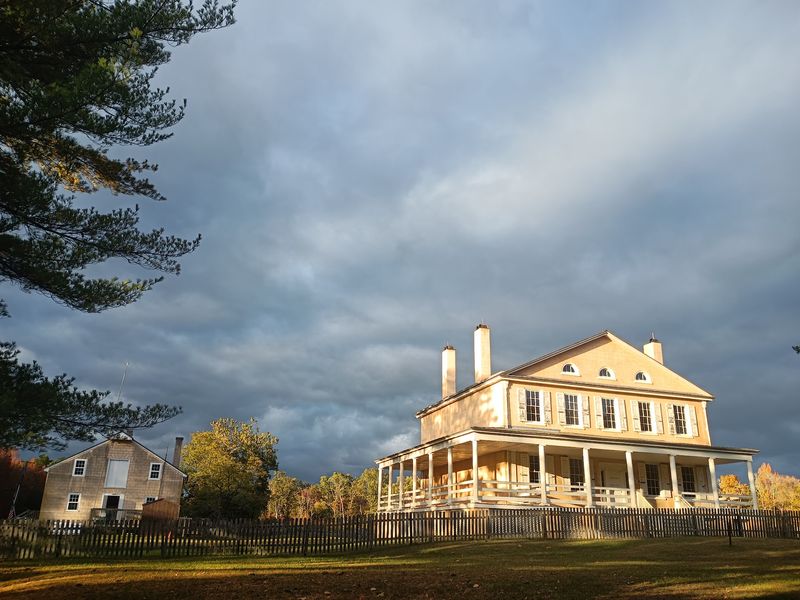
Joseph Wharton was not a man who thought small. The Philadelphia industrialist made his fortune in metals and later founded the Wharton School at the University of Pennsylvania.
In the 1870s, he turned his attention east across the Delaware River. He started buying land in the New Jersey Pinelands, piece after piece.
By the time he finished, his holdings reached somewhere around 96,000 to 100,000 acres. That’s a jaw-dropping amount of forest for one person to own.
So why did he want it? The answer sat right under his feet.
The Pine Barrens rest on top of an enormous supply of clean groundwater. Wharton saw a chance to tap that water and pipe it straight to Philadelphia for drinking.
Philadelphia needed cleaner water at the time. On paper, his idea probably looked like a smart business move.
He even picked up old iron and glass towns as part of the deal, including Batsto and Atsion. Those villages came with mills, homes, and plenty of history baked right in.
Of course, a plan that big needed one more thing to work. It needed New Jersey to go along with it.
The 1884 Law That Kept The Water At Home
New Jersey lawmakers had a simple answer for Wharton. In 1884, the state Legislature passed a law that banned exporting water out of New Jersey.
Just like that, the giant pipeline dream was dead in the water. Pun fully intended.
Wharton still owned all that land, though. He kept working it in other ways, including farming and other ventures across the property.
The big takeaway is what never happened. No massive water project drained the aquifer, and no huge development carved up the woods.
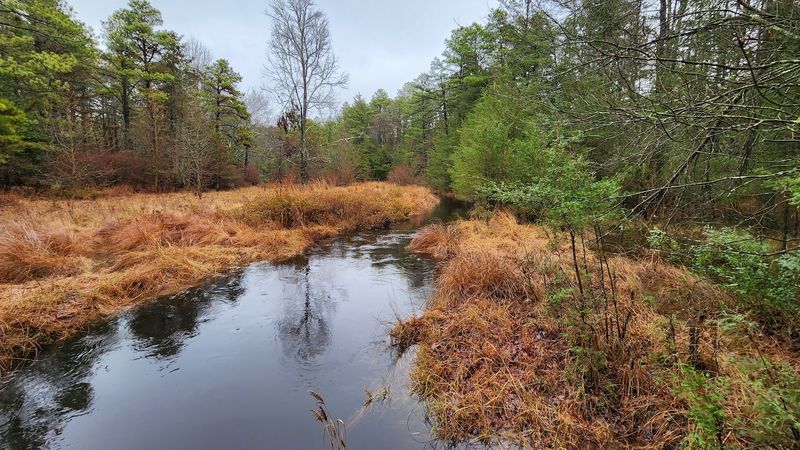
Instead, the forest stayed mostly wild for decades. The streams kept running clear and dark, stained by cedar and iron in the soil.
I find it oddly satisfying that a state law about water ended up saving trees. Nobody in 1884 was planning a public forest, yet that’s what the decision helped create.
It’s a good reminder that New Jersey has been protecting its natural side for a long time. The state’s reputation leans on highways and suburbs, but this story tells a different tale.
Every kayak trip and every trail walk here traces back to that choice. Not bad for one short law.
How A Private Estate Became Everyone’s Forest
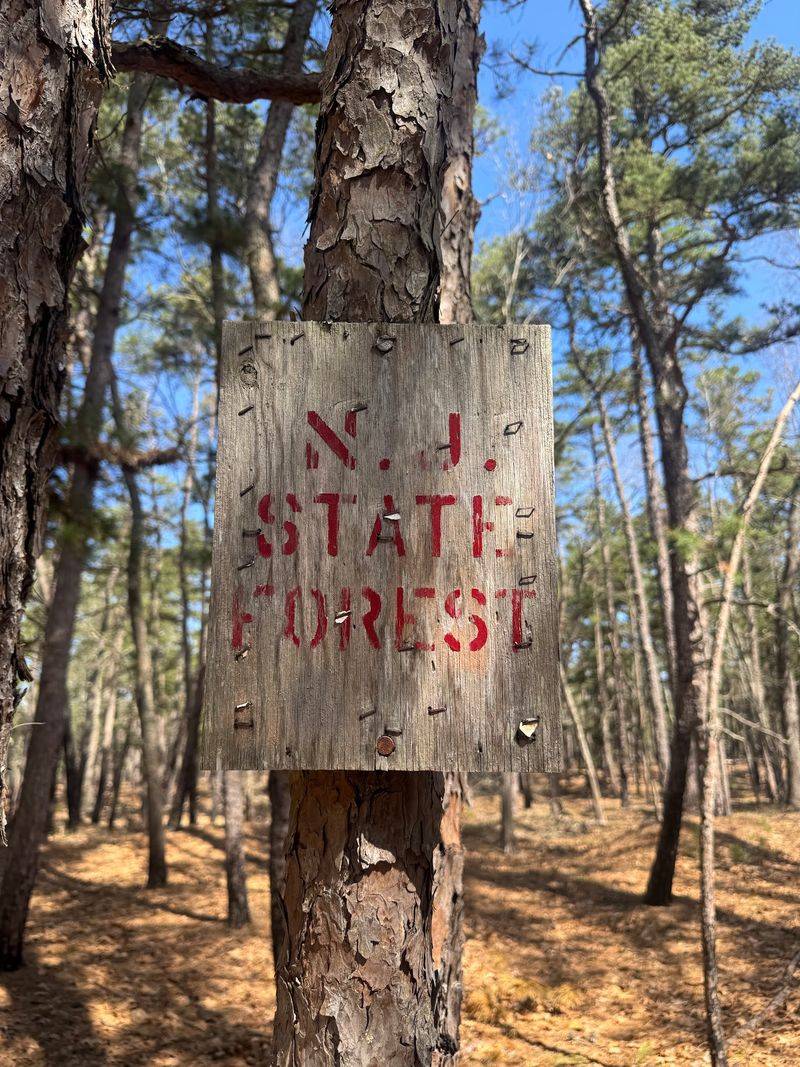
Joseph Wharton passed away in 1909. His estate held onto the huge property for decades after that.
Then, in the mid-1950s, the State of New Jersey stepped in and bought the land. The forest officially became Wharton State Forest, opening the door for the public.
Think about the timing. Postwar America was building suburbs at full speed, and open land was disappearing fast.
If the state had waited, this story might have ended with cul-de-sacs instead of cedar swamps. Thankfully, it didn’t.
The protection grew even stronger in 1978. That year, Congress created the Pinelands National Reserve, the country’s first national reserve of its kind.
Wharton State Forest became a central piece of that much bigger protected area. Its rivers, bogs, and pine woods now sit at the core of the reserve.
So the land went from a businessman’s water project to a private estate to a state forest. Each step kept it wild a little longer.
Today, anyone can drive in and explore it. For a place once meant to fill Philadelphia’s faucets, that’s a pretty happy ending.
An Old Iron Town Still Standing In The Pines
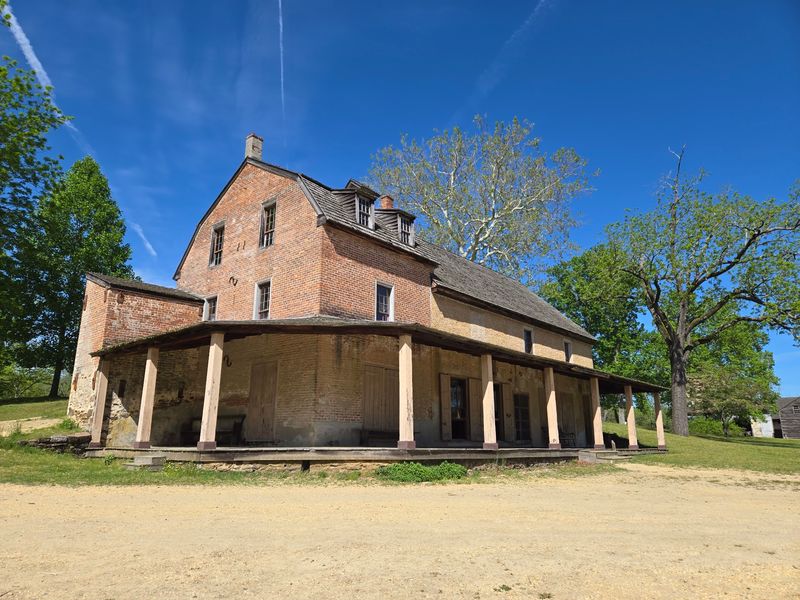
Long before Wharton showed up, Batsto was busy making iron. The village started as a bog iron operation in 1766 and later added glassmaking.
Bog iron came from deposits in the local streams and swamps. Workers turned it into goods that helped supply a growing young country.
Industry here wound down in the 1800s, and Wharton later bought the village. Today, Batsto Village is a preserved historic site inside Wharton State Forest.
You can find it at 31 Batsto Road, Hammonton, NJ 08037. The forest’s main office and visitor center share the same spot, which makes it a smart first stop.
More than 30 historic buildings still stand around the village. You’ll see workers’ homes, workshops, a sawmill, a gristmill, and more scattered near Batsto Lake.
Many buildings are open for a peek inside. Volunteers sometimes work in the small blacksmith shop, which makes for a fun bonus if you catch them.
Walking the village feels like flipping through an old South Jersey photo album. The difference is you get to stand right inside the pictures.
Kids especially tend to love exploring the little lanes. History lessons rarely come with this much fresh air.
A 36-Room Mansion And A Post Office That Still Works
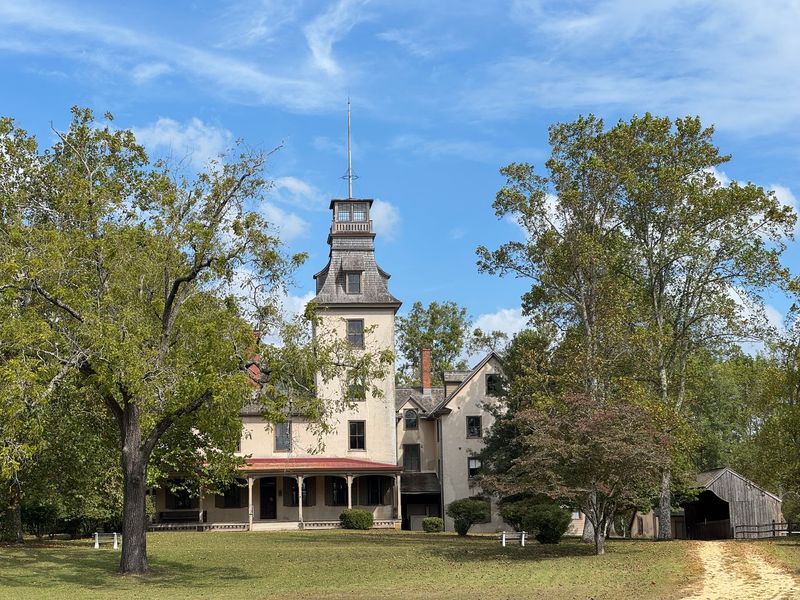
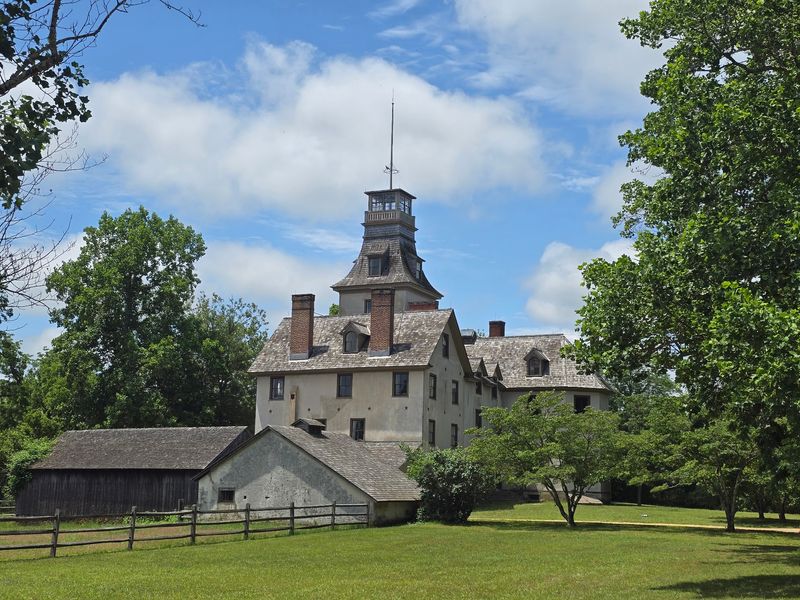
Thirty-six rooms. That’s the size of the grand Batsto Mansion, the showpiece of Batsto Village.
Wharton updated the house in the Italianate style, and its tall tower is hard to miss. It looks a little fancy for the middle of the pine woods, which is half the fun.
The mansion is open only through guided tours. Plan ahead if seeing the inside is high on your list.
Just steps away sits another favorite. The Batsto Post Office dates to 1852 and still operates today.
Yes, really. You can mail a postcard from a building that has handled letters for more than 170 years.
It’s a small, charming detail that kids and grown-ups both seem to get a kick out of. Sending a note home from here feels like a tiny time-travel trick.
The visitor center and a small museum round out the area. Exhibits help explain the village’s iron and glass past along with the wider Pinelands story.
Put it all together and you get a history stop with real personality. Between the tower, the tours, and the stamps, there’s plenty to talk about on the drive home.
Rivers The Color Of Iced Tea
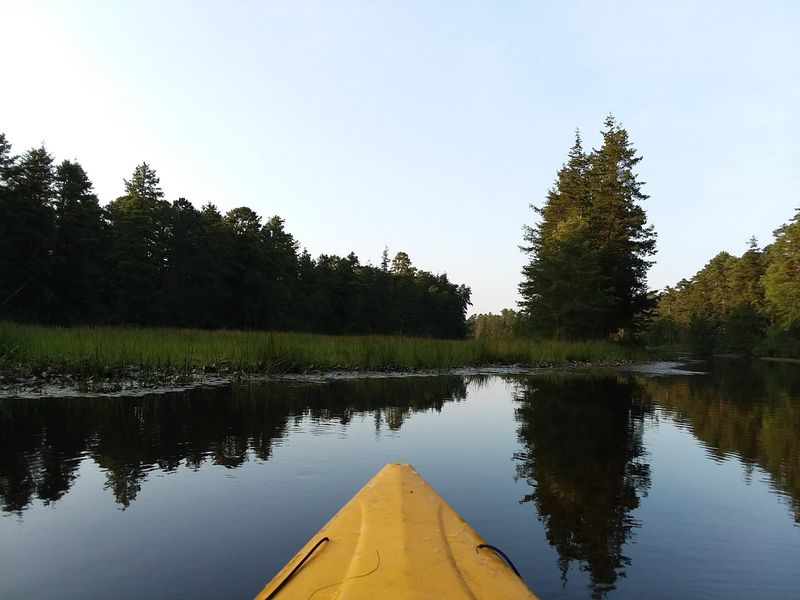
Dip a paddle in these rivers and the water looks like iced tea. That dark amber color comes from cedar and iron in the soil, and it’s completely natural.
Kayaking is one of the most talked-about activities in Wharton State Forest. The Mullica, Batsto, and Wading Rivers all wind through the park.
These are gentle, twisting waterways lined with pines and cedars. You’ll often see lily pads, turtles, and frogs along the banks.
Some paddlers even spot beavers or river otters. There are no promises, but keeping an eye on the shoreline is half the adventure.
Don’t own a boat? Local outfitters near the forest rent kayaks and canoes and can help with trip planning.
Atsion Lake is another popular place to paddle. It’s a calmer option for beginners or families with younger kids.
One smart habit is checking river conditions before you go. Fallen trees and obstructions can sometimes close sections, including parts of the Batsto River.
Once you’re on the water, the quiet takes over fast. The only sounds may be your paddle and the wind in the pines.
Fifty Miles Of Pink Blazes And Easy Woodland Walks
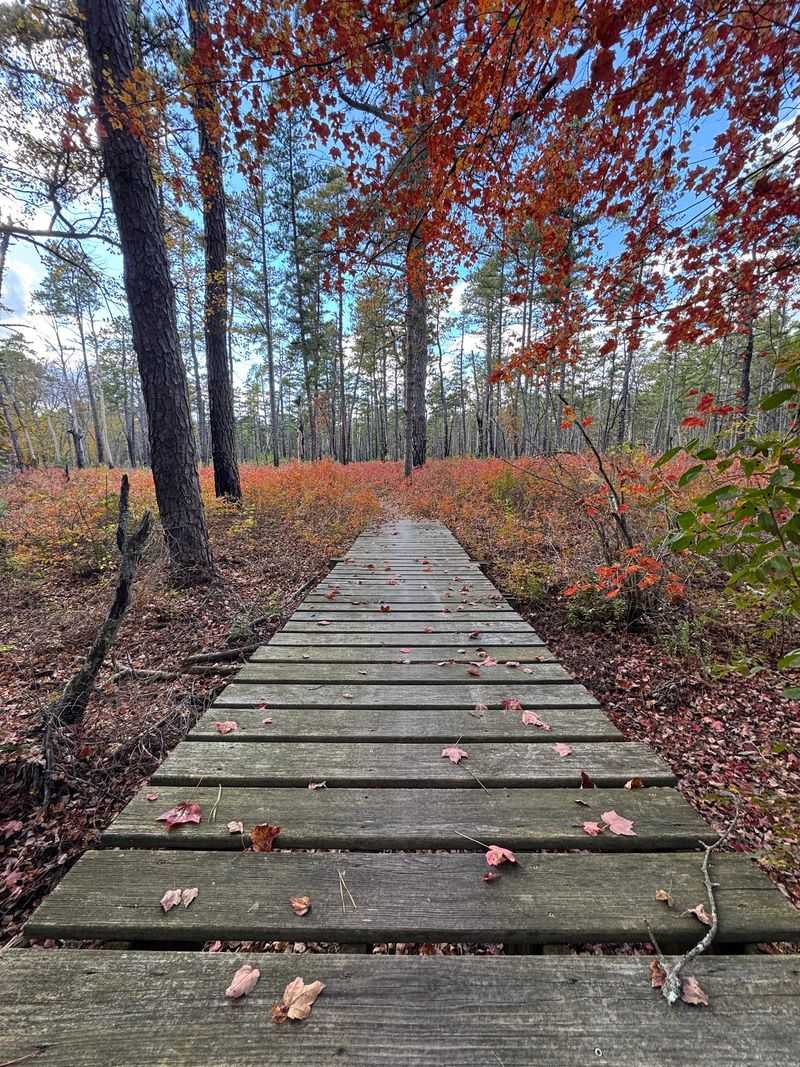
Follow the pink blazes and you could walk for days. The Batona Trail stretches over 50 miles and connects Wharton with nearby state forests.
Long-distance hikers love it for multi-day trips. Day-trippers can just pick a short section and turn around whenever they like.
The terrain is mostly flat and sandy. That makes many routes friendly for beginners, kids, and anyone easing back into hiking.
The Mullica River Trail is another standout. It follows the river and leads to the hike-in Mullica River wilderness campsite.
Near Batsto, shorter loops circle the lake and village area. They’re perfect when you want a stroll more than a workout.
Trail markers can sometimes be spaced far apart. Unmarked sand roads also cross many paths, so a map or trail app is a smart sidekick.
Ticks are common in the warmer months, so pack repellent. A quick check after your hike is always a good idea.
Bridges and conditions can change, too. It’s worth asking at the Batsto visitor center before setting out on a longer route.
Then just walk. The pines handle the scenery.
Hundreds Of Miles Of Sand Roads To Wander
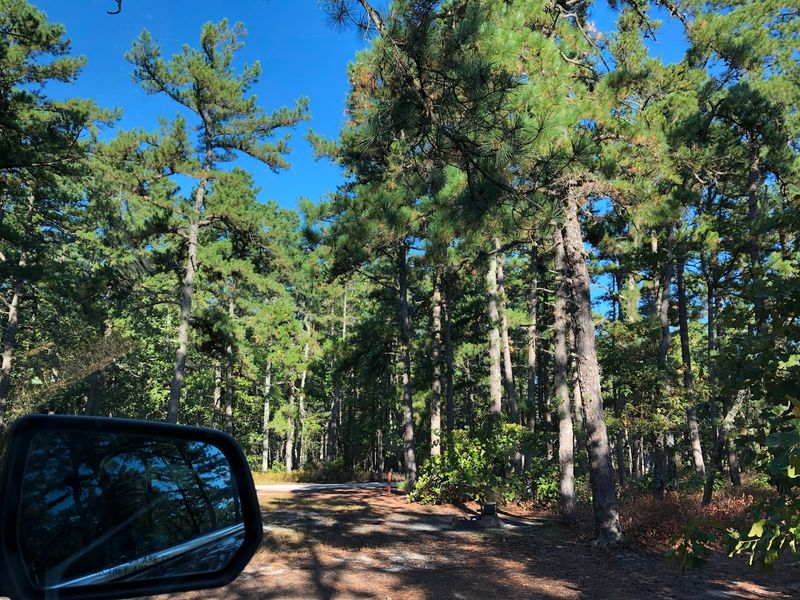
Roughly 500 miles of unpaved sand roads crisscross this forest. That’s more dirt road than many people drive in a year.
These old roads link villages, rivers, and campsites that once served the iron and lumber days. Today, they’re an open invitation for exploring.
Mountain bikers love them, and fat-tire bikes handle the soft sand especially well. Horseback riders use the roads and trails too.
Street-legal vehicles can travel many of these routes. Just know the sand can get deep and puddles can hide surprises.
Here’s a big rule worth remembering. ATVs, dirt bikes, and other vehicles that aren’t street legal are not allowed.
Driving off the established roads also damages the fragile Pinelands habitat. Rangers take that seriously, so stick to marked routes.
Wharton State Forest rewards slow travel on these paths. You may pass a quiet pond, a cedar swamp, or old railroad tracks.
A good map helps, since roads can look very similar. Cell service may also be spotty in parts of the forest.
Bring snacks, water, and patience. The sand roads are less about speed and more about seeing what’s around the next bend.
Summer Swims At A Sandy Lakeside Beach
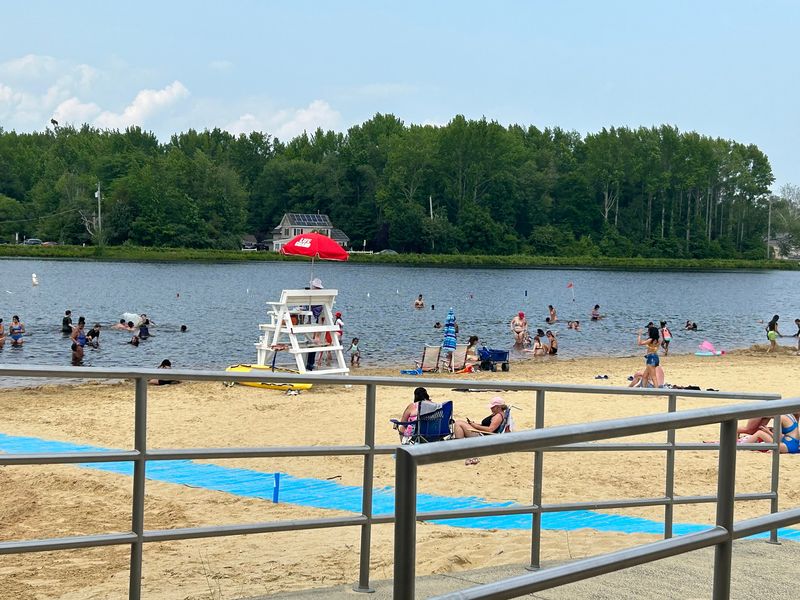
Sand, shade trees, and a lake the color of sweet tea. Atsion Recreation Area might be the most family-friendly corner of the whole forest.
It sits along Atsion Lake on the northern side of Wharton State Forest. In summer, lifeguards watch over a designated swimming area.
Picnic tables and charcoal grills make it easy to turn a swim into a full afternoon. Pack lunch and you’re all set.
There’s also an accessible playground for younger kids. A seasonal concession stand helps when snacks run low.
A parking fee applies during the summer season. Rates can change, so check the state park page before you head out.
The water’s tea color surprises first-timers. It’s the same natural cedar staining you’ll see in the forest’s rivers.
Atsion Lake is also a nice spot for paddling outside swimming areas. It’s calm and scenic, especially later in the day.
I like how this area balances wild and easy. You get a real Pine Barrens setting with bathrooms and a lifeguard nearby.
For families new to the Pinelands, it’s a gentle introduction. Nobody needs to rough it here.
Campsites For Every Comfort Level
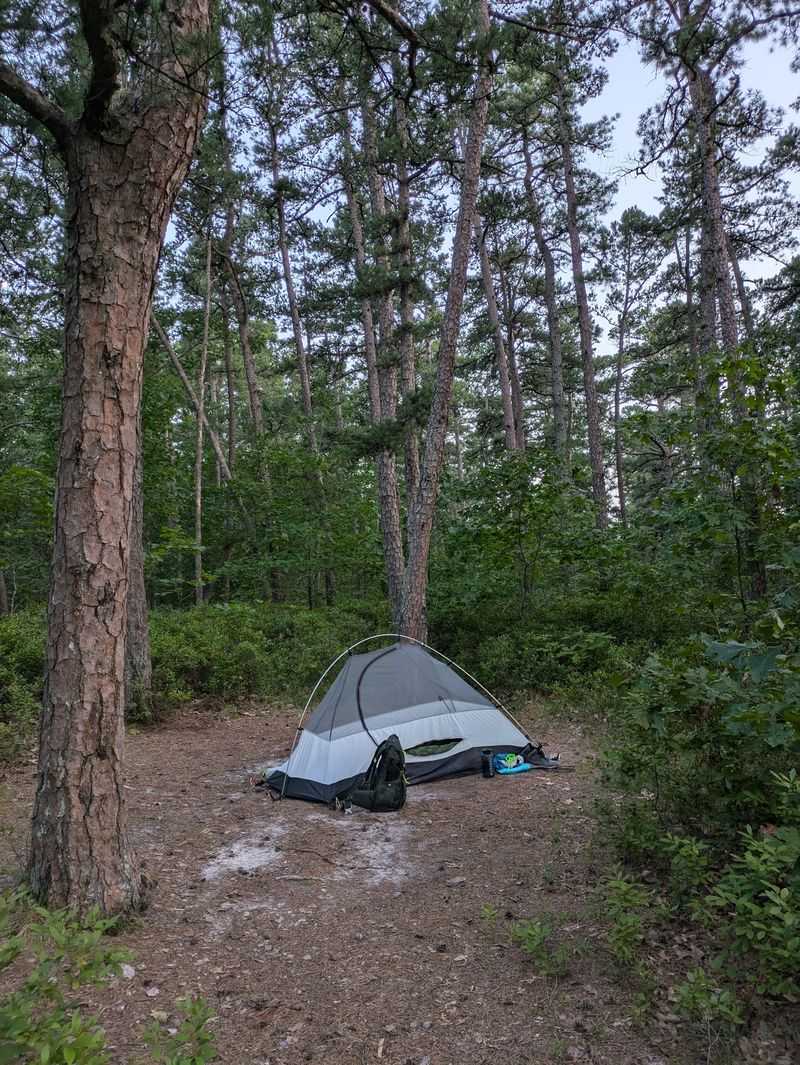
Some campers want showers. Others want a hike-in site with nothing but an outhouse and the river.
Wharton State Forest happens to offer both. Camping options range from family campgrounds to primitive wilderness spots.
Atsion Family Campground has tent and trailer sites near the lake. Some sites sit right on the water, and there are restrooms with showers.
There’s no electricity at the sites, so pack lanterns and charged batteries. Some spots can fit RVs, and some areas are pet friendly.
Goshen Pond Campground keeps things more rustic. Expect pit toilets and water pumps instead of fancy upgrades.
Then there are the true wilderness sites, like the Mullica River campsite. You’ll need to hike or paddle in, and you should plan your own water treatment.
Cabins near Atsion Lake add another option for anyone who’d rather skip the tent. They’re a cozy choice in cooler months.
Reservations are made online through the state system, and New Jersey residents usually pay less. Camping here tends to be very budget friendly.
For families on a tight budget, that’s a real win. A night under the pines doesn’t have to cost much.
Eagles Overhead And Otters In The Current
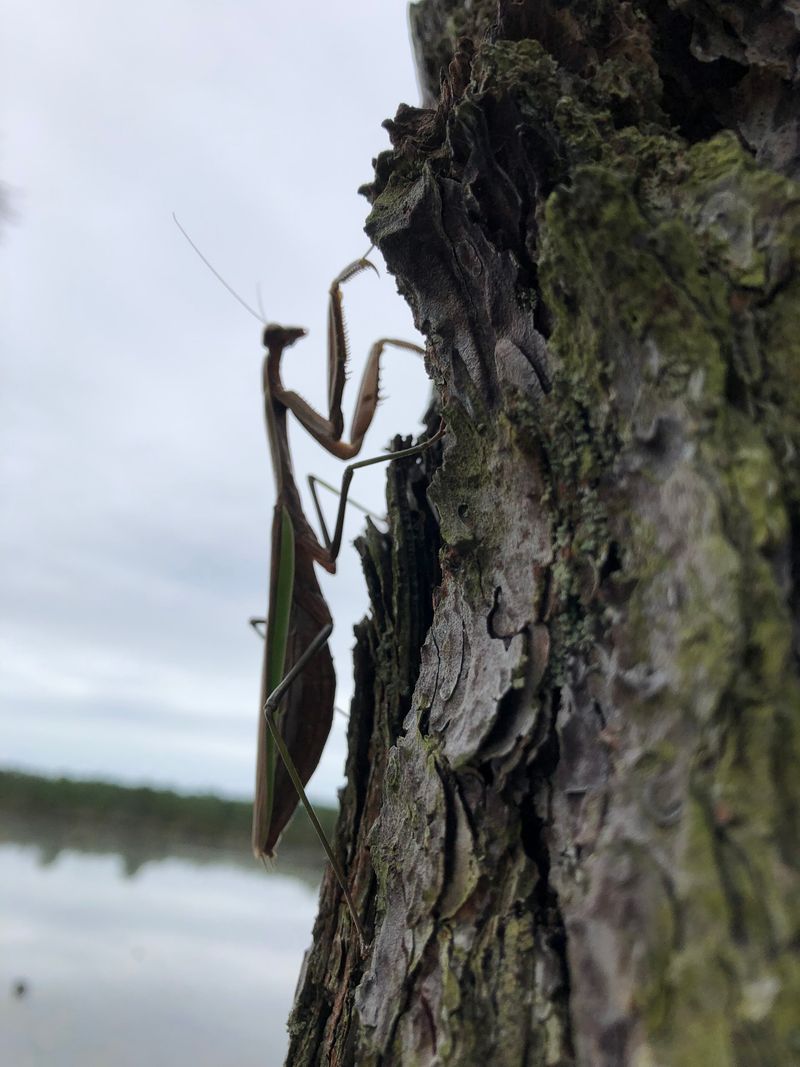
Look up and you might catch a bald eagle cruising over the river. Look down and a turtle may be sunning on a log.
Wildlife is a big part of the Wharton State Forest experience. The Pinelands support a mix of birds and animals you won’t find in most suburbs.
Ospreys, red-tailed hawks, and great blue herons can show up along the water. Binoculars earn their spot in your backpack here.
White-tailed deer often move through the woods, especially early and late in the day. Rabbits, frogs, and toads also keep things lively on the trails.
Along the rivers, beavers and river otters may make an appearance. Spotting either one feels like winning a small nature lottery.
Summer brings blooming water plants and lily pads to quiet coves. The scenery changes a lot depending on the season.
Bring tick repellent in warm weather, because ticks are common. Light-colored clothes and quick body checks help a lot.
Give animals plenty of space and keep food secure at camp. The forest is their home first.
Patience pays off out here. Sit quietly for a bit and see who shows up.
Plan Your Trip, Then Let The Pines Take Over
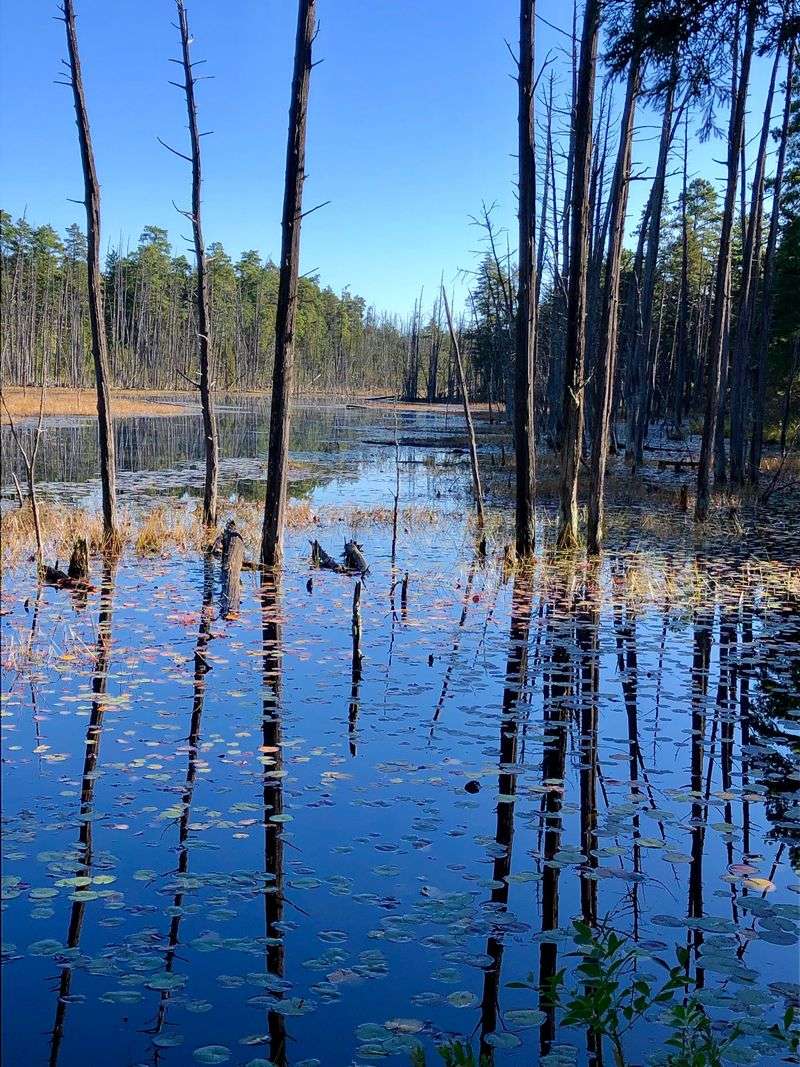
Start at Batsto, and the rest of the forest falls into place. The visitor center there is open year-round and is a great place to grab maps and ask questions.
Hammonton is the mailing address, but the forest spreads far beyond town. Some areas are a long drive from others, so plan your day by region.
Many outdoor areas are free to enter. Seasonal fees can apply at places like the Atsion swimming area and for camping.
Mansion tours and some programs may also have small costs or set schedules. Checking ahead keeps surprises to a minimum.
Pack water, snacks, bug spray, and sturdy shoes. Spotty cell service makes a paper map or downloaded trail map very handy.
So who will love it most? Families, paddlers, bikers, campers, history fans, and anyone craving a quiet South Jersey escape.
I can’t imagine a better reward from a failed business deal. One man wanted to bottle this land’s water, and New Jersey kept the whole forest instead.
That’s a trade worth celebrating with a long walk in the pines. Go see what Joseph Wharton accidentally left behind.