Some of the redwoods in this forest were already more than a thousand years old when the first Spanish missions went up in California. A few may have been saplings before the Roman Empire hit its peak.
That’s a lot of birthdays.
In 2020, a lightning-sparked fire swept through almost the entire park. It took the historic buildings, the old visitor center, and much of the forest floor.
Yet most of the old-growth giants are still standing.
I like how this place tells two stories at once. One is about patience measured in centuries.
The other is about a comeback still happening right now, with fresh green growth pushing up through charcoal.
I can’t imagine a better reminder of how old, and how stubborn, this state really is. So where exactly do these trees live, and can you still see them?
Where California’s Very First State Park Hides Out
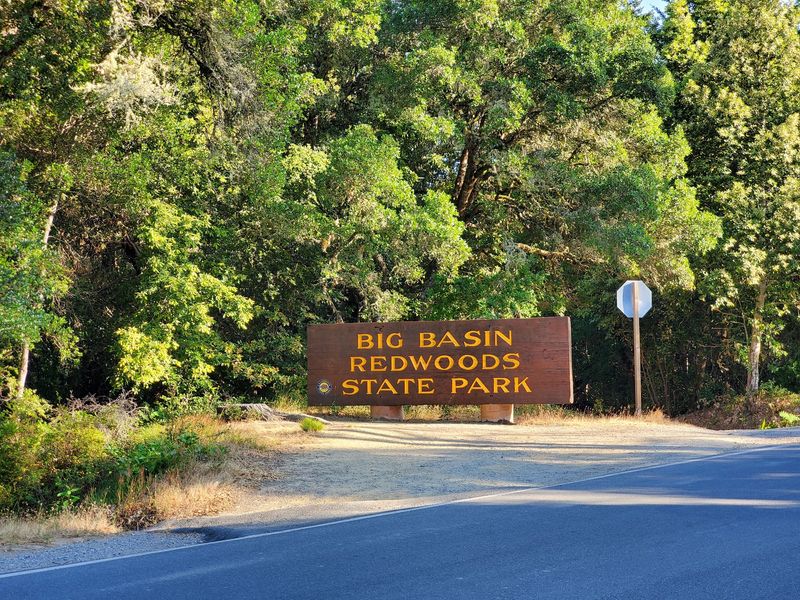
Big Basin Redwoods State Park sits deep in the Santa Cruz Mountains, above the small town of Boulder Creek. It holds the title of California’s oldest state park, a fact that still feels like a quiet bragging right.
The park protects the largest continuous stand of old-growth redwoods south of San Francisco. It also stretches from mountain ridges all the way down to the Pacific coast.
That reach is bigger than most people expect. Elevations climb from sea level to over 2,000 feet across roughly 18,000 acres.
Bay Area folks are lucky here. The park sits within close driving distance of San Jose and Santa Clara, so a morning decision can become an afternoon among giants.
Still, “close” comes with an asterisk. The roads wind through thick woods, and the drive is half the adventure.
Inside, you’ll find hiking trails, waterfalls, and room for backpacking and mountain biking where routes have reopened. There’s also a coastal section with ocean air and a very different personality.
Think of it as two parks sharing one name. Both are worth knowing, and both carry over a century of protection behind them.
The Photographer Who Started A Movement In 1902
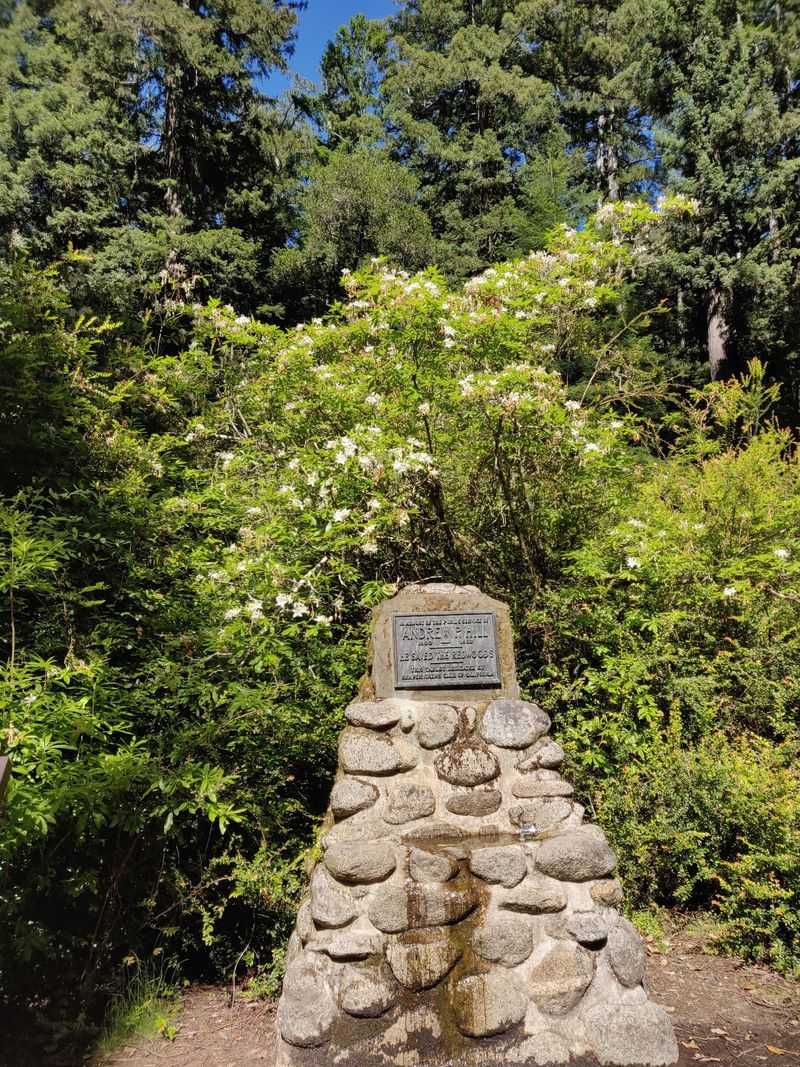
Logging crews were cutting through California’s redwood forests at the turn of the 20th century. A photographer named Andrew P.
Hill decided that simply would not do.
Hill joined forces with fellow activists who formed the Sempervirens Club. Their goal was bold for the era, protecting land for people instead of profit.
Their push paid off in 1902. Big Basin became California’s first state park, and the idea of public parks across the state grew from that moment.
Pause on that for a second. Every state park picnic you’ve ever enjoyed in California traces a line back to this forest.
The Sempervirens name itself comes from the coast redwood’s scientific name, Sequoia sempervirens. Fittingly, it roughly means ever-living.
That group’s work continues today as the Sempervirens Fund, which still supports land protection in the region. Few conservation efforts can claim that kind of staying power.
For heritage-minded Californians, this is the origin story worth retelling. It’s a reminder that preservation usually starts with a handful of stubborn people and a very good camera.
Not bad for a club named after a tree.
Trees That Were Old Before The Missions Rang A Single Bell
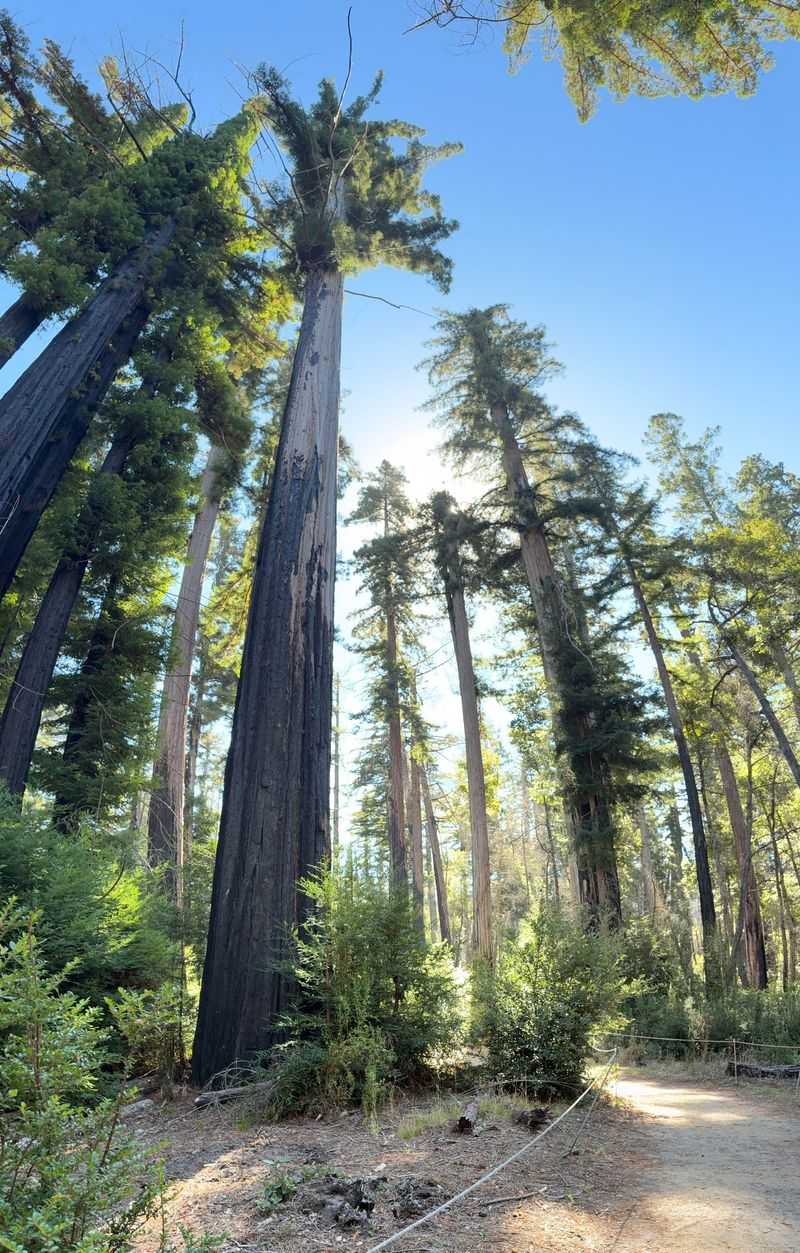
Here’s a number to chew on. Some redwoods in Big Basin are estimated at 1,000 to 2,500 years old.
California’s Spanish missions arrived in the late 1700s. By then, these trees had already been growing for centuries upon centuries.
Many of the coast redwoods here rise more than 300 feet tall. Some measure over 50 feet around at the base.
Try hugging one. You’ll need several friends and a lot of patience.
Coast redwoods thrive in this region partly because of fog drifting in from the Pacific. Those mountain canyons hold moisture that the giants happily soak up.
Standing beside a trunk this wide does strange things to your sense of time. Your car payment suddenly feels very small.
The bark is thick and fibrous, which helps explain how so many of these trees have weathered fire over their long lives. They’ve seen plenty of history, and they’ve stayed rooted through it.
For anyone who loves old things, this is the ultimate antique collection. No price tags, no glass cases, just living history reaching for the sky.
An Easy Loop Packed With The Biggest Showstoppers
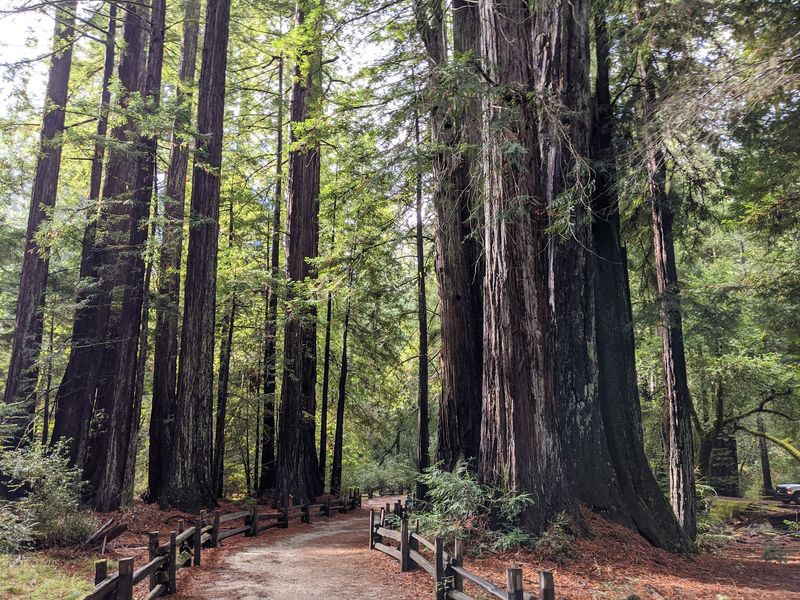
Short legs, tired legs, or just curious legs, the Redwood Loop Trail welcomes them all. It’s a flat, accessible 0.6-mile loop.
Don’t let the modest length fool your expectations. The loop guides you to some of the park’s largest and most ancient trees.
That makes it the perfect starting point for first-timers. You get the big redwood moment without committing your whole afternoon.
Families with little hikers will appreciate the gentle grade. Grandparents who want the view without the climb will, too.
Along the way, you’ll see how the giants have pushed through recent hardship. Scorched bark sits beside fresh growth, which makes the walk feel like a living lesson.
Interpretive information helps tell the story as you go. You learn a lot simply by strolling.
Watch your step for banana slugs, the bright yellow forest residents that love damp redwood floors. They move slowly, so you’ll have plenty of time to admire them.
Many visitors make this loop their entire trip. Others treat it as a warm-up before tackling longer trails, and honestly, both plans work beautifully.
August 2020 Changed Everything Overnight
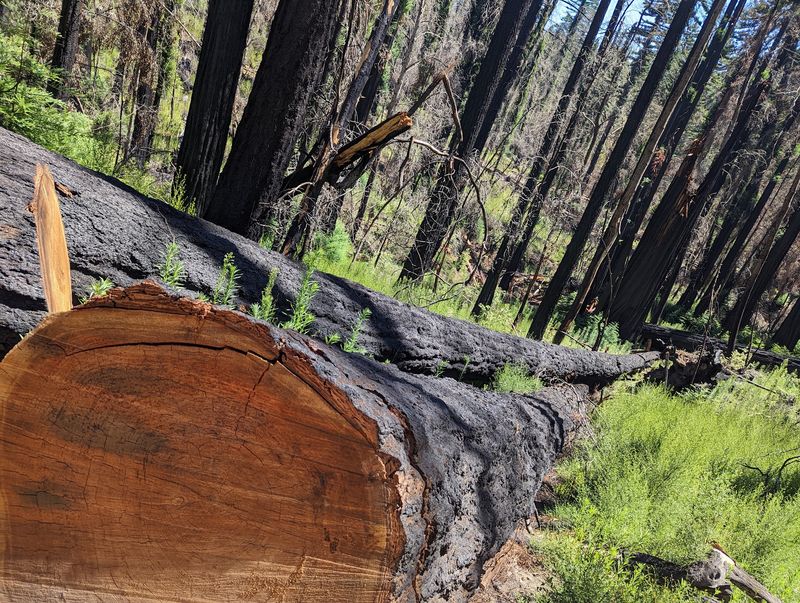
Lightning started it. In August 2020, the CZU Lightning Complex Fire swept through Big Basin and touched about 97 percent of the park.
The damage was heavy. All the historic structures burned, including the original visitor center that generations of Californians remembered from childhood trips.
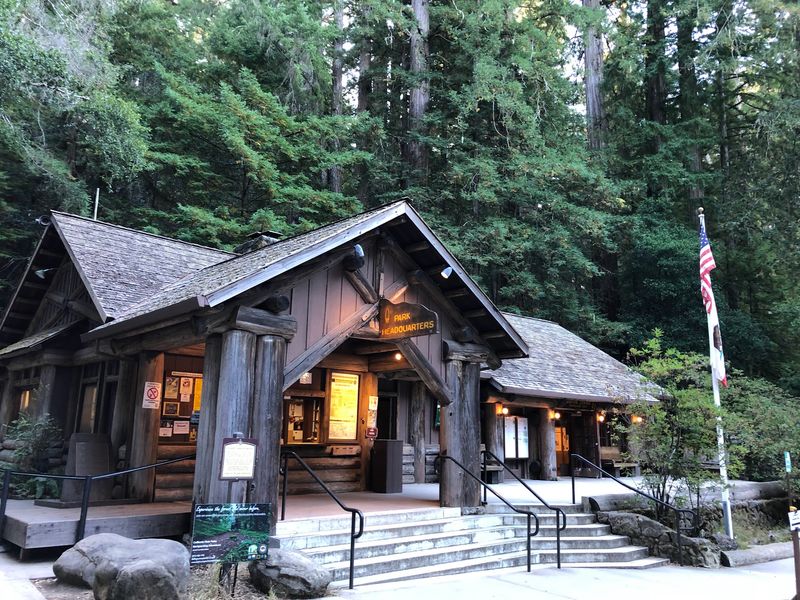
If you grew up with Big Basin postcards, that loss stings. The old park headquarters was part of so many family memories.
Yet the redwoods had other plans. Most of the old-growth trees survived the flames.
That resilience comes from thick bark and an ability to sprout fresh growth from their trunks. Burned giants now wear fuzzy green shoots like new sweaters.
Charcoal still marks much of the forest. Expect blackened trunks and darker ground in many spots.
That also means you may get a little sooty. Shoes and clothing you don’t mind getting dirty are a smart choice.
Seeing the fire’s mark up close is sobering. Seeing the forest answer back is downright inspiring, and that combination makes a visit today unlike any visit before 2020.
A Comeback Story You Can Watch Unfold
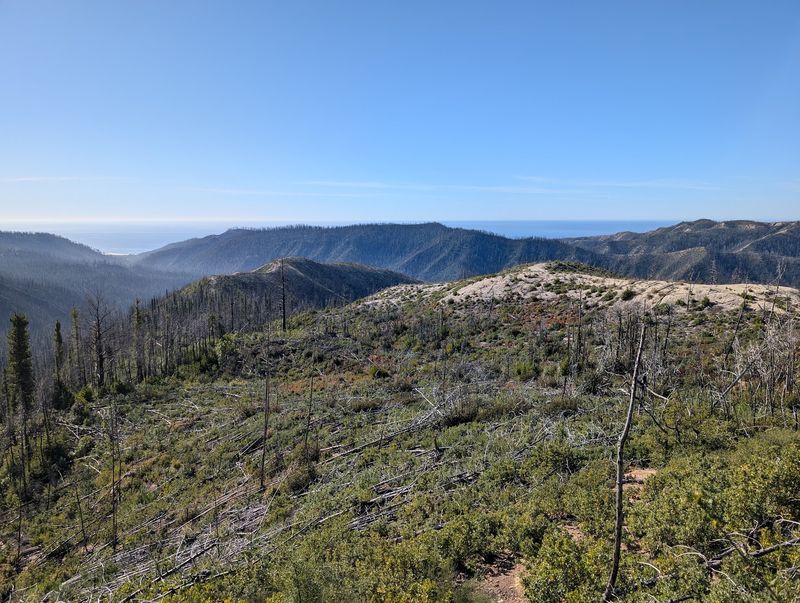
New plants are sprouting all over the burn areas. Animals have returned, and the forest feels busier every season.
Watching recovery happen in real time is rare. Big Basin Redwoods State Park offers exactly that chance.
The canopy is still filling back in. So more sunlight reaches the trails than in the old days.
That shift brings bright patches to places once deep in shade. Sunscreen suddenly belongs in your redwood packing list.
Spring can bring especially lush greenery as moss and new growth flourish. Some years may even bring big bursts of butterflies along the trails.
Of course, nature keeps its own schedule. Sightings vary, which makes every visit a little different.
California State Parks has been working through a long-term rebuilding effort. The process is about planning thoughtfully for the park’s next hundred years, not rushing.
There’s something hopeful about arriving mid-chapter. Return next year, and the forest will have written a few more pages.
For returning visitors, the contrast between before and now can feel emotional. For newcomers, it’s a front-row seat to how ancient forests heal.
Skyline To The Sea And Other Trails Waking Back Up
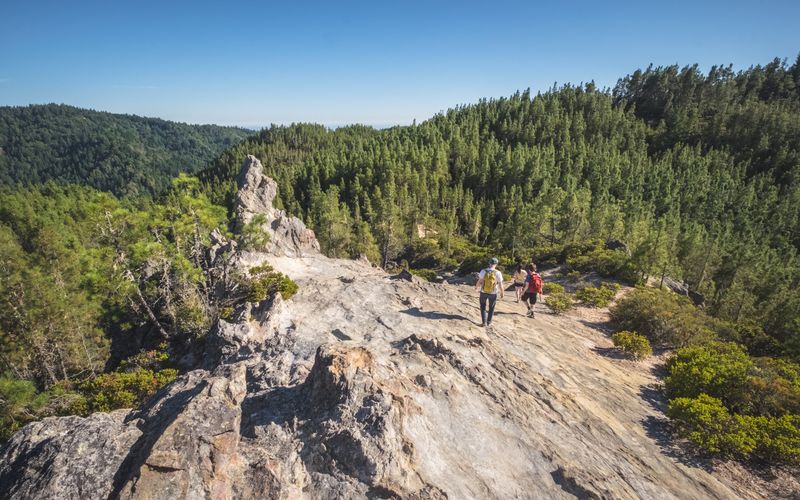
The Skyline to the Sea Trail ranks among the most famous routes in the Santa Cruz Mountains. As the name promises, it ultimately reaches the Pacific Ocean.
Segments of it are now open again inside Big Basin. That’s welcome news for longtime hikers.
Other trails have reopened too, including the Dool Trail and Meteor Trail. Each one widens your range across the recovering landscape.
Moderate hikers should feel comfortable on many routes. The paths are generally well maintained and clearly marked.
Want a view? The Ocean View Summit can offer a great look toward the Pacific on a clear day.
Fog loves this region, so that view depends on the weather. Consider it a bonus rather than a guarantee.
Warm days can make longer hikes tougher than expected. Bring water and snacks, even for routes that look short on paper.
Trail openings keep changing as restoration continues. Checking the California State Parks site for current conditions before you go saves disappointment.
Rangers are also a great resource. Ask which trail fits your energy level that day.
Waterfalls Worth Every Uphill Step
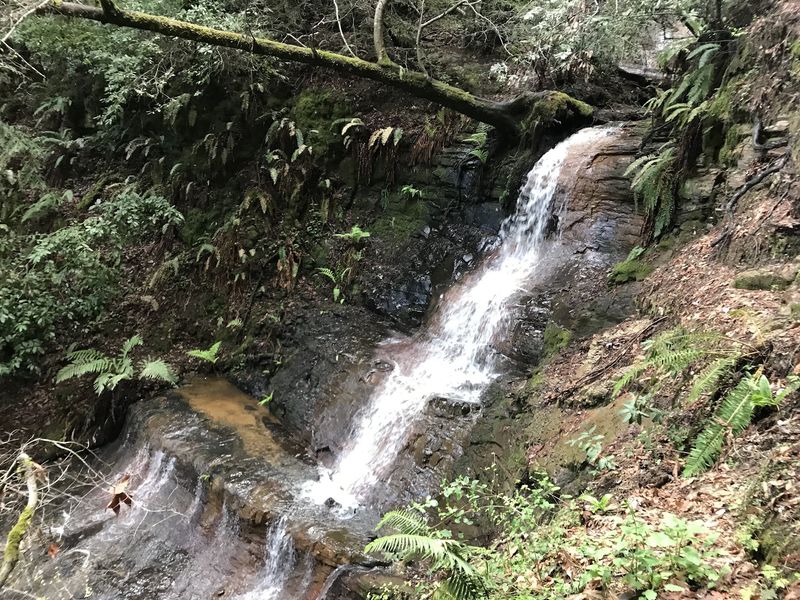
Water tumbling through a redwood canyon is a sound that sticks with you. Big Basin has several waterfalls tucked along its trails.
Sempervirens Falls is one of the recent reopenings. Its name nods to the club that helped save this forest.
That’s a lovely bit of symmetry. The falls honor the people who made it possible for you to stand there.
Waterfalls depend on rainfall, of course. Wetter months and spring often bring stronger flows, while dry spells can slow them down.
Mossy rocks and fallen logs often frame these spots. On damp days, everything glows green.
Some waterfall routes take real effort. The reward feels sweeter when you’ve earned it with a climb.
Keep an eye on trail status before choosing a waterfall hike. Not every route has reopened since the fire.
Also expect mosquitoes during the day in certain seasons. A bit of repellent can keep the experience pleasant.
Pack a snack and linger a few minutes. Falling water and ancient trees make a calming combination, and nobody’s timing your break out here.
Banana Slugs, Bobcats, And A Chorus Of Jays
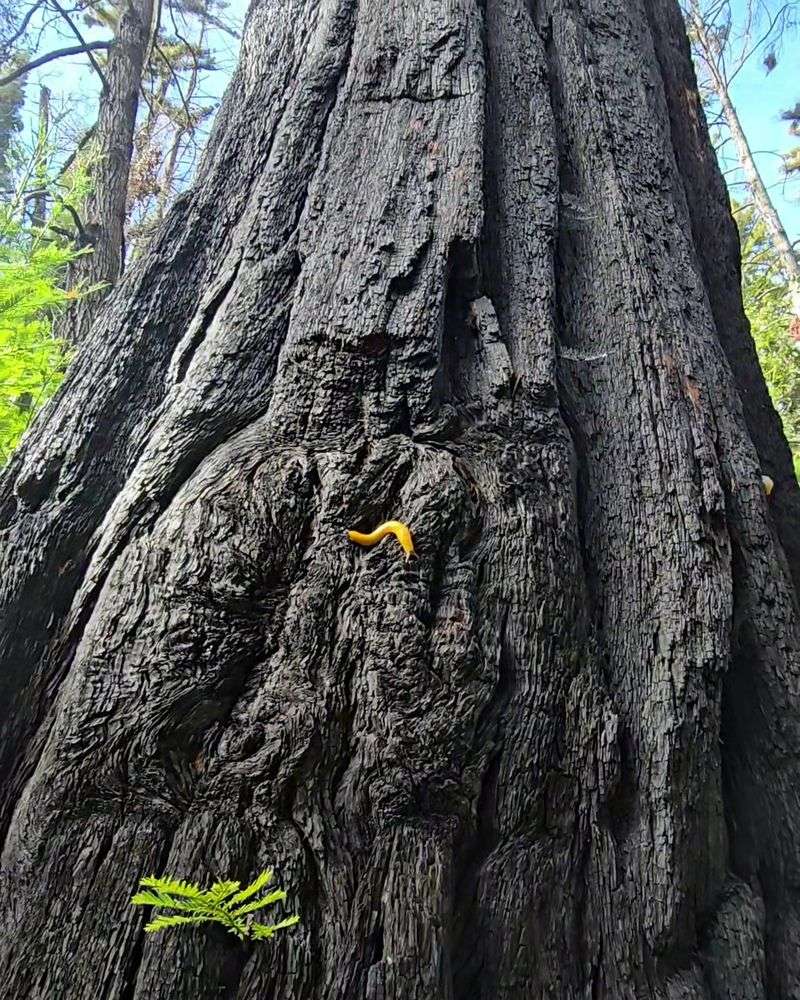
Bright yellow and gloriously slow, the banana slug might be the park’s unofficial mascot. These damp-loving creatures often appear along redwood trails.
Watch your feet. They’re easy to miss until one is right beside your shoe.
Bigger residents roam here too. Deer, raccoons, and even bobcats call the park home.
Bobcats tend to be shy, so spotting one may take luck. Deer sightings can be more common.
Birders have plenty to enjoy. Steller’s jays, acorn woodpeckers, and dark-eyed juncos are among the species found here.
Steller’s jays make themselves known with bold calls. Quiet they are not.
Habitat variety is the secret behind all this life. Big Basin includes damp canyon bottoms, chaparral-covered slopes, and coastal areas.
That range turns the park into an outdoor classroom. Kids can learn how one park holds many neighborhoods for wildlife.
Bring binoculars if you have them. A field guide or bird app downloaded ahead of time helps, especially since signal disappears fast in these mountains.
Rancho del Oso Brings The Ocean Into The Picture
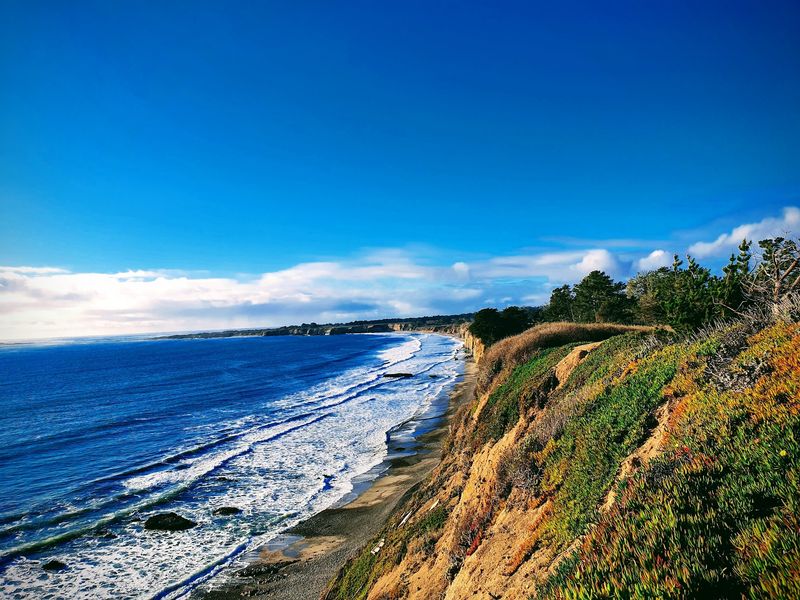
Ocean breezes instead of mountain shade? That’s the vibe at Rancho del Oso, Big Basin’s coastal section.
It sits about 17 miles north of Santa Cruz off Highway 1. Waddell State Beach lies just across the highway.
Rancho del Oso is the low end of the park, right at sea level. From here, the land climbs toward the redwood ridges.
A Nature and History Center offers insight into local ecosystems. It also shares the cultural history of this stretch of coast.
Here, the forest meets coastal habitat. The contrast with the inland groves feels like visiting a different park entirely.
Limited walk-in and bike-in camping is available in this section. It’s currently the only camping option within Big Basin.
That makes it special for overnight fans. You’ll want to plan ahead and check availability.
Road-trippers cruising Highway 1 can easily fold it into a coastal day. It pairs nicely with a beach stop or a drive toward Año Nuevo.
Hikers finishing Skyline to the Sea also aim for this area. Mountains to ocean in one trail is a pretty great bragging right.
Rangers, A Nature Hut, And Hands-On Fun For Kids
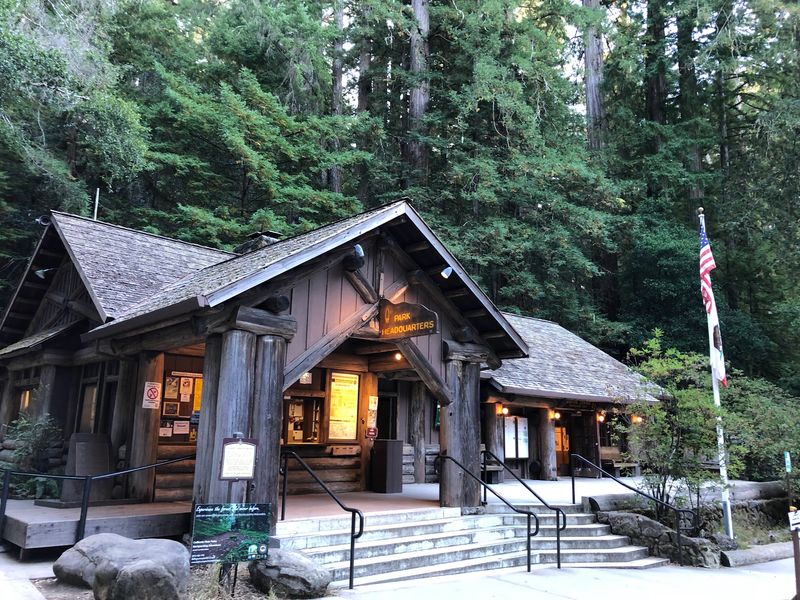
Kids tend to remember the hands-on stuff. Big Basin’s interim Visitor Center includes kid-friendly exhibits that make learning feel like play.
Staff and rangers there provide essential park information. They can point you toward trails that match your group.
That ranger advice is gold. Conditions change as the park rebuilds, and they know the latest details.
There’s also plenty of information about the 2020 wildfires along the way. Curious minds get the full story of loss and recovery.
Temporary restrooms and handwashing stations are available. Picnic areas offer a spot for lunch among the trees.
Don’t expect a full restaurant or big gift shop right now. Packing your own food is the way to go.
Dog owners need a plan. Leashed dogs are allowed in parking areas, picnic sites, and on paved roads.
Dogs are not permitted on any trails. That rule protects wildlife and the recovering habitat.
For families, the combination works well. A short loop, a nature exhibit, and a picnic make an easy, memorable day without wearing anyone out.
Reserve That Parking Spot Before Anything Else
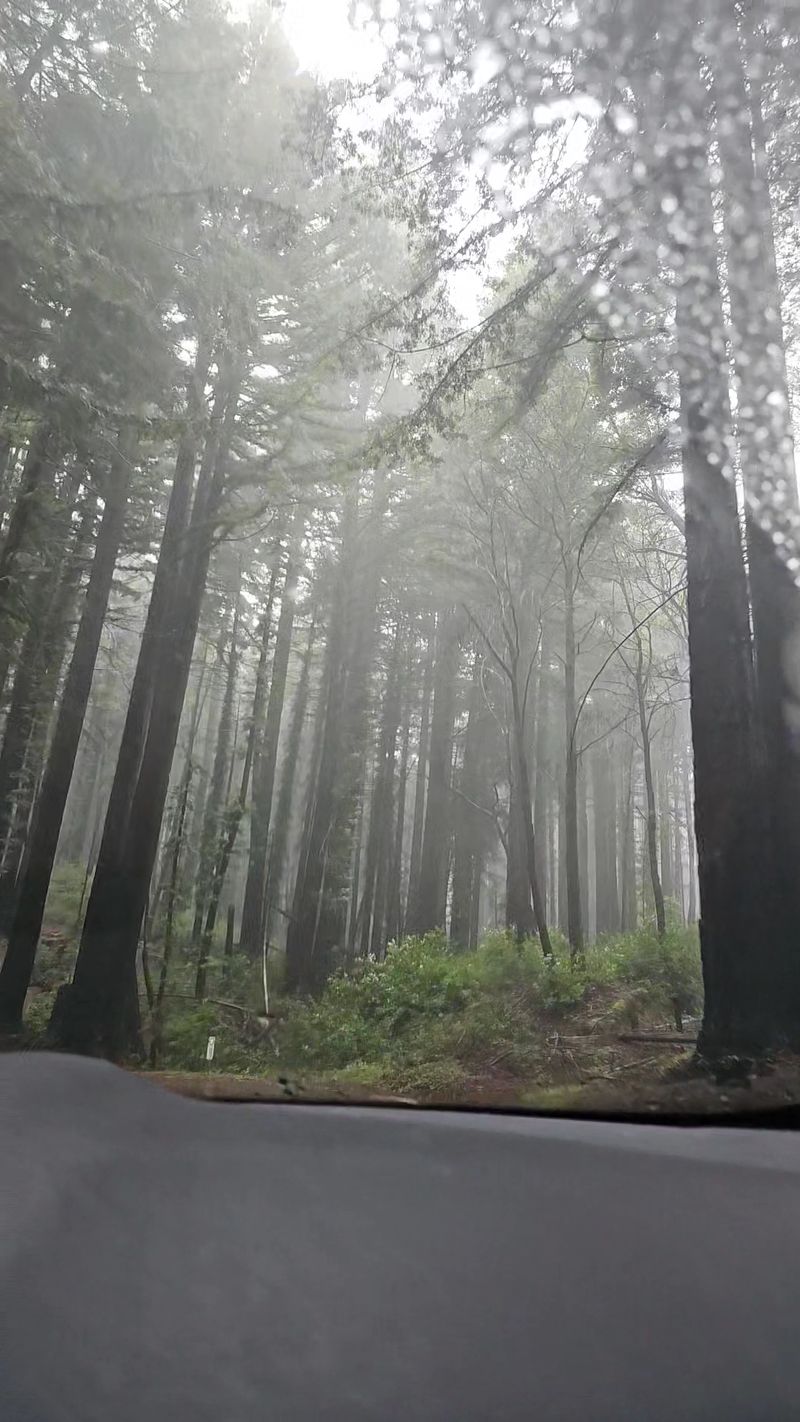
Parking is the make-or-break detail here. Day-use parking reservations are strongly encouraged because spaces are limited.
Reservations go through the California State Parks reservation system. Booking ahead can save you a long drive and a disappointing U-turn.
The fee is modest and covers both parking and reservation costs. Your payment helps support the park’s ongoing recovery.
Big Basin is currently open for limited day use. Hours run from 8 a.m. to sunset.
Summer brings an extra option. From Memorial Day Weekend through Labor Day Weekend, a free shuttle runs on weekends and holidays from the Saddle Mountain overflow lot.
That shuttle can be a lifesaver on busy days. It delivers visitors to the main day-use area.
Weekdays may feel calmer than weekends. Midweek visits can mean fewer people on the trails.
Arrival on time matters, too. Showing up near your reservation window keeps the day relaxed.
Think of the reservation as your golden ticket. Secure it first, then plan everything else around those ancient trees.
Winding Roads, No Signal, And Water You Must Bring
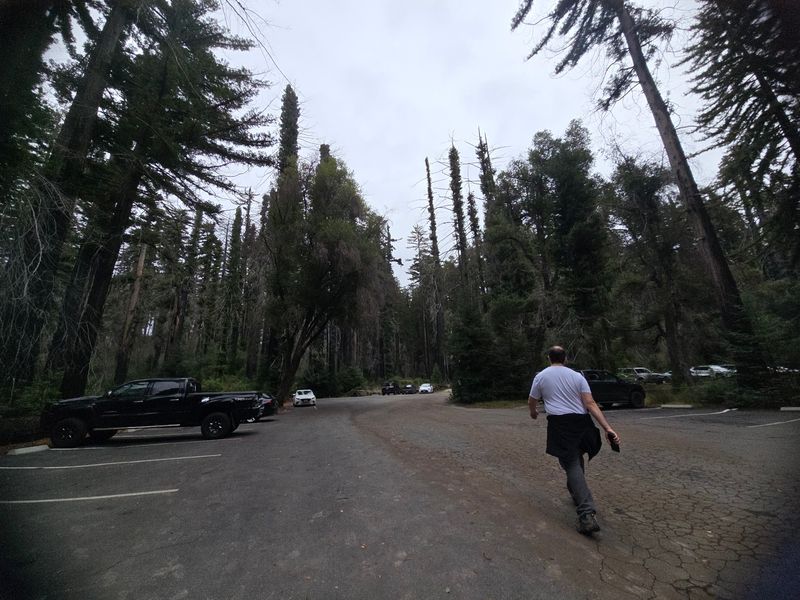
Getting there is a scenic workout for your steering wheel. The roads twist through thick woods in the Santa Cruz Mountains.
The park’s address is 20580 Big Basin Way, Boulder Creek, CA 95006. Set it in your navigation before you leave town.
Here’s why that matters. Cell service and GPS can disappear as you get closer.
Download maps in advance. Trail maps on your phone only help if they’re already saved.
Water is another must. There’s no drinking water available in the park, so bring enough for everyone.
Hot days make that even more important. Some trails become tougher when temperatures climb.
Sturdy shoes are smart for the terrain. Charcoal and dirt can leave a mark, so skip your nicest sneakers.
Sunscreen and bug repellent round out the list. The thinner canopy lets in sun, and mosquitoes can show up during the day.
A small daypack handles all of it. Snacks, layers, water, and a printed map make a strong team.
Prepare well, and the drive becomes part of the fun rather than a stress test.
Why This Old Forest Still Deserves Your Saturday
Few places in California let you touch both deep history and fresh beginnings on the same walk. Big Basin Redwoods State Park does exactly that.
The trees here were ancient long before the missions arrived. The forest floor around them is brand-new, still greening after 2020.
That mix makes now a meaningful time to visit. You’re seeing a chapter that future visitors will only read about.
The park suits plenty of people. Families, casual walkers, serious hikers, birders, and history fans all find something worth the drive.
It also fits Bay Area day-trippers beautifully. A morning drive can lead to an afternoon among living legends.
Spring often brings lush greenery and active wildlife. Summer adds shuttle access on weekends and holidays.
Services are limited while rebuilding continues. A little planning goes a long way.
With a 4.8-star rating on Google from thousands of reviews, the appeal clearly hasn’t faded. The giants are still standing, and they’re patient.
Book that parking spot, fill those water bottles, and go say hello. These trees have waited centuries, so a weekend visit seems only polite.