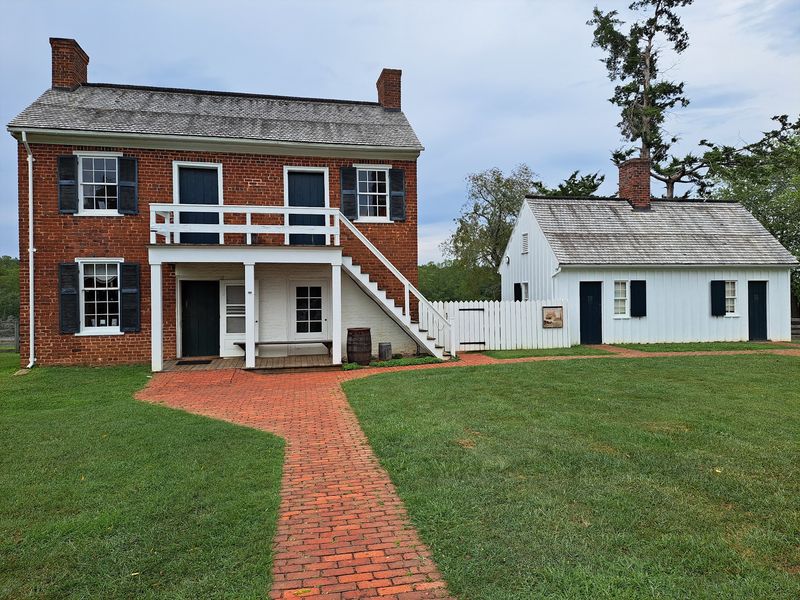
The house where Robert E. Lee met Ulysses S.
Grant in April 1865 is still standing, and you can walk right up to it for free. No ticket booth, no entrance fee, and nobody asking for your card at the gate.
The whole village around it survives too. Dirt lanes, a courthouse, a tavern, and quiet homes sit in the Virginia countryside looking much like they did that spring.
I love that this place doesn’t feel like a museum behind glass. You stroll between buildings, read the markers, and maybe catch a ranger mid-story or musicians in period clothes.
I can’t imagine a better way to spend an afternoon with someone who claims history is boring. The real question is how long you can stay before closing time nudges you back to your car.
A Whole Village Frozen Three Miles Outside Town
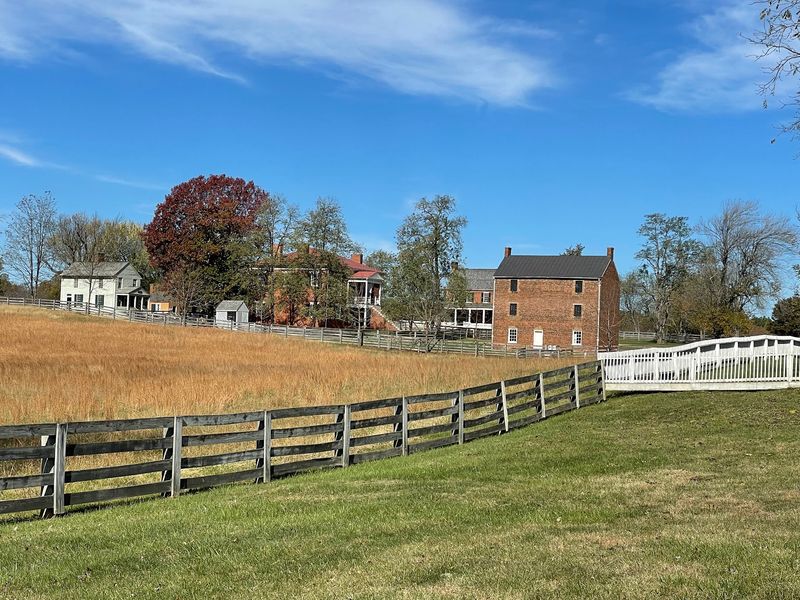
Three miles east of the modern town of Appomattox, a much older version of the place waits along Route 24. Appomattox Court House National Historical Park preserves the original village where a nation’s story turned a sharp corner.
It isn’t one monument on a hill. It’s an entire small community of homes, businesses, and a tavern, spread along country lanes you can wander at your own pace.
The name trips people up at first, and that’s understandable. Appomattox Court House was the name of the village itself, not just a single building inside it.
So when you hear that something happened at Appomattox Court House, think of a whole town square. The courthouse was there, sure, but the famous meeting took place in a private home down the road.
The park sits in central Virginia, an easy detour off U.S. Highway 460.
It works as a full-day outing or a satisfying road trip stop with room to stretch your legs.
And the best part fits right in the headline. Admission costs exactly nothing, which makes the history feel even richer somehow.
The April Afternoon That Changed Everything
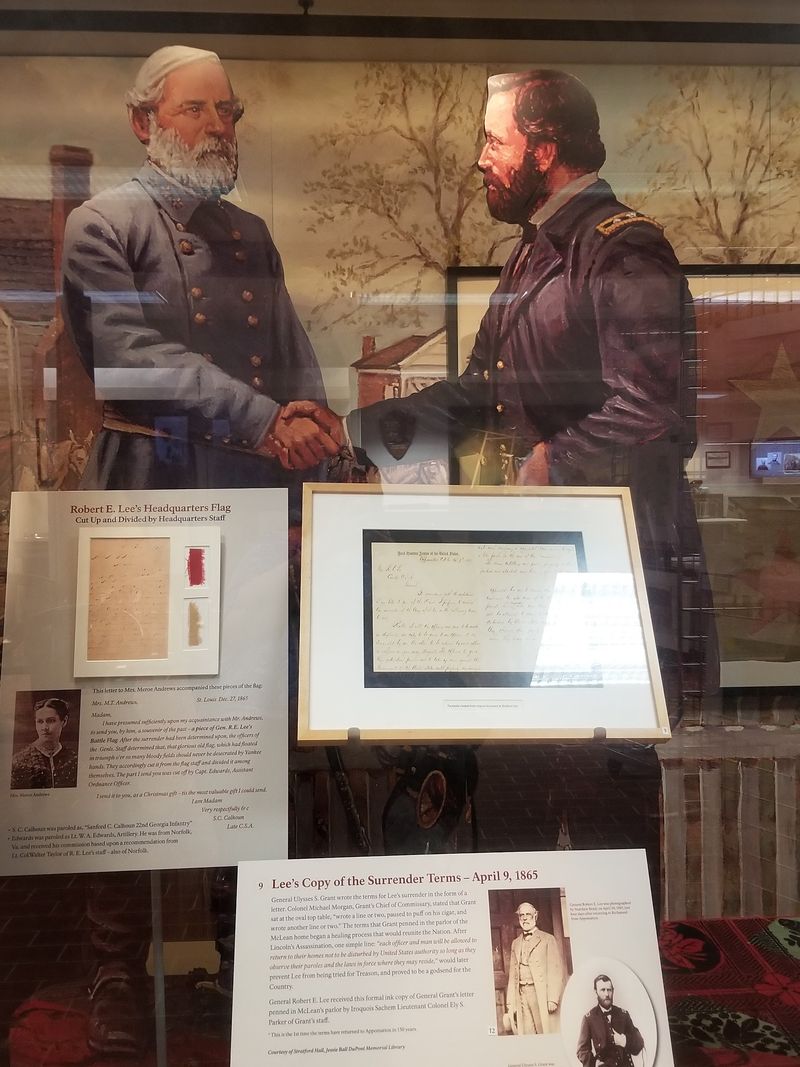
April 9, 1865, is the date that anchors everything here. On that day, Confederate General Robert E.
Lee surrendered the Army of Northern Virginia to Union General Ulysses S. Grant.
That single meeting effectively ended the fighting between North and South. Few small villages can claim a moment that large, and this one wears it quietly.
What makes the story land is the setting. This wasn’t a grand capital or a fancy hall, just a modest Virginia village going about its ordinary business.
Then suddenly two of the most famous men in American history arrived in its parlors and lanes. Residents had front-row seats to something they probably never expected.
The park doesn’t stop the story at the signatures, either. Exhibits and programs follow what came next, including the Reconstruction years that reshaped life in Appomattox.
I appreciate that wider lens a lot. It turns a famous handshake into a fuller picture of real people figuring out a new future together.
Knowing the date before you arrive helps. Every building you pass suddenly feels like a witness.
Old Country Lanes That Still Look Like 1865
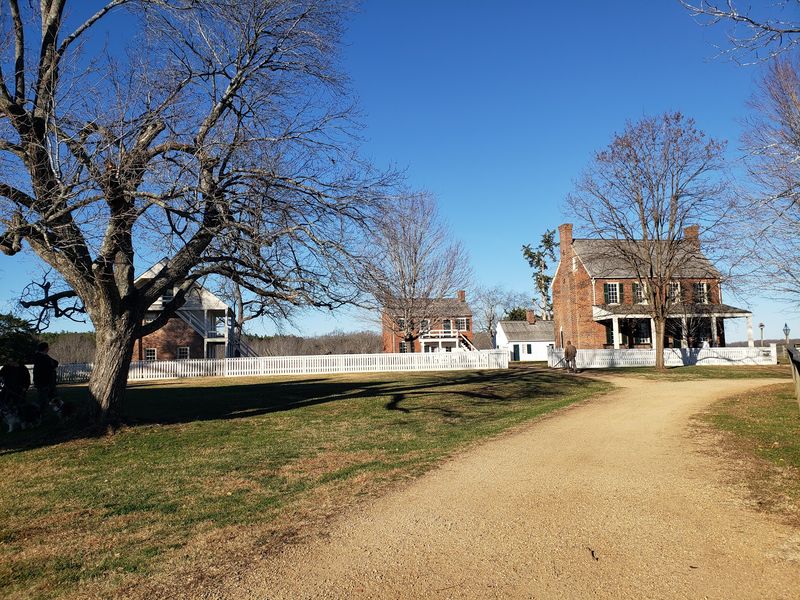
Dirt roads do something to your walking speed. Out here, you naturally slow down, and that suits the village perfectly.
Most of the buildings have been kept just as they appeared on April 9, 1865. That means the view down the lane is remarkably close to what villagers saw that spring.
Some structures are originals, while others have been carefully rebuilt. Either way, the layout lets you sense the rhythm of a small 1860s county seat.
Information boards stand in front of key spots throughout the grounds. Read them as you go, and the empty lanes start filling with names and stories.
Many buildings open their doors for you to step inside during the day. Peeking into rooms frozen in another century never really gets old, does it?
The grounds are beautifully maintained, with open countryside rolling out beyond the fences. It feels less like a theme park and more like a borrowed afternoon in another era.
Wear comfortable shoes and give yourself time. Rushing these lanes would be like skimming the last chapter of a great book.
The Parlor Where Lee and Grant Finally Sat Down
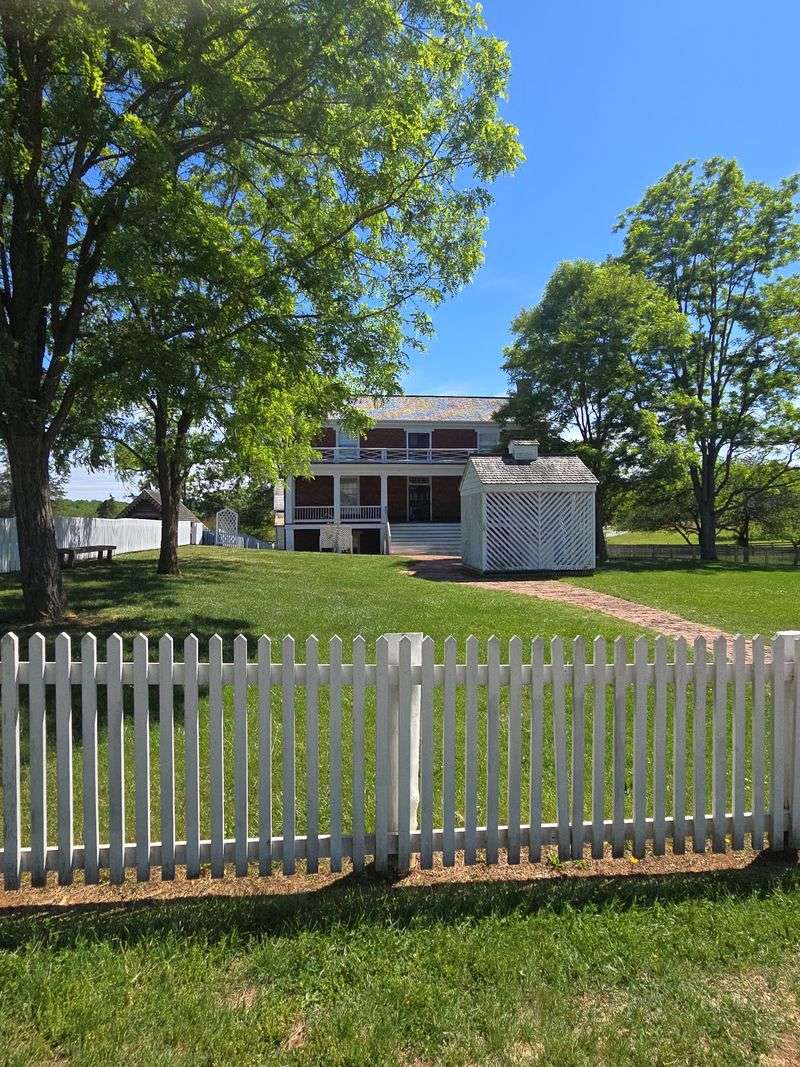
Of all the doors in the village, one gets the most attention. The McLean House is where Lee surrendered to Grant, and standing inside it is the emotional peak of most visits.
It’s a real home, not a government building. Somehow that makes the moment feel more human and a lot more surprising.
During the warmer season, the house is open and staffed daily. Having someone there to answer questions turns a quiet room into a living conversation.
Going inside is often called the highlight of the whole trip. You’re standing where one of the most consequential agreements in American history was settled.
Take a second before you enter. Look at the porch, the steps, the ordinary yard, and think about who walked them that afternoon.
History books make big moments sound enormous and far away. Here, everything happened in a space you could comfortably fit a family dinner.
I believe that contrast is the real magic of the McLean House. Huge events, normal furniture, and you right in the middle of it.
Start Inside the Courthouse Before You Wander
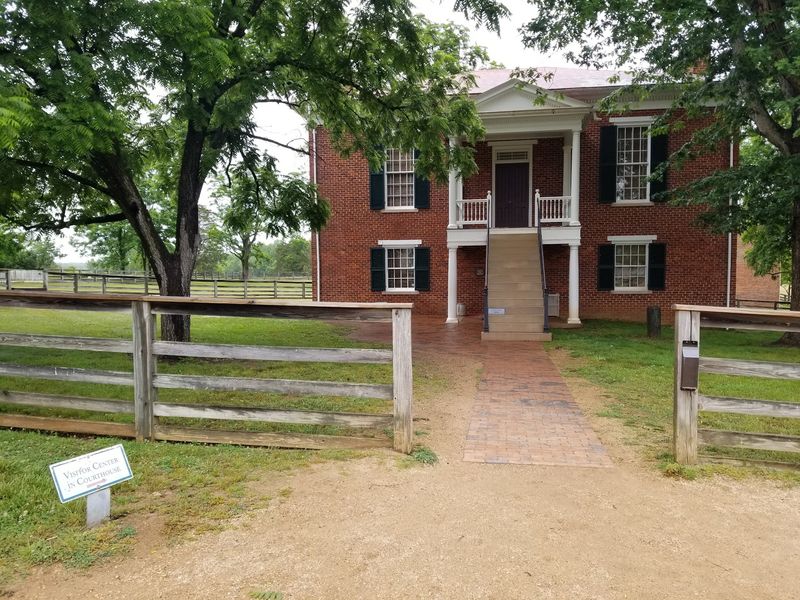
Here’s a smart first move: head to the courthouse before anything else. The reconstructed Appomattox Courthouse now serves as the park’s visitor center.
Inside, you’ll find exhibits on the park’s history, staff ready with guidance, and restrooms. It’s basically mission control for your visit.
The real secret weapon is a short film called With Malice Toward None. It runs about 17 minutes and sets up the story before you step outside.
Seventeen minutes might sound like a detour from exploring. Trust me, the village makes far more sense once you know who was where and why.
The museum isn’t enormous, but the items on display fit the location well. Think focused rather than overwhelming, which leaves energy for the lanes outside.
The visitor center also happens to be the one building with central air. On a sticky Virginia summer day, that detail alone may earn it a second stop.
Grab your bearings, ask your questions, and then head out. The rest of the village will feel like turning pages in a story you already understand.
Rangers Who Turn Dates Into Drama
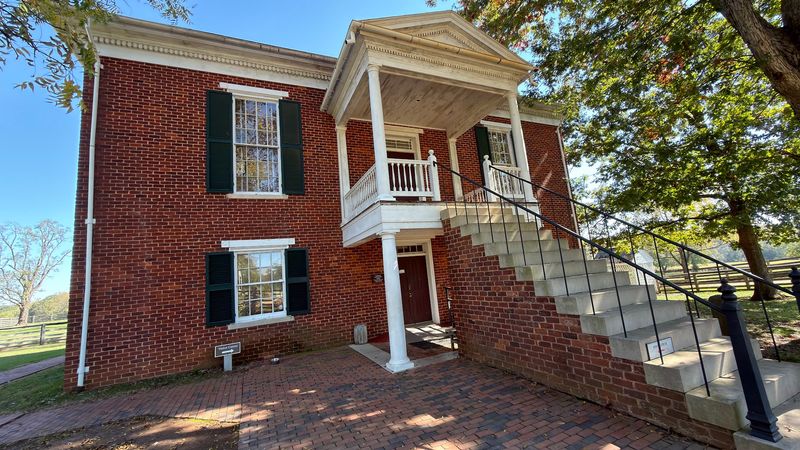
Timing your visit around a ranger talk might be the best decision you make all day. The rangers here get singled out again and again for knowing their subject inside and out.
During warmer months, guided talks happen daily. Rangers walk through the surrender and the timeline of events in a way that actually sticks.
Got a question that seems too small or too odd? Ask it anyway, because these folks tend to love the deep cuts.
Guided programs are optional, of course. If you prefer wandering solo, self-guided exploring works beautifully, and the markers fill in plenty of gaps.
Still, a good storyteller changes the experience. A plain field becomes a place where tired soldiers waited, and a porch becomes a stage.
Volunteers help out too, adding even more people who can point you toward the right building. It makes a fairly quiet village feel surprisingly well staffed.
My advice is simple. Check the day’s schedule at the visitor center, then plan your wandering around at least one talk.
Living History Interpreters Bring Villagers Back
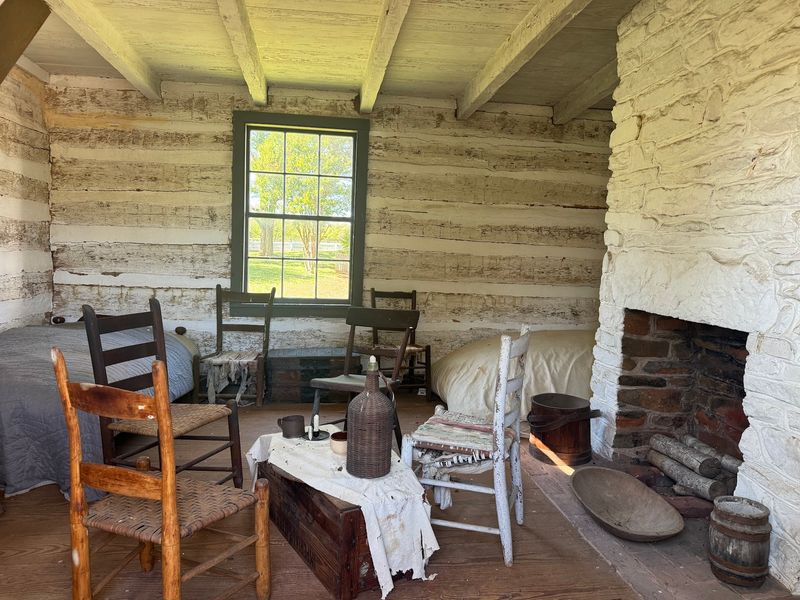
Some of the people you meet in the village are playing a part. Living history interpreters portray individuals who were actually present in Appomattox Court House in 1865.
They share how ordinary residents experienced those days. Suddenly the surrender isn’t just about generals, but about neighbors, families, and folks caught in the middle.
These programs run during the warmer months. Catching one adds a layer that no sign or film can quite match.
On some days, musicians in period attire have performed songs from the era. Hearing those tunes drift across a dirt lane is a lovely kind of time travel.
Reenactors aren’t guaranteed every day, so think of them as a bonus. When they’re around, though, the village feels noticeably more alive.
I like how interpreters make history conversational. You can ask about daily life and get an answer rooted in that exact place and moment.
Kids especially tend to perk up around someone in old-fashioned clothes. Adults do too, if we’re honest about it.
Nearly Eight Miles of Trails Beyond the Buildings
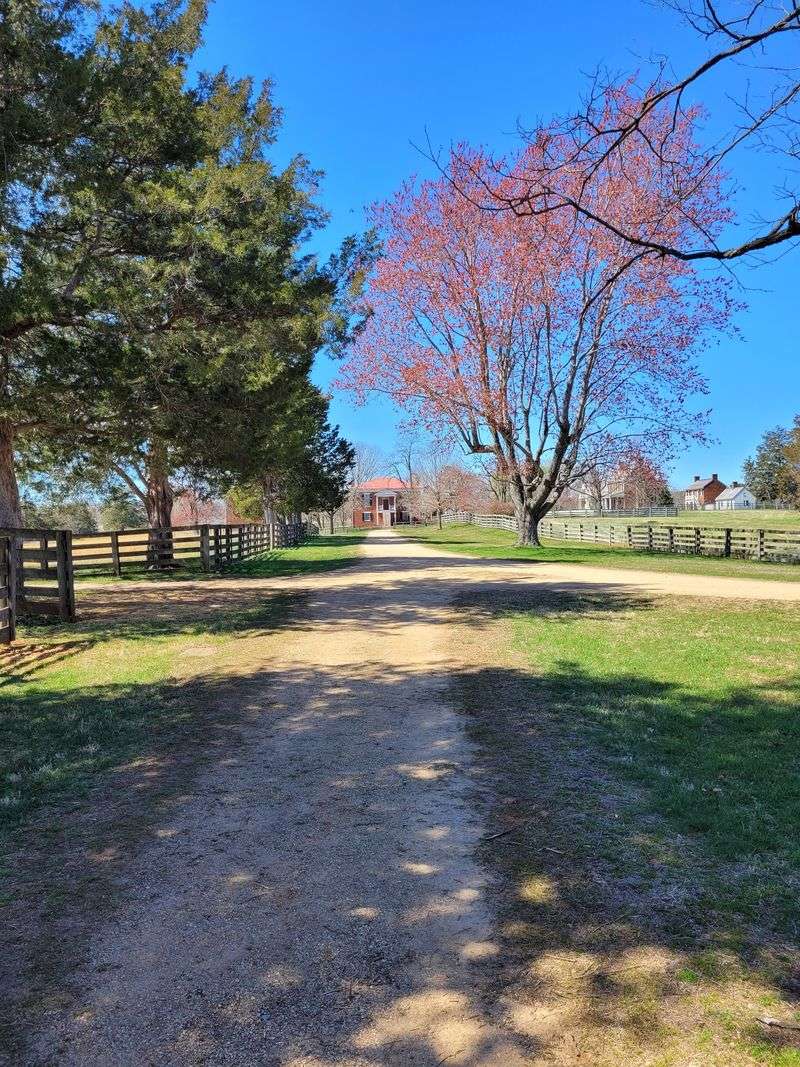
Once the buildings are checked off, the countryside is waiting. Appomattox Court House National Historical Park offers nearly eight miles of trails to explore.
That’s a lot of room for a park known mostly for one parlor. It means you can turn a history visit into a proper walk.
The trails are described as mostly level and very clean. That makes them friendly for casual walkers, families, and anyone who skipped leg day.
Walking the land helps the story click. You start to picture how armies and villagers moved through this rolling Virginia terrain.
Bring water, especially on warm afternoons. Food isn’t sold in the park, so pack a snack if you plan to roam for a while.
Plan for plenty of walking overall, whether you hit the trails or not. Even the village alone adds up faster than you’d guess.
A full loop of the buildings plus some trail time easily fills an afternoon. Nobody will hand you a medal, but your step counter might throw a little party.
Junior Rangers and History Class Come Alive
Kids studying Virginia history have a serious advantage here. They can stand where the textbook chapter actually happened, and it costs the family nothing.
The Junior Ranger program gives young visitors a booklet to complete while they explore. It turns wandering into a mission, which tends to keep little legs moving.
Families have found the program genuinely educational. It nudges kids to look closely at buildings and markers instead of just racing ahead.
The park suits all ages, from curious grade schoolers to grandparents who remember their own history lessons. Everyone gets something different out of the same lane.
Level trails and open grass make it easier with strollers or tired walkers. Restrooms at the visitor center help too, along with additional facilities around the grounds.
Want a tip for keeping kids engaged? Let them pick which building to open next, and watch the ownership kick in.
A rainy day can even work in your favor, with fewer people around. Bring a jacket and let the quiet village feel like your own private classroom.
Your Dog Gets a History Lesson Too
Good news for anyone with a four-legged travel buddy. Dogs are welcome on the grounds, outside of the buildings.
That makes the park an easy road trip stop when the pup needs a stretch. Plenty of open walking space means nobody gets cramped.
Bring your own bags for cleanup. Keeping the grounds tidy is part of what makes this place so pleasant for everyone.
Since pets stay outside, plan a little teamwork for the indoor stops. One person can tour the McLean House while the other enjoys the lane with your furry companion.
Warm weather deserves extra thought here. Pack water for your dog, and consider a cooler day if your pup handles heat poorly.
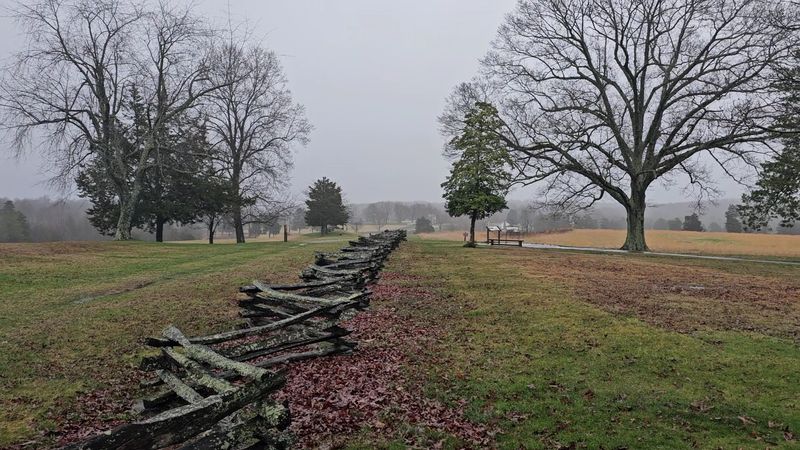
I can’t imagine a more scenic place for a leashed stroll. Rolling fields, old fences, and a story at every turn beat a rest stop parking lot by a mile.
Your dog won’t care about the surrender, of course. Still, sniffing around a historic village is probably a highlight of its week.
Pick Your Season Wisely in Central Virginia
Spring makes a strong case for itself. May brings beautiful days and lush countryside, and the warmer season means staffed buildings and daily programs.
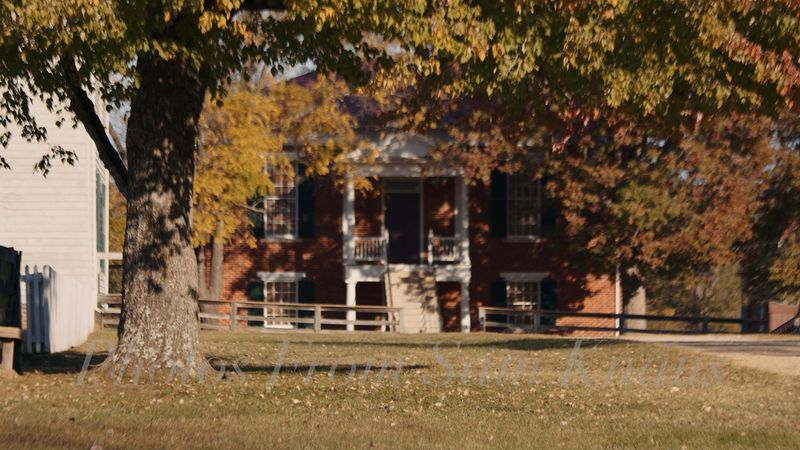
Fall is a showstopper too. Changing foliage frames the old buildings beautifully, and the cooler air makes long walks far more comfortable.
Summer is the tricky one. Central Virginia gets hot and humid, and most historic buildings don’t have air conditioning.
Only the visitor center offers central air. If you’re sensitive to heat, plan your summer visit for the morning or choose a milder day.
Rainy days have their own charm. Crowds thin out, the lanes feel peaceful, and you might feel like the village belongs to you.
Whatever the season, give yourself enough time. Many folks recommend at least three hours, and history buffs could easily stretch it to a full day.
The grounds stay open into the evening even after buildings close at 5. A golden-hour stroll down an empty 1860s lane sounds pretty tempting, right?
Hours, Parking, and the Best Price Tag in Virginia
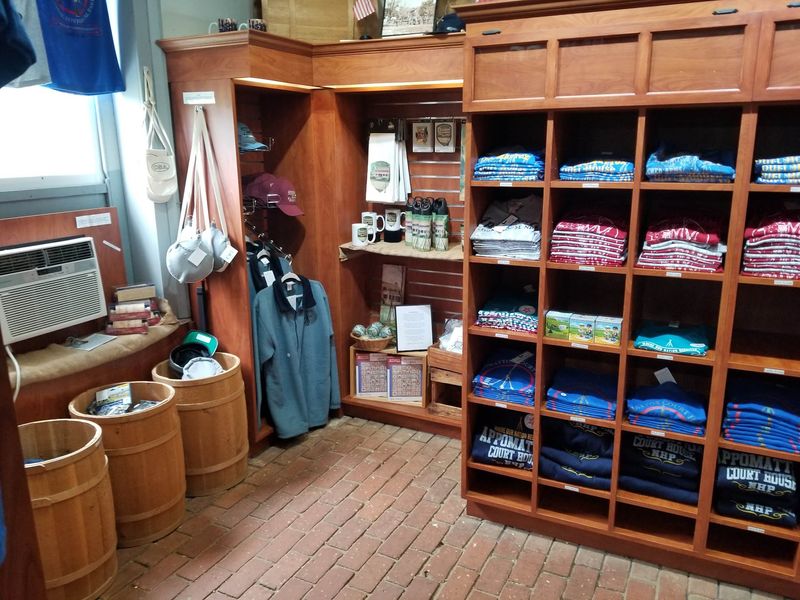
Free is the headline, and it’s been that way since October 1, 2016. There’s no entrance fee at all, so save your money for the gift shop.
The park is open daily from 9 a.m. to 5 p.m. It closes on Thanksgiving, Christmas Day, and New Year’s Day, with shorter hours possible on Christmas Eve.
Set your GPS for 111 National Park Drive, Appomattox, VA 24522. You’ll find it about three miles east of town on Route 24.
Parking is plentiful, and there’s room for RVs. After buildings close, you may need to shift to the cemetery parking lot to keep enjoying the grounds.
The park doesn’t sell food. Luckily, the town of Appomattox is just three miles away with both local spots and familiar chains.
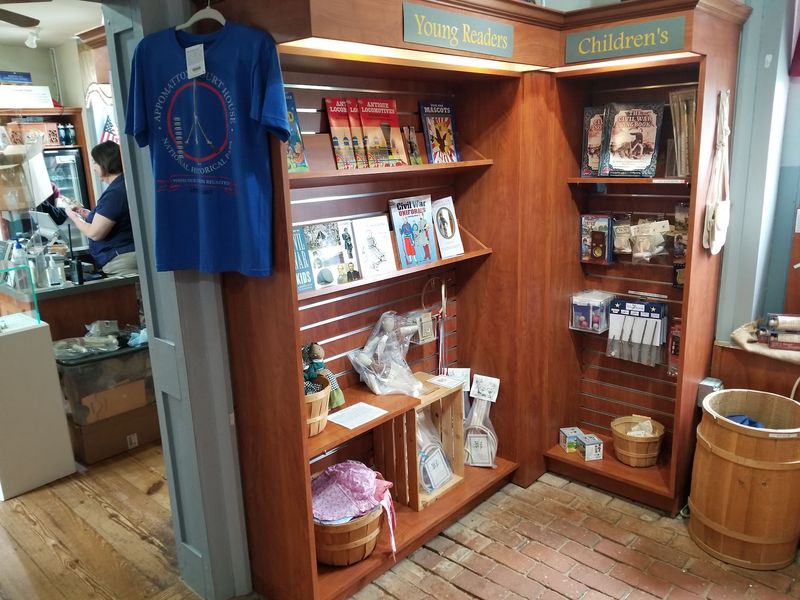
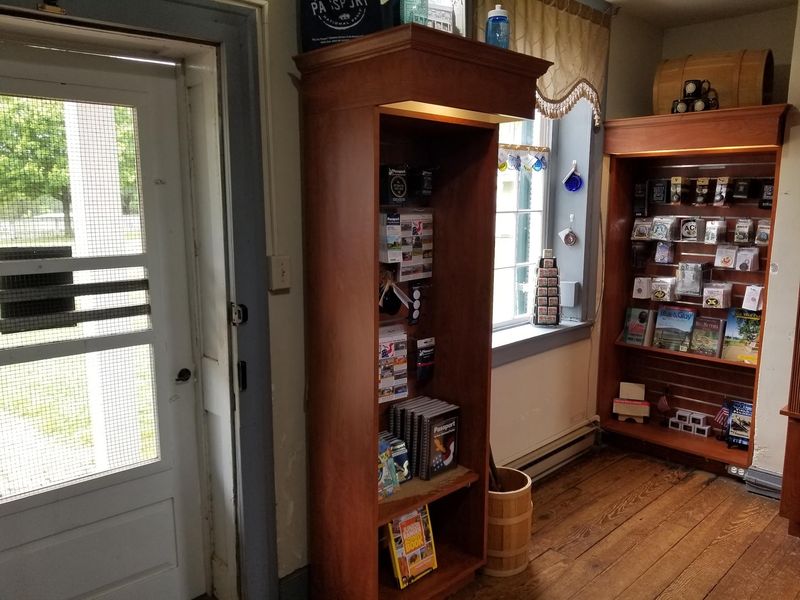
Restrooms are inside the visitor center, with additional facilities on the grounds. A gift shop in the village carries national park items worth browsing.
Weather can occasionally change hours, so check with the park before heading out. A quick call beats a disappointing drive.
Why This Free Village Deserves a Spot on Your Map
Few places let you stand inside a turning point for free. Appomattox Court House National Historical Park pulls that off with an entire village and nearly eight miles of trails.
It holds a 4.8-star rating across more than 2,000 Google reviews. That’s a pretty loud vote for a quiet country village.
What stays with you isn’t just the McLean House. It’s the feeling of walking dirt lanes where ordinary people watched an extraordinary day unfold.
The park also tells a story about rebuilding. Ending something hard and starting fresh is a lesson that never really goes out of style.
History lovers will be thrilled, obviously. Families, dog owners, and road trippers needing a meaningful break will find plenty to love as well.
Bring good shoes, a water bottle, and some curiosity. Leave room in your schedule, because three hours goes by faster than you’d expect.
Virginia has no shortage of famous history, but this spot feels personal. And honestly, the best things in life sometimes really are free.