Woolly mammoth bones have turned up in a small Virginia valley, alongside spear points left by the people who hunted there. I still can’t get over that detail.
Long before English ships showed up, this land already had towns, trails, and trade.
The Indigenous story here didn’t begin in 1607. It stretches back thousands of years, through river villages, mountain settlements, and palisaded towns built with serious skill.
Several tribes still call this state home today.
I love that you can trace that story with your own two feet. Some stops are tribal museums run by the nations themselves.
Others are rebuilt villages where you can see how families lived, cooked, and worked.
So why do so many of us know the Jamestown chapter by heart and almost nothing about what came first? These eight places are a pretty great way to fix that.
1. Machicomoco State Park
Few state parks are built around a story instead of just a view. Machicomoco was created specifically to honor and interpret the heritage of Virginia’s Indigenous tribes.
The name itself is a clue to the park’s purpose. Its interpretive areas and trail teach you about the Native peoples who lived in the Tidewater for thousands of years before the English arrived.
You get the history and the scenery in one trip. A 3-mile paved trail makes for easy walking or biking, and nature trails branch off for quieter wandering.
Water lovers, this one’s for you. A car-top boat launch and a kayak and canoe launch let you see the shoreline the way earlier residents would have known it, from the water.
Planning to stay overnight? The park offers accessible camping, plus picnic tables and clean public restrooms for long days outside.
Bring the dog if you like, since dogs are allowed. Weekday mornings tend to be calmer, while Friday and Saturday afternoons draw bigger crowds, so time your paddle accordingly.
Address: 3601 Timberneck Farm Rd, Hayes, VA 23072
2. Wolf Creek Indian Village
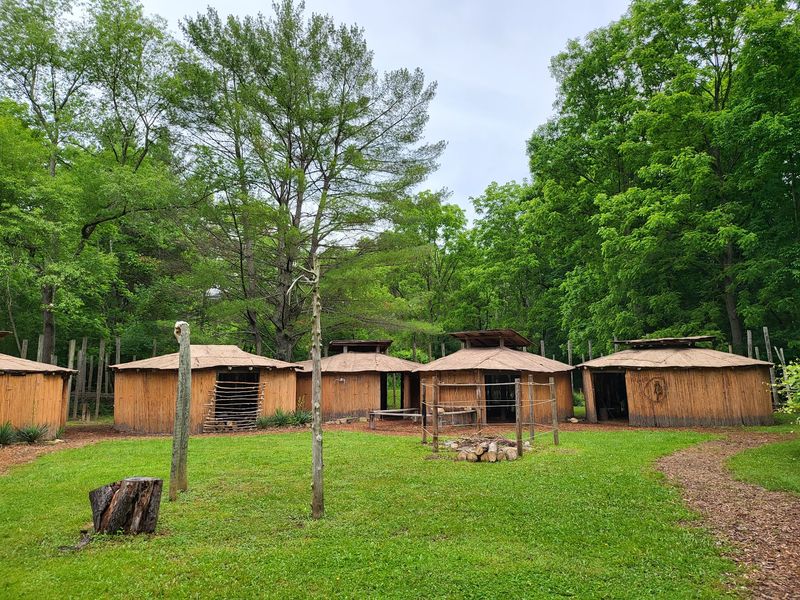
Out in the mountains of Bland County, a whole village has been rebuilt from the ground up. It’s based on an archaeological site, so the layout comes from real evidence rather than guesswork.
Guided tours are the main event here. Knowledgeable guides lead you through the replicated village and explain how the Wolf Creek people lived about 500 years before European contact.
Expect a hands-on approach instead of a stand-back-and-read setup. That makes it a smart pick for kids who learn best by doing rather than staring at glass cases.
Not up for a long walk? There’s a golf cart option for the tour, which is a thoughtful touch for anyone with tired legs.
Afterward, browse the gift shop or grab a spot in the picnic area. There’s no restaurant on site, so packing a lunch is a solid plan.
The village is open Monday through Saturday from 9 AM to 5 PM and closed Sundays. Parking is free, and active military visitors can ask about discounts.
Address: 6394 N Scenic Hwy, Bastian, VA 24314
3. Monacan Ancestral Museum
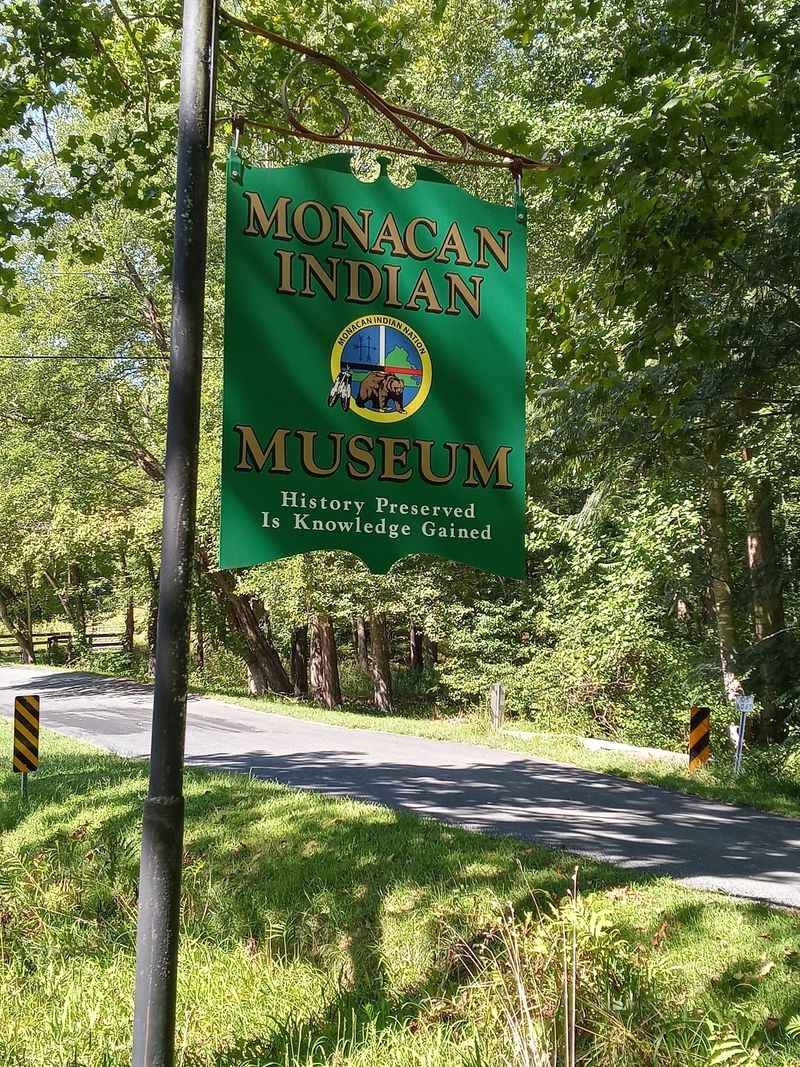
Talk about a building with a backstory. The exhibits here sit inside a historic log cabin that once served as a church and school for Native Americans.
That setting alone makes the visit meaningful. The museum belongs to the Monacan Indian Nation, whose roots in the Virginia Piedmont run back thousands of years.
Don’t let the small size fool your expectations. The space is packed with artifacts and clear presentation, and the labels are easy to read.
Several posters walk you through different areas and events in Monacan history. You can follow the story from ancient times through later centuries without feeling overwhelmed.
I appreciate a museum that respects your attention span. You can take in a lot here in one visit and still leave curious for more.
Timing matters, so plan ahead. The museum opens Thursday through Saturday from 10 AM to 3 PM and closes the rest of the week.
Tours are offered, and on-site parking keeps things simple. It’s a rewarding stop for families, too, since the clear displays work well for younger readers.
Address: 2009 Kenmore Rd, Amherst, VA 24521
4. Patawomeck Museum & Cultural Center
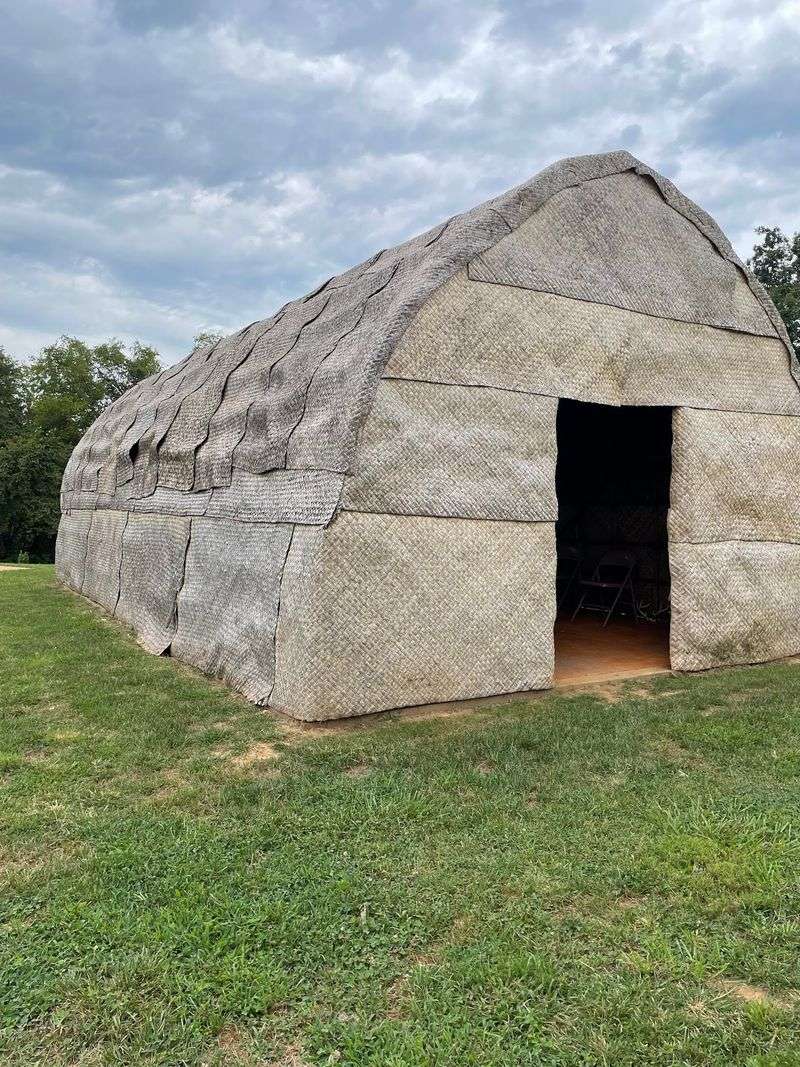
The year on the sign here is 1491, and that’s on purpose. The Living History Village recreates life inside a Patawomeck Indian village in Stafford County just before European contact.
It’s billed as an immersion-based experience, and that sounds like a lot more fun than reading a plaque. You get to see village life as a working place, not a museum diorama.
Inside, the museum holds thousands of artifacts. Together they tell the complex history of the Patawomeck Tribe, Stafford County’s first people.
Their presence in the area predates the 1300s. That’s a deep timeline, and the collection helps you feel the weight of it.
The tribe runs the center with a clear mission. It aims to preserve, protect, and carry forward Patawomeck history and culture for future generations.
Hours are limited, so check your calendar. It’s open Monday, Wednesday, and Friday from noon to 4 PM.
Tours are available, parking is free, and the setting works nicely for families. Kids especially tend to connect with the village side of things.
Address: 638 Kings Hwy, Fredericksburg, VA 22405
5. Museum Of The Middle Appalachians
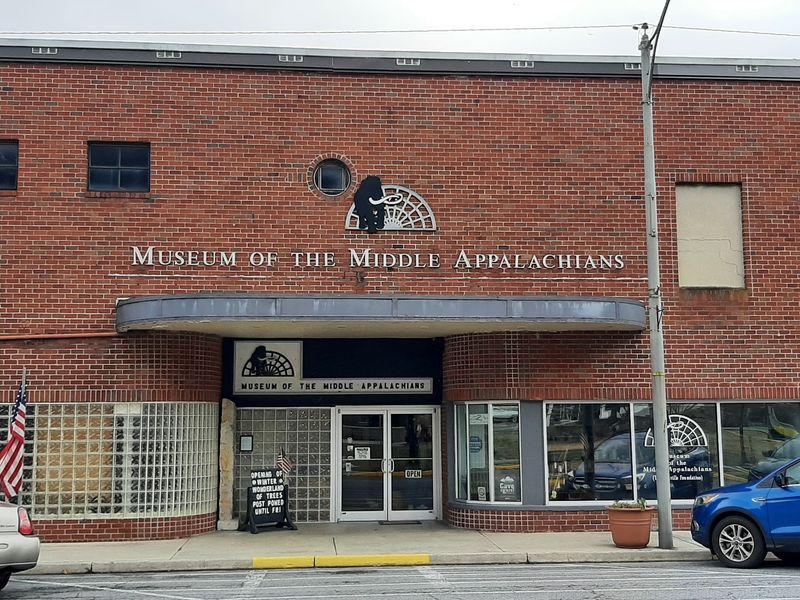
Woolly mammoths and spear points share the spotlight in this small-town museum. Saltville sits in a historic salt basin, and people were drawn to this valley for thousands of years.
The museum digs into that long story with real enthusiasm. Exhibits cover local geology and fossils, including woolly mammoth displays, alongside regional history.
For this list, the arrowheads and spear points are the stars. They connect the area’s human story back toward ancient hunters who lived here long before colonists.
You’ll also find bones, photos, music, and a miniature replica of the Saltville area. That model helps you picture the landscape the way it fits together.
A theater shows videos, and the staff are known for being friendly and knowledgeable. Expect to learn more than you planned.
Hours are generous compared to some stops here. It’s open Monday through Saturday from 10 AM to 4 PM and Sunday from 1 to 4 PM.
Swing through the gift shop on your way out. Tours are offered too, which helps if you want extra context on what you’re seeing.
Address: 123 Palmer Ave, Saltville, VA 24370
6. Historic Crab Orchard Museum
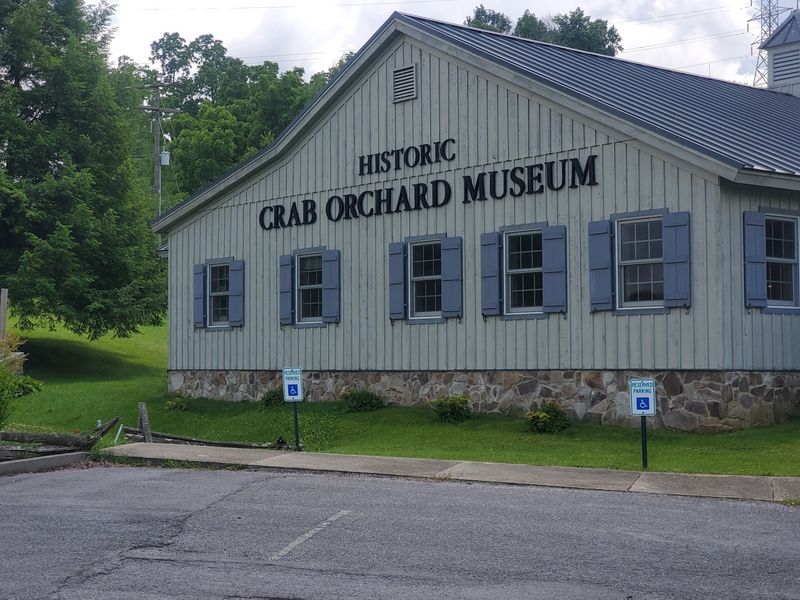
Some museums tell you about a site somewhere else. Crab Orchard sits right next to a significant prehistoric Native American palisaded village archaeological site.
That location gives the visit real weight. Displays and artifacts explore prehistoric Woodland Indian life and culture in southwest Virginia.
The tour is self-guided, so you set the pace. Linger at the cases that grab you and breeze past the rest without anyone hurrying you along.
Beyond the exhibits, the museum includes outdoor historic grounds. It’s a nice change from strictly indoor museums, especially on a pleasant day.
There’s a cafe on site, plus free Wi-Fi and a gift shop. The museum also hosts live performances, so the calendar is worth a peek before you go.
Staff are friendly, and tours are offered if you want more depth. Families should feel right at home here.
Hours run Tuesday through Friday from 9 AM to 5 PM, Saturday from 9 AM to 4 PM, and Sunday from 1 to 5 PM. Mondays are closed.
Address: 3663 Crab Orchard Rd, Tazewell, VA 24651
7. Mattanock Town
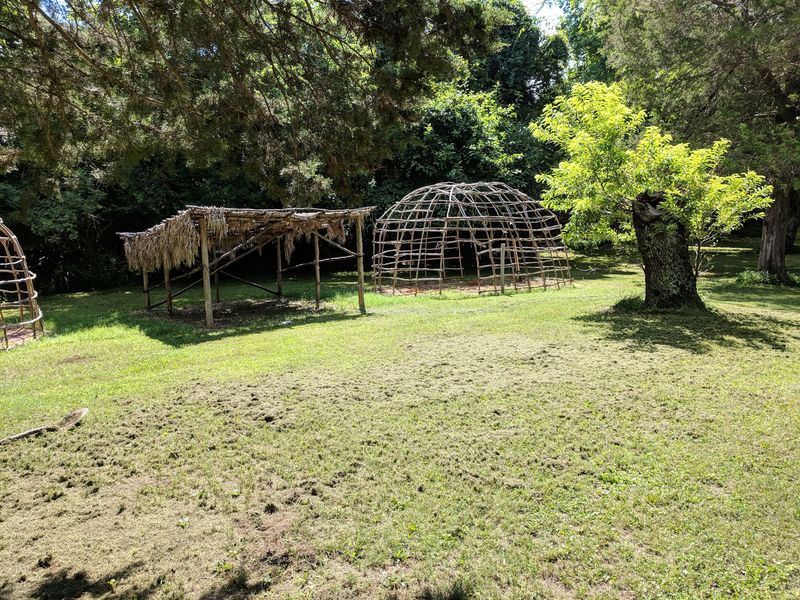
Here’s a heritage site that’s still very much in use. Mattanock Town is the tribal heritage ground of the Nansemond Indian Nation in Suffolk.
The Nansemond people lived in settlements along the Nansemond River for thousands of years. That was long before 17th-century European colonists arrived on the scene.
The site serves as an ancestral cultural ground and reconstructed village. It gives you a way to connect that river-based history to a real place on the map.
What I love most is that it’s active, not frozen in time. The Nansemond Indian Nation holds regular educational and cultural gatherings here.
That changes how you experience it. You’re not just looking at the past, you’re seeing a living community that continues its traditions today.
Since events drive much of the activity, plan ahead before you head over. Checking with the tribe about upcoming gatherings is the smartest move.
Restrooms are available on site. Coming from elsewhere in Hampton Roads, it pairs nicely with a broader day exploring the region’s long Indigenous story.
Address: 1001 Pembroke Ln, Suffolk, VA 23434
8. Cheroenhaka Nottoway Indian Tribe
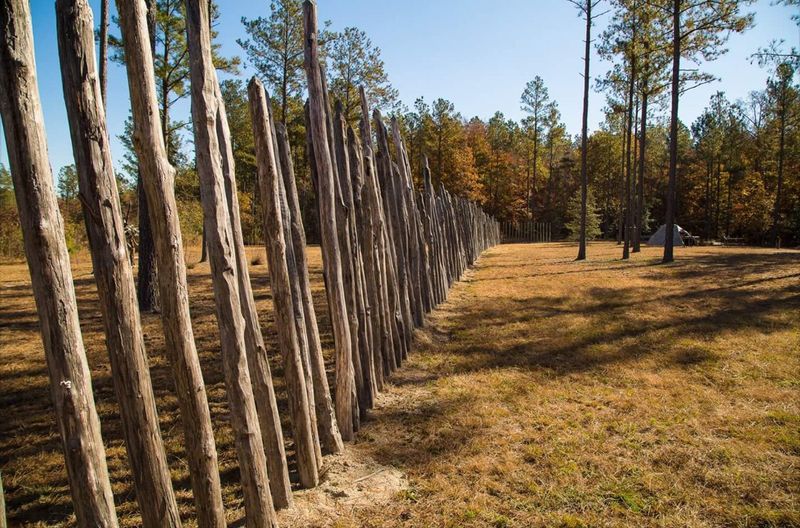
A wooden palisade rising in Southampton County is a sight you won’t forget. Cattashowrock Town is a replicated palisade village on the cultural grounds of the Cheroenhaka Nottoway Indian Tribe.
Many people assume Virginia’s Native history was all Algonquian. The Cheroenhaka, or Nottoway, are Iroquoian-speaking, which adds a fascinating layer to the state’s story.
The replica village showcases pre-contact traditions, housing, and material culture. Seeing how a palisade protected a community makes the history feel practical and real.
A heritage trail winds through the grounds as well. Walking it gives you time to take in the setting at a slower pace.
The property also houses tribal offices, so this is a working home base. You’re visiting an active community, not a closed chapter.
Restrooms are available on site. Reaching out to the tribe before visiting is wise, since it helps you line up your trip with what’s open.
It’s a fitting final stop. After all, the story these places tell didn’t end in 1607, and it hasn’t ended now.
Address: 27345 Aquia Path, Courtland, VA 23837