One wristband here unlocks unlimited play on more than 100 pinball machines, all day long, without a single coin. You can wander out for lunch and come right back to the flippers.
The oldest treasure in the collection is a parlor bagatelle from 1879. The games are arranged in chronological order, so you can literally play your way through pinball history, one bumper at a time.
I love that a 1979 machine named Gorgar is part of the lineup. It was the first pinball game that could talk, and I can’t imagine a better soundtrack for feeling twelve years old again.
This nonprofit museum sits in a laid-back island town in the Bay Area of California. Hand-painted murals and glowing jukeboxes fill the rooms.
So how many games could you play before your thumbs start begging for a break?
An Island Town Holds A Pinball Playground Bigger Than It Looks
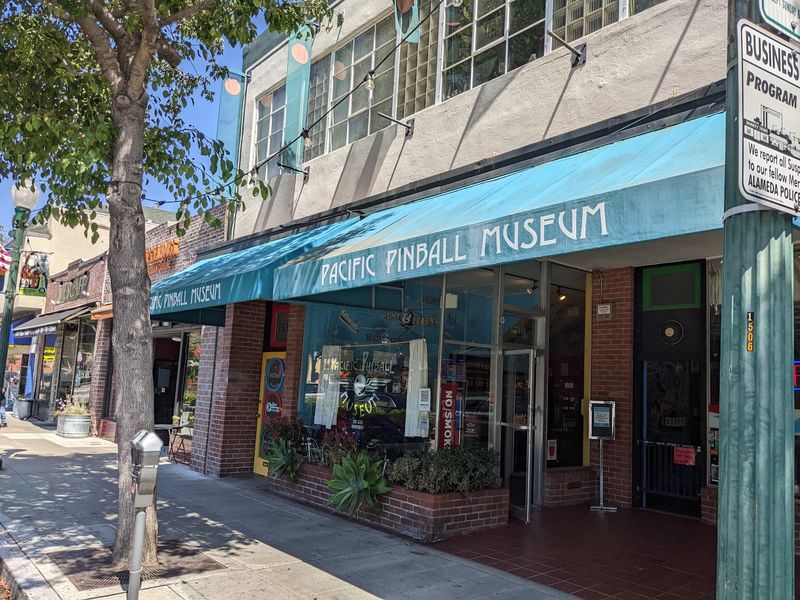
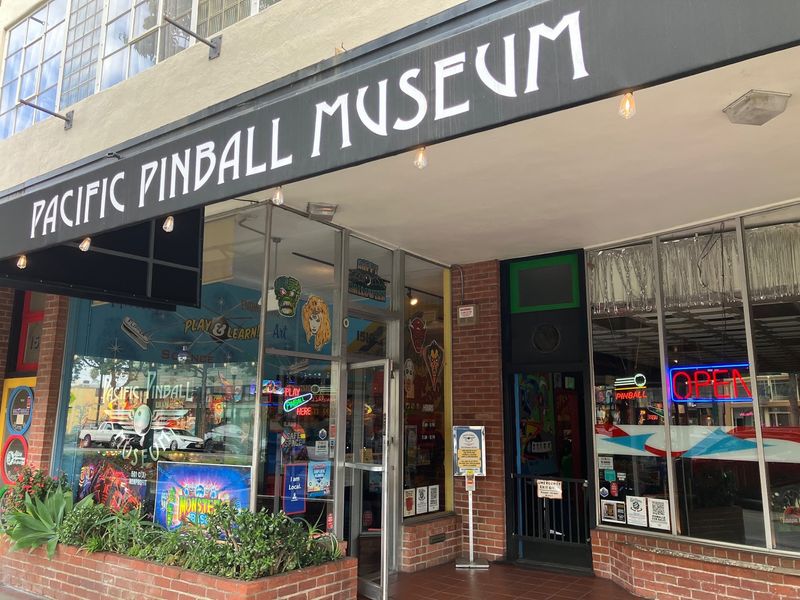
Alameda is an island city just across the water from Oakland, and its West End holds a surprise. The Pacific Pinball Museum fills a storefront on Webster Street with flashing lights, ringing bells, and serious nostalgia.
From the sidewalk, the building looks modest. Inside, the museum stretches across about 7,000 square feet of rooms packed with playable machines.
The concept is simple and kind of brilliant. You pay one admission fee, and nearly every machine on the floor is set to free play.
More than 100 games are usually ready for action at any given time. They cover a huge span of pinball history, from early mechanical designs to the loud, story-driven tables made today.
Each machine also gets its own sign explaining where it came from and why it matters. That means you can learn something between games, or skip the reading and just chase high scores.
Nobody here forces a lecture on you. The Pacific Pinball Museum works equally well as a history lesson and as a wildly fun afternoon in California.
Honestly, that combination is rare. Most museums ask you to keep your hands to yourself, and this one practically insists you grab the flippers.
From Lucky Ju Ju To A Full-Blown Nonprofit
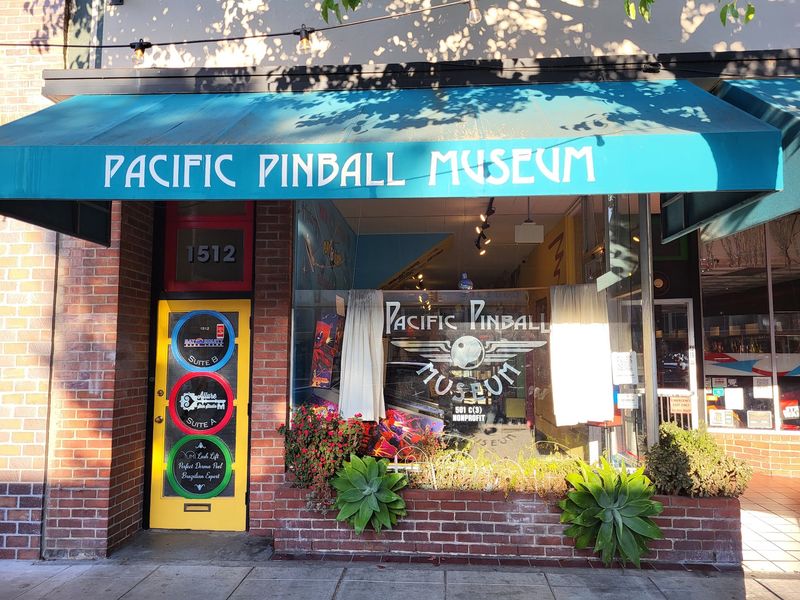
Every great collection starts somewhere, and this one began with a place called Lucky Ju Ju. Founder Michael Schiess opened it in 2002 as a spot to share his love of pinball.
Two years later, the project grew into something bigger. In 2004, the Pacific Pinball Museum became an official 501(c)(3) nonprofit.
That nonprofit status mattered in a very practical way. Alameda had a ban on pinball arcades, which was finally lifted in 2014.
So how did a pinball museum survive in a town wary of pinball? It removed the coin slots and charged admission instead, keeping the focus on preservation and education.
That workaround shaped the whole experience you get today. Instead of feeding quarters into each machine, you simply play as much as you like.
The mission also explains the careful signs, the historical displays, and the educational programs. This place exists to protect pinball history, not just to keep people busy.
I find that origin story genuinely charming. A small passion project outlasted a local ban and turned into one of the most beloved hands-on museums in the Bay Area.
Your Wristband Is The Only Quarter You Need
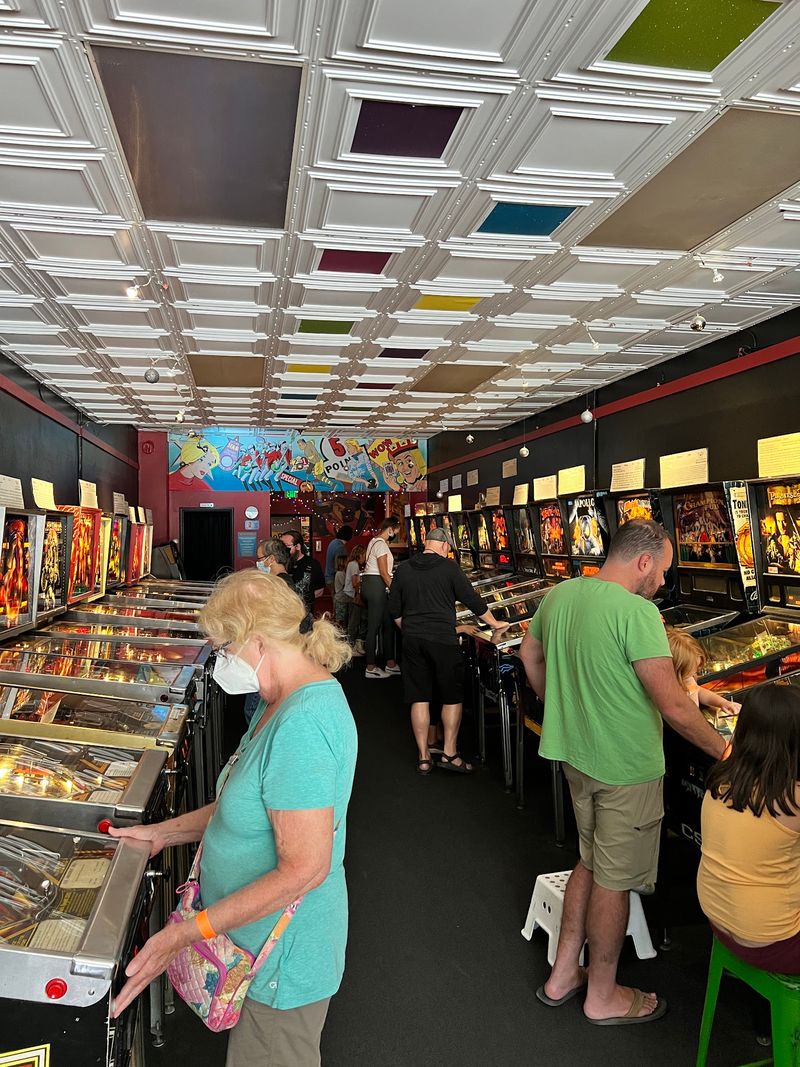
Remember counting quarters and praying the last ball would last? At the Pacific Pinball Museum, that stress simply disappears.
Admission gets you unlimited play on every machine on display for the entire day. Lose a ball, shrug, and press start again.
The best part might be the re-entry policy. You get a wristband, so you can leave and come back as many times as you like that day.
That changes how you plan a visit. Play for a couple of hours, grab lunch nearby, then return for round two with fresh hands.
Free play also encourages experimentation. You can try a strange 1950s machine you have never heard of without worrying about wasting money.
Bounce from one table to the next, or park yourself in front of a favorite until you finally crack its secret. Either approach works here, and nobody is counting your credits.
I think this setup is what makes the place feel so relaxed. Without a coin slot nagging at you, pinball becomes pure play again, the way it felt when you were young.
Walk Through Pinball History One Era At A Time
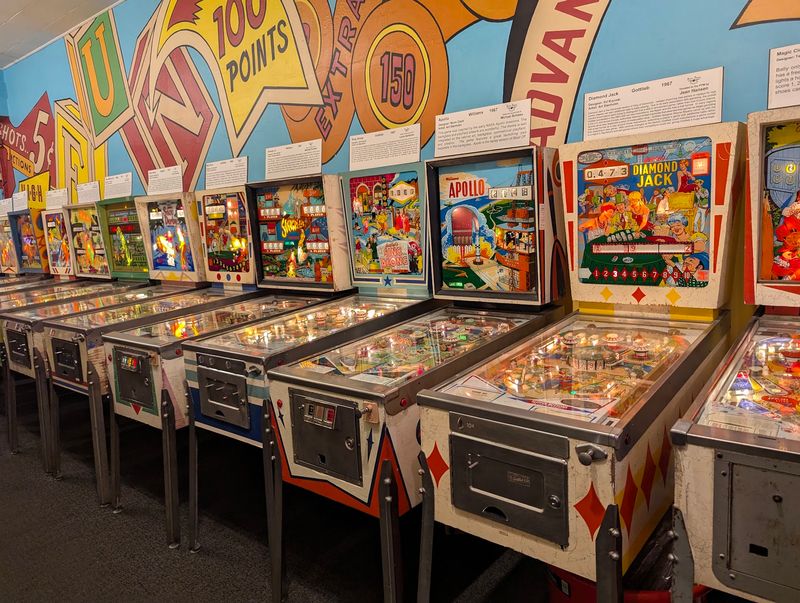
Order matters here, and it’s chronological. The machines at the Pacific Pinball Museum are arranged by era, so the rooms tell a story as you move through them.
The oldest piece in the collection is a Montague Redgrave Parlor Bagatelle from 1879. Bagatelle games were the tabletop ancestors of pinball, long before electricity entered the picture.
From there, you can trace how the game evolved. Wooden boards give way to electromechanical machines with chiming bells and spinning score reels.
Later rooms bring digital displays, talking games, and dazzling modern tables. Seeing those changes side by side is far more memorable than reading about them in a book.
The collection itself is enormous. Machines are stored in an annex and rotated in and out of the main exhibition rooms.
Because of that rotation, the lineup is never totally frozen in place. A return visit could introduce you to games you missed the first time.
I love that the layout turns history into something physical. Your hands literally feel how pinball got faster, louder, and more clever over the decades.
The Year Pinball Got Flippers And The Year It Learned To Talk
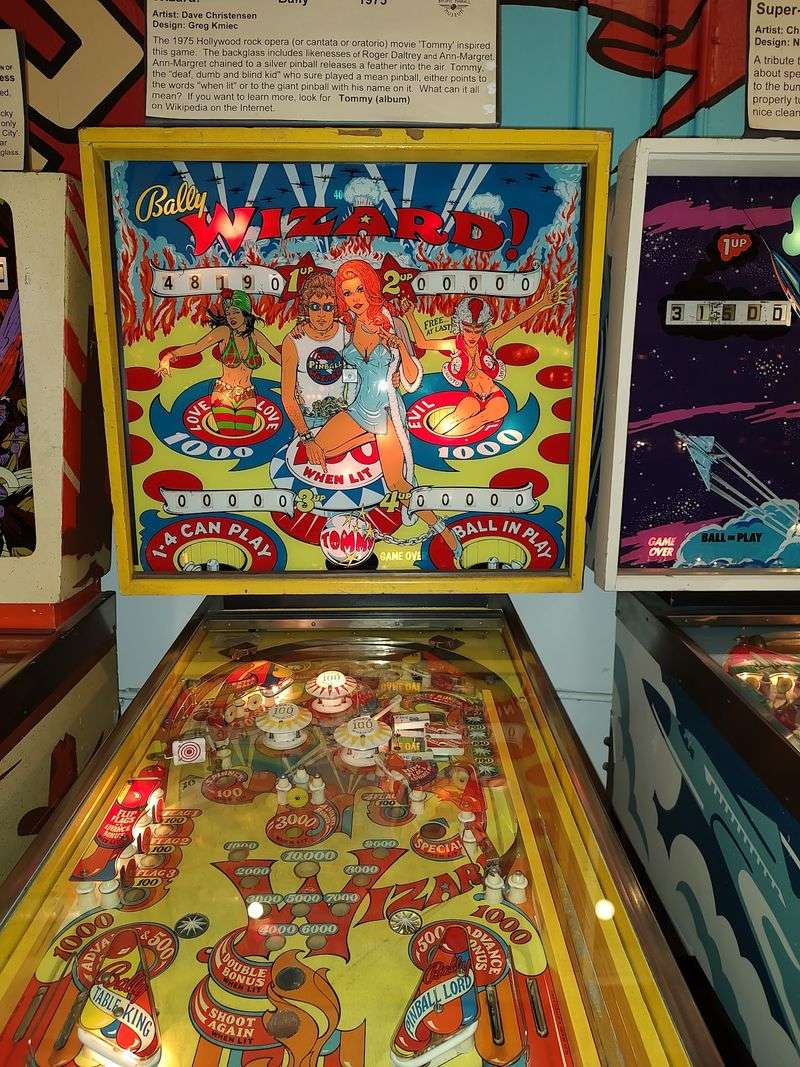
Flippers seem like they’ve always existed, but they haven’t. Gottlieb’s Humpty Dumpty from 1947 introduced them, and the Pacific Pinball Museum includes it among its notable machines.
Before that breakthrough, players mostly nudged and hoped. Flippers gave people real control, and the game shifted from chance toward skill.
Then comes 1979, the year that inspired plenty of nostalgia. A machine called Gorgar became the first pinball game with a speaking voice.
Its vocabulary was tiny, but the effect was huge. A pinball machine talking back to players felt like science fiction at the time.
Seeing both milestones in one museum is a treat for history fans. You can connect the dots between those landmark moments and the noisy, chatty machines that came later.
These standouts also make great conversation starters if you bring friends. Somebody always wants to know how pinball worked before flippers.
Honestly, I can’t think of a better way to understand game design. Each landmark machine shows one clever idea that changed how millions of people played.
See-Through Machines And Pointy People Earn A Closer Look
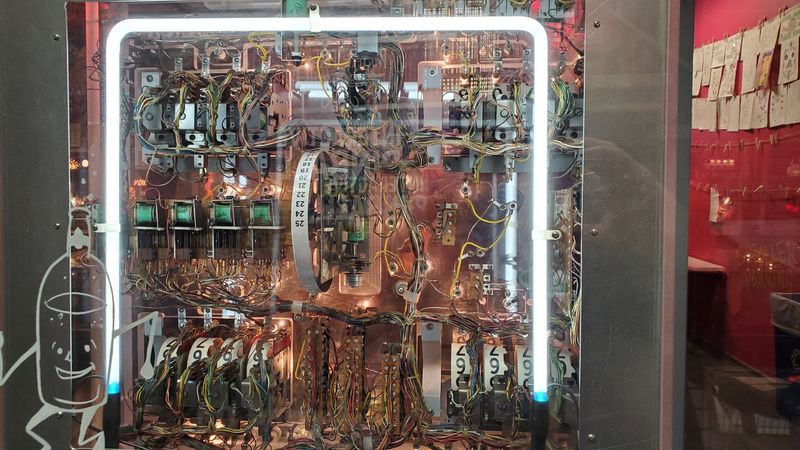
Ever wondered what happens under a pinball playfield? The Visible Pinball Machine answers that with a transparent body that reveals its inner workings.
Wires, coils, and switches are all on display. It’s a little like watching a clock with its back removed, only louder and more satisfying.
Other exhibits dig into pinball’s surprisingly dramatic past. One display, titled Gambling, Amusement, or Both?, explores how the game was viewed through the years.
Art lovers get their own rabbit hole too. An exhibit covers the Pointy People style, a distinctive look in pinball artwork that emerged in the mid-1960s.
The museum also highlights the science and technology behind the machines. Displays introduce the women and other people who influenced pinball history and its technology.
There’s even a room featuring experimental machines. One uses magnets to move the ball along a contoured surface, which feels delightfully strange.
I appreciate how these exhibits balance the playing. When your arms need a breather, the Pacific Pinball Museum still has plenty to keep your brain busy.
Jukeboxes, Murals, And A Whole Lot Of Glow
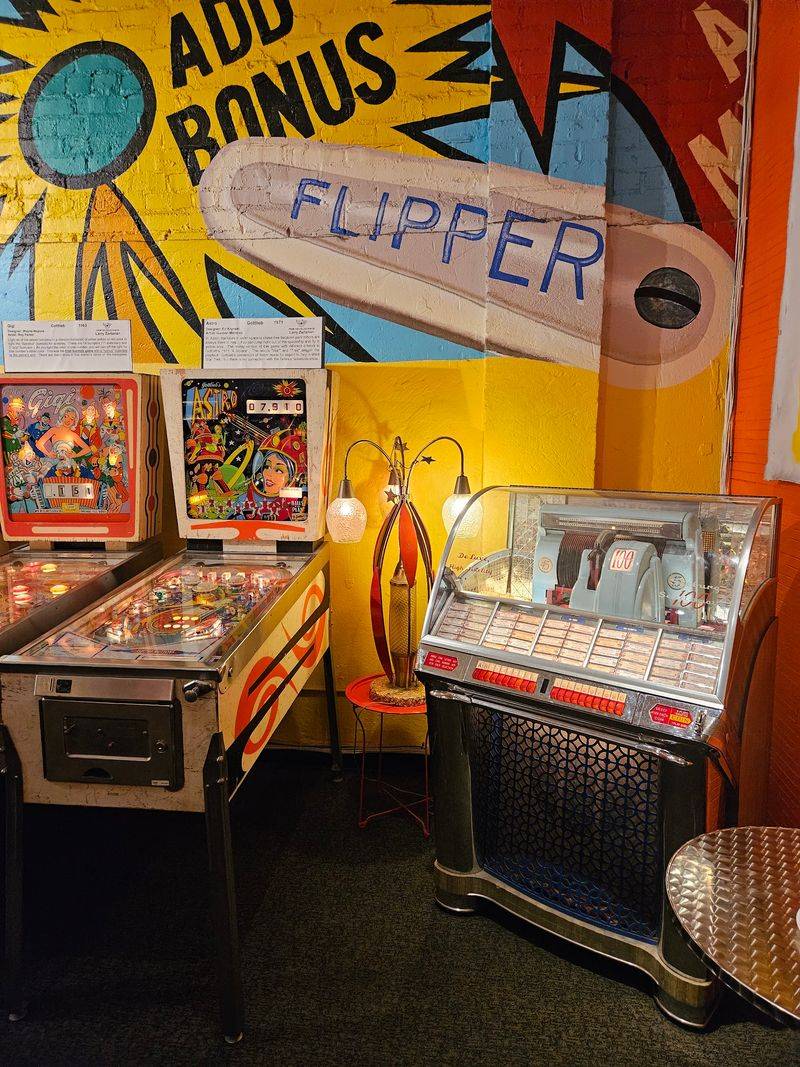
Sound matters in a pinball museum, and jukeboxes add the soundtrack. Vintage jukeboxes sit among the machines, and playing them is included with admission.
Music is often grouped by era to match the rooms. That way, a 1960s table can come with tunes that feel right at home.
The walls deserve attention too. Hand-painted murals and colorful local art cover the space, giving every room its own personality.
Combine that art with blinking backglasses and chiming bells, and the effect is pure retro magic. Few museums feel this lively or this unapologetically fun.
The atmosphere also works for many moods. A date night, a family outing, or a solo afternoon all fit comfortably here.
Newcomers won’t feel out of place either. The museum welcomes serious collectors and total beginners who just want to hear a bell ring.
I believe the mix of sights and sounds is the real secret here. It feels less like a quiet exhibit hall and more like stepping into a favorite arcade from decades ago.
Small Players Get Stools, Scavenger Hunts, And Big Grins
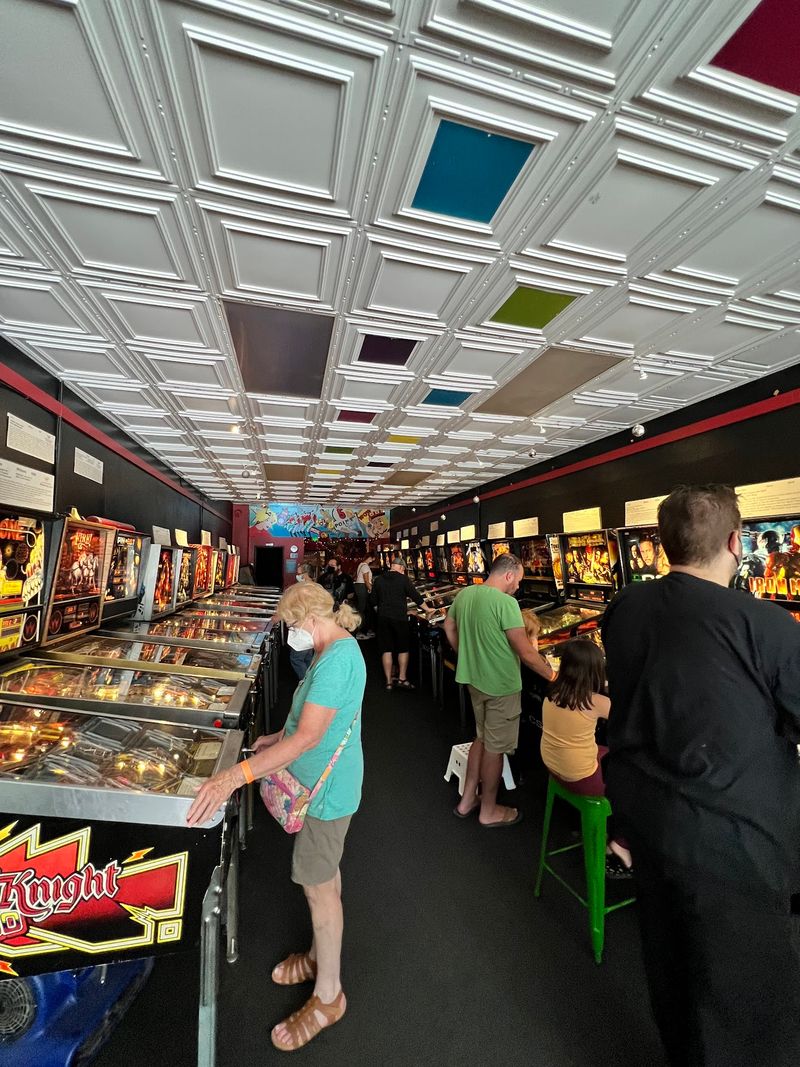
Kids raised on touchscreens often get hooked fast here. Real steel balls and clacking flippers deliver a thrill no app can copy.
The museum makes sure shorter players aren’t left out. Stools are available so children can reach the machines and play comfortably.
Extra activities help when attention starts to wander. A scavenger hunt and a design-your-own-pinball-machine sheet give young visitors other ways to engage.
Families also get a sneaky educational win. Kids learn how games worked before video screens took over, while parents get to relive their own youth.
Schools and groups can go further. The Pacific Pinball Museum offers field trips, self-guided tours, and STEAM education programs.
Those programs explore the science, engineering, and art that go into making a pinball machine. It’s a clever way to sneak physics lessons into a day that feels like recess.
A small etiquette tip helps everyone enjoy the space. Drinks and personal belongings should never be placed on the machines, so pockets and hands work best.
Wednesday Nights Belong To The Flipper Faithful
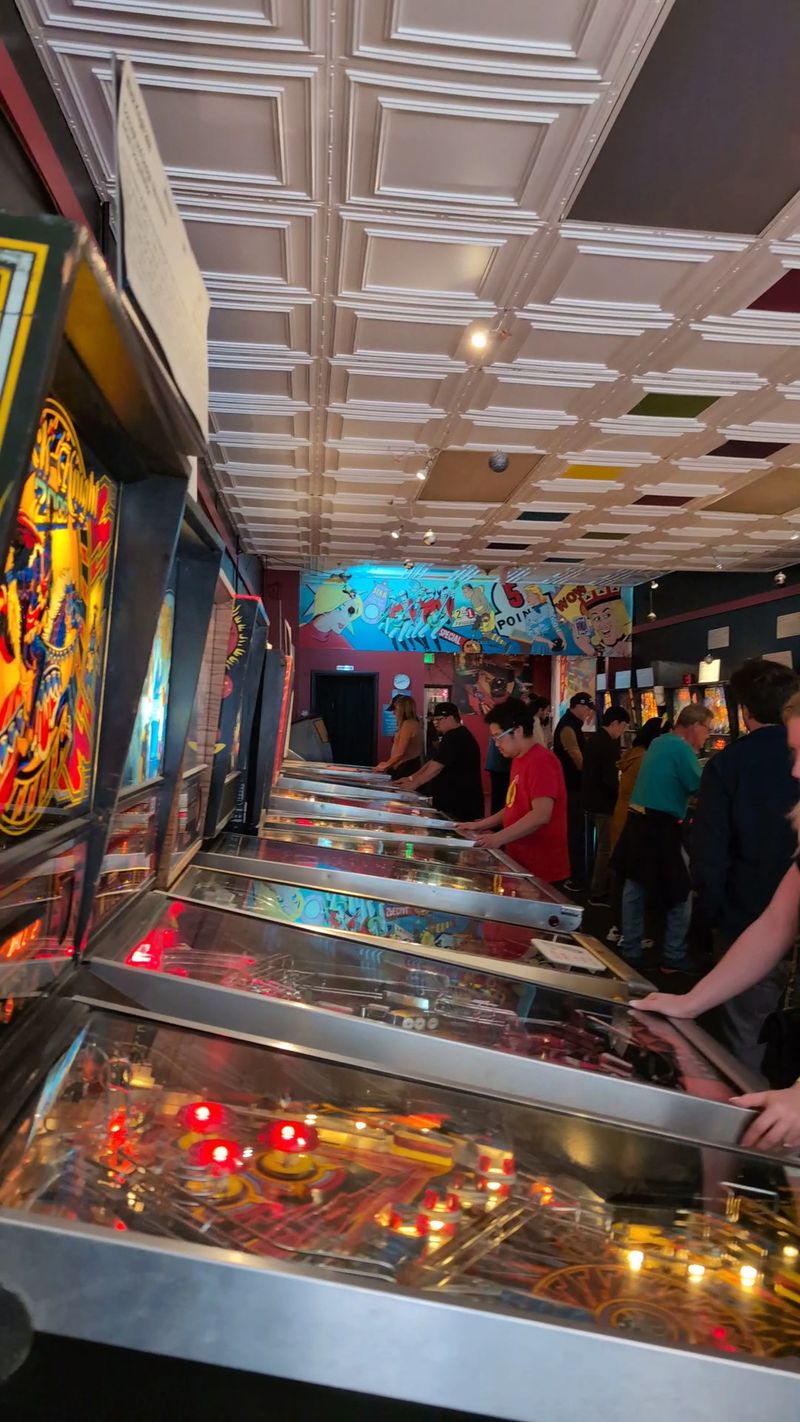
Casual play is great, but some people crave competition. The Pacific Pinball League meets on Wednesday nights for exactly that.
The league runs four seasons each year. Every season lasts ten weeks, giving players time to improve and track their progress.
Skill level isn’t a barrier to joining. The league welcomes players of all ages and abilities, from total rookies to seasoned wizards.
That open-door approach fits the museum’s personality. It treats pinball as something to share, not a private club for experts.
Collectors also have a reason to return regularly. The museum rotates a newer room a few times a year, so the lineup keeps changing.
With a huge collection stored offsite, swaps can bring fresh surprises. Your favorite might disappear for a while, while something unfamiliar steals its spot.
I like how the league turns a museum into a neighborhood hangout. Plenty of attractions get one visit and a photo, but this California spot keeps building a community around its flippers.
Plan Around Mondays, Thursdays, And Meter Change
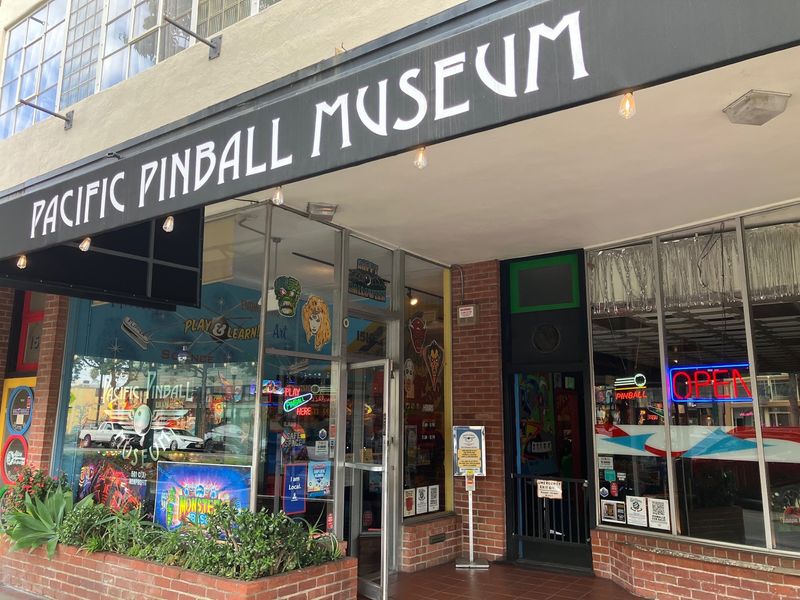
Timing your trip is easy once you know the schedule. The museum is closed on Mondays and Thursdays.
On Tuesdays, Wednesdays, and Sundays, doors open from 11 AM to 9 PM. Fridays and Saturdays run later, from 11 AM to 10 PM.
You’ll find the Pacific Pinball Museum at 1510 Webster St, Alameda, CA 94501. It sits in the West End, where plenty of restaurants are close by.
That location pairs perfectly with the re-entry wristband. Outside food and drinks aren’t allowed inside, so stepping out for a meal is the natural break.
Parking is mostly on the street. Nearby neighborhood spots are free, while metered spaces along the main streets charge by the hour.
Weekends can make finding a spot trickier, so a short walk may be needed. Arriving near opening time on a weekday can mean quieter rooms too.
Ask about discounts at the front desk. Student pricing and a Tuesday deal for pairs have been offered, and a gift shop sells pinball books, shirts, hats, and stickers.
Bring A Friend And Let The Bells Do The Talking
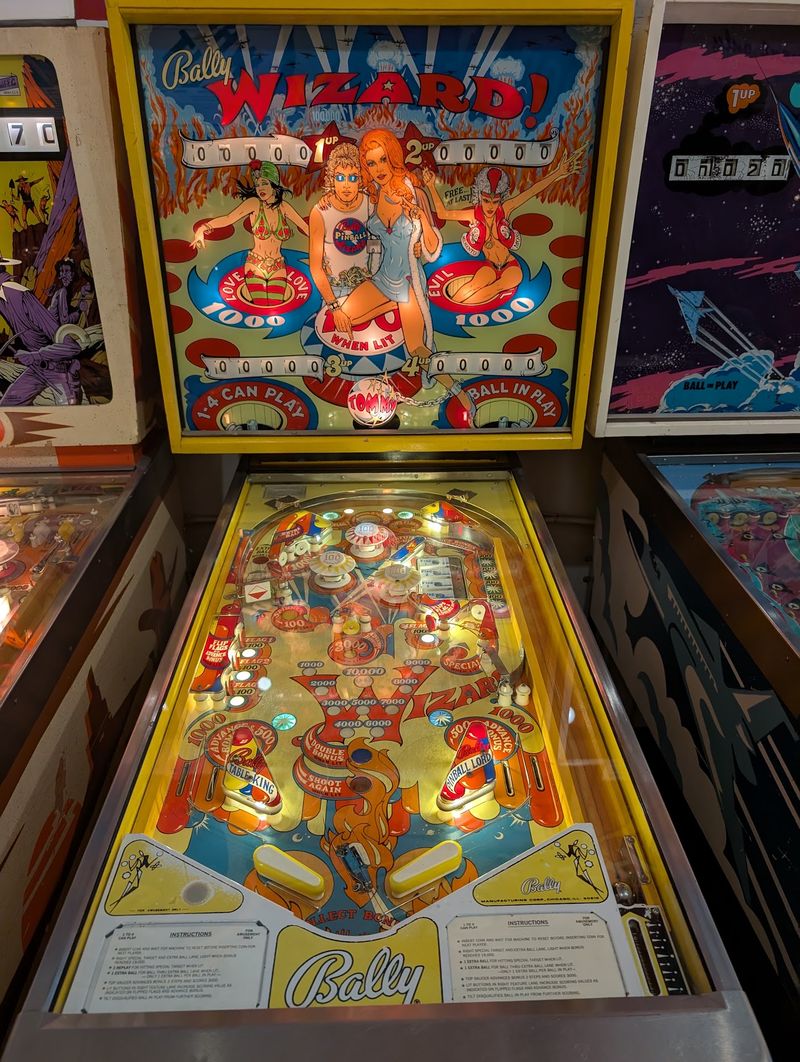
Good museums teach you something, and great ones make you forget you are learning. The Pacific Pinball Museum manages both without breaking a sweat.
You get more than a century of game design under one roof. You also get permission to play nearly all of it as long as you like.
The appeal stretches surprisingly wide. History fans, artists, tinkerers, kids, and grown-ups chasing childhood memories all find something to love.
It also earns its strong reputation, holding a 4.8-star rating across more than a thousand Google ratings. That’s an impressive score for any attraction in California.
My suggestion is simple. Clear an afternoon, bring someone competitive, and plan a food break in the West End between sessions.
Start with the oldest machines and work forward, or chase the flashiest table first. There’s no wrong route through these rooms.
I can’t imagine leaving without one last game. Somewhere between the bagatelle and Gorgar’s booming voice, 1979 starts feeling very close again.