Every wild bird treated at this New Jersey hospital gets its care for free. That includes bald eagles, owls, and the baby robin that tumbled out of your maple tree.
The work started in a couple’s backyard in 1968. Today, roughly forty birds that can’t return to the wild live here permanently.
They include hawks, eagles, and owls from about twenty different species.
You can stroll right past their aviaries on a quiet gravel path. Admission costs nothing, though a small donation helps care for the patients.
I love that a family can spend a whole afternoon here without spending much at all.
I also like how every resident carries a story of a second chance. So which bird will stare back at you first, the eagle or the owl?
A Bird Hospital Where The Patients Never Get A Bill
Hospitals usually come with paperwork, copays, and a stack of forms. The Raptor Trust skips all of that for its feathered patients.
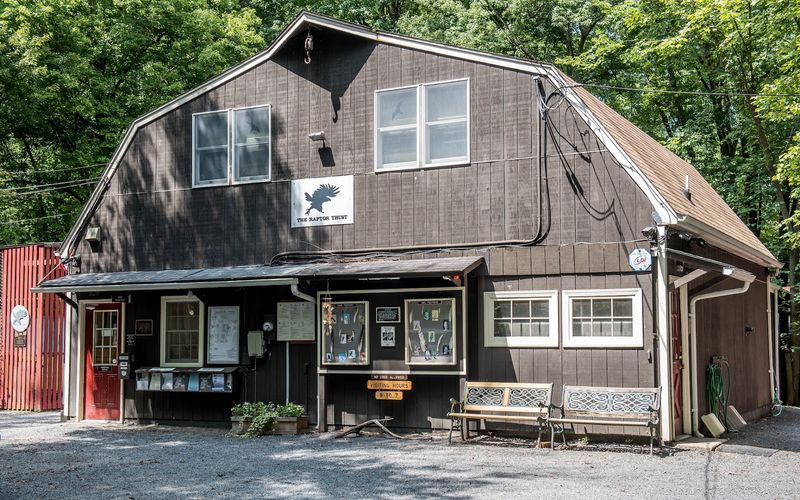
This nonprofit center in Millington, New Jersey, offers free medical care to wild birds. It’s best known for hawks, eagles, and owls, but the mission reaches much further than birds of prey.
Songbirds, robins, sparrows, and doves can land on the treatment table too. Each patient gets attention with one big goal in mind: a return to the open sky.
The Trust is recognized nationally as a leader in bird rehabilitation and raptor conservation. That’s a big reputation for a spot surrounded by quiet woods in Morris County.
Visitors get a share of the magic as well. A free, self-guided trail winds past aviaries holding permanent residents, birds that can’t safely go back to the wild.
I like that the place pulls double duty without losing focus. Healing comes first, and teaching the public comes right behind it.
So you’re not visiting a zoo in the usual sense. You’re visiting a working bird hospital that happens to welcome curious neighbors, and that difference shapes everything you’ll see here.
How One Backyard In 1968 Became A Lifeline For Raptors
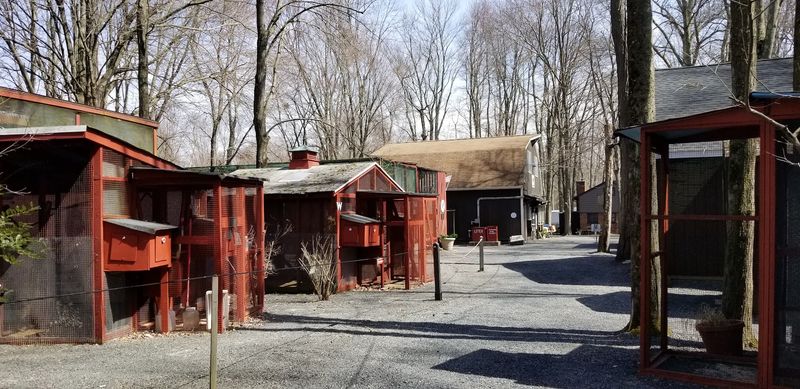
Len Soucy and his wife, Diane, didn’t set out to build a famous bird hospital. In 1968, they simply started caring for injured raptors on their own property in Millington.
Back then, that was a bold move. Federal protections for most raptor species didn’t arrive until 1972, so the Soucys were ahead of the law.
Word traveled, the way it tends to when someone helps a hurt hawk. More birds arrived, and the backyard effort kept growing year after year.
Eventually the couple’s passion needed a sturdier structure. The operation was officially incorporated as a nonprofit in 1983, turning a personal calling into a lasting New Jersey institution.
I find that timeline genuinely moving. Two people noticed birds in trouble and decided not to look away.
That same spirit still guides The Raptor Trust today. The scale is bigger, with dozens of enclosures and a full education center, but the heart of it hasn’t budged.
Every eagle, owl, and falcon you meet on the trail connects back to that original backyard. It’s a pretty good reminder of what steady kindness can build over a few decades.
Free Care For Every Feathered Patient That Comes Through The Door
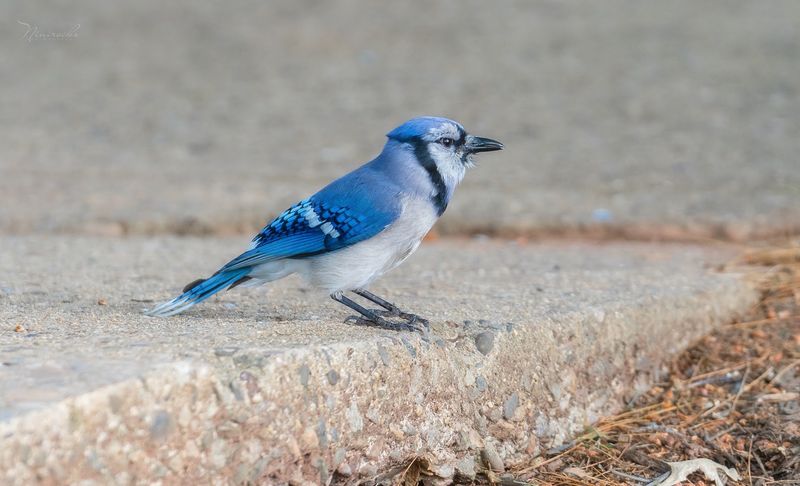
Free is a powerful word, and here it applies to every wild bird that needs help. The Raptor Trust treats patients without charging the people who bring them in.
That policy matters more than you might guess. Thousands of birds arrive each year, from window-strike victims to fledglings knocked out of nests by wind.
The center accepts birds every day of the year. Injuries don’t follow a business calendar, and neither does the staff’s willingness to help.
Recovering patients stay in secluded areas away from public view. Quiet and low stress can make a real difference while a wing mends or a bird regains strength.
Once a bird is ready, the goal is release back to the wild. That’s the happiest outcome, and it’s the reason the hospital exists in the first place.
Some birds can’t make that trip safely, which is where the permanent residents come from. They stay on as ambassadors instead.
All of this runs on donations and community support. When you drop a few dollars in the box, you’re helping keep that free door open for the next patient.
Surrounded By The Great Swamp, Which Feels Just Right
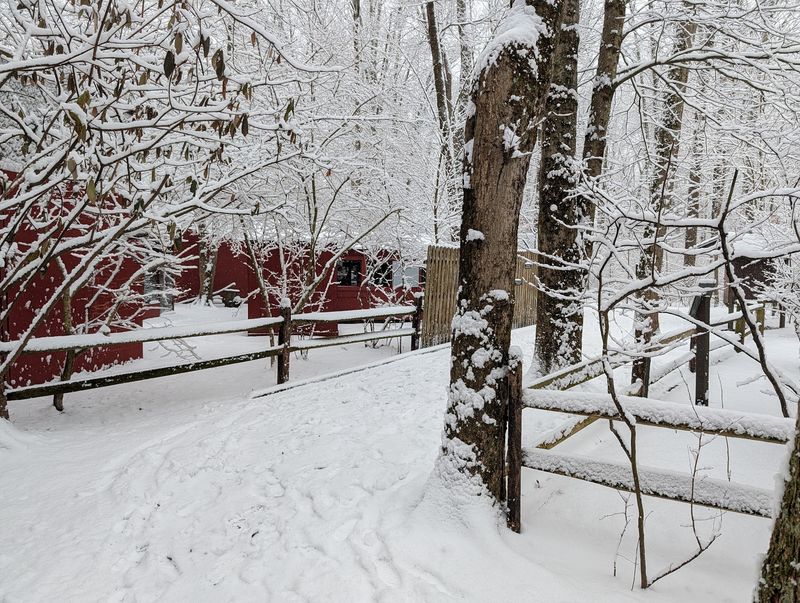
Few bird hospitals get neighbors this fitting. The Raptor Trust sits surrounded by the Great Swamp National Wildlife Refuge in Morris County.
That means woods, wetlands, and plenty of open sky in every direction. It’s a version of New Jersey that feels a long way from the Turnpike.
You’ll find the center at 1390 White Bridge Rd, Millington, NJ 07946. Plug it into your GPS and let the roads get quieter as you go.
The setting adds a lot to the experience. Resident birds live among real trees, and wild birds flutter around the property freely.
It’s also a handy pairing for a bigger outing. A stop here can combine nicely with a hike in the refuge, turning a quick visit into a full nature day.
Bring comfortable shoes if you plan to do both. Binoculars wouldn’t hurt either, since the refuge is a well-known birding area.
I can’t imagine a more natural backdrop for this kind of work. Hawks and owls heal best near the wild places they came from, and humans seem to relax there too.
About Forty Permanent Residents With Second-Chance Stories
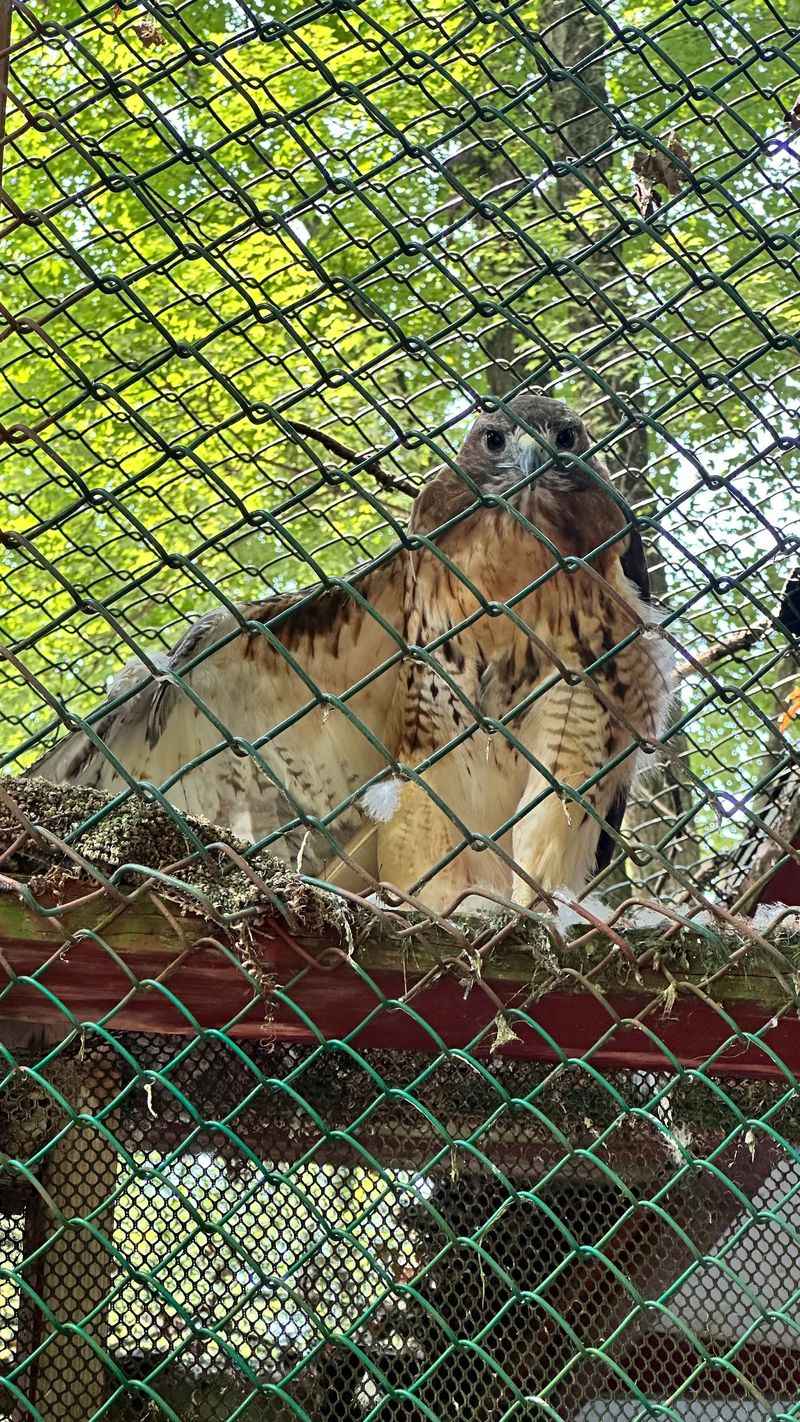
Roughly forty birds call the place home for good. They represent about twenty species of hawks, eagles, and owls.
Each one ended up here because release wasn’t a safe option. An old injury or another lasting condition meant the wild would be too risky.
So The Raptor Trust gave them something better than a rough gamble. They got a permanent home, steady meals, and expert care.
In return, these birds work as ambassadors. They let visitors learn about raptors in a way no textbook can match.
Signs on each enclosure share information about the bird inside. That turns a casual stroll into a mini lesson, which kids may find surprisingly fun.
Some enclosures give room to fly for the active birds. Others include ramps for birds that have lost wing function, so everyone can still get around.
I like how the setup respects each bird’s abilities. It’s practical, thoughtful, and clearly built around the animals first.
Standing just feet from a powerful predator is humbling. Knowing it got a second chance makes the moment even warmer.
Yes, You Can See Bald Eagles Up Close In New Jersey
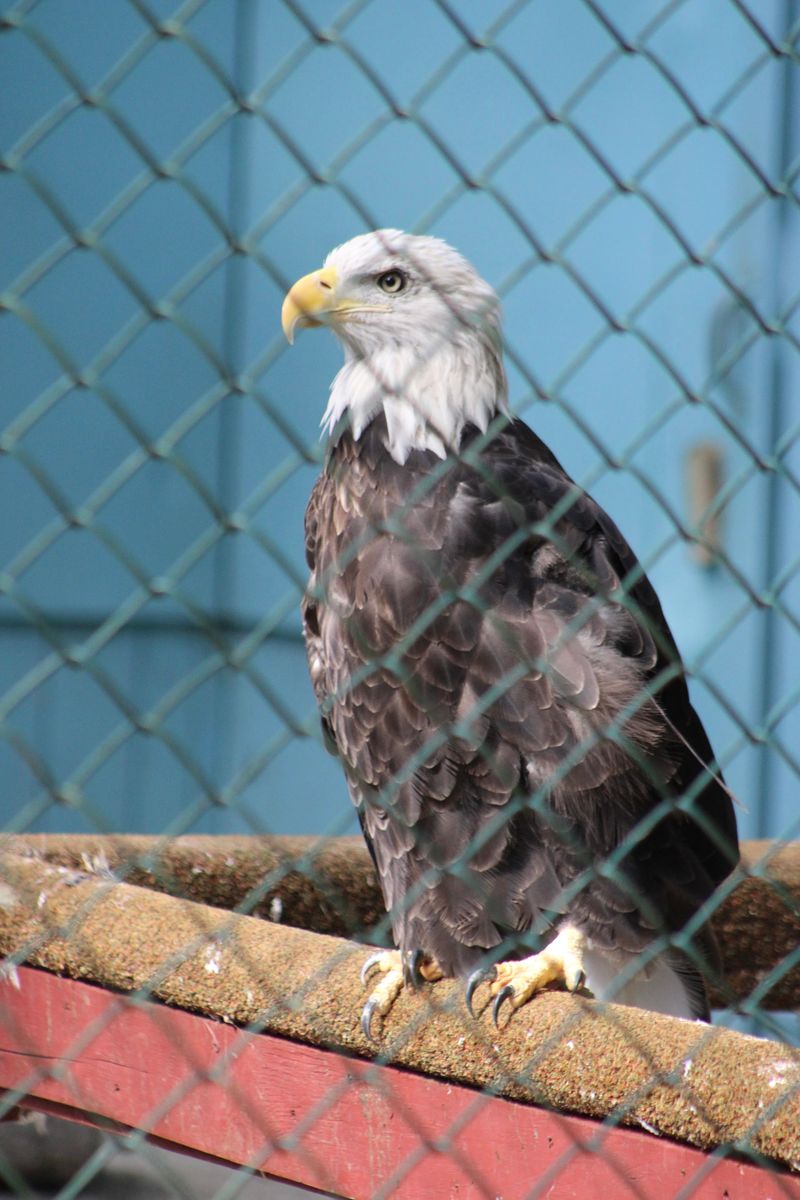
A bald eagle staring right at you is a lot to process before lunch. At The Raptor Trust, that encounter is part of a normal walk.
Bald eagles are among the easiest residents to spot along the trail. Their size and that famous white head make them hard to miss, even behind mesh.
Golden eagles appear on the resident roster too. Seeing both species in one visit is a rare treat for anyone who loves big birds.
Here’s a fun bit of context. Most raptors only gained federal protection in 1972, years after the Soucys started caring for them.
Today, eagles are a proud part of the state’s wildlife story. Getting a close look helps kids connect the national symbol to a real living bird.
Take your time at these aviaries. Eagles often sit still, which gives you a long, unhurried chance to notice the talons, beak, and steady gaze.
Honestly, it’s a little like meeting a celebrity who doesn’t care about your autograph. They’re magnificent, mostly unimpressed, and absolutely worth the trip.
Owls, Vultures, And Falcons Bring Plenty Of Personality
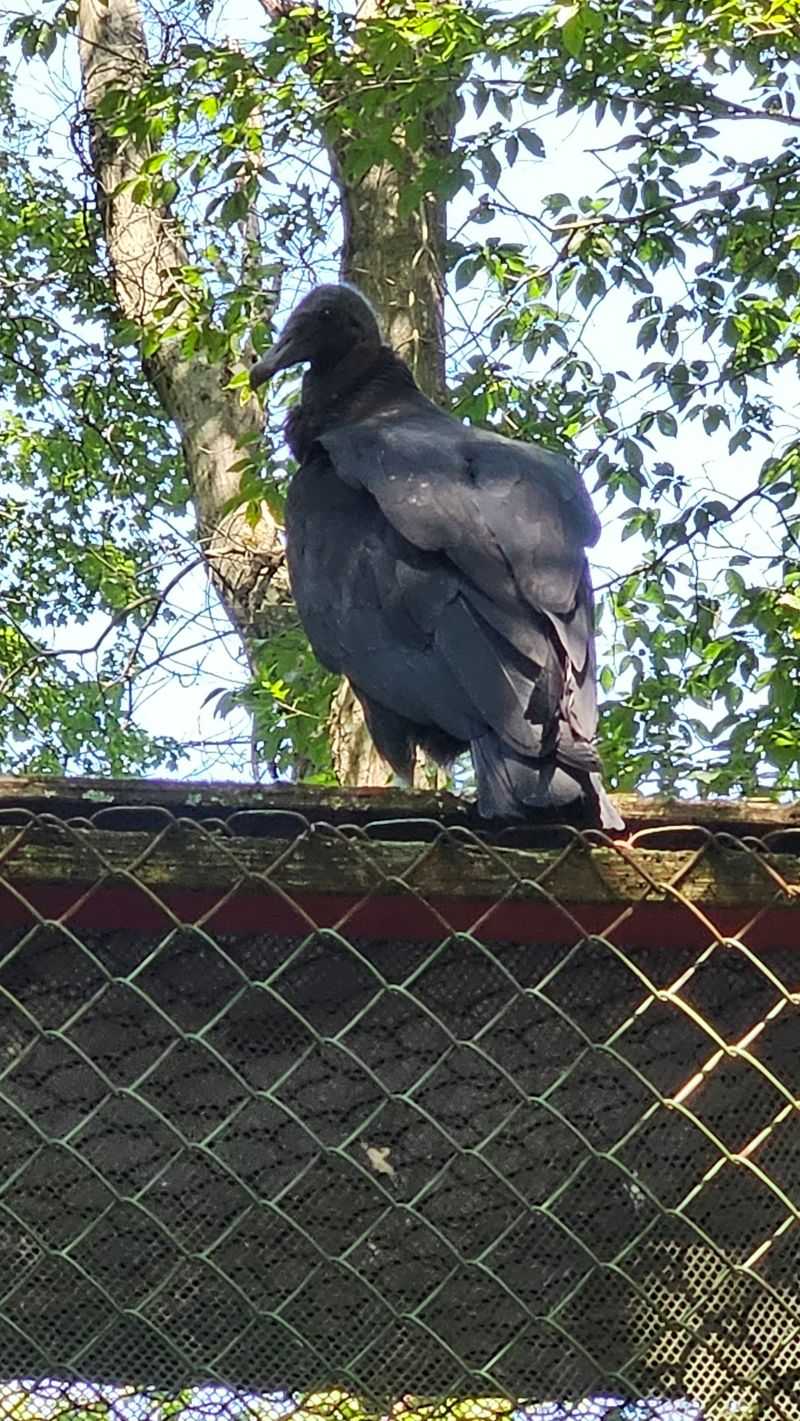
Eagles get the headlines, but the supporting cast steals plenty of scenes. Owls, hawks, falcons, vultures, and even ravens live among the residents.
Owls tend to be crowd favorites for good reason. Some enclosures let you get really close, and those big eyes are wonderfully dramatic.
Vultures deserve more love than they usually get. They play an important cleanup role in nature, and seeing one up close can change a kid’s opinion fast.
Falcons bring a sleek, speedy look to the lineup. Even sitting still, they seem ready to launch.
Ravens add a clever twist to a trail full of birds of prey. Their glossy black feathers look striking against the green woods.
Variety is what makes the walk feel fresh from start to finish. Each aviary offers a new shape, color, or attitude to notice.
I believe that mix is the real teacher here. Kids learn that raptors aren’t one single type of bird, but a whole family of fascinating hunters.
Bring your curiosity and a few good questions. The enclosure signs can help answer them.
A Gravel Path Past More Than 70 Cages And Aviaries
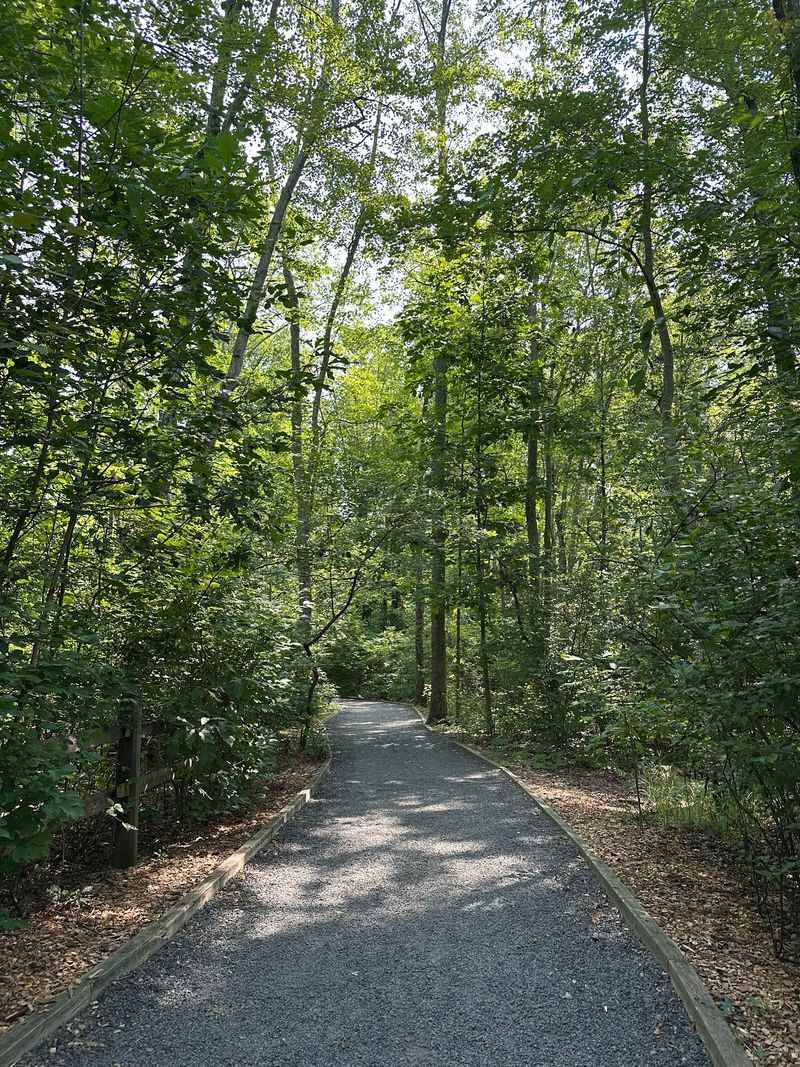
More than 70 exterior cages and aviaries line the grounds. That number alone shows how much care happens on this property.
The Aviary Trails are self-guided, so you set the pace. Linger at the owls, hurry past nothing, and take as many breaks as you like.
Admission is free, which makes this an easy yes for families. A suggested donation is welcome, and it goes right back to the birds.
The pathway is groomed gravel and fairly easy to walk. Much of it is shaded, a nice perk on a warm New Jersey afternoon.
Benches give tired legs a spot to rest. The facilities are ADA-accessible, which helps more people enjoy the visit.
Most loops can take around an hour if you stop at each enclosure. A quick look might take less, while slow readers of every sign may stay longer.
Stay on the paths and within public areas. It keeps the space calm for the birds and keeps your visit simple.
Kids can lead the way here. Just keep them close, and let them pick the next aviary.
Why The Mesh Matters More Than Your Camera Roll
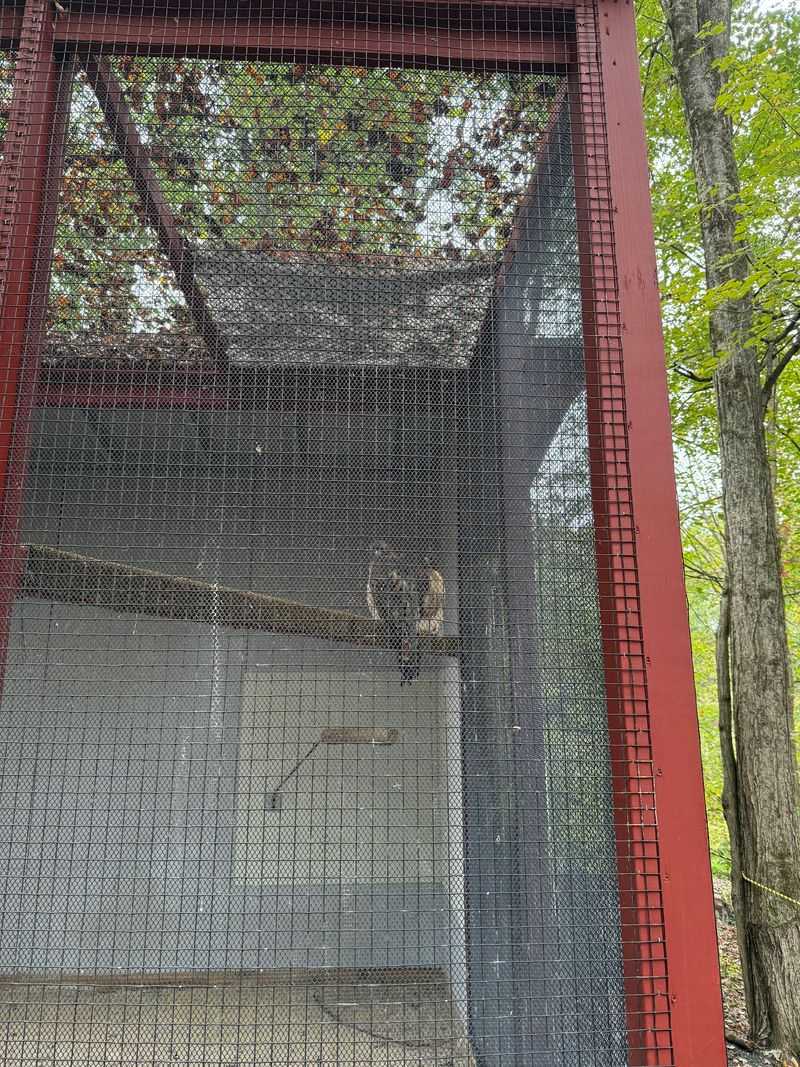
Photographers, consider yourselves warned. Many enclosures use mesh or double fencing, and some include extra tarp covering.
That can make crisp photos tricky. Your phone may focus on the wire instead of the hawk, which is mildly annoying but totally fair.
The reason is simple and kind. The barriers protect the birds’ safety and comfort, and they keep visitors safe too.
Remember that these are wild animals with powerful talons. A little separation helps everyone stay relaxed.
Also keep in mind that The Raptor Trust is a rehab and care facility. It isn’t designed as a zoo with glass viewing walls and stage lighting.
Weather may affect what you see as well. Some birds may not be out on stormy days, so a clear morning could be a smart pick.
My advice is to put the camera down for a minute. Your eyes will catch details the lens keeps missing.
The feather patterns, the slow blinks, the head tilts all look better in person. You’ll remember those moments longer than any blurry snapshot.
Chipmunks At The Feeders, Picnic Tables, And A Gift Shop Worth Browsing
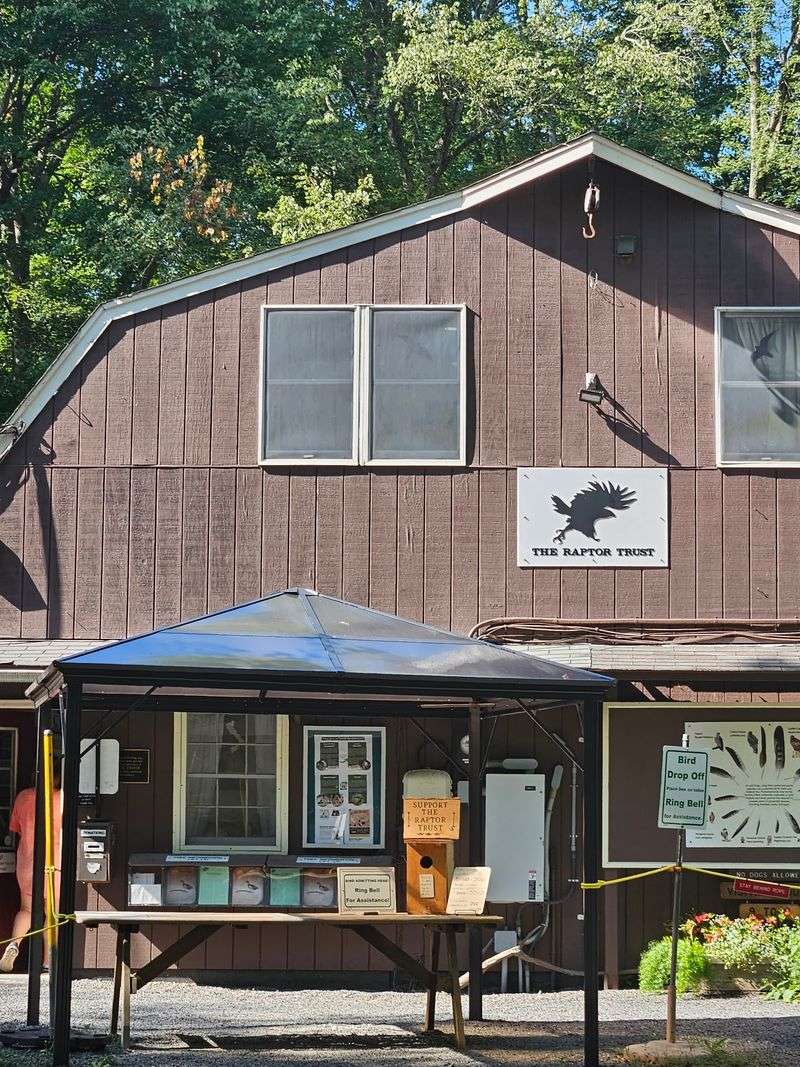
Not every star of the show lives in an aviary. Feeders set up near the path attract small wild birds, squirrels, and chipmunks.
Kids may get just as excited about a chipmunk stuffing its cheeks as an eagle. Honestly, who could blame them?
Clean restrooms sit right by the parking lot, which parents will appreciate. A picnic area offers a nice spot to pause with a packed lunch.
Parking is in a decent-sized crushed-stone lot. Getting in and out tends to be simple.
Then comes the gift shop, and it’s a fun stop. You’ll find shirts, books, mugs, hats, and plush toys with a bird theme.
There are items for both children and adults. An owl plush or a little roosting nest for your backyard birds makes a sweet souvenir.
Best of all, proceeds from the shop support the care of the avian patients. Your new mug quietly helps a hawk heal.
That’s shopping I can feel good about. It turns a souvenir into a small act of support for New Jersey’s wild birds.
An Education Center That Turns Curiosity Into Conservation
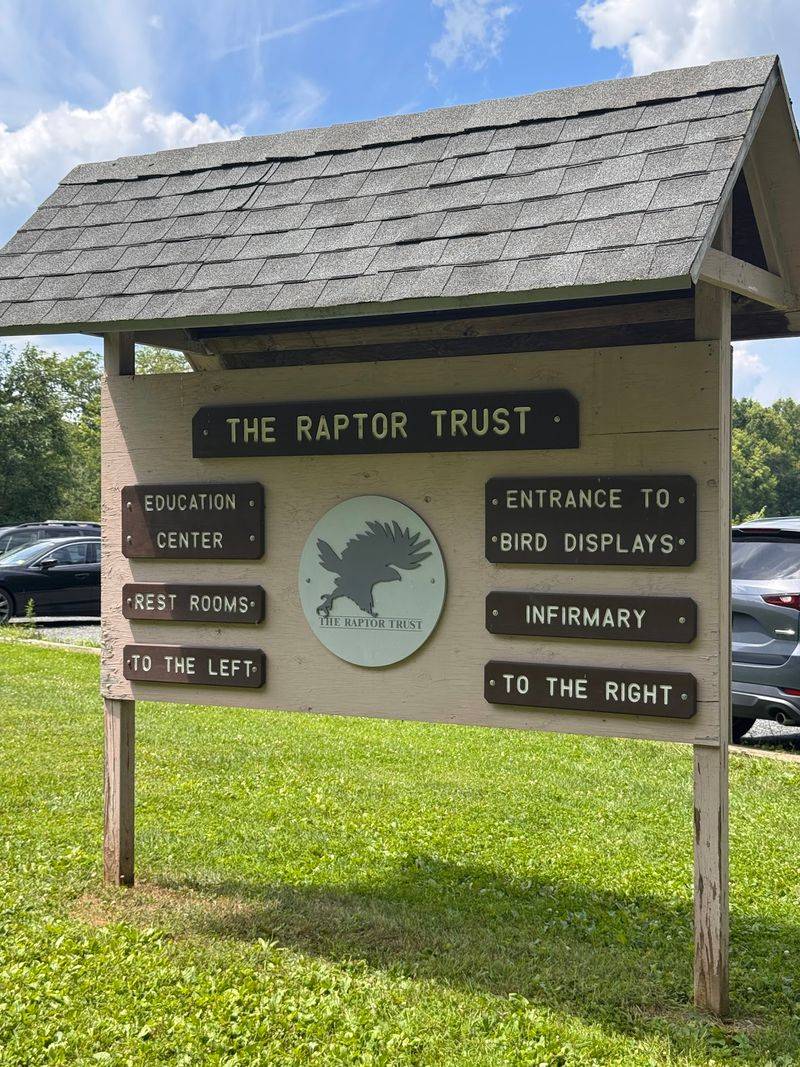
Learning sneaks up on you here, in the best way. Right next to the Aviary Trails sits the Education Center.
Inside, a 40-seat classroom hosts organized programs. These sessions focus on wild birds and conservation for audiences of different ages.
Schools, scouts, and community groups can all benefit from that kind of setup. Hearing about raptors just steps from real raptors makes the lessons stick.
Private tours are another option for families who want extra detail. They can be a great fit for kids who ask a hundred questions per minute.
The education mission isn’t an add-on. It’s a core part of how The Raptor Trust hopes to protect birds long term.
When people understand why birds matter, they may treat them better. They might move a feeder away from windows or know what to do with a fallen fledgling.
I like that the teaching feels connected to everyday life. You leave with facts, but also with practical ways to help.
Check the schedule before you go. Program offerings can vary, so planning ahead helps you catch one.
Found A Hurt Bird? Here Is Where It Can Get Help
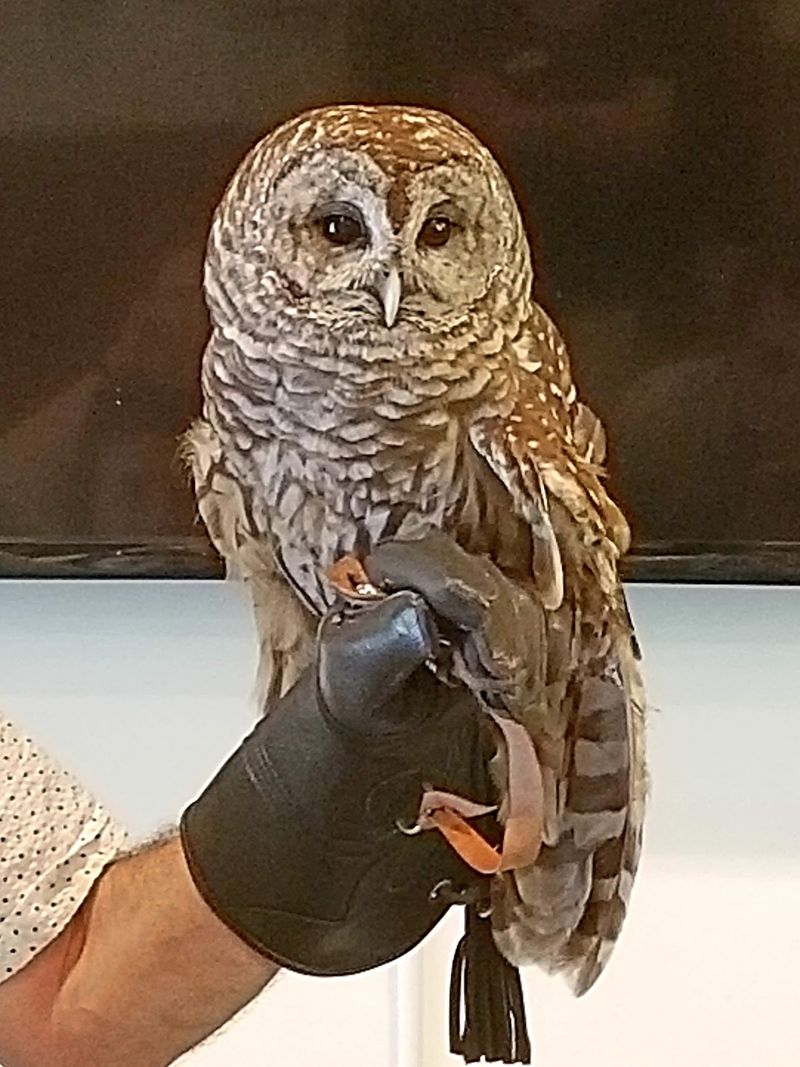
A baby robin on the driveway can turn an ordinary morning upside down. The Raptor Trust is often the call New Jersey residents make next.
Despite the name, help isn’t limited to raptors. Sparrows, robins, doves, and other songbirds can be brought in for care.
Calling ahead is a smart first step. Staff may offer advice by phone, and sometimes a bird just needs to be returned to its nest.
If the bird does need treatment, you can bring it to the center. Intake happens every day of the year, holidays included.
Some people receive a card with an ID number for their bird. That lets you follow the patient’s healing progress, which is a lovely touch.
Window strikes, cat encounters, and windy storms are common reasons birds arrive. Quick action can give them a much better chance.
Keep a small box with air holes and a soft towel in mind. It’s a simple way to transport a bird calmly.
I find it comforting that this resource exists. A scary moment can turn into a hopeful release story.
Plan Your Visit, Then Let The Birds Do The Rest
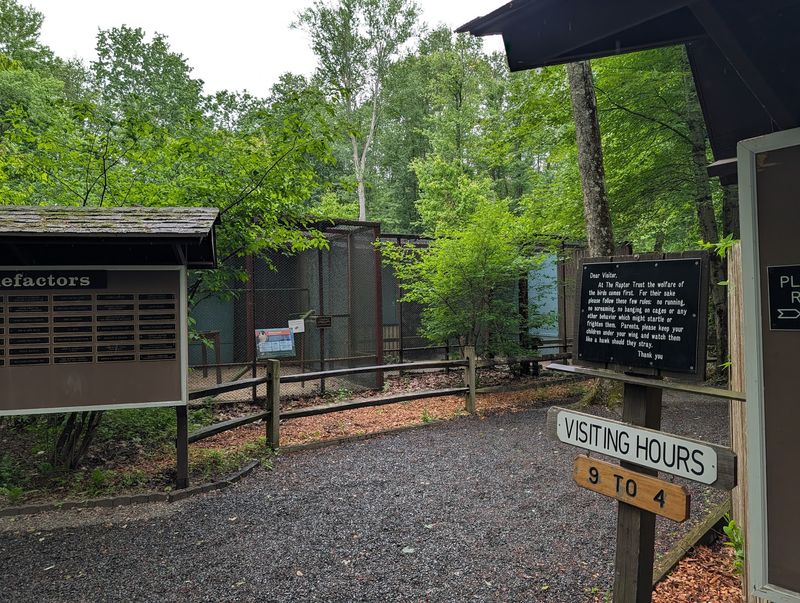
Good news for spontaneous planners: the grounds welcome visitors daily. Hours currently run from 9 AM to 4 PM.
Summer hours have stretched later in past seasons, so double-check before an evening trip. Holidays and weather may also affect timing.
Admission stays free, with a modest suggested donation. Bring a little cash for the donation box, since every bit supports the patients.
A few simple rules keep things peaceful. Stay on gravel paths, avoid the off-limits rehabilitation areas, and keep children with their guardians.
The Trust asks for a five-to-one child-to-adult ratio. That’s easy for most families and helpful for group outings.
Plan around an hour for the trail, maybe longer with a picnic or gift shop stop. Add the Great Swamp nearby, and the day fills up nicely.
So is The Raptor Trust worth the drive? For families who love animals, free outings, and hopeful stories, I’d say it’s an easy yes.
You’ll meet eagles, owls, and hawks with second chances. And you’ll leave knowing your visit helps the next bird fly home.