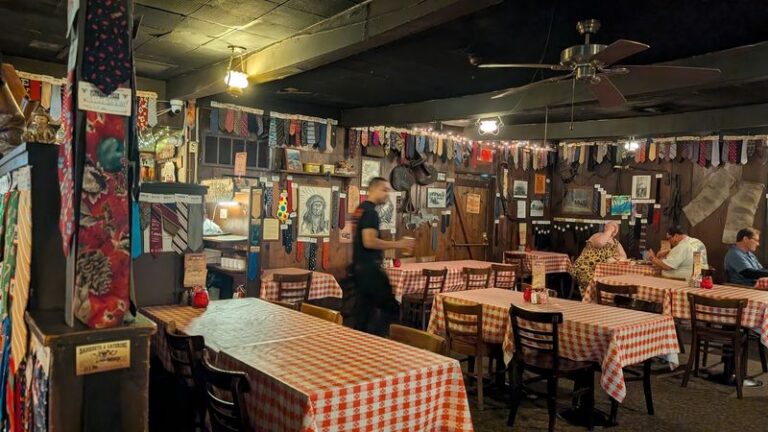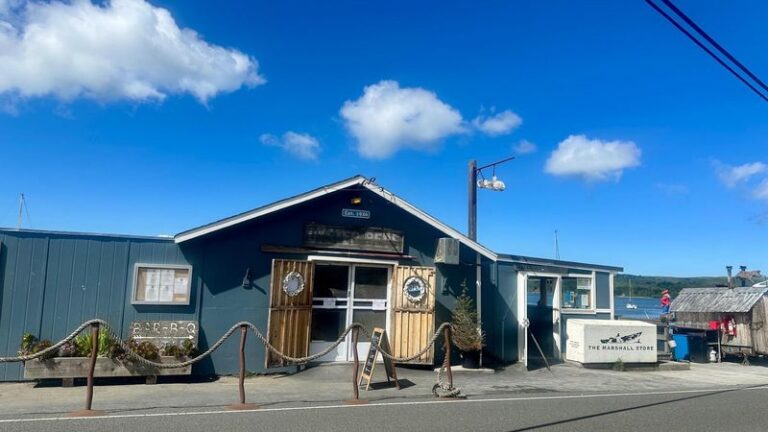
One sweet shop in Los Angeles has been making mochi since 1903. That’s older than the Golden Gate Bridge, the freeways, and most of the neighborhoods around it.
I love that a family business can carry that much history in a box of pastel sweets. And it’s far from the only place in California where Japanese heritage still lives on.
Some of it hides in busy city blocks full of ramen and matcha. Some of it shows up once a year in quiet farm towns, when temple grounds fill with taiko drums and folk dancing.
Families who once worked the orchards and strawberry fields helped build these traditions.
I can’t think of a better excuse for a road trip than teriyaki, manju, and a summer evening of Bon Odori. The question is where to start, and how many stops you can squeeze into one weekend.
1. Japantown
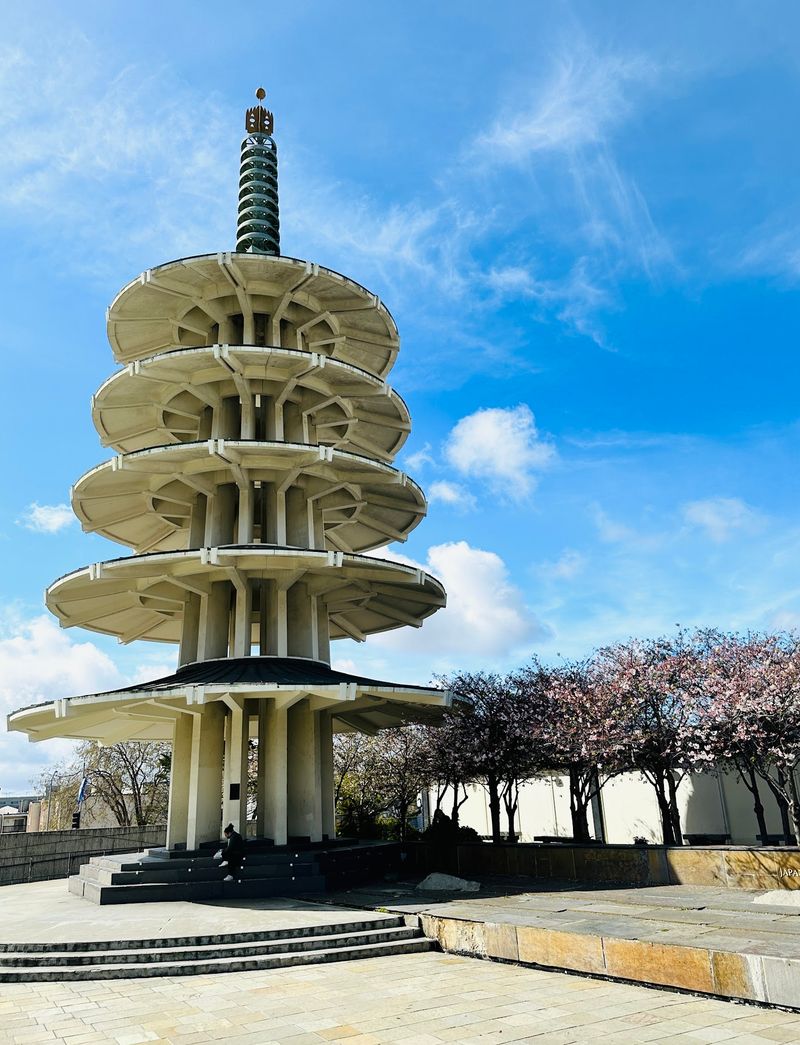
Survival is the headline here, because San Francisco holds one of only three historic Japantowns left in the United States. That alone makes a stroll through these blocks feel like a small act of preservation.
Most of the action centers on the Japan Center malls and the streets around them. You’ll find ramen shops, sushi bars, and matcha cafes packed close enough to cause some serious decision fatigue.
Need snacks for the drive home? Japanese supermarkets like Nijiya Market stock the kinds of groceries that make a regular store feel a little boring afterward.
Timing your trip around a festival takes things up a notch. The neighborhood hosts the Northern California Cherry Blossom Festival each spring, one of the big community celebrations of the year.
Summer brings the San Francisco Buddhist Church Obon Festival, another annual tradition rooted in the local community. Obon honors ancestors, so the mood mixes celebration with remembrance.
Here’s a fun way to plan it. Grab a bowl of ramen first, then wander the side streets with a matcha in hand.
In a city that changes as fast as San Francisco, that kind of continuity feels worth protecting, one bite at a time.
Address: Japantown, San Francisco, CA 94115
2. Little Tokyo
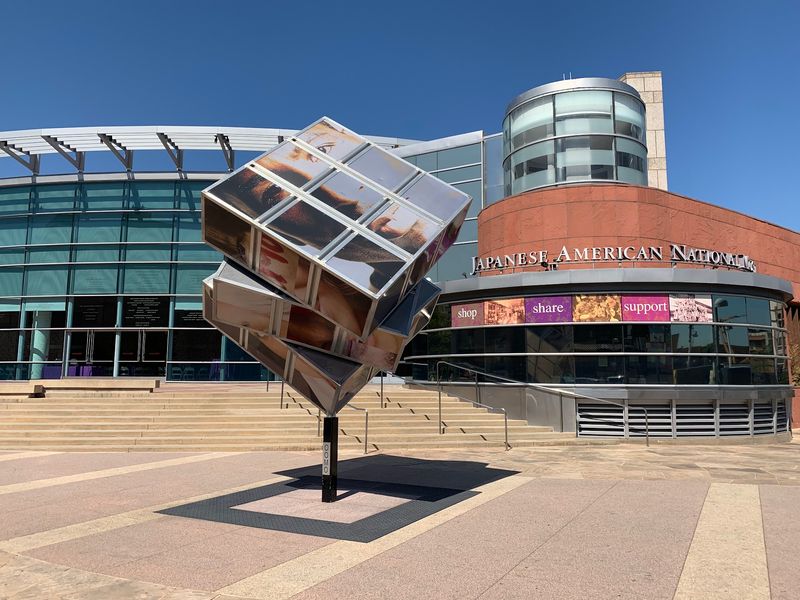
Mochi made since 1903 is a pretty strong opening argument. Fugetsu-Do, the sweet shop with that long history, sits right in the heart of Little Tokyo in Downtown Los Angeles.
The neighborhood itself carries serious weight too. It’s a designated National Historic Landmark District, which puts it in rare company among California neighborhoods.
Hungry yet? Traditional noodle houses, sushi counters, and Japanese bakeries line these streets, so pacing yourself becomes a real strategy.
A smart move is to save room for something sweet. A box of mochi makes a fine souvenir, assuming it survives the car ride.
Festival season is where Little Tokyo really shows off. The weeklong Nisei Week Japanese Festival is one of the neighborhood’s biggest cultural events.
There’s also the Little Tokyo Obon Festival and the Tanabata Festival, each with its own traditions. Tanabata is known for colorful hanging decorations and wishes written on paper strips.
If you grew up in Southern California, there’s a good chance a school trip or family outing brought you here once. Coming back as an adult, with your own appetite and schedule, might be the best way to see it again.
Address: Little Tokyo, Los Angeles, CA
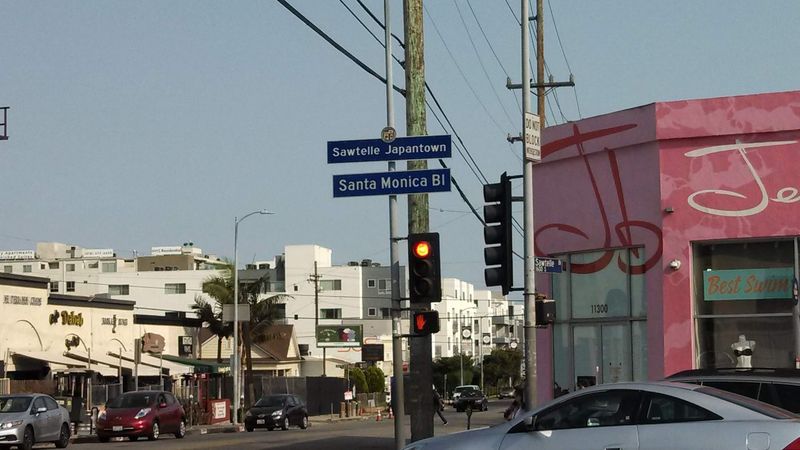
3. Sawtelle Japantown
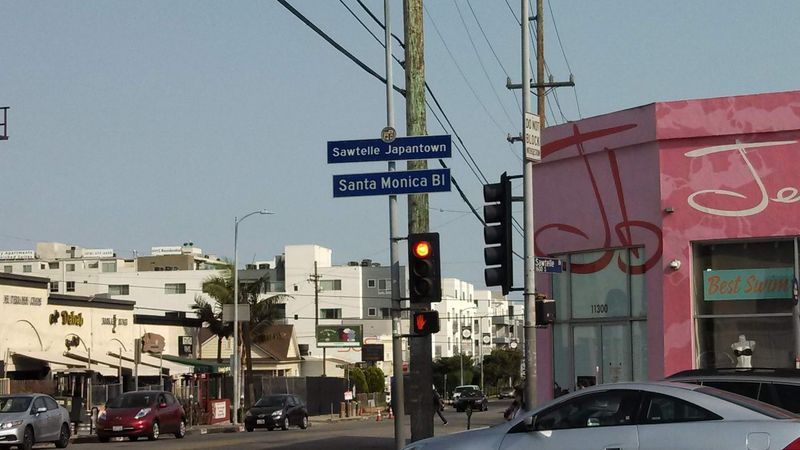
Plants came before ramen on this stretch of West Los Angeles. Japanese nurserymen originally settled the area, and today it carries the official name Sawtelle Japantown.
Knowing that history changes how the street feels. Behind the busy storefronts is a community story that goes back generations.
These days, the corridor is famous for how much Japanese food it packs into a short walk. Ramen fans tend to put Tsujita high on their list.
Bento delis offer a quicker option when you want lunch without a long sit-down meal. Japanese creperies handle dessert duty, and you probably won’t regret choosing one.
Food crawls work especially well here. Pick a savory stop, then a sweet one, then maybe sneak in a second savory stop when nobody’s counting.
Beyond the restaurants, the neighborhood gathers for cultural block fairs and community events. The annual West Los Angeles Buddhist Temple Obon Festival is the big one to circle on your calendar.
For Angelenos who only know Sawtelle as a dinner spot, the nursery roots are a fun surprise. It’s a reminder that California’s food scenes often grow from older soil, sometimes literally.
Address: Sawtelle Japantown, Los Angeles, CA
4. Watsonville
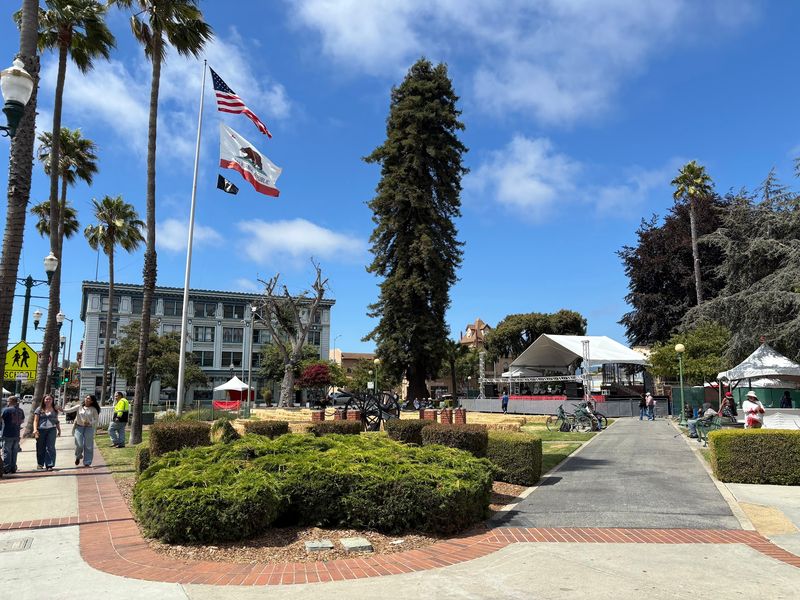
Strawberry and apple fields wrap around Watsonville, a farm town of about 52,000 people in the Pajaro Valley. Long before it filled grocery store shelves, Japanese immigrant families helped work this fertile land.
That Issei and Nisei farming legacy still shapes the community today. Issei were the first generation of immigrants, and Nisei were their American-born children.
You can taste that history at local Japanese food bazaars. Handmade sushi, teriyaki chicken, and bento are part of the lineup.
There’s something fitting about eating teriyaki a few miles from the fields those families tended. Food becomes a way of saying the story still matters.
The big event is the annual Watsonville Buddhist Temple Obon Festival. It brings the valley together for traditional Bon Odori dancing and powerful taiko drumming.
Bon Odori is meant for joining, not just watching. Dancers move in a circle, and newcomers often follow along as they go.
Watsonville sits close to the Monterey Bay coast, so you can pair the festival with a beach detour. Strawberries on one side, ocean breezes on the other, and a plate of sushi in between sounds like a solid California day.
Address: Watsonville, CA
5. Reedley
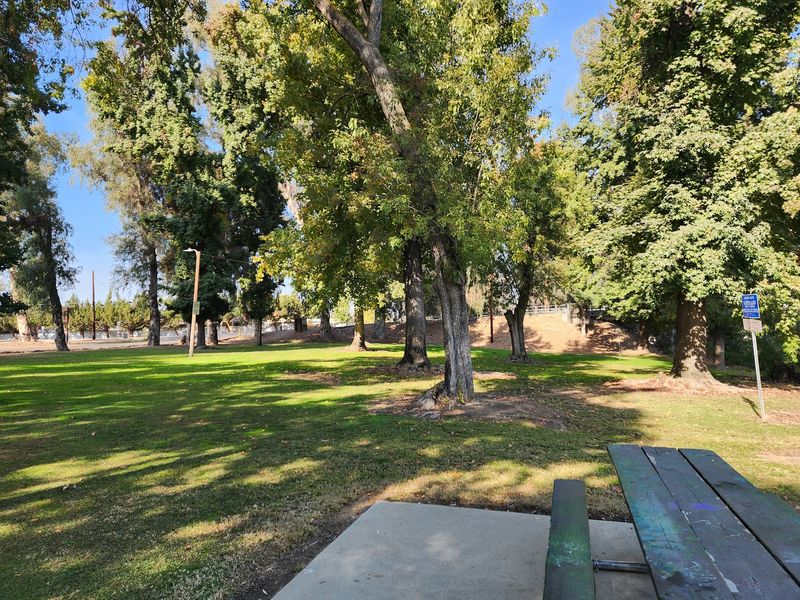
Few towns can claim a nickname as bold as “The Fruit Basket of the World.” Reedley earned it with orchards and packing sheds spread across this corner of Fresno County.
About 25,000 people call the town home. Japanese farmworkers were part of the story that built its agricultural reputation.
Their culinary heritage carries on through long-running annual food bazaars. Expect teriyaki bowls, udon, and Japanese baked goods.
Udon in the Central Valley heat might sound bold. Then again, comfort food rarely checks the weather report first.
The headliner is the annual Reedley Buddhist Church Obon Festival and Bazaar. Bon Odori folk dancing fills the grounds and draws the community together.
You’ll also find calligraphy and cultural exhibits, which add a quieter, thoughtful side to the celebration. It’s a nice balance after a round of teriyaki.
Reedley makes an easy day trip from Fresno, and the drive passes through serious farm country. Watching the orchards roll by helps you understand why these traditions grew here in the first place.
For descendants of Central Valley farm families, an event like this can feel like a homecoming. For everyone else, it’s a generous invitation to learn.
Address: Reedley, CA
6. Walnut Grove
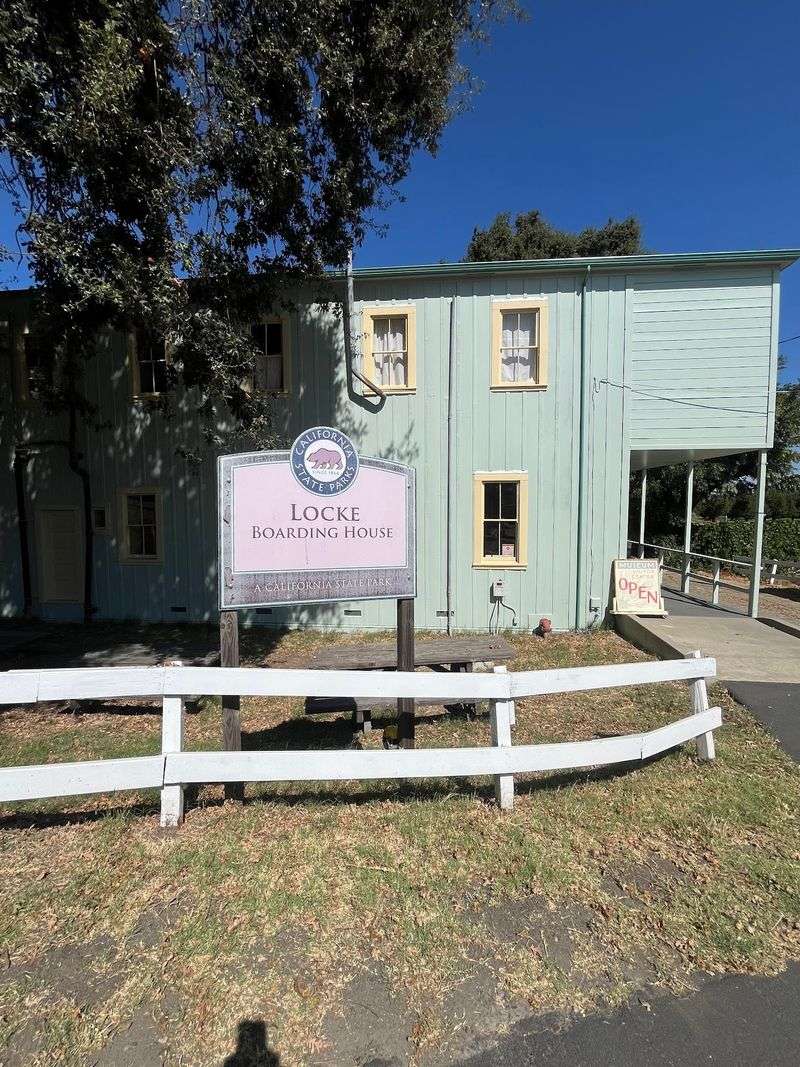
Tiny towns sometimes hold the biggest stories. Walnut Grove has roughly 1,500 residents, yet it preserves a whole chapter of California’s Japanese American history.
The unincorporated community sits along the Sacramento River Delta, surrounded by farmland. Its historic agrarian character still defines the place.
Generations ago, Japanese boarding-house kitchens and fish markets fed the Delta’s agricultural workers. Those meals kept a hardworking community going through long seasons in the fields.
Today, that food history gets honored during heritage luncheons and regional agricultural gatherings. It’s a meaningful way to connect a plate of food with the people who came before.
The heart of the story is the Walnut Grove Japanese-American Historic District. Here, Delta pilgrimages and regional heritage celebrations commemorate the town’s Japanese farming pioneers.
Walking these streets offers a quieter experience than the big-city Japantowns. You come for reflection more than crowds.
Getting here is half the fun. Levee roads wind along the river, and the Delta scenery makes a lovely backdrop for an unhurried afternoon.
If you love history that hasn’t been polished into a theme park, Walnut Grove deserves a slow, curious visit.
Address: Walnut Grove, CA
7. Fowler
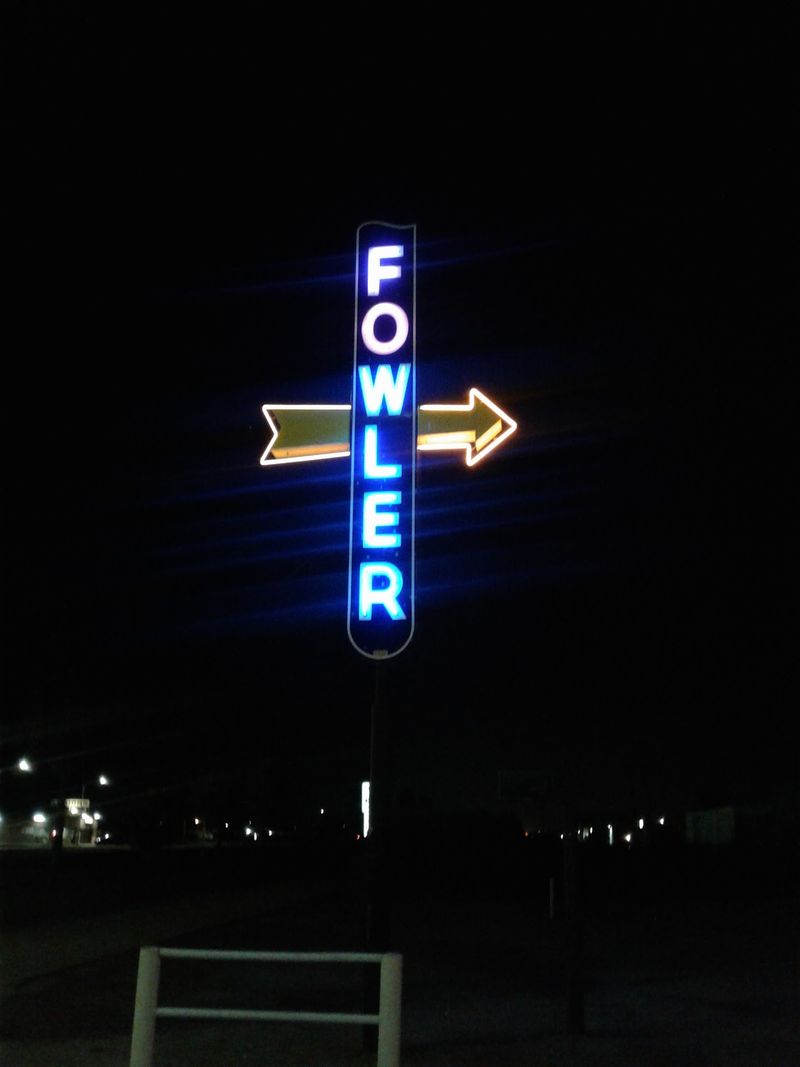
Raisins put Fowler on the map, with vineyards and packing houses shaping this Fresno County community of about 6,700 people. Japanese culinary traditions found a home here too.
Small size works in its favor. Events feel personal, and the town’s farming roots are easy to spot on the drive in.
The Fowler Buddhist Church holds annual food sales that keep those traditions going. Sushi, manju, and teriyaki are on the menu.
Manju, for the uninitiated, is a sweet bun usually filled with bean paste. It’s the kind of treat that disappears faster than planned.
Local dining adds another layer to the town’s Japanese food heritage. Still, the church food sales are the easiest way to taste a community tradition firsthand.
Then there’s the annual Fowler Buddhist Church Obon Festival. Bon Odori dancing and taiko performances bring the celebration to life.
Fowler sits just south of Fresno, so you can pair it with Reedley for a Central Valley heritage loop. Two towns, two temple traditions, and plenty of teriyaki sounds like a well-planned Saturday.
Bring an empty cooler for the manju. Future you will be grateful.
Address: Fowler, CA 93625