For years, people tossed old bottles, appliances, and even cars straight over a coastal bluff here. Then the Pacific Ocean got to work.
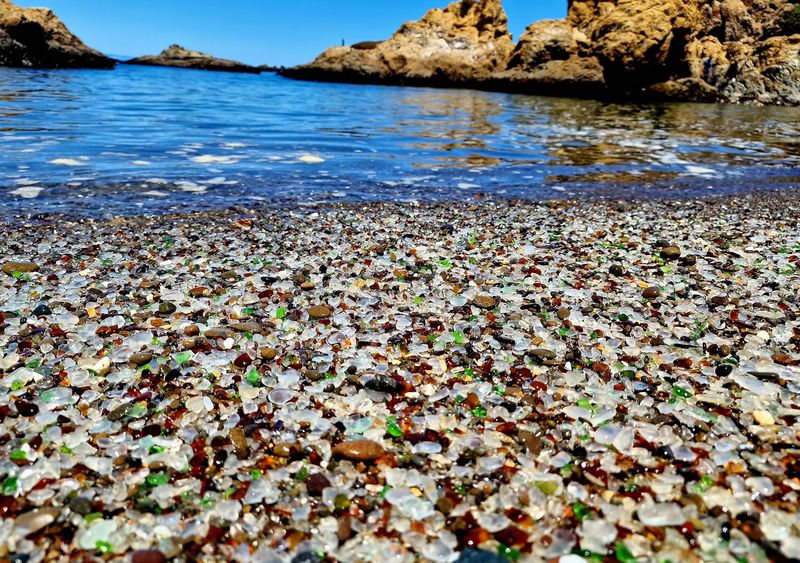
The waves tumbled that broken glass for decades. They ground sharp shards into smooth pebbles of green, white, and amber.
I love that one of the prettiest shorelines in California started out as a city dump.
Today the old dumping ground belongs to a state park. Tide pools hold tiny crabs and snails.
Cliffside trails frame wide ocean views, and bold ground squirrels watch every visitor.
I believe the real twist is still unfolding. The glass is slowly disappearing as people pocket it.
So how much sparkle is left, and is it still worth the drive up the coast?
A Former Dump That Now Sparkles On The Mendocino Coast
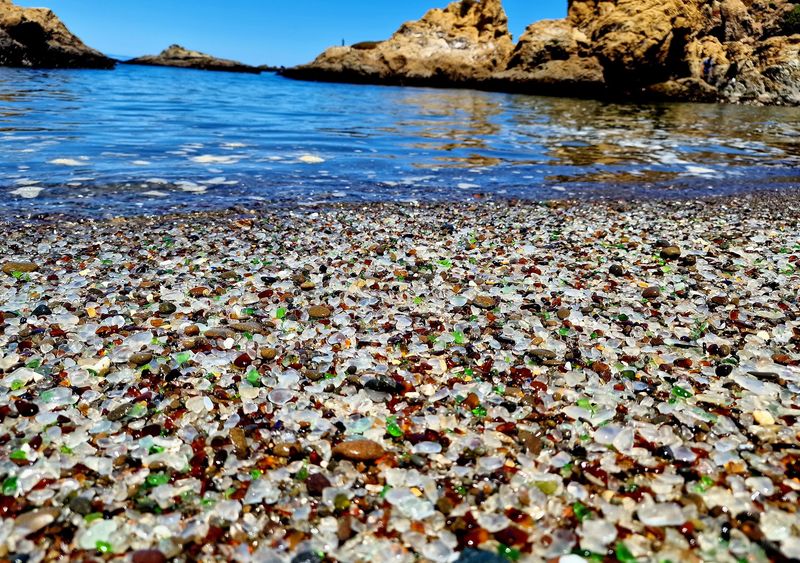
Glass Beach sits on the rugged Mendocino Coast in Fort Bragg, California. It’s a rocky stretch of shoreline famous for colorful, wave-polished bits of glass.
Instead of soft sand, much of the shore is made of tiny pebbles. Some of those pebbles once belonged to bottles, jars, and old car taillights.
The beach is part of MacKerricher State Park today. That status protects the area and keeps it open for everyone to enjoy.
You’ll find it right on the edge of town, close to Highway 1. That makes it an easy detour for anyone cruising the North Coast.
The setting does a lot of heavy lifting too. Jagged rocks, crashing surf, and coastal bluffs surround the glass coves on every side.
It isn’t a huge beach, and it won’t swallow a whole weekend. Still, Glass Beach packs a lot of story into a small space.
Few places in the state turn a mistake into a postcard this well. It’s a quirky slice of California history that you can actually hold in your palm.
How Decades Of Trash Ended Up Over The Cliff
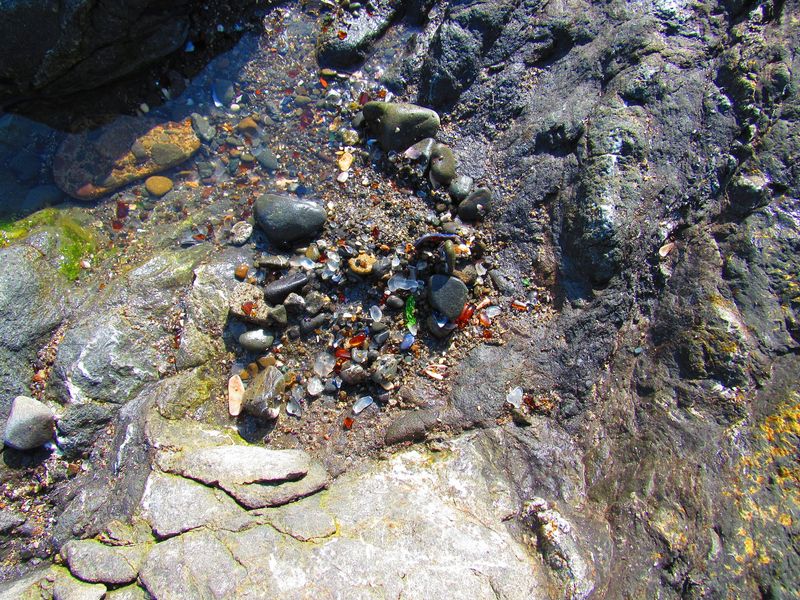
Back in the early 1900s, Fort Bragg residents dumped their garbage right along the coastline. It sounds wild now, but it was common practice in many coastal towns then.
The city used three different dump sites over the years. The one now called Glass Beach took in trash from 1949 until 1967.
People threw out bottles, household junk, appliances, and even old vehicles. Fires were sometimes set to shrink the growing piles of waste.
Officials finally closed the site in 1967. Cleanup programs later hauled away much of the larger metal debris and other leftovers.
Glass, however, was a different story. Countless broken pieces stayed behind, scattered across the rocks and coves below the bluff.
That leftover glass became the raw material for something unexpected. The ocean simply needed time and a lot of pounding waves.
Bits of metal still peek out of the rocks in some spots. It’s a gritty reminder that this sparkling shore began as a working dump, not a resort.
The Ocean’s Slow Polishing Job
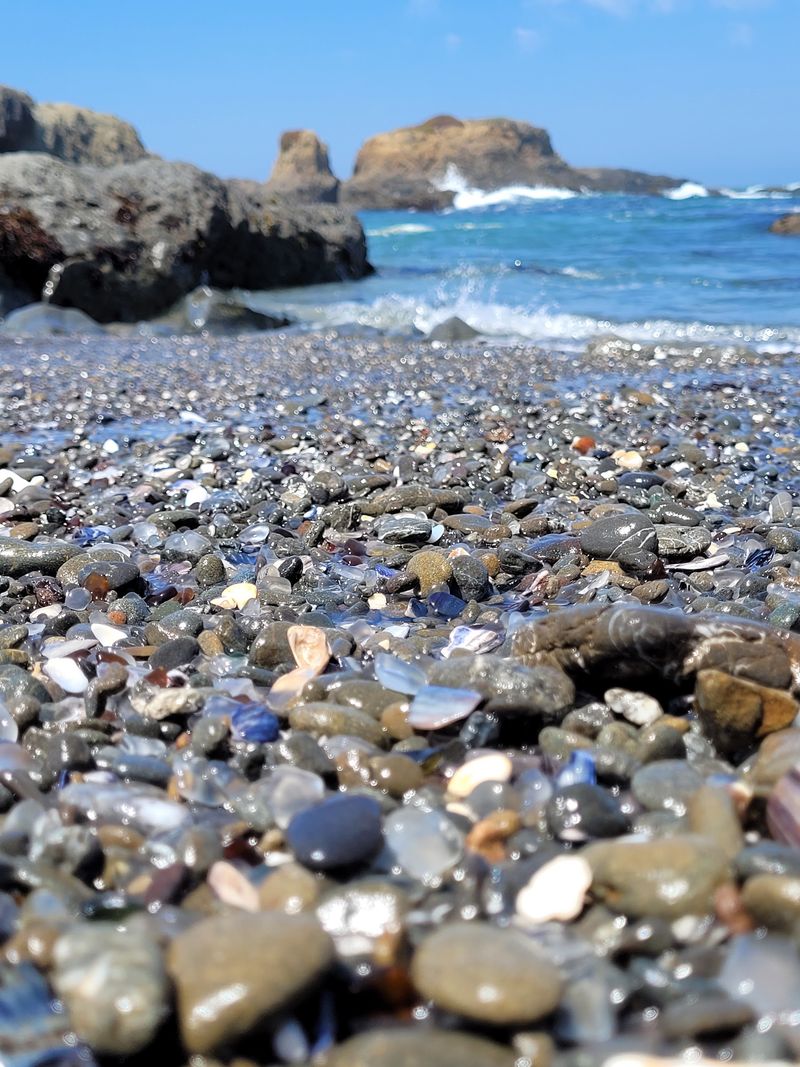
Waves don’t take shortcuts. For decades they rolled broken glass against rocks and sand, again and again, every single day.
All that tumbling softened the sharp edges. It also gave the glass that frosted, smooth finish collectors love so much.
The colors tell you a little about the past. Clear, green, and brown pieces likely came from everyday bottles and jars.
Rarer shades can turn up too, though finding them takes patience and luck. Blue and red pieces are especially prized by sea glass fans.
On a sunny day, wet glass can glisten along the waterline. Even a small handful of pebbles can catch the light in a surprising way.
Think of it as a recycling program run entirely by the Pacific. Nobody planned it, and nobody could have rushed it.
That slow process is exactly why the beach feels special. You’re looking at the result of a half century of patient ocean work.
Why Old Photos Show More Glass Than You Might Find
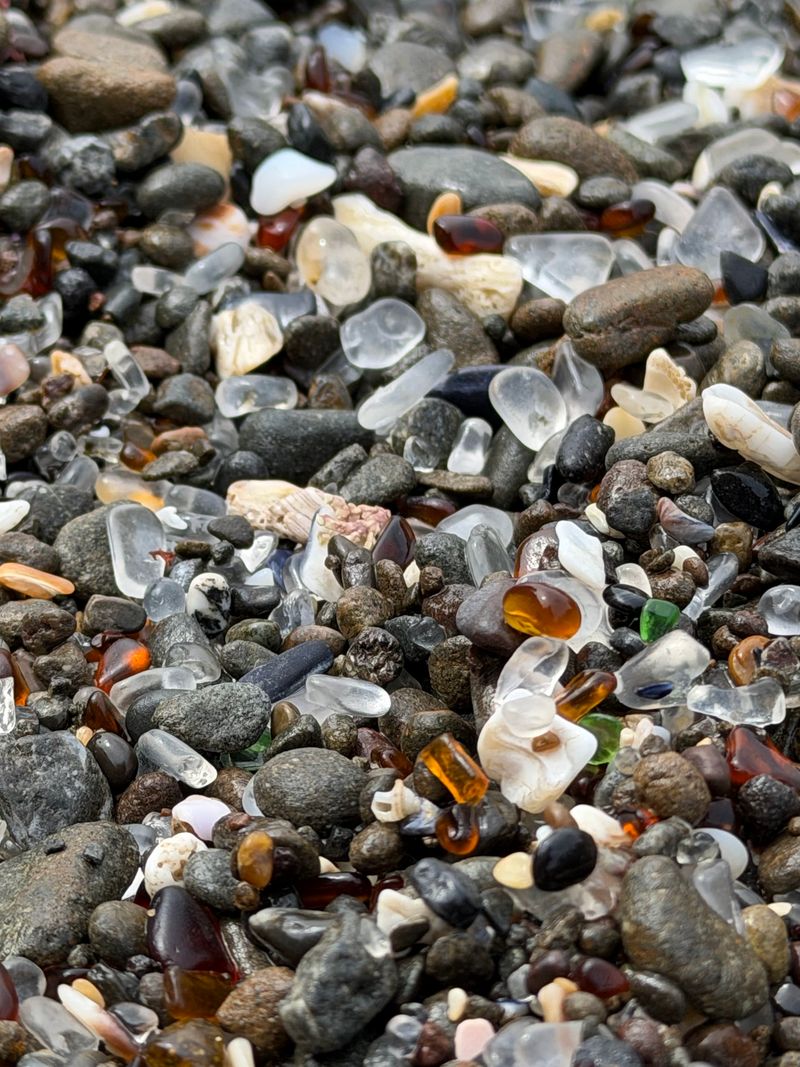
Here’s a fair warning before you go. Many current visitors find far less glass than older photos suggest.
Years of collecting have thinned the supply. People scooped up handfuls and carried them home as souvenirs.
No new trash is being dumped here, of course. So the glass doesn’t really get replaced once it leaves the beach.
Some coves still show small, colorful pebbles mixed into the rocks. Other spots may look mostly like an ordinary rocky shore.
Collecting is not allowed within the state park boundaries. That rule exists to protect what’s left for future visitors.
A sweet alternative is making a little pile and leaving it behind. Snap a photo, admire it, then let the next person discover it.
Setting realistic expectations can make your trip far more fun. Come for the story, the scenery, and the hunt, and any glass you spot feels like a bonus.
Tide Pools Packed With Tiny Neighbors
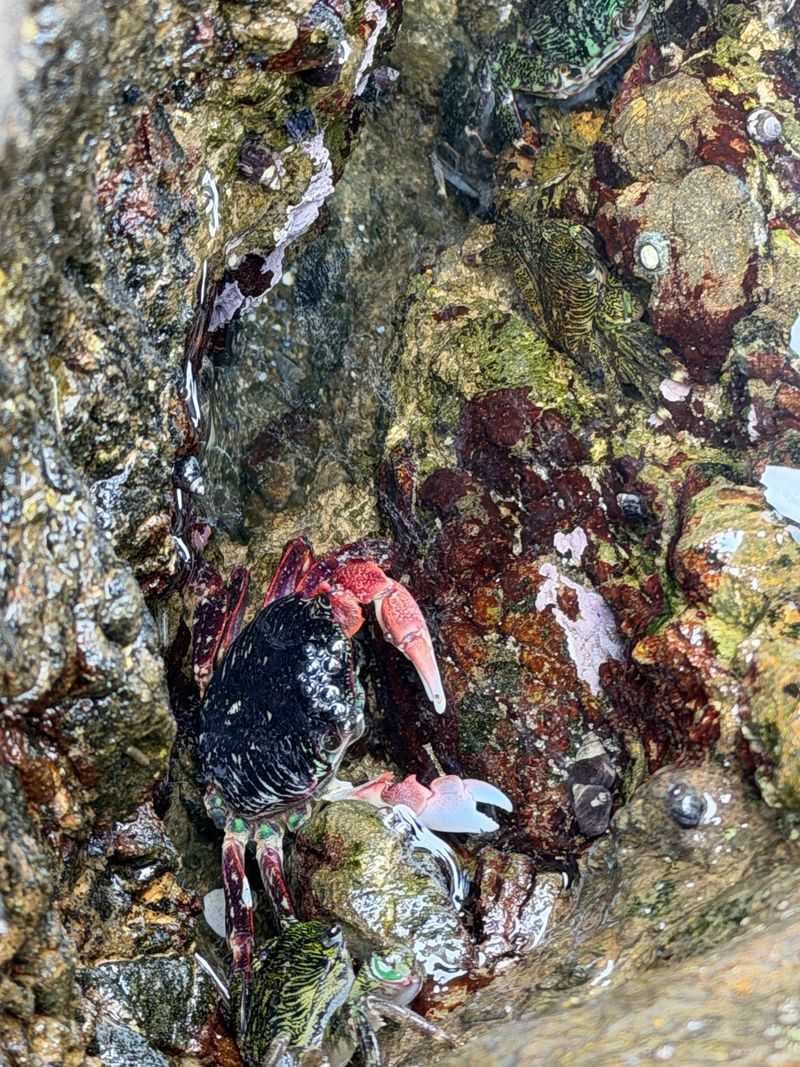
Low tide can steal the show at Glass Beach. Rocky pools appear along the shore, and they’re full of small sea life.
Look closely and you may spot hermit crabs scuttling around. Tiny fish, snails, and other crabs often hide in the shallow water.
Sea stars can turn up on the rocks too. Spotting one feels like winning a small coastal lottery.
Kids especially love peering into these little underwater worlds. It’s an easy, free science lesson with a gorgeous backdrop.
Gentle viewing keeps everyone happy, including the creatures. Look without lifting animals, and step carefully on slippery rocks.
Timing really matters here. Checking a tide chart before you leave can make a huge difference in what you see.
Morning low tides are a popular choice, depending on the season. When the water pulls back, the pools open up like little aquariums along the shoreline.
Bold Ground Squirrels Who Think They Run The Place
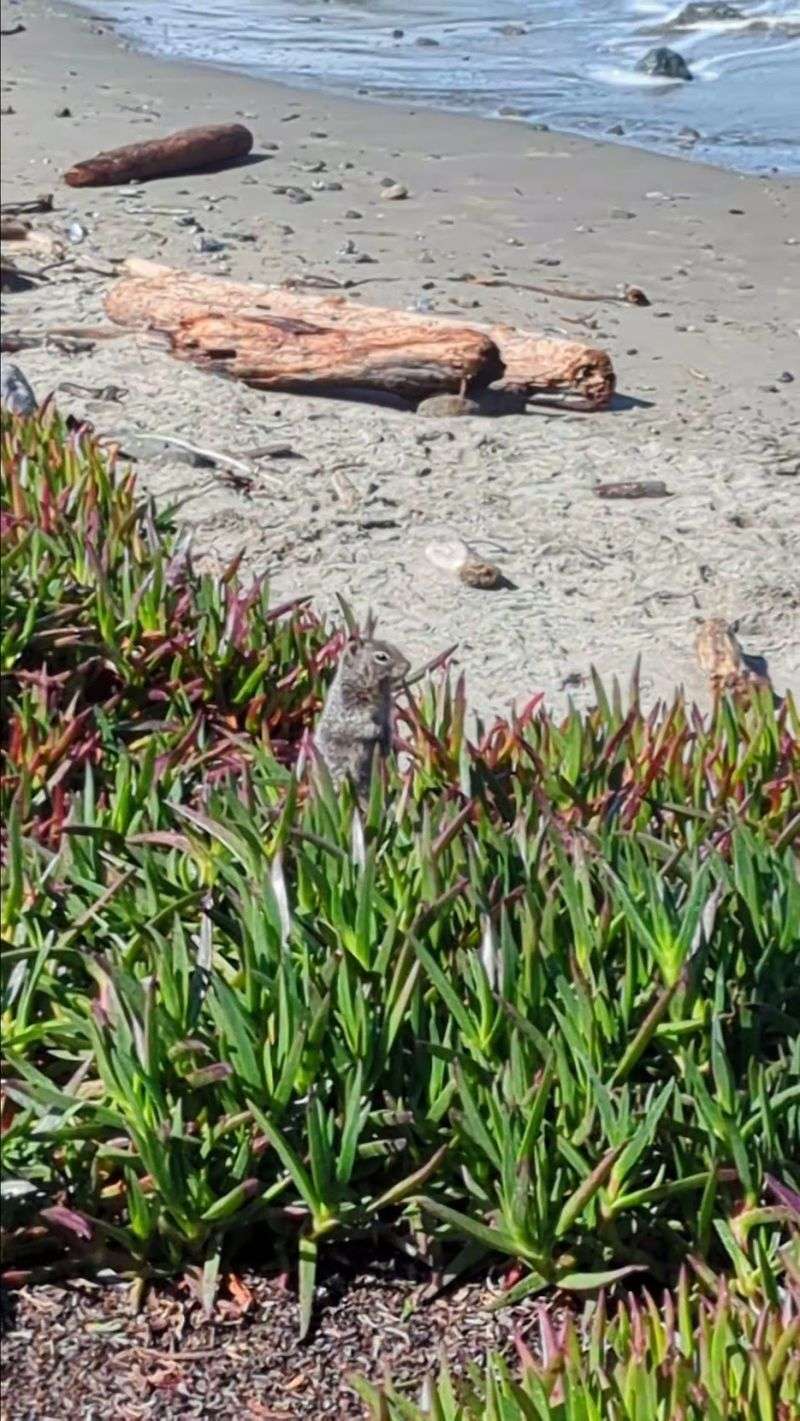
Not every star of Glass Beach lives in the water. Plenty of attention goes to the busy ground squirrels along the bluffs.
They dart across the paths and pop up from burrows. Some act like tiny tollbooth operators waiting for a payment.
Those cute faces can be very convincing. Still, feeding wildlife in a state park is a bad idea for the animals.
Human snacks aren’t good for their health. Handouts can also make them too comfortable around people and cars.
Watching them is the better plan. They’re quick and playful, so a photo may take serious patience.
Families with young kids often find them as fun as the glass. It’s hard to beat a squirrel striking a pose against the Pacific.
Keep your lunch zipped and your camera ready. These little characters add a lighthearted touch to a beach already full of surprises.
Cliffside Trails With Big Pacific Views
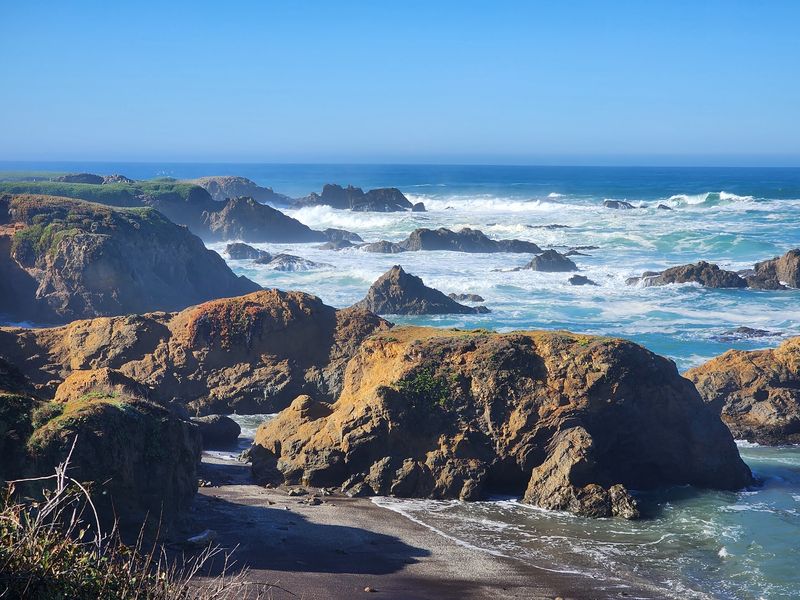
The walk to the water is half the appeal. Easy paths wind along the bluffs above the coves.
Those trails link into the wider Fort Bragg Coastal Trail. You can stroll for a few minutes or keep going much farther.
Rock formations rise out of the surf below. Waves slam into them and send spray flying on rougher days.
The views stretch wide across the Pacific. It’s a classic North Coast scene that makes you slow down without trying.
Some routes down to the coves are steep and uneven. One stretch can feel tricky, especially when rocks are wet.
Sturdy shoes are a smart call here. Flip-flops and loose gravel are not a winning combination.
Stay back from crumbling cliff edges, too. The views are just as stunning from a safe spot, and the bluff walk alone justifies the stop.
Three Old Dump Sites, Three Different Coves
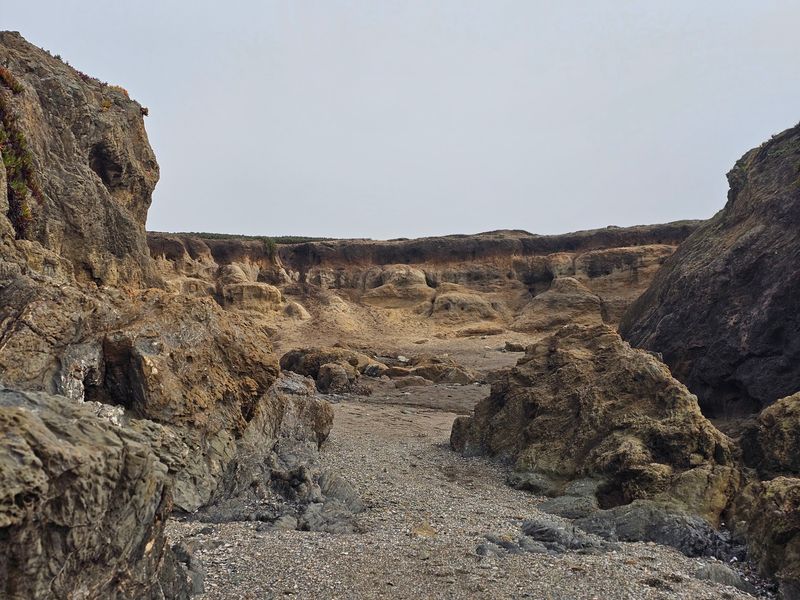
Fun fact for trivia night. There isn’t just one glass beach in Fort Bragg.
The town’s three former dump sites created three separate glass areas. They’re often called Site 1, Site 2, and Site 3.
Site 3 is the one most people mean by Glass Beach. It’s the easiest to reach and sits within MacKerricher State Park.
The older sites lie farther along the coast. Reaching them can involve rougher ground, so caution matters.
Each cove has its own mood and shape. Some feel tucked away, while others open up to wide ocean views.
Exploring more than one can turn a quick stop into a mini adventure. Just keep an eye on the tide so you don’t get stranded.
Knowing about all three makes you sound like a true local. It also helps explain why some photos look so different from what you see.
A Calm, Easygoing Mood By The Sea
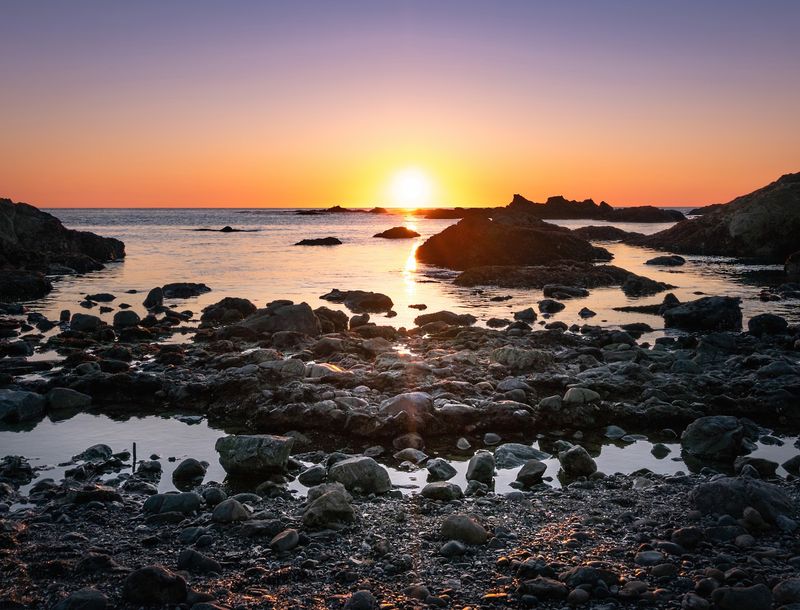
Slow is the right speed for Glass Beach. It’s a spot for wandering, crouching, looking, and listening to the surf.
The atmosphere tends to feel relaxed rather than flashy. There are no rides, shops, or loud attractions on the shore itself.
Couples love the dramatic coastal backdrop. It’s the kind of view that makes people talk about future proposals.
Families get tide pools, squirrels, and treasure-hunting fun. A nearby sandy patch gives little ones a place to play, too.
Photographers have plenty to work with as well. Rocks, waves, and glinting pebbles make easy subjects in changing light.
The water runs cold, so think strolling rather than swimming. Bring layers, since coastal weather can shift quickly.
Road trippers on Highway 1 may find it the perfect leg stretch. A half hour works, but a couple of relaxed hours feels even better.
Leave The Glass, Take The Memories
Picture the beach your grandkids might visit someday. That future depends a lot on what visitors do today.
The glass is a limited resource now. Every piece carried home leaves the beach a little plainer.
State park rules prohibit removing it. Respecting that rule is one easy way to help protect this odd treasure.
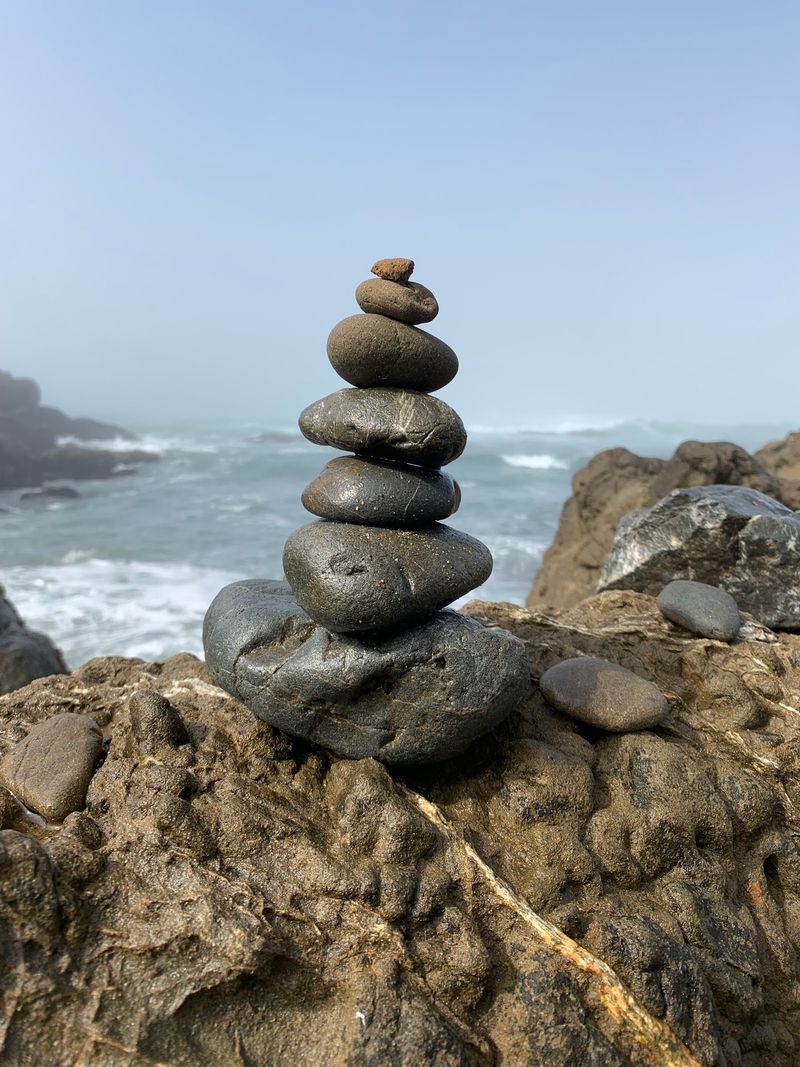
Plenty of visitors have found creative alternatives. Some build little stacks of glass, then leave them for the next person.
Others toss found pebbles back toward the water. It’s a small gesture that keeps the cycle going.
Taking photos costs nothing and fits in your pocket. Close-up shots of wet glass can look amazing on a phone screen.
Packing out your own trash matters here, too. It would be a strange irony to litter a beach born from litter, and nobody wants that legacy.
Finding The Trailhead And Free Parking
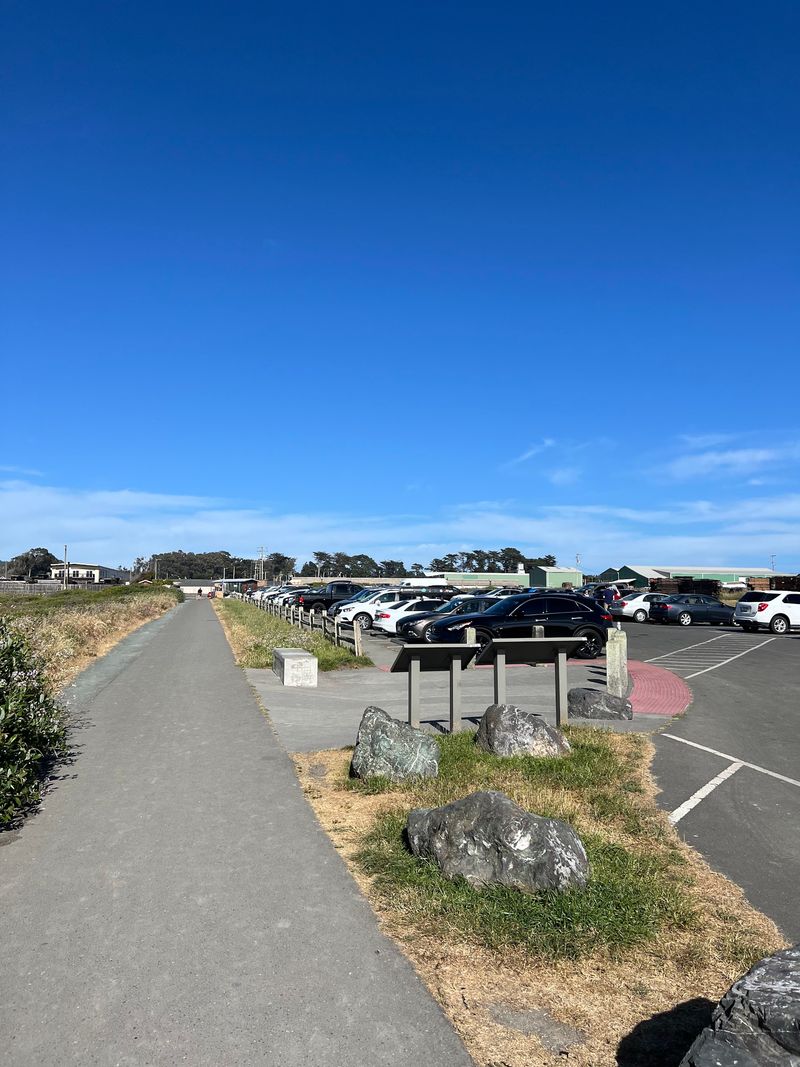
Getting there is refreshingly simple. Glass Beach is located in Fort Bragg, CA 95437, right off Highway 1.
Most visitors head to the parking area near the western end of Elm Street. From there, a short walk leads to the bluffs and coves.
Parking is free, and the lot is roomy. Space tends to be easy to find, especially later in the day.
The path from the lot is generally easy to walk. Getting down onto the rocks themselves takes more care.
There’s no entrance fee to enjoy the beach. That makes it a budget-friendly stop on any coastal trip.
The area is open for day use as part of the state park. Coming in daylight is the safest choice for cliffs and rocky footing.
Plan your visit around low tide for the best experience. A tide app and a pair of grippy shoes are basically the only gear you need.
Smart Timing For A Better Visit
Tide charts should be your best friend before this trip. Low tide reveals more rocks, more pools, and more places to explore.
Early morning low tides can be especially rewarding. Fewer people may be around, and the light can look soft and moody.
Late spring often brings decent weather to the coast. Fall can also be pleasant, with clearer skies on some days.
Winter storms churn the surf and make the rocks slick. On those days, admiring the view from the bluff makes more sense.
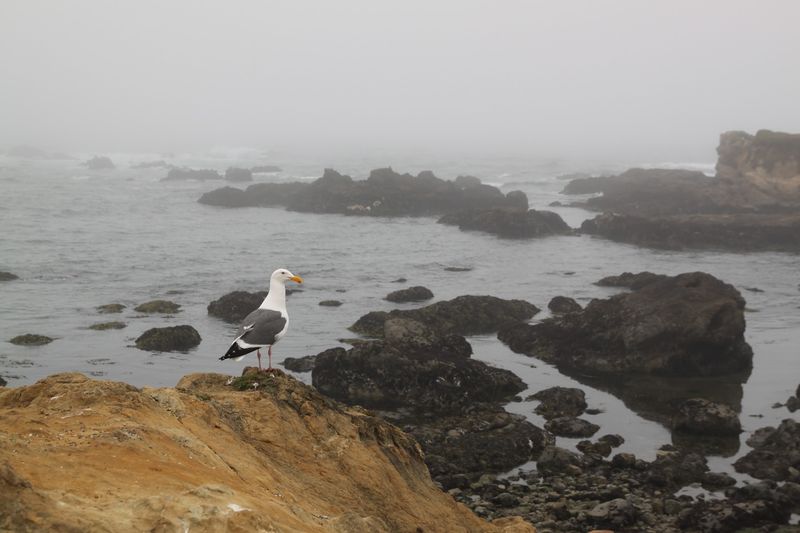
Fog is a regular guest on the Mendocino Coast. It can roll in fast, even on a day that starts sunny.
Jellyfish sometimes wash up on the shore, too. Avoid touching them, and keep curious kids at a safe distance.
Give yourself at least an hour if you can. Rushing defeats the whole point of a beach built on decades of patience.
Worth The Turnoff, Even With Less Sparkle
So, is Glass Beach still worth it? For most curious travelers, the honest answer is yes.
Go in knowing the glass is thinner than it once was. Then let the rest of the experience win you over.
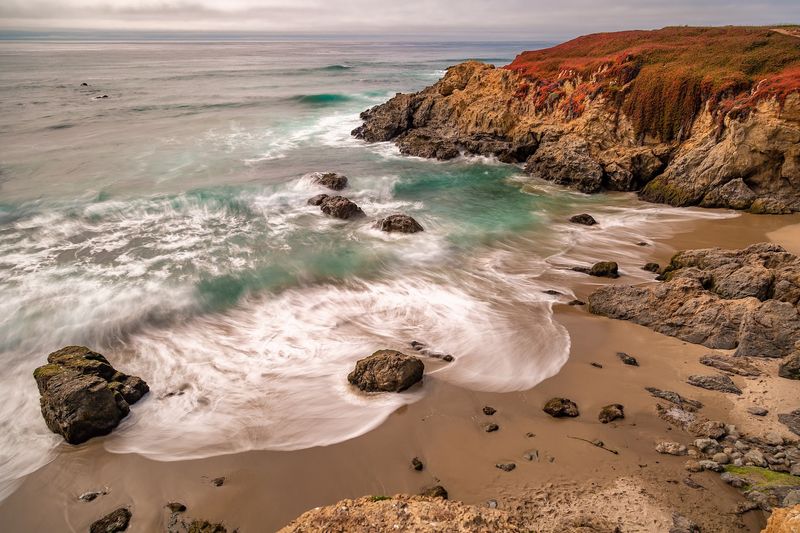
You get a strange, true story about trash and time. You also get tide pools, bluff trails, and big Pacific views.
Free parking and easy access make it simple to fit in. It pairs nicely with a drive along the beautiful Northern California coast.
The beach carries a quiet lesson, too. Nature can soften even our messiest choices, but only if we let it.
Treat the place gently, and it can keep surprising people. Leave every pebble where you found it.
In a state that changes so fast, this odd little cove still feels personal. It’s a California secret hiding in plain sight, and it deserves a slow, respectful visit.