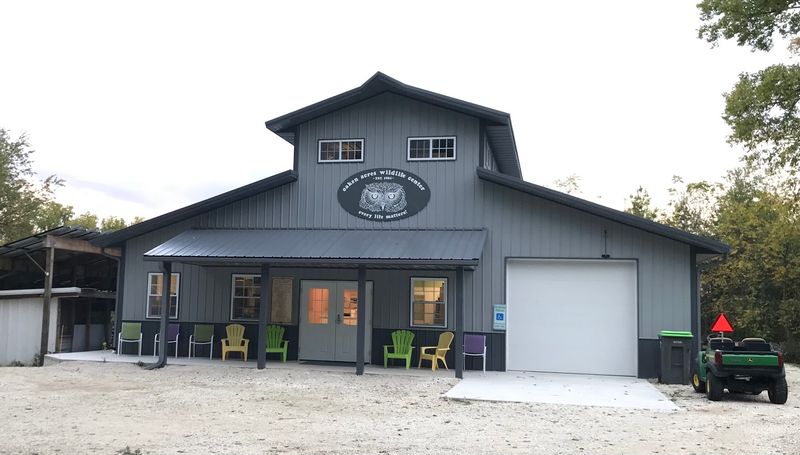
You can drive past a gravel road in northern Illinois a hundred times and never guess that something remarkable is happening just beyond the trees. Out there, a small team spends every single day feeding baby bunnies, setting tiny broken legs, and helping hurt hawks fly again.
It is the kind of place you only learn about when you find a wild animal in trouble and suddenly have no idea who to call. Once you know it exists, you will never look at that quiet stretch of country road the same way.
A Rescue Hidden Along Aldrich Road
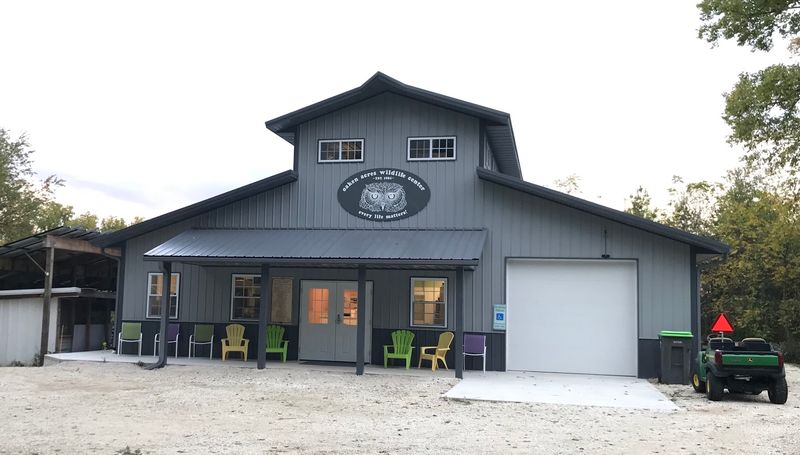
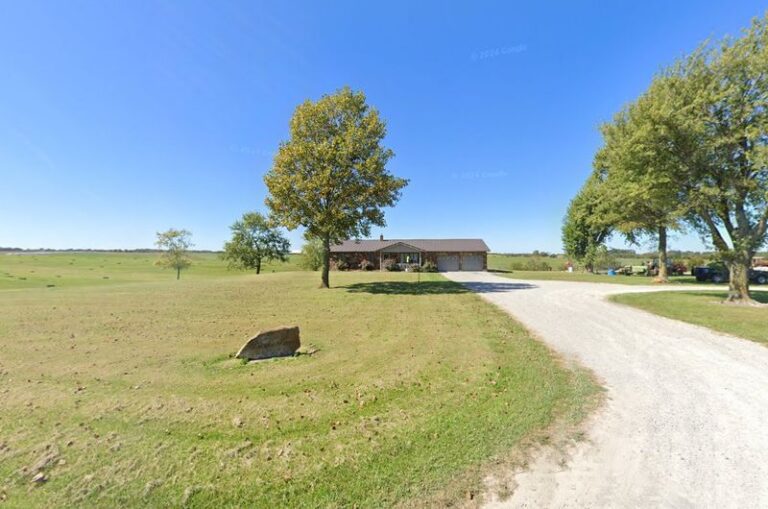
Picture a peaceful country lane west of Chicago, the kind where cornfields roll out on both sides and the only traffic is a pickup now and then. Tucked along that road at 12140 Aldrich Rd in Sycamore, Illinois, sits Oaken Acres Wildlife Center.
Most people zipping by on their way somewhere else have no clue it is there.
Oaken Acres is a wildlife rescue service, which means its whole job is caring for injured, sick, and orphaned wild animals. People bring in everything from baby rabbits found in a backyard to a hawk struck by a car.
The goal is simple and hopeful: heal them up and send them back to the wild where they belong.
It is not a zoo, a petting farm, or a tourist stop. Instead, think of it as a hospital and nursery rolled into one, only the patients have fur, feathers, and shells.
Visitors who arrive with a cardboard box in hand often describe the grounds as clean, professional, and surprisingly beautiful.
For folks across Chicagoland and the DeKalb County area, knowing about this spot is a bit like knowing the number of a good neighbor. You may not need it today.
But the moment a fluffy orphan shows up in your yard, you will be very glad you remembered.
Forty Years and Thirty Thousand Patients
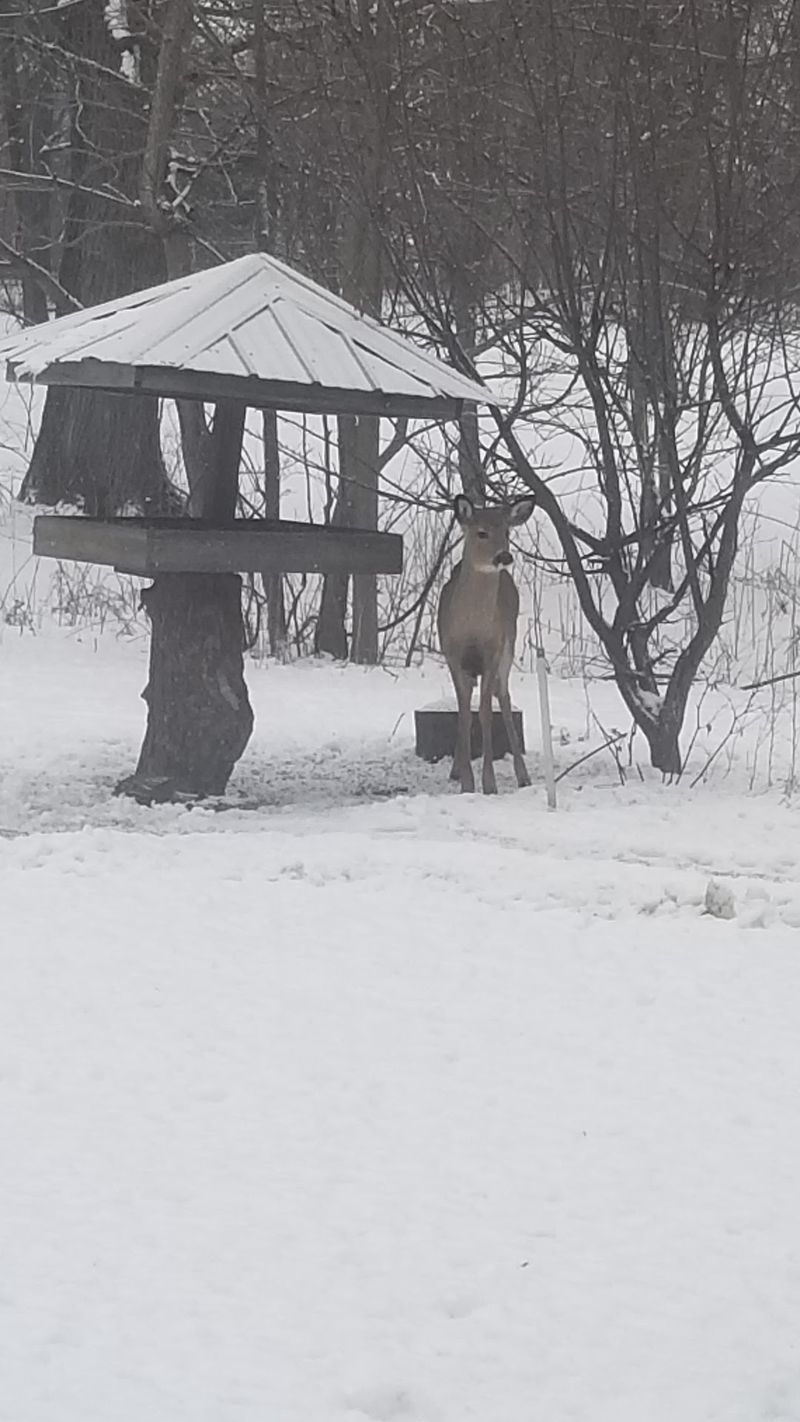
Thirty thousand. That is roughly how many wild animals Oaken Acres has admitted into its care, according to the center itself.
Even more impressive, the team says a majority of those animals were released back to the wild.
The rescue recently celebrated its 40th year, which puts it among the longer-running wildlife efforts you will find in northern Illinois. One visitor wondered out loud how many lives the place had saved over all that time.
The answer, shared by the center, was that five-figure number above, a total that keeps growing every spring.
Four decades is a long time to keep anything going, let alone a nonprofit-style mission that depends on community kindness. Visitors frequently mention the founder with real admiration, noting she has been doing this work for over 40 years.
Several people describe her as friendly, helpful, and clearly devoted to the animals.
That kind of staying power shows up in the details. Callers talk about a well-run operation with efficient staff and a facility that has grown a lot over the years.
Longtime supporters say they have returned again and again with new rescues, which tells you plenty about the trust built over a lifetime of quiet work.
The People Behind the Incubators
Ask anyone who has dropped off a shoebox full of baby animals, and they will probably bring up the staff first. Caring staff is by far the most talked-about topic among visitors, coming up far more than any single animal.
People use words like kind, patient, competent, and respectful when they describe the team.
The crew is a mix of paid staff and volunteers. According to the center, everyone there loves their job and the chance to help wildlife in need.
You can feel that energy in the stories people share, from quick advice over the phone to a chipmunk being placed straight into an incubator the moment it arrived.
One supporter was especially happy that a real person picks up the phone. No robot, no endless voicemail loop, just a human who can actually help.
During busy baby season, that matters more than you might think.
Of course, no team is perfect every single day. A small number of callers have felt rushed or unhappy with an answer they got.
Still, the overwhelming feeling from the community is gratitude, with many saying they left knowing their little rescue was in very good hands.
Bunny Season on Repeat
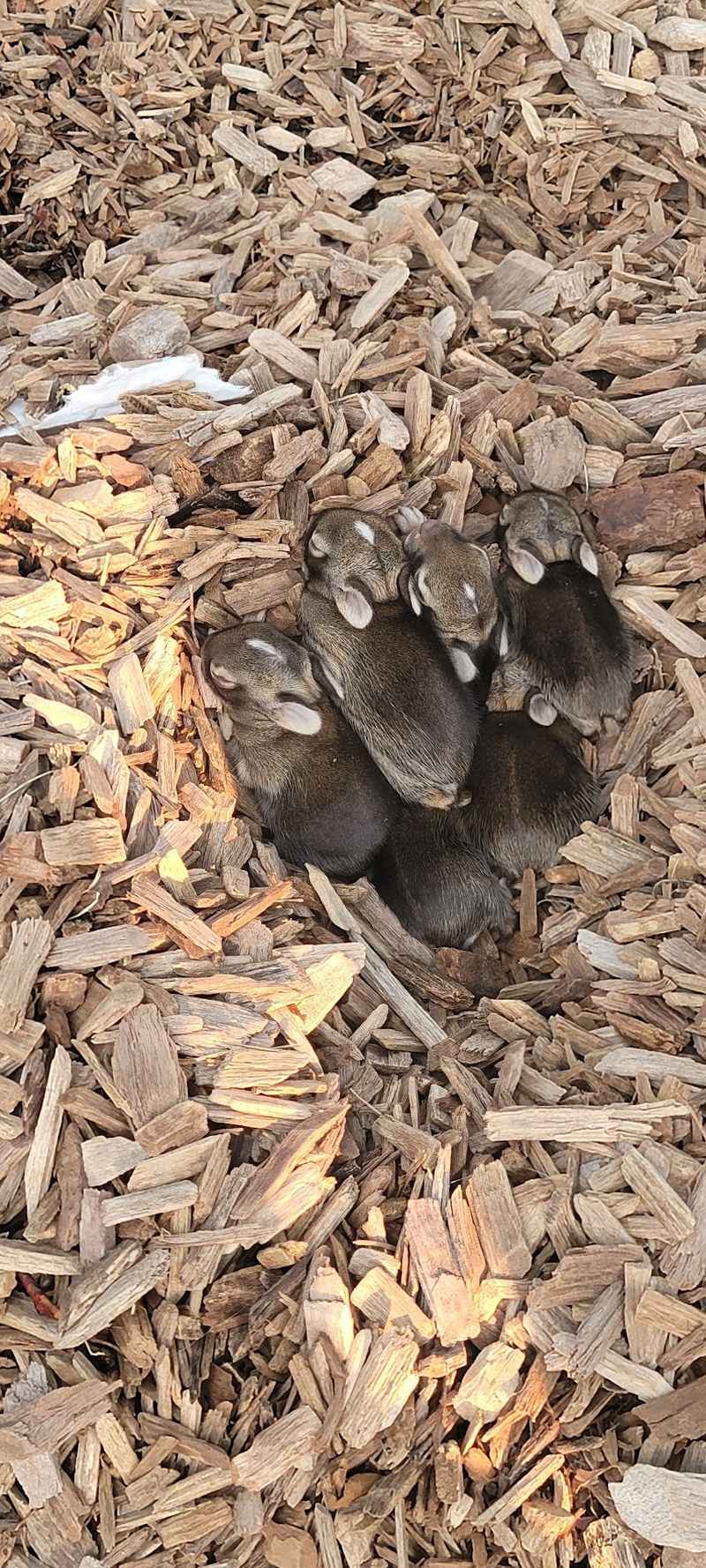
Spring in Illinois comes with a very particular surprise: a nest of baby cottontails tucked into the lawn right where you were about to mow. Rabbits show up again and again in stories from people who have visited Oaken Acres.
It might be the single most common rescue that brings first-timers through the gate.
The tales are sweet and a little chaotic. A school worker found six baby bunnies on a playground and got tips on caring for them overnight before bringing them in.
Another person discovered three newborns at a construction site, eyes not even open, and emailed early on a holiday weekend, only to get a reply within minutes.
Staff often start with advice rather than an automatic drop-off. In one case, they suggested waiting to see if mama rabbit would return to the nest.
When she never came back, the team quickly welcomed the babies.
Happy endings pop up a lot here. One family whose dog grabbed a young bunny learned he was released after about a week of care.
Another visitor brought in a malnourished, dehydrated adolescent rabbit, and the team filled him in on the food and water they gave before setting the little guy free.
One Red-Tailed Hawk’s Comeback
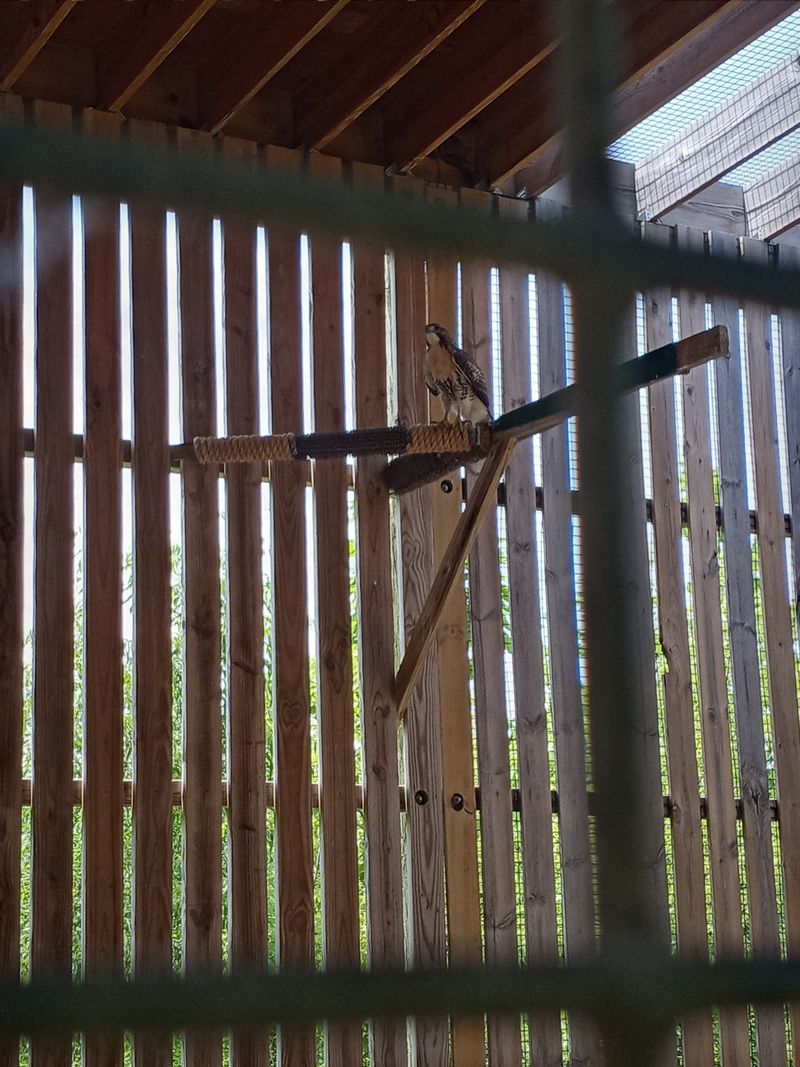
February 27, 2025, was not a good day for one red-tailed hawk. The big raptor had been hit by a car, and a kind driver scooped it up and brought it to Oaken Acres for help.
Recovery was not quick or easy. The center later admitted that this particular hawk was a bit of a challenge to treat.
But the bird stayed with them, slowly healing, until it was finally strong enough to head back outdoors.
The person who brought it in called the release a true success story and praised what a beautiful bird it was. You can almost imagine that moment: wide rust-colored tail flashing, wings catching the wind, and a raptor heading back to the open fields of northern Illinois.
Red-tails are some of the most familiar hawks you will spot perched on fence posts and light poles along Illinois highways. So the next time you see one scanning a ditch for mice, it is worth a little smile.
Some of those hunters may owe their second chance to a quiet place on Aldrich Road.
That same family also brought in a baby sparrow, proving that no bird is too big or too small for this team.
Masked Bandits and Pouched Babies
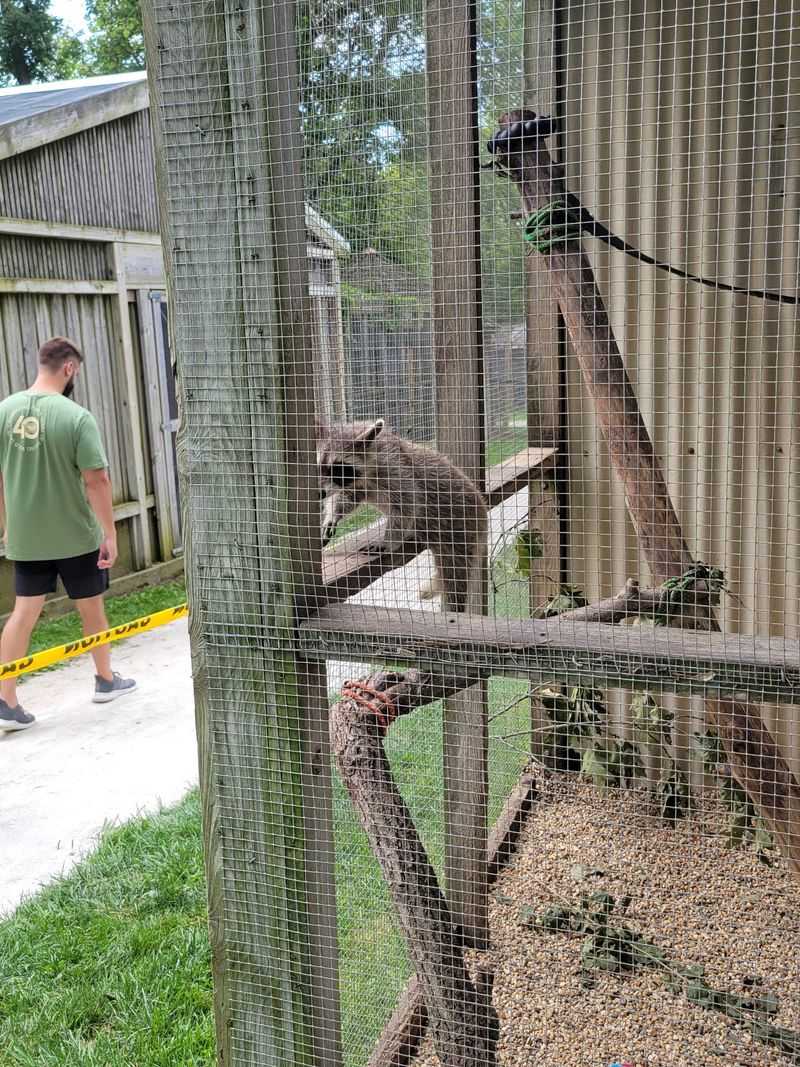
Raccoons get a bad rap for raiding trash cans, but at Oaken Acres they are some of the most talked-about guests. Raccoons are the animal visitors mention most often by name, and one family even got to see a whole raccoon family during their stop.
Not every raccoon story is cute and cuddly, though. One longtime supporter brought in a sick raccoon that turned out to have distemper, a serious illness.
That same person returned years later with a very thin, underweight opossum, trusting the team to handle both cases.
Opossums, North America’s only marsupial, have their own special place here. One recent visitor’s daughter came across a mother opossum that was no longer able to care for her young, with ten babies still very much alive.
After calling around, the family said this was the only place willing to take all of them.
Fun fact for curious kids: baby opossums ride on their mother’s back once they leave her pouch. Without her, they need round-the-clock help to grow strong.
That is exactly the kind of tricky, time-consuming care the staff here signs up for every season.
Small Squirrels, Smaller Chipmunks
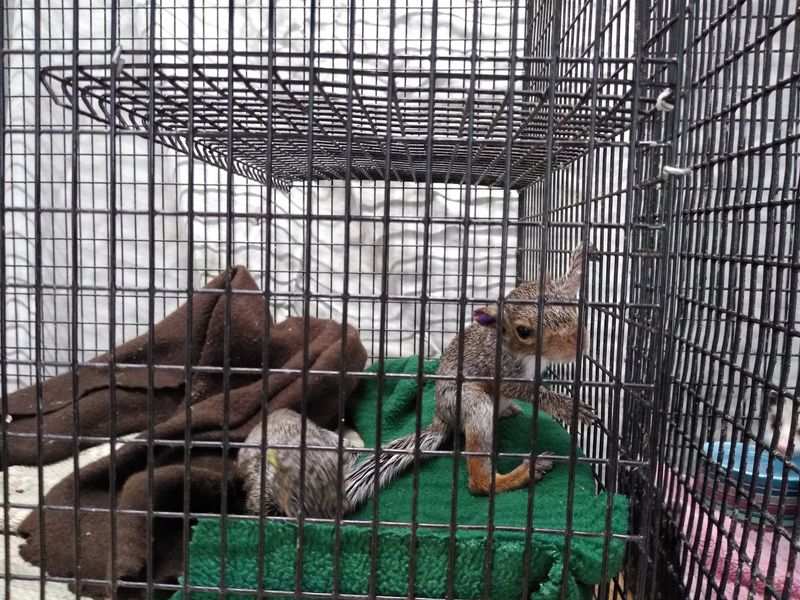
Sometimes the tiniest patients make the biggest impression. Baby squirrels and chipmunks pop up often in stories from people who have visited, usually after a frightening moment in somebody’s yard.
One man found a young squirrel that seemed to have tumbled out of a tree. It was crying out in pain, and he had no idea how to help.
His wife found Oaken Acres, he rushed the squirrel over, and when he called the next day, he learned the little one had a fractured leg but was expected to pull through.
A chipmunk story shows how hard it can be to find help at all. A woman noticed one stumbling around her yard, clearly hurt.
After another rehabber would not commit to taking it, she called several other places, and Oaken Acres was the only one that let her bring it in.
Staff placed the chipmunk in an incubator right away. She said she felt certain it was in good hands and was told she could call to check on it.
For anyone who has ever felt helpless watching a small creature struggle, that kind of quick yes means everything.
Turtles, Hatchlings, and Driveway Surprises
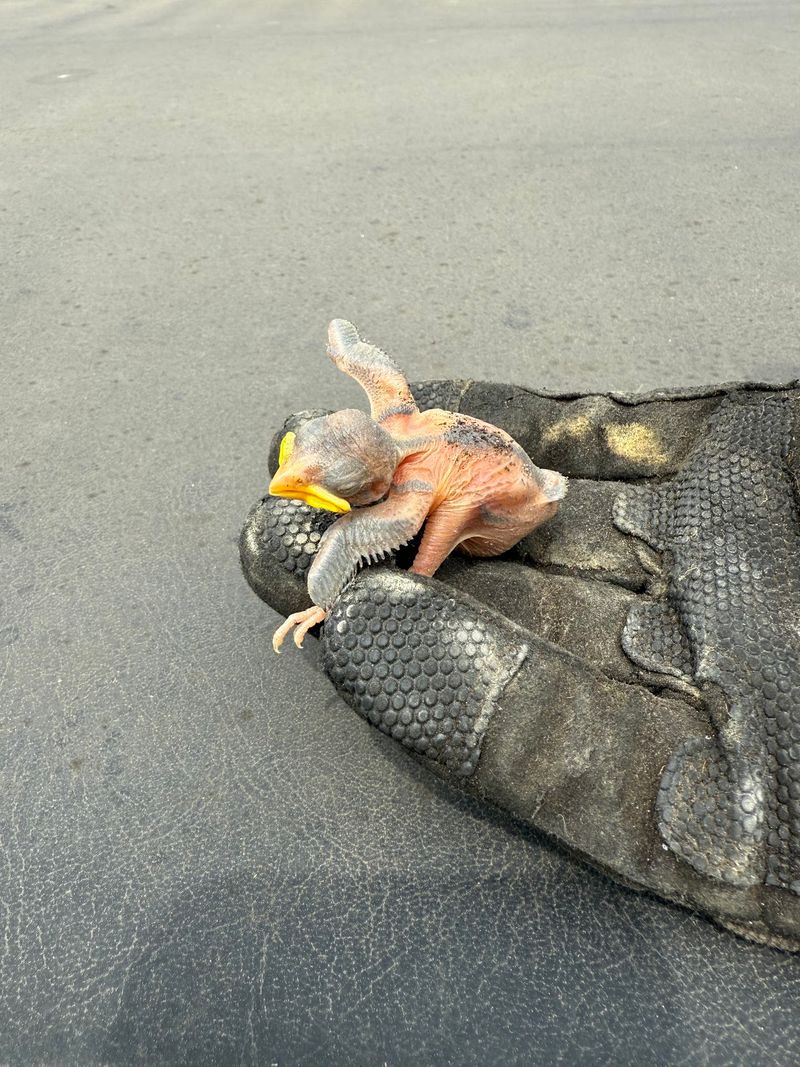
Not every rescue has fur. Turtles and baby birds also find their way to this rural rescue, often after a very unexpected discovery.
A painted turtle came in hurt not long ago, and the person who brought it described the center as clean, professional, and lovely. Painted turtles are those cheerful ones with red and yellow stripes you might spot sunning on logs at Illinois ponds.
They can live a long time in the wild, so giving one a second chance really pays off.
Birds are a big part of the story too. One family found a freshly hatched bird sitting in their driveway with no nest anywhere in sight.
Staff walked them through what to do and then took the tiny bird in.
Another person brought a baby bird and called almost every week to ask how it was doing. The staff stayed patient through every call.
Finally came the update that made the whole effort worth it: the bird had been released.
Quick tip from the stories here: before scooping up a baby animal, give the center a call. They can often tell you whether it truly needs rescuing.
Sassy, the Coyote Near the Office
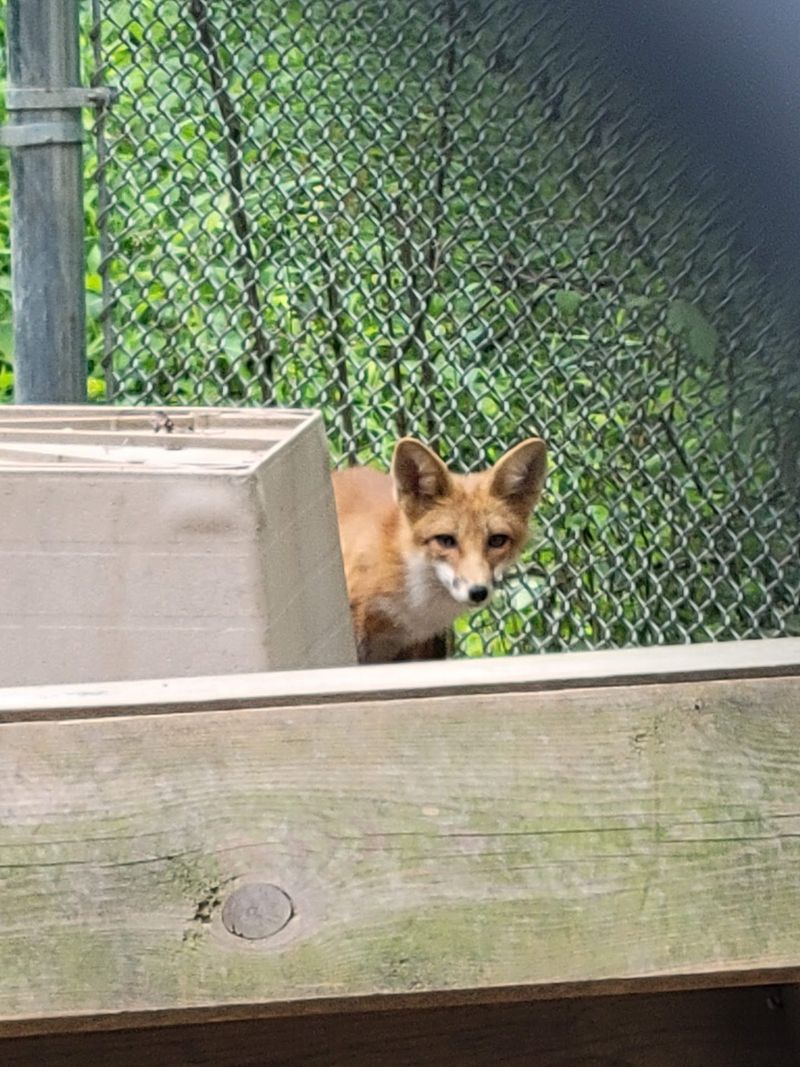
Every place needs a mascot, and Oaken Acres has an unofficial one with pointy ears and a playful streak. Her name is Sassy, and she is a coyote.
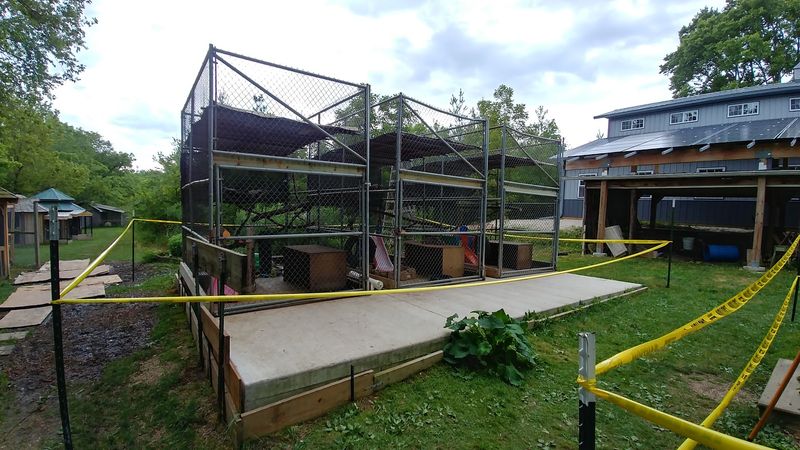
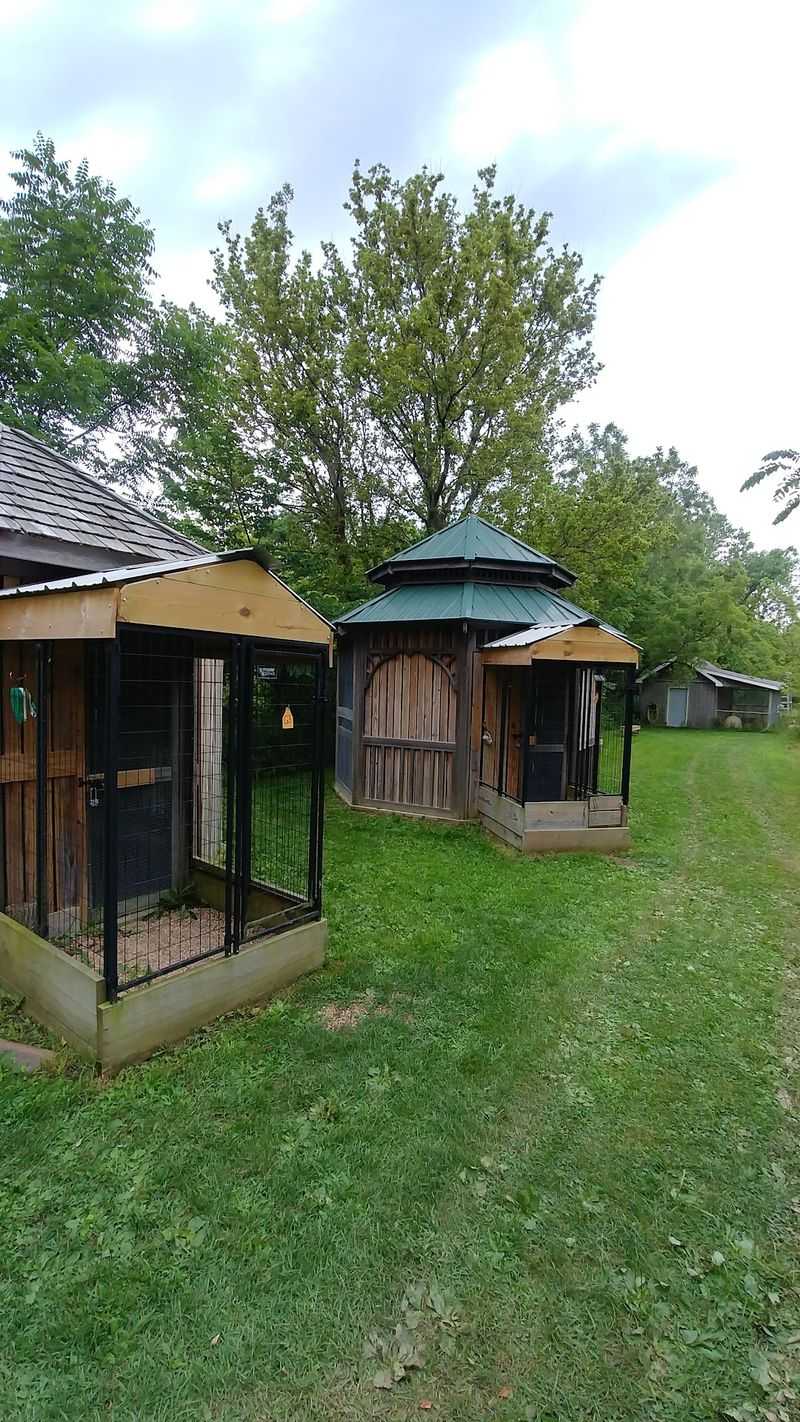
According to visitors, Sassy was raised at the center from the time she was a pup. She now lives in her own large home near the office, where people dropping off animals can sometimes catch a glimpse of her.
One family said she looked adorable playing with her toy.
Spotting a coyote up close is a rare treat for most Illinois families. In the wild, these clever canines are usually shy and quick to slip away into the brush.
Seeing one relaxed and content gives kids and adults a fresh appreciation for the wild animals living right alongside our suburbs and farm towns.
Keep expectations realistic, though. Sassy is not part of a show or a scheduled exhibit.
She simply lives on the grounds, and any sighting is a happy bonus during a visit that is really about helping another animal.
Still, it is easy to see why she sticks in people’s memories. A coyote with her own toy is just the kind of sweet detail you end up telling friends about later.
Why the Phone Call Comes First
Grabbing a baby animal and racing to the car feels like the right thing to do. But visitors who have worked with Oaken Acres learn quickly that a phone call usually comes first.
Staff often start by giving advice. They might explain how to keep an animal safe overnight, as they did for a school worker with six baby bunnies.
Or they might suggest waiting a bit, since many wild parents leave their babies alone for long stretches and come back later.
Plenty of people rave about how helpful these calls are. One person was surprised to get an email response within minutes on an early Sunday morning of a holiday weekend, then was told to call after 8 AM.
Another said the staff calmly explained exactly what to do with a hatchling found in the driveway.
The center has shared that it handles thousands of interactions, and spring can be overwhelming for everyone. Sometimes the answer a caller hears is not the one they hoped for, and that can be frustrating.
The best approach is to stay calm, share clear details, and listen to the guidance. You will likely walk away with a plan, even if it does not involve a drive to Sycamore.
Checking In on Your Rescue
Here is a lovely perk many people do not expect: after you drop off an animal, you can usually call back to see how it is doing.
Visitors talk about this a lot. The man with the hurt squirrel phoned the very next day and learned about the fractured leg and the good outlook.
The woman with the chipmunk was told she could check in whenever she wanted. It turns the whole experience from a quick hand-off into something you get to follow.
One caller took this to heart and phoned almost every week about a baby bird he had brought in. Instead of growing tired of him, the staff stayed patient and understanding.
When he finally heard the bird had been released, he said it made him so happy.
That small act of keeping people in the loop builds trust. Families, especially those with curious kids, get to learn what happens behind the scenes.
Children can find out what their bunny ate, how long it stayed, and when it went home to the wild.
Just be thoughtful about timing, since spring and summer are packed. A short, friendly call goes a long way with a busy team.
A Place Built for Animals, Not Audiences
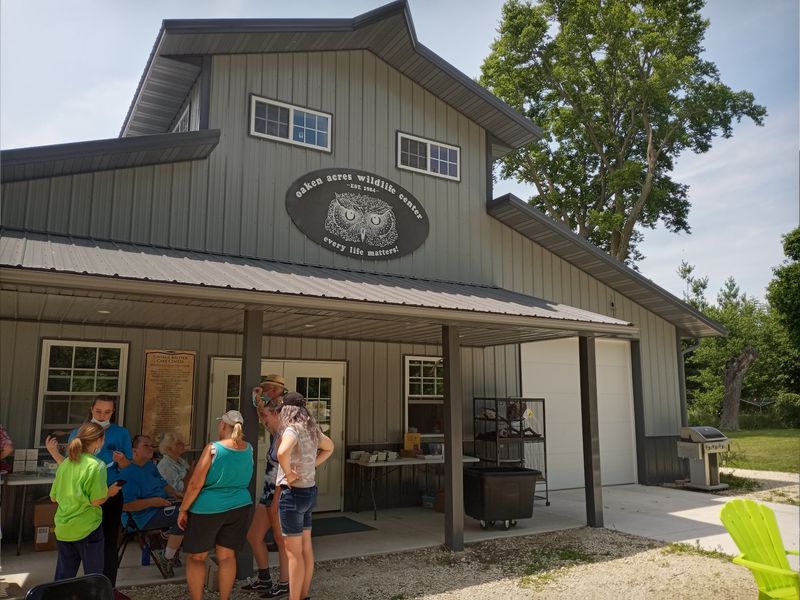
Hoping for a weekend field trip with a gift shop and guided walks? Oaken Acres is a different kind of stop, and that is on purpose.
The center does not offer regular tours. According to one supporter, there is a special once-a-year opportunity by invitation through donation, but that is it.
Everything else revolves around the animals and their recovery, which makes sense when you think about it.
Wild animals that are healing need quiet. Too many people, loud voices, and constant attention can stress them out and slow down their progress.
Keeping crowds away is part of how the staff gives each patient its best shot at going home.
Visitors who understand this tend to respect it deeply. One person said they fully understood and admired the choice, since the focus is 100 percent on helping animals.
So who is this place really for? It suits anyone who finds wildlife in trouble, plus families who want to support a local cause.
It is also perfect for nature lovers who just like knowing that someone nearby is looking out for hawks, rabbits, and raccoons. Come with a purpose, not for sightseeing, and you will feel right at home.
Free Care, Powered by Neighbors
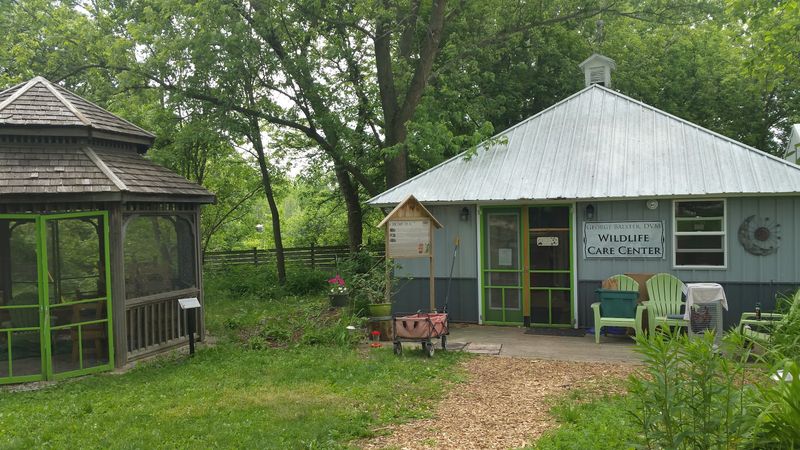
Bringing an injured animal to Oaken Acres costs you nothing. Supporters point out that the center does not charge for its care, which is a big reason so many families feel comfortable reaching out.
Of course, healing thousands of animals is not free behind the scenes. Formula for baby mammals, food for birds, incubators, and medical care all add up quickly.
That is why donations come up again and again in what people say about this place.
Many visitors make a gift when they drop off an animal. The chipmunk rescuer donated for her patient’s care, and one longtime supporter says they always give when they can and encourage others to do the same.
Another urged everyone to give whatever they are able, because the community needs this cause to stick around.
Even a small amount helps. Think of it as paying it forward for the next family who finds a nest of bunnies in their yard or a hurt bird on the sidewalk.
If you never need their services, consider chipping in anyway. It is a simple way to make sure a dependable wildlife rescue stays open in northern Illinois for another 40 years.
Hours, Directions, and a Soft Verdict
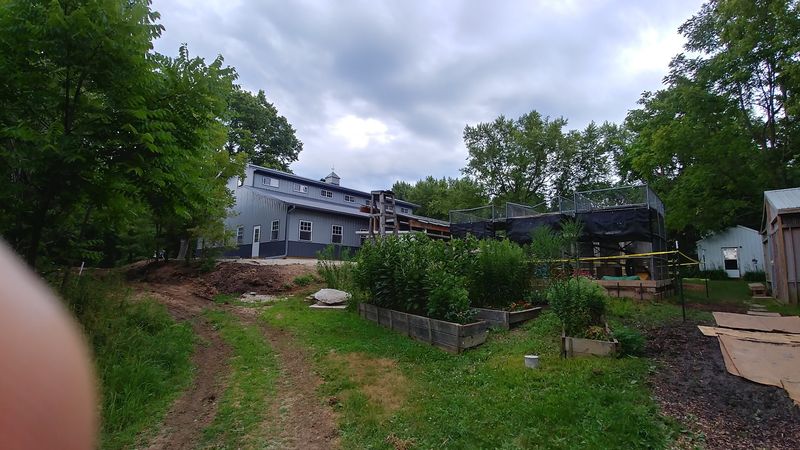
Planning matters when an animal is waiting in a box on your passenger seat. Oaken Acres is open every day of the week from 9 AM to 6 PM, including weekends.
You will find it at 12140 Aldrich Rd in Sycamore, Illinois, out in DeKalb County. Call ahead at 815-895-9666, and check the website at oakenacres.org for more details.
Calling first lets staff tell you whether to bring the animal in or try something else at home.
A few simple tips help. Keep the animal in a quiet, covered box and avoid handling it more than necessary.
Follow any overnight instructions the staff gives you, and remember there is no charge for care, though donations are warmly welcomed.
So is it worth knowing about? Absolutely.
This is not a flashy roadside stop with signs and souvenirs. It is something rarer: a steady, caring rescue that has quietly sent a huge number of animals back into Illinois woods and fields.
Save the number in your phone today. Someday a baby bunny, a hurt hawk, or a wobbly chipmunk may need you, and you will know exactly where to turn.