Grab a paper lunch bag, stuff it with yarn, beads, and ribbon, and pay one flat price for the whole pile. That’s the deal at a nonprofit craft shop in Virginia.
The bags come in three sizes. Whatever fits inside goes home with you, unless it’s one of the individually priced items near the front.
The shelves hold donated fabric, knitting needles, canvases, resin molds, books, and even music. One shopper squeezed four yarn cakes and some ribbons into the smallest bag.
I like how that turns a supply run into a friendly packing challenge.
I believe most crafters already own too many half-finished projects. So what happens when a store practically dares you to start three more?
Let’s find out where this bag-stuffing game happens and why it keeps pulling makers back.
A Nonprofit Craft Shop That Rescues Supplies From the Trash
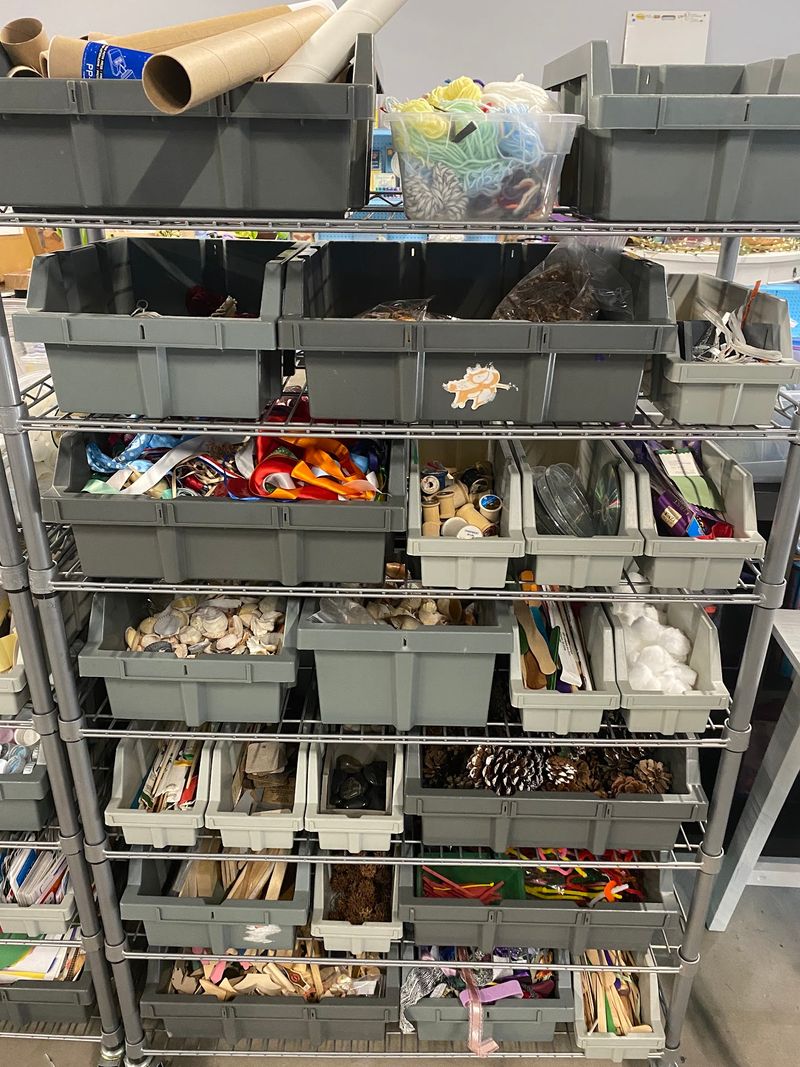
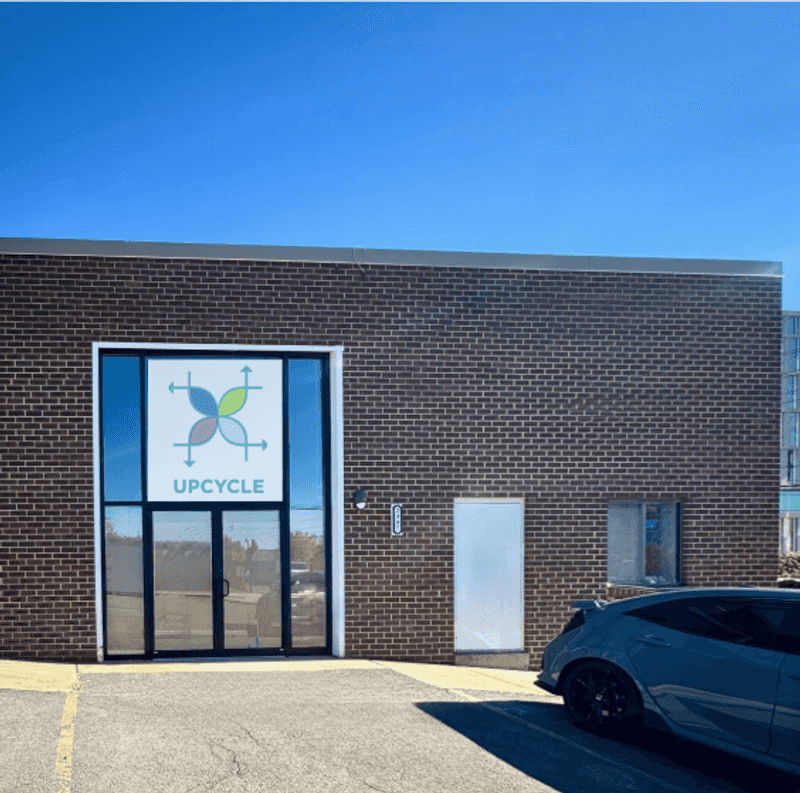
Leftover craft supplies need a second home, and UpCycle Creative Reuse Center gives them one. The nonprofit sits in Alexandria, Virginia, and fills its shelves with donated materials.
The idea is simple and pretty clever. People drop off yarn, fabric, beads, and odds and ends they no longer need, and other makers give them new life.
Shoppers find knitting needles, canvases, resin molds, and magazines here. Some of the stock goes well beyond crafts, like books, CDs, and music.
One donor even found a spot for a son’s old soccer trophies. That tells you how wide the net gets cast here.
The space calls itself a Materials Center, and it pairs shopping with programs for the community. Supplies stay out of landfills, and creative people get affordable building blocks.
Most of the stock is secondhand, with roughly 90 percent being used items. If you need everything shiny and brand new, a big-box store fits better.
For everyone else, it’s a playground of possibilities. Teachers, knitters, small business artists, and curious kids all share the same aisles.
The place holds a 4.8-star rating on Google, which suggests the formula works for plenty of people.
Fresh Digs in Old Town After a Big Move
Moving a whole warehouse of donated glitter sounds like a headache. UpCycle pulled it off, relocating its Alexandria branch to Old Town.
Earlier, the shop operated from another site and celebrated having a bigger space. Later, word spread that the location was moving to Old Town in July.
Fans waited through the transition, and recent shoppers cheer the new spot. The current address is 2397 S Dove St, Alexandria, VA 22314.
The organization also runs a Manassas store. One knitter shopped there first and then learned the Alexandria branch sat just down the road.
That two-location setup helps Northern Virginia crafters. You can pick whichever one fits your errands best.
The move clearly mattered to people who had visited the old site. Some families say they plan to make visits a habit again now that the doors are open.
The organization has shown it likes improving its spaces over time. In an earlier reply, it mentioned plans to redesign a bigger space to make it even better.
So the store you see today reflects a few rounds of growing pains. Every crate of yarn made the trip, and the shelves keep filling.
The Bag Game That Makes Every Visit a Puzzle
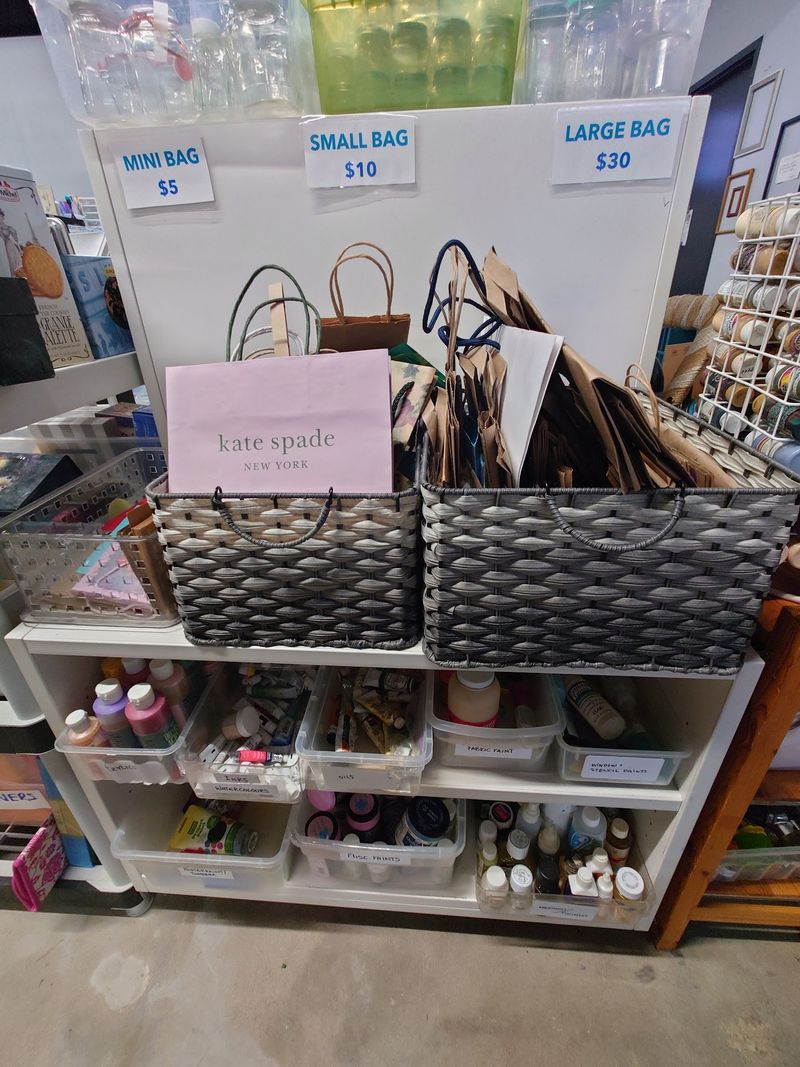
Three bag sizes, one rule: if it fits, it’s yours for a flat price. That’s the heart of shopping at UpCycle Creative Reuse Center.
The smallest is a paper lunch bag. A medium bag is about the size you’d get from a coffee shop, and a large bag rounds out the trio.
Suddenly, packing turns into a sport. Do you go for one fluffy skein or roll three tight yarn cakes into the corners?
One knitter crammed four yarn cakes and some ribbons into the small bag. Another family overstuffed theirs, and staff kindly let a child keep a giant pinecone anyway.
The bag pricing covers unmarked items around the store. Some items carry their own tags and sit outside the bag deal.
That flat-rate approach makes experimenting easy. A strange spool or mystery tool can ride along without much risk.
That’s how one trip becomes three new projects. You came for knitting needles, and somehow a bundle of beads and a stack of ribbon joined the party.
Strategy tip for first-timers: start small. The lunch bag holds more than you’d expect when you pack it with care.
Yarn Lovers, Brace Your Wallets and Your Tote Bags
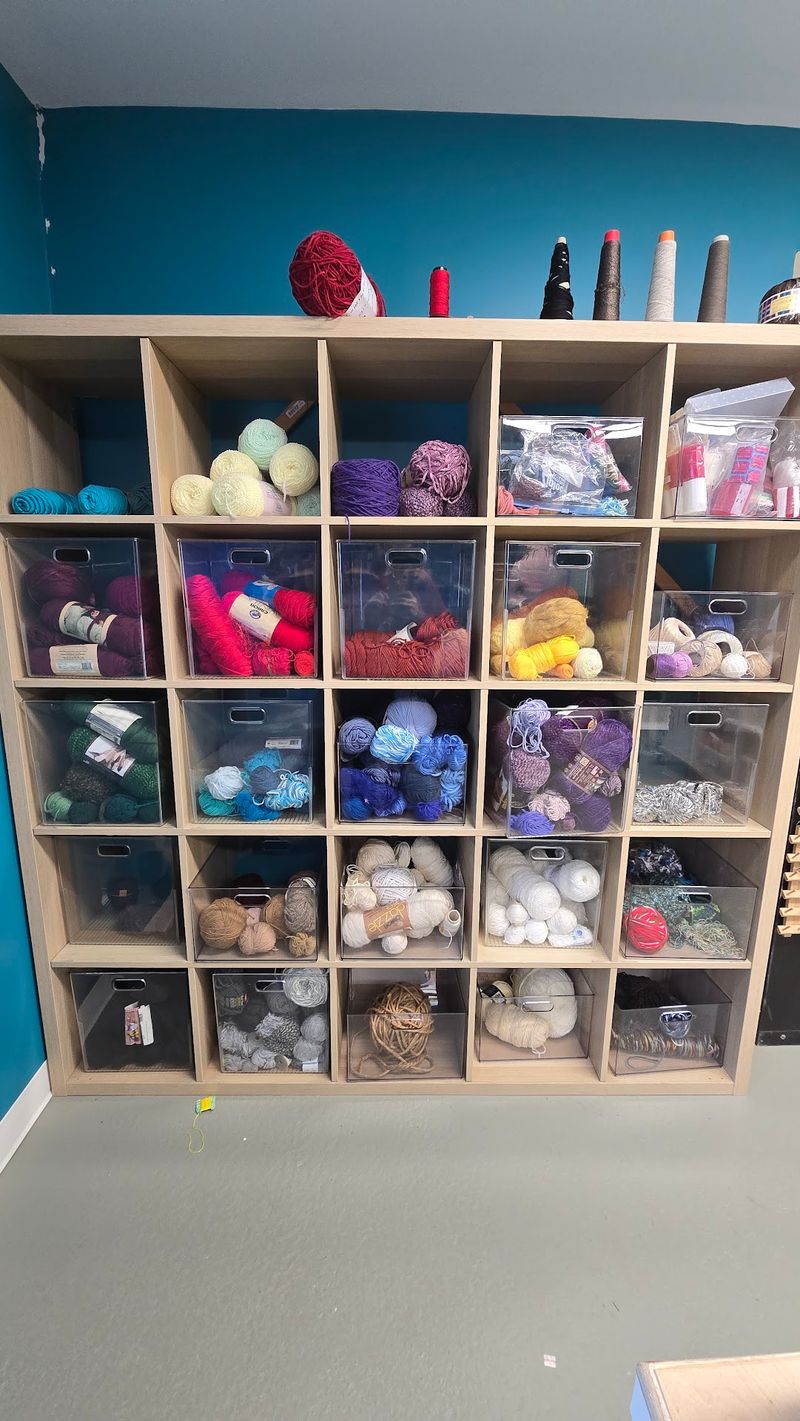
Knitters seem to fall hardest for this place. Yarn and knitting needles come up again and again as standout finds.
Beginners appreciate trying a new hobby without spending much. One new knitter had a blast digging through the yarn and supplies while keeping costs low.
Experienced fiber folks find good stuff too. Shoppers mention fancier yarn and beautiful alpaca wool turning up among the donations.
Crocheters aren’t left out. Supplies for both crafts share space, along with beads, ribbon, and plenty of trims.
Fabric fans get a mixed picture, and honesty helps here. Some shoppers love the fabric selections, while one noted much of it leans toward upholstery, curtains, and bedding.
That reflects a donation rule requiring fabric pieces of at least one yard. Quilters hunting small scraps may need to look elsewhere.
Still, a yard of sturdy upholstery fabric opens doors. Think tote bags, cushion covers, or a bold book cover.
The real trick is flexibility. Walk in with a loose idea, not a strict pattern, and the shelves will suggest something better.
Newer Treasures on the Wall With Their Own Price Tags
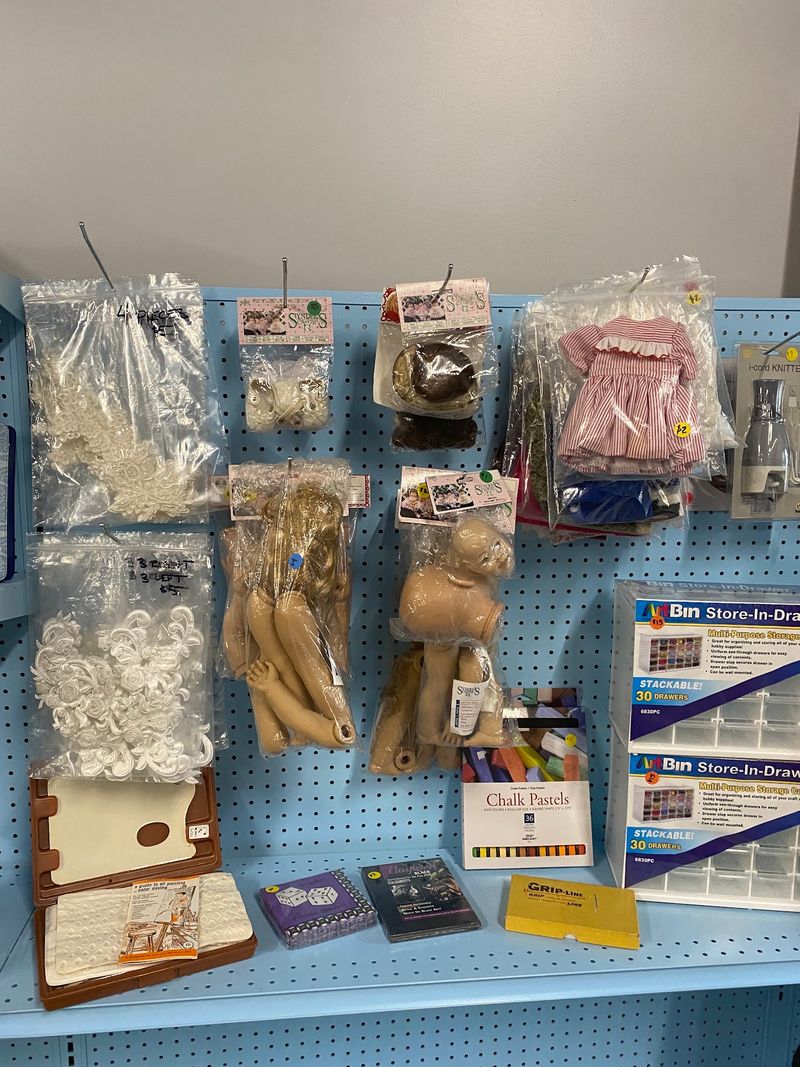
Not everything goes in the bag, and that’s a good thing. A wall and a separate room hold individually priced items.
These pieces tend to be newer than the general stock. Shoppers describe the prices on them as very reasonable.
That section suits people hunting something specific. Maybe you need a nicer kit or a supply in better shape than the bins usually offer.
The tagged items sit near the front of the store. It’s an easy first stop before you commit to bag-stuffing mode.
Pricing opinions do vary, and that’s fair to mention. Most shoppers call the store affordable, while a few expected lower prices for donated goods.
One visitor nearly skipped the trip after reading pricing complaints. That shopper came anyway and called it worth it, thanks to great finds priced by the bin.
The best approach is mixing both systems. Grab one standout tagged piece, then fill a bag with the fun extras around it.
Between the bag deals and the priced wall, your budget stays under your control. That balance makes return trips feel easy to justify.
Free Tinker Time and a Spot to Work Right There
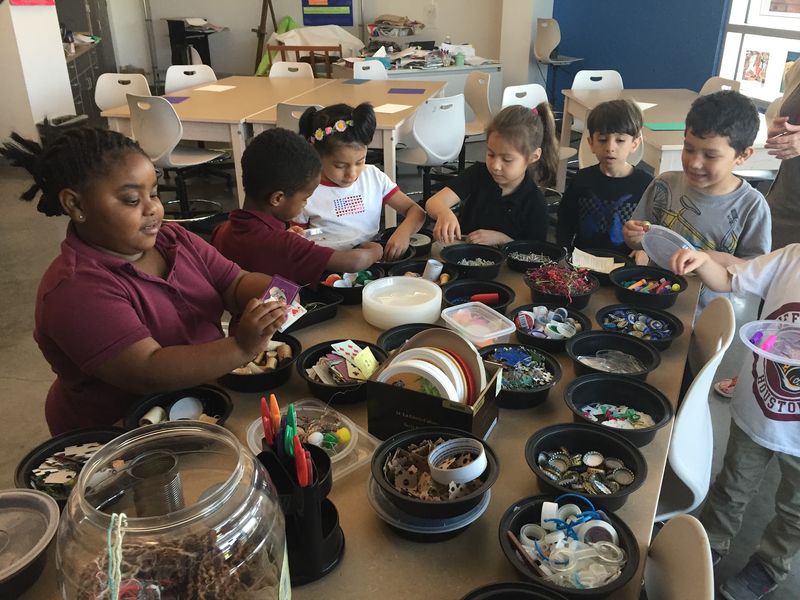
Free is a lovely word, especially for parents. UpCycle offers FREE Tinker Time open to everyone.
Kids can build, glue, and experiment with reused materials. Families have enjoyed it as part of a visit.
Grown-ups get a perk too. The store has an area where you can bring a project you’re working on and keep at it in the store.
That’s handy for knitters who want company. It also helps anyone whose kitchen table already disappeared under craft clutter.
The organization runs programs beyond shopping as well. Staff have invited families back for programs as well as the Materials Center.
One family called it a favorite creative mother-daughter spot for a rainy indoor day. It fits that bill nicely in Virginia’s soggier months.
A teacher calls it a go-to spot for odds and ends. Those same supplies keep the teacher’s own kids busy with tinkering projects.
Hands-on time changes how kids see trash. A cereal box stops being garbage and starts looking like a castle wall.
Check program schedules before you go, since offerings can change.
Organized Chaos, Friendly Faces, and Constant Surprises
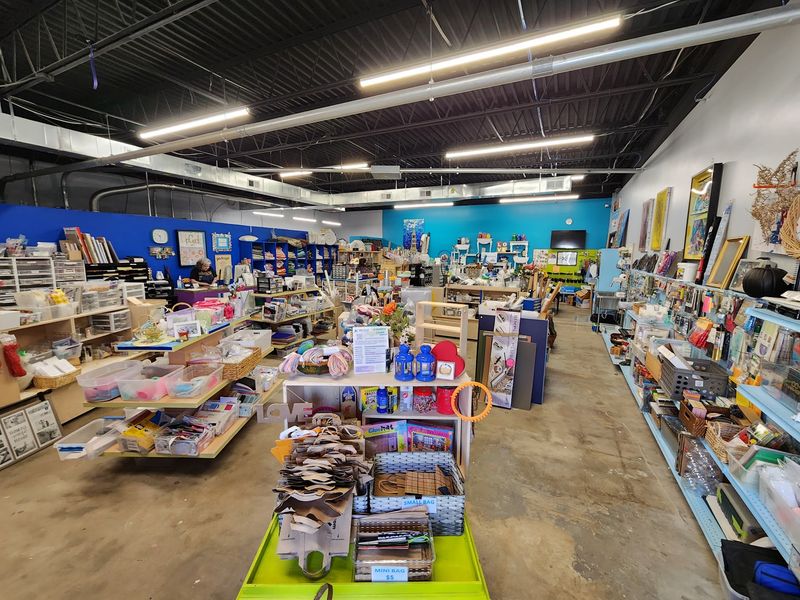
Organized chaos might be the best description of the vibe. Shoppers praise how tidy the store stays while still feeling like a treasure hunt.
Staff and volunteers get loads of credit. Friendly staff came up in 22 mentions, and shoppers describe the volunteers as very helpful and kind.
One small-business artist mentions buying beads, canvases, and resin molds for years. That shopper also enjoys chatting with the people who work there.
Inventory changes as new donations arrive. Staff keep the shelves refreshed, which rewards frequent visits.
That also means hesitation can cost you. Shoppers advise grabbing an item when you spot it, since it may be gone next time.
The crowd here is wonderfully mixed. Teachers, craftsmen, zero waste families, hobby musicians, and readers all browse together.
Many also love the eco angle. Buying here before other options feels like a small win for the planet.
And yes, impulse finds happen constantly. Plenty of shoppers admit they always find something they weren’t seeking but absolutely needed.
Consider yourself warned, and maybe bring a spare tote.
Know the Hours Before You Load the Car
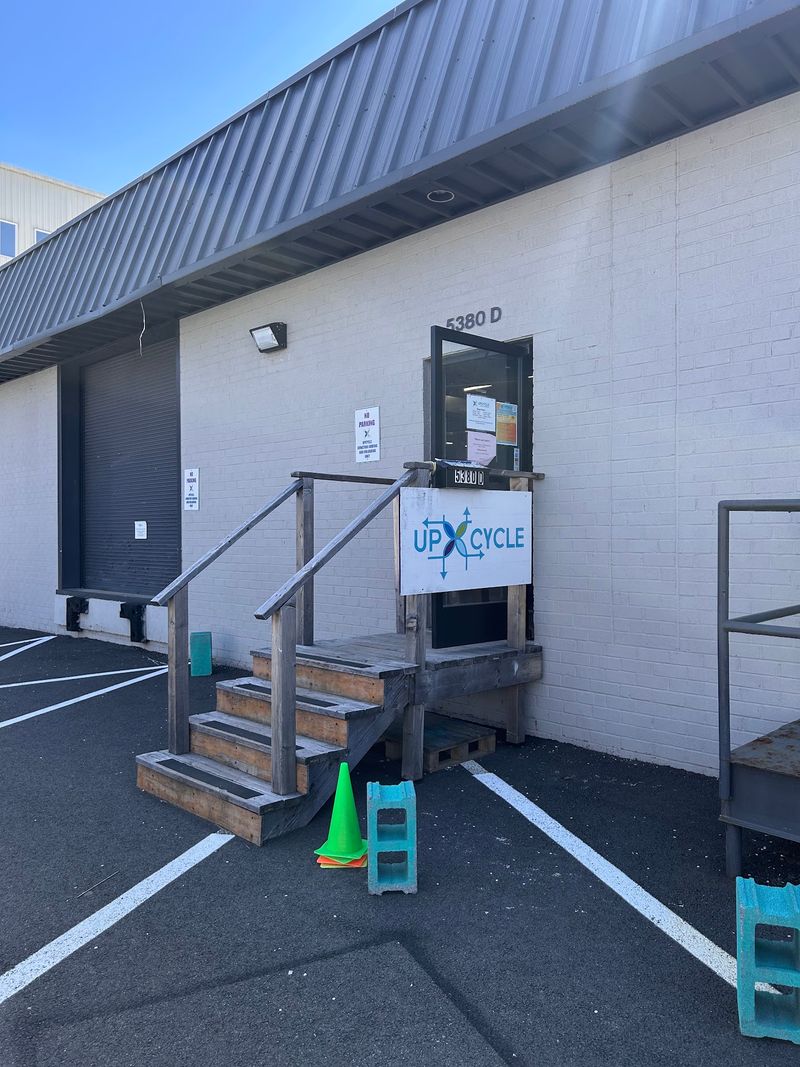
Monday and Tuesday are off days, so plan around them. The doors stay closed both days.
Wednesday through Friday, hours run from noon to 6 pm. Weekends open earlier, from 10 am to 4 pm on Saturday and Sunday.
That afternoon weekday schedule suits after-school trips. Weekend mornings work well for slow, serious browsing.
Thinking of donating? You’ll need an appointment, so don’t just show up with boxes.
Booking may take a few weeks. One donor found drop-off easy once the date arrived.
Check accepted items before packing anything up. The organization posts specific formats and materials it takes on its own channels.
Sort donations neatly first. Keeping similar items grouped makes life easier for volunteers.
Remember the fabric rule too, since pieces should be at least one yard. Tiny scraps may not make the cut.
Shopping visits need no appointment during open hours. Bring a reusable bag for any tagged items, and come ready to dig.
A little planning keeps the whole trip smooth from parking to checkout.
Why Your Next Three Projects Probably Start Here
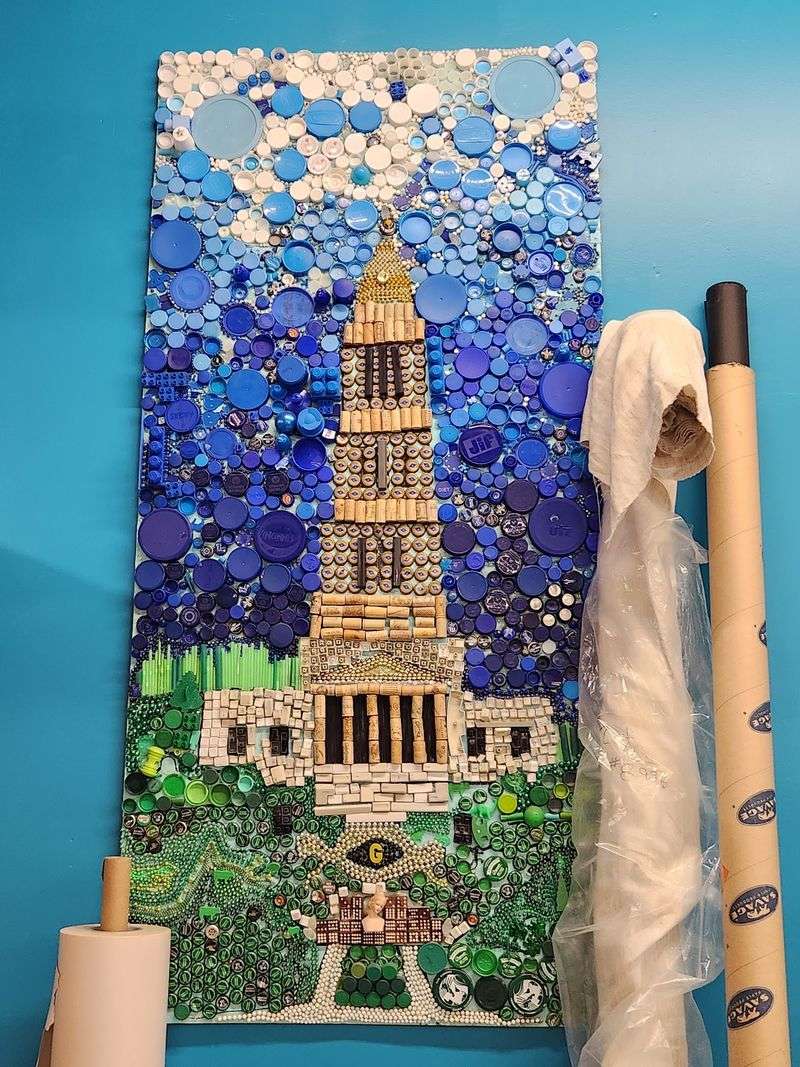
Few shops make leftover supplies feel this exciting. UpCycle Creative Reuse Center turns donated odds and ends into fresh starting points.
The bag system keeps costs friendly and choices playful. The tagged wall adds newer finds for anyone wanting something a little nicer.
Free Tinker Time welcomes kids and curious adults. The in-store project area lets you keep making without heading home first.
It isn’t perfect for every maker. Quilters chasing small fabric pieces and shoppers wanting brand-new stock may feel limited.
For flexible crafters, though, it shines. Knitters, teachers, small-business artists, and families seem to find exactly what they didn’t know they needed.
The eco side adds a nice glow. Every bag you fill keeps usable materials out of a landfill in Virginia.
So plan a weekend morning or a weekday afternoon. Pick the smallest bag, set a challenge, and see how creative your packing gets.
Odds are good you’ll leave with yarn for one idea, beads for another, and ribbon for a third. Three new projects, one paper bag, and zero regrets sounds like a solid outing.