More than 60 acts. Three outdoor stages.
A riverside crowd that organizers put at roughly 300,000 people. And not a single ticket booth, because the whole thing is free.
That’s the deal every Labor Day weekend in Michigan, where the world’s largest free jazz festival takes over a downtown plaza on the water. Freighters slide past while big bands, fusion players and avant-garde explorers take turns in the spotlight.
I like how the music refuses to stay in one place, too. Late-night sets carry the party to a jazz center on a university campus, and every performance streams free online for anyone stuck at home.
So why do so many Michiganders build their end-of-summer plans around one long weekend? I believe the answer starts with a riverfront plaza, a famous fountain and a festival that simply wouldn’t quit.
Fourteen Acres Of Riverfront Concrete Waiting For A Saxophone
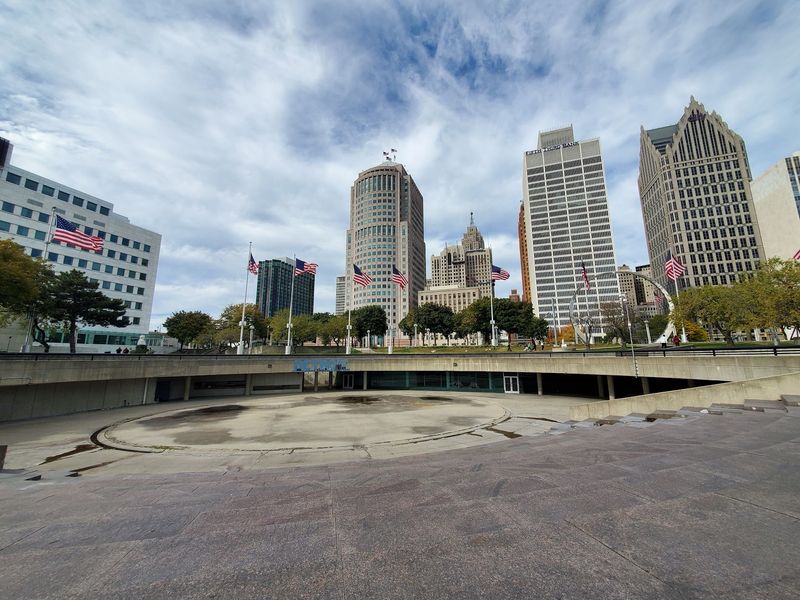
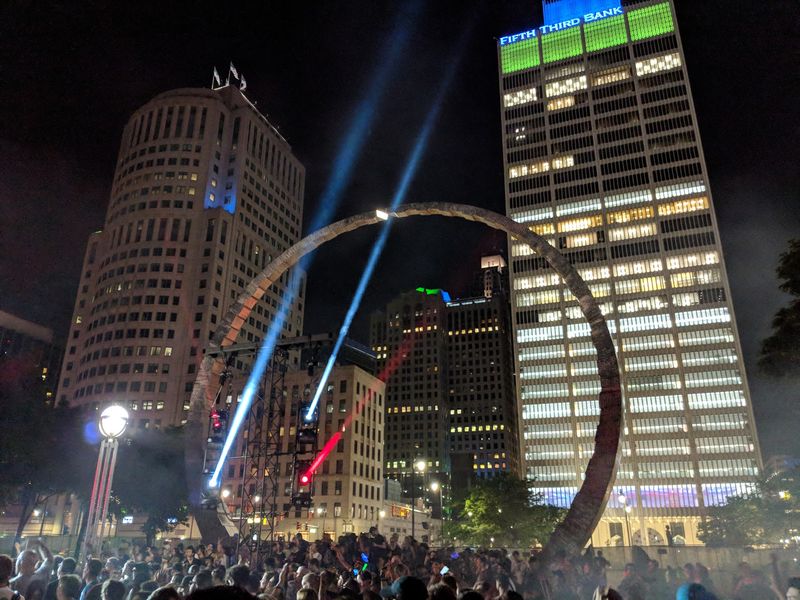
Downtown Detroit has plenty of big stages, but few sit this close to the water. Hart Plaza is a sprawling 14-acre public space on the Detroit River, and every Labor Day weekend it becomes the heart of the Detroit Jazz Festival.
The rest of the year, the plaza hosts a busy lineup of its own. Movement, the Rib and R&B festival, the African World Festival and Motor City Pride have all called it home.
Jazz, though, is the event most tied to this spot. The festival is recognized as the world’s largest free jazz festival, and it treats the riverfront like a giant open-air concert hall.
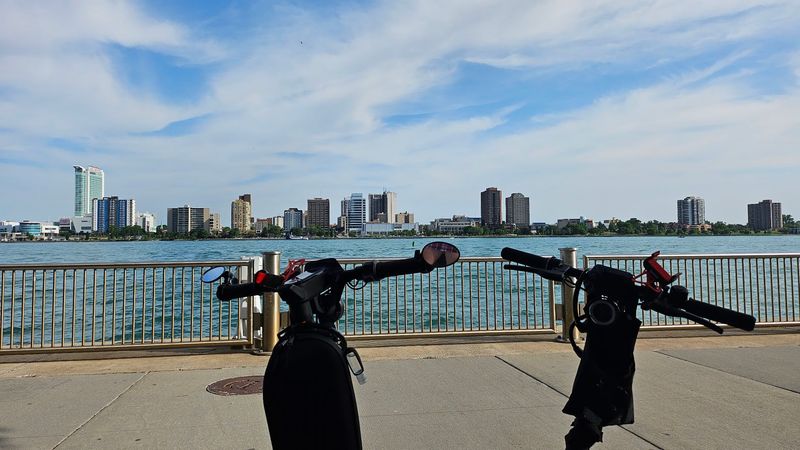
The setting does a lot of heavy lifting. Canada sits right across the river, and the downtown skyline rises behind you while the bands play.
For Michigan music fans, that combination feels hard to top. You get world-class jazz, wide-open sky and a breeze off the water, all without paying a cent to walk in.
It’s basically the best end-of-summer deal in the state. And the story behind it makes the music sound even sweeter.
A Swiss Partnership, Several Name Changes And One Stubborn Festival
Back in 1980, the festival launched with a surprisingly international name. Robert McCabe and the Detroit Renaissance group founded it as the Montreux-Detroit Jazz Festival.
That name nodded to the famous Montreux Jazz Festival in Switzerland. The formal partnership with Montreux ended after 1991, yet the name stuck around until 2000.
From 1991 to 2005, the festival partnered with Detroit’s Music Hall Center for the Performing Arts. That stretch helped keep the event rooted in the city’s own arts community.
Then came a sponsorship era. From 2000 to 2004, it was known as the Ford Detroit International Jazz Festival, a fitting title for the Motor City.
After Ford stepped away in 2005, the event became The Detroit International Jazz Festival. The simpler name, Detroit Jazz Festival, arrived in 2012 and has held ever since.
Keeping track of all those titles is a little like following a long improvised solo. The melody wanders, but the tune never really disappears.
What matters most is continuity. More than four decades later, this Michigan tradition still returns to the riverfront every single Labor Day weekend.
The Generous Jazz Lover Who Kept The Music Playing
Every great festival needs a hero, and this one had Gretchen Valade. In 2006, she founded the nonprofit Detroit Jazz Festival Foundation.
Her timing mattered enormously. The festival was facing financial trouble, and her significant endowment helped save it.
The foundation then took over management and production of the event. That shift gave the festival a stable home base and a long-term plan.
Leadership has stayed steady too. Chris Collins became artistic director in 2011 and now serves as President of the Foundation.
Valade’s legacy also lives on in brick and mortar. The Gretchen C.
Valade Jazz Center opened in August 2024, named in her honor after she passed in December 2022.
That center now hosts part of the festival every year. So her name stays connected to the music she worked so hard to protect.
I can’t imagine the Michigan summer calendar without her contribution. It’s a reminder that free events still need someone willing to believe in them first.
Next time a trumpet solo floats over the river, give her a little silent thanks. She earned it.
Three Big Stages Now Share One Riverside Neighborhood
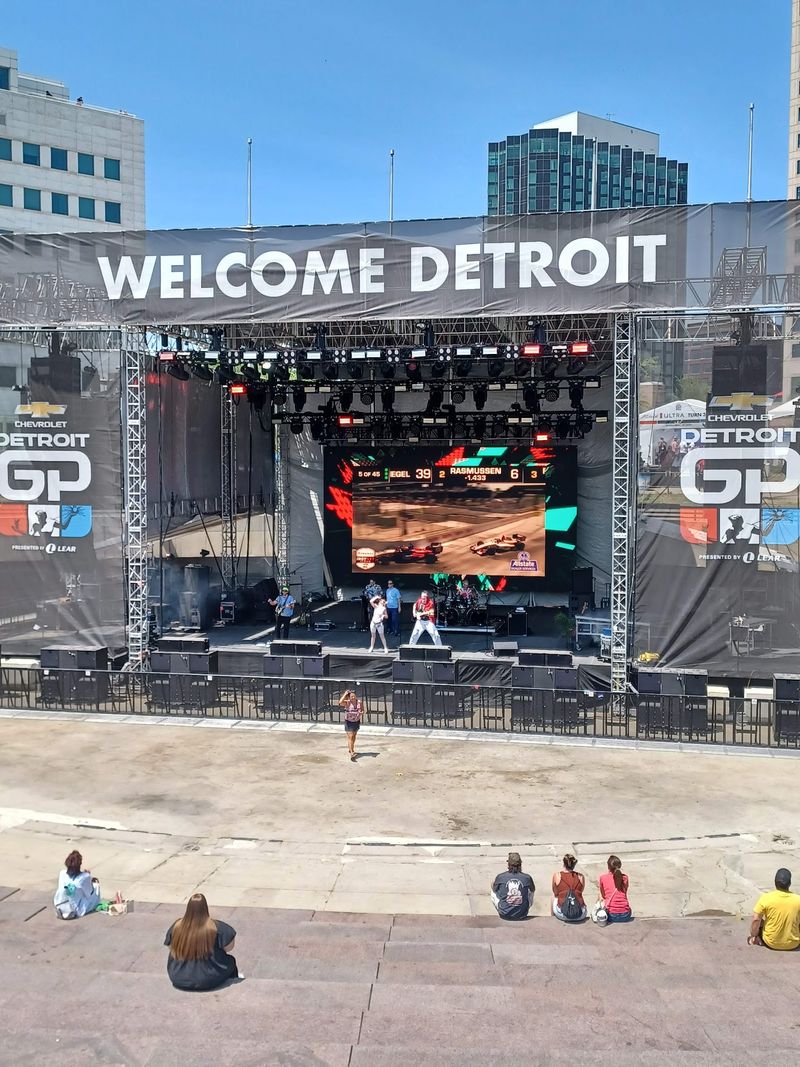
Good news for anyone who hates sprinting between sets. For 2026, the festival pulled its three main outdoor stages together inside Hart Plaza.
Those stages are the Carhartt Amphitheater Stage, the JPMorgan Chase Stage and the Waterfront Stage. Organizers made the change to create a more connected, immersive experience.
In practical terms, the music sits closer together. You can catch one band, grab a snack and drift over to another set without a long hike.
The Waterfront Stage name pretty much explains its appeal. Few concert backdrops beat a working river with Canada across the way.
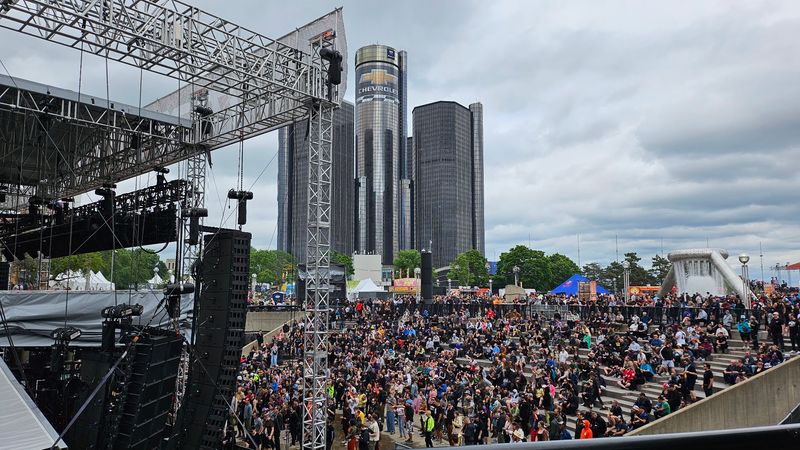
The amphitheater area has its own charm. Tiered seating gives people a natural place to settle and watch, which helps when crowds swell in the evening.
Longtime fans may remember older stage setups, including the much-loved Pyramid Stage. The plaza has seen upgrades and renovations over the years, so the layout keeps evolving.
Change can feel strange at a festival this beloved. Still, packing the main stages into one riverfront footprint should make the whole weekend feel tighter and easier to enjoy.
Straight-Ahead, Fusion, Avant-Garde And Big Band All Get Their Turn
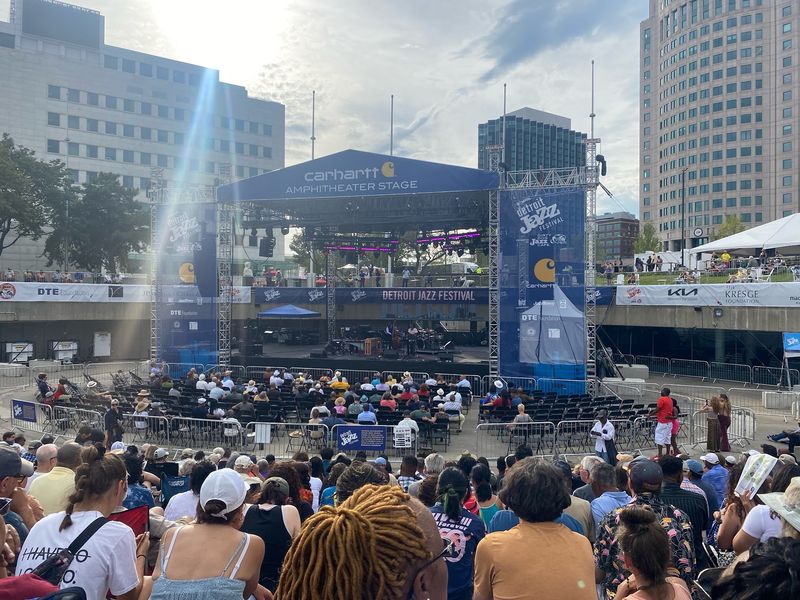
Jazz is a big umbrella, and this festival opens it wide. The programming stays focused on jazz while covering straight-ahead, fusion, avant-garde and big band styles.
That range keeps the weekend from feeling repetitive. One stage might swing hard while another heads somewhere far more experimental.
The lineup typically includes more than 60 acts each year. Global jazz luminaries share the bill with rising stars, legacy artists and homecoming performers.
Homecoming sets carry special weight in Detroit. The city has a deep jazz history, and seeing hometown talent return to the riverfront feels like a family reunion with better horns.
Each year also brings an Artist-in-Residence. That musician performs multiple times across the weekend, so you can follow one artist through different settings and moods.
Recent festivals have featured names like keyboardist Bob James and the all-woman group Artemis. That gives you a sense of the caliber organizers aim for.
Hundreds of musicians cycle through over the long weekend. With that many players, you’ll probably discover at least one new favorite before Monday night rolls around.
After Dark, The Party Moves Up To Midtown
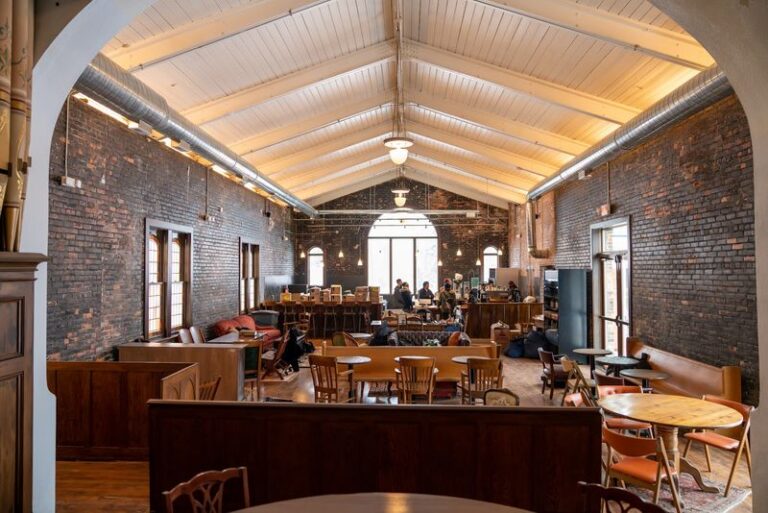
Night owls, this part is for you. When the riverfront winds down, festival programming continues at the Gretchen C.
Valade Jazz Center.
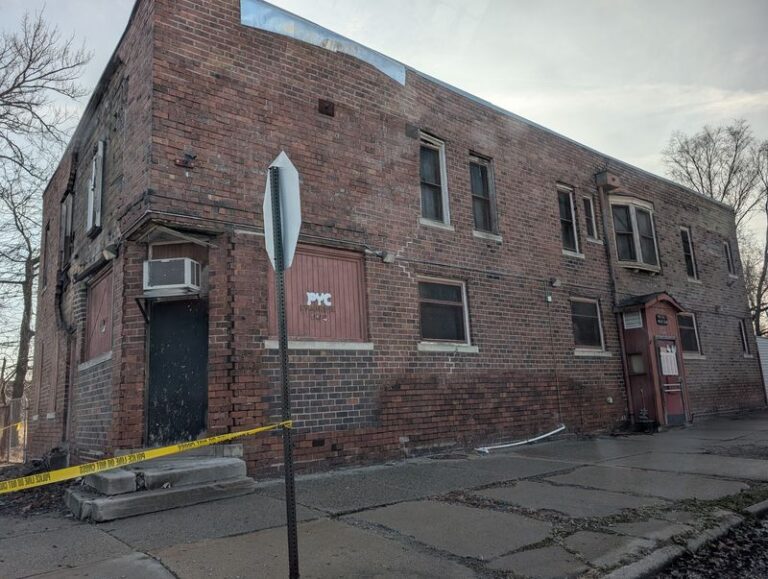
The center sits on the Wayne State University campus in Midtown. You’ll find it at 91 W.
Forest, between Woodward and Cass.
It hosts additional concerts during the festival, including late-night shows. That adds a cozier indoor chapter to a weekend mostly spent under open sky.
The contrast is part of the fun. Big outdoor crowds give way to a more intimate setting where every note lands a little closer.
The center opened in August 2024, so it’s still a fairly new piece of the festival puzzle. It also ties the event to a university campus with strong jazz education roots.
Getting there from downtown is simple enough on the QLine, which runs along Woodward. That makes hopping between Hart Plaza and Midtown realistic in one evening.
Program details and access can vary from year to year. Checking the festival schedule ahead of time may help you plan which late shows to catch.
Elephant Ears, Fried Shrimp And Plenty Of Reasons To Snack Between Sets
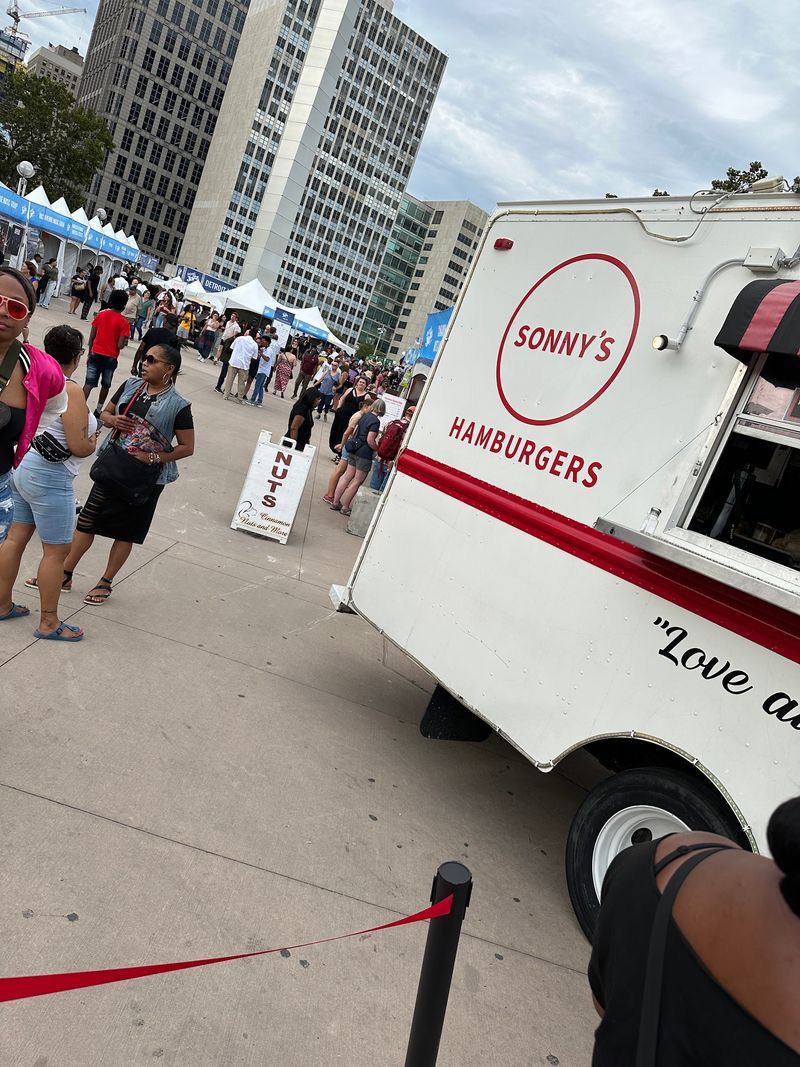
Jazz makes people hungry, apparently. The festival brings in a lineup of food vendors almost as varied as the music.
Past options have included pizza, fried shrimp and fish, BBQ and Hawaiian noodles. Halal, Indian and Mediterranean dishes also show up, along with healthier choices.
Then there’s the sweet side of the menu. Elephant ears, funnel cakes and cinnamon nuts make a strong case for skipping dinner and heading straight to dessert.
Vendor lineups can change each year, so treat this as a taste rather than a guarantee. Still, the variety suggests nobody needs to leave the plaza to find something good.
Food trucks are a regular part of the Hart Plaza scene too. They pop up across many of the summer festivals held here.
One practical tip helps a lot. Plastic or aluminum water bottles are allowed, which is handy on a warm late-summer day.
Grab a plate, find a step facing the river and let the next set start. Honestly, it’s tough to imagine a better dining room in all of Michigan.
A Fountain, A Famous Fist And A View Straight Into Canada
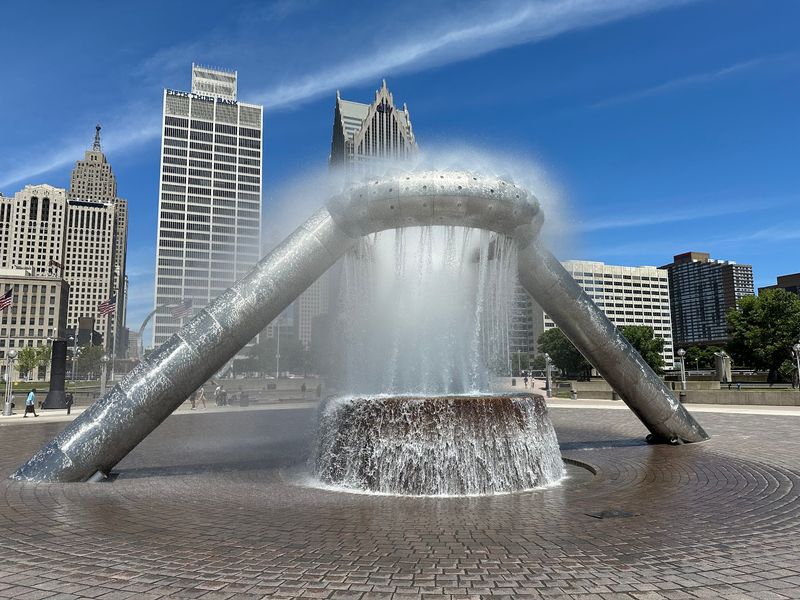
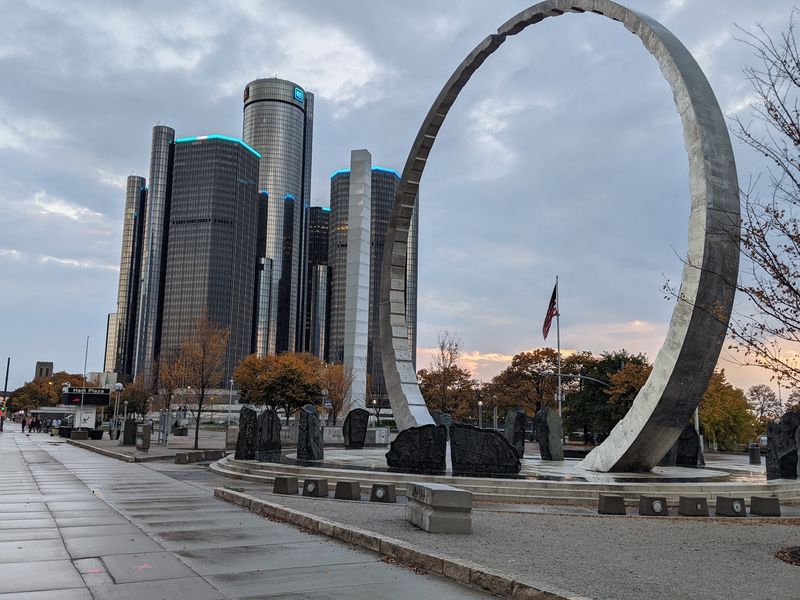
Between sets, the plaza itself deserves a slow lap. Its centerpiece is the iconic Dodge Fountain, a huge sculptural water feature unlike anything else downtown.
Lit up at night, the fountain becomes a gathering spot of its own. It anchors the middle of the plaza and gives everyone an easy meeting point.
Nearby, the Joe Louis fist monument honors the legendary boxer with real Detroit pride. It’s one of the most photographed landmarks in the area.
Across the street stands the Spirit of Detroit statue. You can easily fit both into a short stroll before the evening headliners begin.
Then there’s the river. Freighters glide past, Windsor, Canada sits across the water and the Renaissance Center rises to the east.
Walking paths connect Hart Plaza to the Detroit RiverWalk. That makes it simple to stretch your legs along the water when the crowds get thick.
River views come up again and again when people talk about this place. Add live jazz to that scenery, and the whole riverfront starts to feel like a movie set.
Room For Lifelong Fans, Curious Newcomers And Folks Watching From Home
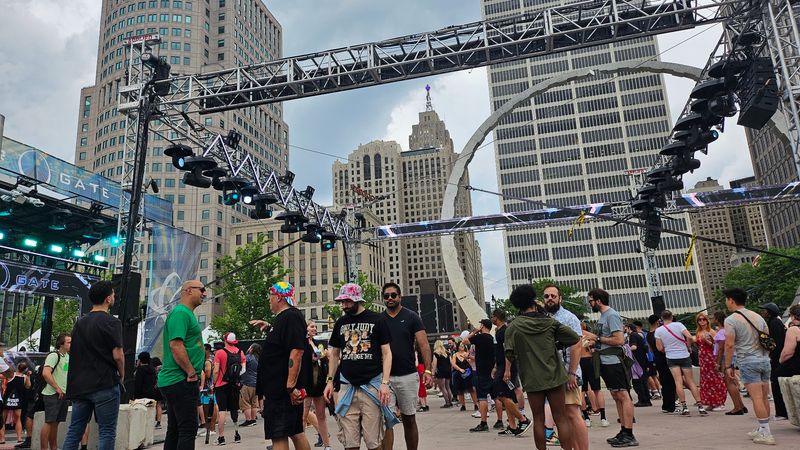
Some fans have been coming since childhood and plan to keep the streak alive forever. Others show up for the first time out of pure curiosity.
The festival welcomes both crowds equally well. Free admission removes the biggest barrier, so families, students and longtime jazz heads can all wander in.
Accessibility gets real attention too. Accessible restrooms are spread throughout the footprint, and a limited number of wheelchairs are available to rent.
Assistive Listening Devices are offered at some stages. That’s a thoughtful touch for anyone who needs a little help hearing the details.
Can’t make the trip at all? Every performance is livestreamed free on the festival’s website, YouTube, Facebook and Instagram.
Organizers reported a record livestream audience of 1.75 million across 92 countries in 2026. That’s a lot of living rooms tapping their feet to Detroit jazz.
The mood in person leans relaxed and easygoing. Bring a folding chair, find your spot and let the weekend unfold at its own unhurried pace.
Smart Moves For Parking, Packing And Getting Downtown
Planning ahead pays off on a weekend this busy. Hart Plaza sits at 1 Hart Plaza, Detroit, MI 48226, right on the river at the foot of downtown.
Outside festival time, the plaza is generally listed as open daily from 8 AM to 5 PM. Festival hours run differently, so check the schedule before you go.
Public transit makes life easier. FAST by SMART, the Detroit People Mover and the QLine all help connect visitors to downtown.
Scooters from Bird, Lime and Boaz are another option. Cyclists can use the complimentary bike valet at the Hart Plaza entrance.
Driving works too, with several paid garages nearby. Options include One Detroit Garage, Two Detroit Garage, One Campus Martius Garage, Financial District Garage and Greektown Garage.
Now for packing. Folding and beach chairs are welcome, but tents and canopied structures are not allowed.
Coolers are no longer permitted inside Hart Plaza as of 2026. Organizers made that change to improve safety, navigation and crowd flow, so pack light and plan on buying snacks inside.
Why This Labor Day Habit Is Worth Keeping For Good
Few traditions give back quite like this one. Free music, a riverfront setting and decades of history make the Detroit Jazz Festival a true Michigan treasure.
Want a little extra comfort? Paid VIP packages can include front-of-stage seating, a VIP entrance and hospitality tents with refreshments.
Some packages also add opening night parties and gourmet dinners. A portion of VIP proceeds supports the foundation’s year-round education programs.
Those programs include J.C. Heard JazzWeek@Wayne, the Youth Vocal Competition and the Collegiate Combo Competition.
So your splurge can help train the next generation of players.
Of course, the free experience stands on its own. Sitting on the steps at Hart Plaza while a freighter drifts by and a band hits its stride is hard to beat.
Plans for 2026 and 2027 are already in motion. That steady future feels fitting for a festival that has survived name changes, money troubles and stage shuffles.
Mark your calendar for Labor Day weekend. Downtown Detroit will be playing your song, and the river will keep the beat.