A lighthouse first lit in 1764 still shines over this stretch of sand. That’s twelve years before anyone signed the Declaration of Independence.
Around that old tower, the story keeps getting stranger. Massive concrete gun batteries sit in the dunes.
Officers’ houses line the bay, and ospreys nest within sight of the Manhattan skyline.
I like how this place refuses to be just one thing. It’s a beach day, a history lesson and a bird walk rolled into the same slim peninsula.
I believe it’s one of the best arguments that New Jersey hides more than most people ever notice.
So how does one skinny strip of the Jersey Shore fit lighthouses, forts, fishing spots and sunsets? I can’t imagine a better question to chase on a free weekend.
A Skinny Peninsula Pointing Straight at New York
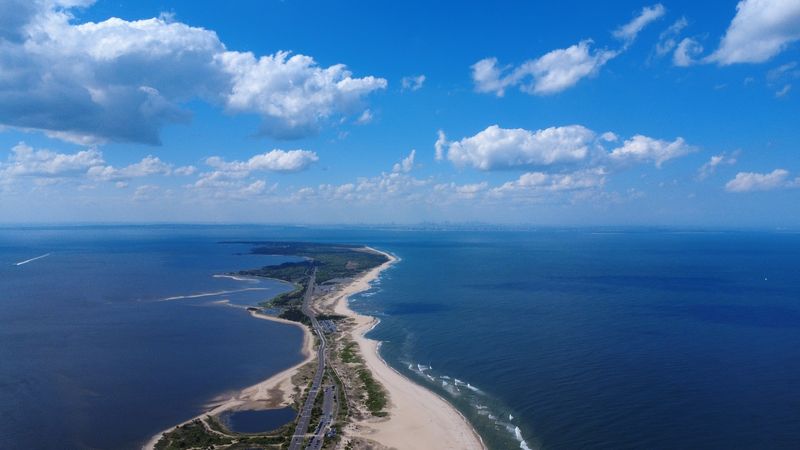
Gateway National Recreation Area – Sandy Hook Unit is a long, narrow finger of sand reaching north from Monmouth County. The Atlantic sits on one side, and calm bay water sits on the other.
It’s part of a national park site run by the National Park Service. That means rangers, protected land and a whole lot of history packed into one ride up the peninsula.
What makes it so fun is the variety. Beaches come first for most people, but forts, a famous lighthouse and wildlife trails wait just beyond the parking lots.
On clear days, you can spot the New York City skyline from the northern end. Seeing skyscrapers from a quiet Jersey beach feels a little like cheating, in the best way.
The unit also offers camping, biking, hiking and fishing. Few places in New Jersey let you swim, explore old batteries and watch birds before lunch.
Its Google rating sits at a lofty 4.8 stars. That’s a strong showing for a spot that still feels a bit under the radar to many families in the state.
The Lighthouse That Beat the Declaration by Twelve Years
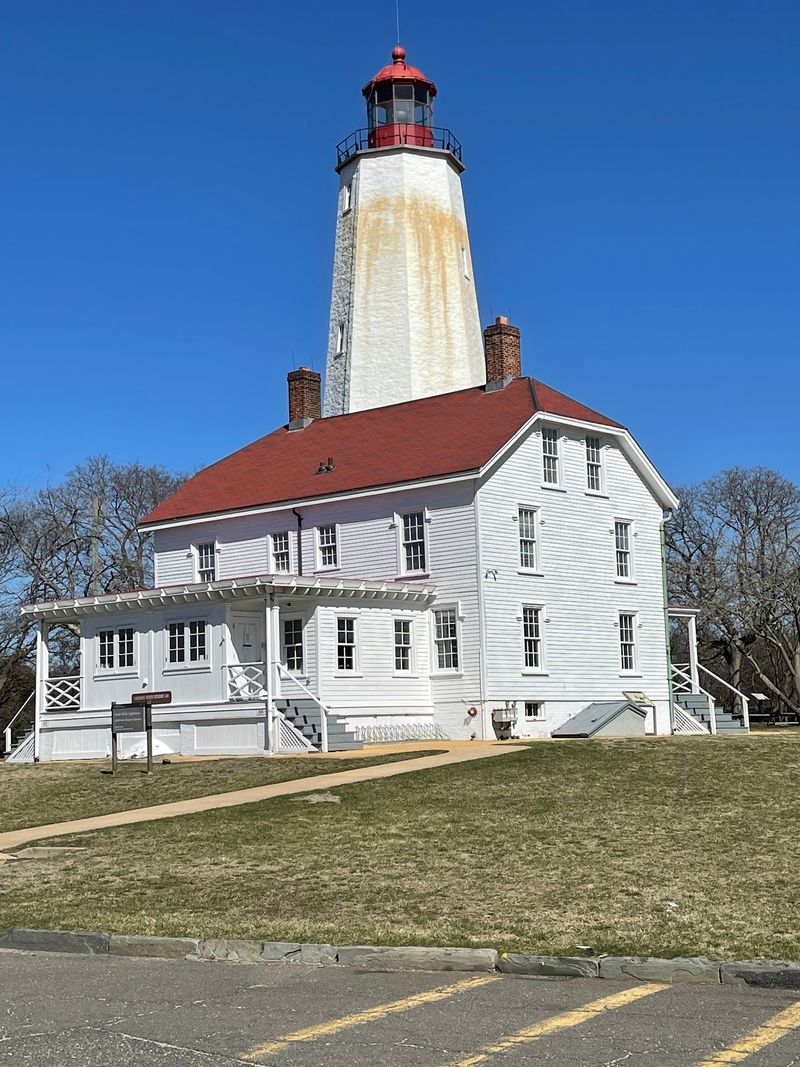
Here’s the headline grabber. The Sandy Hook Lighthouse was first lit in 1764, making it older than the United States itself.
It’s widely known as the oldest working lighthouse in the country. Think about that for a second, because it was guiding ships before George Washington was a household name.
The tower stands inland today, which surprises plenty of first-timers. Over the centuries, shifting sand has slowly extended the peninsula north, leaving the lighthouse farther from the tip than it once was.
That slow-motion land growth is part of the Sandy Hook story. Currents keep pushing sand northward, so the map here never truly stops changing.
The white tower makes a perfect photo stop on any visit. It’s easy to reach, and it anchors the historic heart of the peninsula near Fort Hancock.
Kids tend to love hearing how old it really is. Telling them it predates the country usually earns a wide-eyed reaction, and maybe even a follow-up question or two.
Officers’ Row and the Old Fort Hancock Neighborhood

Picture-perfect porches face the bay along a row of historic houses. These buildings belonged to Fort Hancock, the old army post that once guarded the harbor approach.
The homes once housed officers and their families. Today they form one of the most striking corners of the whole peninsula.
Restoration work has been bringing some of these old buildings back to life. It’s encouraging to see history treated with care instead of left to crumble.
Sunset by the officers’ houses is a favorite tradition for longtime fans of the area. The light drops over the bay, and the brick and porches glow warm in the evening.
Walking this stretch feels like stepping into a quiet small town from another century. Wide lawns, old trees and water views make it an easy stroll for every age.
Bring a camera and some patience. The best shots often come right as the sun slips low and the bay turns gold behind the rooftops.
Concrete Giants Built to Guard New York Harbor
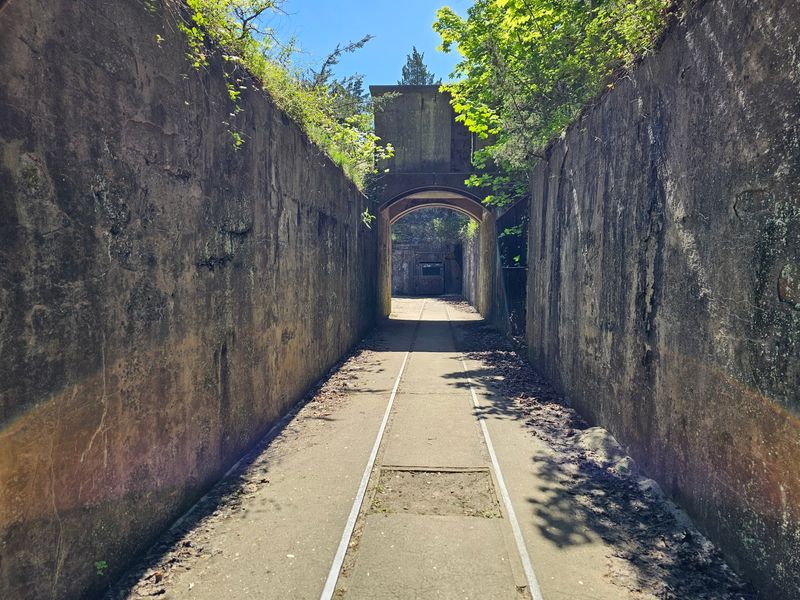
Massive gray walls rise out of the dunes like something from an adventure movie. These are the old coastal batteries that once protected the entrance to New York Harbor.
Sandy Hook held a key spot in that defense system for decades. Its location at the harbor’s doorstep made it valuable real estate for military planners.
Several structures date to the WWII era and earlier periods of coastal defense. Exploring them gives you a real sense of how seriously the country took its shoreline.
The scale is the first thing that catches your attention. Thick concrete, deep openings and heavy doorways make most backyard sheds look a little silly.
Learning the area’s role in guarding the harbor adds meaning to every step. It turns a beach outing into something closer to a field trip, minus the permission slips.
Stay respectful around these old structures. Follow posted signs, keep off restricted areas and let the history speak for itself.
Mortar Pits With a Crew Still Looking After Them
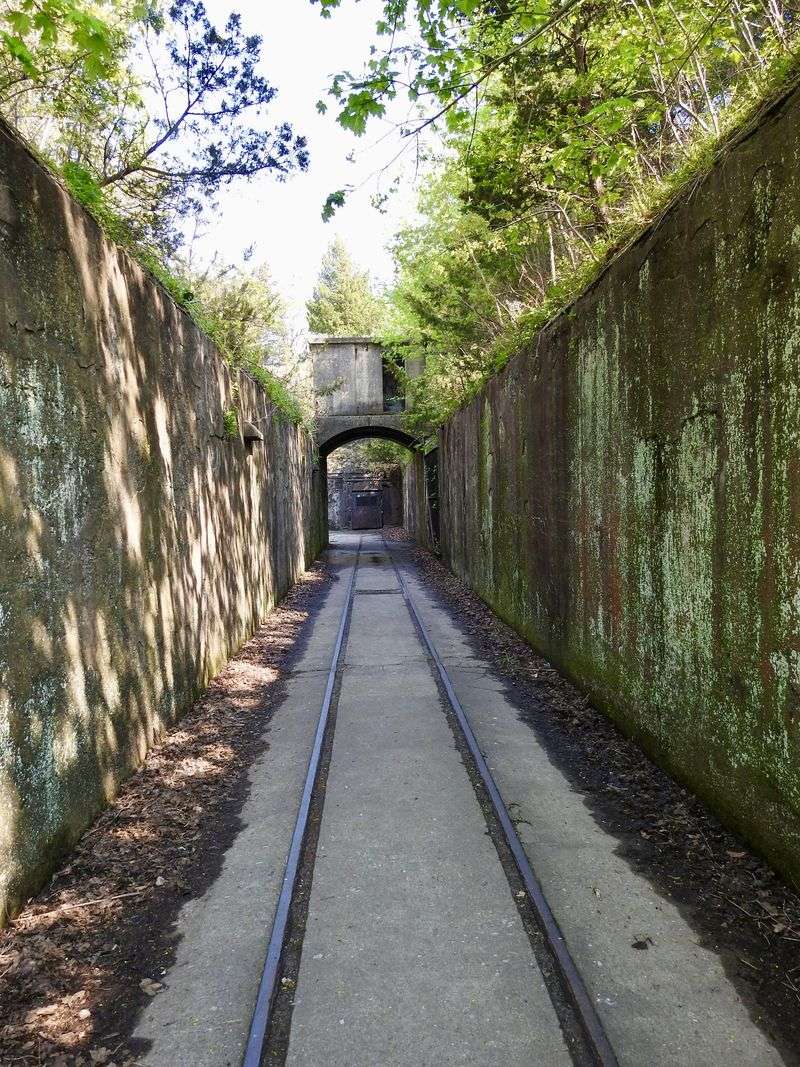
Volunteers sometimes roll up their sleeves inside the old mortar pits. One recent visitor even met a group clearing out a pit, led by a gentleman known as the Colonel.
That kind of hands-on care keeps these spaces from fading away. It also gives the park a living, community feel you won’t find in a glass display case.
Mortar batteries were designed to lob heavy shells high over the water. The pits themselves are wide, sunken spaces surrounded by thick concrete walls.
Seeing them up close helps kids understand that history happened right here. It wasn’t just in textbooks, it was in the sand under their sneakers.
Timing matters if you hope to see volunteer work in action. Schedules may vary, so it’s smart to check with the park before planning around it.
Even without a crew on site, the pits are worth a look. They’re one of the most unusual sights on any stretch of the Jersey Shore.
Ocean Beaches Where Your Towel Gets Breathing Room
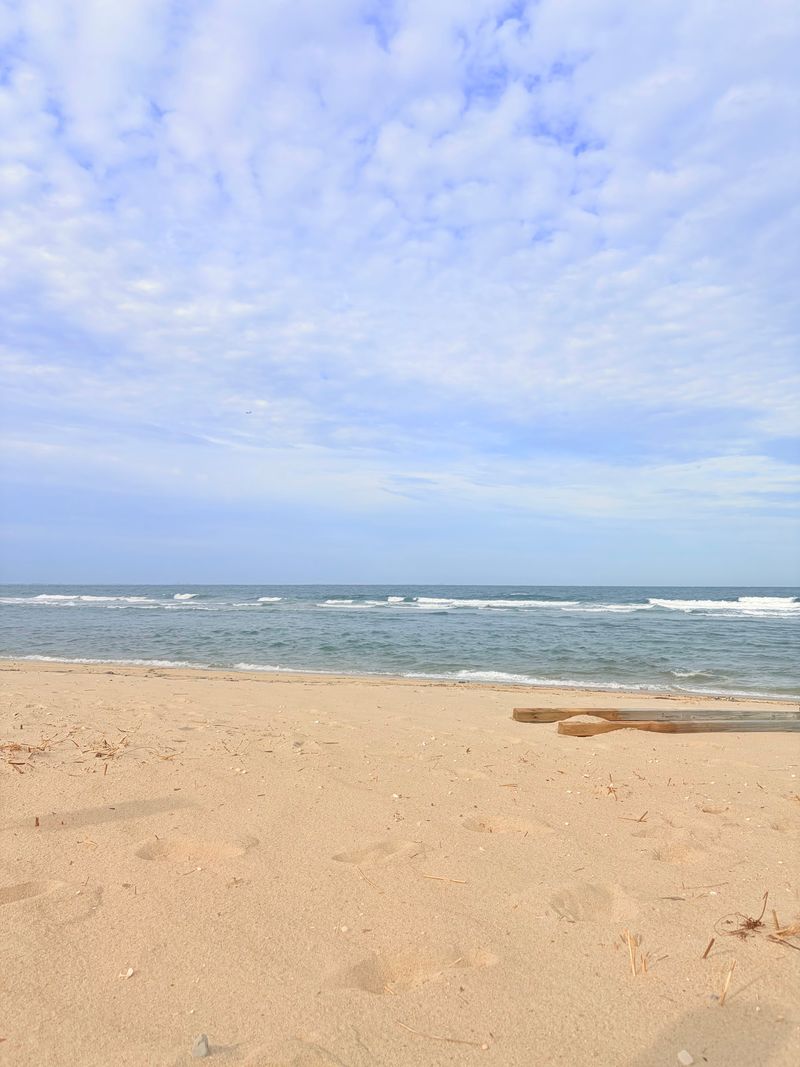
Beach lovers have options here, and plenty of them. Lettered areas like B, C and D spread along the ocean side of the peninsula.
In season, many spots come with lifeguards on duty. Restrooms and freshwater showers add comfort after a long day of sand and salt.
The beaches tend to feel less packed than some busier Shore towns. That makes them a relaxed pick for families with little ones in tow.
Cleanliness also gets frequent praise, with credit going to federal rangers for their upkeep. Still, bring a bag for your own trash, since bins aren’t always easy to find.
Sandy Hook also includes a clothing-optional beach, so read the area signs carefully. A quick glance at the map can save some surprised looks.
Memorial Day often kicks off the busier season here. Arrive early on summer weekends if you want a smooth start and a good parking spot.
Sunset Seats on the Calmer Bay Side
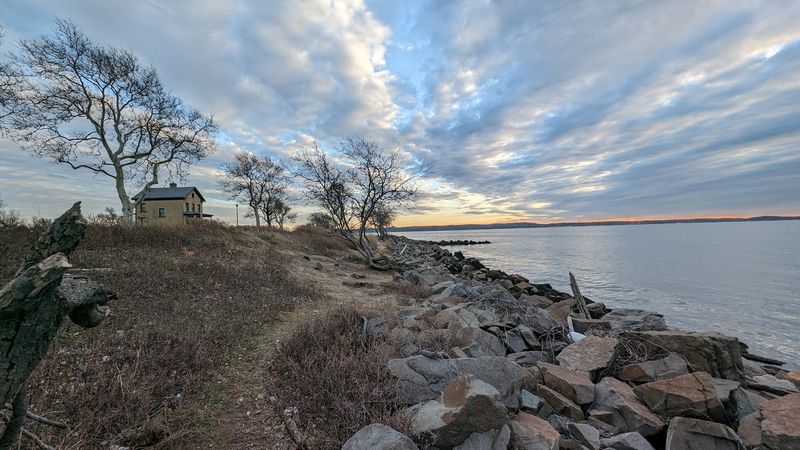
Turn your back on the ocean for a moment. The bay side offers softer water, quieter edges and some of the best sunsets around.
To the west, the scenery stretches toward where the Navesink River area meets the water. The view feels gentler than the surf side, and it’s ideal for slowing down.
Sunset photos here practically take themselves. Orange skies reflect on calm water, and the shoreline turns into a silhouette show.
Sunrise lovers get rewarded too, especially on the ocean side. Early birds can catch both ends of the day if they’re feeling ambitious.
Bring a folding chair and a light jacket for evening visits. Breezes off the water can cool things down quickly once the sun drops.
It’s a lovely spot for couples, photographers and anyone who needs a calm hour. Honestly, it might be the most peaceful seat in this part of New Jersey.
Ospreys, Horseshoe Crabs and Neighbors With Shells
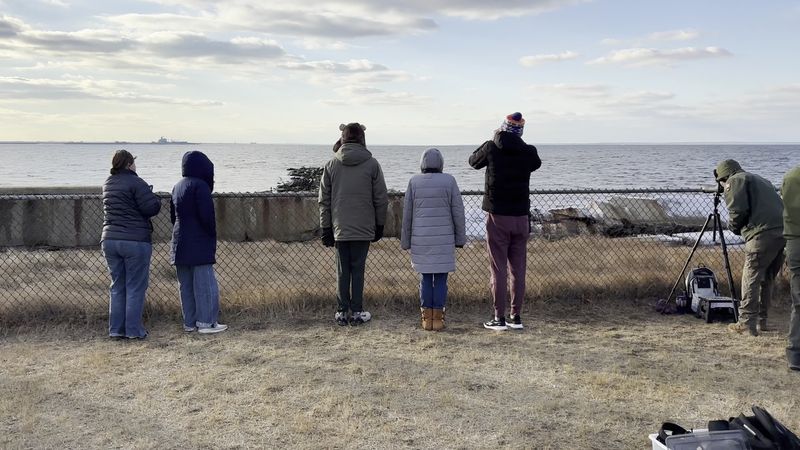
Ospreys nesting overhead steal the show for many wildlife fans. These big fish-hunting raptors build bulky nests that are hard to miss once you spot one.
Down on the shoreline, horseshoe crabs add a prehistoric twist. Their armored shells and long tails look like something left over from the dinosaur days.
Sandy Hook mixes beach, dune, marsh and bay habitats in one small area. That blend gives birds and other creatures plenty of places to rest and feed.
Binoculars are worth packing, even for casual visitors. A quick scan of the marsh or sky can turn up something new.
Give wildlife plenty of space, especially around nests. Watching from a distance keeps animals calm and keeps the experience special for everyone.
For kids, it’s a natural science lesson with no worksheet required. Spotting an osprey with a fish in its claws might become the highlight of their summer.
Dune Paths and the Long Trek to the Tip
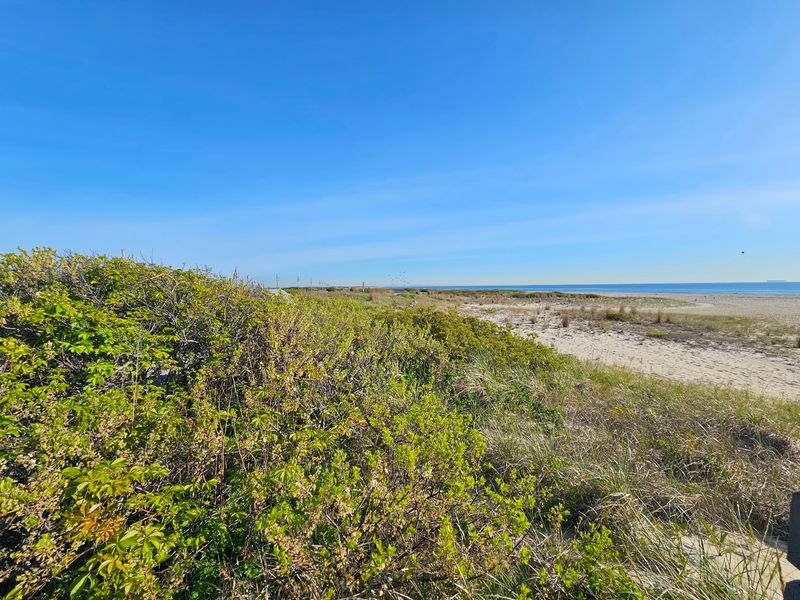
Hiking fans, lace up and fill those water bottles. Trails and sandy paths wind through dunes, marsh edges and quiet stretches of shoreline.
The northern tip is the grand prize for many walkers. Getting there from the closer lots can take real effort across soft sand and shifting ground.
Some routes pass tidal estuaries and areas where water moves fast. After storms, the landscape can look completely different from one visit to the next.
Standing at the tip feels like reaching the edge of the map. Water wraps around on almost every side, and the city skyline floats in the distance.
Wear sturdy shoes and bring sun protection. Shade is limited, and soft sand can make even short distances feel longer.
Beachcombing pairs nicely with a hike out here. Shells, driftwood and odd treasures often wash up, especially after rough weather rolls through.
Fishing Spots That Run Hot and Cold
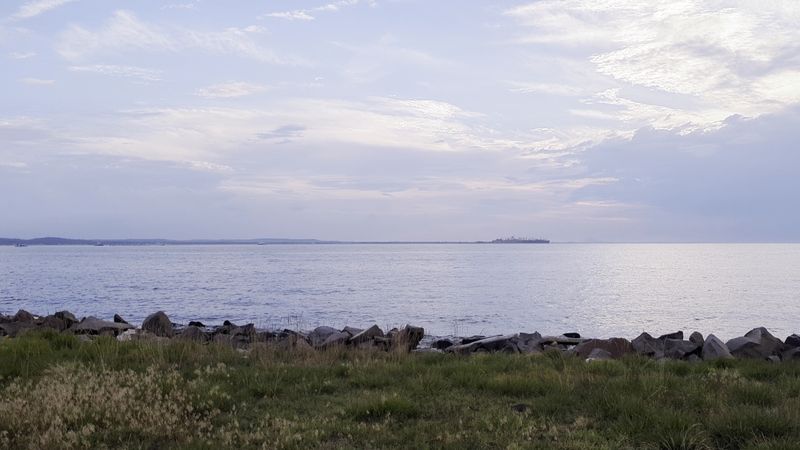
Anglers know the magic word around here. When the blitz is on, the action along the beach can get exciting fast.
Fluke and spot are among the catches pulled from the shoreline. Fishing can run hot and cold, so patience is part of the deal.
Several parking lots give fishermen different starting points. Some anglers walk miles in a single outing to reach their favorite stretches.
The northern end draws serious walkers with rods slung over their shoulders. It’s demanding, but the payoff can be worth the sore legs.
Fall can be an especially popular time for fishing here. Cooler air and fewer beach crowds make for a peaceful morning cast.
Check New Jersey fishing rules and seasons before you go. Regulations change, and a quick look keeps your trip fun and legal.
Two Wheels, Easy Miles and Scenic Cruising
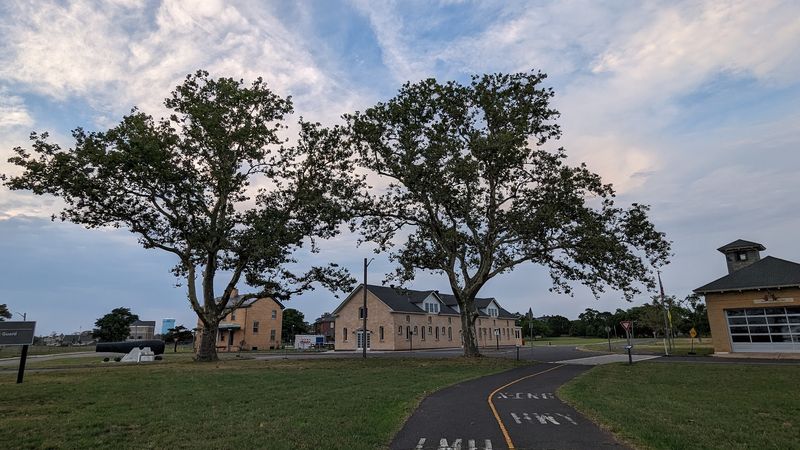
Cyclists get a sweet deal on this peninsula. The flat terrain makes pedaling easy, even for younger riders still finding their balance.
Jogging, walking and scooter rides are popular too. It’s a roomy place to move around without battling heavy city traffic.
Motorcyclists also enjoy cruising the main road for the scenery. Water views and historic landmarks keep the ride interesting from start to finish.
Biking makes it simple to hop between the lighthouse, batteries and beaches. You can see far more in a day than you could on foot.
Parking is generally plentiful, so unloading bikes is rarely a headache. That’s a relief for families juggling helmets, snacks and impatient kids.
Pack water and sunscreen, since shade can be scarce along open stretches. A breezy day on a bike here feels like the best kind of exercise.
Off-Season Charm for the Crowd-Averse
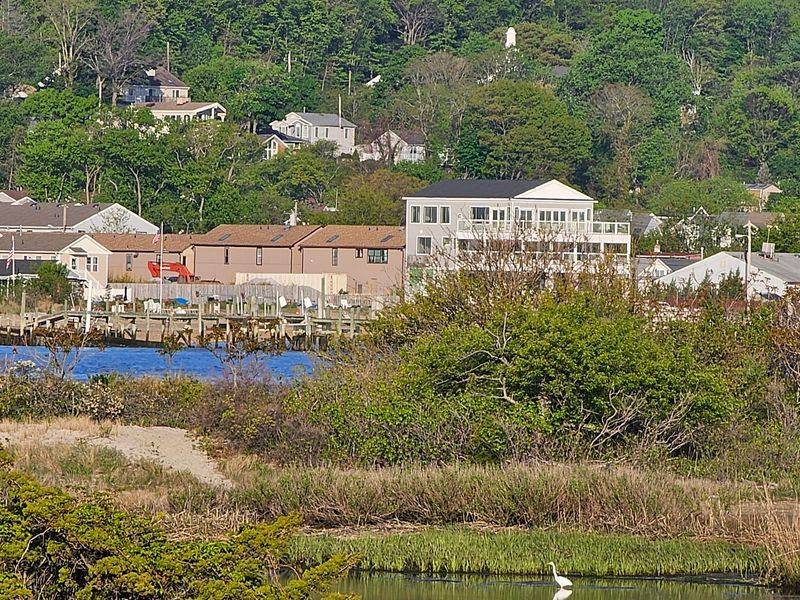
Summer gets the spotlight, but spring and fall quietly shine. Frequent fans often favor the months before and after tourist season.
Fewer cars mean quieter trails and emptier beaches. You might have long stretches of sand almost to yourself.
Parking fees typically apply during the summer season. Off-season visits, or arriving later in the evening, may let you skip that cost entirely.
That makes this an easy, budget-friendly outing for families. A walk, some history and a sunset can cost little more than gas money.
Cooler months also suit history buffs. Exploring old batteries and officers’ houses feels more comfortable without the midsummer heat.
Just dress in layers, because the coast can be windy. A warm jacket turns a chilly beach day into a cozy adventure.
Hours, Parking and the Road to the Hook
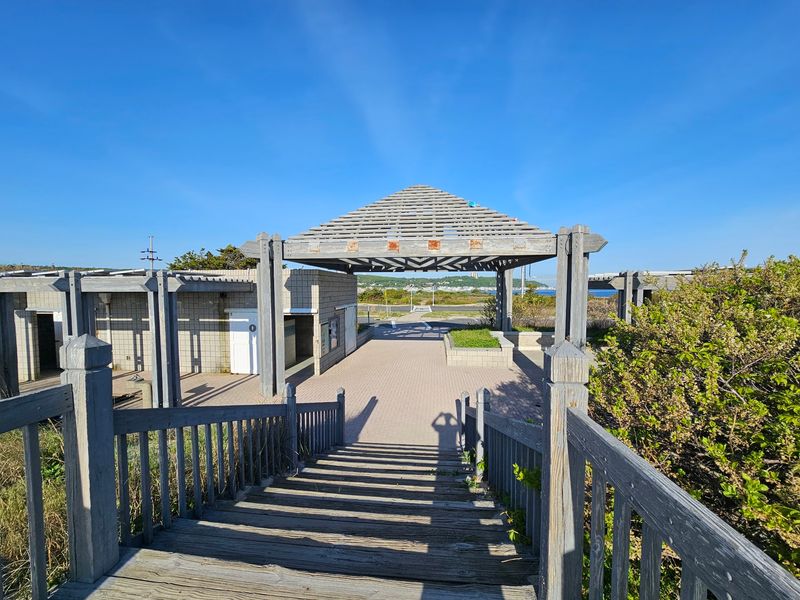
Getting here is refreshingly simple. Point your GPS to 128 S Hartshorne Dr, Highlands, NJ 07732, and follow the road onto the peninsula.
The area is listed as open 24 hours. Specific facilities and beach services keep their own schedules, so check with the National Park Service before heading out.
Seasonal parking fees apply at the beaches in summer. Senior discounts have been offered, and prices can change, so confirm before your trip.
Restrooms and showers are available at many beach areas. Services may be limited outside peak season, so plan snacks and supplies accordingly.
Signage can be thin in spots, including the routes to observation decks. A downloaded park map can save some wandering.
Camping is also available for those who want more than a day trip. Staying overnight lets you catch both sunset and sunrise without a long drive.
Why This Sandy Strip Deserves Your Next Free Saturday
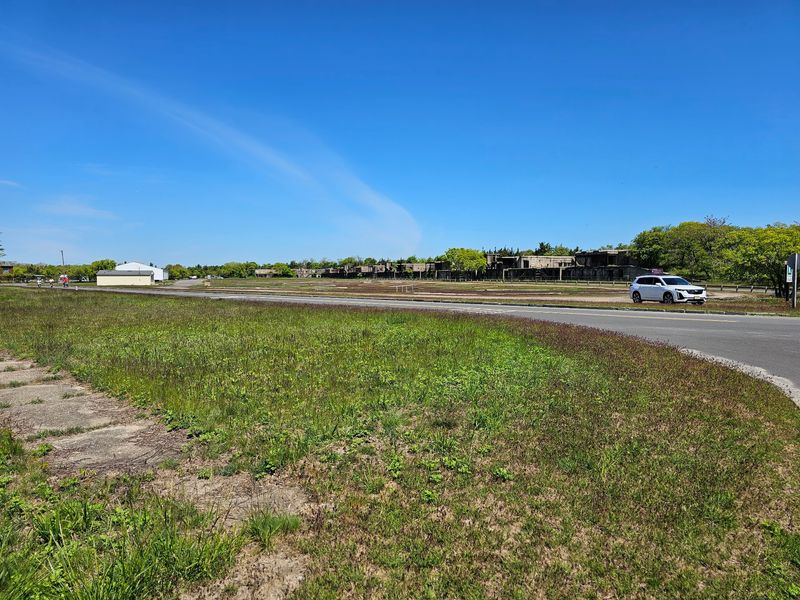
Few outings pack this much into one road. A colonial-era lighthouse, coastal batteries, beaches and wildlife all share the same peninsula.
Gateway National Recreation Area – Sandy Hook Unit works for nearly any type of traveler. Families, anglers, cyclists, photographers and history fans can all find their corner.
The atmosphere leans relaxed and refreshing. Calm open space and coastal scenery make it an easy escape from daily routines.
It’s also proof that New Jersey’s shoreline holds real depth. This isn’t only about boardwalks and crowded summer weekends.
Start with the lighthouse, then wander toward the batteries and the bay. End with a sunset by the officers’ houses, and you’ve nailed a perfect day.
Honestly, the hardest part may be choosing what to see first. Luckily, that’s a great excuse to come back again and again.