A painted wooden coffin holding a linen-wrapped mummy named Tjeby rests in a gallery that charges nothing to enter. Yes, a real mummy, roughly 4,000 years old, and the general admission price is zero.
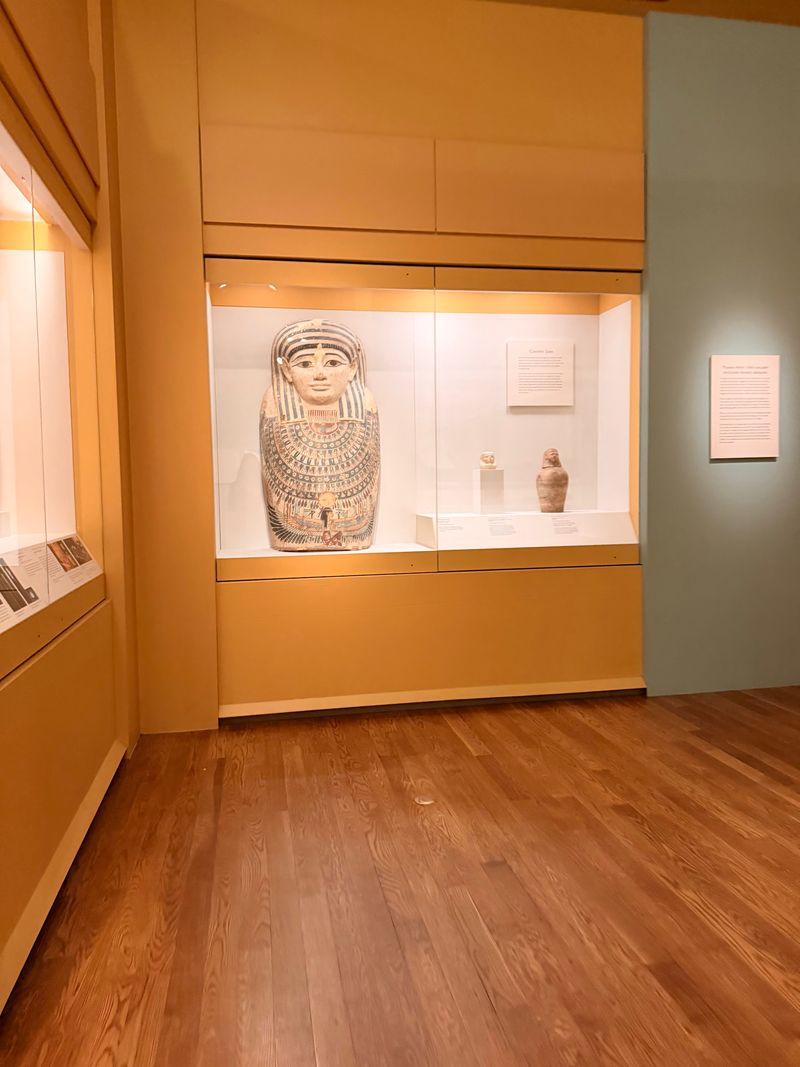
The same galleries hold an alabaster scribe, a bronze statuette of the cat goddess Bastet, and a painted wooden boat model. There’s even a wall-painting fragment showing the enemies of Egypt, made more than 3,000 years ago.
I like how casually all of this sits in Virginia, far from the Nile and the pyramids. Most people assume treasures like these require a passport and a long flight.
I believe that assumption keeps a lot of folks from a great afternoon.
The Egyptian rooms are only one chapter, though. Fabergé eggs, samurai armor, and Impressionist paintings share the building.
So where exactly is this place hiding?
A Free Ticket to Ancient Egypt Waits in Richmond
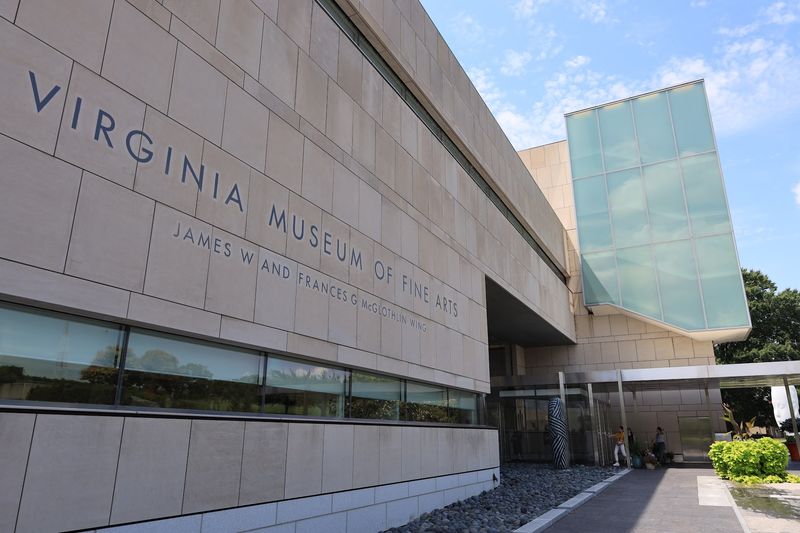
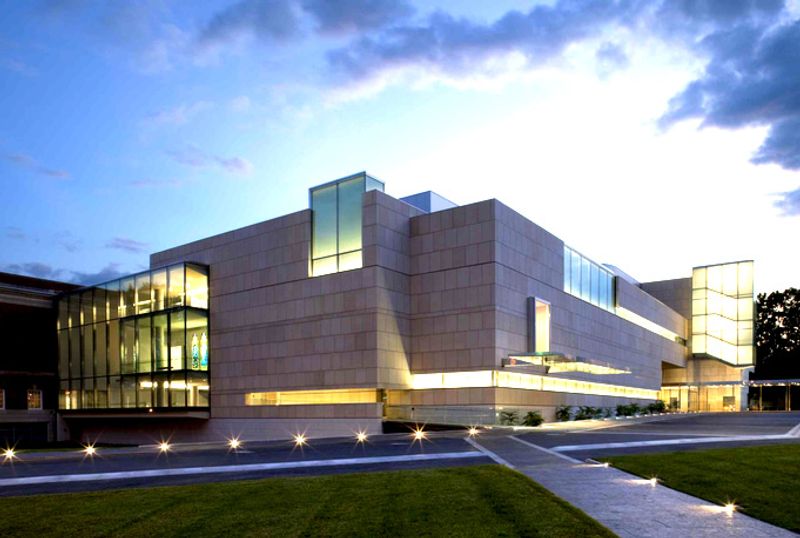
The Virginia Museum of Fine Arts sits in Richmond, and it ranks among the largest comprehensive art museums in the United States. Its permanent holdings cover nearly 40,000 artworks, which is a lot of wall space to fill.
Here’s the best part for your wallet. General admission to the permanent collection galleries is always free, every single day.
The museum stays open 365 days a year, so holidays don’t get in the way. That means an Egyptian coffin, a granite royal figure, and a faience scarab are available whenever the mood strikes.
Calling it an encyclopedic museum isn’t just fancy talk. The building moves from ancient art through European paintings, Asian collections, Art Deco design, and modern works.
The Google Maps description sums it up neatly with Goya, Picasso, ancient Egypt, and Fabergé. That’s quite a guest list for one address in Virginia.
Egypt still earns top billing in this story, though. Few people expect a genuine mummy within driving distance of the Chesapeake Bay.
Once you know it’s there, the idea of a Richmond day trip starts sounding much more interesting, especially when the price of entry costs absolutely nothing.
Nearly Nine Decades of Collecting Behind These Doors
Back in 1936, the Virginia Museum of Fine Arts opened its doors for the first time. Few museums of that era could claim the reach it holds today.
Its structure is a bit unusual too. The museum operates as a state agency and also as a privately endowed educational institution.
That mix helps explain why the collection feels both public-minded and ambitious. The free admission policy fits right into that spirit of sharing art with everyone in Virginia.
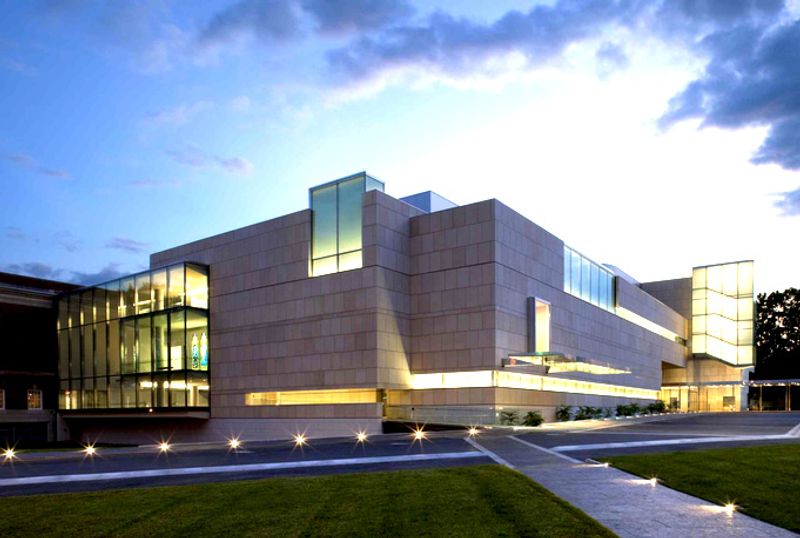
Growth came in waves over the decades. In May 2010, the museum completed the largest expansion in its history, adding serious room for its galleries.
The work hasn’t stopped either. The museum has been undergoing further expansion, yet the galleries remain open and busy with programs.
Responsible stewardship matters here as well. In December 2023, the museum announced it would return 44 ancient pieces to Egypt, Italy, and Turkey after an investigation into an international criminal conspiracy.
I respect that kind of honesty about where objects come from. It makes the ancient pieces still on view feel even more meaningful to stand beside.
Five Thousand Years of History Packed Into the Ancient Galleries
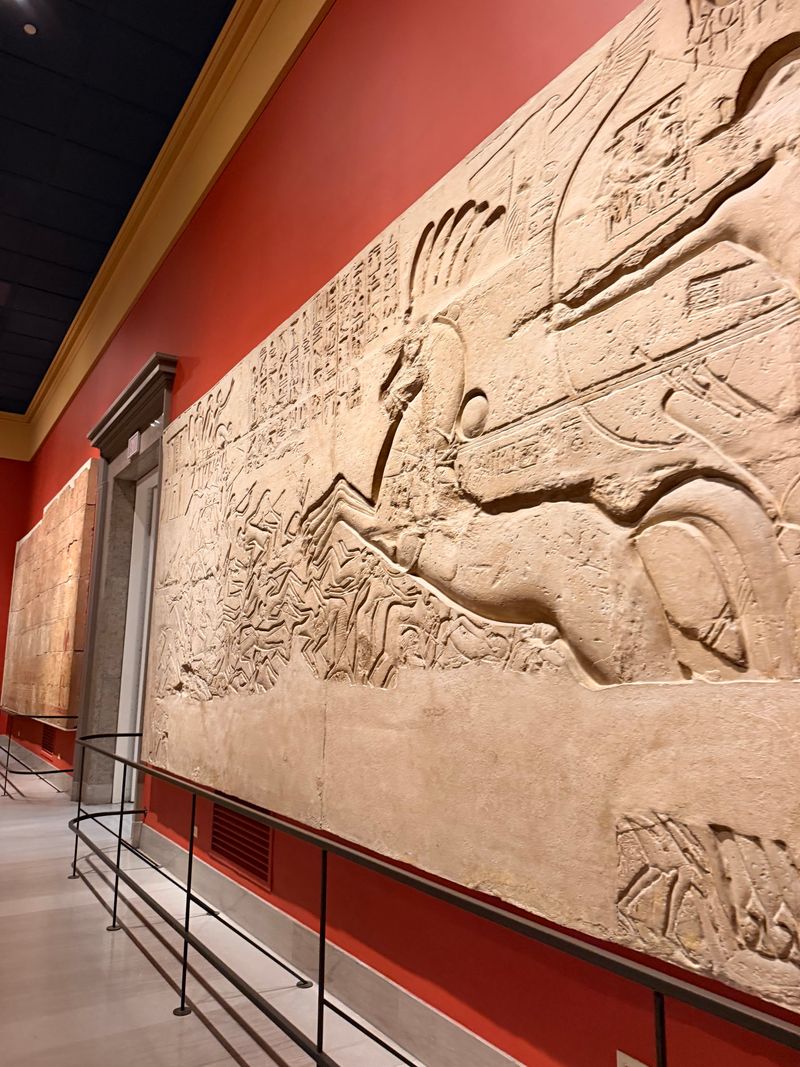
Few rooms in America cover this much time. The ancient art collection spans more than 5,000 years of human history.
It starts with Pre-Dynastic Egypt in the fourth millennium BC. It runs all the way to the fall of the Byzantine Empire in AD 1453.
That’s a long walk through the centuries, though thankfully not a long walk in shoes. The main collecting areas include ancient Egyptian, Greek, Etruscan, and Roman art.
Major works from Western Asia and Nubia round things out. Nubia often gets overlooked, so its presence adds welcome depth.
You can trace how styles traveled and changed across empires. A limestone relief here, a bronze statuette there, and suddenly history feels less like a textbook.
The museum showed its interest in this kind of cultural mixing before. In 2020 and 2021, it hosted Treasures of Ancient Egypt: Sunken Cities, with over 250 artifacts from underwater archaeology.
That show has closed, but it proved the Virginia Museum of Fine Arts takes Egypt seriously. The permanent galleries carry that same respect year-round.
Tjeby the Mummy Steals the Spotlight
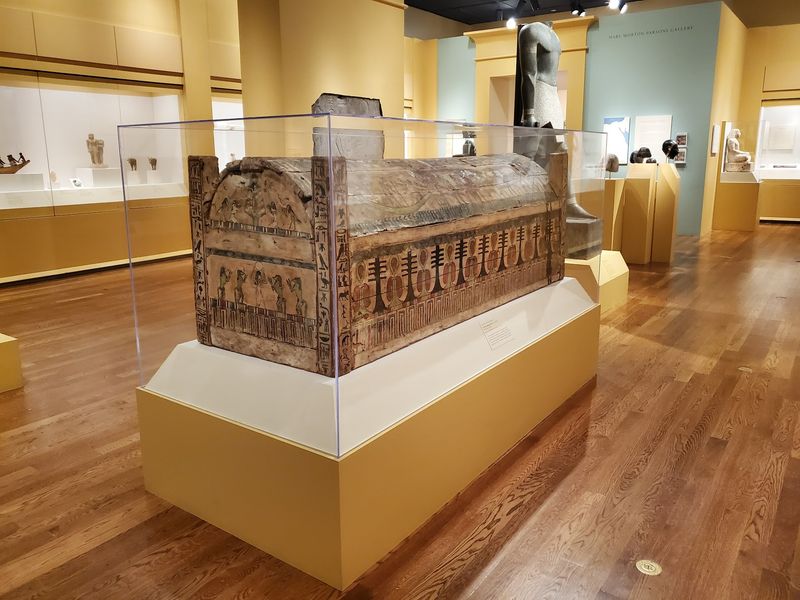
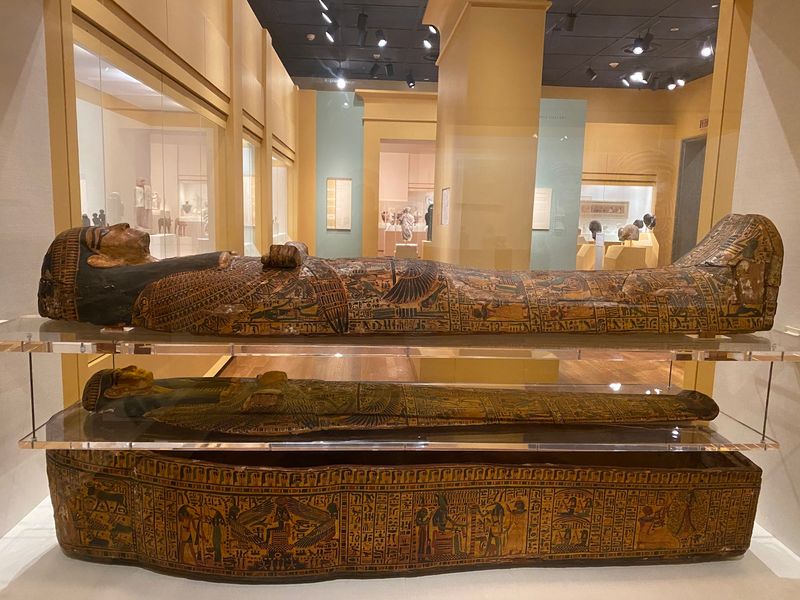
Meet the museum’s most famous resident from the ancient world. The Coffin and Mummy of Tjeby dates back roughly 4,000 years.
The coffin is made of painted wood. Inside rests a linen-wrapped mummy, preserved through methods Egyptians perfected over centuries.
Standing near something this old changes your sense of time. Tjeby lived during Egypt’s Middle Kingdom era, long before Rome even existed.
Painted coffins like this carried important religious meaning. Their decoration was meant to help protect the person on a journey into the afterlife.
Kids usually head straight for exhibits like this one. Grown-ups tend to follow quickly, pretending they were just curious about the paint.
Honestly, who could blame anyone? Many travelers assume they’d need a museum in Cairo, London, or New York to see a genuine Egyptian coffin.
Yet here it is in Richmond, available without a ticket. That alone makes the Virginia Museum of Fine Arts worth a detour.
Give the painted surfaces a slow look. The details reward patience, and patience costs nothing here either.
Scribes, Cats, and Granite Kings Fill the Egyptian Cases
Bastet showed up in bronze, and she looks every bit the goddess. The statuette dates to around 663 to 525 BC.
Cat lovers, consider this your pilgrimage spot. Bastet was a beloved protective figure, and the ancient Egyptians clearly adored their felines.
Nearby sits the alabaster Statue of Seated Scribe: Sema-Tawy-Tefnakht, from 664 to 610 BC. Scribes held real status in Egypt because reading and writing were rare skills.
Then there’s the red granite Royal Figure Making Offerings to a Deity, from about 350 BC. Granite is tough stone, so the craftsmanship took serious effort.
Don’t skip the Winged Scarab Pectoral either. Made of faience around 664 to 525 BC, this chest ornament showcases the scarab beetle symbol.
Each piece tells a different part of Egyptian life. Writing, worship, royalty, and personal adornment all appear in a few steps.
That variety keeps the galleries lively rather than dusty. You get a well-rounded portrait of a civilization without needing a guidebook the size of a brick.
Little Boats and Painted Walls With Big Stories
Tiny rowers, big ambitions. The Boat Model dates to 2010 to 1961 BC and is made of wood coated with plaster and paint.
Egyptians placed models like this in tombs. They represented travel on the Nile, which served as the highway of their world.
Then look for the Tomb Relief, from 2475 to 2195 BC. Carved limestone still carries traces of pigment, a remarkable survival after more than four millennia.
Pigment that old should not still exist, and yet there it is. Moments like that make your phone camera feel slightly inadequate.
One of the most intriguing objects is the Wall-Painting Fragment Depicting the Enemies of Egypt. It dates to about 1395 to 1385 BC.
Royal art often showed foreign rivals to celebrate Egyptian power. The fragment offers a glimpse at how the kingdom saw its neighbors and itself.
Together, these pieces show daily life, belief, and politics side by side. They also prove that Virginia holds far more than a token Egyptian corner.
The collection has real range and real age.
Fabergé Eggs Might Tempt You Away From the Pharaohs
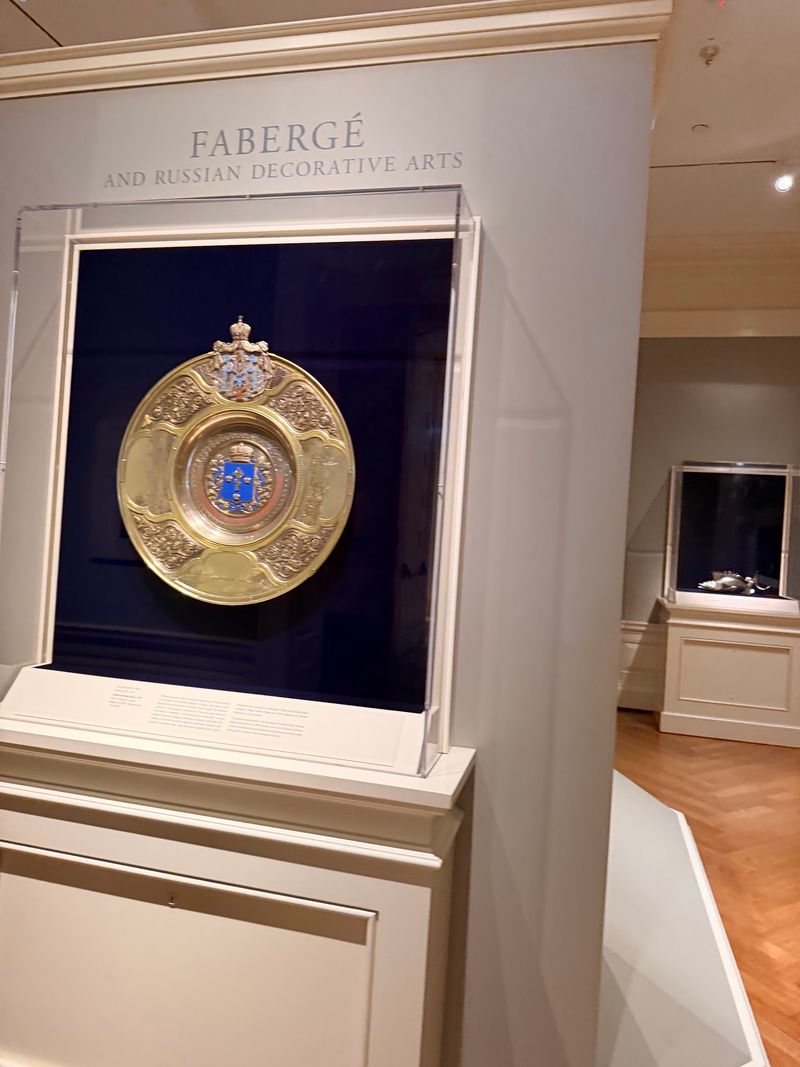
Egypt has serious competition down the hall. The museum’s Fabergé collection of Imperial Russian Easter eggs ranks as its most talked-about attraction.
Interactive screens in the Fabergé area let you see each egg open. You can explore the hidden surprises without breaking any glass.
Currently, a Fabergé egg on loan from the British Royal Collection joins the display. It was commissioned for the Russian tsars, which explains the dazzling detail.
The wider Russian Imperial art collection adds even more sparkle. Silver pieces in the museum also catch plenty of attention.
So yes, plan for detours. Beyond Fabergé, the Virginia Museum of Fine Arts shows Impressionist works including Degas and Monet.
Art Deco design, Asian collections, and samurai displays also earn a following. Modern names like Stuart Davis appear as well.
Special exhibitions rotate on the lower level and usually carry a fee. Past shows have included The Great Mughals and Giants: Art from the Dean Collection.
The variety means one visit rarely covers everything, which is a lovely problem to have.
Sculptures, Waterfalls, and Picnic-Ready Grounds
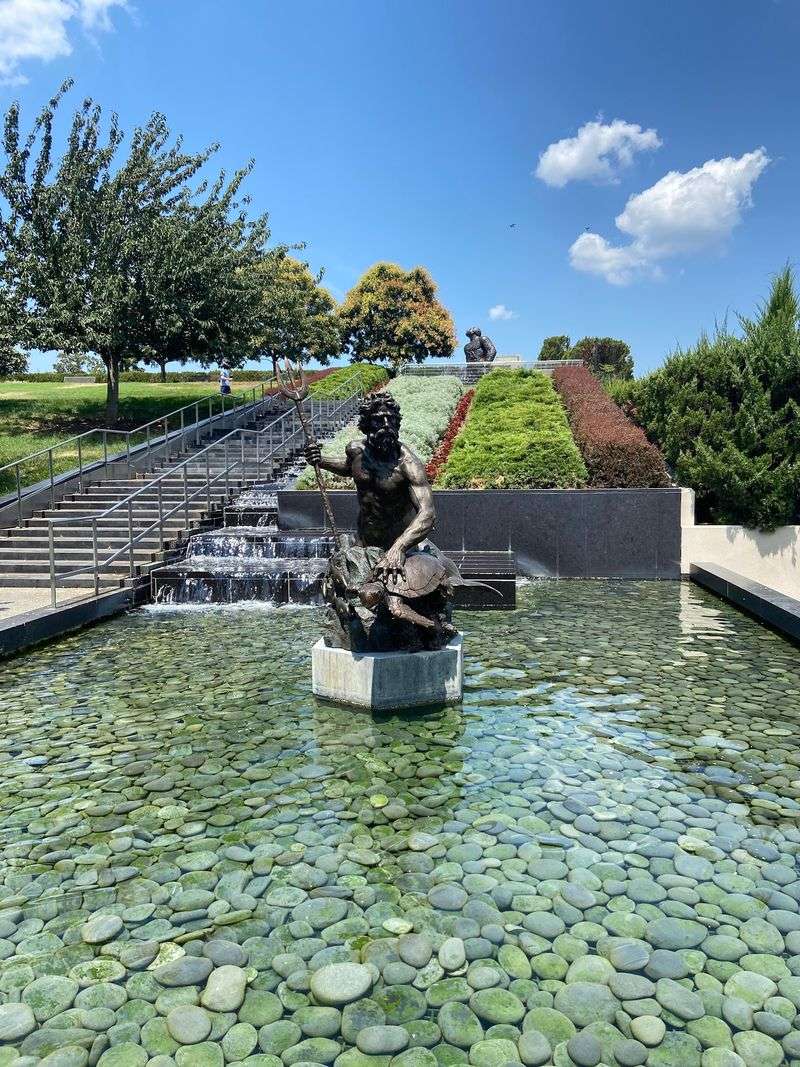
Art doesn’t stay indoors here. The Virginia Museum of Fine Arts Sculpture Garden wraps the building with outdoor works worth your time.
A path from the garage passes landscaped gardens and sculptures. There’s even a sound garden with a waterfall leading to the entrance.
Rainy day? The museum offers complimentary umbrellas for use on the property, which is a thoughtful touch.
The lawns also welcome a relaxed picnic. Pairing ancient Egypt with a sandwich under the trees feels like a very civilized afternoon.
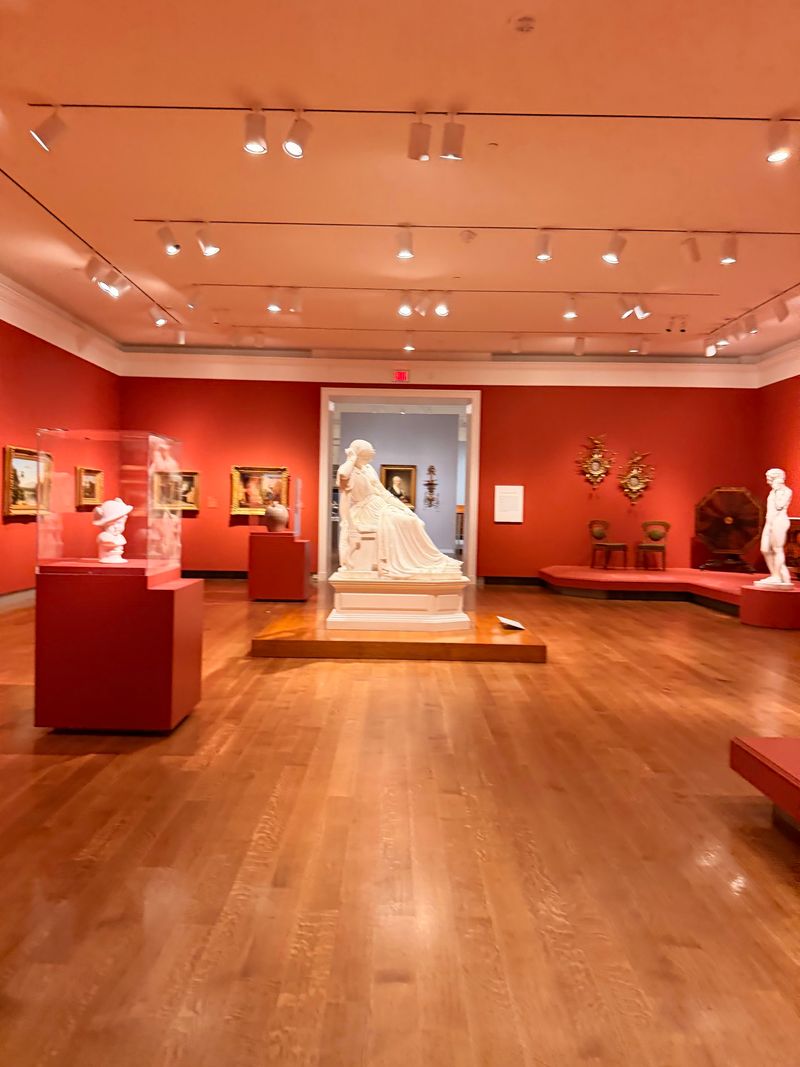
Inside, the building itself impresses many visitors. Rooms are designed to feel distinct, so you move from one collection to another rather than one giant hall.
Displays are thoughtfully arranged, with descriptions beside each piece. Some labels run small, so expect to lean in a little.
Accessible restrooms are available on each floor. Free Wi-Fi is also offered throughout.
All these details make it easy to stay for hours. Families, art fans, and curious wanderers can all find a comfortable rhythm in this Richmond landmark.
Lunch, Ice Cream, and a Shop You Won’t Rush Through
Museum legs need fuel, and there are three dining options. Amuse Restaurant, Floris at VMFA, and Best Café cover different moods.
Amuse sits on the top floor near the entrance with garden views. It works nicely when you want a sit-down break.
Best Café keeps things casual for a quick bite. Ice cream has earned praise there, so dessert counts as a cultural activity.
Floris at VMFA adds another option for a relaxed meal. Having choices means nobody has to leave hungry and grumpy.
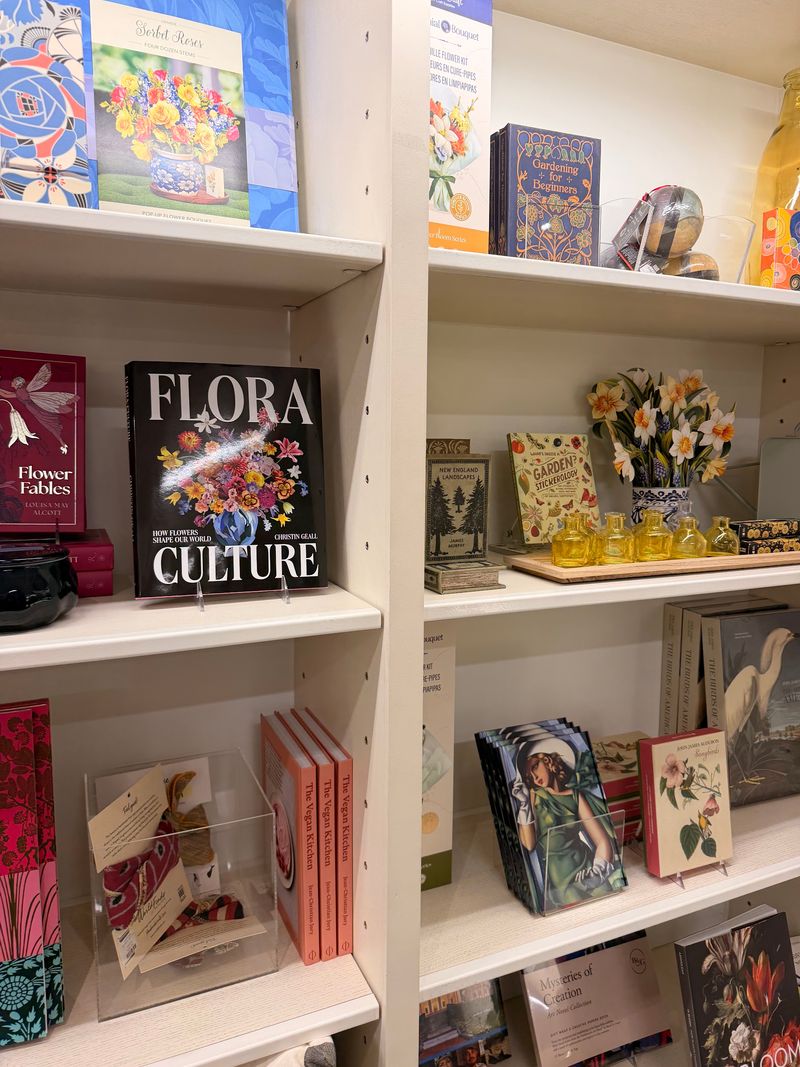
Then comes the gift shop, which might test your willpower. It’s extensive and carries jewelry, accessories, and art books.
Many people describe it as feeling like a curated exhibit of its own. That’s dangerous news for anyone who loves coffee table books.
Members receive a 10 percent discount in the gift shop and Best Café. A small Bastet souvenir might be the perfect reminder of your Egyptian detour.
Plan Around Late Nights, Jazz, and Easy Parking
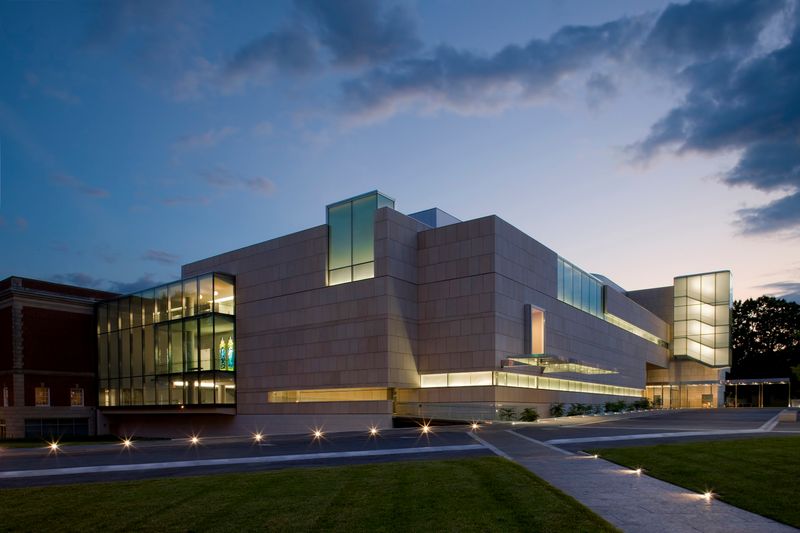
Timing can make a good visit even better. The museum opens daily at 10 a.m. and closes at 5 p.m. on Saturday through Tuesday.
Wednesday through Friday, the doors stay open until 9 p.m. Those evenings are perfect after work or school.
Weekly events add extra fun. Wednesday Jazz Nights and Thursday Trivia give you reasons to return.
You’ll find the museum at 200 N. Arthur Ashe Boulevard, Richmond, VA 23220.
It’s easy to reach from anywhere in Virginia, and drivers from the DC area make the trip too.
Paid parking sits in a garage on museum grounds, and it’s affordable. Some visitors find free street parking nearby.
Weekend afternoons can fill the garage, so arriving early helps. A coat check and a directory near the entrance make getting started simple.
Memberships cover parking and special exhibitions at no extra charge. Frequent visitors may find that worth considering.
General admission stays free either way.
Why Richmond Deserves a Spot on Your Egypt Bucket List
Cairo will always be Cairo, and nobody’s arguing otherwise. Still, a 4,000-year-old mummy closer to home feels like a gift.
The Virginia Museum of Fine Arts delivers Egyptian treasures without airfare or admission fees. Tjeby, Bastet, and a granite royal figure are waiting.
I can’t imagine a better rainy-day plan in Virginia. Or a sunny one, given that sculpture garden.
The museum suits nearly everyone. Families get mummies and Fabergé surprises, while art lovers get Impressionists and rotating exhibitions.
History buffs can trace 5,000 years in one wing. Casual visitors can wander, grab ice cream, and still feel accomplished.
With a 4.8-star rating across more than 10,000 Google reviews, the enthusiasm clearly runs wide. Free general admission doesn’t hurt that score either.
Go for Egypt, then let curiosity steer you elsewhere. You’ll likely leave planning a second trip, because one afternoon barely scratches the surface.
Not bad for a place that asks nothing at the door. The pharaohs would probably approve.