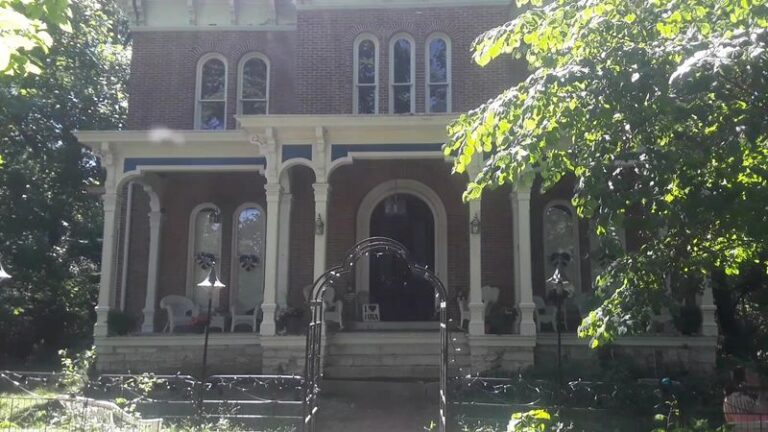
Out past the cornfields of central Illinois, you expect a grain elevator, a water tower, and maybe a cafe with good pie. You do not expect a full medical complex sitting quietly on a small-town street, drawing farm families who drive in from miles around.
It feels like stumbling onto a secret the locals have kept for years. Once you hear how a village this small pulled it off, you start looking at every little town on the map a bit differently.
A Medical Hub on Tremont Street
Picture a village so small you could walk end to end before your coffee cools. Now picture a medical complex right in the middle of it, at 107 Tremont Street in Hopedale, Illinois.
That is the surprise waiting here. Hopedale is a village of fewer than 1,000 people in Tazewell County, tucked into the farm country of central Illinois, and the Medical Complex is one of the most important buildings in town.
On a map, it looks like just another dot along a quiet street. Its coordinates sit near the heart of the village, surrounded by homes, fields, and the kind of calm that makes city folks slow down without trying.
What makes it worth writing about is not flash or size. It is the idea behind it, that a small rural community decided its people deserved care close to home instead of a long drive to the nearest big city.
For travelers who love the stories behind small places, this is one of those spots that rewards a little curiosity. You may come for a scenic Sunday drive and leave thinking about what neighbors can build together.
Why a Village Would Build Its Own Hospital
Think about the math of rural life for a second. When the closest big hospital is a long drive away, every minute on the road matters, whether it is a sick child, a farm injury, or a grandparent needing regular checkups.
That reality is what makes a small-town medical complex so meaningful. Instead of accepting distance as a fact of life, a community like Hopedale chose to bring care to its own front door.
Plenty of villages this size have lost their doctors over the years. Clinics close, young physicians head to cities, and families end up planning their week around trips to appointments.
A place like the Medical Complex flips that story. It stands as proof that a tiny population does not have to mean tiny ambitions.
You can feel that spirit when you visit the area. There is a quiet pride in places that were built because people refused to wait for someone else to solve their problems.
History buffs and road-trippers alike will appreciate the lesson here. Sometimes the most remarkable landmarks in Illinois are not monuments at all, but working buildings that keep a community healthy.
Farm Country All Around
Corn to the left, soybeans to the right, and a sky big enough to swallow your worries. That is the drive into Hopedale, and it sets the tone before you ever reach Tremont Street.
The village sits in the gentle farmland of central Illinois, the sort of landscape where seasons change the view week by week. Spring brings fresh green rows, summer turns everything tall and lush, and fall paints the fields in tan and gold.
For the families who live out here, distance is part of daily life. Farmhouses can be spread far apart, and a trip to town is often a planned outing rather than a quick errand.
That is exactly why a medical complex in a small village matters so much. It becomes a gathering point for people scattered across miles of countryside.
If you are coming from Chicagoland or the suburbs, the scenery alone makes the trip feel like a reset. Roll the windows down, put on something easy to listen to, and let the flat, peaceful horizon do its work.
Care Close to the Kitchen Table
Ask any farm family what they value most, and “close to home” will be near the top of the list. A doctor’s visit that takes twenty minutes instead of two hours can change an entire day.
That is the real gift of a facility like the Medical Complex in Hopedale. It shrinks the distance between rural households and the care they need.
Imagine a parent juggling chores, school pickups, and field work during planting season. Having a medical building in a nearby village means fewer missed hours and less stress on the road.
Older residents benefit too. For folks who would rather not tackle highway traffic in a bigger city, a familiar small-town building feels far more welcoming.
There is also something comforting about getting care in a place where the streets, the shops, and the faces feel known. It is healthcare with a hometown accent.
Visitors passing through may not need the services, of course. Still, it is worth understanding why this building draws people from miles away, because that pull says a lot about rural Illinois.
The Building Itself
Nobody built this place to win architecture awards, and honestly, that is part of its charm. On Google Maps, it is listed simply as a building, which feels perfectly fitting for a practical rural landmark.
The Medical Complex sits at 107 Tremont Street, blending into the quiet residential feel of Hopedale. You will not find towering glass walls or a sprawling campus here.
What you will find is a functional space that serves a real purpose for the people around it. In small towns, buildings earn respect through usefulness rather than looks.
Driving past, you might notice how naturally it fits into the village layout. It is close enough to the center of things that locals can reach it easily, yet calm enough to feel unhurried.
Photographers who like documenting small-town Americana could find it an interesting subject. A medical complex in a village of under 1,000 people tells a story that a picture can capture in a single frame.
Please be respectful, though. Since it is a working healthcare facility, keep a low profile, stay out of the way of patients, and never block entrances or parking.
Small-Town Spirit in Action
Here is a fun way to think about it. A big city might need millions of residents to support a major hospital, yet a village with fewer than 1,000 people managed to anchor its own medical complex.
That kind of achievement does not happen by accident. It usually takes neighbors who show up, pitch in, and believe their town is worth investing in.
Rural Illinois is full of examples of this spirit, from volunteer fire departments to church potlucks that feed half the county. Hopedale’s Medical Complex fits right into that tradition of doing for yourselves.
For visitors, it offers a different kind of sightseeing. Instead of a museum or a scenic overlook, you are looking at a living example of what community effort can produce.
Kids along for the ride might find it surprising, too. It is a great conversation starter about how small towns work and why people choose to stay in them.
You leave with a warm feeling that is hard to explain. It is the sense that somewhere out among the fields, people still take care of each other in very practical ways.
Who Will Appreciate the Trip
Not every destination is for everyone, and that is fine. Hopedale’s Medical Complex will speak loudest to a certain kind of traveler.
Back-road wanderers are first on the list. If you enjoy taking the long way, spotting grain elevators, and poking around tiny downstate villages, this stop adds a meaningful story to your route.
History and civic-minded folks will also find plenty to think about. Anyone curious about how rural communities keep essential services alive can learn a lot from a place like this.
Families with kids can turn it into a small lesson about community and teamwork. It pairs well with a broader day exploring Tazewell County and the surrounding countryside.
On the flip side, if you are hunting for shopping, big attractions, or a full afternoon of entertainment, keep your expectations realistic. This is a working medical building, not a tourist venue.
The sweet spot is treating it as one memorable stop on a larger drive. Combine it with a scenic loop through farm country, and the day feels full without being rushed.
Getting to Hopedale
Plug 107 Tremont Street, Hopedale, IL 61747 into your GPS, and you are basically set. The village is small enough that once you arrive, finding the building takes almost no effort.
Hopedale sits in Tazewell County in central Illinois, so travelers from the Peoria area will have a shorter drive than those coming from Chicagoland. Either way, expect plenty of open country along the final stretch.
Rural roads out here are generally easy to navigate, but give yourself extra patience during planting and harvest seasons. Farm equipment often shares the road, and slowing down is part of the local etiquette.
Cell service can be fine in town, though it is smart to download your route ahead of time just in case. Small villages sometimes have limited signage, so having directions ready helps.
Parking appears to be part of the practical setup for a medical facility, but remember it exists for patients first. If you are only passing through, keep your stop brief and considerate.
A full tank of gas before heading into the countryside is never a bad idea. Stations can be spread out once you leave the larger towns behind.
Practical Notes Before You Go
A quick heads up first: the available listing information is pretty limited. Hours, services, and contact details are not included in the data, so planning ahead really matters.
If you or a family member need care, call or check an official source before making the trip. Healthcare schedules can vary, and you will want to confirm what is offered and when.
For casual visitors, there is no admission or ticket to worry about. You are simply driving through a village and appreciating a building with a remarkable backstory.
Bring the usual road-trip basics, like water, snacks, and a charged phone. Small towns may not have many open businesses at every hour, especially on weekends.
Courtesy goes a long way here. Locals notice visitors in a village this size, and a friendly wave or a quiet presence leaves a good impression.
Above all, remember that people come to a medical complex for real reasons, sometimes on hard days. Treat the space with the same respect you would want for your own hometown clinic, and your visit will feel right.
A Quiet Landmark Worth the Detour
Some places stick with you not because they dazzle, but because they mean something. Hopedale’s Medical Complex is one of those.
It is a working building in a village of fewer than 1,000 people, sitting calmly on Tremont Street while farm families from across the countryside count on it. That simple fact is impressive on its own.
For Illinois travelers who love discovering what makes small towns tick, it offers a fresh angle on the classic weekend drive. You get open fields, peaceful streets, and a reminder of what neighbors can accomplish together.
Should you plan an entire trip around it? Probably not, unless you need its services.
As a thoughtful stop within a scenic loop through central Illinois, though, it absolutely earns a spot on the route.
Go with curiosity, drive slowly, and keep your visit respectful. You may find yourself telling friends about the tiny village that decided it deserved its own care, and then made it happen.