Most of us drive past small-town hospitals in Illinois without a second glance, assuming the big-city medical centers get all the credit. Then you hear about one tucked among the cornfields that patients will happily drive past closer options to reach.
It is modest, it is quiet, and it carries a reputation far larger than its footprint. Curious how a hospital this small earns that kind of loyalty?
Keep reading.
A Hospital on Holy Cross Lane
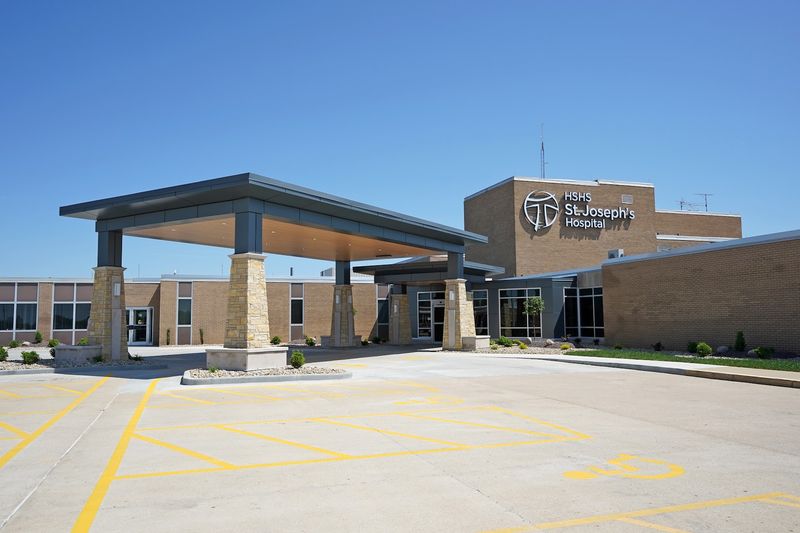
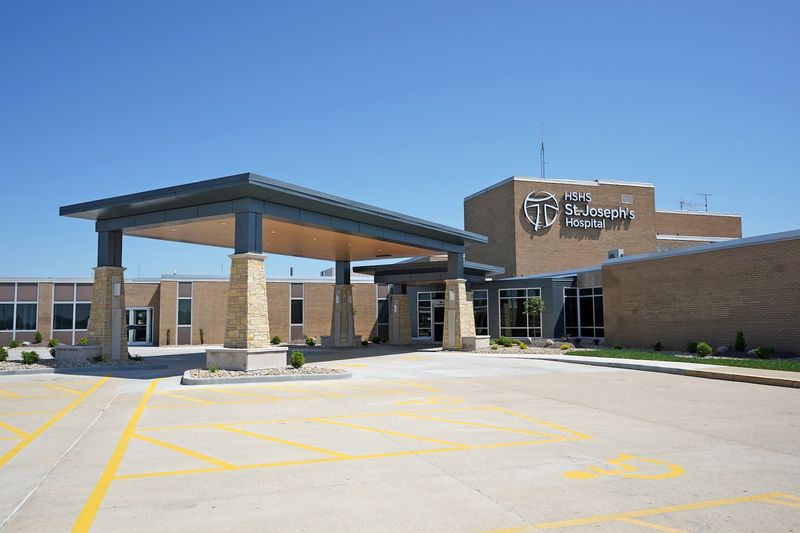
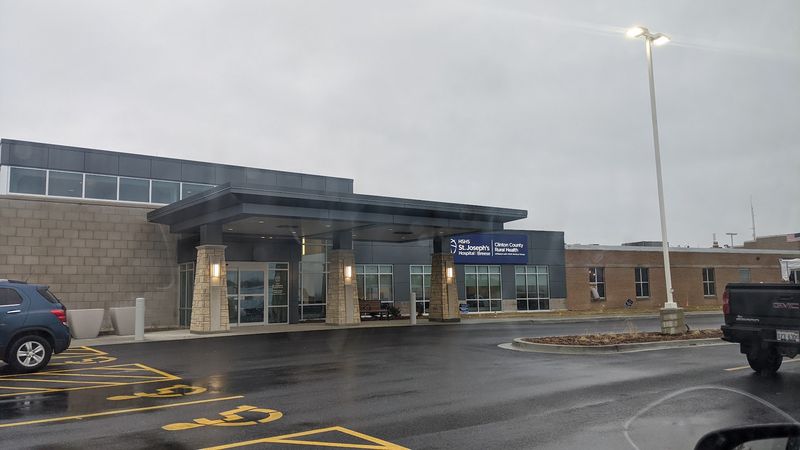
Picture a stretch of southern Illinois farm country where grain fields roll right up to the edge of town. Right there, at 9515 Holy Cross Lane in Breese, stands HSHS St. Joseph’s Hospital.
It is not a towering city campus, and it does not try to be one.
Breese sits east of the St. Louis metro area, in the kind of place where neighbors still wave from pickup trucks. The hospital serves as the local hub for emergency visits, births, surgeries, imaging, and doctor appointments.
For many families in the area, it is simply the hospital, the one everybody knows by name.
St. Joseph’s is part of HSHS, a faith-based health system with hospitals across Illinois and beyond. That connection brings shared resources, while the Breese location keeps its hometown feel.
Patients often describe it in personal terms, mentioning specific nurses, technicians, and doctors who made a difference.
So why would anyone outside Breese care about a small community hospital? Because, as the rest of this story shows, people regularly choose it on purpose.
Some even pass other facilities just minutes from home to get here, which says plenty about the trust it has built in this corner of the state.
The Small-Size, Big-Reputation Puzzle
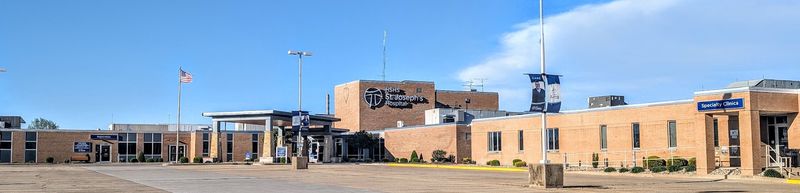
Thirty-six beds. That figure, highlighted in this article’s headline, would barely fill a single floor at a major urban medical center.
Yet St. Joseph’s has been reported to land among the country’s top hospitals, a list usually dominated by sprawling institutions.
How does that happen? Size is not the only measure of quality.
A smaller hospital can mean fewer handoffs between departments, shorter hallways between a patient and help, and staff who may recognize returning faces.
Patients seem to notice that difference. Many talk about being treated like a person rather than a number, with care teams who slow down and talk things through.
One visitor said the staff seemed genuinely focused on fixing the problem instead of hurrying people out the door.
There is also something uniquely Illinois about it. Farm towns have long depended on institutions that punch above their weight, from the grain elevator to the county fair.
A small hospital earning big recognition fits that tradition neatly.
Of course, no hospital wins over everyone, and later sections share where patients feel improvements are needed. Still, the core puzzle remains fascinating: a compact rural facility drawing attention usually reserved for giants.
Faith-Based Roots and Whole-Person Care
Walk the halls long enough and you may sense the mission behind the work. St. Joseph’s describes itself as a ministry dedicated to Christ’s healing love, and its leadership speaks often about whole-person care.
That phrase gets used a lot in health care, but here it comes up again and again in how the hospital responds to patients. When people share good experiences, the hospital frames it as part of its mission.
When people share frustrations, it invites them to reach out directly so concerns can be followed up personally.
The Catholic heritage shows in small ways too. Several grateful patients close their thanks with blessings for the staff, a sign that the faith-based identity resonates with many in the community.
The street name, Holy Cross Lane, adds its own gentle reminder.
Whole-person care, in practice, seems to mean paying attention to comfort and understanding, not only treatment. Patients describe staff who explained procedures, eased fears, and checked in after discharge.
One woman recalled receiving daily calls after surgery until her follow-up appointment.
For families who value care rooted in compassion and community, that foundation can be a big part of the appeal.
An Emergency Room That Never Sleeps
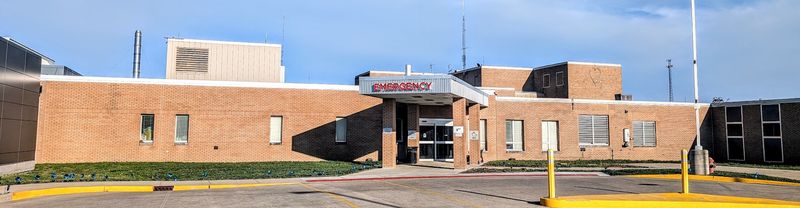
Three in the morning, a sudden injury, and a long dark drive ahead. That is when a 24-hour emergency room stops being an abstract amenity and becomes the most important building in the county.
St. Joseph’s stays open around the clock, every day of the week. For farm families, shift workers, and travelers on rural Illinois roads, that constant availability matters enormously.
Patients who have come through the ER often single it out. One visitor, who said he had been to many hospitals over his lifetime, called the ER staff among the best he had ever experienced during a hernia visit.
Another arrived on a spring day when the department was clearly busy, apparently nice weather brings out the sprains and scrapes, and still praised the on-duty doctor as both competent and congenial.
Not every ER visit goes perfectly, and some patients have left feeling their concerns were not fully addressed. That is worth keeping in mind with any emergency department, since waits and outcomes vary.
Still, the overall picture is of a team that handles a steady flow of everyday emergencies with professionalism. Knowing the lights are always on in Breese brings real peace of mind to the surrounding farm country.
Doctors and Nurses Who Take Time to Explain
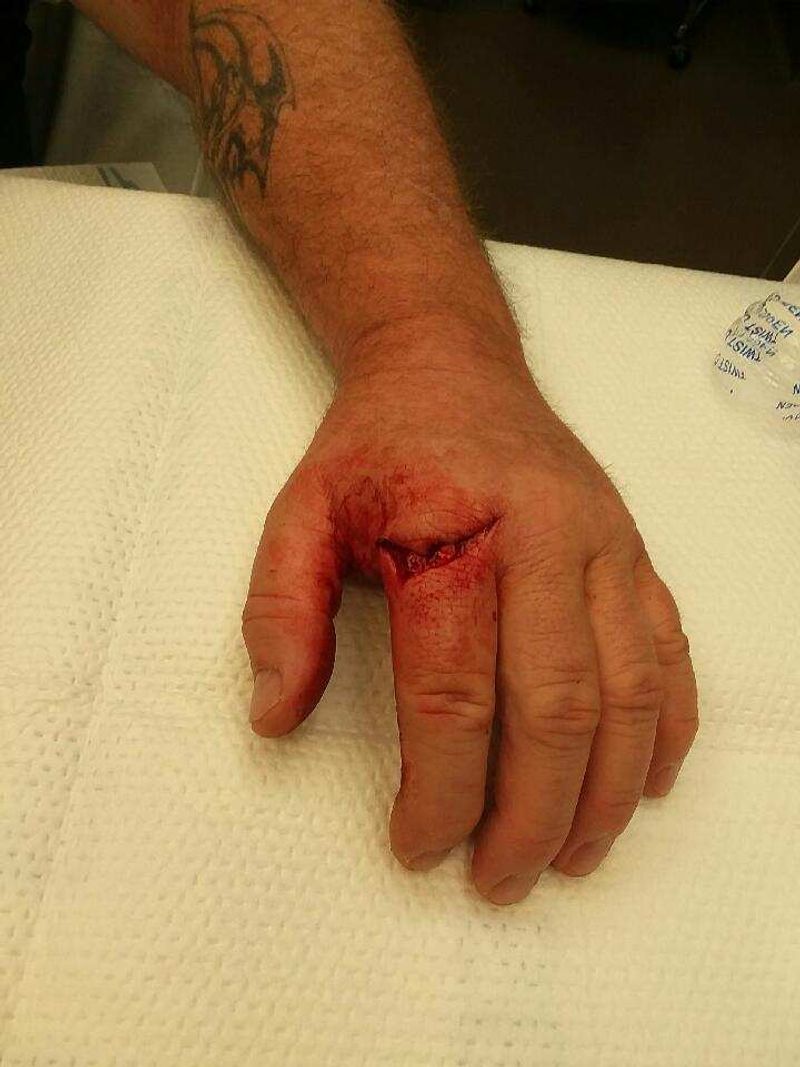
Nobody enjoys a trip to the hospital. One patient admitted he usually avoids doctors entirely, yet after a visit to St. Joseph’s he urged anyone nearby to choose it.
His reason was simple. The staff explained what they planned to do before doing it, and they focused on comfort while they worked.
He appreciated that they ran tests rather than guessing.
That theme of clear communication pops up repeatedly. A patient treated for leg clots during a difficult season of life remembered that everyone, from the ER through a two-day stay, was patient and happy to explain things more than once.
For someone anxious and overwhelmed, that kind of repetition without irritation is a gift.
Nurses get frequent mentions as well. Parents, new mothers, and surgical patients describe them as caring, welcoming, and attentive during stressful moments.
There are exceptions, as there are anywhere. A few patients felt rushed or wished doctors had given clearer answers about what was causing their symptoms.
But the dominant impression is of a team that values conversation.
In a world of hurried appointments, being heard can feel like a luxury. Here, plenty of patients say they actually got it.
Birth Stories From the OB Floor
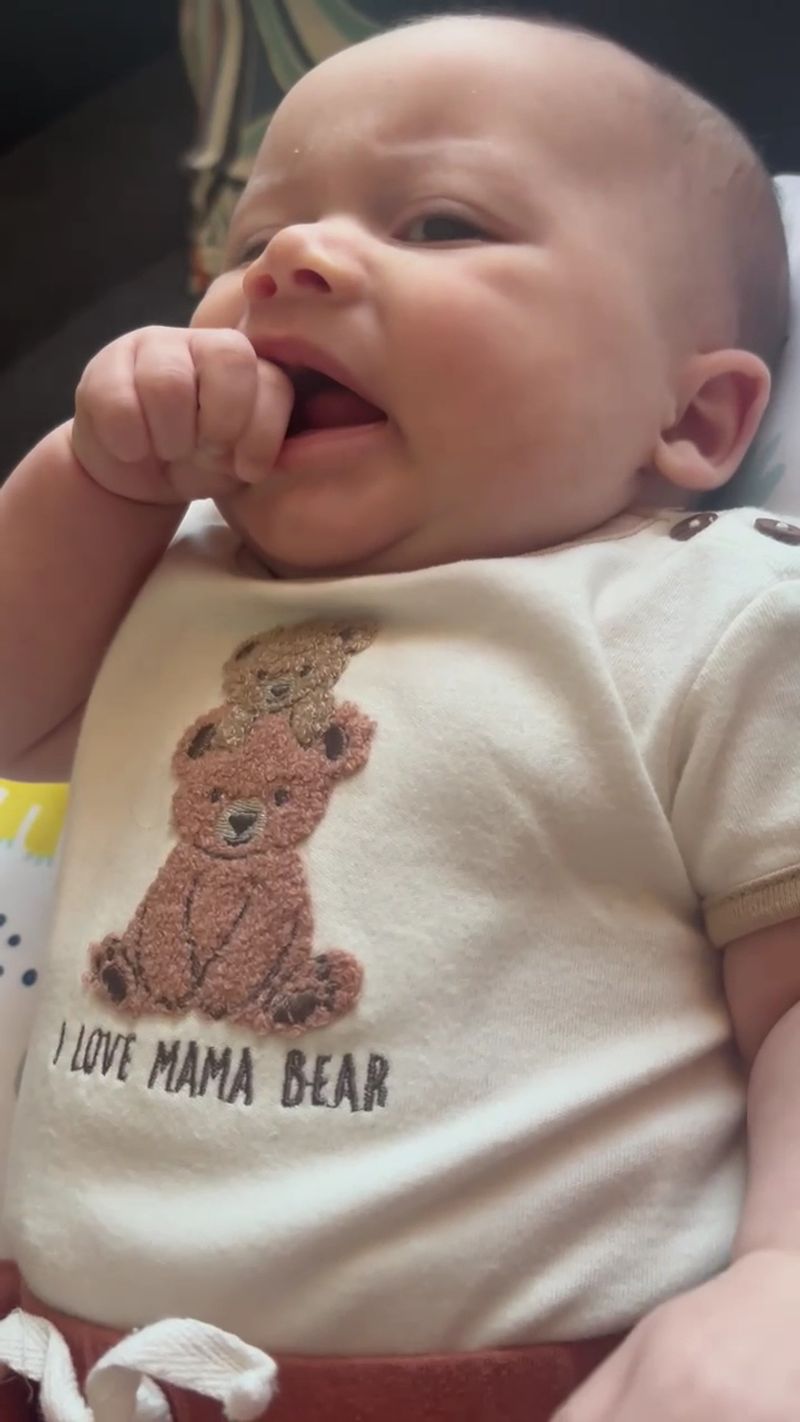
Some of the warmest stories connected to St. Joseph’s begin with a brand-new baby. The hospital’s women and infants care, often called the WIC, has welcomed plenty of little ones into Clinton County families.
One couple shared that their child arrived six weeks early. They described the staff as competent and very caring, and they went out of their way to praise the OB floor as a whole.
A grandmother told a similarly heartfelt tale. Her daughter made many trips to the unit before finally delivering, and she credited the quick thinking and skilled hands of the team with getting her grandson off to a healthy start.
She said she would be forever thankful.
Even a visitor who was unhappy about room arrangements after a delivery acknowledged that the staff helped her premature brother. Early arrivals clearly receive serious attention here.
Not every maternity experience has been smooth. Some patients have voiced frustration about scheduling and feeling dismissed, and those stories deserve to be heard too.
For many local families, though, the OB floor is where cherished family memories began. Generations of Breese-area kids may one day learn their first address was Holy Cross Lane.
A Gift for Calming Nervous Kids
Ask any parent: the hardest part of a hospital visit is often watching your child panic. One mother remembered exactly that moment, when her son grew frightened right before a needle stick.
The nurse caring for him had a plan. She brought in an EMT who used a distraction approach, chatting and keeping the boy’s attention elsewhere.
His mother was surprised by how well it worked.
Even better, the boy talked positively about the encounter for days afterward. His mom said the EMT would be a natural in pediatrics because of how skillfully he handled jittery kids.
That small story captures something about a community hospital. Staff can improvise, pull in a colleague, and give a scared child a few extra minutes of kindness.
It is not a formal program, just people reading the room.
The same mother did wish the doctor had offered more concrete answers about what was causing her son’s pain. That honest note is worth weighing alongside the praise.
Still, she said the staff were nice and welcoming from the moment they arrived to the moment they left. For families with little ones, that warmth can matter more than anything printed in a brochure.
Imaging, Tests, and a Persuasive Radiologist
Here is a charming detail: one patient credited a radiology staff member with talking him into tests nobody else had managed to convince him to try. Sometimes the right encouragement, delivered kindly, is half the battle.
St. Joseph’s handles a range of imaging, including x-rays and other scans, right in Breese. That means local residents often avoid long drives to larger cities just to get pictures taken.
Patients who had good experiences describe thorough testing. One man appreciated that the team ran tests to find the real problem rather than patching him up with guesswork.
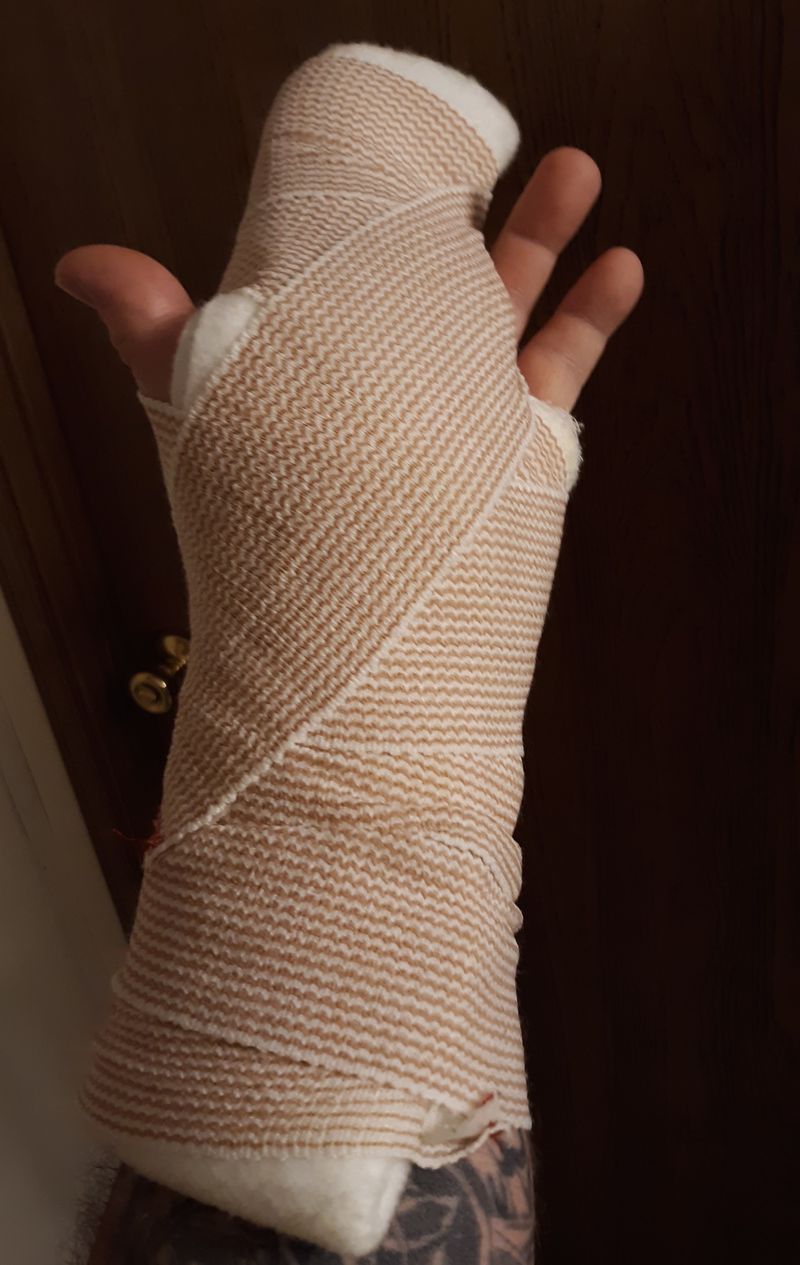
Results timing is another story. A patient who came in for hand and wrist x-rays was frustrated to learn that reading them could take far longer than she expected, leaving her unable to work while she waited.
Others have mentioned difficulty getting copies of scans from the records department.
The practical takeaway? If you are heading in for imaging, it may help to ask upfront when results are typically shared with your doctor.
Requesting records early can save headaches later.
The equipment and expertise are close to home, which is a real perk for a farm-town community. A little planning helps the experience go smoothly.
Housekeeping, Dietary, and Everyone in Between
Hospital stays are never pleasant. One patient said it plainly, then added that every department at St. Joseph’s made his visit far less scary and gloomy than he feared.
He did not just thank the doctors. He named the medical staff, housekeeping, and dietary teams together, saying he wished he could thank each person individually.
He even said he would definitely return if he ever needed another stay.
That kind of praise points to a culture that stretches beyond the exam room. The person delivering a meal tray or freshening a room has as much influence on a patient’s mood as the physician does.
Nice staff, in fact, ranks among the most frequently mentioned topics when people describe this hospital. Patient care comes up even more often.
Taken together, those patterns suggest people notice kindness at every level.
Small hospitals have an advantage here. Teams are compact, and workers may cross paths with patients repeatedly over a stay, building quick familiarity.
It is a reminder that a hospital is really a community within a community. In Breese, the folks keeping rooms clean and meals coming seem to understand they are part of the healing too.
Worth the Extra Miles
Out-of-town plates in a hospital lot tell their own story. At St. Joseph’s, several patients describe driving farther than they needed to, on purpose.
One man said he could have gone to other facilities just minutes from his home. He chose Breese anyway, explaining that the care and professionalism were worth the drive.
Another patient, despite having serious complaints, admitted she kept coming back partly because the other options nearby felt even less appealing. And one woman mentioned driving 45 minutes for an appointment, showing how wide the hospital’s reach can be.
For downstate Illinois families, long drives to medical care are nothing new. What stands out is when people treat that drive as a choice rather than a burden.
A woman facing a frightening pregnancy complication shared perhaps the most powerful example. After two other providers canceled or turned her away, St. Joseph’s got her in the very next day, and she said every person there made her feel safe.
She called the experience top-notch from start to finish.
Stories like hers explain why word of mouth carries this little hospital so far beyond its town limits. Trust, once earned, travels well.
Honest Notes on Room for Growth
Fair is fair, and no honest look at a hospital skips the rough edges. Patients have raised a handful of recurring concerns worth knowing before you go.
Billing tops the list. A few people described large bills after insurance and felt payment plans were not flexible enough for their budgets.
One patient also had trouble with the financial aid paperwork.
Overnight care drew criticism from a surgical patient who felt night staff did not check in often enough, even though he praised his surgeons. Others mentioned slow callbacks from medical records, scheduling hiccups, and visits where they felt their symptoms were brushed aside.
The hospital does respond. Leadership typically replies to concerns and invites patients to share details through its contact page so issues can be followed up privately.
A smart approach for visitors is to ask about cost estimates and financial assistance early, before treatment if possible. Keeping notes on calls and requesting records promptly can also help.
None of these issues cancel out the many glowing experiences. They simply paint a fuller, more realistic picture of a small hospital working hard, sometimes stretched, and still growing.
Who Feels Right at Home Here
Think of the farmer who would rather be in the field than a waiting room. Or the young couple expecting their first baby, nervous and excited all at once.
St. Joseph’s tends to suit people like them.
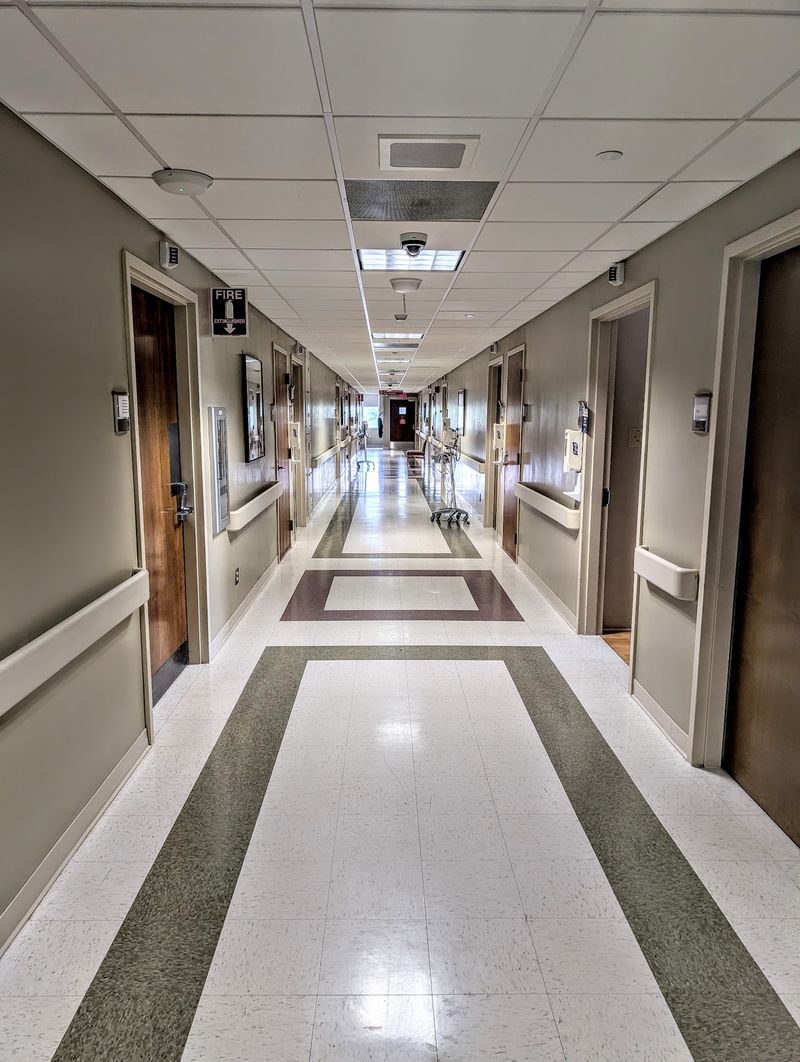
The atmosphere leans calm and personal rather than grand. Patients mention feeling comfortable, looked after, and recognized, which fits the small-town character of Breese.
Families with kids may appreciate staff who know how to soothe jitters. Expectant parents, especially those facing early deliveries, often speak warmly about the OB team.
Older adults who want explanations repeated patiently seem to find that here too.
People who value a faith-based setting may feel an extra layer of comfort. The mission of compassionate, whole-person care shapes much of how the hospital presents itself.
On the other hand, anyone needing lightning-fast test results or highly specialized services may want to ask questions beforehand. A community hospital has strengths, and knowing them helps set expectations.
Overall, it feels like the kind of place where neighbors care for neighbors. For many in this slice of Illinois, that familiarity is exactly what makes a hard day a little easier.
Phone, Hours, and Getting There
Good news first: there are no hours to memorize. HSHS St. Joseph’s Hospital is open 24 hours a day, seven days a week, including weekends and holidays.
You will find it at 9515 Holy Cross Ln, Breese, IL 62230. Breese sits in southern Illinois, east of the St. Louis area, and the hospital is easy to plug into any map app.
The main phone number is 618-526-4511. For questions about a specific concern or past visit, the hospital has also shared 618-526-5302 as a contact line, and its website at hshs.org offers a contact form.
A few helpful tips can make a visit smoother. Bring your insurance card and a list of current medications.
If you are scheduled for imaging, ask when results usually reach your doctor.
Costs depend on the service and your coverage, so asking for an estimate or information about financial assistance ahead of time is wise. Patients who planned ahead tend to feel less surprised later.
For emergencies, of course, skip the planning and just go. The doors are always open, and the lights stay on all night long in this small farm town.
A Gentle Verdict From Farm Country
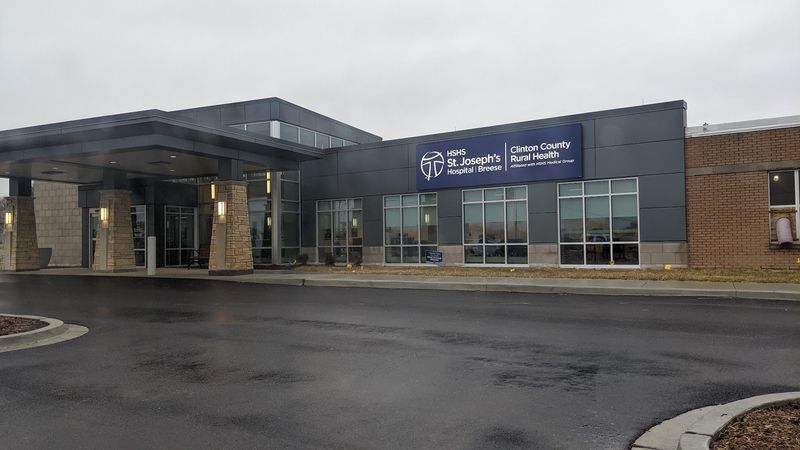
Big things really do come in small packages sometimes. HSHS St. Joseph’s Hospital proves that a compact facility in a farm town can earn loyalty usually reserved for major medical centers.
Its strengths are easy to spot. Staff who explain things patiently, an OB floor that has welcomed many early arrivals, an emergency room that never closes, and a team culture where even housekeeping and dietary workers earn heartfelt thanks.
It is not flawless. Billing frustrations, slow test results, and occasional communication gaps show up in patient stories, and the hospital continues to invite feedback to address them.
Yet the most telling detail may be the drive. When people pass closer options to reach Breese, or vow to return if they ever need care again, that speaks louder than any list.
For Illinois families who love discovering the hidden gems in their own backyard, this one is worth knowing about. You hope you will never need it, but it is reassuring to know it is there.
Next time you are cruising through southern Illinois farm country, glance toward Holy Cross Lane. That modest building holds a lot of hometown pride.