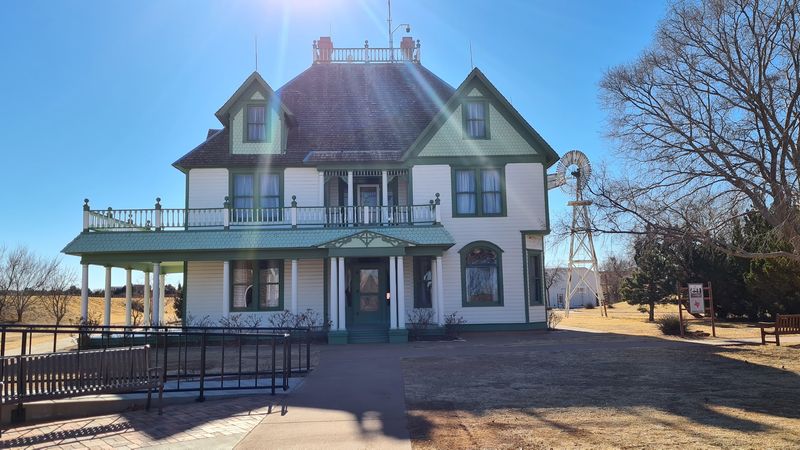
I pulled off the road in West Texas expecting a quick stretch and a few dusty plaques, maybe twenty minutes before hunting down lunch. Instead, I found myself wandering past old windmills, dugout homes, and a real railroad depot, completely losing track of time and forgetting how hungry I was.
There was no ticket booth asking for money and no flashy screens, just honest history standing right where you could touch it. Some places in Texas look humble from the parking lot and then quietly turn into the best part of the whole trip.
A Frontier Village on the South Plains
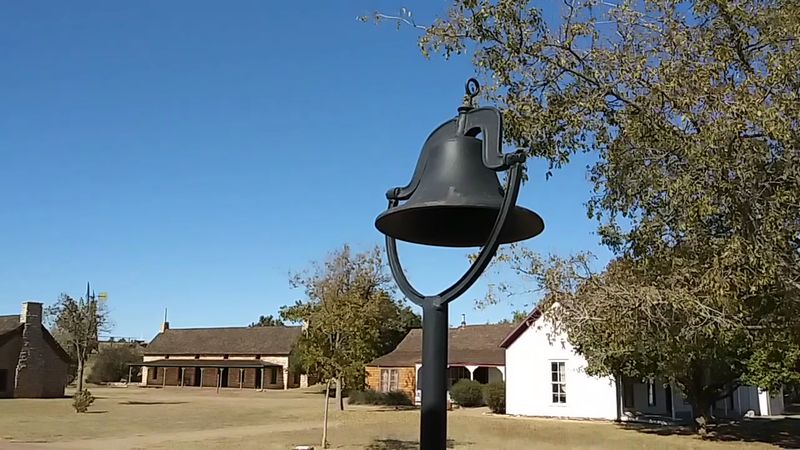
Tucked beside the Texas Tech University campus at 3121 4th St in Lubbock, the National Ranching Heritage Center is an outdoor museum built around one big idea. It tells the story of ranching in North America through real buildings, not replicas.
More than 50 authentic ranch structures stand on the grounds, each one moved here from somewhere across the Southwest. Together, they cover more than 150 years of ranch life, from the late 1700s to around the 1950s.
Indoor galleries add artifacts, exhibits, and a newer hands-on learning center. Still, the heart of the place lives outside, where homes, barns, and windmills line a winding path like a town frozen in different moments of time.
Visitors often describe it as walking through a living textbook. That feels about right, except this textbook comes with fresh air, birdsong, and a horizon that seems to go on forever.
Buildings That Traveled to Get Here
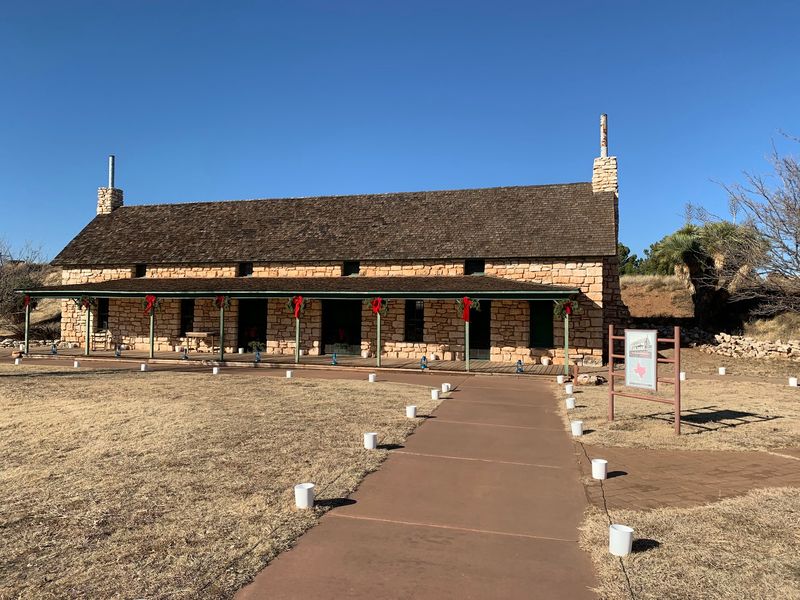
Picture a whole ranch house loaded up and hauled across Texas just so future kids could peek inside. That is basically how this collection came together.
Each structure was carefully relocated from its original site and restored. Signs share where every building first stood and who lived there, which turns a simple stroll into a series of tiny family stories.
Some guests say learning the backstory of each building, including where it sat before the move, was their favorite part of the visit. It adds a personal layer you just cannot get from a glass case.
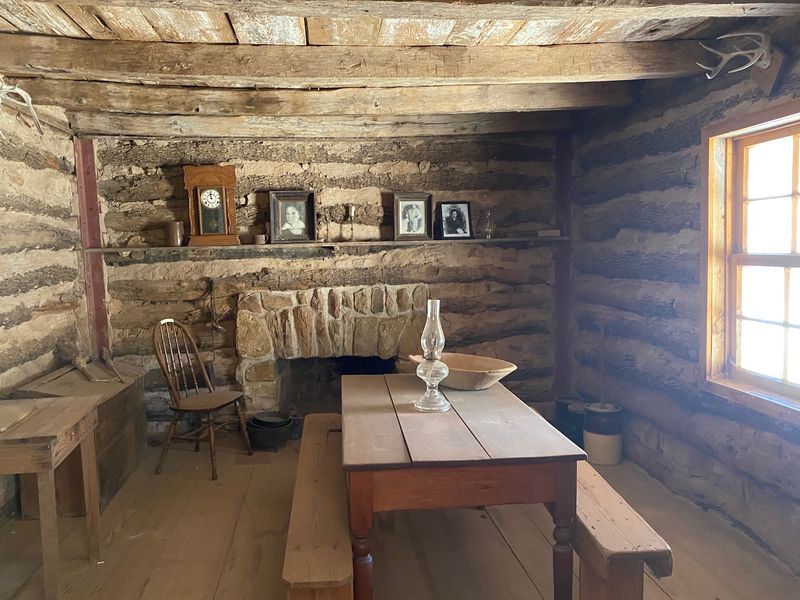
The craftsmanship is worth noticing too. Hand-cut timbers, stone walls, and old nails show how settlers built with whatever the land and their wallets allowed.
Nothing here was designed to impress anyone, and that plain honesty is exactly what makes it impressive now.
Walking Through 150 Years in Order
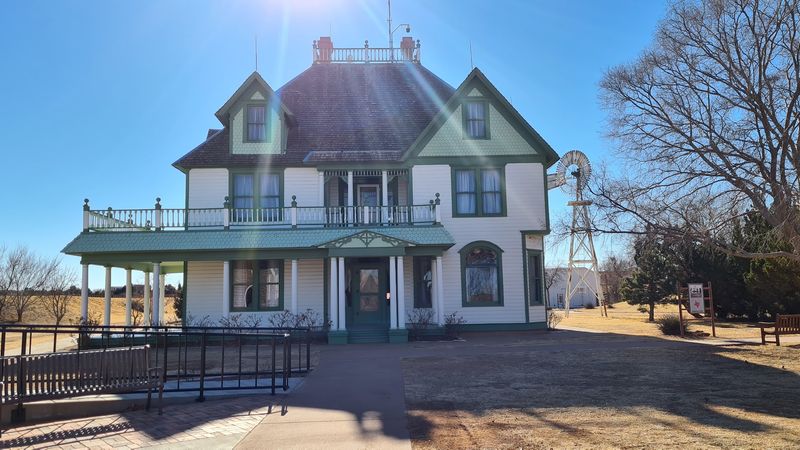
Here is the clever part: the buildings are arranged chronologically. Start at one end and you begin in the early frontier days, then slowly move forward toward the mid-1900s.
The route follows about a mile and a half of paved pathway. It is wheelchair accessible, and signs appear in both English and Spanish, so the self-guided tour works for a wide range of families.
As you walk, you can actually watch ranch life change. Early shelters are rough and practical, while later homes gain porches, bigger rooms, and small comforts that must have felt like luxury at the time.
One guest summed it up nicely by saying you physically move through time instead of just reading about it. Benches and patches of shade along the way make the longer stretches easier, especially for grandparents or little legs that tire quickly.
Dugouts, Box Houses, and Humble Homesteads
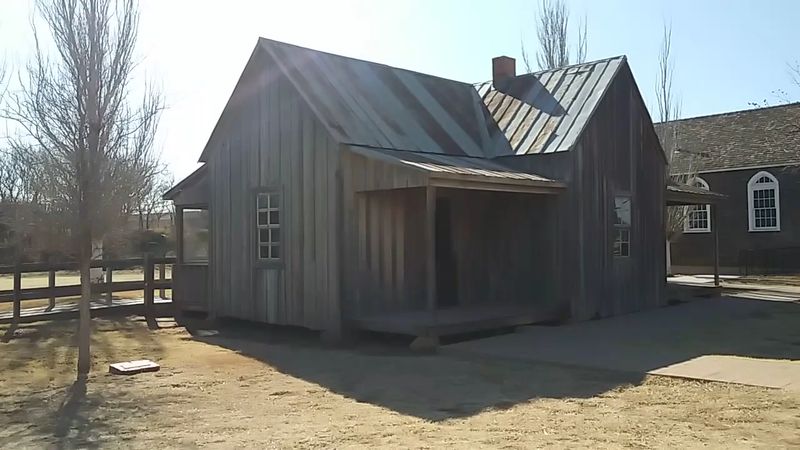
Ever wonder how people lived on the treeless plains before lumber was easy to find? The half-dugout gives a pretty clear answer.
Partly carved into the earth, these shelters stayed cooler in summer and warmer in winter. Walking up to one, you realize just how small and tough early ranch life could be.
Nearby, a box and strip house shows the next step up, built with simple upright boards. Several homesteads round out the picture, each with period furnishings visible through open doors or windows.
Families often mention being amazed by the clever ways settlers used the technology of their day to make a home on the plains. Kids studying Texas history tend to light up here, seeing classroom lessons turn into something real and a little bit cramped.
It definitely makes a modern bedroom feel roomy.
Windmills, Barns, and the Working Side of Ranching
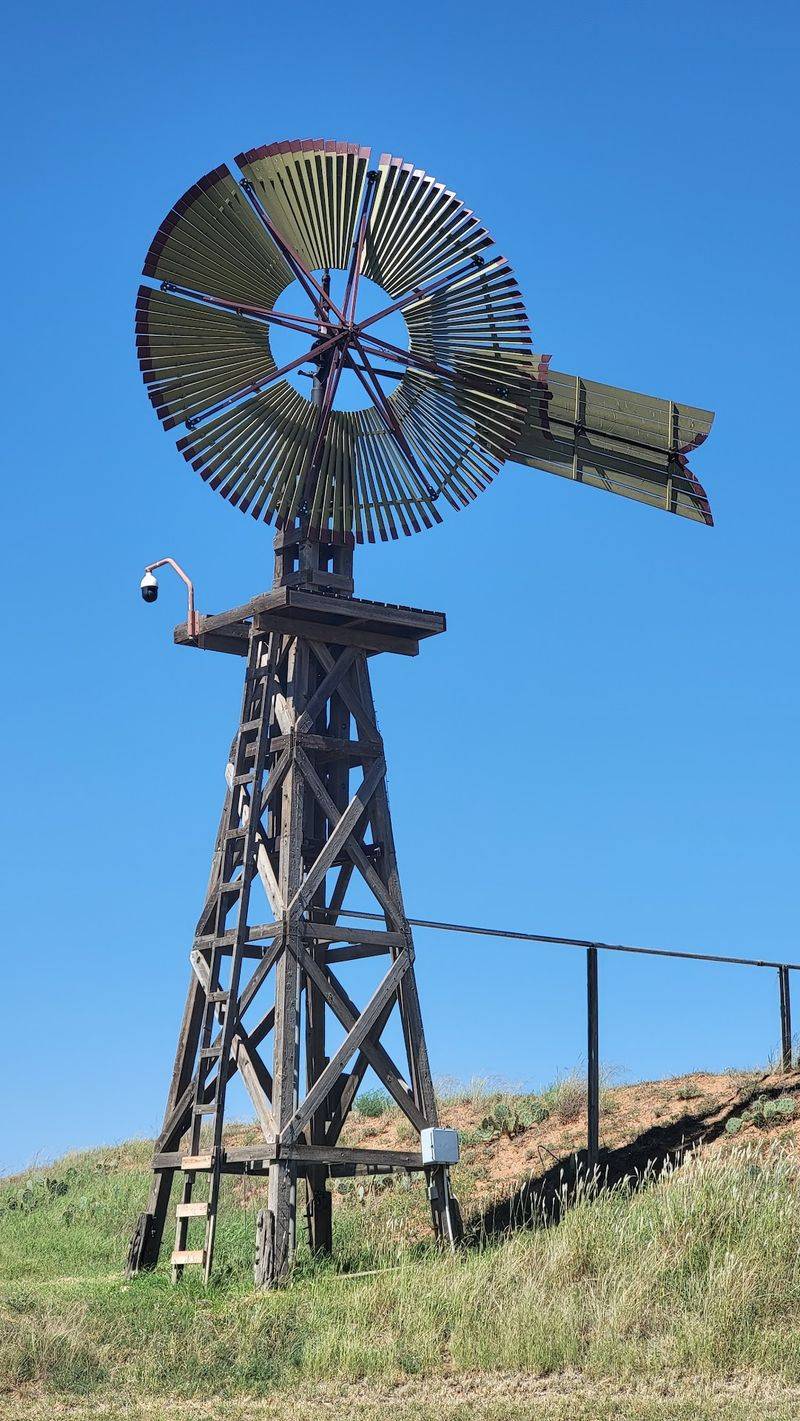
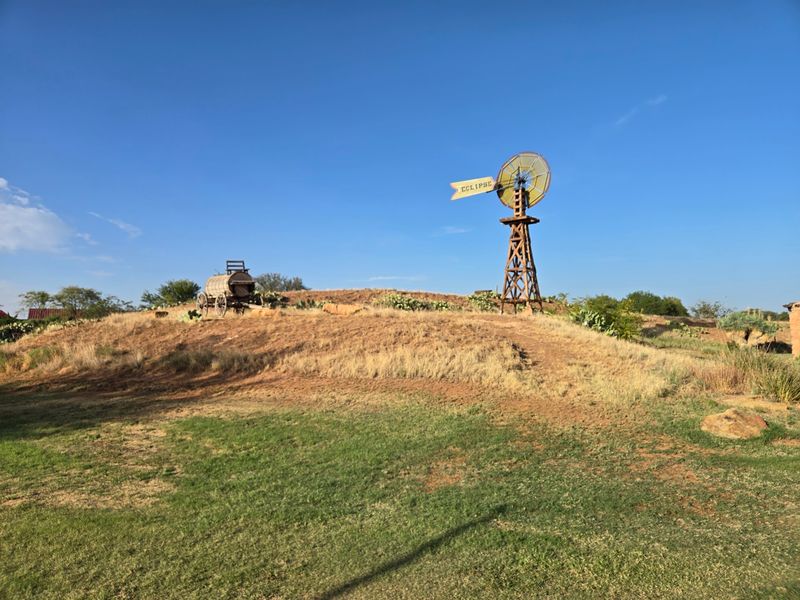
Out on the South Plains, water meant everything. That is why the windmill collection might be the most quietly important stop on the path.
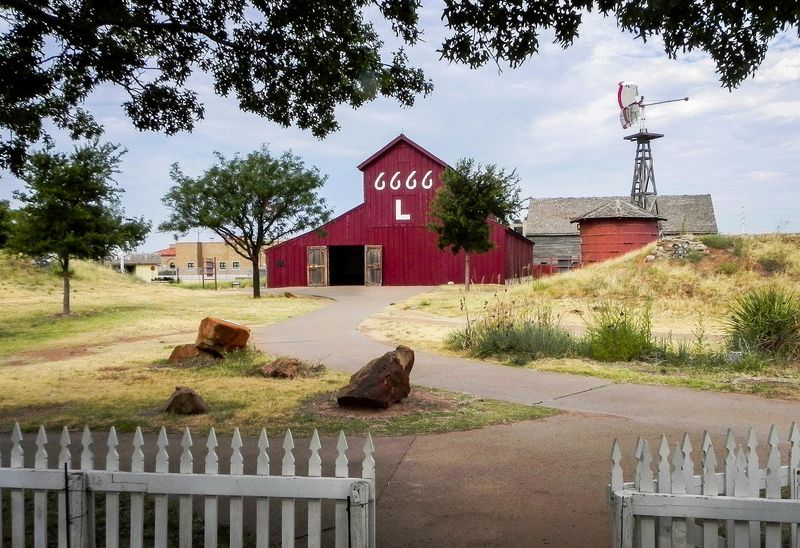
Different styles of windmills stand across the grounds, showing how ranchers pulled water from deep underground. Turning blades against the sky make for some of the best photos of the day.
Working buildings fill in the rest of the story. Various barns, a granary, a carriage house, and a blacksmith shop show the daily labor that kept a ranch running long before trucks and power tools.
The blacksmith shop is especially fun to imagine in action, full of sparks, clanging metal, and handmade tools. These spots remind you that ranching was never just about cowboys on horseback.
It was also about fixing, building, storing, and stretching every resource as far as it could go.
Depot, Schoolhouse, and a Fort-Style Residence
Train fans, listen up. A historic railroad depot sits on the grounds, and some visitors come specifically to photograph the railroad exhibits and old train.
Railroads changed ranching forever by getting cattle to market faster. Standing on the depot platform, it is easy to picture cowhands waiting for the next whistle.
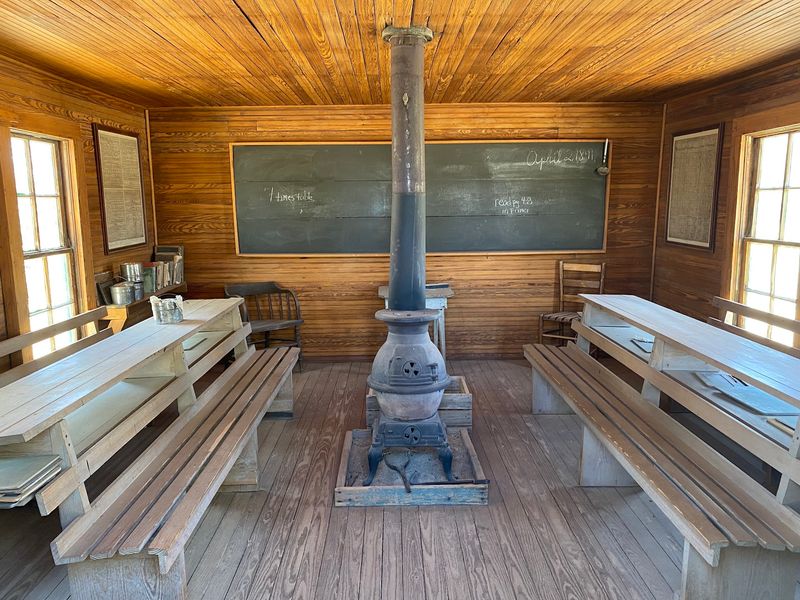
Not far off, a one-room schoolhouse brings a different kind of nostalgia. Imagine every grade crammed into one space, sharing a single teacher and probably a single stove.
Then there is the fort-style residence, built with protection in mind during uncertain frontier years. Its sturdy design tells you a lot about the worries early families carried.
Guests also mention spotting a church among the buildings, which helps the whole collection feel like a real community rather than a scattered set of old structures.
Bronze Steers in J.J. Gibson Memorial Park
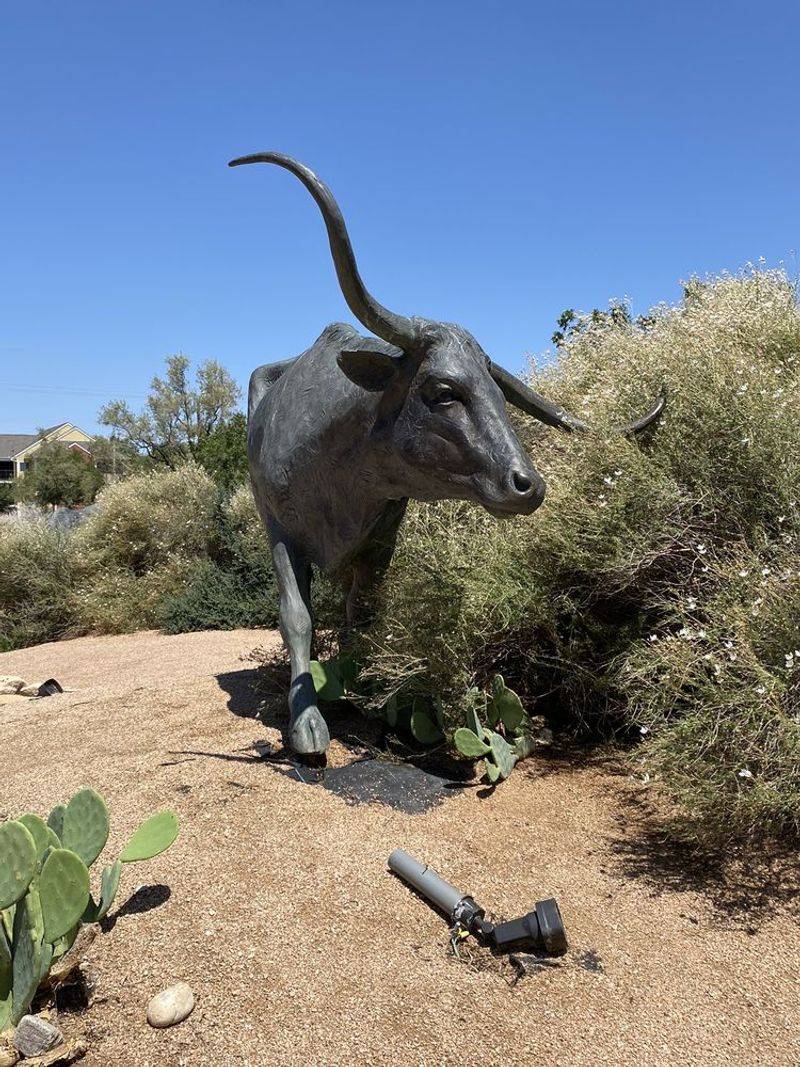
Nineteen steers, and not one of them needs feeding. The J.J.
Gibson Memorial Park features 19 life-sized bronze steers that look like a herd caught mid-stroll.
Kids usually head straight for them, and honestly, so do plenty of grown-ups. Standing next to a full-sized steer gives you a real sense of the animals that shaped Texas.
It is a great spot for family pictures, with the bronze herd catching sunlight and casting long shadows late in the day. The setting adds a touch of art to all the history.
Art lovers may also enjoy hunting for other pieces around the center. One visitor called out a handcrafted wood sculpture named Ode to Joy as a personal favorite, proof that the center blends craftsmanship and storytelling in more than one form.
Hank the Cowdog Brings Ranch Life to Little Hands
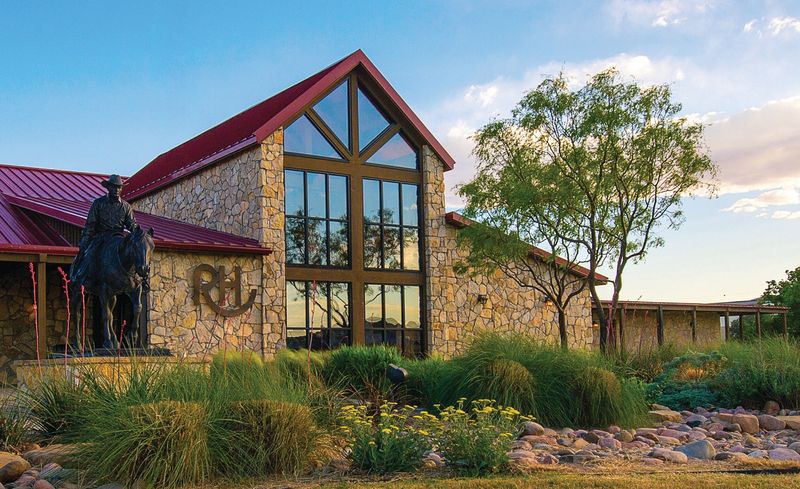
Ask any young reader in Texas about Hank the Cowdog and you might get a grin. That beloved character now guides kids through the Cash Family Ranch Life Learning Center.
Opened in October 2023, this $8.2 million indoor-outdoor addition focuses on modern ranching through interactive, hands-on exhibits. It connects old traditions with how ranches work today.
Parents often say their kids had a second round of fun here after finishing the outdoor tour. A play area behind the gift shop also gets plenty of praise, giving energetic little ones a chance to run.
Speakers fill parts of the museum with sounds of cowboys working cattle and everyday ranch noises. One out-of-state visitor described the effect as very immersive, the kind of detail that keeps kids curious instead of bored.
Trolley Rides with a Storyteller at the Wheel
Not everyone wants to walk a mile and a half in Texas sunshine. Thankfully, free trolley tours are often available.
Guests describe drivers who narrate the whole way, sharing stories about the buildings and the people who once lived in them. It is part ride, part history lesson, and fully relaxing.
Reservations can be made at the front desk when you arrive, so check in early if you have your heart set on a seat. Availability may vary by day.
Many families mix both options, riding first for the overview and then walking back to buildings that caught their attention. Either way, the choice to take the trolley or walk makes the park welcoming for all ages and energy levels, including grandparents who prefer a shady seat.
Candlelight Christmas and Weekly Living History
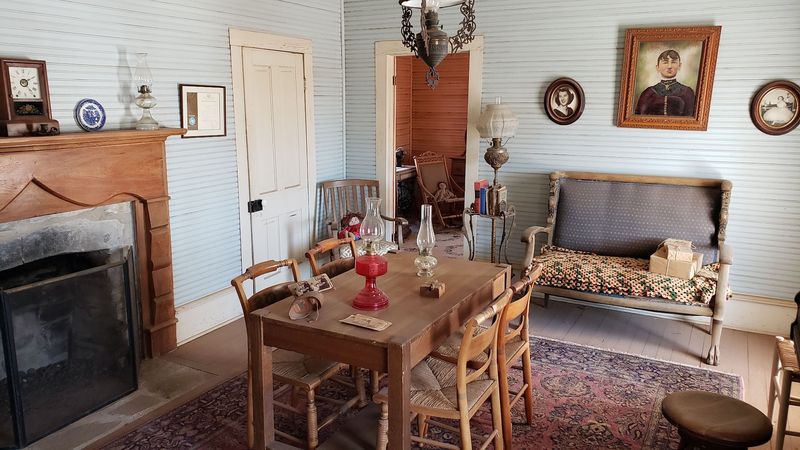
Come December, the old homes glow. Candlelight at the Ranch is a holiday tradition where actors celebrate Christmas inside the historic buildings the way families once did.
Cabins and houses get decorated with candles and period touches. Regular visitors call it a very special feeling, and it makes a cozy family outing during the holiday season.
Throughout the year, weekly events keep things lively too. Toddler Tuesdays cater to the smallest explorers, while Living History Saturdays bring the past to life with hands-on demonstrations.
Ranch Day is another annual event worth watching for. Schedules can change, so a quick look at the center website before your drive is a smart move, especially if you are planning around a specific celebration.
Who Will Love It Most
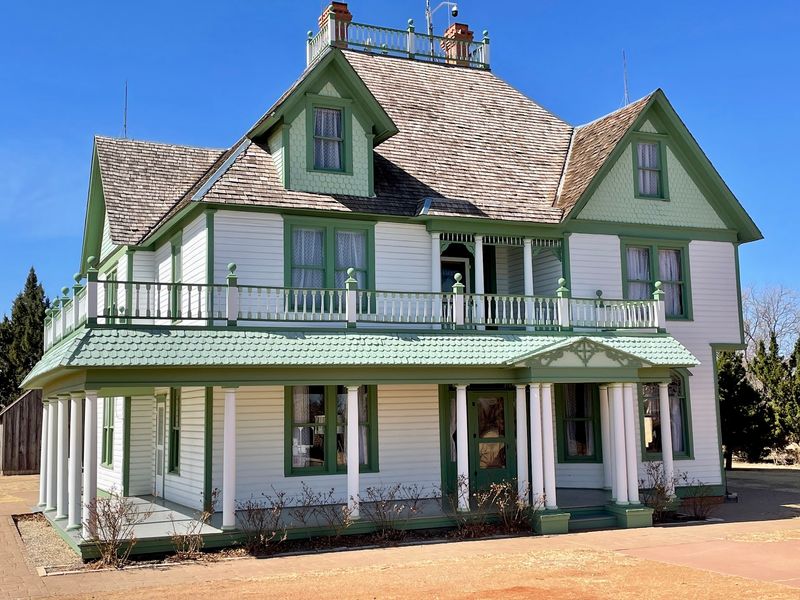
Short answer: almost everybody. Long answer: families, history buffs, and anyone who grew up around cattle country will feel right at home.
Parents rave about how kids stay engaged for hours, even on hot days. Adults, meanwhile, often leave surprised by how much they learned, including folks who already study Texas and the West.
Solo travelers enjoy it too. One adult visitor went on a quiet Thursday and found the place nearly empty, which made for a peaceful, unhurried visit.
Staff consistently earn praise for being friendly, and the indoor exhibits are described as clean and comfortable. Plan on roughly two to three hours, though some families happily stretch it to half a day.
It offers a meaningful look at ranch life that goes well beyond the usual cowboy stereotype.
Hours, Free Admission, and Smart Packing
Best price in Texas? Admission costs exactly zero dollars.
Donations are encouraged and help support the center, and plenty of visitors gladly drop something in.
Hours generally run 10 AM to 5 PM Monday through Saturday, and 1 PM to 5 PM on Sunday. The historical park may close during bad weather, and on very windy days some outdoor buildings stay shut for protection.
Free parking makes arrival simple. For questions, call 806-742-0498 or visit ranchingheritage.org.
Pack a hat, sunscreen, and water, since most of the experience happens outdoors. Water fountains dot the park, and snacks and drinks are sold at Cogdell’s at the Ranch, though there is no full restaurant.
Spring mornings and mild fall days are ideal, while summer visitors should start early before the West Texas heat cranks up.
A Free Afternoon Worth the Drive
Some museums try hard to dazzle. This one simply opens the gate, lets you walk among real homes and barns, and trusts the stories to do the rest.
That old-school approach works beautifully. With more than 50 buildings, a bronze herd, trolley rides, and a playful Hank the Cowdog wing, there is plenty to fill a day without spending a dime.
Visitors from Odessa to out of state keep saying they want to return, often to catch buildings they missed or see the candlelit holiday homes. That repeat appeal speaks volumes.
If your road trip passes through Lubbock, make room for a stop. Bring the kids, bring a hat, and give yourself time to slow down.
Texas history rarely feels this close, this personal, or this easy on the wallet.