Some of the best stops in Texas hide behind a quiet street and a plain parking lot, and you only find them by taking the slow road. I pulled in expecting a quick peek at an old house and a short stretch of my legs.
Instead, I found a free, guided trip back to the early 1900s, with original furniture, glowing stained glass and stories that stuck with me all the way home. If you love places that skip the flash and still deliver a real wow, keep reading.
A Beaux Arts Landmark on Calder Avenue
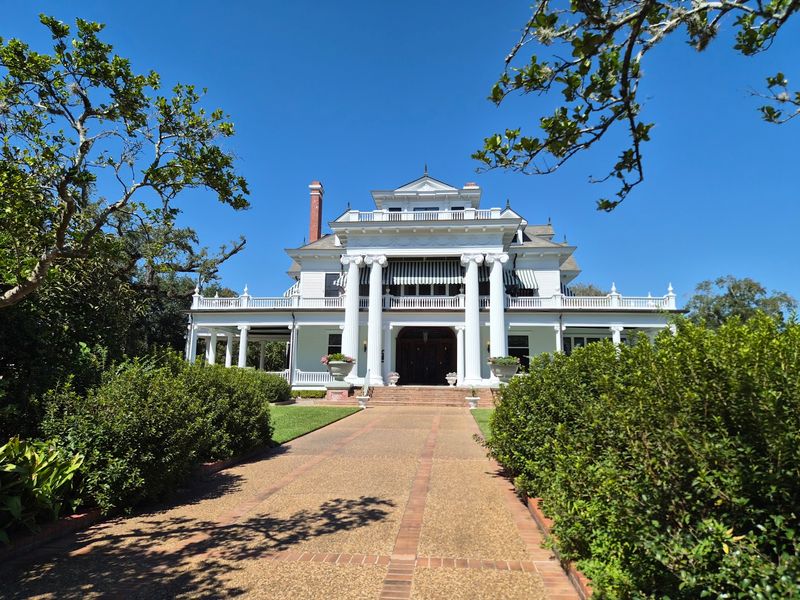
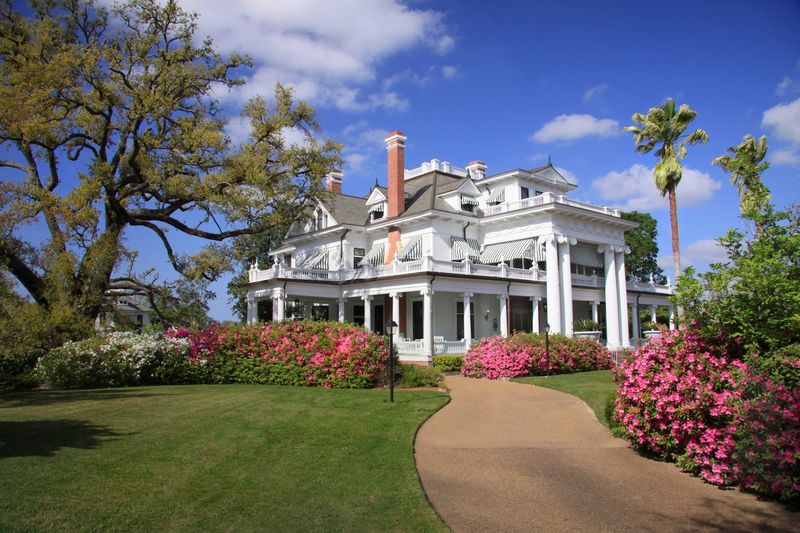
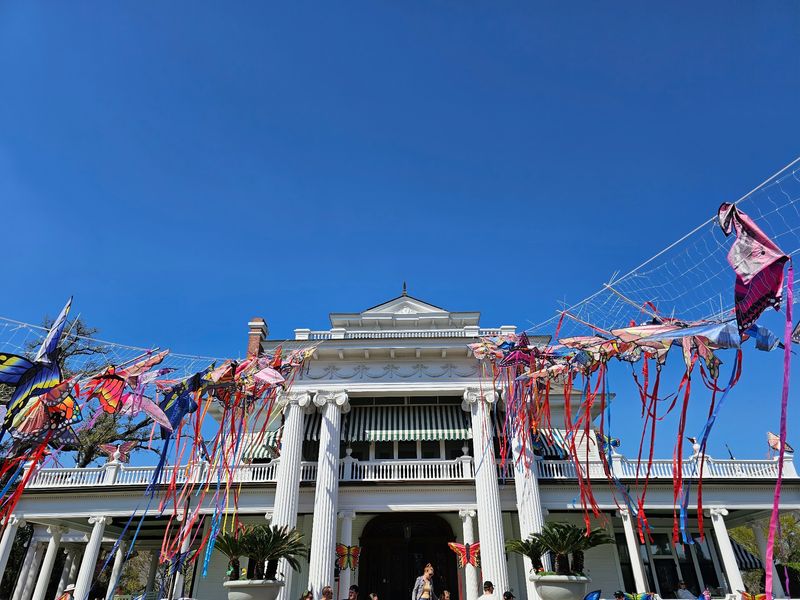
Tucked along Calder Avenue in Beaumont, Southeast Texas, sits a mansion that looks like it wandered out of a storybook and decided to stay. The McFaddin-Ward House Historic Museum is an early 20th-century home built in the striking Beaux Arts style.
It now serves as a period-furnished museum with guided tours and exhibits.
Think big columns, deep porches and a sense of polish you rarely see in a working Texas town. Yet nothing about the visit feels stuffy or showy.
The house simply sits there, calm and confident, waiting for curious folks to walk up.
The address is 1906 Calder Ave, Beaumont, TX 77701, which makes it an easy stop off the interstate for anyone heading toward Galveston or the Louisiana line. Plenty of visitors say they only meant to pop in while passing through.
Many of them ended up staying far longer than planned.
That is the magic of this spot. From the curb, it reads as a handsome old home.
Once you step inside, it becomes one of the most complete looks at early 1900s life you can find anywhere in the Lone Star State, and you can tour it without spending a dime on admission.
Cattle, Crops and the Spindletop Boom
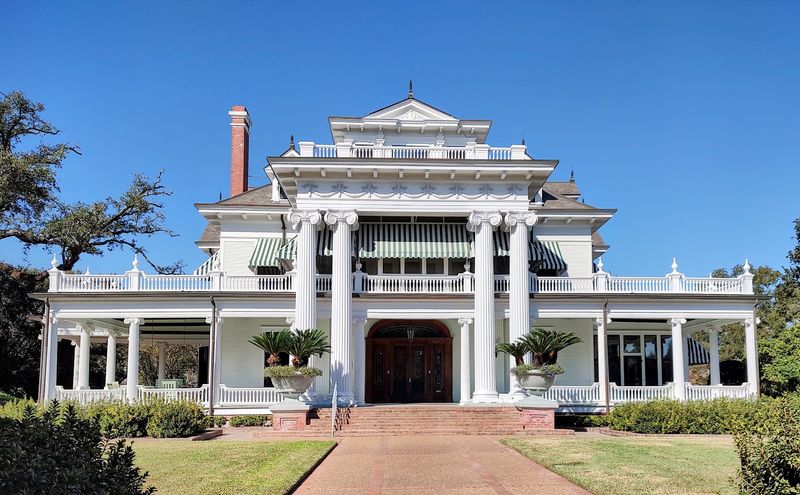
Long before Beaumont had highways, its fortunes rode on cattle, farmland and one very famous patch of ground called Spindletop. The McFaddin-Ward House tour connects the family to all three.
You walk away understanding not just who lived here, but why this corner of Texas grew the way it did.
Guides weave in the story of cattle ranching and agriculture that built early wealth in the region. Then they bring in Spindletop and the growth of Beaumont that followed.
Suddenly the rooms make sense, because you can picture the forces that paid for them.
One visitor described the tour as a crash course in Southeast Texas history disguised as a house visit. The story stretches from the early 1900s well into the mid-20th century.
That long view helps you see how daily life changed over decades under one roof.
History buffs will love it, but you do not need to be one. The guides keep things grounded with relatable details about how people cooked, cleaned, dressed and entertained.
It feels less like a lecture and more like hearing a neighbor tell family stories on the porch.
First Stop at the Visitor Center
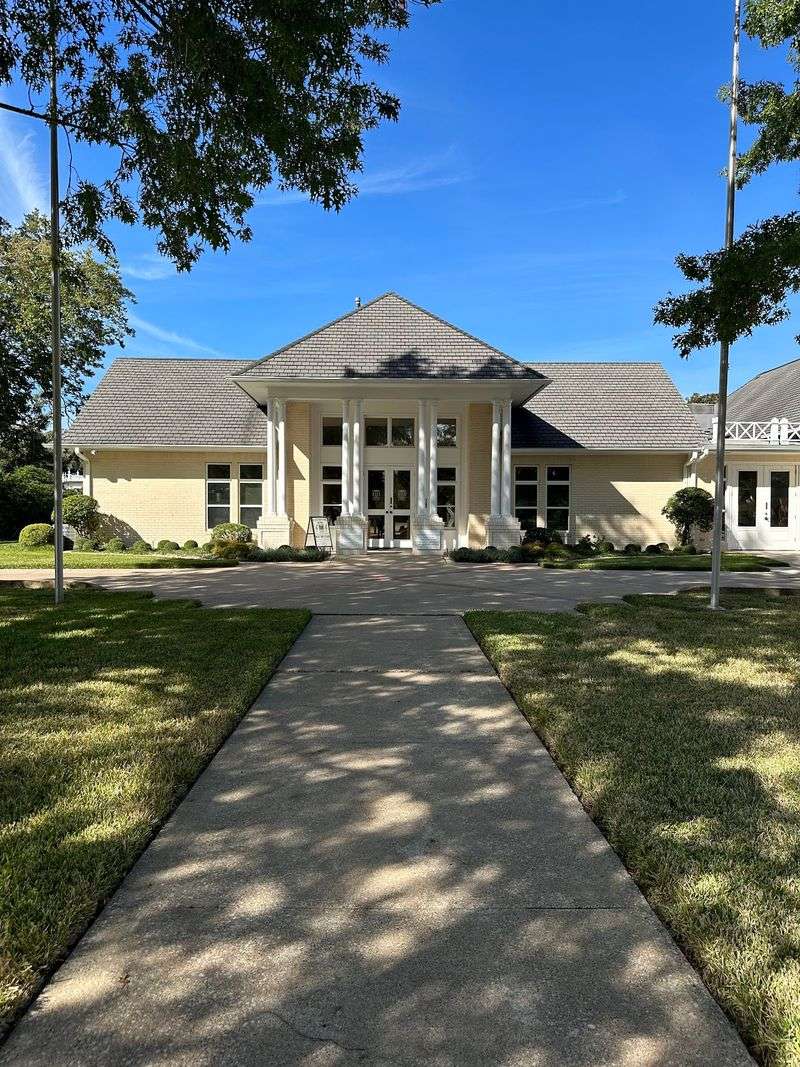
Your visit begins not in the mansion, but in the visitor center, where friendly staff greet you at the door. It is a cool, comfortable place to wait for your group, which matters a lot during a sticky Texas summer.
Exhibits line the space, so the waiting time never feels wasted.
Before heading over to the main house, tours often start with a short video about the family. It is a smart warm-up.
By the time you reach the front steps, you already know a few names and faces.
Some guests like to linger here a bit longer after the tour too. The displays add depth to what you just saw in person.
You might spot an object or a story you missed the first time.
There is also a small shop worth a glance. One guest picked up a cookbook for about $8 and raved about it afterward, which is a sweet, affordable souvenir from a free outing.
Prices can change, so treat that number as a helpful ballpark rather than a promise.
Small touches like this set the tone. Everything feels welcoming and unhurried, the way a good small-town museum should.
Original Furnishings Kept Right Where They Belong
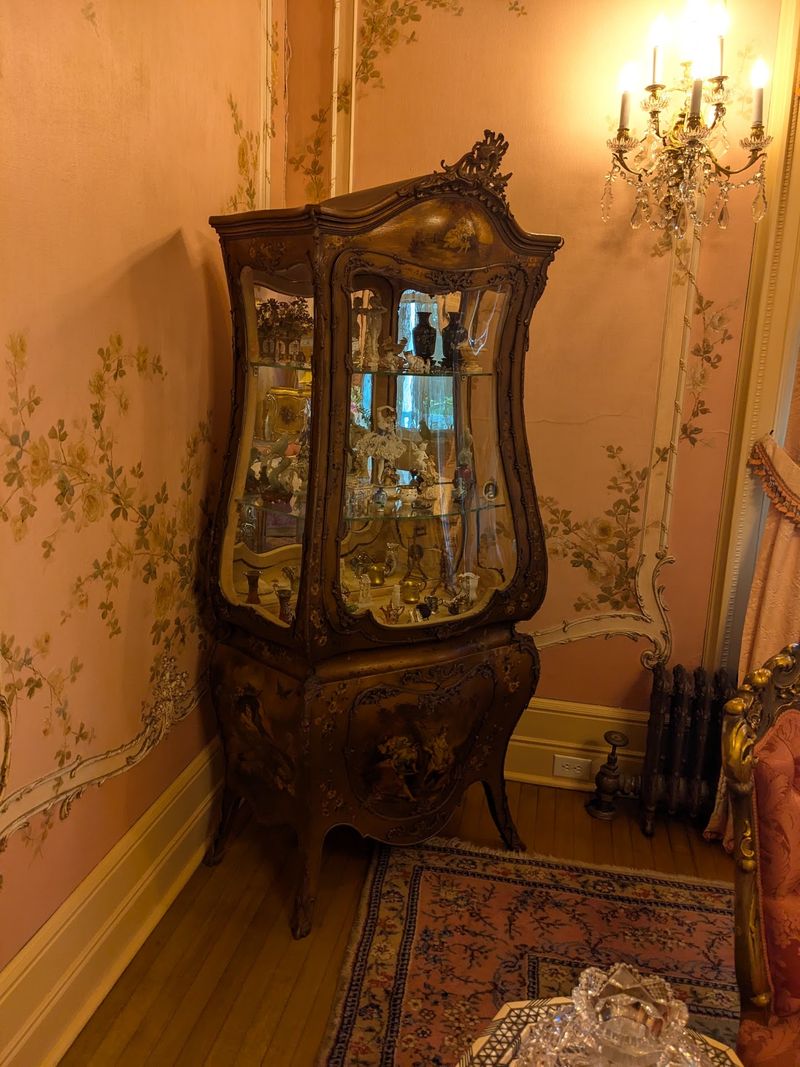
Here is the detail that wins people over: the family kept their belongings. Rather than selling everything off, they saved and stored their household items.
That means much of what you see inside is original to the home.
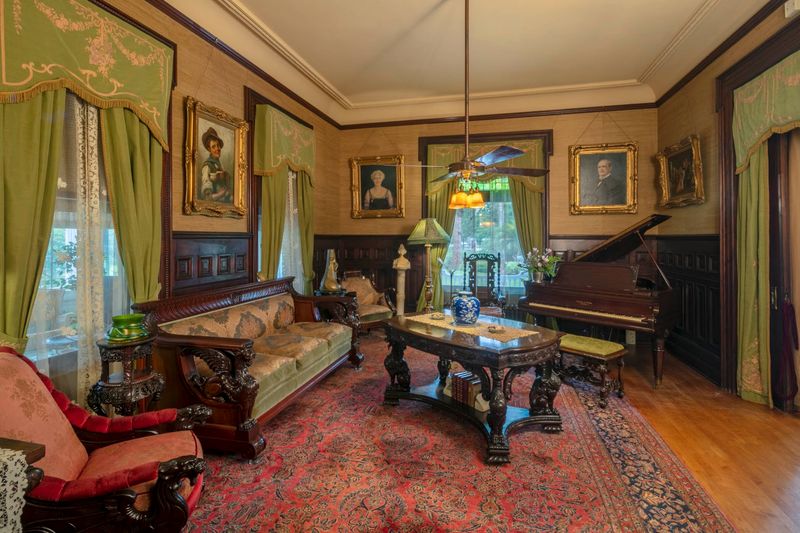
Visitors talk about the silver, the lamps and the furniture with real amazement. Portrait paintings, china and decorative pieces fill the rooms.
It is the kind of collection that many historic homes can only try to recreate with lookalike pieces from other estates.
One guest put it perfectly by saying the house feels like everyone stepped out for the afternoon and forgot to come back. You are not looking at props.
You are looking at the actual things a family used, admired and lived around.
Fair warning for detail lovers: you will probably miss something. Several visitors mention planning a return trip because there were simply too many artifacts to take in at once.
That is a nice problem to have, especially when the tour costs nothing.
For anyone tired of museums behind velvet ropes with only a few lonely objects, this place feels refreshingly full and lived-in.
Woodwork, Stained Glass and Chandelier Glow
Look up. Then look closer.
The craftsmanship inside this house rewards anyone who slows down.
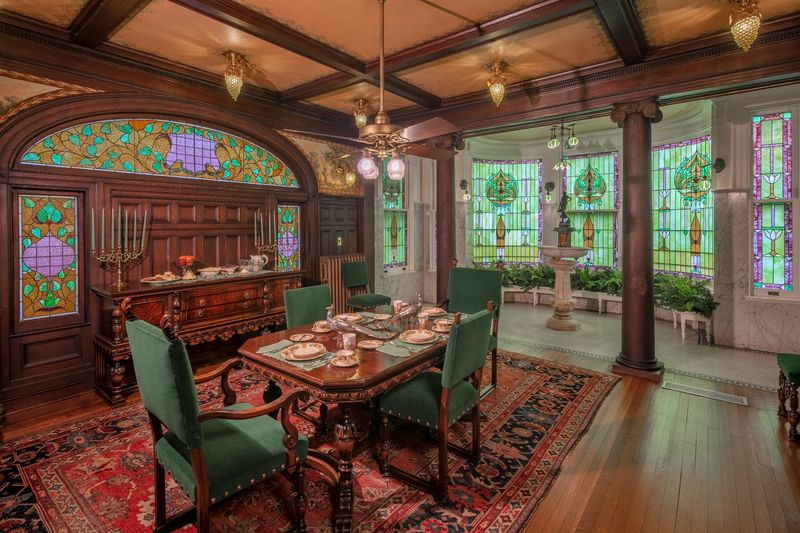
Rich woodwork wraps the rooms in warm tones that modern builders rarely attempt anymore. Stained glass catches the light and throws color across the floors.
Chandeliers hang overhead like jewelry for the ceilings.
Visitors often single out the architecture and the sheer level of preservation. Everything looks cared for, from the trim to the fixtures.
It is clear that this house has been treated like a treasure rather than a relic.
Photographers and design fans should budget extra time here. Small carved details and window patterns can be easy to rush past when a guide is moving through a story.
Ask questions, because the guides tend to know the backstory behind many of these pieces.
There is something quietly satisfying about seeing handwork that has lasted more than a century. No trendy finishes, no gray-on-gray makeovers, just honest materials done beautifully.
In a world of cookie-cutter interiors, this house is a happy reminder of what patience and skill can create.
Bring comfortable shoes and a curious eye, and the rooms will do the rest.
The Pink Room Everyone Talks About
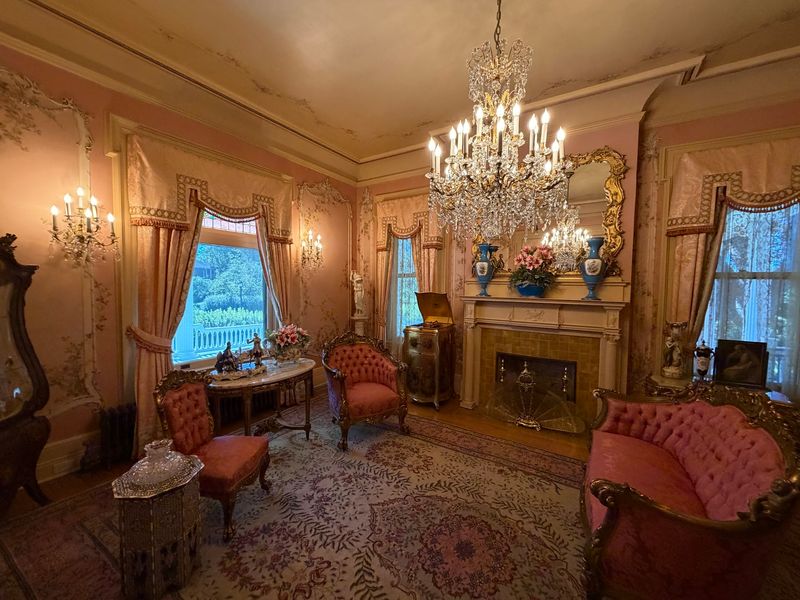
Every great house has a crowd favorite, and here it seems to be the pink room. At least one happy visitor named it the highlight of the entire tour, hearts and all.
Once you see it, you may understand why.
Soft color has a way of making a big mansion feel personal. After the formal spaces and dark wood, a room awash in pink feels like a little exhale.
It hints at the taste and personality of the people who once called this place home.
Kids especially tend to perk up in rooms like this. A splash of color is easy to remember, and it sparks questions about who slept there and how they lived.
Those questions are exactly what the guides love to answer.
It is also a reminder that historic homes were not museums when they were built. They were lived in by real people with favorite colors, hobbies and routines.
Rooms like this make that truth feel close.
Snap a mental picture here, and maybe a real one if photos are allowed on your tour. Chances are, this is the room you will describe first when friends ask how the trip went.
Gardens, Grounds and Spring Azaleas
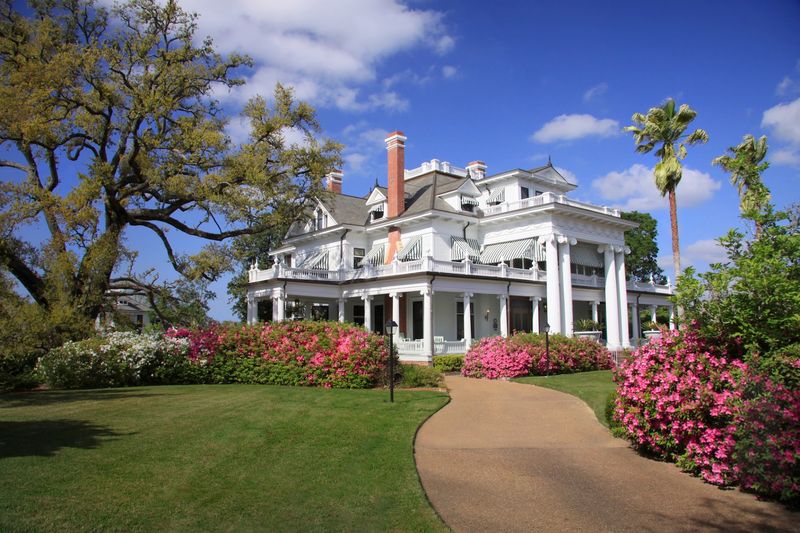
Not every highlight is indoors. The grounds around the McFaddin-Ward House are pretty, green and clearly loved.
Some groups even tour the garden first before heading into the home.
Azaleas are a big part of the landscape. One recent visitor noticed how healthy the plants looked and wished they could return when the shrubs were in full bloom.
In Southeast Texas, that usually points to spring, which lines up nicely with wildflower road-trip season.
Timing matters in Beaumont weather. Morning visits can feel kinder in summer, and the tour hours already lean toward the early side of the day.
A stroll among shade and greenery before the heat sets in can make the whole outing more relaxing.
Gardens also add context to the house. A grand home of this era needed groundskeepers and steady care to look its best.
Seeing the landscape helps you imagine how much work went into keeping everything tidy.
If you are planning a spring drive, consider building a stop here into the route. Colorful blooms, historic architecture and free admission make for a pretty sweet combination on any Texas weekend.
Inside the Carriage House
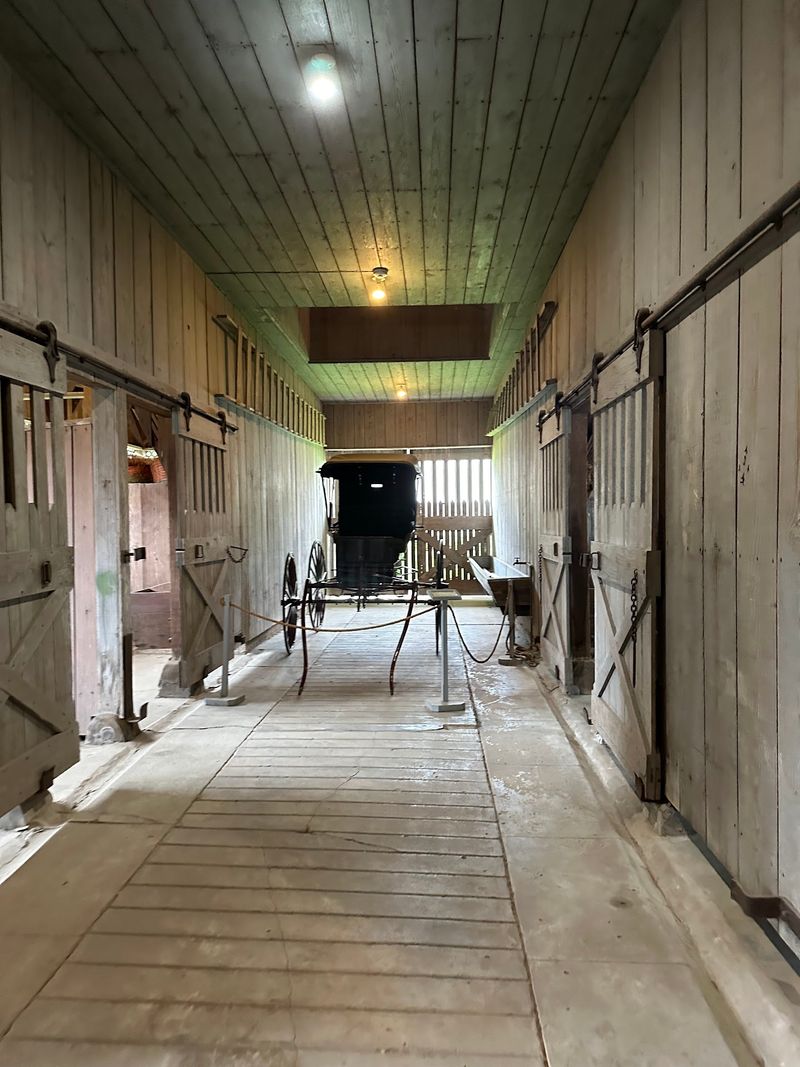
Save some energy for the end, because the carriage house is a stop many guests mention by name. It is one of the most talked-about parts of the property.
Tours often wrap up here after winding through the main home and grounds.
Back in the day, a carriage house held the vehicles and gear that kept a wealthy household moving. Today it helps tell a fuller story of how the property worked.
It shifts your focus from fancy parlors to the practical side of daily life.
Displays here also highlight the loyal workers who served the family. That makes the carriage house more than a building with old equipment.
It becomes a place to think about the many hands that kept the estate running.
Families with kids may find this part especially fun. Big doors, practical spaces and real-world tasks tend to click with young minds.
It is easier to picture someone polishing a car or tending horses than sipping tea in a formal room.
Do not rush out after the main house. Plenty of visitors consider this final stop an essential piece of the experience.
Honoring the People Who Kept the House Running
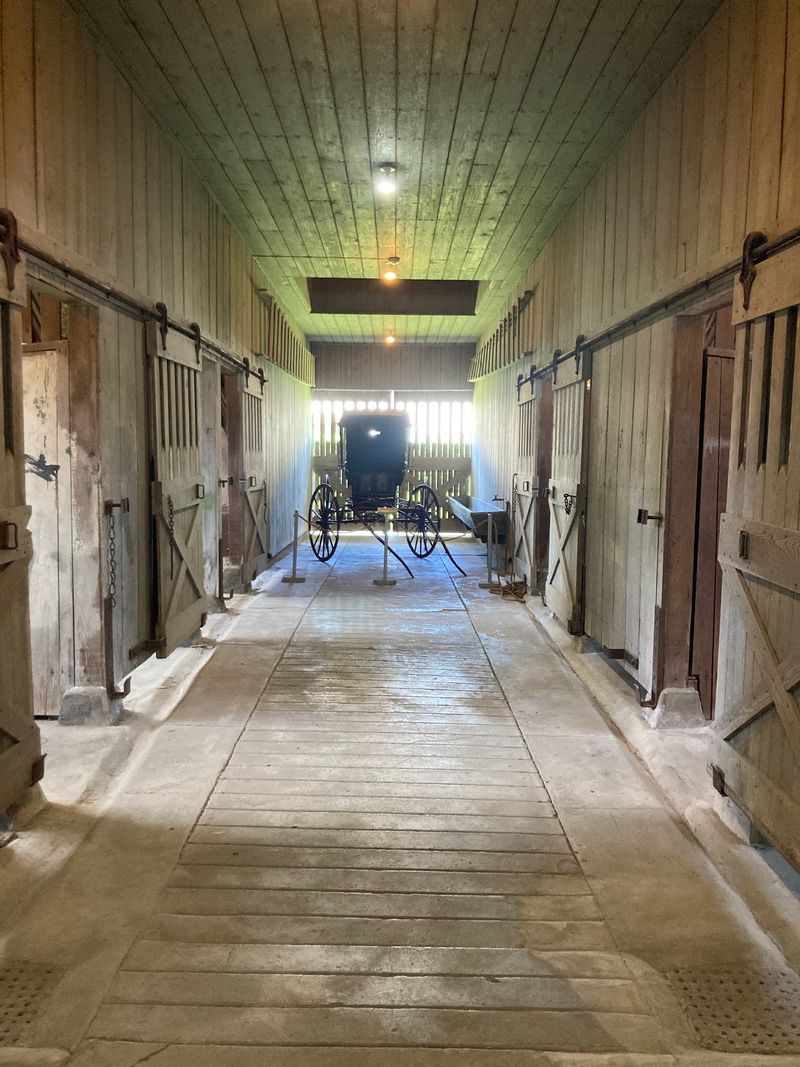
Big houses do not run themselves. Chauffeurs, cooks, housemaids and groundskeepers all played a part in daily life here, and the tour makes sure you know it.
Many historic homes treat staff stories as an afterthought. At the McFaddin-Ward House, visitors say these workers are woven right into the main story.
One guest praised the honesty and humanity this adds, calling it a layer they truly respected.
That approach changes how the rooms feel. A kitchen is no longer just a kitchen, and a back hallway is no longer just a passage.
Each space becomes a place where real people spent their working days.
It also gives the visit broader appeal. Not everyone connects with the lives of the wealthy, but almost everyone can relate to hard work and pride in a job well done.
Hearing those stories makes the past feel more complete.
Older visitors sometimes add their own memories too. One guest brought an 88-year-old mother who confirmed many of the stories about how things used to work.
Moments like that turn a house tour into a conversation across generations.
Docents Who Bring Every Room to Life
Ask anyone who has toured this house what they remember most, and the answer is often the guide. Knowledgeable staff and docents come up again and again in visitor comments.
They are a huge part of why this museum feels special.
Guides here seem to know the family, the house and the era inside and out. They share stories of how life worked, explain details in each room and patiently handle questions, even the odd ones.
Several guests admitted they asked so many questions that their guide had to gently keep them on schedule.
One couple asked for a speedy version on their way to Galveston. They ended up so curious that they wanted more, not less.
That says plenty about how engaging these tours can be.
Kids get treated with real care too. A family with an 11-year-old history fan said their guide answered every single question their daughter had.
That kind of attention can turn a casual stop into a lasting memory.
Small groups make the experience even better, according to many visitors. It feels personal, warm and a lot like being shown around by a proud relative.
Christmas Decorations and Holiday Visits
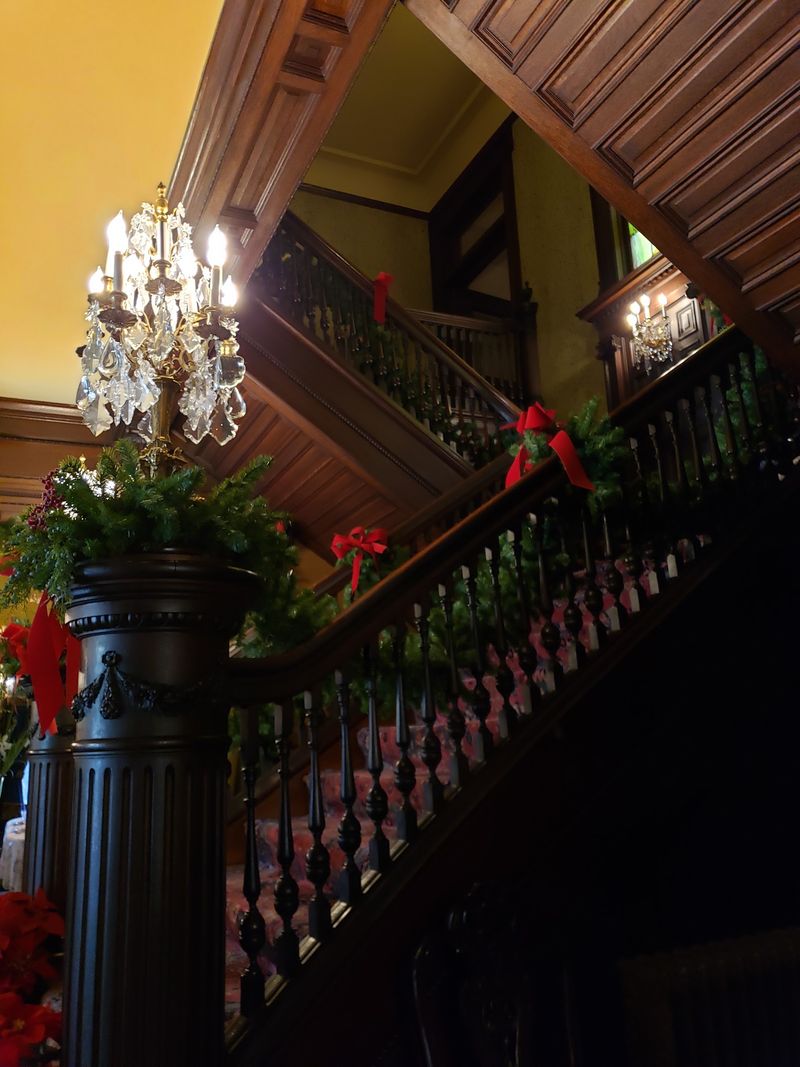
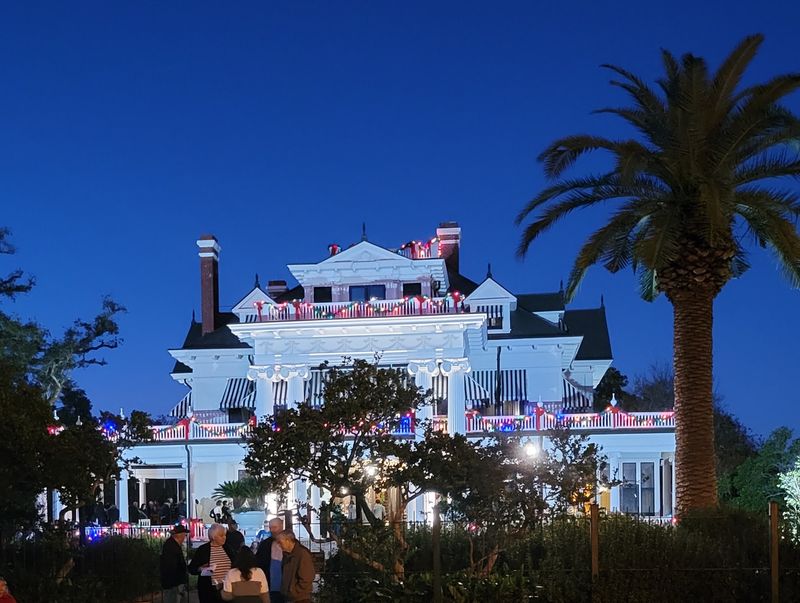
December brings a different kind of sparkle to Calder Avenue. Christmas decorations are one of the most frequently mentioned topics among visitors.
Clearly, the holiday look leaves an impression.
There is something extra charming about seeing an early 1900s home dressed up for the season. Garlands, trees and festive touches pair naturally with antique furniture and old woodwork.
It feels like holiday cards from another century came to life.
Some visitors even plan return trips just for the season. One guest said they would come back in December after an earlier tour.
That is a good sign the decorations are worth seeing.
Holiday family outings are a big Texas tradition, and this house fits right in. It offers indoor comfort, beautiful rooms and a free activity during a season when budgets can feel stretched.
Grandparents, parents and kids can all enjoy it together.
Plan ahead if you want a holiday visit. Seasonal crowds may be larger, and calling ahead can help you secure a tour time.
The house usually rewards a little planning with a warm, festive glow that lingers long after you drive away.
Hours, Free Admission and Planning Tips
Good news first: the tour is free. Visitors repeatedly mention this, and one couple said staff would not even accept donations or tips.
For a full guided experience of this quality, that is a rare deal in Texas or anywhere else.
Hours run Tuesday through Saturday from 9 am to 2:30 pm, and Sunday from 12 to 2:30 pm. The museum is closed on Mondays.
Schedules can shift around holidays, so it is smart to double-check before you go.
Calling ahead to reserve a docent-led tour is a helpful move, especially on weekends. The phone number is 409-832-2134, and the website is mcfaddin-ward.org.
A quick call can save you from waiting or missing a slot.
Plan your time generously. The house tour itself can run around an hour, but one visitor recommended setting aside at least two hours for the full experience, including the visitor center, grounds and carriage house.
Because hours end in the early afternoon, morning arrivals often work best. That timing also helps you dodge the worst of the summer heat.
Leave room afterward for lunch somewhere local and unhurried.
Worth the Drive to Beaumont
Plenty of people drive hours to see famous attractions while skipping the history sitting twenty minutes away. One Southeast Texas local admitted exactly that before finally visiting.
Their verdict was simple: absolutely worth the time.
That sums up the McFaddin-Ward House nicely. It is not loud or trendy, and it does not need to be.
Original furnishings, careful preservation, thoughtful guides and free admission do all the talking.
It suits a wide range of travelers. History-loving kids, grandparents with stories of their own, couples on weekend getaways and solo road-trippers all seem to leave happy.
Even folks who stopped on a whim describe being blown away.
Want to stretch the day? One visitor suggested pairing it with the Stark House in Orange, roughly a 30-minute drive from Beaumont.
Two historic homes in one outing makes a fine Southeast Texas loop.
So next time your route passes through Beaumont, take the exit. Walk up to that Beaux Arts front door and let a guide pull you back into the early 1900s.
You may drive away like many others do, already planning your next visit.