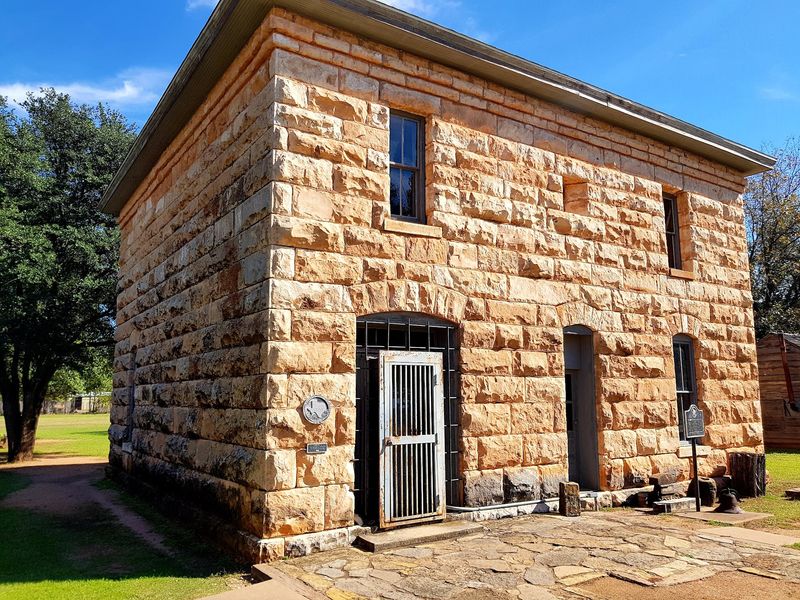
Some of the best road trip stops in Texas start as a sign you almost drive past. You pull off for a quick stretch, expecting maybe ten minutes of looking around, and suddenly you are standing inside a frontier courthouse with creaky floors and a story in every corner.
The hunger that kicks in is not for lunch but for more, more doors to open and more old rooms to peek into. This little village of rescued buildings proves that the humble stops are often the ones you talk about all the way home.
A Frontier Town Tucked Just South of Abilene
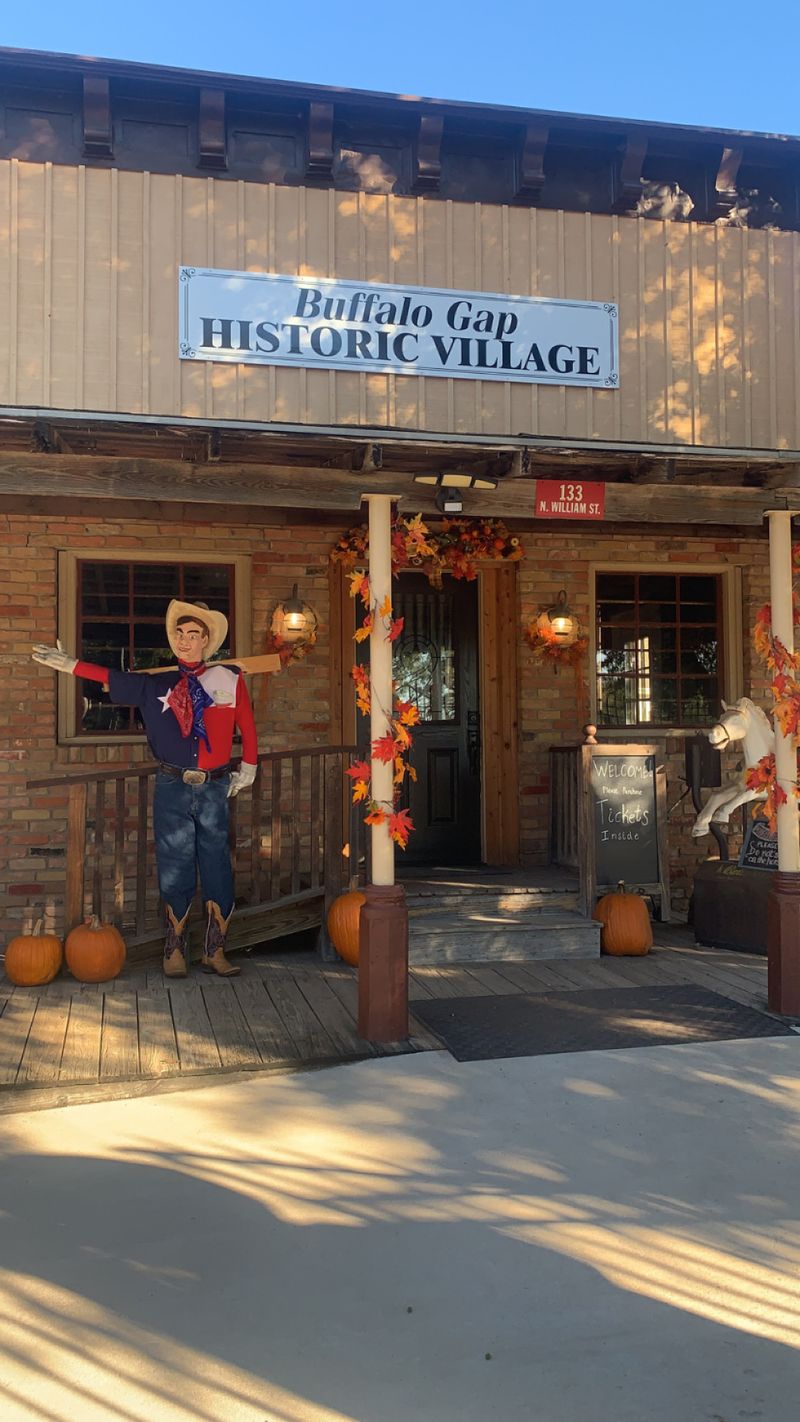
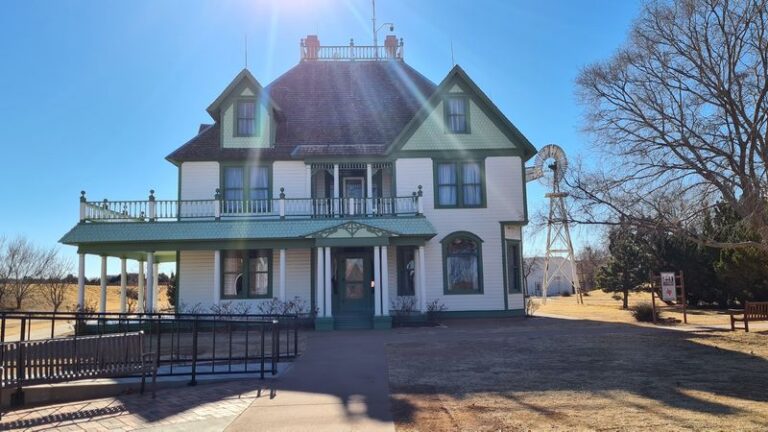
Drive about a short hop south of Abilene and the land starts to roll a little, the mesquite gets thicker, and the tiny community of Buffalo Gap appears. Tucked inside it, at 133 William St, sits Buffalo Gap Historic Village, a preserved West Texas frontier town that feels like someone pressed pause a century ago.
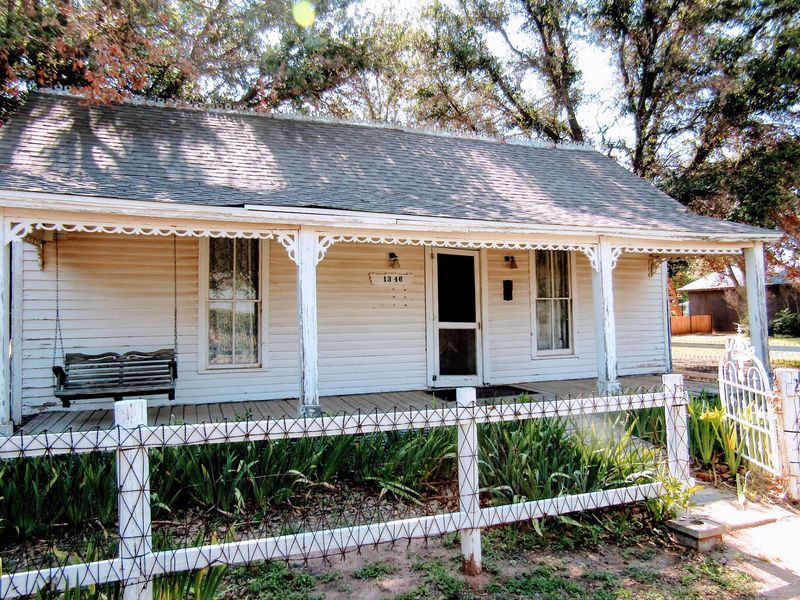
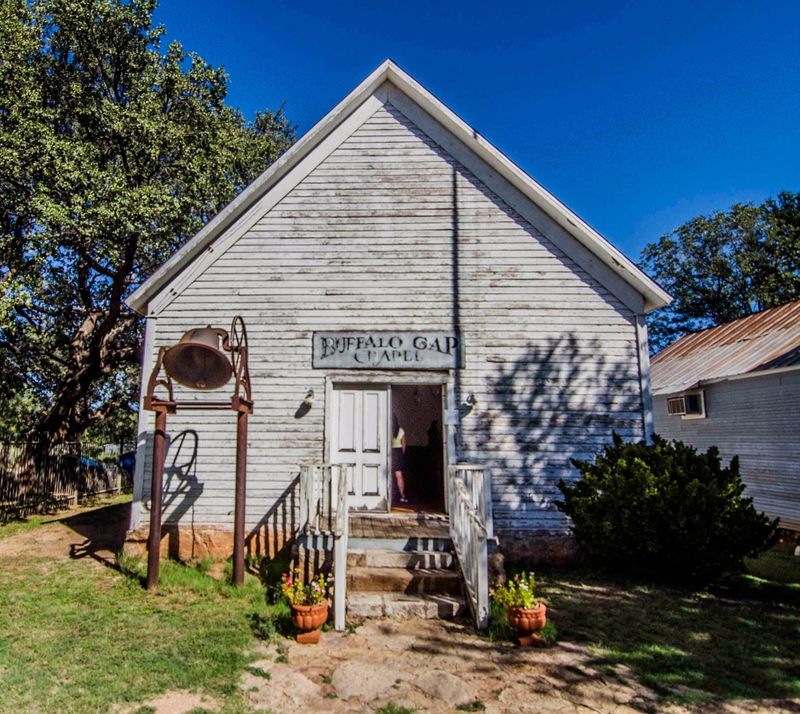
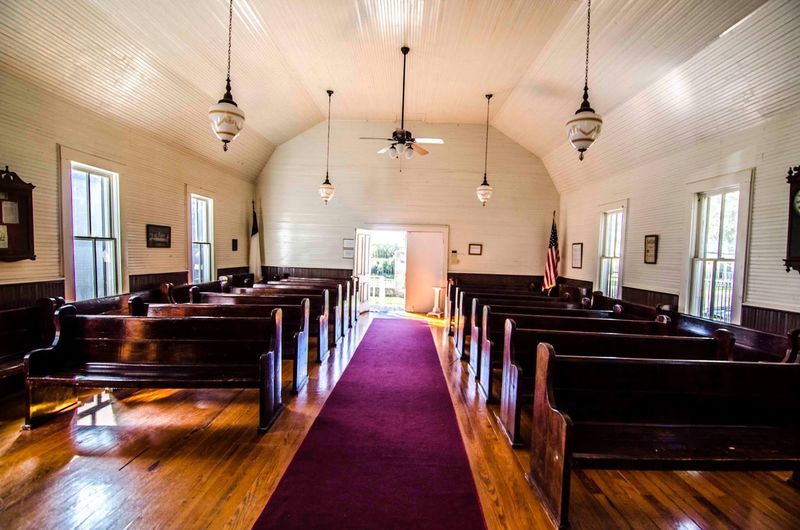
Officially, it is a museum. In practice, it is a walkable cluster of historic buildings dating from the 1880s to the 1920s, each one set up so you can step inside and look around.
There is also an art gallery and a gift shop, which round out the visit nicely.
Many travelers find it by accident, often while heading through Abilene on a longer Texas road trip. Others make a special point of coming back years later with their own kids or grandkids.
Either way, folks tend to leave surprised by how much is packed into such a modest spot.
Nothing here is flashy, and that is exactly the charm. You will not find giant screens or loud attractions, just real old buildings, real artifacts, and the quiet feeling of a town that never bothered to keep up with the times.
For anyone who prefers back roads over billboards, this is a pretty rewarding turn to take.
Buildings Rescued From the March of Progress
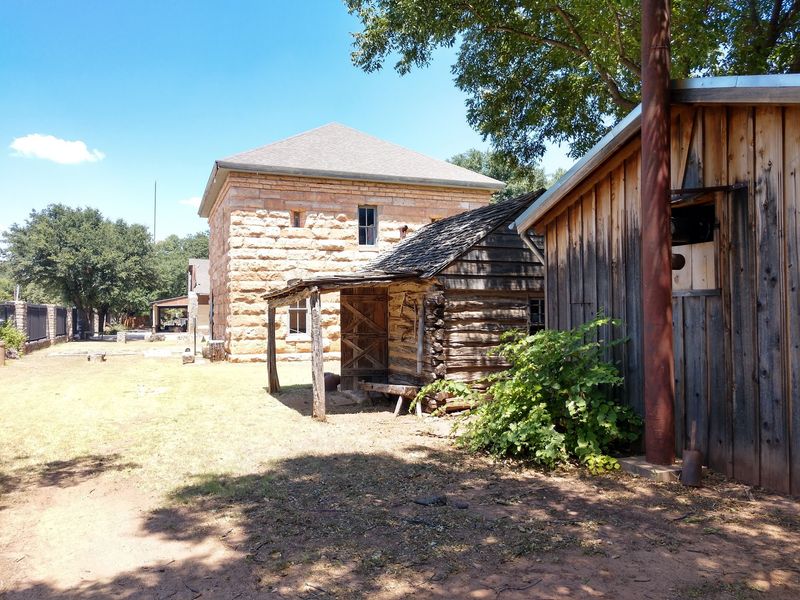
Picture a sturdy old building sitting in the way of a new road or a growing subdivision. In plenty of Texas towns, that story ends with a bulldozer, but at Buffalo Gap, a lot of these structures got a second chance instead.
Visitors often praise the people behind the village for rescuing buildings from around the area. Rather than letting them be torn down or simply lost as towns expanded, the village gathered them up and gave them a new home together.
That effort is what makes the place feel so genuine. Reviewers keep using the same word over and over: original.
Original buildings, original artifacts, real stories of real people who lived in this part of Texas.
Some structures may be closed for renovation when you visit, so you might only get to peek through a window here and there. Folks who chatted with staff mention hearing about plans for improvements, which suggests the work of saving this history is very much ongoing.
It is a living project, not a finished display behind glass, and that gives each visit a slightly different flavor.
Quiet Streets and Small-Town Calm
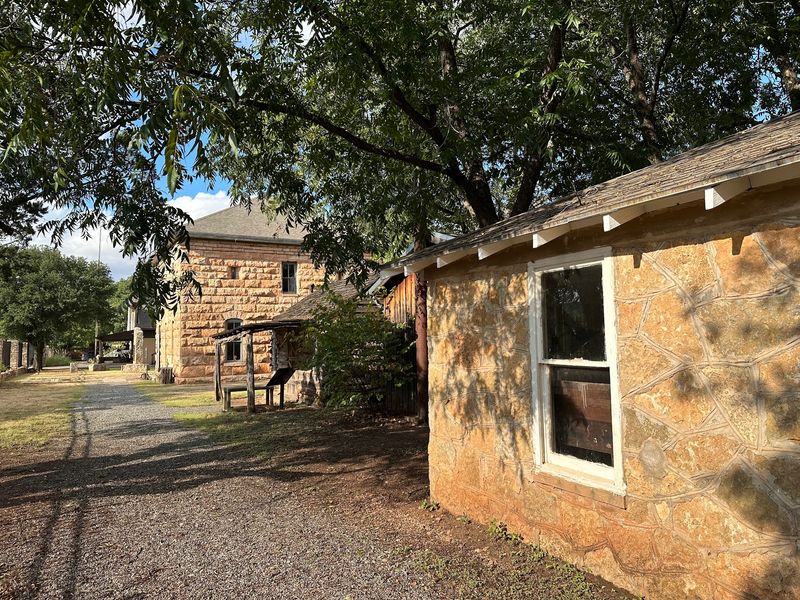
Part of the magic happens before you even buy a ticket. The surrounding village of Buffalo Gap is quaint, quiet and lovely, according to visitors who have made the trip more than once.
Parking is simple and unfussy. Expect level gravel spots along the street, the kind of setup that tells you right away this is not a big-city attraction with garages and shuttle buses.
Step out of the car and the pace slows almost instantly. There is no rush of crowds, no blaring music, just the sound of your own footsteps and maybe a breeze moving through the trees.
It is easy to see why so many travelers call it a great place to stretch their legs during a long Texas drive.
The village sits in Taylor County, and several visitors note it is a fine spot to learn about the local area. If you have only ever zipped past on the interstate, this gives you a slower, closer look at the region’s roots.
Bring a hat in summer, and maybe plan an earlier visit to beat the strongest afternoon sun.
Your Pamphlet, Your Pace
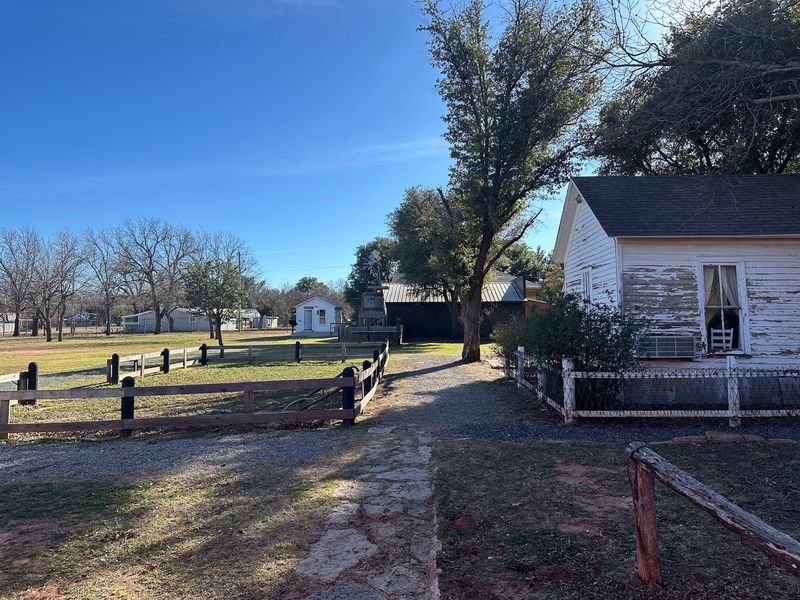
Here is a refreshing idea: no tour guide herding you along, no timed groups, just a map and your own curiosity. Visitors grab tickets at the visitor center and receive a pamphlet that doubles as a self-guided tour.
Travelers say the system works perfectly. The map is easy to follow, and you can match each building on paper to its description as you walk, learning the backstory while standing right in front of the real thing.
Going at your own pace turns out to be one of the most loved parts of the visit. Linger in the rooms that grab you, breeze past the ones that do not, and circle back if something catches your eye a second time.
Signs and written details are packed with fun facts, too. More than one guest mentions learning history they never picked up in school, the small everyday details that textbooks tend to skip.
If you show up close to closing time, staff have been known to point out the must-see spots and give a quick summary version, which is a kind touch that visitors remember.
Courthouse and Jail, Frontier Justice Up Close
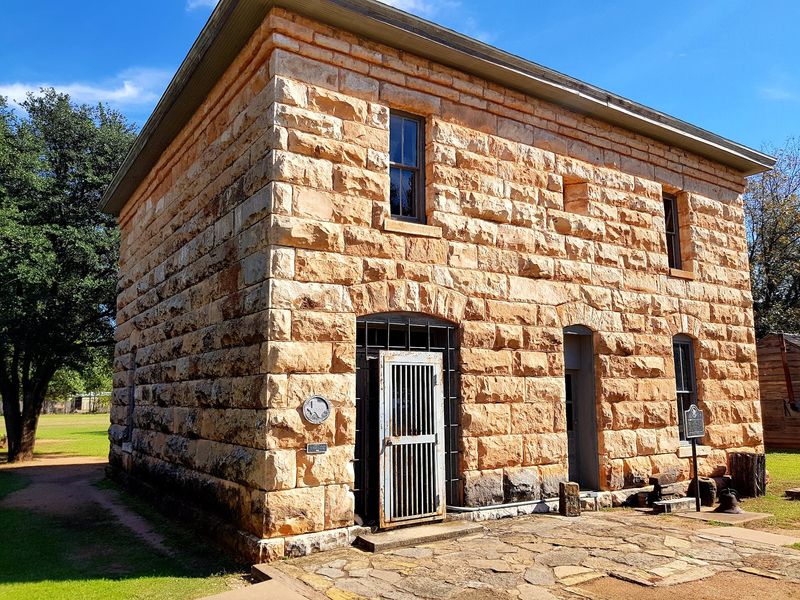
Every frontier town needed some order, and Buffalo Gap’s village shows you what that looked like. Among the buildings visitors list are a courthouse and a jail, two places that tell a big part of the story about early life in this corner of Texas.
Walking into an old courthouse gives you a fresh sense of scale. These were not grand marble halls but working rooms where local business got settled, and seeing them up close makes the history feel personal instead of distant.
The jail is usually a hit with kids. There is something irresistible about peering into a small, plain cell and imagining how cramped and uncomfortable it must have been.
Parents may find themselves fielding a dozen questions in a row, which is honestly half the fun.
One detail families appreciate is that many items here are not roped off. That means children get a fuller, more hands-on feel for the past, though a reasonable reminder from mom or dad to be gentle goes a long way.
Treat these spaces with care, and they will keep teaching the next generation for years to come.
Bank, Post Office and Everyday Frontier Business
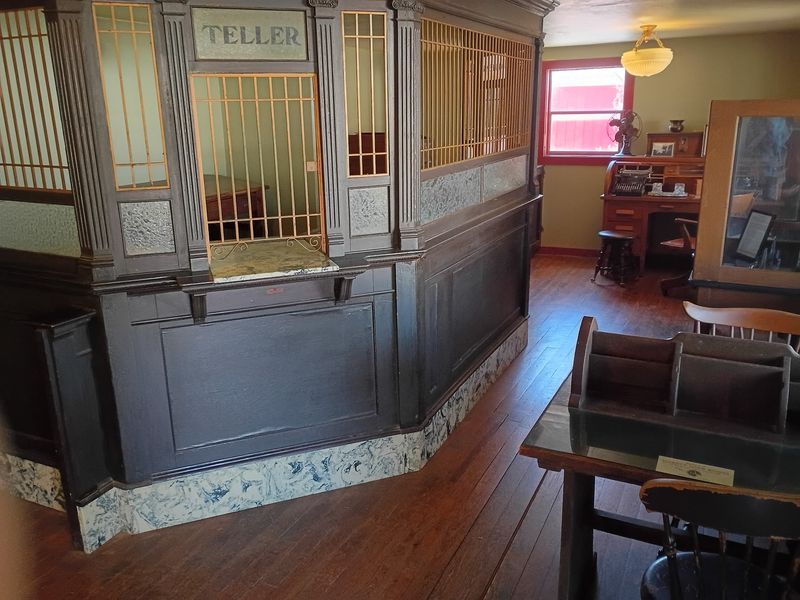
Money and mail. Long before apps and online banking, those two things kept a small Texas town connected, and the village has buildings devoted to both.
The bank offers a peek at how folks once handled their savings, with a setup that feels wonderfully simple by today’s standards. It is fun to imagine ranchers and shopkeepers stepping up to the counter, hats in hand, doing business face to face.
Over at the post office, the story shifts to connection. For a frontier community, letters were the main link to family far away, news from other towns, and goods ordered from distant places.
Standing in that small room, you start to understand how much a single delivery could mean to the people waiting on it.
These buildings help explain how pioneer families managed day to day life in rugged country. One visitor described getting a real sense of how residents had to struggle to adapt while still finding ways to support each other.
The bank and post office are where that community spirit shows up most clearly, in ordinary routines that held the whole place together.
Iron, Fire and the Blacksmith’s Trade
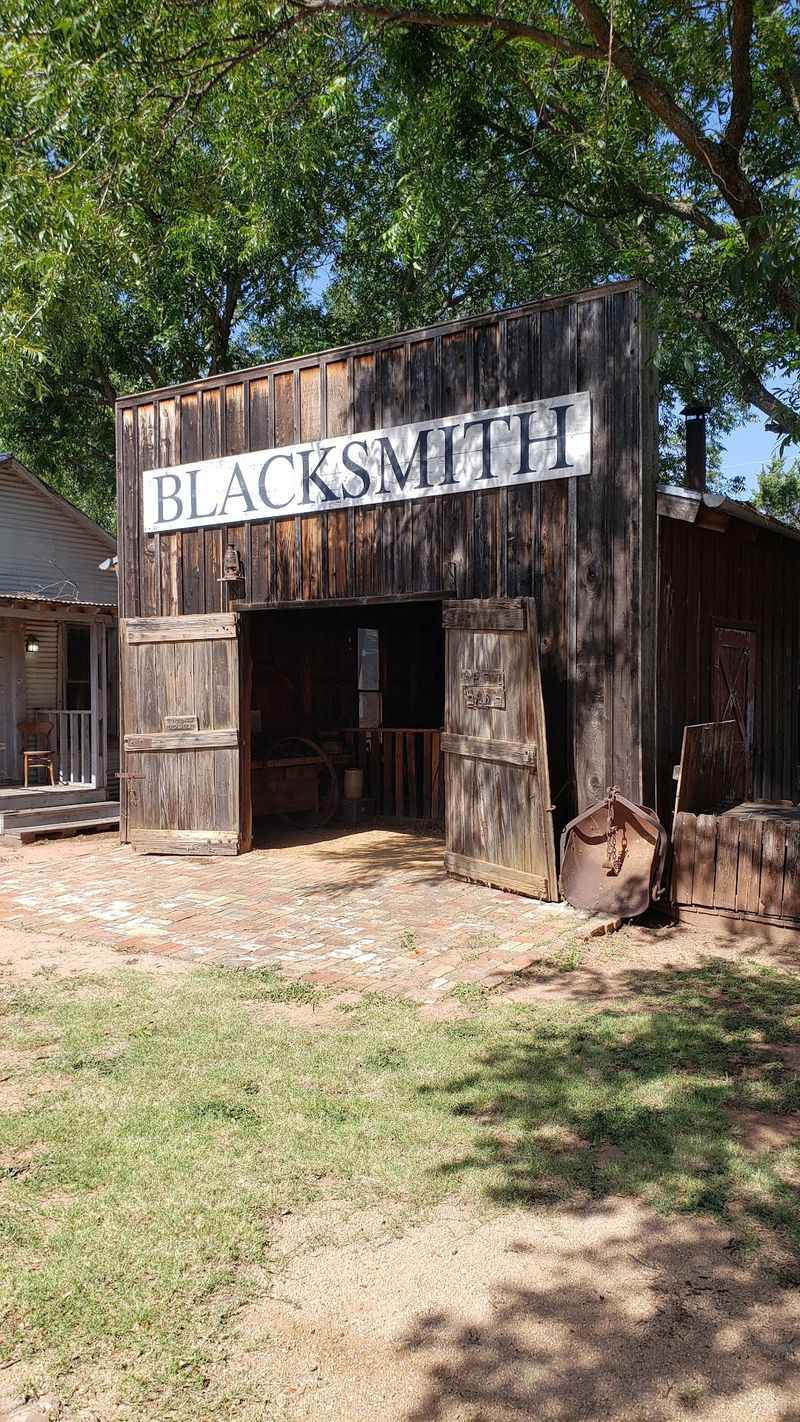
Forget the hardware store. In a frontier town, if a wagon wheel cracked or a horse needed shoes, the blacksmith was the person who fixed it.
The village includes a blacksmith shop, and it is one of those spots that tends to make people slow down. Old tools, heavy metal and the general workshop feel give you a strong sense of how much muscle and know-how went into keeping a town running.
Kids are often fascinated by the sheer size and weight of the equipment. Grown-ups, meanwhile, might find themselves appreciating how skilled a single craftsman had to be, shaping everything from farm tools to household hardware by hand.
It is a good reminder that this whole region was built on practical, hardworking people. No fancy gadgets, no shortcuts, just fire, iron and patience.
If anyone in your group loves building things or tinkering in the garage, expect them to spend a little extra time here studying how it all worked.
An Old Gas Station Bridging Two Eras
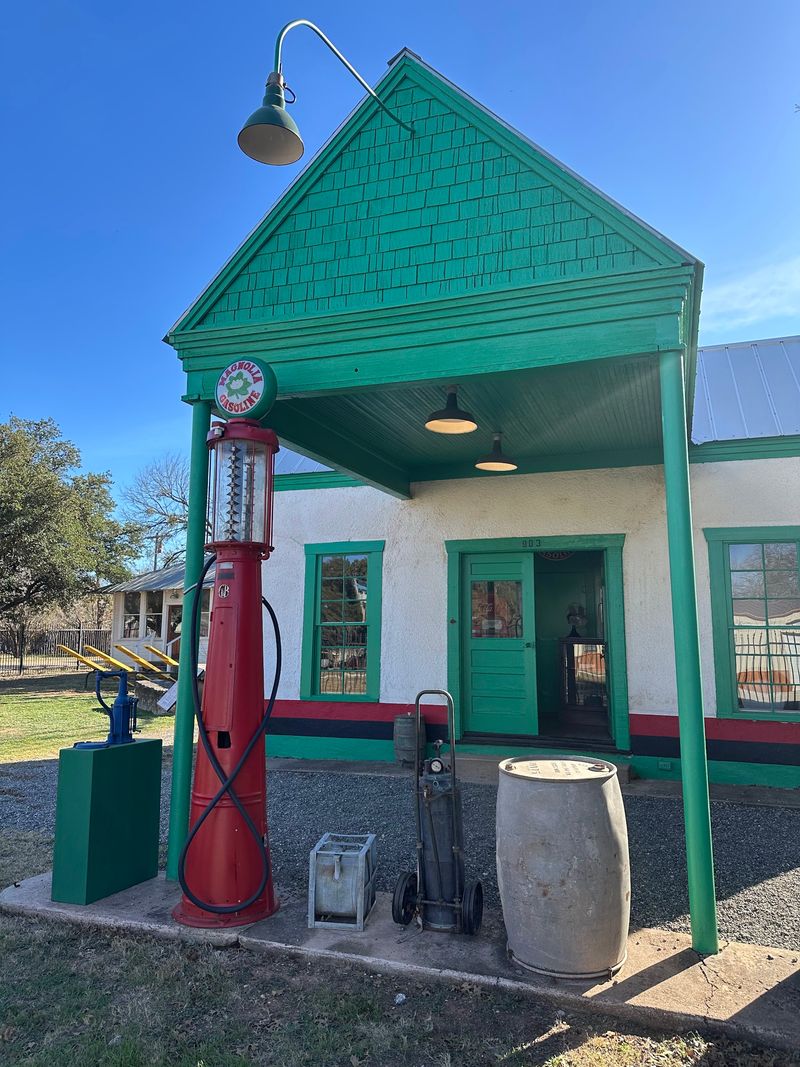
Horses out, automobiles in. That shift is captured nicely by one of the more surprising buildings in the village: an old gas station.
Because the collection stretches from the 1880s all the way into the 1920s, you get to see the town change as you walk. Earlier buildings reflect wagons and hard frontier living, while the gas station points toward a newer world where cars started rolling down Texas roads.
It is a fun stop for anyone who loves vintage Americana. Road trippers especially might enjoy the irony of standing in an early filling station after driving their own modern car to get there.
Visitors who appreciate the contrast between how things were and how they are now tend to find this building memorable. It shows that the village is not just about one frozen moment.
Instead, it tells a story of a community growing, adapting and slowly stepping into the twentieth century, one small change at a time.
Rooms Packed With Antiques and Artifacts
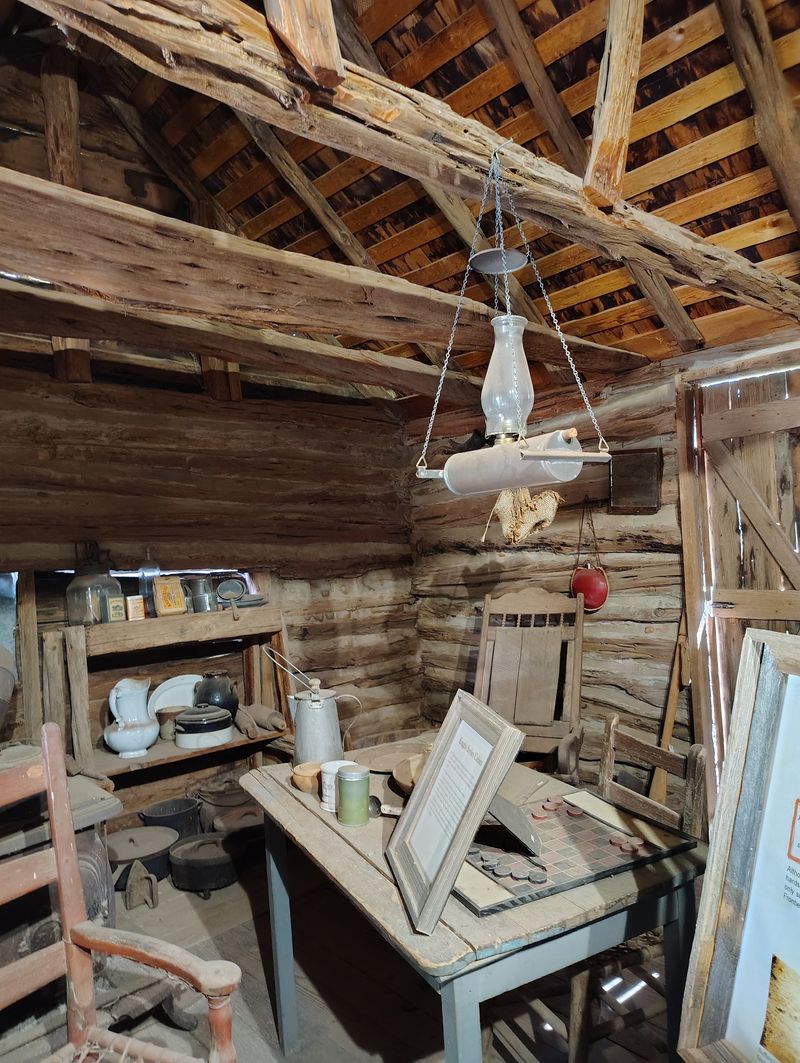
Open nearly any door and you will see why history fans get excited here. Visitors repeatedly mention the sheer amount of antiques, artifacts and historical items tucked inside the buildings.
One traveler even noted there were more antiques and artifacts here than at a larger museum they had visited the day before. That is high praise for such a small village, and it says a lot about how carefully the collection has been gathered.
The best part is how these items sit in context. Rather than lining up objects in sterile display cases, many are placed right in the rooms where they belong, so you see how a household or business actually looked and functioned.
Guests describe the whole thing as well curated and enjoyable for people of all ages. You might spot everyday tools, furniture and personal belongings that once mattered deeply to someone.
Taking time to read the accompanying stories turns simple old objects into windows into real lives lived in this part of Texas.
Art Gallery, Gift Shop and Friendly Faces
Kindness is a theme that pops up again and again when people talk about this place. The staff earn regular praise for being friendly, cheerful and genuinely happy to help.
One family remembered a gift shop employee who was in a great mood and treated them with real warmth. Another group arrived with less than an hour before closing, and the staff member graciously let them wander anyway while pointing out the highlights.
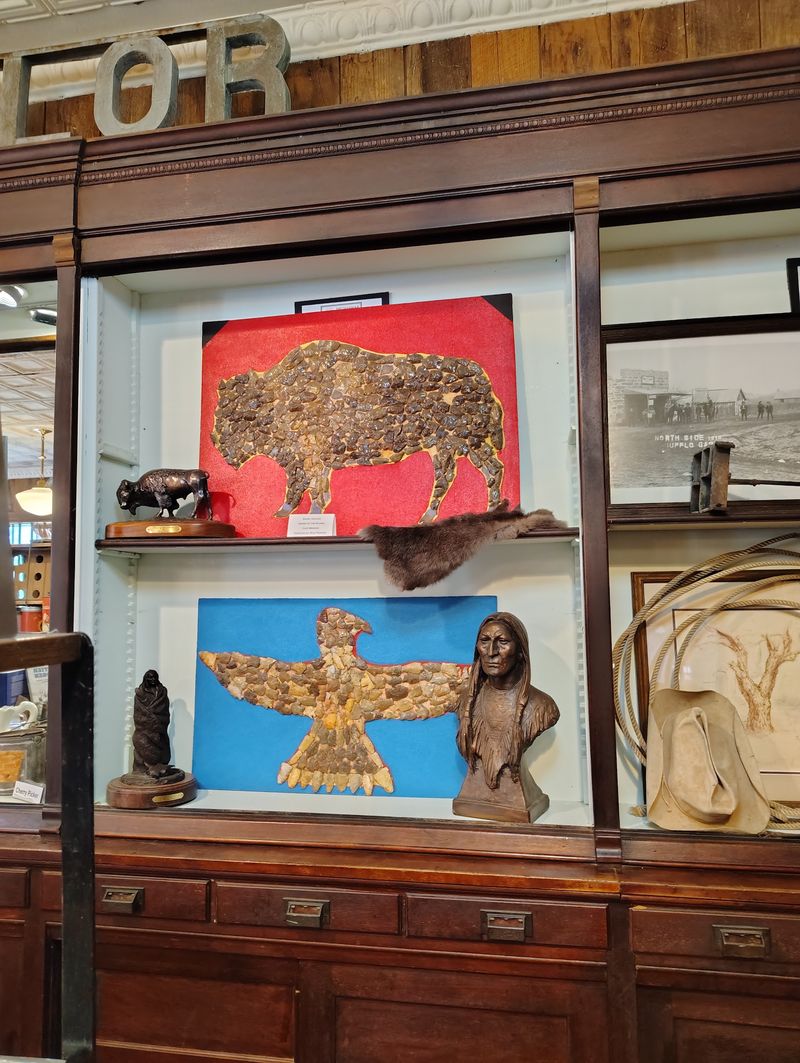
Beyond the old buildings, the village also features an art gallery and a gift shop. They make a nice change of pace after walking the grounds, giving you a chance to slow down indoors and maybe pick up a little souvenir to remember the trip.
Small, personal touches like these are what separate a humble local museum from a big, impersonal attraction. Nobody here feels like a number.
You get the sense that the people running the village truly care about the history and about the folks who drive out to see it.
Picnic Lunches, Playground Breaks and a Merry-Go-Round
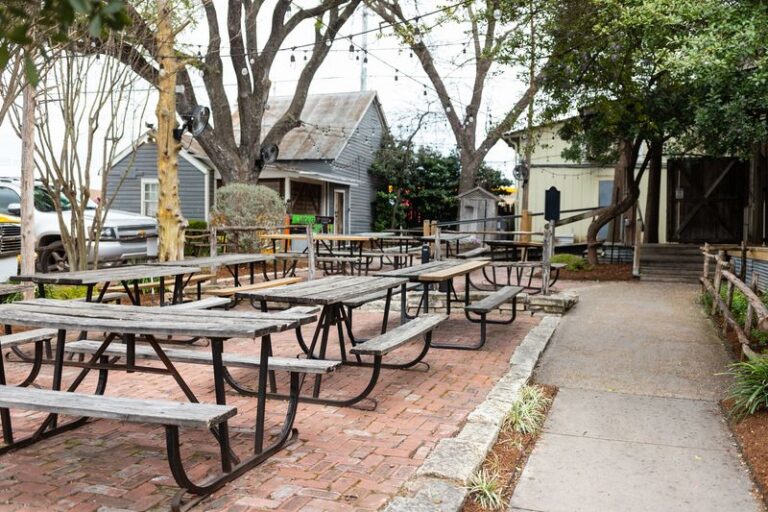
Pack a cooler. Some of the happiest visits described here involve a picnic lunch and a slow afternoon of exploring.
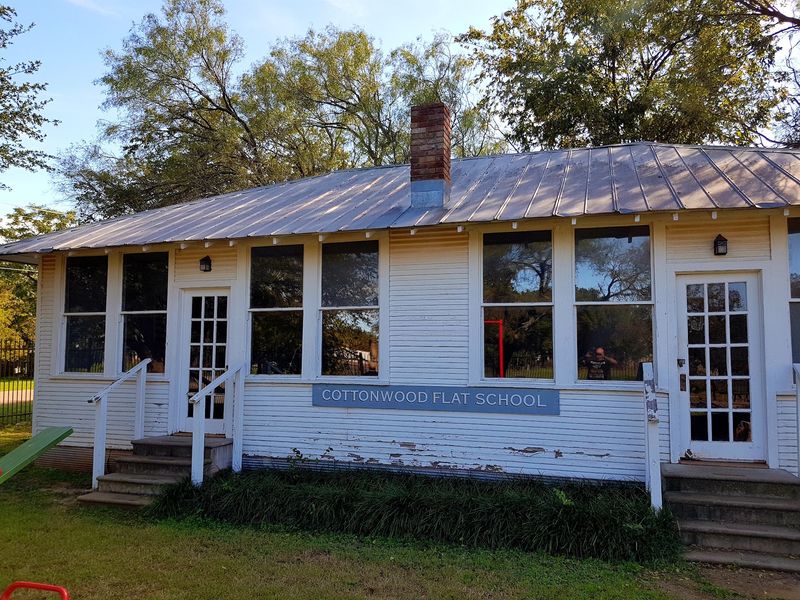
The grounds have included a covered picnic area and a small playground, which makes a big difference for families traveling with restless little ones. One visitor fondly recalled the kids playing on the merry-go-round between building stops, a simple joy that never seems to go out of style.
Having shade and a place to sit matters a lot in Texas, especially on warm summer days. A quick snack break lets everyone recharge before tackling the next row of buildings.
This kind of setup fits the village’s whole personality. It is relaxed, family friendly and refreshingly old-fashioned, the opposite of an expensive theme park.
Grandparents can rest at a table while children burn off energy, and then everybody heads back out together to read a few more fun facts and peek into another old room.
Who Falls Hardest for the Village
Families top the list. Family friendly is one of the most common things people say about Buffalo Gap Historic Village, and the stories back it up.
One couple first brought their children on a summer visit in 2006, then returned as empty nesters years later and found it just as great the second time around. Another visitor from South Texas stopped by more than twenty years after their first trip, simply so their own family could experience pioneer living the same way they had.
History lovers will feel right at home too. Folks who enjoy the little details school never covered, or who simply believe any piece of preserved history is worth a look, tend to walk away delighted.
Some guests even have personal ties, like ancestors who helped found Buffalo Gap, which makes the visit extra meaningful. Keep in mind it is a rustic, older site, and at least one visitor found certain areas dusty, so set expectations for authentic rather than polished.
For most, that lived-in feel is part of the appeal.
Hours, Tickets and Planning the Drive
Timing is everything, so check the calendar first. The village is generally open Tuesday through Saturday from 10 AM to 5 PM and closed on Sundays and Mondays.
Holiday hours may vary, too. One hopeful traveler showed up on Christmas Eve only to find the gates closed, so it is smart to call ahead at 325-572-3365 or check the website before making a special trip.
Arriving with plenty of time before 5 PM also lets you enjoy every building without rushing.
Tickets are purchased at the visitor center. Past guests have called it a great price for everything offered, and the site has been part of Abilene’s Round Up pass, available at the Abilene visitor center, which can make it an especially budget-friendly outing.
Prices and pass details can change, so confirm before you go.
Getting there is easy if you are already near Abilene. Head to 133 William St in Buffalo Gap, park along the street, and you are set.
Hungry afterward? Visitors mention Perini Ranch Steakhouse is about a five minute drive away.
Special events, like a past traveling Smithsonian exhibit called Crossroads of Rural America, occasionally add extra reasons to visit.
Worth the Detour, Every Single Time
So, is it worth the drive? Ask the folks who keep coming back, and the answer is a cheerful yes.
Buffalo Gap Historic Village does not try to dazzle you with modern bells and whistles. It simply offers real buildings from the 1880s to the 1920s, rooms filled with genuine artifacts, a self-guided map and a staff that treats visitors like neighbors.
That simplicity is the whole point. In a world full of chain stops and look-alike attractions, this little village stays completely unbothered, quietly holding onto the stories of the pioneer families who built life in rugged West Texas country.
Whether you spend an hour or a lazy afternoon with a picnic, you will likely leave knowing a bit more about Taylor County and feeling a little more connected to the past. Plan it for a weekend drive, a spring outing or a summer road trip stop.
Just be sure to arrive on a day it is open, and give yourself enough time to wander. Some places are worth more than a glance, and this is one of them.