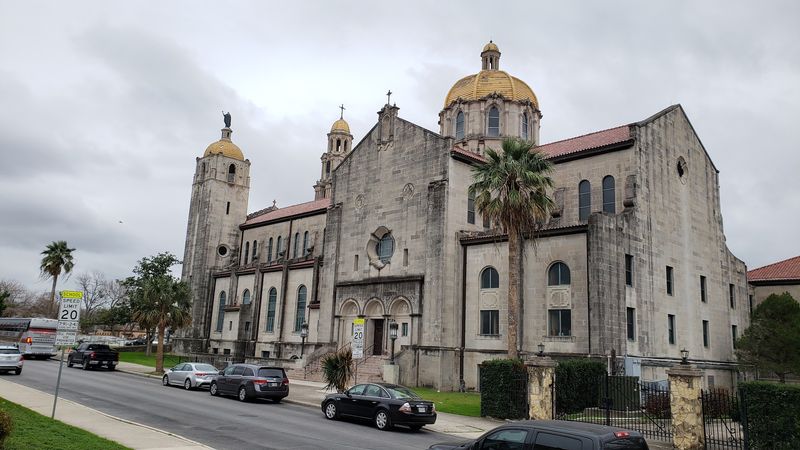
Some of the best finds in Texas are the ones you almost drive right past. From the street, this church looks like a handsome old building on a busy road, nothing more.
Then you step inside, the colored light from the windows hits the floor, the arches rise over your head, and you forget what you were about to say. It is the kind of quiet surprise that makes a road trip feel worth every mile.
A National Shrine on San Antonio’s West Side
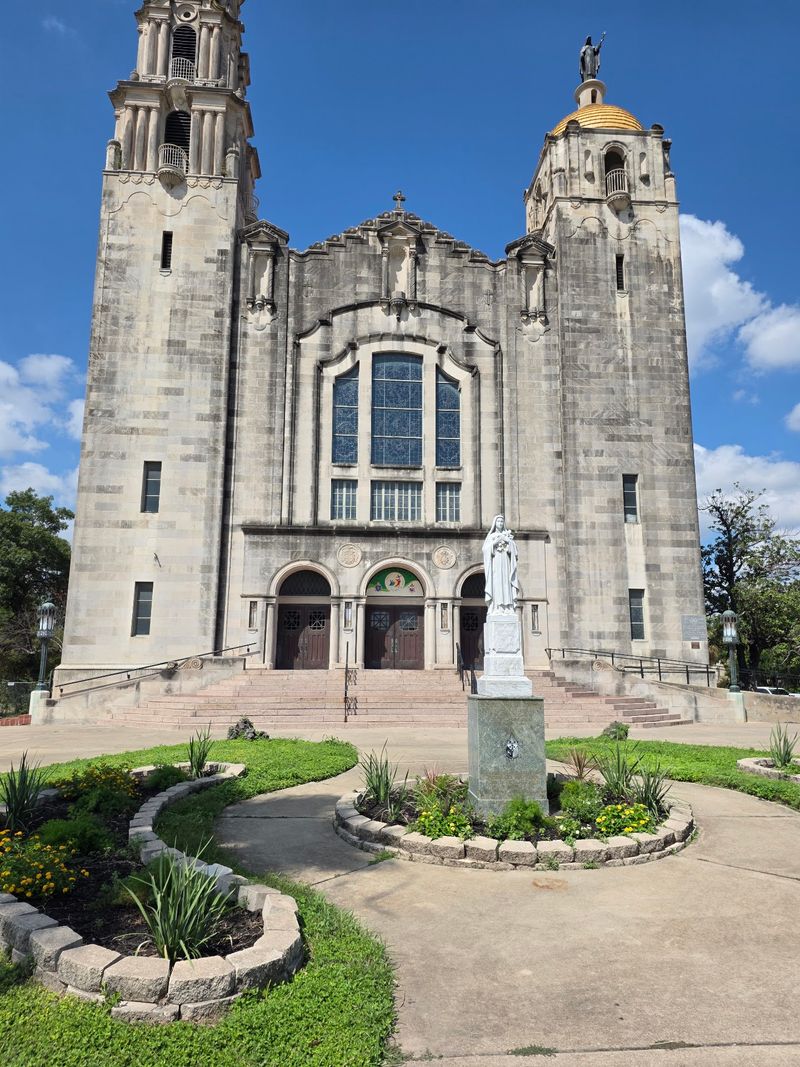
Tucked along North Zarzamora Street, just west of downtown San Antonio, stands one of the most meaningful churches in Texas. The Basilica of the National Shrine of the Little Flower sits at 1715 N Zarzamora St, in a neighborhood that feels lived-in and real rather than polished for tourists.
It is an active Catholic church, cared for by the Discalced Carmelite community of friars and nuns. People come here for Mass, confession, quiet prayer, and learning.
Others simply drive by, notice the tall facade, and pull over out of curiosity.
One past visitor described doing exactly that. They were not planning a stop at all, but the building caught their eye, so they parked and walked in.
Inside, the church was empty, calm, and soothing, and they left already planning a return trip.
That sums up the charm pretty well. The basilica does not shout for attention with flashy signs or a gift-shop-first layout.
It just stands there, tall and steady, waiting for the folks who still slow down on city streets to look up. If you are the type who prefers the real thing over a roadside attraction, you are going to like it here.
Built on Faith During the Great Depression
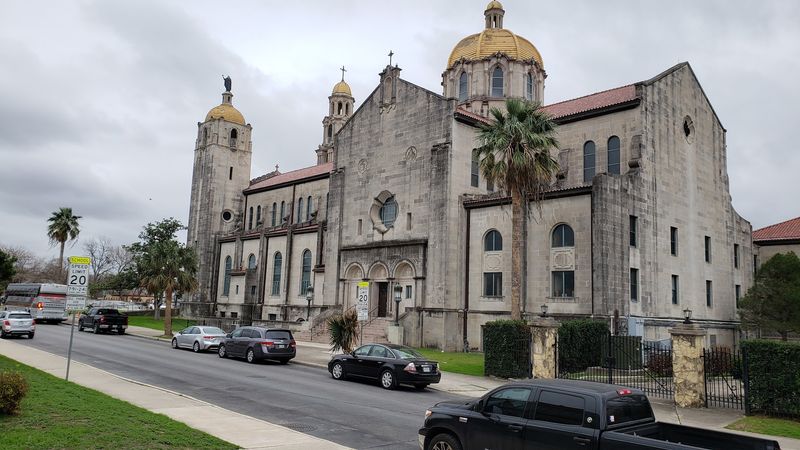
Picture the late 1920s, when money was about to get very tight across America. Construction on this shrine began on February 22, 1926, just a year after St. Thérèse of Lisieux was declared a saint by Pope Pius XI.
Work wrapped up in 1931, right in the thick of the Great Depression.
The story behind it is a moving one. Carmelite friars from Torreón, Mexico, were invited by San Antonio’s first archbishop, Arthur J.
Drossaerts, to set up their church here. Tour guides share that the friars had faced plenty of pushback elsewhere, including in Oklahoma, before finding a welcome home in Texas.
So how did a grand church get built when families were counting pennies? Donations poured in from across the nation.
Walk the interior today and you will spot countless marble plaques engraved with the names of those donors.
Those plaques are easy to miss if you are busy staring at the ceiling, so take a minute to read a few. Each name is a small piece of history, a person who gave what they could during one of the hardest stretches the country has known.
That humble, nationwide generosity is literally built into the walls.
Arches and an Altar Worth the Drive
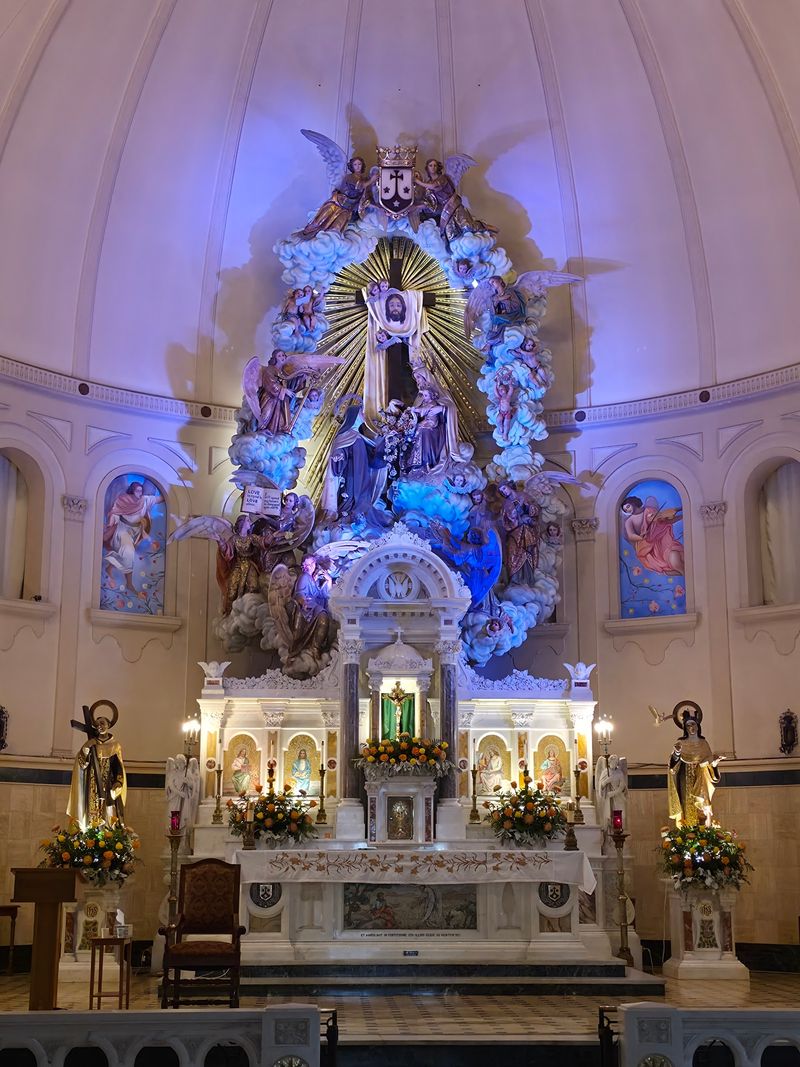
Look up first. That is the advice almost everyone who visits seems to give, and it is good advice, because the interior is large and tall in a way that makes you feel small in the best sense.
The arches sweep overhead with nearly a century of history behind them. Visitors often single out the altar as the showstopper, along with the artwork spread throughout the sanctuary.
One traveler compared the architecture to basilicas they had seen in Spain, which is high praise for a church on a San Antonio side street.
Plenty of modern buildings go for bare walls and plain lines. This place went the other way, with detail layered on detail, and it has never felt the need to apologize for it.
The height alone tells you the builders meant it as a sign of deep devotion.
Give yourself time to sit in a pew and let your eyes wander. You will catch carvings and painted touches on the second or third pass that you missed the first time.
Photographers, bring a wide lens if you have one, and be respectful of anyone praying nearby.
Stained Glass That Paints the Pews
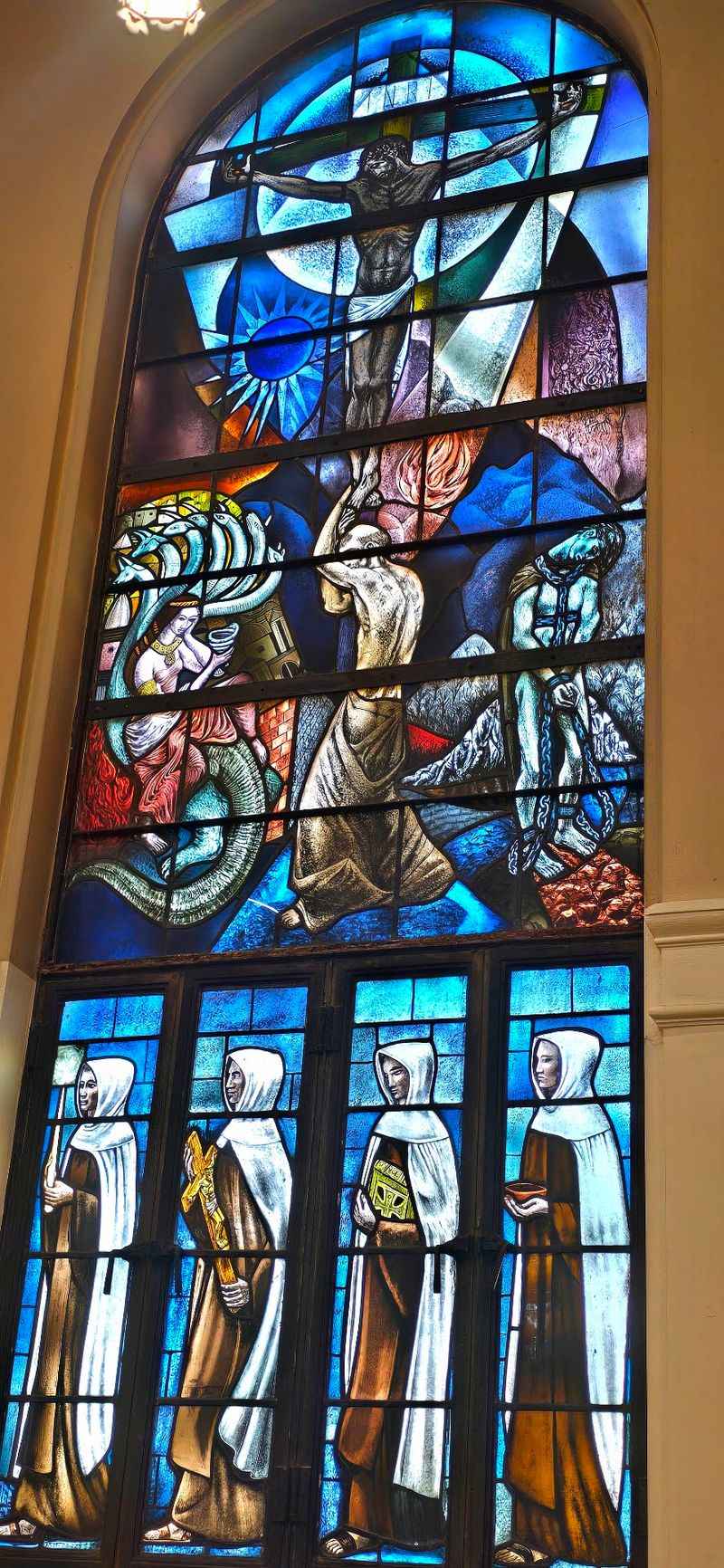
Sunlight does something special in here. When it passes through the stained glass windows, soft color spills across the pews and floor, shifting slowly as the afternoon moves along.
Visitors regularly name the windows as a favorite feature, right alongside the altar and facade. They add warmth to the big, tall space and keep it from ever feeling cold or empty, even on a quiet weekday.
Here is a sweet little bonus. Over at the gift shop, you can find a small glass holy water bottle shaped like a St. Thérèse stained glass window.
It makes a thoughtful keepsake for a grandmother, a godchild, or yourself.
Timing matters if you want the best glow. A sunny morning or early afternoon visit tends to show off the colors well, and the indoor shade is a welcome break from San Antonio summer heat.
Bring patience, find a seat, and watch the light change for a few minutes. It is free entertainment of the most peaceful kind.
Relics, Paintings, and a Replica Tomb
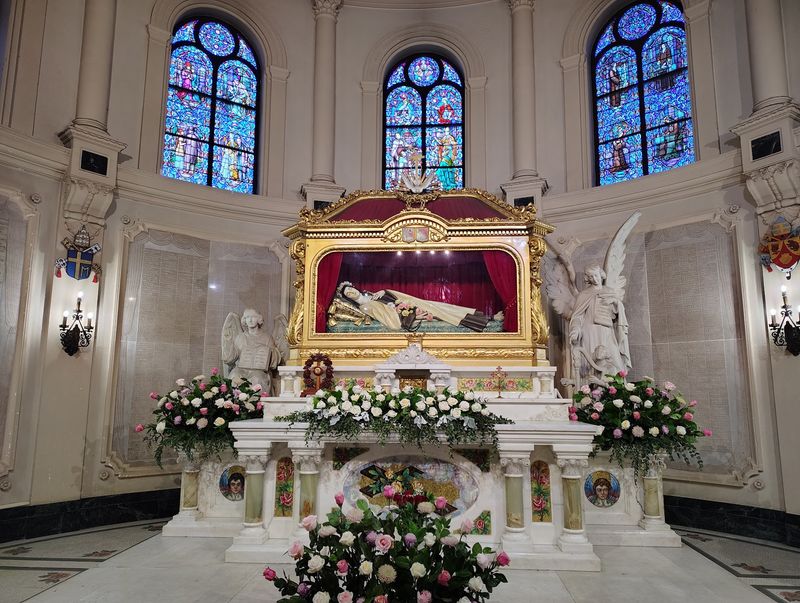
For many pilgrims, the heart of the visit is the chapel holding a replica tomb of St. Thérèse of Lisieux. First-class relics of the saint are kept here, displayed in a ring, and visitors treasure the chance to pray near them.
Special occasions bring even more. On some visits, the relics of St. Thérèse’s parents, Saints Louis and Zélie, have been displayed for veneration.
In 2025, a traveling St. Thérèse reliquary also drew people from out of town.
Art lovers have something too. Large paintings of St. Teresa of Ávila and St. Thérèse, around 8 feet and 6 feet tall, have been shown in the St. Elias chapel during tours.
A favorite story shared by guides says the saint’s own sister helped the artist adjust her face so it would look more accurate.
Some people time their trip for St. Thérèse’s birthday, calling the pilgrimage well worth it. Even if you are not Catholic, the care and devotion surrounding these pieces is touching to witness.
Just keep your voice low and let the room set the pace.
The Day a Pope Came to Zarzamora Street
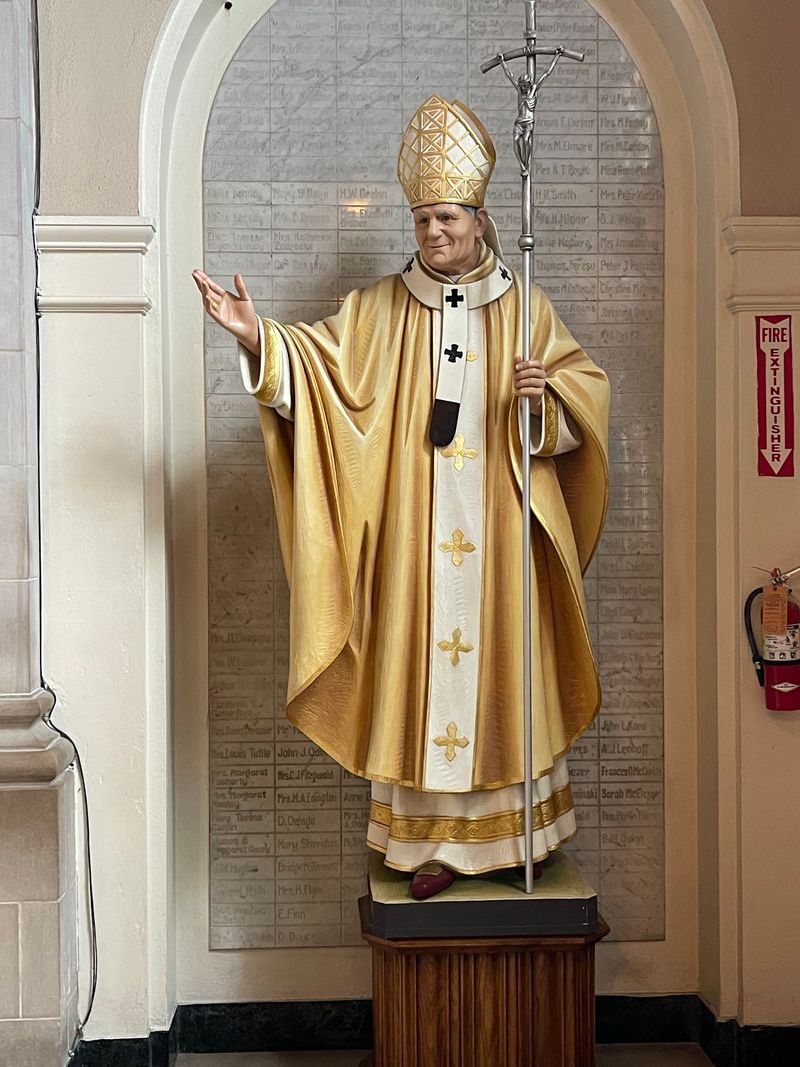
September 13, 1987, is a date San Antonio still talks about. Pope John Paul II visited the city that day, the first and only time a pope has come to San Antonio, and the Shrine of the Little Flower was one of his stops.
That same visit included an outdoor Mass on the city’s Northwest side. It is known as the largest Mass in Texas history, with an estimated crowd of about 350,000 people.
The connection did not end there. On August 27, 1998, the same pope elevated the National Shrine of the Little Flower to the status of a basilica.
That is a rare honor, and it puts this neighborhood church in very special company.
Knowing all this changes how you see the place. You are standing in a spot that welcomed a pope, survived the Depression years, and still opens its doors to anyone who wanders in.
Not bad for a building that so many people discover by accident.
Quiet Pews, Warm Welcomes, and Who Will Love It
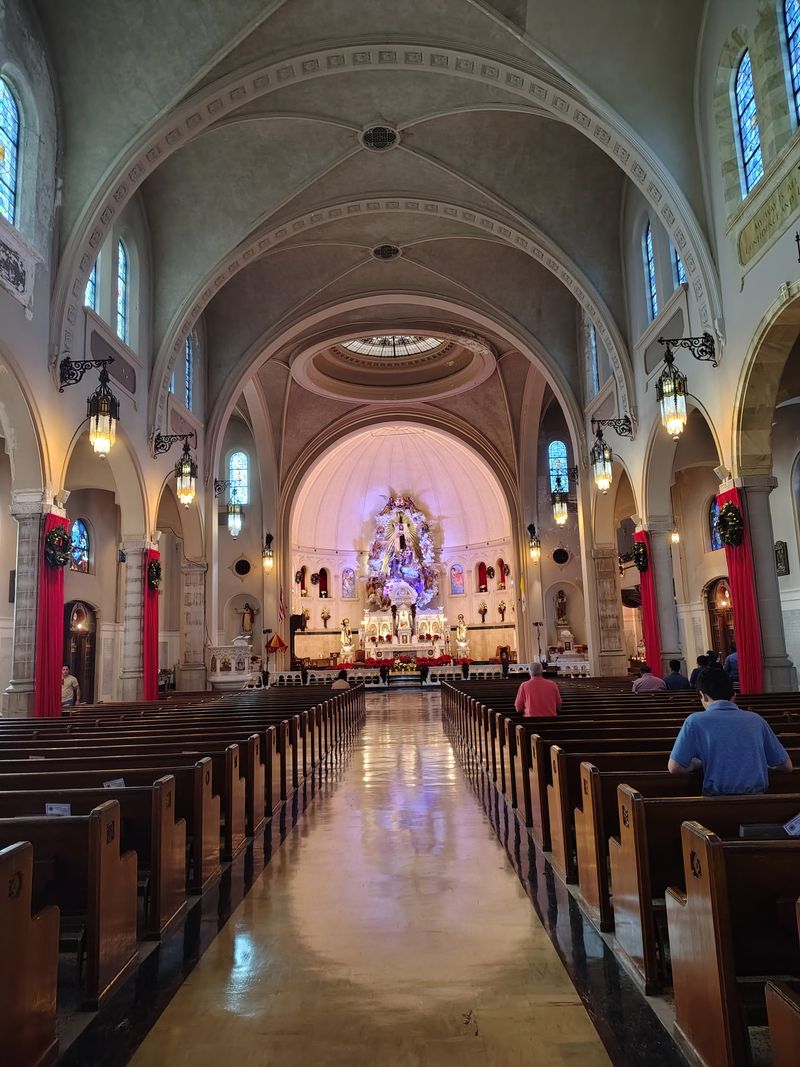
Peace is the word that comes up again and again. Visitors describe the basilica as serene, calm, and deeply moving, a place where the noise of the city seems to fade the moment the doors close behind you.
Families attending Sunday Mass have praised the priest and choir as lovely. Those who appreciate traditional worship mention that communion can be received at the communion rail, either kneeling or standing.
Confession is often offered before Mass as well.
Who will enjoy it most? History fans, architecture buffs, and anyone on a faith pilgrimage will feel right at home.
Road-trippers who like quiet, old-school places that have not been dressed up for social media will find plenty to admire too.
Some folks note that the pews can be fairly empty at certain Masses, which makes for a hushed, personal visit. Others say the building shows its age and could use some care.
Honestly, that worn-in feel is part of the appeal, and work to preserve it is already underway.
Hours, Tours, and the Little Flower Gift Shop
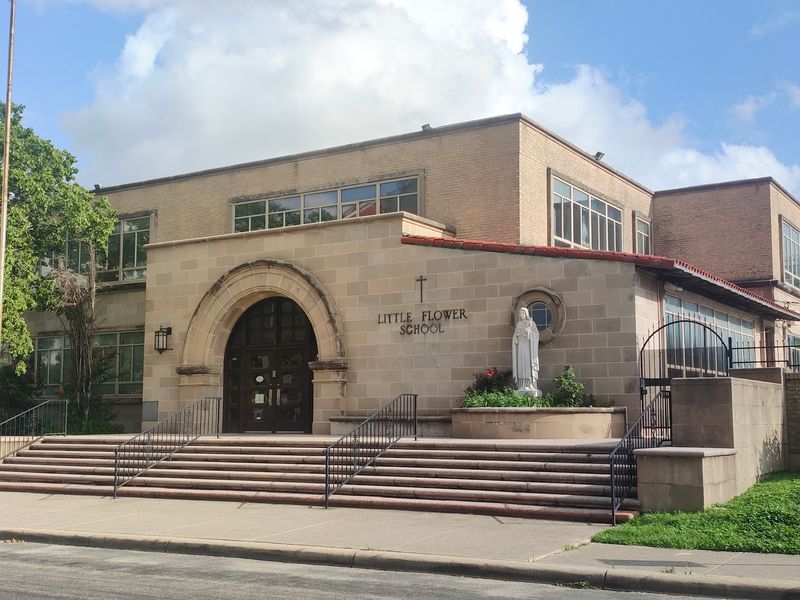
Planning ahead pays off, because hours here are shorter than you might guess. Listed hours run Wednesday through Friday from 10 AM to 1 PM, Saturday from 10 AM to 6:30 PM, and Monday from 11:30 AM to 1 PM.
Tuesday adds an evening window, with 11:30 AM to 1 PM plus 6 to 7 PM. Sunday offers 7:30 AM to 1:30 PM and again from 5 to 7 PM.
Visitors mention the church is generally open about 30 minutes before and after Mass, though times can change, so calling 210-735-9126 or checking littleflowerbasilica.org first is smart.
Tours are a real treat. The secular Carmelite order has offered informative tours that cover the basilica’s history, and locals call them highly recommended.
Some have even opened spaces like the St. Elias chapel to the public.
Do not skip the gift shop behind the basilica. The ladies running it are known for being helpful and full of information.
You can find books, medals, rosaries, rose petal bookmarks, and even get your holy water bottle filled.
Worth Every Mile, and Worth Saving
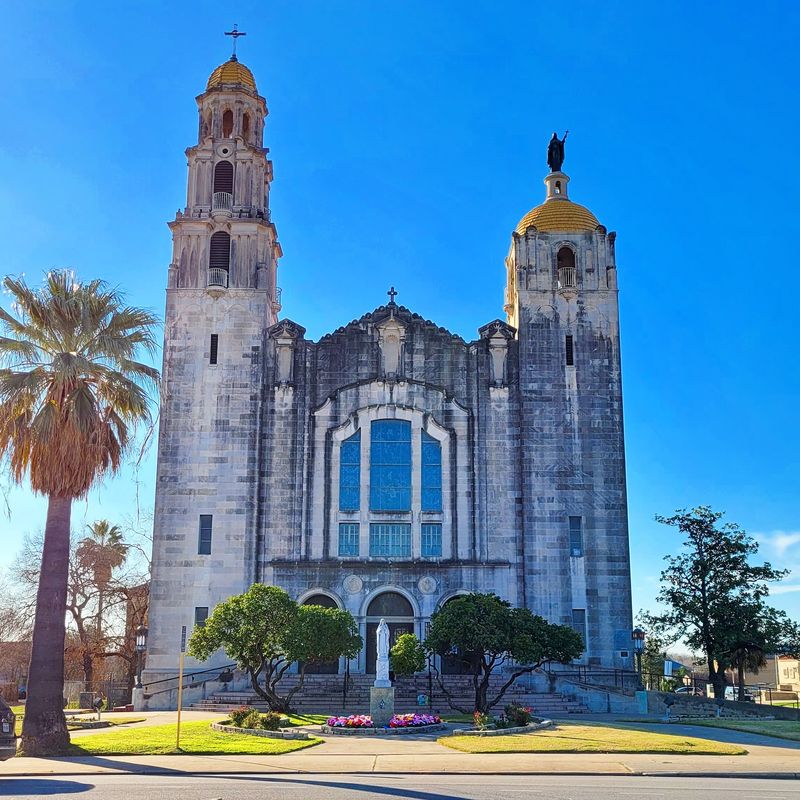
Old buildings need friends, and this one is lucky to have many. Since 2022, the basilica has shared a Historic Master Plan of Preservation with the community, and fundraising efforts continue to help restore it.
Several visitors encourage anyone who can to give to the restoration fund. It feels fitting, really.
The church was built with donations from ordinary people during the Depression, and ordinary people are stepping up again to keep it standing strong.
So is it worth the drive? For anyone who loves Texas history, sacred art, or simply a quiet hour away from the rush, the answer leans hard toward yes.
There is no ticket booth listed, no glossy upgrades, just arches, colored light, and a story that keeps unfolding.
Go on a weekday morning, or catch a Sunday Mass if you want to hear the choir. Then sit a while longer than you planned.
Chances are you will leave the way so many others have, already thinking about the next visit.