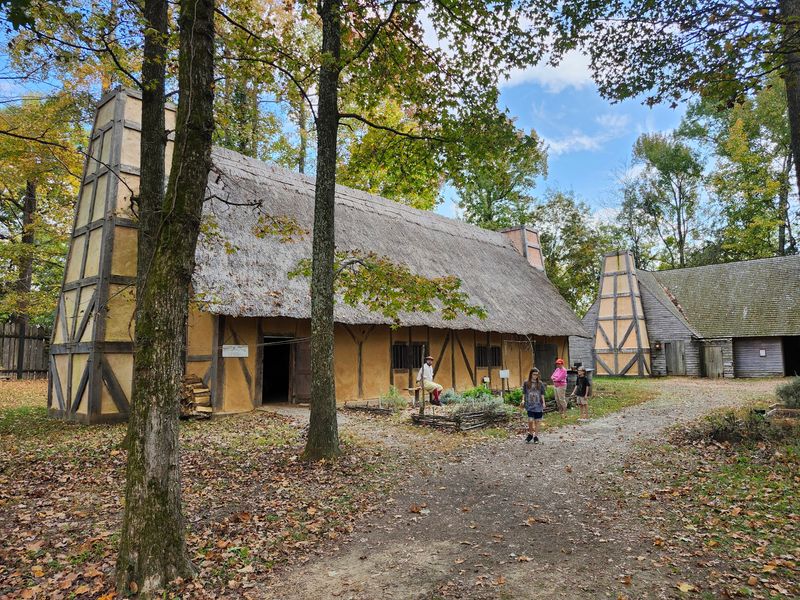
A hospital nicknamed Mount Malady once stood on a bluff above the James River. Today, a careful replica of it stands there again, and you can wander right through it.
That’s only one stop inside a re-created English settlement founded in 1611. The original town came along just four years after Jamestown.
It also played a big part in the story of Pocahontas, who was baptized here and given the name Rebecca.
Costumed interpreters work the grounds, ready to talk blacksmithing, farming, and daily life in the 1600s. Hogs, goats, and chickens wander nearby, which feels about right for a colonial town.
I love that a slice of Virginia history this rich sits beside quiet trails and river overlooks, mostly off the radar. So why do so many people living nearby still drive right past it without a second look?
A Riverside Bluff Where Colonial Virginia Comes Back to Life
Henricus Historical Park sits on a high bluff in Chesterfield County, Virginia, where the James River takes a dramatic bend. It is a living-history museum that re-creates the English settlement founded on this spot in 1611.
The address says Chester, though the setting feels a world away from strip malls and traffic lights. Trees, marsh, and open water frame the whole place beautifully.
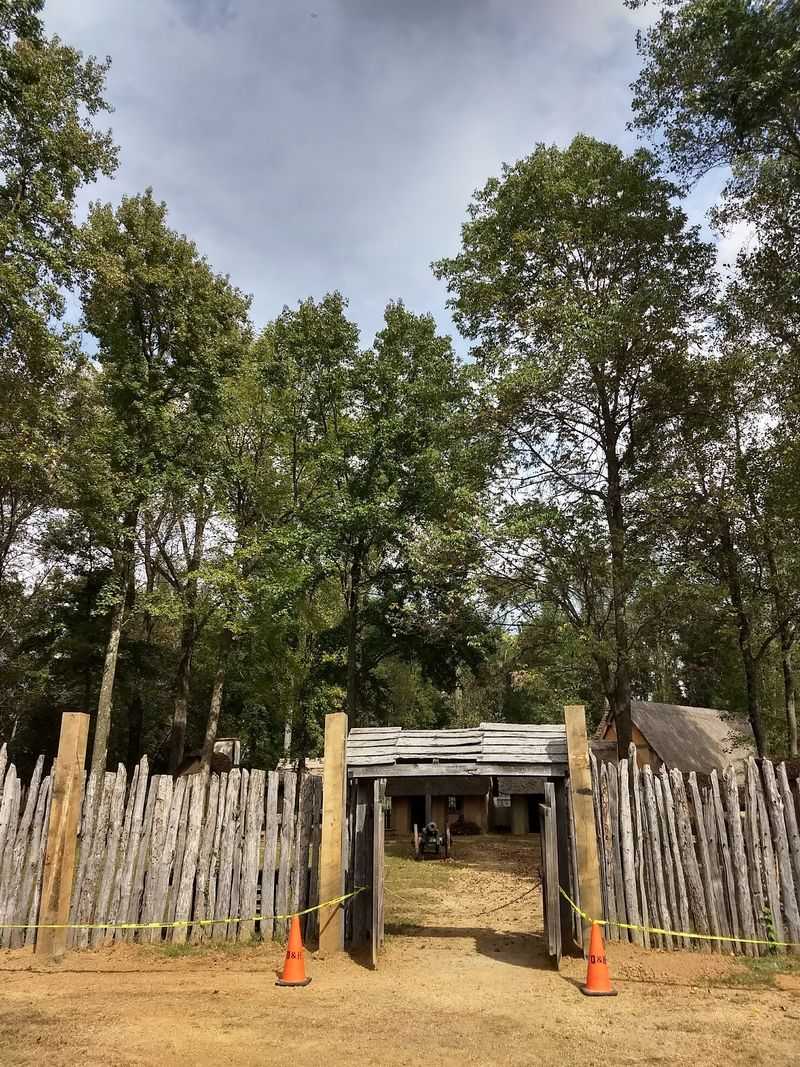
Inside a palisaded wall, you’ll find replica buildings, costumed interpreters, and farm animals going about their colonial business. Outside that wall, a wide conservation area stretches along the river.
That combination gives the park two personalities at once. One half is a history classroom with mud on its boots, and the other is a peaceful nature escape.
The site honors far more than one busy decade, too. It marks over 400 years of stories, from the first English hospital to the earliest push for an English college.
Richmond sits a short drive north, which makes the park easy to slot into a day trip. Few attractions this close to a city feel quite this removed from it.
Sir Thomas Dale’s Bold Plan for a Second Settlement
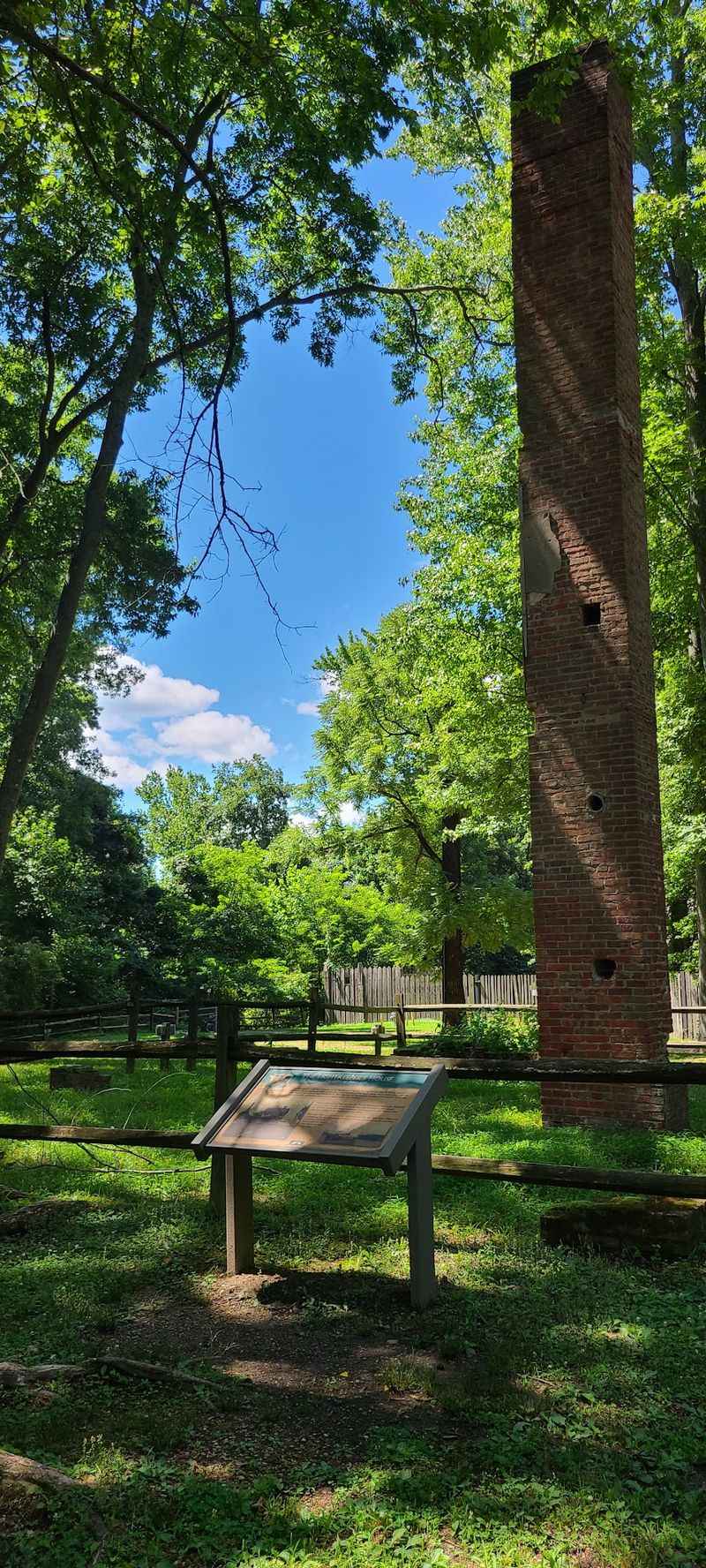
Jamestown gets the textbooks, but it had company surprisingly fast. In 1611, Sir Thomas Dale founded the Citie of Henricus as the second successful English settlement in North America.
Dale picked this bluff upriver from Jamestown for good reasons. High ground above a river bend offered a strong lookout and room to grow.
The settlement was named for Henry, Prince of Wales, and it carried big ambitions. Plans for a college, a hospital, and farmland all took shape here.
Some of those firsts are why the park matters so much today. The charter for the first English college in North America is part of the story told on these grounds.
Life here was hardly smooth, of course. In 1622, the town was among those attacked under Chief Opechancanough, a hard turn in the settlement’s story.
Walking the re-created paths helps those dates feel less like trivia. You get a real sense of how small, exposed, and determined this outpost once was.
It’s a big chunk of Virginia history packed into a few acres. Honestly, it deserves far more attention than it gets.
The Chapter of Pocahontas Most People Never Learned
Few names from early America carry more weight than Pocahontas. Fewer people know that a key chapter of her life unfolded right here at Henricus.
She was brought to the settlement, where she was baptized and given the name Rebecca. That moment became one of the most talked-about events in colonial Virginia.
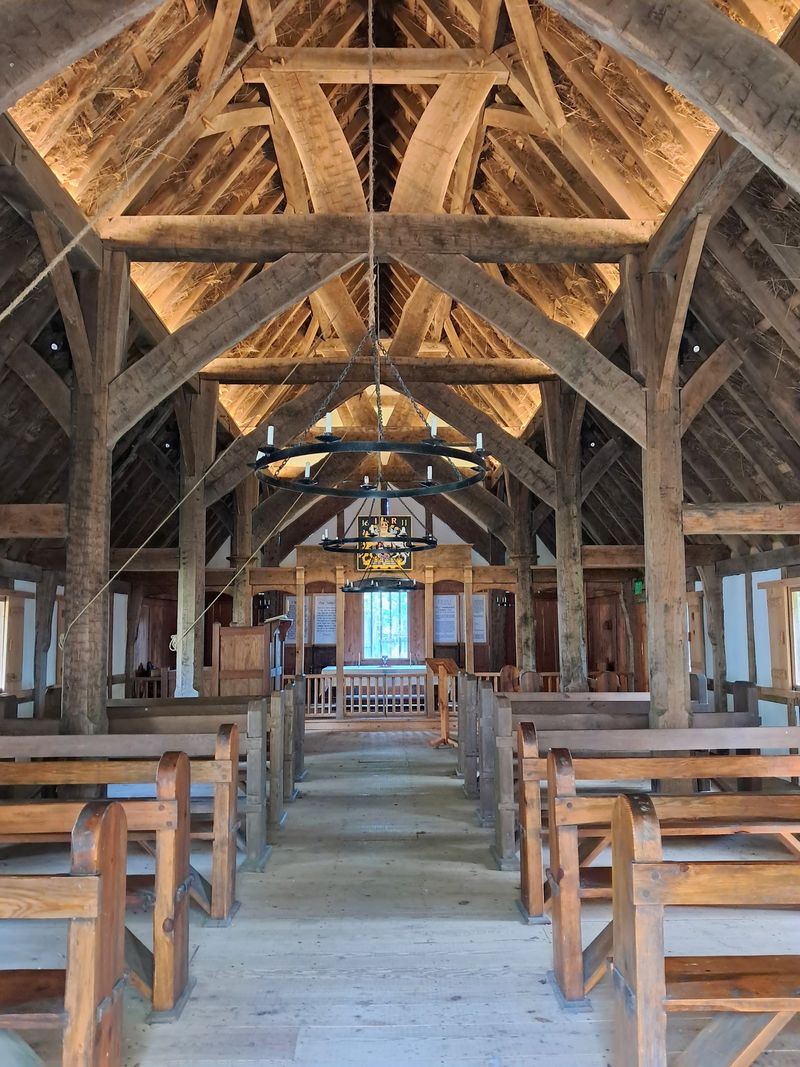
Henricus Historical Park keeps that story front and center. The re-created church is where much of it comes into focus for visitors today.
A hand-made wooden replica of her baptismal font is part of the experience. Seeing it in person makes a famous name feel a lot more human.
The church itself is simple and spare, built in the style of the early 1600s. That plainness actually helps, since nothing distracts from the story it holds.
Interpreters can share context that cartoons and movies tend to skip. Her story involves two cultures meeting, clashing, and changing each other in real time.
Ask questions here, and you’ll likely leave with a fuller picture. It’s history with real people at the center, not a fairy tale.
Mount Malady, the Hospital With an Unforgettable Name
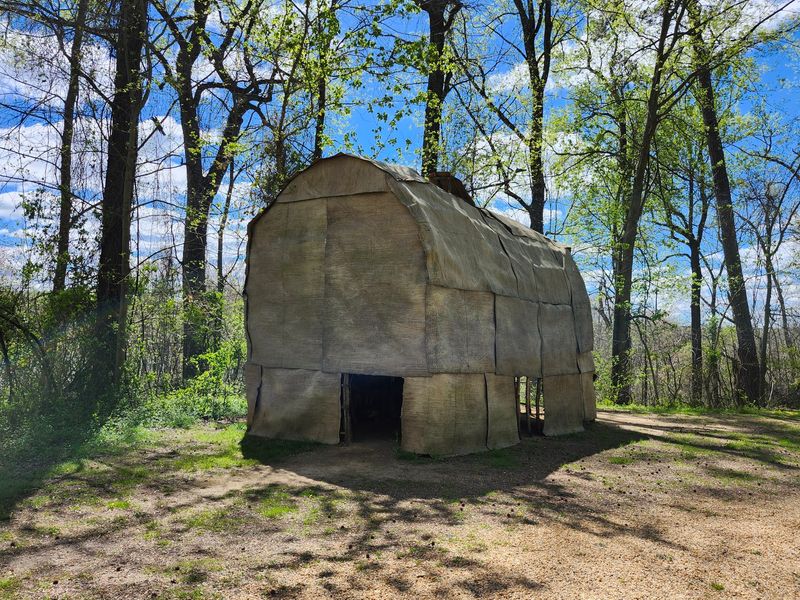
Mount Malady might be the most delightfully gloomy name in American history. It belonged to the first European-style hospital in English North America, and its re-creation stands at Henricus.
The name sounds like a spooky theme park ride, yet its purpose was surprisingly forward-thinking. Settlers needed a place to recover from illness and injury in a tough new land.
Building a dedicated hospital in such an early outpost says a lot about the settlement’s ambitions. Henricus was planned as a real town, not just a quick camp.
The replica gives visitors a look at how care worked in the early 1600s. Expect plenty of ‘glad I live now’ moments as you take it all in.
It’s one of the buildings that sparks the most questions, especially from kids. Medicine before modern science is odd, fascinating, and just a little bit gross.
Ask an interpreter what treatments looked like back then. The answers tend to stick with you much longer than any textbook chart.
For history fans, this is a genuine first worth seeing. It’s not every day a replica marks a milestone for an entire continent.
Fourteen Rebuilt Structures Inside the Palisade
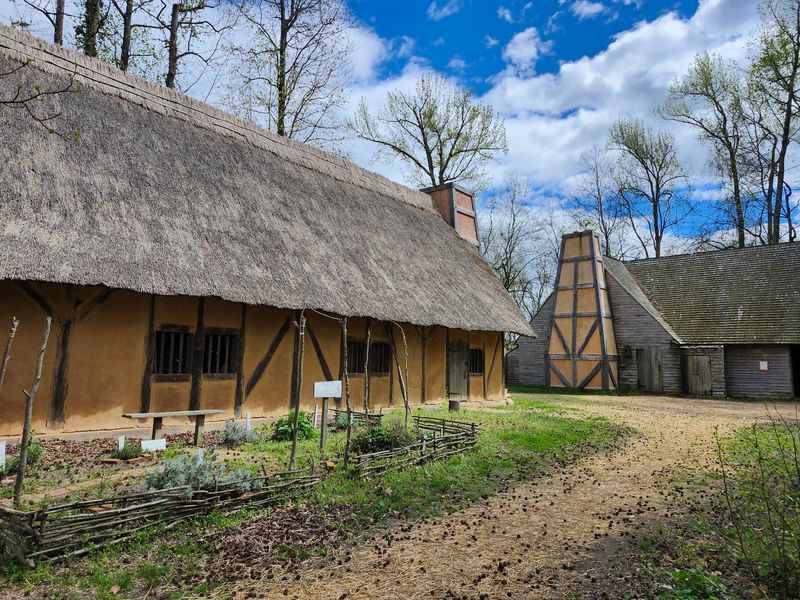
Fourteen carefully re-created 17th-century structures fill out the grounds of Henricus Historical Park. Each one shows a different slice of how settlers worked, prayed, and lived.
A soldier’s house gives a peek at the cramped quarters of the men guarding the town. Nearby, a blacksmith’s forge shows where tools and hardware took shape by hand.
The church meeting hall served both faith and community business. In a settlement this small, one room had to handle a lot of jobs.
Look closely at the construction, too. Thatched roofs, wattle-and-daub walls, and post-and-beam framing reflect building methods from early 17th-century England.
Restrooms sit inside the fort area too, within the building known as the Ordinary. That’s one modern perk the original settlers surely would have envied.
The fort is larger than many first-timers expect. Give yourself time to wander between buildings instead of rushing to check boxes.
Every structure adds another layer to the story. Together, they make a 400-year-old town feel surprisingly walkable.
Arrohateck and the Powhatan World Beside the Fort
English settlers didn’t arrive in an empty landscape. The Powhatan people were already well established along the James River long before Dale’s ships appeared.
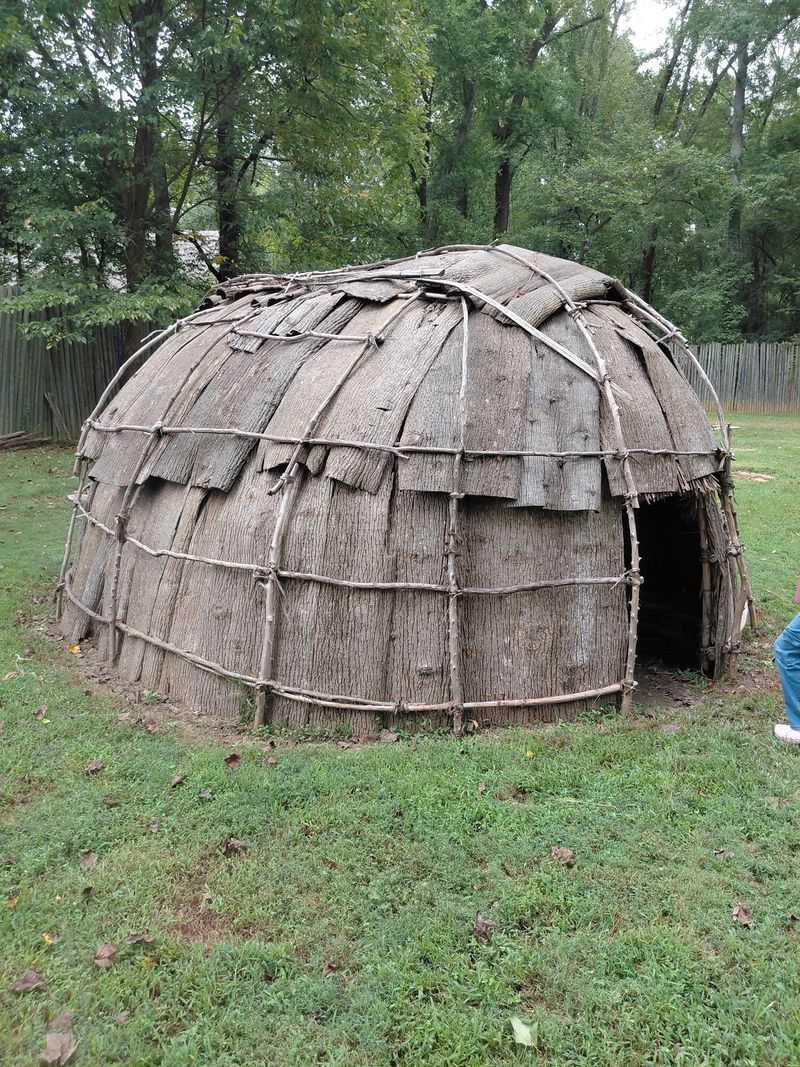
Henricus Historical Park honors that reality with a re-created American Indian town called Arrohateck. It gives visitors a chance to see the region through a very different lens.
Interpreters share insights into Virginia Indian life, from daily routines to farming and crafts. The contrast with the English fort nearby is striking and thoughtful.
Seeing both communities side by side changes how the whole story lands. You begin to understand the trade, tension, and exchange that shaped early Virginia.
The hands-on side of this area gives curious kids plenty to explore. Tools and techniques make abstract history feel tangible and real.
Pocahontas herself came from this wider Powhatan world. Knowing that makes her chapter at the church carry even more weight.
It’s also a reminder that the past had more than one point of view. That balance is a big part of what makes this park worth the trip.
Plan to linger here rather than treating it as a quick detour. The details reward anyone willing to slow down and ask.
Costumed Interpreters Who Never Run Out of Answers
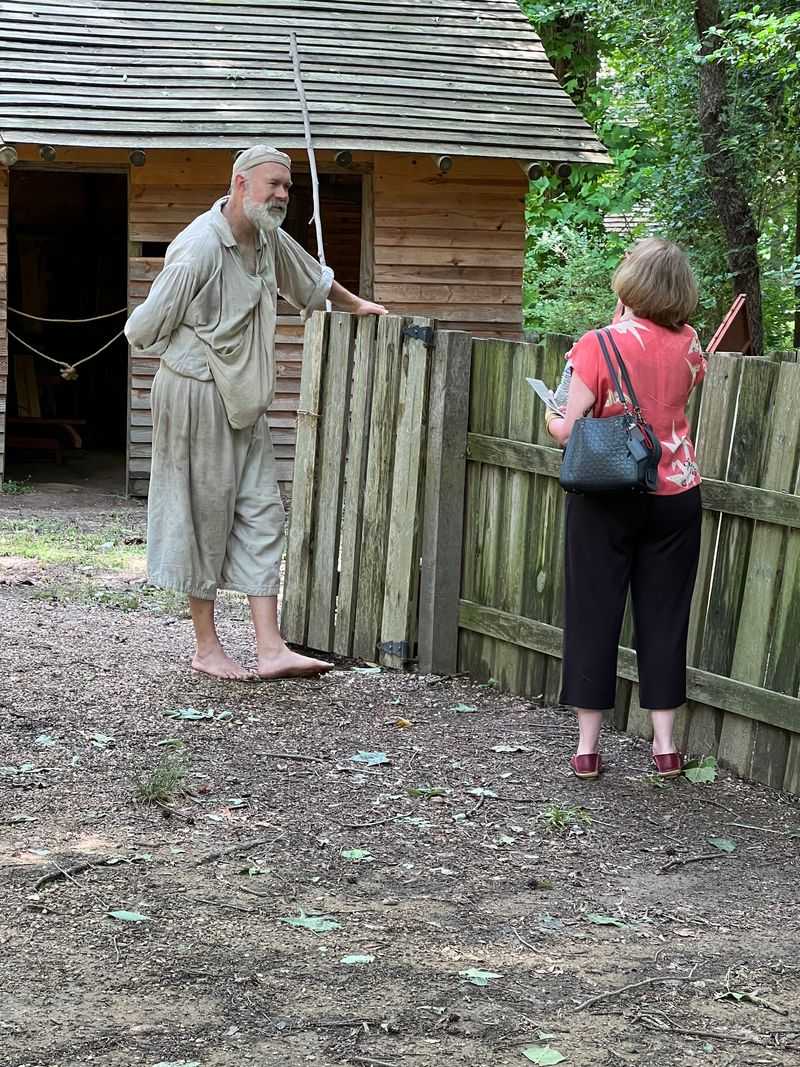
Ask one simple question here, and you might get twenty minutes of fascinating detail back. The costumed interpreters at Henricus Historical Park are the real engine of the place.
They demonstrate blacksmithing, cooking, and farming while sharing stories of daily life. Musket firings add some noise and drama to certain demonstrations, too.
Many of them stay in character, which makes the whole fort feel lived in. It’s a little like stepping into a play where you’re allowed to interrupt the actors.
Kids can pepper them with questions, and adults can go deep on the details. There’s room for both quick curiosities and long conversations about the 1600s.
Each building may highlight a different topic, from livestock to church life. Moving between them feels like flipping chapters in a living book.
Quieter days offer even more chances for one-on-one chats. Plan for extra time, because it’s easy to lose track of the clock here.
Three hours can vanish quickly on these grounds. Pack snacks, since no lunch is sold on-site.
Good interpreters turn buildings into stories. That’s exactly what happens here, one conversation at a time.
Hogs, Goats, and a Few Feathered Residents

Not every resident of Henricus wears a costume. Hogs, goats, and chickens live on the grounds, adding real farm life to the colonial scene.
The animals help show how settlers fed themselves and managed land. Farming wasn’t a hobby in 1611, it was survival.
Look, but don’t touch. The historical farm animals aren’t for petting, so enjoy them from a respectful distance.
Plenty of other interactive features make up for it. Visitors can try on period clothing, play colonial games, and learn about 17th-century tools and technologies.
That mix makes the park a strong pick for school-aged kids. Learning sticks better when you can actually hold, wear, or play with it.
Pet owners should know the rules, too. Dogs are welcome in the surrounding conservation area, but living history areas may carry restrictions, so check before heading inside.
Trash cans are scarce, so plan to carry out what you bring. Local wildlife would love nothing more than an unattended snack wrapper.
Between animals and hands-on fun, younger visitors rarely run short of things to see. Parents may enjoy it just as much.
Special Events That Stretch Across the Centuries
History at this bluff didn’t stop with the first settlers. The site also carries stories from the American Revolution and the 1860s, which come alive through special events and programs.
One seasonal favorite is Christmas Around the Centuries. Costumed actors share how the holiday was celebrated in their particular time period.
It’s a clever twist on a holiday outing. Instead of another light display, you get traditions that span hundreds of years.
Special events can follow their own admission rules, unlike regular visits. Food and drinks at certain events are sold separately, and sales are cashless.
Preregistered programs bring deeper learning to groups and families. Educational offerings are a core part of what the park does.
Check the official calendar before planning around a specific event. Schedules can shift, especially with construction work coming to the area.
A visit timed with an event can feel very different from a quiet weekday wander. Both are worth trying if you live nearby.
Repeat trips reveal new layers each time. That’s a rare treat for a place this close to home.
An 810-Acre Backyard Built for Trails and Birdwatching
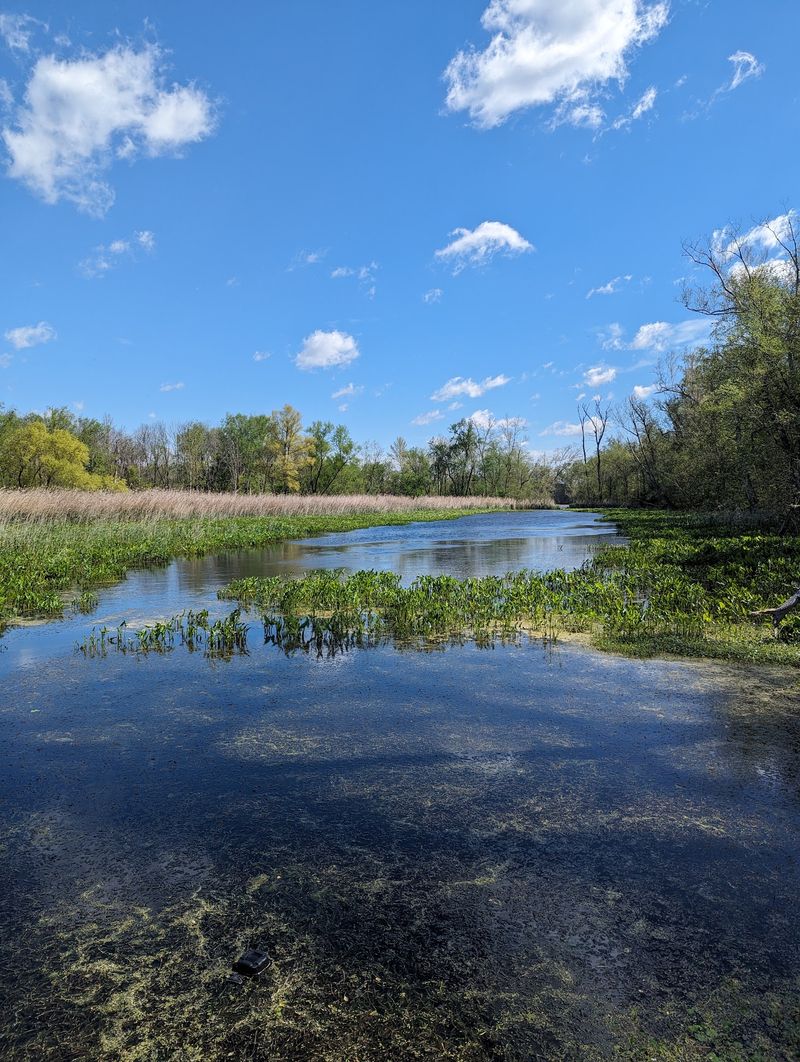
Eight hundred and ten acres of protected land surround the fort. The Dutch Gap Conservation Area wraps Henricus Historical Park in trails, marsh, and river views.
Hikers, anglers, and birdwatchers all have reasons to stick around. The James River makes a scenic backdrop for nature walks of nearly any length.
Bluff overlooks and dock access add even more variety. A pull-off along the entrance road leads to a dock stretching into the marsh, ideal for quiet observation.
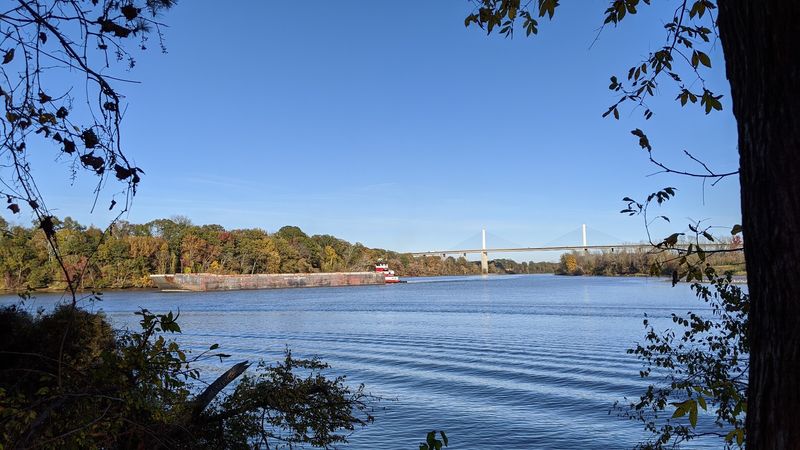
Head out the back gate of the historic area for a view of the river. You’ll also spot the I-295 bridge, a modern contrast to the thatched roofs behind you.
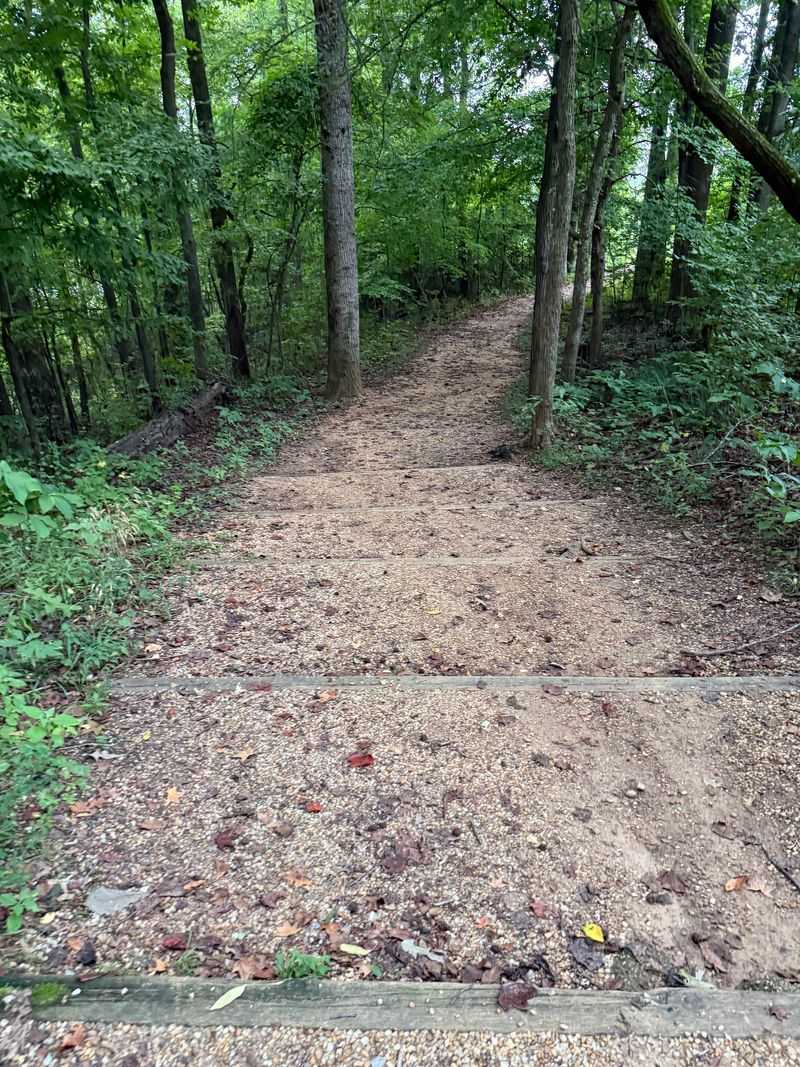
Trails begin near the welcome center, and the conservation area keeps regular park hours from dawn to dusk. It’s a nice option when the history side is closed.
Picnic tables are available, so bring lunch and make a day of it. Deer sometimes appear near the park, a little bonus for sharp eyes.
Pairing a fort tour with a trail walk is a smart move. Your brain gets history, and your legs get exercise.
An Outdoor Adventure That Rewards a Little Planning
Almost everything at Henricus happens outdoors. That’s part of the charm, but it also means the weather matters more than you might expect.
Cold days can feel chilly when you’re walking between buildings along the river. Warmer months make it easier to linger and chat with interpreters.
Comfortable shoes are a must, since the grounds cover a good amount of space. Accessible walking paths help, and a golf cart can be arranged in advance for visitors with limited mobility.
History buffs will feel right at home here. Families with curious kids will find plenty of hands-on moments to keep everyone engaged.
Homeschool groups, field trips, and road trippers all fit the profile too. Drivers on I-95 can pass the historic ‘Citie of Henricus’ road sign without realizing what’s nearby.
The mood is relaxed and unhurried rather than flashy. There are no thrill rides, just real stories told by people who care.
Give yourself at least two or three hours for a full visit. Rushing through would be like reading only the first page of a great book.
Hours, Admission, and the Best Part About the Price
Free history is a rare find, and Henricus Historical Park delivers. General entry to the grounds has recently been free, while special events and certain programs can carry their own fees.
Admission policies have shifted over the years, so double-check before you go. Children four and under have traditionally entered free, and members enjoy free admission as well.
The park also takes part in the Museums For All program. That offers free admission to visitors receiving SNAP benefits, though school programs are excluded.
Active and retired military families may qualify for discounts on paid offerings. It’s a thoughtful touch worth asking about.
Current listed hours run Thursday through Sunday, 10 a.m. to 4 p.m. The site is closed Monday through Wednesday, so plan a late-week or weekend trip.
Hours have changed before, and construction plans will affect them again. A quick check of the official schedule saves you from a disappointing drive.
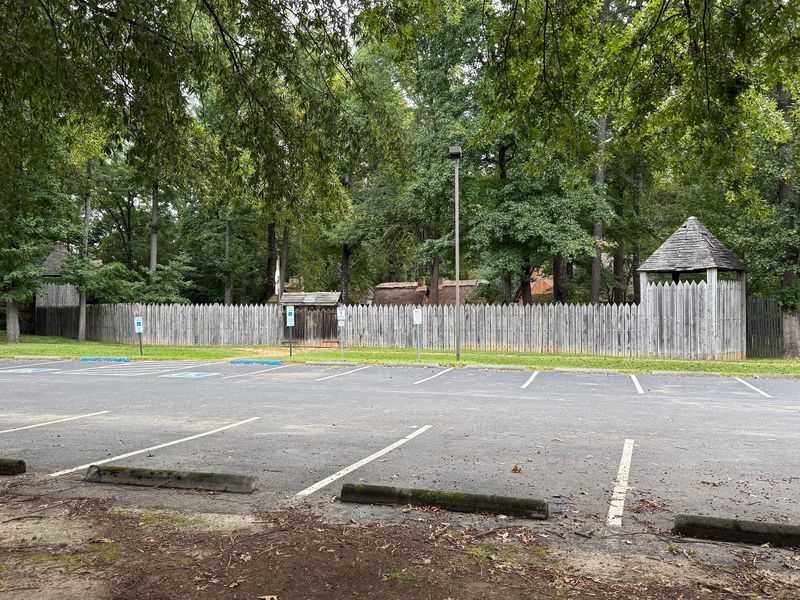
Free parking is available on-site, which is another win for your wallet. Few outings around Richmond offer this much for so little.
Directions, Parking, and a Big Construction Heads-Up
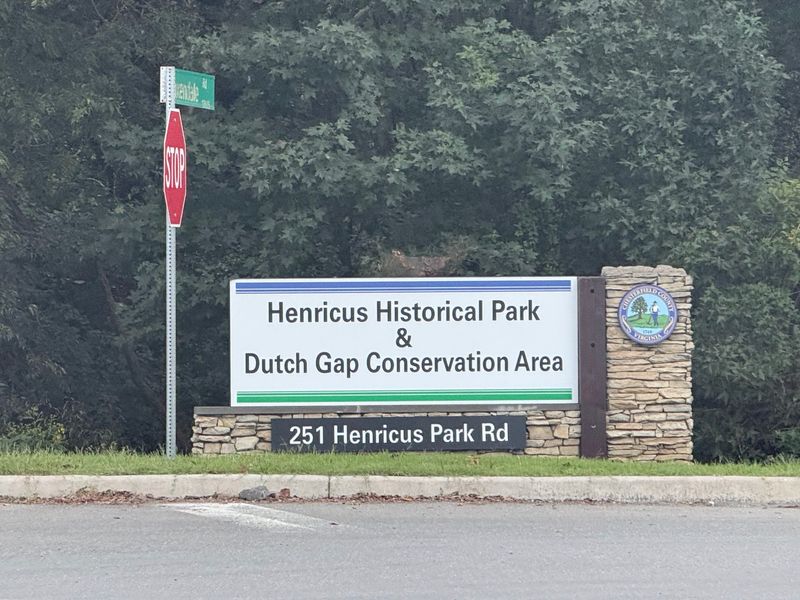
GPS can get you close, but signs do the rest. Henricus Historical Park sits at 251 Henricus Park Road in Chester, Virginia 23836.
The drive passes an active industrial and water treatment area with truck traffic. Don’t worry, because the park itself feels peaceful once you arrive.
Take extra care at the multi-way stop near the train crossing. Follow the posted signs as you get close rather than relying only on your phone.
Now for the big news. Living history operations inside the walls are set to pause after November 7, 2026, for a new bridge and the Dutch Gap Parkway.
Replica buildings will get repairs during that stretch. Limited visits, including self-guided tours and preregistered programs, are expected to resume in spring 2027.
Full operations aren’t anticipated until late 2029. The conservation area stays open dawn to dusk, though parking will be significantly impacted.
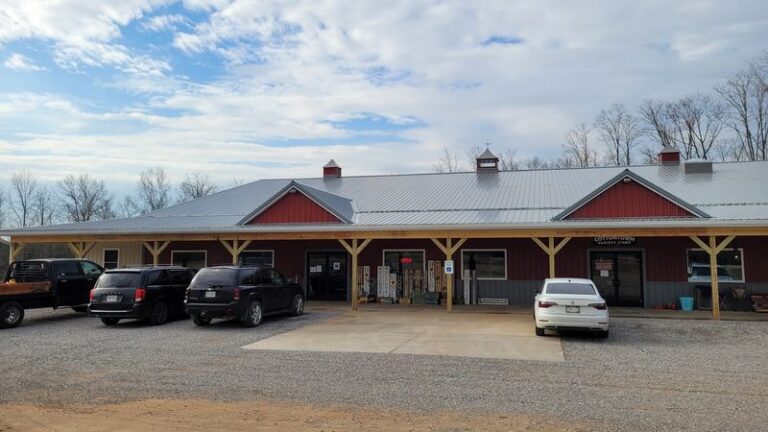
Restrooms sit near the gift shop, and picnic tables are ready for lunch. Visiting before the pause begins is a smart idea.
Richmond sits just to the north, making this an easy half-day outing. Interstate 95 and I-295 both run close by.
A Free Slice of 1611 Worth Discovering Soon
Quiet places can hold the biggest stories. Henricus Historical Park proves it with thatched roofs, a hospital called Mount Malady, and a church tied to Pocahontas.
It’s rare to find this much Virginia history in one spot. Rarer still is finding it with free entry and free parking on regular days.
The interpreters bring every building to life with stories and skills. The animals, games, and period clothing keep younger visitors busy and smiling.
Then there’s the bonus of 810 acres of trails and river views. You can wrap up a history lesson with a peaceful nature walk.
With construction pauses on the horizon, timing matters more than usual. Catching the full living history experience soon is a wise move.
Even during the pause, the conservation area remains a lovely escape. And once the fort fully reopens, its repaired buildings should look ready for another chapter.
Locals who’ve driven past for years have a real treat waiting. Bring good shoes, a packed lunch, and plenty of questions.
The year 1611 is closer than you think. It’s just a short drive from Richmond.