I went looking for a quick bike ride in southern Illinois and ended up losing a whole afternoon to a path I had barely heard of. There was no fancy entrance and no big sign shouting for attention, just a quiet gravel line slipping into the trees.
Mile after mile, my legs kept waiting for a brutal hill that simply never showed up. If you love easy riding, deep woods, and the thrill of finding something most people drive right past, keep reading.
A Rail Line Reborn in the Shawnee Hills
Picture a long, skinny ribbon of gravel stretching across the bottom of Illinois, tucked between farm fields, rocky bluffs, and thick hardwood forest. That ribbon is Tunnel Hill State Trail, a former railroad corridor that now belongs to bikers, walkers, and anyone who likes a slow pace.
The trail typically runs roughly 45 miles or more, linking a string of small southern Illinois communities from the Harrisburg area down toward Karnak. Along the way it slips past the edge of the Shawnee National Forest region, which gives the whole route a wild, tucked-away feel.
Most riders come for one simple reason. Trains needed a level path, so the ground beneath your tires stays remarkably flat for an outdoor route in this hilly corner of the state.
Think of it as a hidden hallway through the woods. You will not find roller coasters or water parks here, just quiet miles, birdsong, and the crunch of gravel under your wheels.
For families who like discovering spots their friends have never heard of, this trail feels like a well-kept local secret. It sits far from the crowded Chicago lakefront paths, and that distance is a big part of the charm.
Echoes of the Old Railroad Days
Long before helmets and water bottles, steam and diesel engines rumbled along this same corridor. Trains once carried freight and passengers through these hills, connecting small towns that depended on the rails for almost everything.
When rail traffic faded, the tracks went quiet. Instead of letting the land disappear into brush, Illinois turned the old line into a state trail, a project that gave the corridor a second life.
That history explains a lot about how the trail feels today. Railroad builders hated steep grades, so they cut through hills, filled in hollows, and built bridges over creeks to keep things level.
Riding it now, you are basically following the careful math of engineers from generations ago. Every gentle curve and steady stretch is a leftover from the days when a heavy train could not afford to climb.
Some riders like to imagine a whistle sounding somewhere ahead in the trees. It is a fun thought to carry along, especially for kids who love trains and get a kick out of pedaling where an engine once rolled.
Why Your Legs Will Thank You
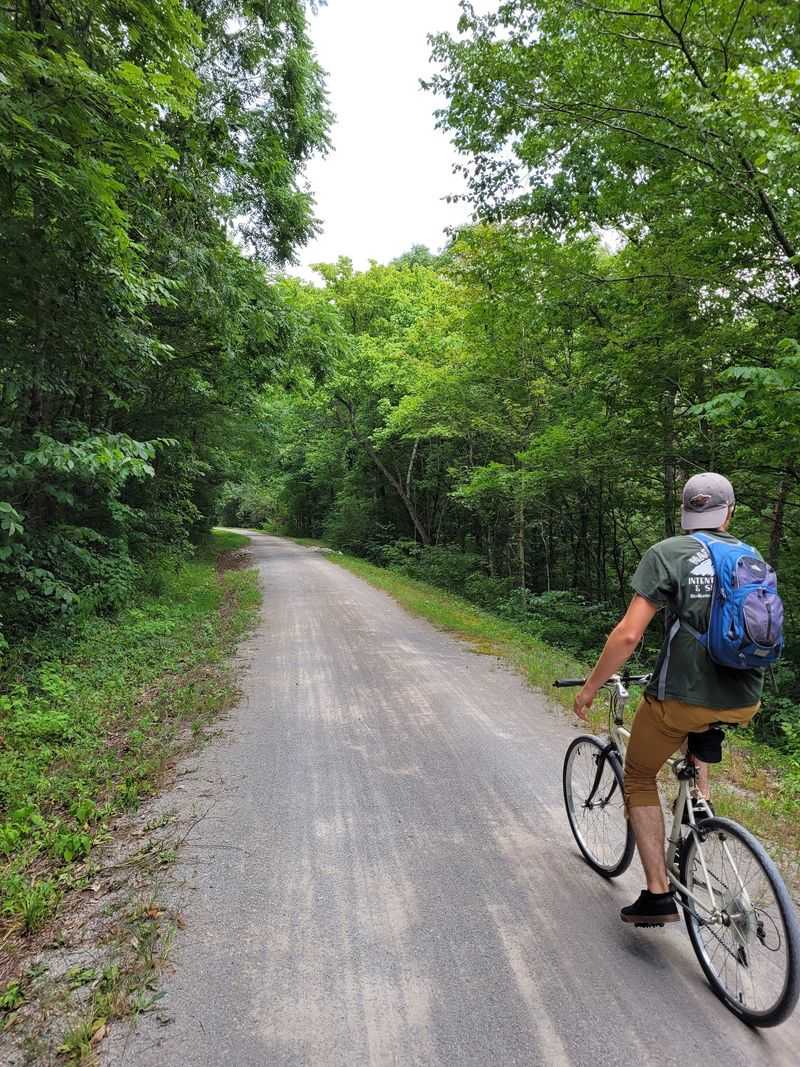
Here is the best news for anyone who dreads hills. Old railroad grades usually stay very gentle, often rising only a percent or two, which means the climbs you notice are slow and mild rather than leg-burning.
That steady terrain changes the whole experience. Instead of staring at the ground and gasping, you can look around, chat with your riding partner, and actually enjoy the scenery.
Casual riders often find they can cover far more distance than they expected. A ride that would wear you out on hilly country roads can feel surprisingly manageable here.
Grandparents, new cyclists, and kids with small bikes all tend to do well on this kind of surface. Nobody gets left behind at the bottom of a grade, and nobody has to walk a bike up a steep slope.
Of course, flat does not mean effortless if you plan a very long day. Wind, heat, and sheer mileage still add up, so pace yourself and take breaks when you need them.
The Tunnel That Named the Trail
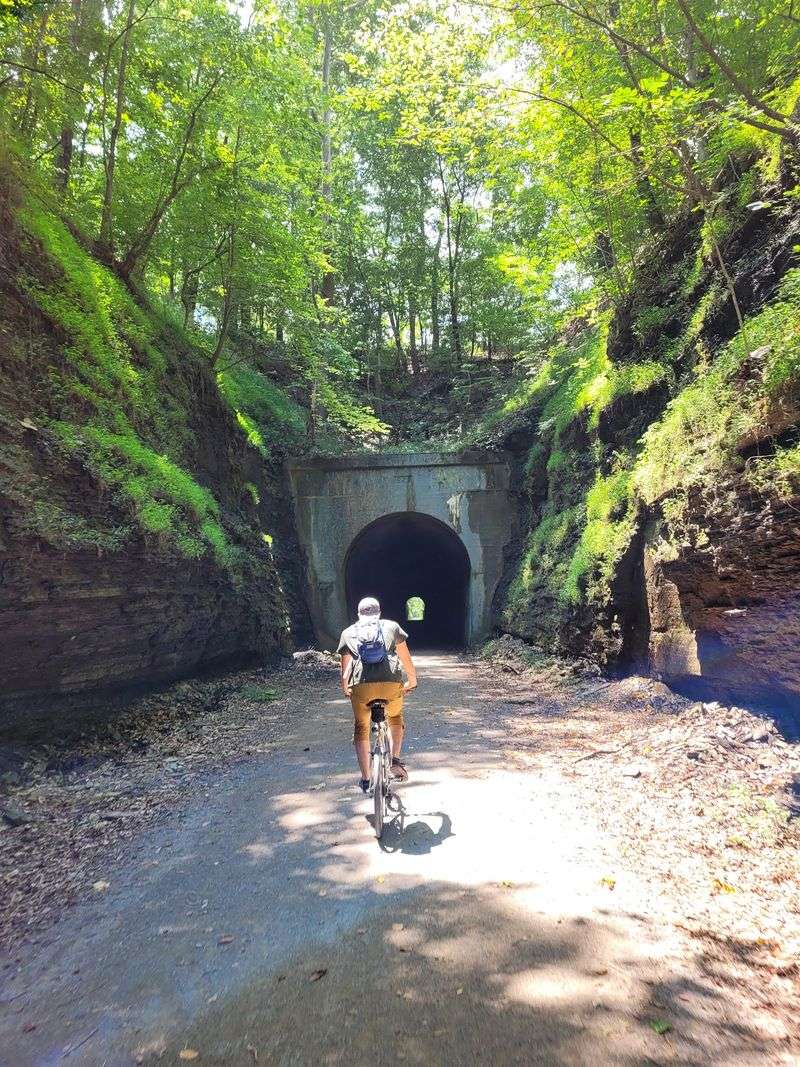
Ever ridden a bike straight through a hill? On this trail you can, and that tunnel is exactly where the name comes from.
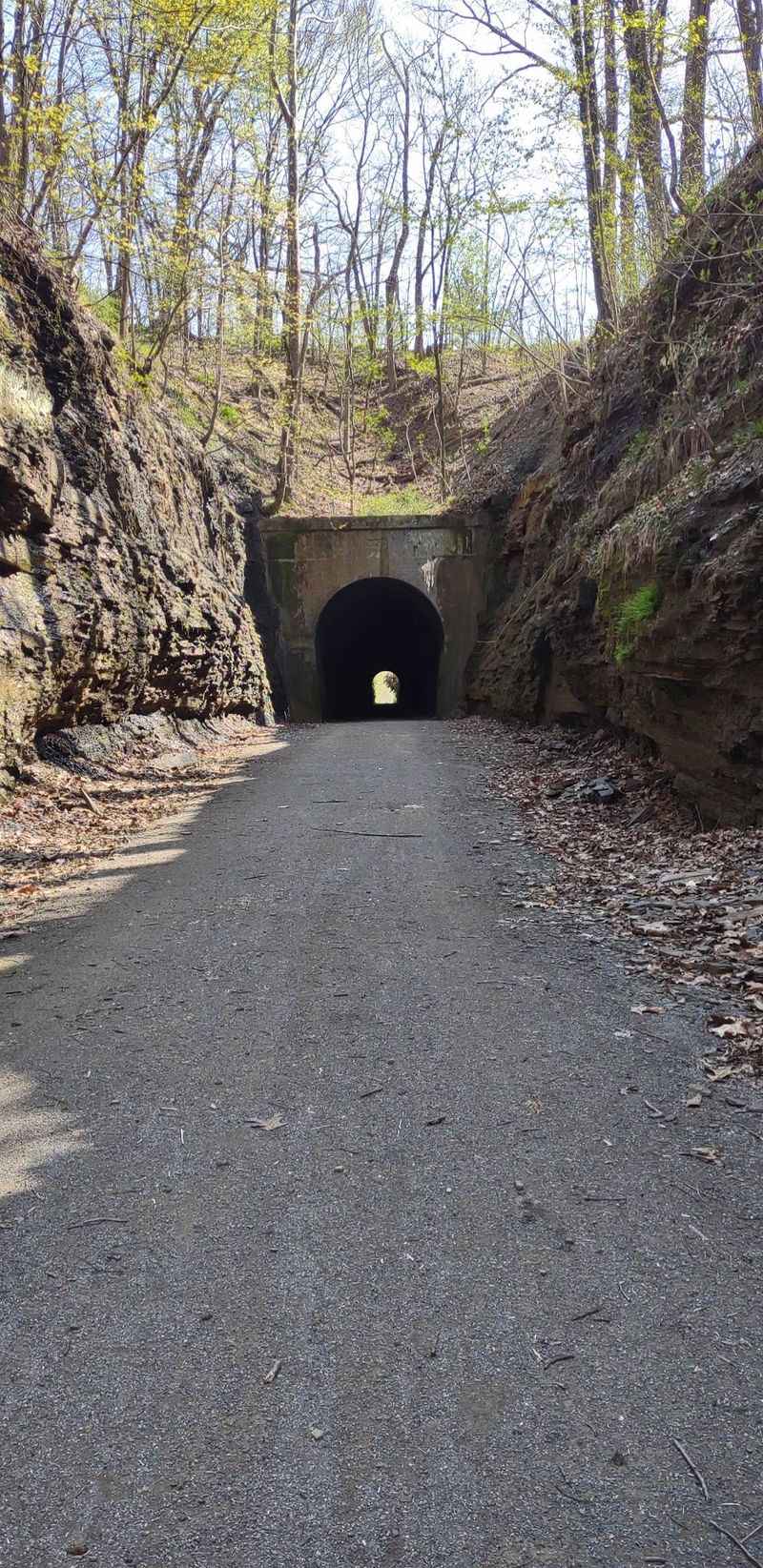
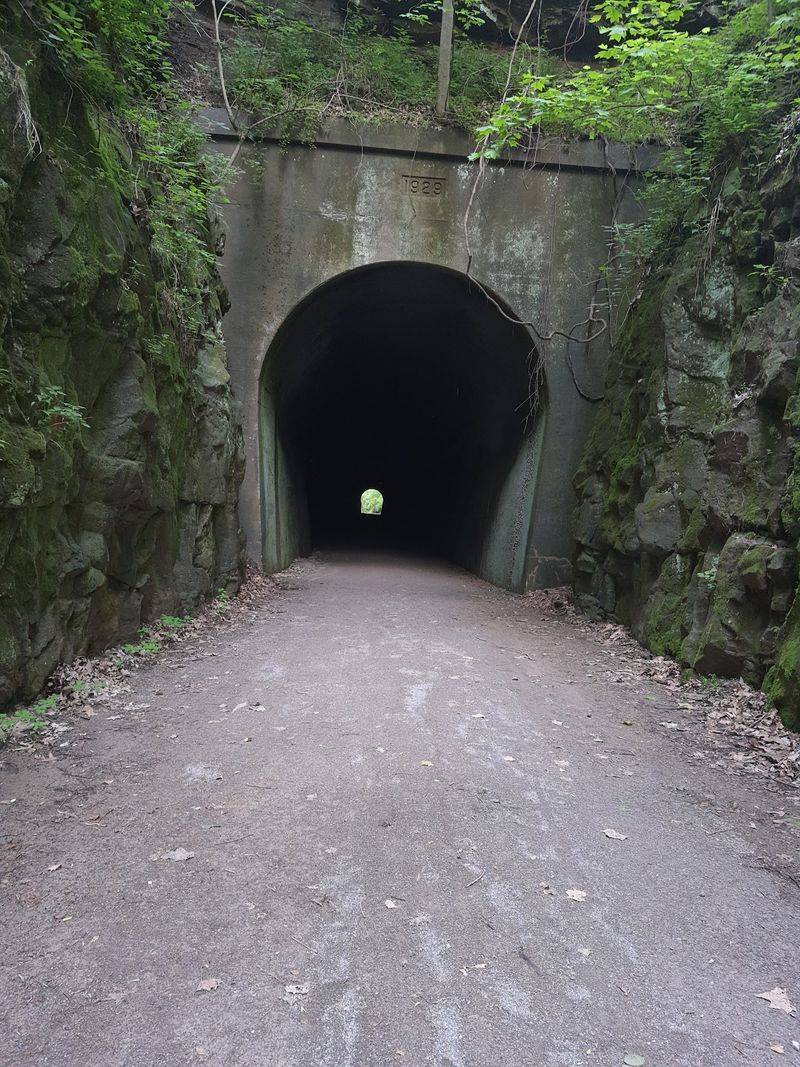
Near the small community of Tunnel Hill, the path ducks into a historic railroad tunnel that is typically several hundred feet long. The air often feels cooler inside, which is a welcome surprise on a sticky summer day.
Bring a light, even a small one. The middle can get dim, and a headlamp or bike light helps you spot the gravel and any other riders coming your way.
Kids usually treat the tunnel as the highlight of the whole trip. Their voices bounce off the walls, and the moment of stepping from bright sunshine into shadow feels like a little adventure all on its own.
Many riders plan their day around reaching this spot. It makes a natural turnaround point or photo stop, and it is the kind of memory people bring up years later.
Trestles Floating Over the Hollows
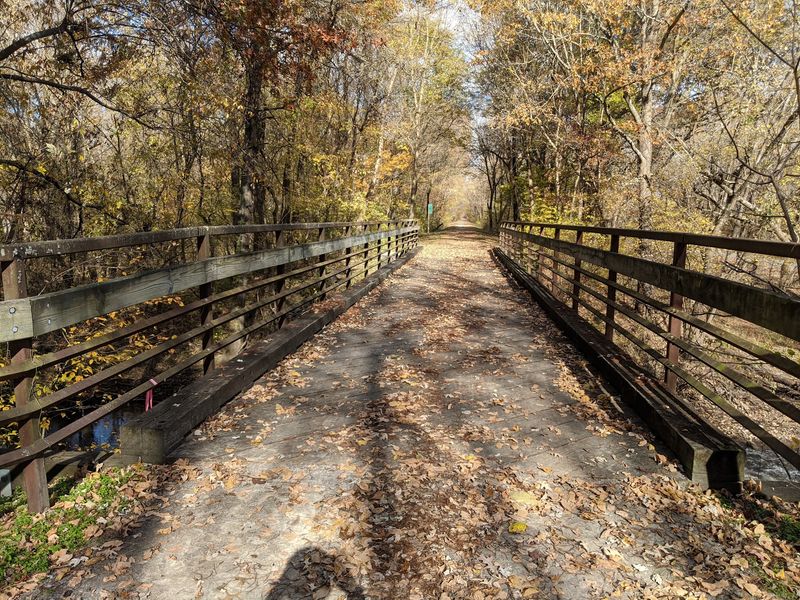
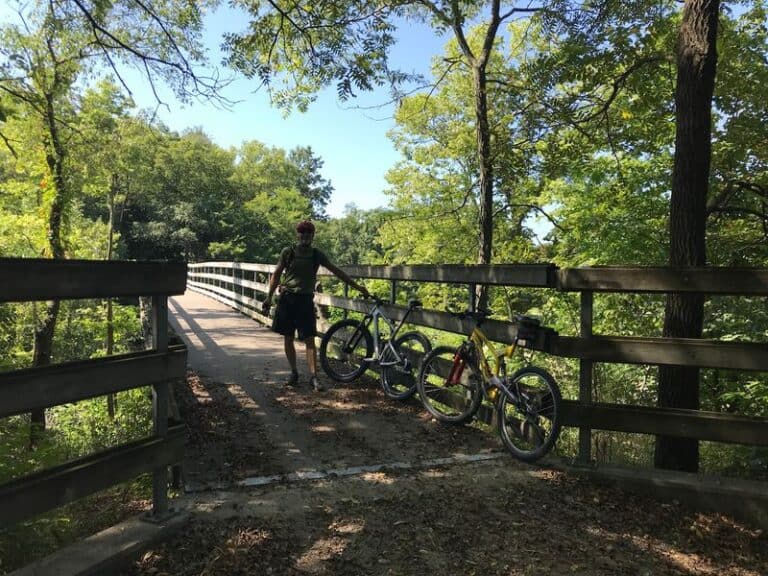
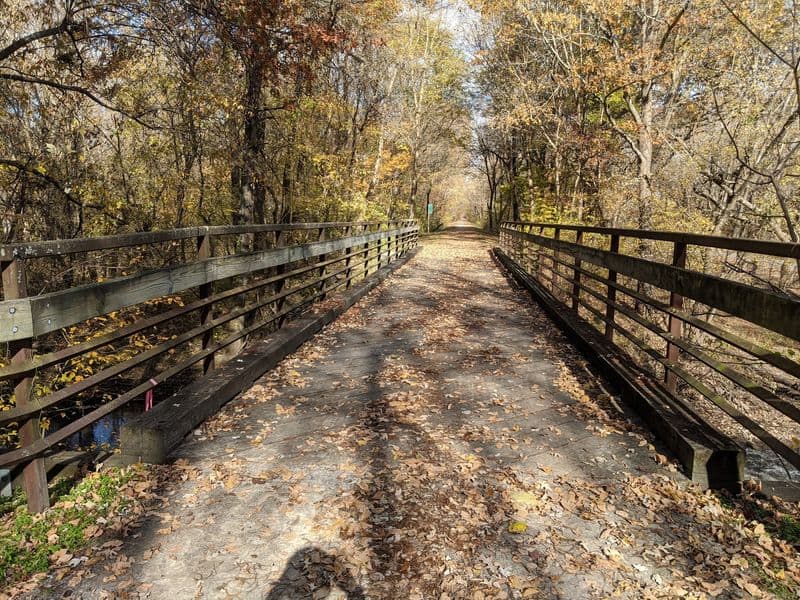
Bridges might be the sneaky stars of this route. The trail crosses a long list of trestles, often counted at more than twenty, many of them spanning creeks and deep wooded hollows.
Rolling across one feels a little like flying. The ground drops away beneath the railings, and suddenly you are looking down at treetops and water instead of up at them.
Each bridge has its own personality. Some are short and quick, while others stretch long enough that you slow down just to soak in the view.
Photographers love these crossings, especially when morning mist hangs in the valleys. Families tend to stop for a snack and let little ones peek over the side while parents keep a steady hand nearby.
Railroad builders put these trestles in to keep the grade level across rough ground. Today they are a big reason the trail stays easy while the landscape around it stays wonderfully rugged.
Bluffs, Wetlands, and Changing Scenery
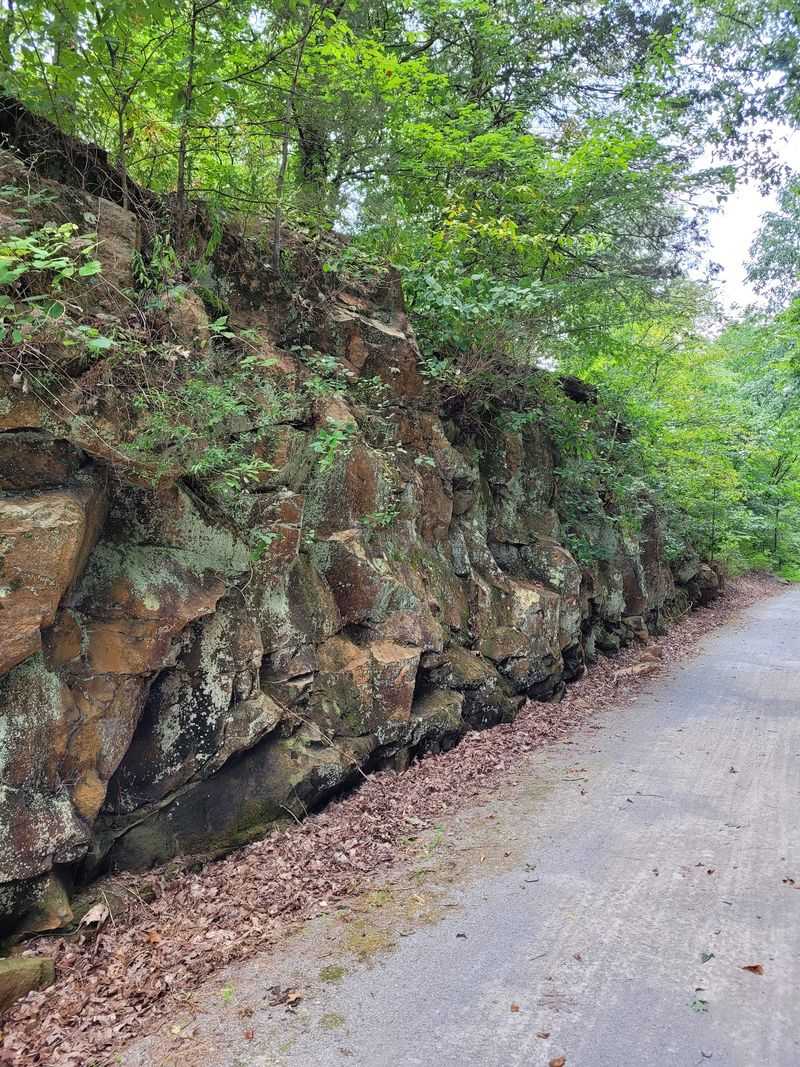
Variety sneaks up on you here. One stretch might run past open farm fields, and the next can wrap you in shady forest so thick the sunlight turns green.
Toward the southern end, the land flattens and gets wetter. Riders near Karnak often notice swampy areas and wetland views that feel almost like a different state, though it is still pure southern Illinois.
Farther north, the hills rise and rock cuts line parts of the path. Those cuts were carved out for the railroad, and they show off layers of stone that make the ride feel quietly dramatic.
Wildlife watchers should keep their eyes open. Birds are common companions, and early mornings may bring glimpses of deer or turtles near the water.
Because the scenery shifts so much, repeat visits rarely feel the same. Ride a different section each trip and you will keep finding something new.
Small Towns Strung Along the Route
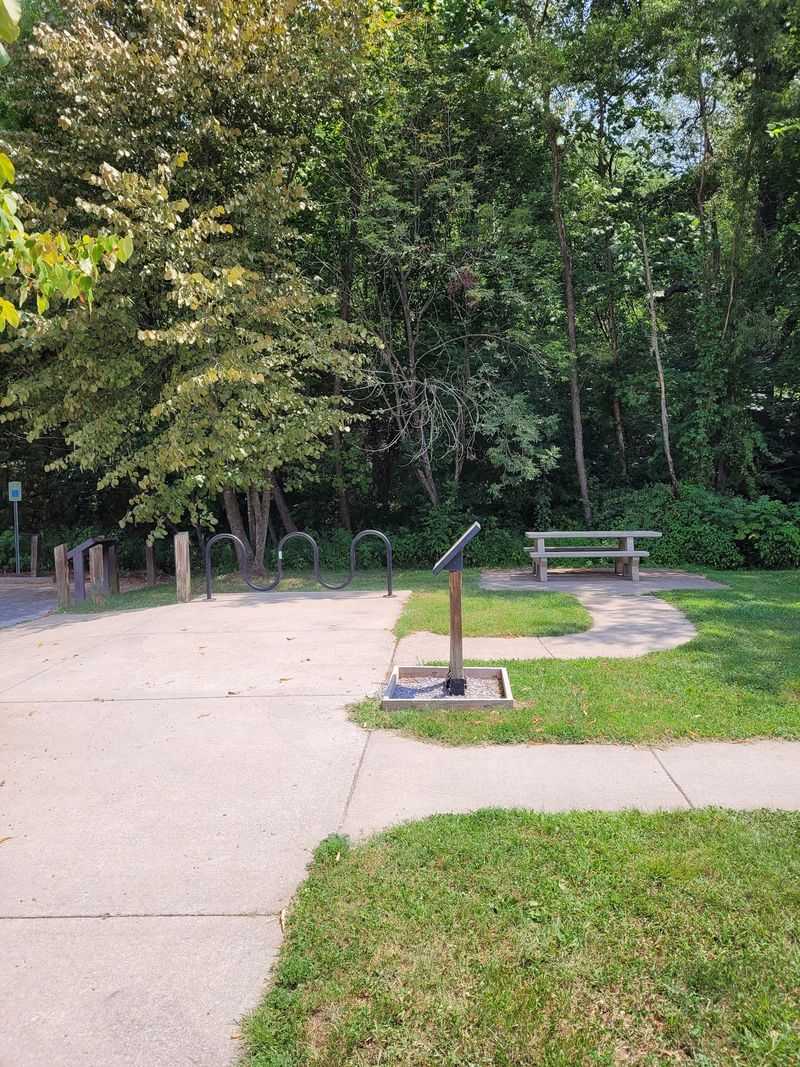
Part of the fun is the little towns you pass along the way. The trail typically links communities such as Harrisburg, Vienna, Tunnel Hill, and Karnak, each with its own pace and personality.
Vienna often serves as a popular hub in the middle of the route. Riders like it as a starting point because heading north or south both offer solid days on the bike.
These are not tourist towns packed with gift shops. They feel lived-in and genuine, the kind of places where a friendly wave from a porch is more common than a traffic jam.
Planning a stop in one of these communities can turn a ride into a real day trip. Grabbing a simple bite in a small-town spot is often the perfect reward after a long stretch of gravel.
For travelers who enjoy finding unpolished local corners of Illinois, these towns add a lot of character. They remind you that the trail was built to connect real neighbors, not just to look pretty.
An Unhurried Mood for Every Kind of Rider
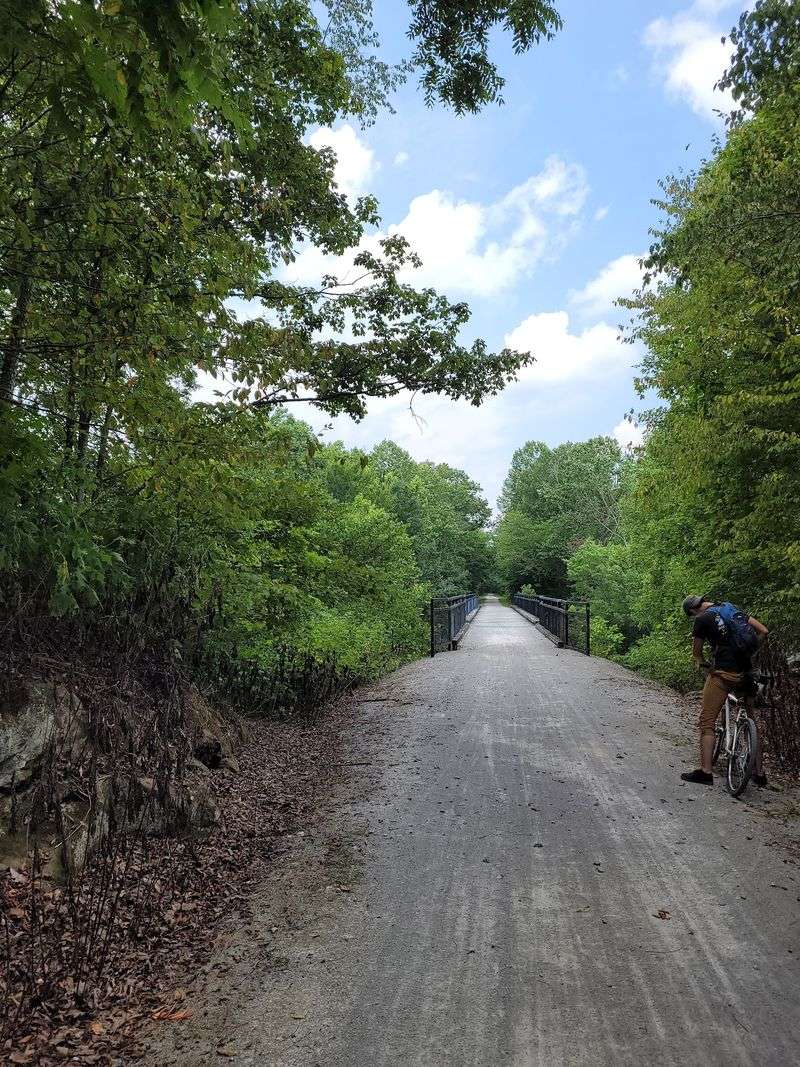
Silence is maybe the most surprising thing. On many stretches, the loudest sound is your own tires and the wind moving through leaves.
That calm makes the trail a good fit for a wide range of people. Families with young kids, couples on a weekend escape, solo riders chasing long miles, and walkers out for a stroll can all find their own rhythm.
Runners and hikers use it too, especially near trailheads. Since the path is wide and level, it works well for anyone who wants a steady outdoor workout without tricky footing.
Serious road cyclists sometimes find the gravel slower than pavement. If speed is your goal, a hybrid or gravel bike tends to feel more comfortable than skinny racing tires.
Most people leave feeling refreshed rather than worn out. It is the kind of place where a day outside feels gentle on both your body and your mind.
Gravel Under Your Wheels
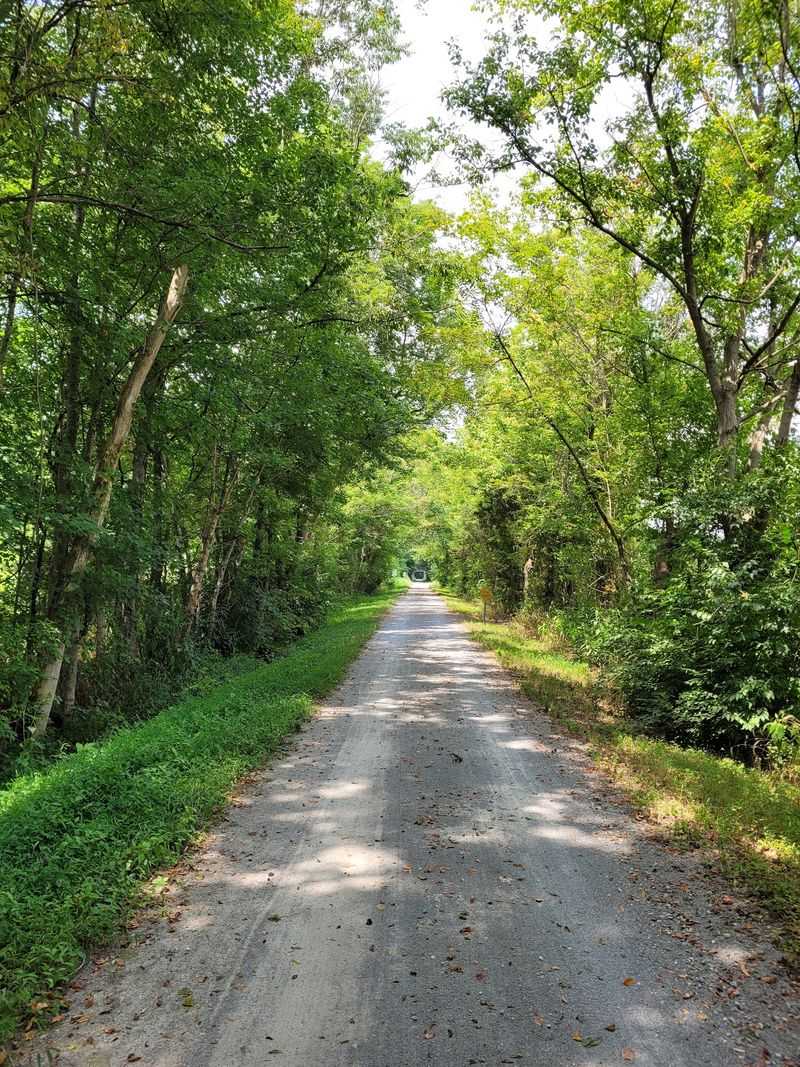
Bike choice matters more than you might think. The surface is generally crushed stone rather than pavement, packed down but still loose in spots.
Wider tires usually handle it best. Hybrids, gravel bikes, and mountain bikes roll along happily, while thin road tires can feel squirrelly.
After heavy rain, some sections may get soft or muddy. Checking recent conditions before a big trip can save you a messy surprise.
Pack the basics: water, snacks, a spare tube, and a small pump. Services can be spread out between towns, so being a little self-sufficient makes the day much smoother.
Sunscreen and bug spray are smart additions in warmer months. Shade is plentiful in the woods, but open stretches near fields can get bright and hot by midday.
A simple bike light is worth tossing in the bag too. You will be glad to have it when you reach the tunnel.
Getting There and Planning Your Day
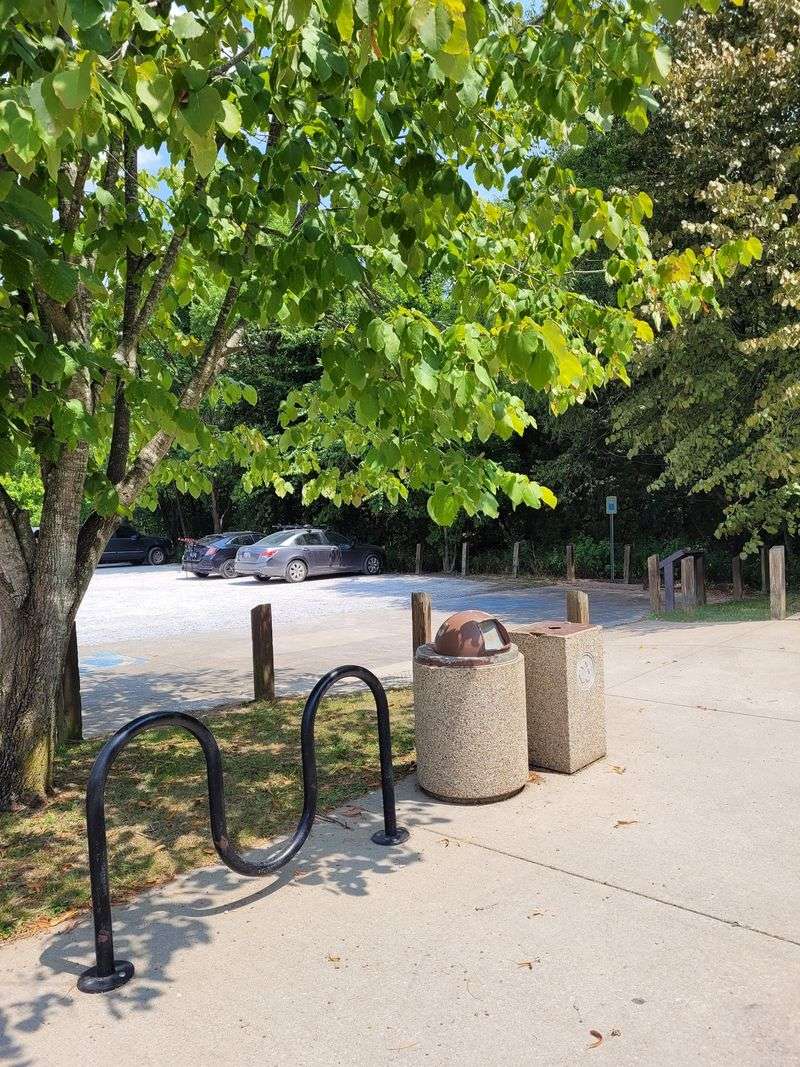
Reaching the trail usually means a scenic drive into the southern tip of Illinois. Riders from the St. Louis area, central Illinois, and even the Chicago suburbs make the trip, often turning it into a weekend getaway.
Several trailheads typically offer parking, so you can choose a starting point that matches your plans. Vienna, Harrisburg, and Karnak are common launch spots.
Since the full route is long, many visitors ride an out-and-back section instead of tackling every mile at once. Others arrange a shuttle or a second car so they can ride one way.
Hours, fees, and trail conditions can change, so checking with the Illinois Department of Natural Resources before you go is wise. As a state trail, it has generally been an affordable outing, which makes it easy on a family budget.
Spring and fall tend to bring the most comfortable riding weather. Summer works too, especially if you start early and let the forest shade keep you cool.
A Quiet Ride Worth the Long Drive
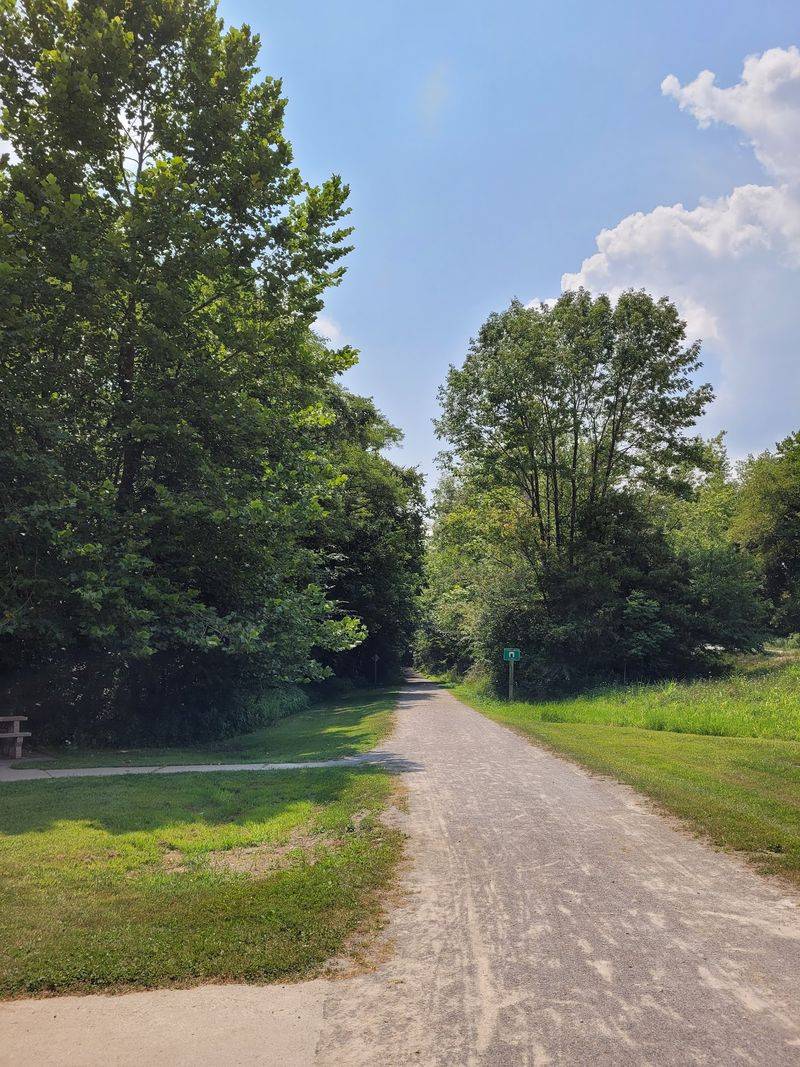
Some places win you over with flash. Tunnel Hill State Trail wins you over with patience, one easy mile at a time.
It does not try to impress anyone. There is no grand gateway, just a humble path that slowly reveals a tunnel, soaring trestles, swampy lowlands, and friendly little towns.
For families, it offers a rare chance to ride together without anyone struggling up a punishing hill. For seasoned cyclists, it delivers long, peaceful mileage through one of the prettiest corners of Illinois.
The best part might be how it makes you feel like an insider. Plenty of people speed past on the highway, never knowing this old railroad corridor is waiting just off the road.
So pack a light, pump up those tires, and point the car south. Chances are you will leave already planning which section to ride next time, and probably which friend you are bringing along.