The second-oldest surviving bridge in America sits half-buried beside a train line, and plenty of people walk right past it. It was built in 1731.
It once carried travelers on the main colonial road between New York and Philadelphia.
In April 1777, Hessian troops pushed across these very stones while American soldiers fired from nearby. Later, Washington’s army used the same crossing on the long march toward Yorktown.
That is a lot of history for a pile of sandstone.
I like how New Jersey hides its biggest stories in the most ordinary corners. This one costs nothing to see, and it never closes.
You just need to know where to look.
I can’t imagine a better small adventure for a history-loving family. So how does a bridge this important end up hiding in plain sight?
Meet The Oldest Bridge Standing In The Garden State
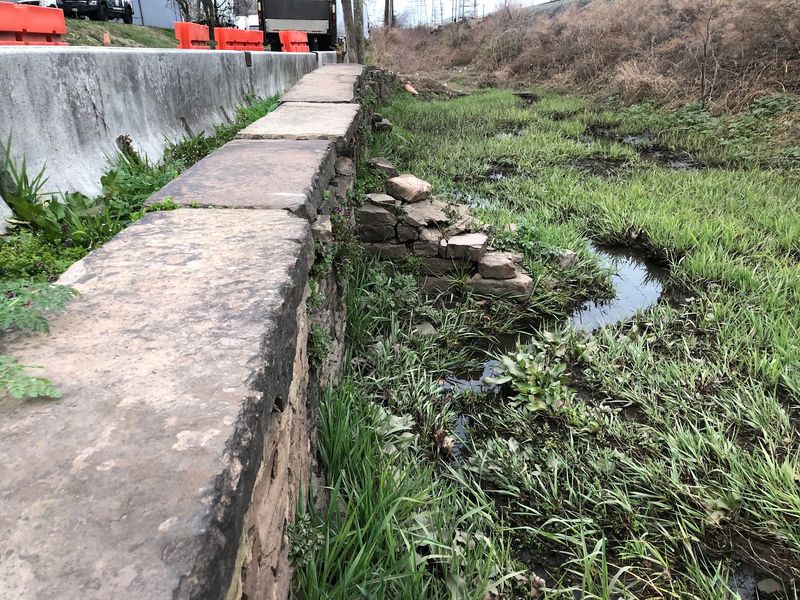
Sandstone, shale, and nearly three centuries of patience. That is the recipe behind the Old Stone Arch Bridge, often called simply the Old Stone Bridge, in Bound Brook.
It is recognized as the oldest bridge in New Jersey. Nationally, it ranks as the second-oldest surviving bridge, behind only the Frankford Avenue Bridge in Philadelphia.
The bridge spans the Green Brook. On one side sits Bound Brook in Somerset County, and on the other is Middlesex Borough in Middlesex County.
That makes it a quiet link between two counties and two towns. It has been doing that job since before anyone had heard of the Declaration of Independence.
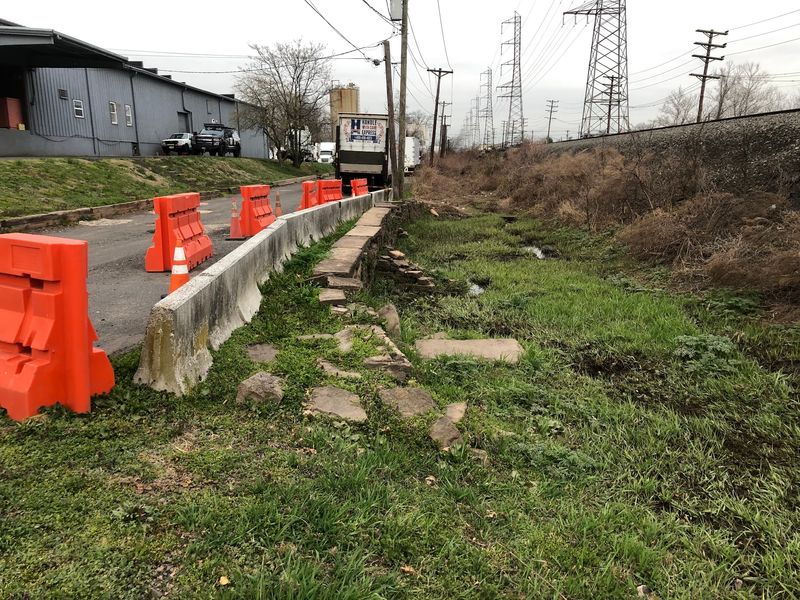
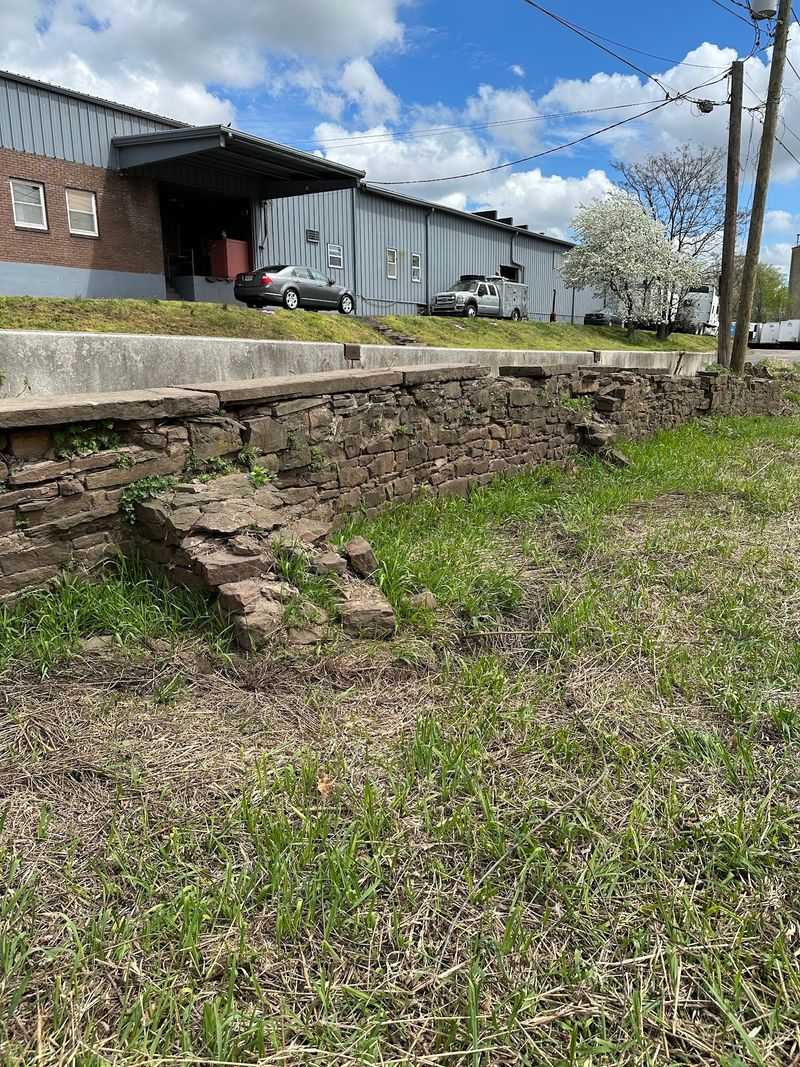
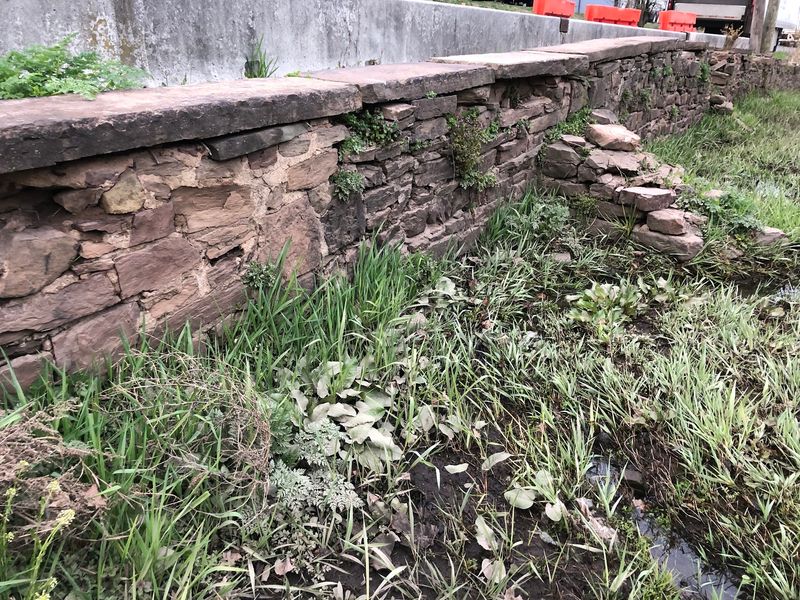
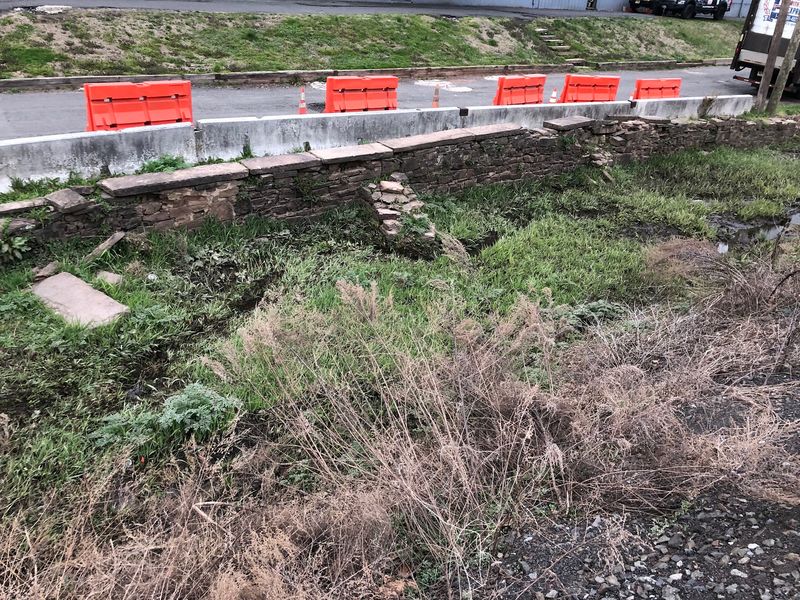
Don’t expect a grand, soaring span like a postcard landmark. Much of the structure is buried today, especially on its north side.
The south side still shows exposed stonework, though. That small glimpse is what draws curious history fans to this corner of town.
I believe the modest look is part of the charm. Grand monuments get all the attention, while this humble crossing simply kept existing.
Honestly, surviving since 1731 is its own kind of bragging right. Few structures anywhere in America can say the same.
Colonial Lawmakers Gave The Green Light In 1730
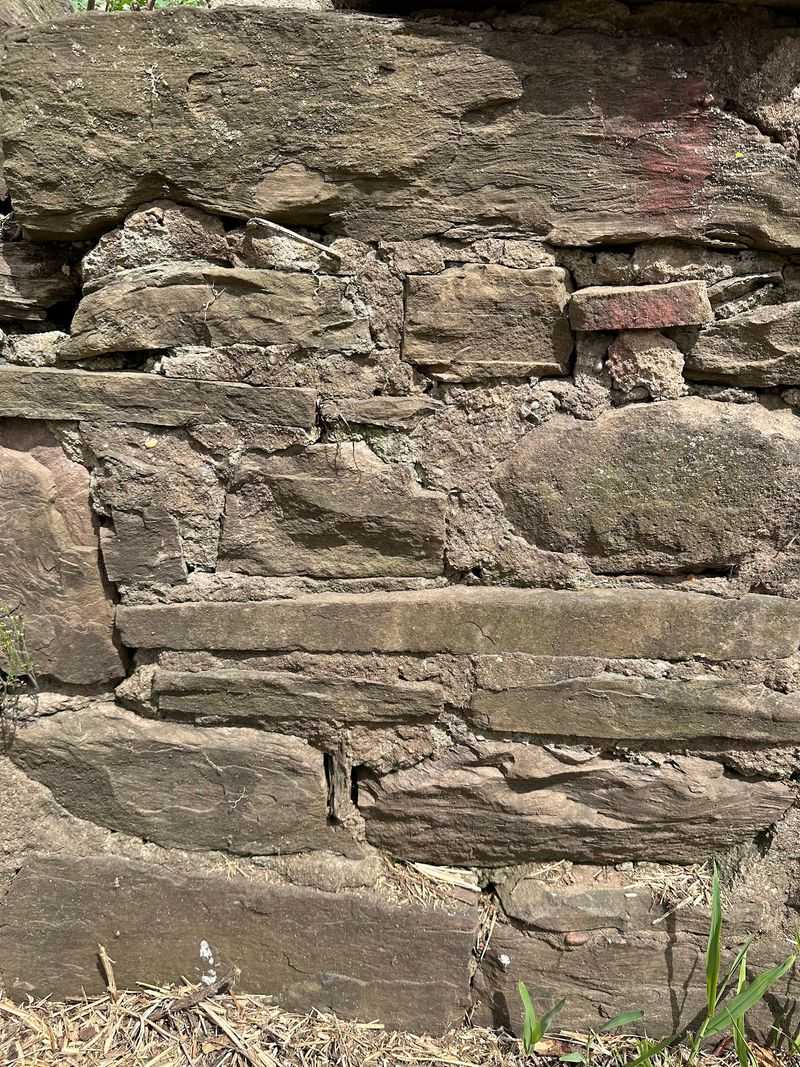
Back in 1730, the colonial Legislature authorized a new crossing over the Green Brook. Construction wrapped up in 1731, and the stones went to work right away.
Builders used rough sandstone and shale quarried locally. No fancy imports were needed, just practical materials pulled from the surrounding land.
Getting across a brook mattered a great deal in colonial times. Wet feet, stuck wagons, and lost cargo were real headaches for early travelers.
A sturdy stone bridge solved those problems for generations. It let farmers, merchants, and messengers keep moving through the region in nearly any weather.
I like thinking about the workers who stacked these stones by hand. They probably never guessed their project would outlast kings, colonies, and countless horse-drawn carts.
Their craftsmanship earned the bridge a place on the National Register of Historic Places in 2008. It also appears on the New Jersey Register of Historic Places.
That is quite a promotion for a practical piece of colonial infrastructure. Somewhere, a 1730 lawmaker would probably feel very pleased with that vote.
The decision to build in stone, instead of wood, clearly paid off. Wooden bridges from that era are long gone.
The Great Road Up Raritan Ran Right Across These Stones
Long before the Turnpike, travelers had the Great Road Up Raritan. This colonial route was established in 1681, and the Old Stone Bridge later carried it across the Green Brook.
Think of it as an early highway through central New Jersey. People, goods, and news all moved along this path.
The road helped connect New York and Philadelphia during the colonial era. That put this little bridge on one of the busiest corridors in early America.
Every wagon headed between those two cities needed solid footing. A stone crossing gave them exactly that.
It’s funny how history repeats itself. New Jersey still serves as the hallway between New York and Philadelphia today.
The difference is speed. Colonial travelers measured trips in days, not podcast episodes.
Standing near this spot gives you a sense of how central the area once was. Bound Brook was not a sleepy detour back then.
It sat right on the main line of movement for an entire young region. The bridge was the reason that flow could continue smoothly, season after season, for many decades.
April 13, 1777 Put This Crossing On The Map For Good
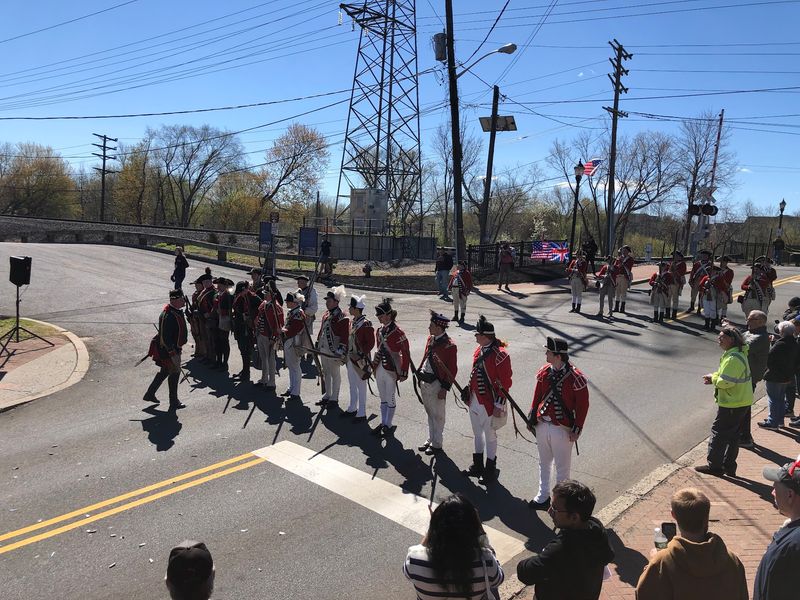
Hessian troops came pushing toward Bound Brook on April 13, 1777. The Old Stone Bridge sat right in the middle of the action.
Historical accounts describe the Hessians facing heavy fire from American forces positioned nearby. That clash became known as the Battle of Bound Brook.
Bridges were valuable in the Revolution. Controlling a crossing could decide where armies moved and how fast supplies arrived.
So these quiet stones were suddenly a strategic prize. The roar of cannons and muskets echoed over the Green Brook that spring morning.
It is hard to square that noise with the calm scene today. A small brook, a train line, and some weathered sandstone hardly seem like a famous battleground.
Yet that contrast is exactly what makes the place so fascinating. History does not always come with velvet ropes and a gift shop.
Sometimes it hides behind ordinary buildings in a New Jersey borough. The Battle of Bound Brook gives the bridge its biggest headline, and the town still remembers it.
Reenactments of the battle have been held in the area, bringing the story back to life for modern crowds.
Washington’s Army Marched Over On The Way To Yorktown
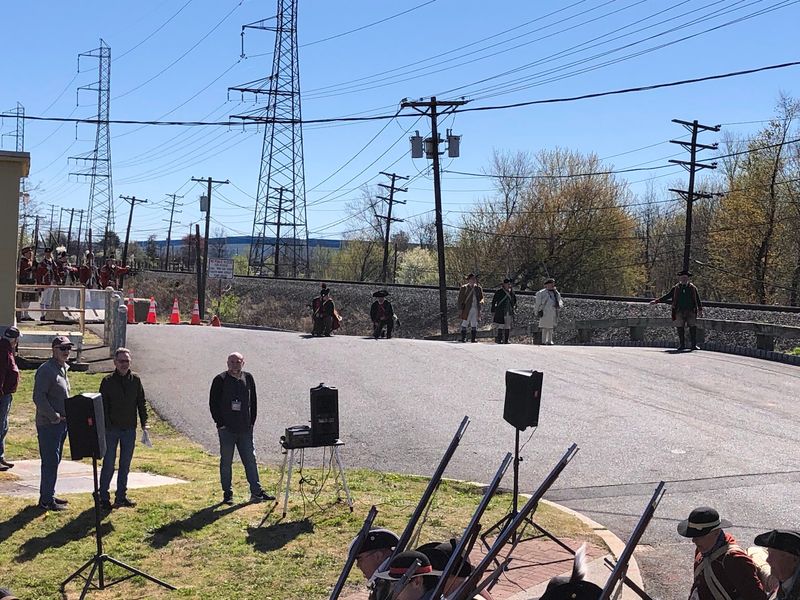
Few bridges can claim a cameo in the march toward Yorktown. The Old Stone Bridge can.
In 1781, Washington’s army used this crossing while heading south toward the Battle of Yorktown. That campaign helped bring the Revolution to its close.
Picture the scale of that movement in your head for a second. Troops, wagons, horses, and supplies all needed reliable passage.
A fifty-year-old stone bridge was ready for the job. Not bad for something built with local rock and colonial know-how.
I believe this detail is the real goosebump moment. The same stones you can still glimpse today supported soldiers on one of the most important marches in American history.
That is a direct physical link to the nation’s founding. You don’t need a museum case to feel it.
This history also helped earn the bridge its 2008 listing on the National Register of Historic Places. Its Revolutionary role was a key reason for that honor.
Kids who groan at history homework may perk up here. Telling them George Washington’s army crossed this exact spot tends to change the mood quickly.
Three Arches, Eighty Feet, And A Few Makeovers
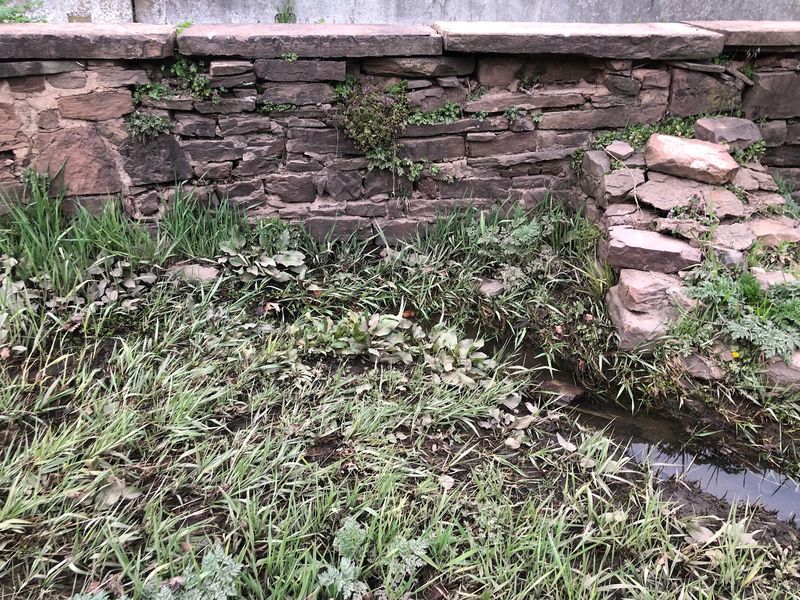
Originally, the bridge featured three stone arches. It stretched about 80 feet across the Green Brook.
That was a solid size for a colonial crossing. It needed to handle steady traffic along the Great Road Up Raritan.
Like most long-lived structures, it got some updates. The bridge was widened in the late 19th century to keep up with changing needs.
Then came the early 20th century. Workers filled in the streambed beneath it, which partly buried the old structure.
That fill is why the north side sits mostly hidden today. The south side remains exposed, giving visitors a peek at the original stonework.
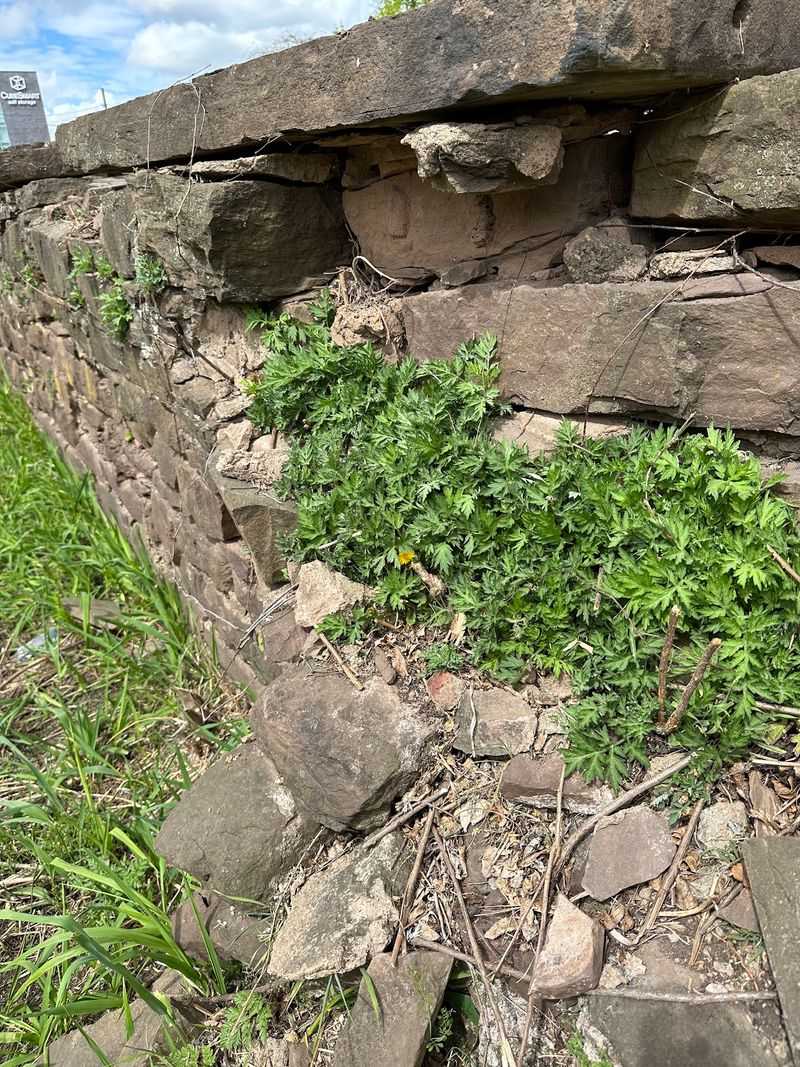
The rough sandstone and shale tell their own story. Each layer reflects the hands that shaped it nearly three hundred years ago.
I like how a bridge can carry its renovations like birthday candles. Every change marks another era of New Jersey life.
Colonial travelers, Revolutionary soldiers, and industrial-age neighbors all left their mark. The structure simply adapted and endured, which feels like a very Jersey trait.
Half Buried, Fully Fascinating
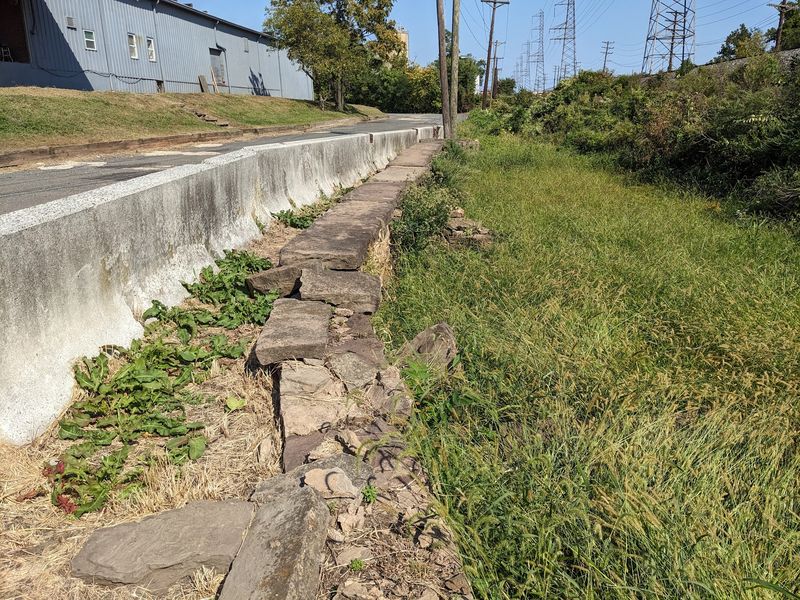
Here’s a twist most landmarks never face. The Old Stone Bridge is largely underground on its north side.
The filled-in streambed changed the landscape around it. Railroad development nearby also reshaped the setting over the years.
Today, the remains sit close to a rail line and near commercial property. It is about as unglamorous as historic settings get.
Some visitors have described the site as easy to miss. Overgrowth has also been an issue at times, hiding parts of the stonework.
That can be a little frustrating for history lovers. Still, it adds a treasure-hunt feeling to the visit.
You are not strolling through a polished park here. You are spotting colonial stones among modern surroundings, which makes the discovery feel earned.
I can’t imagine a better lesson in how history layers itself. Old roads become new roads, and old bridges get swallowed by progress.
The good news is that the story is not finished. Plans may bring much more of the bridge back into view, which makes now a fun time to see it before the reveal.
Somerset County Has Big Plans To Bring It Back Into View
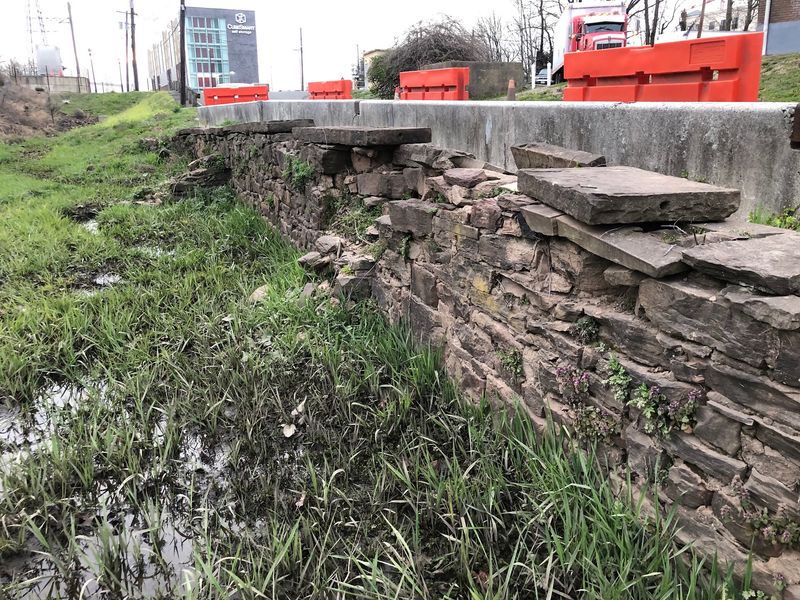
Good news for anyone rooting for the underdog bridge. Somerset County reportedly has plans underway to improve the site and expose more of the structure for public view.
That could change the experience completely. More visible arches would make the colonial craftsmanship much easier to appreciate.
Preservation projects tend to move carefully. Historic stonework needs gentle handling, and timelines can shift.
So it’s smart to check local news before your trip. Conditions on the ground may look different from one season to the next.
I love the idea of watching a landmark slowly reappear. It feels like New Jersey pulling an old family photo out of a drawer.
Many people who care about the bridge have hoped for this kind of attention. Groups focused on preservation in the state have highlighted its importance.
A restored setting could make the bridge a stronger stop for school groups and families. It could also help more people realize how much Revolutionary history sits in Bound Brook.
For now, visiting gives you a before snapshot. Later, you can come back and compare.
A Free Stop That Never Closes
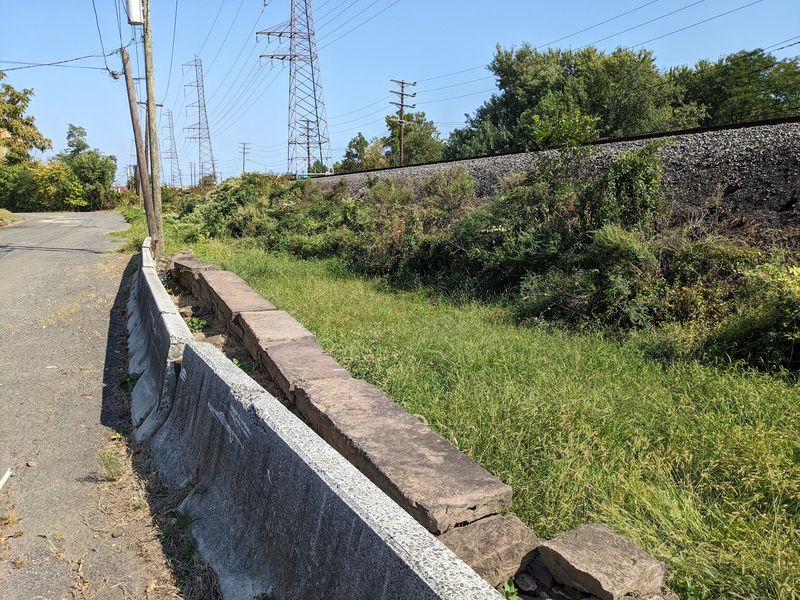
Open 24 hours, seven days a week. The Old Stone Bridge keeps the easiest schedule in New Jersey.
There’s no admission fee to look at a historic landmark from public areas. That makes it a great pocket-friendly add-on to any Bound Brook outing.
Of course, daylight is your best friend here. The stones are easier to spot when the sun is up.
The listed address is 540 Main St, Bound Brook, NJ 08805. A historical marker for the bridge also stands on Railroad Avenue, east of South Main Street.
Look for the marker first to get your bearings. It helps put the scattered stonework in context.
Wear sturdy shoes and long pants if you plan to look closely. Overgrowth has been reported around the site, and poison ivy is never a fun souvenir.
Also, respect nearby businesses and private property. Stay in public spaces and keep an eye out near the rail line.
A short visit may be all you need. Pair it with other local stops to make a fuller afternoon.
History Buffs And Curious Kids Will Get The Most Out Of It
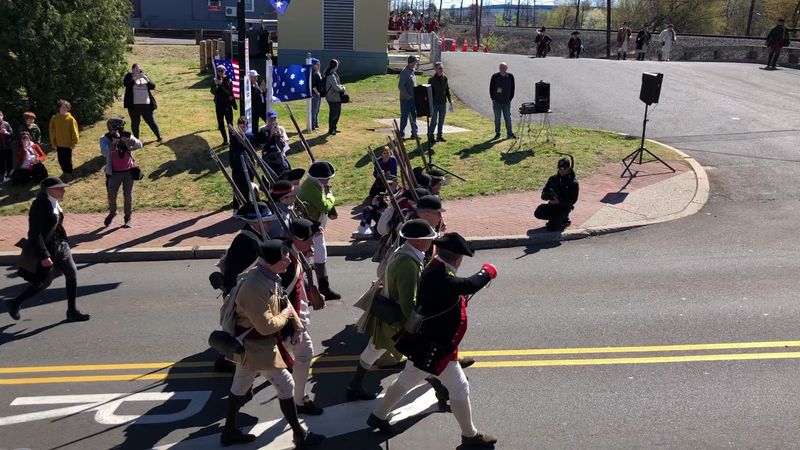
Some outings are built for thrill rides. This one is built for the kid who asks why everything happened.
Families who enjoy history will find plenty to talk about here. Revolutionary soldiers, Hessian troops, and colonial roads all connect to these stones.
It works best as a short, focused stop. Bring the story with you, since the setting itself is modest.
Reading up beforehand can make a huge difference. A quick chat in the car about the Battle of Bound Brook sets the stage nicely.
Photographers who love texture may enjoy the weathered sandstone. Urban explorers might like the odd mix of colonial ruins and modern rail.
Younger children may need a little help imagining the past. Ask them to count possible arches or guess how old the stones feel.
I believe the best visits come with a dose of imagination. The bridge offers the facts, and you supply the movie in your head.
Fans of underdog landmarks in New Jersey will feel right at home. This crossing has earned some cheering.
Washington Camped Just Up The Road
One historic stop rarely stays lonely around here. The Middlebrook Encampment sites sit nearby, where George Washington’s Continental Army camped twice.
The Washington Camp Ground preserves a portion of that encampment. It pairs beautifully with a stop at the bridge.
Seeing both helps the bigger story click. The army needed this region’s roads and crossings, and the Old Stone Bridge was part of that network.
Suddenly, the stones feel less like a stray ruin. They become one chapter in a much larger campaign.
Planning a loop like this turns a quick look into a solid half-day outing. It also keeps costs low for families.
Bring snacks, plenty of water, and maybe a printed map. Cell signals are usually fine, but paper never runs out of battery.
I like how central New Jersey packs so much Revolutionary history into a small area. You can cover several key sites without a long drive.
Each stop adds a new angle to the story. Together they paint a vivid picture of 1777 and beyond.
The Abraham Staats House Makes A Perfect Second Stop
Just across the Raritan in South Bound Brook, another colonial chapter waits. The Abraham Staats House is a nearby historic site worth adding to your plans.
It offers a different flavor of history. Instead of stone arches, you get a glimpse of colonial home life in the area.
Pairing a house with a bridge works surprisingly well. One shows how people traveled, and the other shows where they lived.
Kids often connect better with houses than with abstract battles. Rooms and buildings feel easier to picture than troop movements.
Check ahead for visiting times before you go. Historic houses often keep limited schedules, unlike our always-open bridge.
That small step can save you a disappointing drive. A quick look at the site’s announcements helps a lot.
I believe this combo makes Bound Brook feel like a real destination. It’s the kind of day that proves New Jersey has deep roots.
Add a local lunch spot, and you’ve got a full outing. All of it stays refreshingly far from crowded tourist traps.
Worth A Detour For Anyone Who Loves A Comeback Story
Nearly three centuries after its stones were set, the Old Stone Bridge is still here. Partly buried and a bit overlooked, but still here.
That alone makes it worth a visit. Survival like this deserves a little applause.
Is it a polished attraction? Not yet.
Expect modest remains, a historical marker, and a setting shaped by rail and commerce. Bring curiosity instead of big expectations.
What you get in return is real. You stand near a crossing tied to the Battle of Bound Brook and Washington’s march toward Yorktown.
And with Somerset County’s plans to expose more of the structure, the best chapter may still be coming. That makes now a fun moment to say you saw it early.
I can’t imagine a better free history lesson in New Jersey. It costs nothing, takes little time, and sparks great conversation.
So next time you’re near Bound Brook, swing by and look closely. The second-oldest bridge in America has been patiently waiting for company since 1731.