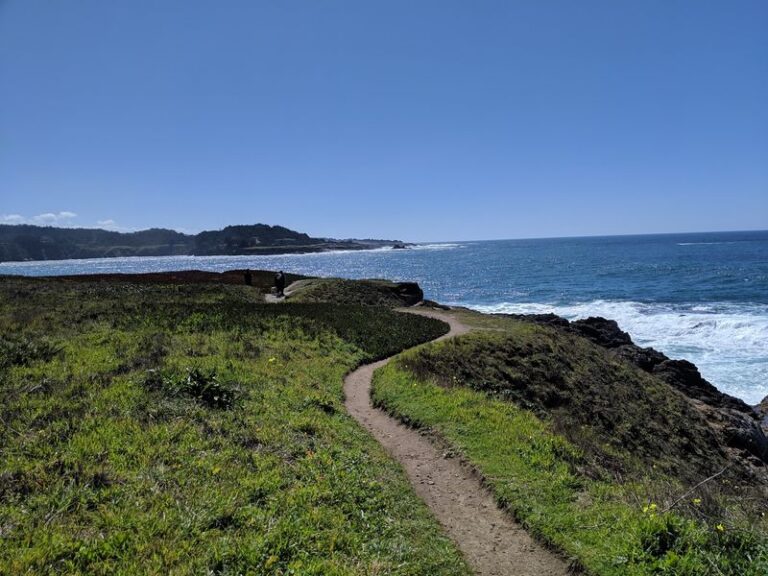
A single mountain bike trail here drops more than 5,000 vertical feet and ends right on Main Street. You finish the ride, unclip, and you’re standing in a Gold Rush town.
That’s a pretty great way to arrive anywhere.
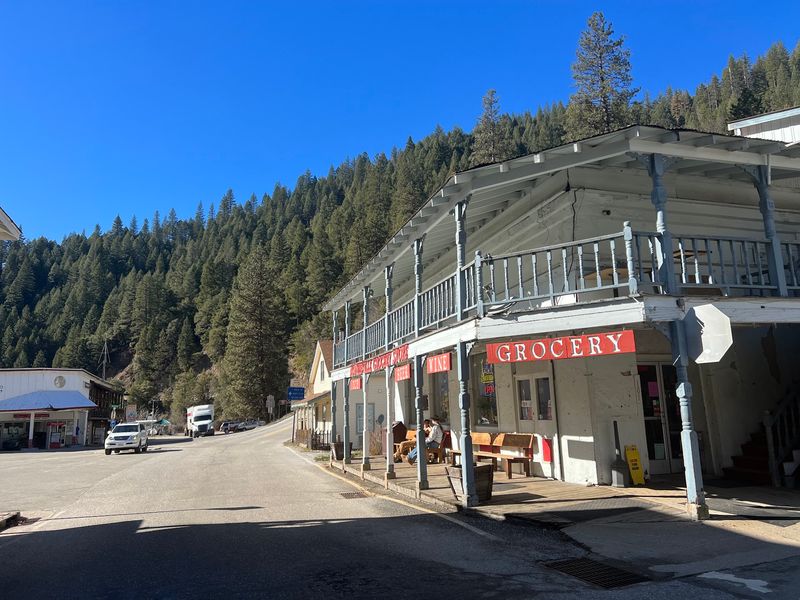
The settlement dates back to 1849, when gold pulled thousands of miners into a narrow river canyon. Old boardwalks and stone buildings with iron shutters still line the streets.
Some of the riding routes started out as miner and mule paths.
I love that California still has places like this tucked away in the Lost Sierra. History isn’t kept behind glass here.
You ride over it, splash through creeks on it, and roll straight into it.
So how did a tiny mining town of fewer than 300 people become a dream stop for riders? The answer starts at the top of a very big hill.
A Tiny Mountain Town Where Two Rivers Meet
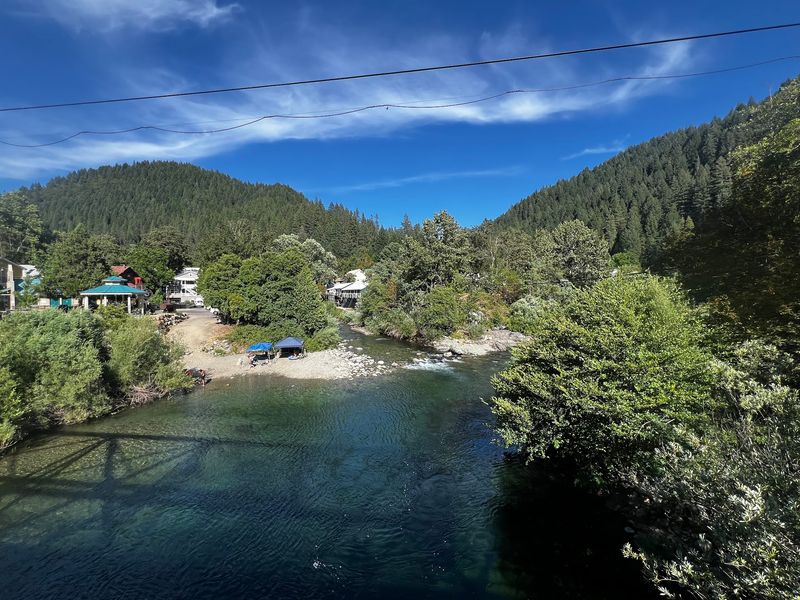
Downieville sits deep in a forested canyon in California’s northern Sierra Nevada. It’s the county seat of Sierra County, which is a big title for such a small spot.
The town rests on the North Fork of the Yuba River at about 2,966 feet. The 2020 census counted just 290 residents, so you won’t be fighting traffic.
Early on, people called the place The Forks. The nickname made sense, since two rivers come together right in the middle of town.
Water is never far from view or sound here.
The region around it goes by a fitting name: the Lost Sierra. It’s a quieter, more remote stretch of mountains than the busy Tahoe area to the south.
That remoteness is a big part of the appeal.
For mapping purposes, the town’s mailing area is California 95936. Plug that in, then prepare for winding mountain roads and plenty of pine trees.
Today, Downieville is best known for two things that rarely share a postcard. One is Gold Rush history.
The other is world-famous mountain biking, and the two fit together better than you’d expect.
Gold Fever Once Filled This Narrow Canyon
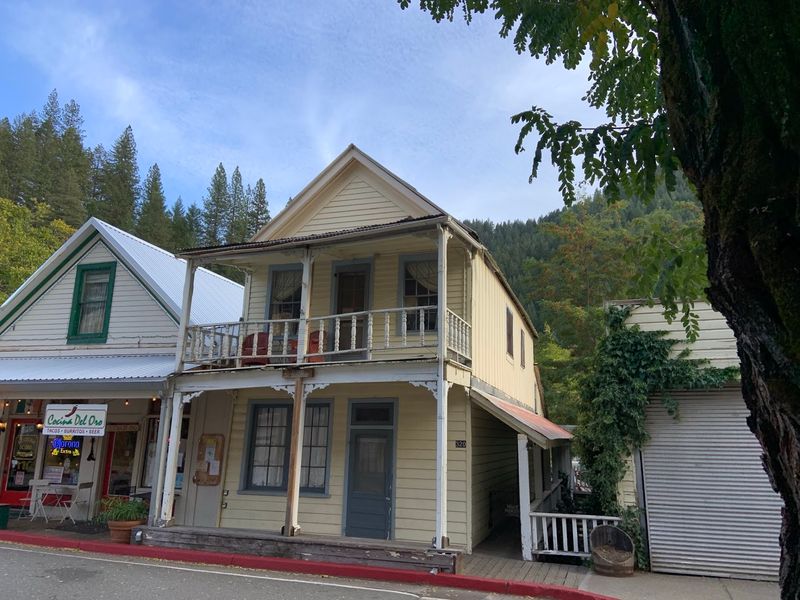
Back in 1849, gold changed everything for this quiet river bend. Miners rushed in by the thousands, crowding into a canyon that barely had room for them.
At one point, the population topped 5,000 people. The town was even considered as a possible state capital, which is wild to think about now.
That capital dream didn’t happen, of course. Still, plenty of the old character stuck around, and that’s what makes Downieville feel special.
Wooden boardwalks still run past historic buildings. Some stone structures keep their original iron shutters, a classic Gold Rush feature.
For history fans, it’s a real treat to see.
I like that the town didn’t get polished into a theme park. It feels lived in and honest.
In fast-changing California, a place that holds on to its past this well feels like a small act of preservation.
Bring a camera and take a slow stroll before or after your ride. Even folks who never touch a bike can enjoy the old storefronts and river views.
The past is simply part of the scenery here.
The Famous Downhill That Ends Right In Town
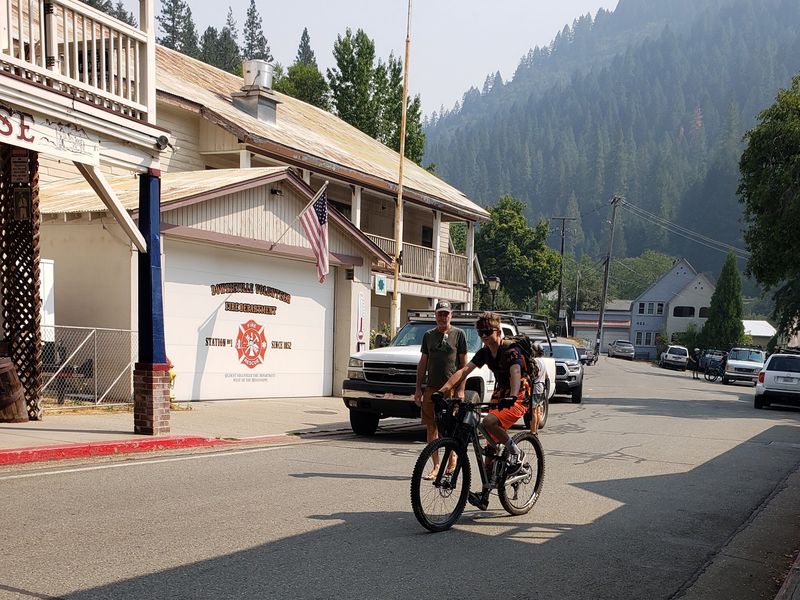
Fifteen miles. More than 5,000 vertical feet of descent.
Those numbers explain why the Downieville Downhill is one of the most wanted rides in the western United States.
The route is rated intermediate to advanced. It strings together four singletrack sections, linked by a short fire road and a paved stretch near the end.
The best part might be the finish. You don’t end at some lonely parking lot in the woods.
You roll right into Downieville itself, dusty and grinning.
Key pieces include the Sunrise Trail, Butcher Ranch, Third Divide, and First Divide. Each one brings its own mood, from flowing sections to rougher, faster stretches.
Riders come from all over the world to check this route off their lists. That’s a lot of attention for a town of 290 people, and it shows how special this ride is.
Plan for a full, demanding outing rather than a casual spin. Pack water, snacks, and repair gear.
Then let gravity do most of the hard work on the way down.
Rocks, Roots, And Creek Crossings Keep You Honest
Smooth and gentle? Not really the local style.
The trails around Downieville are raw and rugged, and they ask for your full attention.
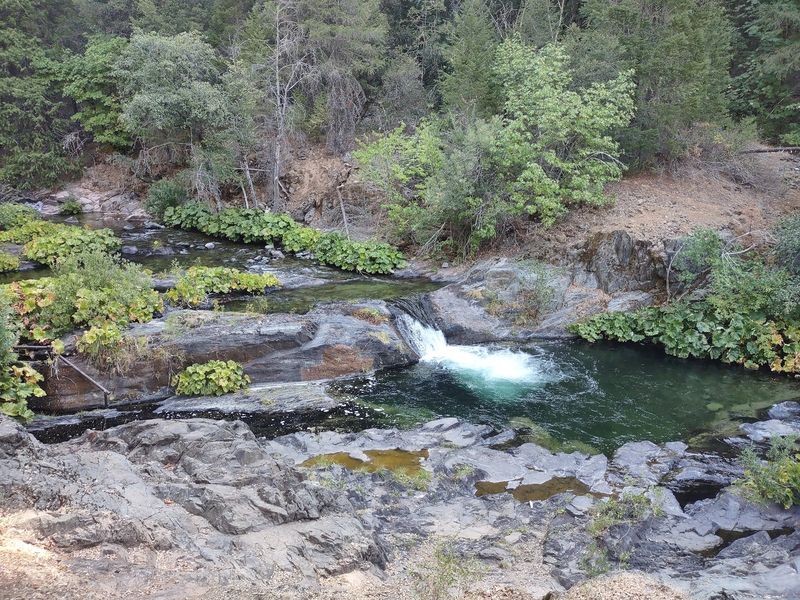
Expect chunky rock gardens and exposed roots. You’ll also hit creek crossings, which can feel pretty refreshing on a warm summer day.
The singletrack runs fast and technical. That combination rewards riders who stay focused and pick good lines.
Daydreaming is best saved for the drive home.
Here’s a fun twist. Many of these routes began as mining trails and mule paths during the Gold Rush years.
Riders now trace the same lines miners once walked.
That gives every ride a bit of extra meaning. You’re getting a workout, sure, but you’re also following a path that helped shape California history.
Newer riders should be honest about their skill level here. Some sections can push even experienced folks.
Take breaks, walk tricky spots when needed, and remember that nobody hands out prizes for crashing. A smart pace keeps the day fun from the top all the way to town.
Shuttles Save You From A Brutal Climb
Climbing more than 4,300 vertical feet before breakfast sounds noble. It also sounds exhausting, which is why most riders choose a shuttle instead.
Local outfitters, including Downieville Outfitters and Big Boulder Adventures, run daily shuttles during the riding season. They haul you and your bike to the top of the trails.
That leaves your legs fresh for the descent. You get to enjoy the scenery and the speed rather than grinding up a mountain for hours.
Reservations are a smart move, especially on weekends and holidays in summer. Those are the busiest times, and shuttle seats can fill up.
Shuttles also make it easier for groups with mixed fitness levels to ride together. Everyone starts at the same place and finishes in town.
Of course, some riders love earning their descents the hard way. If that’s you, go for it.
For everyone else, the shuttle is a pretty sweet deal. Getting to the top becomes part of the adventure, and you’ll have more energy left to explore town afterward.
Hundreds Of Miles Beyond The Big Ride
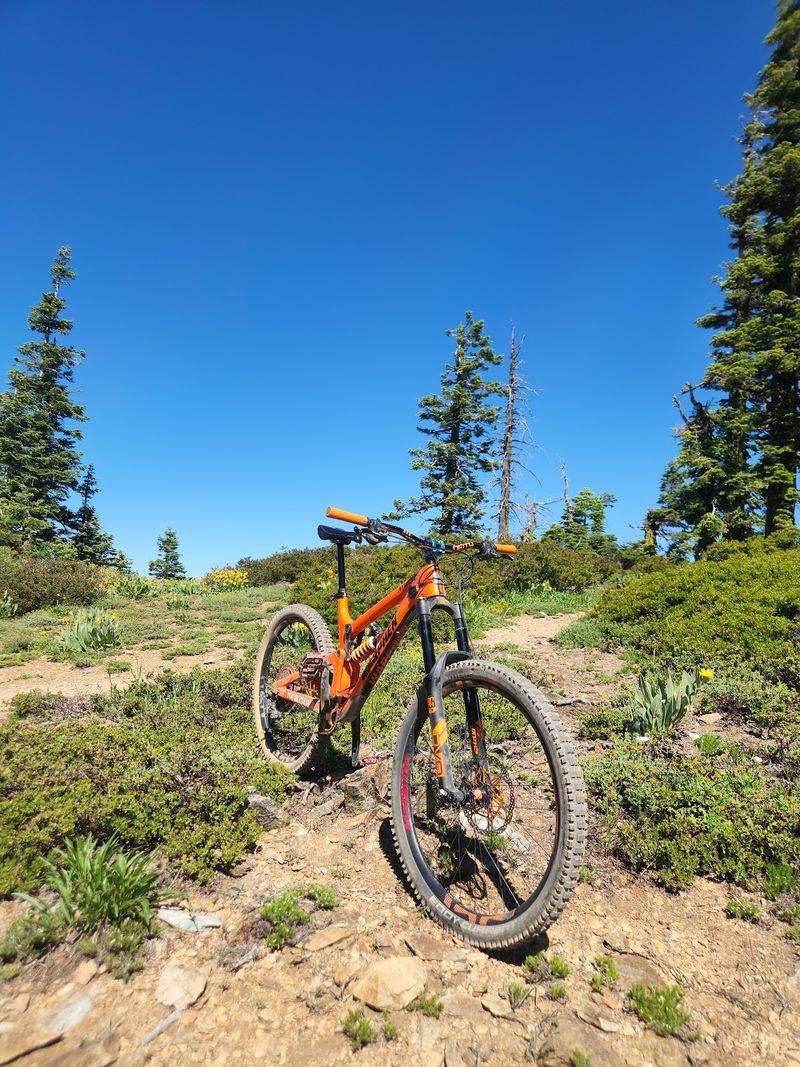
The Downhill gets the headlines, but it’s far from the only show. The wider Lost Sierra region offers more than 500 miles of trails.
That’s enough terrain to ride for a week without repeating a route. Options range from fairly easy spins to expert-level descents.
Nearby areas like Lakes Basin and Mills Peak add even more choices. Downhill fans will find extra fast descents there, plus big mountain views.
This variety matters for families and mixed groups. Not everyone in your crew may want to tackle a rugged 15-mile plunge on day one.
Easier options help everyone join the fun.
I love that a trip here can grow with your skills. You might start on mellow routes, then work up to tougher stuff over a few days.
Or you might simply mix and match based on how your legs feel.
Grab a good trail map or app before heading out. Cell service can be spotty in remote mountain areas.
A little planning goes a long way when you’re exploring big country like this.
Race Weekend Brings The Whole Town Alive
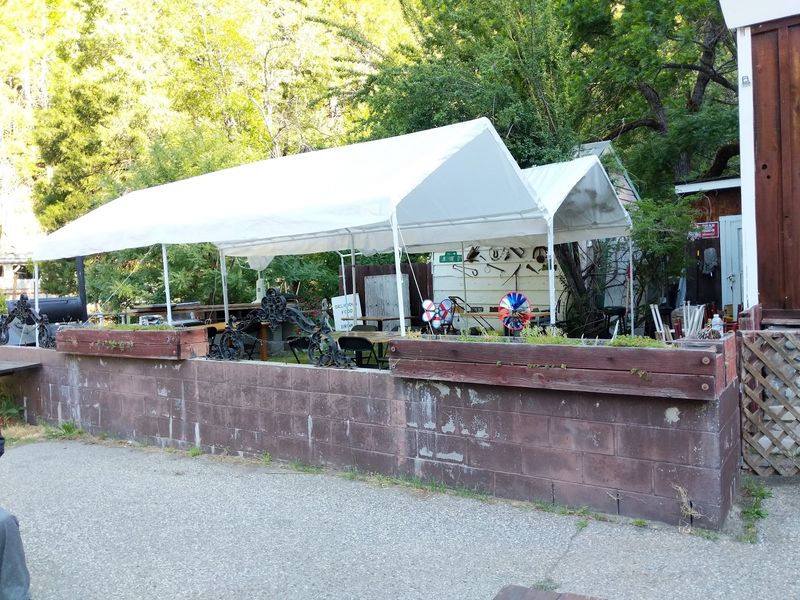
Every year, the Downieville Classic puts this little town on the racing map. The event draws riders from around the world to test themselves on local terrain.
The race marked its 25th anniversary in 2023. That’s a long run for an event based in such a small mountain community.
The cross-country course covers 26.5 miles. It starts in nearby Sierra City, climbs toward the Sierra Crest, then drops back down into Downieville.
You don’t need to race to enjoy the energy. Watching pros and determined amateurs fly into town can be a thrill all its own.
Race weekends tend to bring extra visitors, so plan lodging and shuttles early if you want to come then. Check event dates ahead of time, since schedules can shift from year to year.
The Classic also shows how well the town has embraced its new identity. Gold once brought crowds to this canyon.
Now it’s bikes, helmets, and riders chasing the perfect line. Honestly, that’s a pretty fun second act for a Gold Rush settlement.
Timing Your Trip For Perfect Dirt
Snow decides a lot here. The main riding season usually runs from April through November, depending on how the Sierra snowpack melts.
Lower-elevation trails can often be ridden almost year-round. Higher routes may stay snowy or muddy longer in spring, so check conditions before you go.
Many riders favor spring and fall. Cooler temperatures can bring tacky dirt, sometimes called hero dirt, which makes turns feel extra grippy.
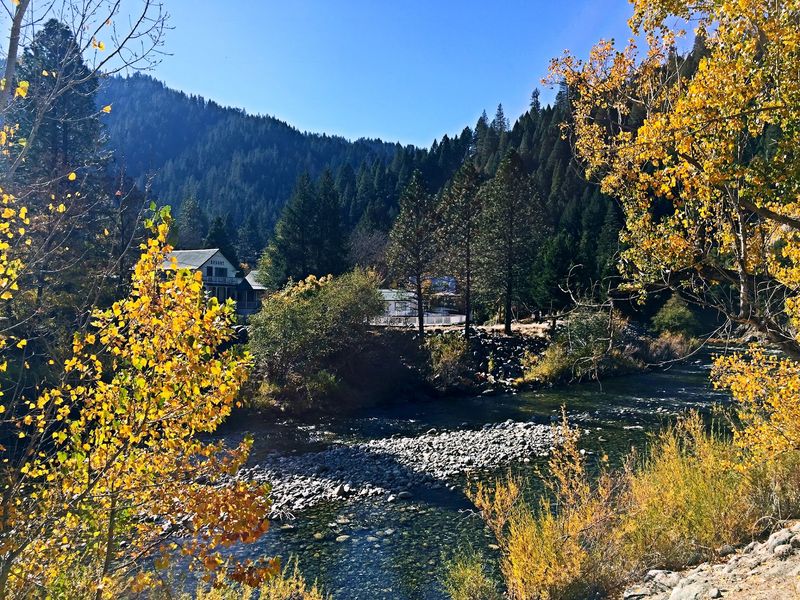
Fall is a lovely window to plan for right now. Cooler days can make long descents more comfortable, and the canyon may show some seasonal color.
Summer is the busiest stretch, so book shuttles early for weekends and holidays. Expect warmer weather too, and pack plenty of water.
Downieville works best for confident riders, history lovers, and anyone who enjoys quiet mountain towns. Families can still find easier trails and a charming main street to explore.
For a California secret worth the drive, this one delivers. Bring your bike, your curiosity, and maybe a spare tube.
You’ll probably leave planning your next visit.