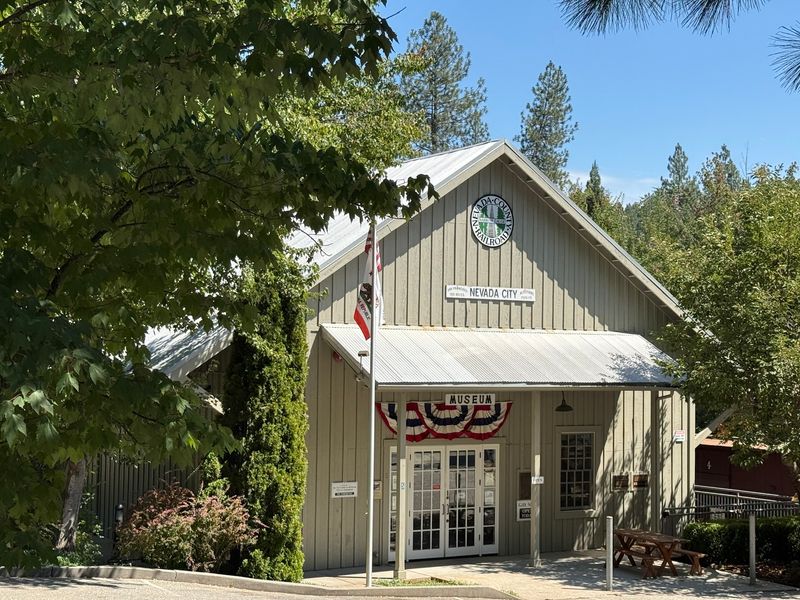
Kids can blow a real train whistle at this little railroad museum, and nobody charges you a cent to walk through the door. That detail alone got my attention.
Out back, volunteers restore old rail equipment in a working shop. Two steam locomotives and a railbus still run here, which feels almost unbelievable in fast-changing modern California.
The story behind it all involves a small railroad that once linked gold rush boom towns in the rugged Sierra foothills. Those little trains carried the hopes and hard work of an entire mining region.
I like how this place keeps that story moving instead of locking it behind glass, and some days you can even climb aboard. So how did a tiny gold rush line end up still rolling riders all these years later?
A Free Railroad Museum Sits Quietly In The Foothills Of Nevada City
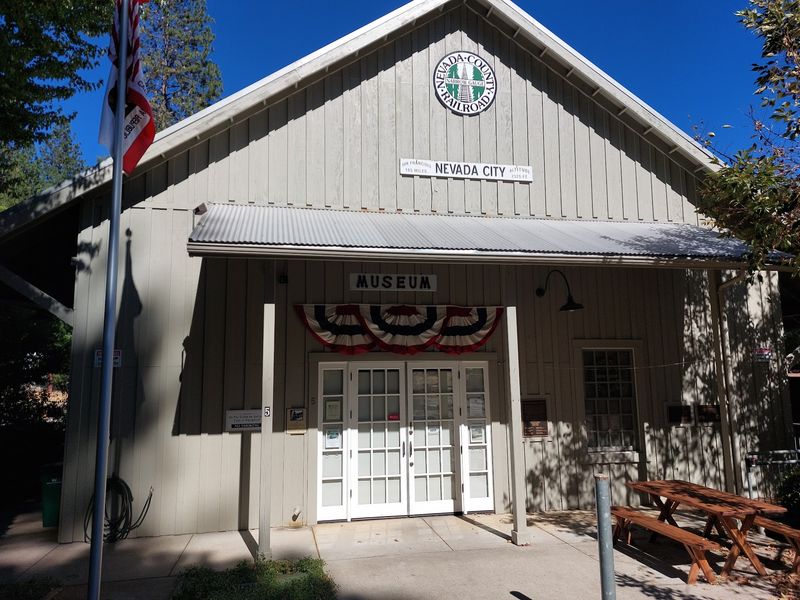
Gold Country hides plenty of history, but the Nevada County Narrow Gauge Railroad Museum might be the friendliest piece of it. The museum sits in Nevada City, a classic Sierra foothill town with deep gold rush roots.
Its focus is local transportation history, with a special love for the narrow gauge railroad that once served this corner of California. The collection mixes railroad and aviation artifacts with photographs and documents from the area.
Here’s a pleasant surprise for your wallet. Admission is free, and parking is free too, so the only real cost is your time.
Don’t expect a giant warehouse stuffed with hundreds of engines. The rolling stock collection is small, yet it’s carefully cared for and full of personality.
Volunteers run the entire operation, from greeting guests to restoring equipment. That all-volunteer spirit shapes everything about the visit, and you can feel the pride in how tidy and organized the place stays.
A typical stop runs about one to two hours, which makes it an easy add-on to a Nevada City day. It’s the kind of place true railfans whisper about, while everyone else drives right past.
The Scrappy Little Line That Tied Gold Rush Towns Together
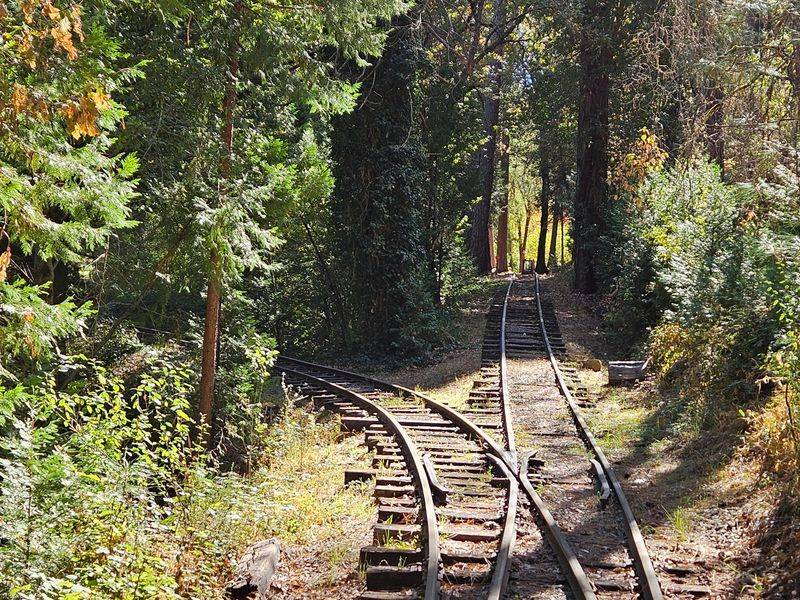
Long before highways carried tourists into the foothills, a modest narrow gauge railroad did the heavy lifting. It ran between gold rush boom towns, linking mining communities that needed supplies, people, and a way to the wider world.
Narrow gauge simply means the rails sat closer together than on standard lines. That tighter spacing helped little trains wiggle through hilly terrain where bigger railroads struggled to fit.
For Nevada County, the line became a lifeline. Mines needed equipment, towns needed goods, and travelers needed a ride that beat a bumpy wagon trip.
The Nevada County Narrow Gauge Railroad Museum exists to keep that chapter from fading away. Its exhibits trace how the railroad and mining shaped daily life throughout this stretch of California.
I believe that’s what makes the museum feel personal rather than academic. You’re standing in the same region these trains once served, surrounded by the hills they climbed.
It’s a reminder that the gold rush wasn’t only about prospectors with pans. Somebody had to move all that machinery and muscle, and these small trains answered the call with plenty of grit.
Old Photographs And Rare Artifacts Fill The Main Building
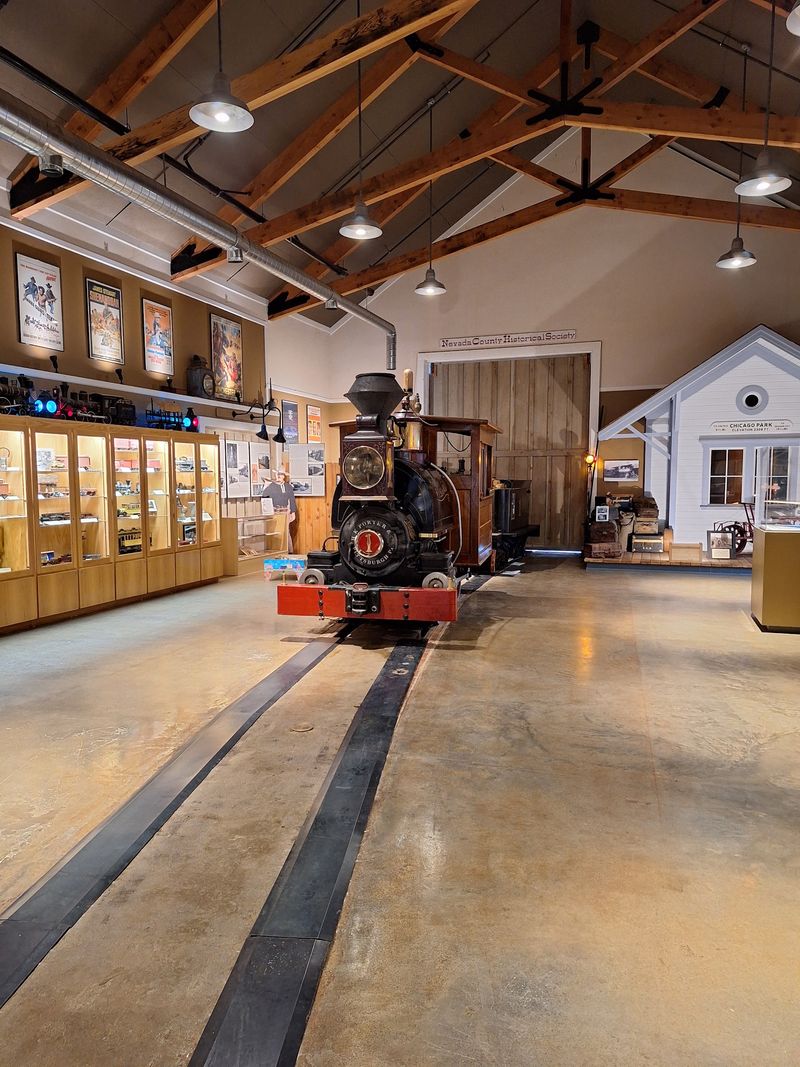
Rare items show up in surprising places, and the main building here proves it. Railroad relics, aviation pieces, photographs, and documents share space in thoughtfully arranged displays.
The artifacts are presented creatively and artfully, so browsing never feels like reading a dusty textbook. Each exhibit adds another layer to the story of how people and goods moved through these hills.
Cleanliness matters to this crew. The building stays well kept, which says a lot about the volunteers who look after every case and corner.
Aviation fans get a bonus here. The collection reaches beyond rails, touching on local transportation history in the skies as well.
Photographs might be the quiet stars of the show. Seeing the old trains working in their prime helps you picture the hills buzzing with activity instead of today’s peaceful pines.
You can wander on your own, but a docent often appears ready to walk you through everything. That guided touch turns a quick look into a real conversation about Nevada County’s past.
Small in size, big on detail. Good luck leaving without learning at least one fact you’ll repeat at dinner.
Grease, Gears, And Patience In The Restoration Shop Out Back
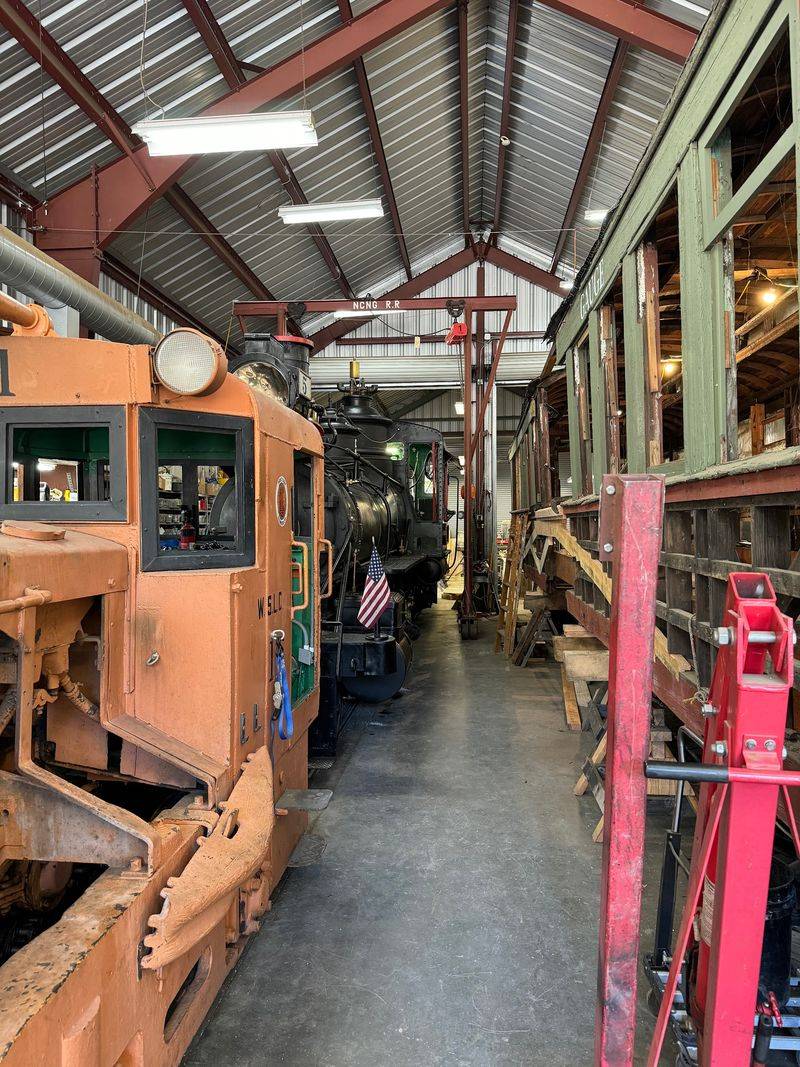
Most museums show you the finished product. At the Nevada County Narrow Gauge Railroad Museum, you can often peek at the work in progress.
Behind the main building sits a restoration shop where volunteers bring historic rail cars and engines back to life. Docents frequently lead guests back there as part of a tour.
Watching restoration happen changes how you see old machinery. Every bolt and panel suddenly represents hours of careful, hands-on effort from people who simply love trains.
One notable project has been Engine 5, a locomotive dating to 1885. Seeing something that old getting fresh attention feels like a small act of preservation happening right in front of you.
The shop is also where volunteers tend to share their best stories. Ask a question and you may get a detailed answer about how a part works or where it came from.
Kids get a treat too. The shop tour can include a chance to blow a train whistle, which is about as fun as history gets.
Model railroaders, take note. Seeing full-size restoration up close might inspire your next project at home.
Two Working Steam Engines Keep The Old Fire Burning
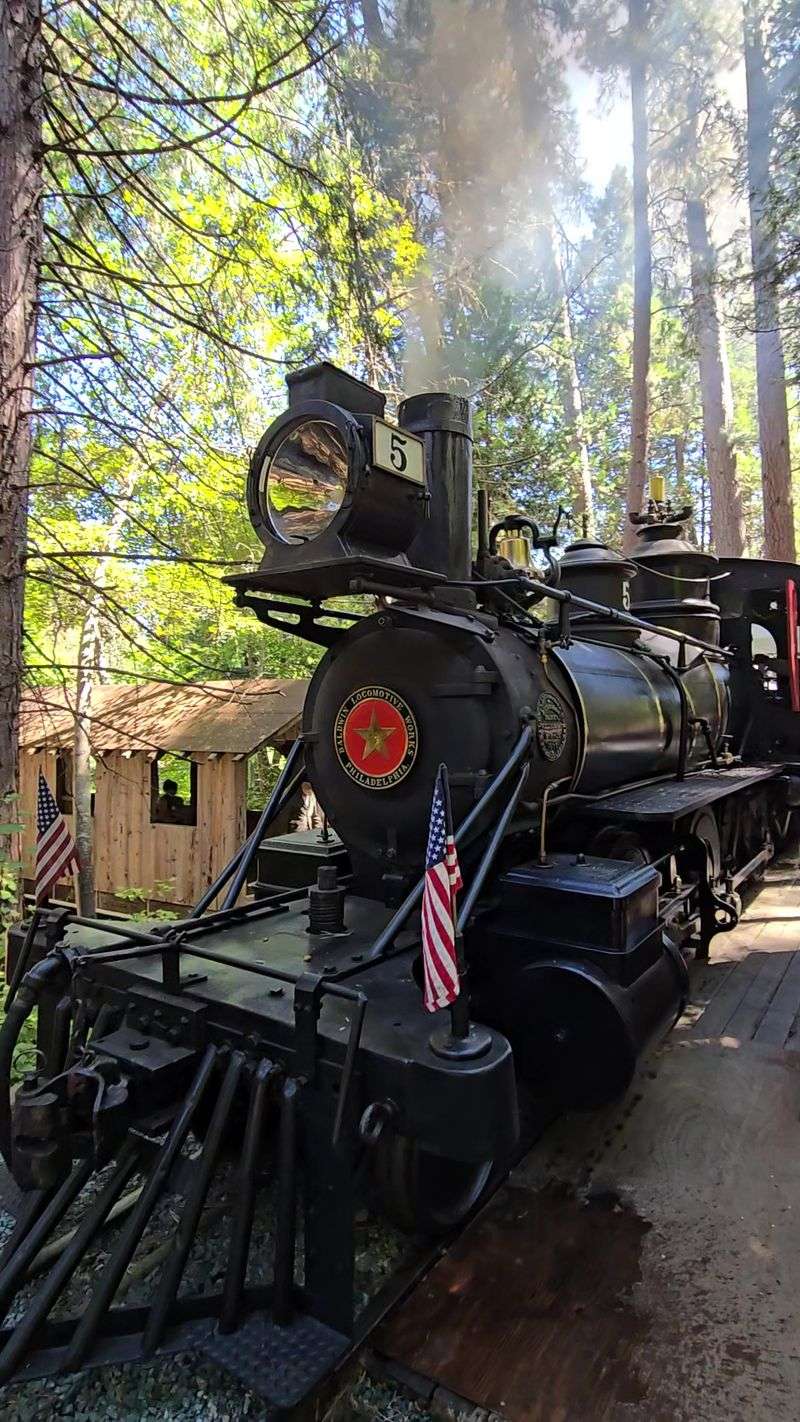
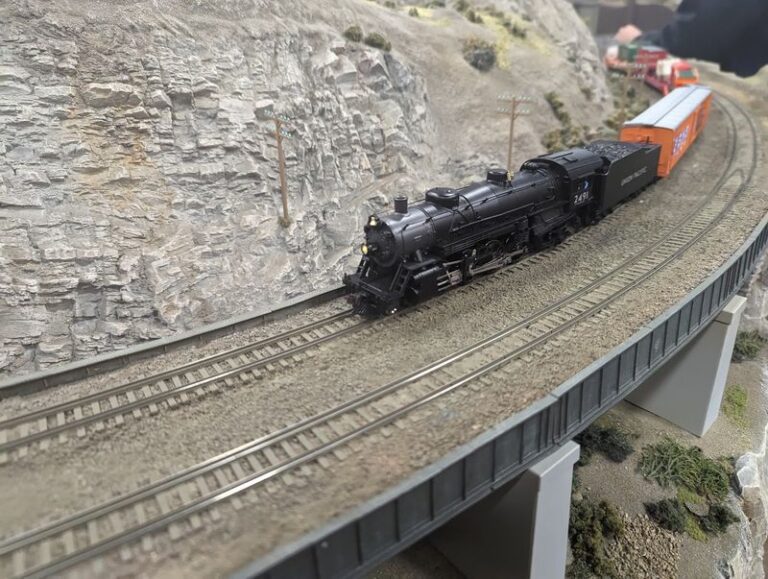
Two operating steam locomotives call this museum home. That’s a rare sight for a volunteer-run spot in a small foothill town.
Alongside the steam engines, the museum also has a railbus, a quirky blend of bus and rail car. Together they give the collection real motion instead of static displays.
Steam Up events are when the place truly comes alive. During these special days, the engines fire up and guests can ride, sometimes with several different ride options on the same weekend.
Timing matters, though. Steam season doesn’t run all year, and winter visitors may find the engines inside or getting maintenance.
That’s not a dealbreaker, since the shop and museum stay interesting regardless. Still, catching a steam day turns a nice visit into a memorable one.
The sound, the motion, and the sight of a working steam engine in the California foothills feel wonderfully old-fashioned. It’s the closest you’ll get to the gold rush era without a time machine.
Railfans should check the event schedule before driving up. Missing the steam by a week is the kind of mistake you only make once.
You Can Still Climb Aboard And Ride These Historic Rails
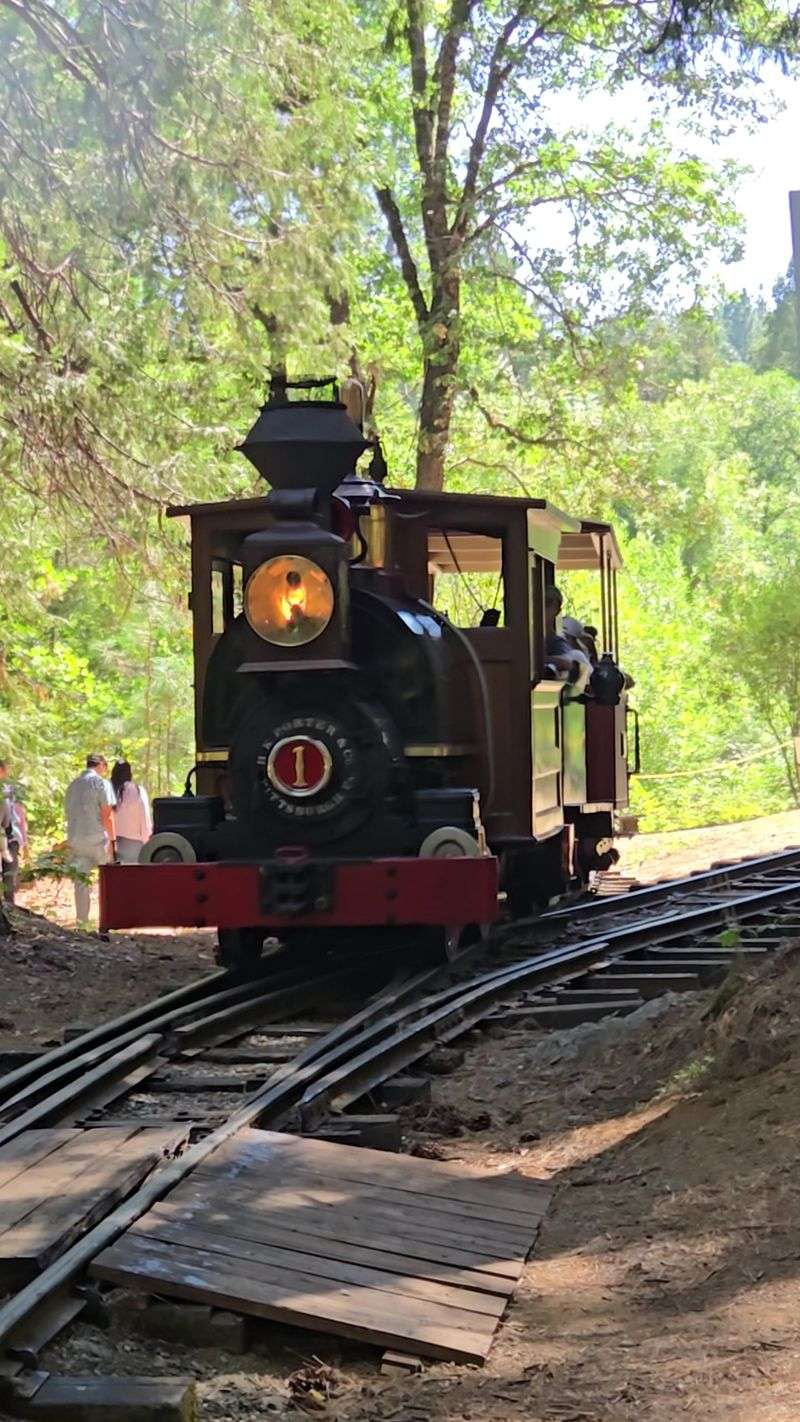
Train rides come up again and again when people talk about this place, and for good reason. The chance to actually ride is what separates it from a typical museum stop.
Rides happen by railcar outside of steam season, and steam-powered trips can run during special events. Either way, you get to feel the rails beneath you.
Some special event days include rides down to a meadow area. Food like hot dogs and ice cream has been available there during events, adding a picnic-day feel.
Event days can get busy, especially in summer heat. Arriving early helps you grab a spot before lines build.
A train table at the loading area keeps younger kids entertained while they wait. Thoughtful touches like music and shade make the wait easier on hot afternoons.
Here’s a practical tip. If you want to ride the rails on a regular day, call ahead and make a reservation rather than hoping to walk on.
Bring patience, sunscreen, and a sense of adventure. A short ride on historic rails feels bigger than its length suggests.
Docents Who Could Talk Trains All Day And Probably Do
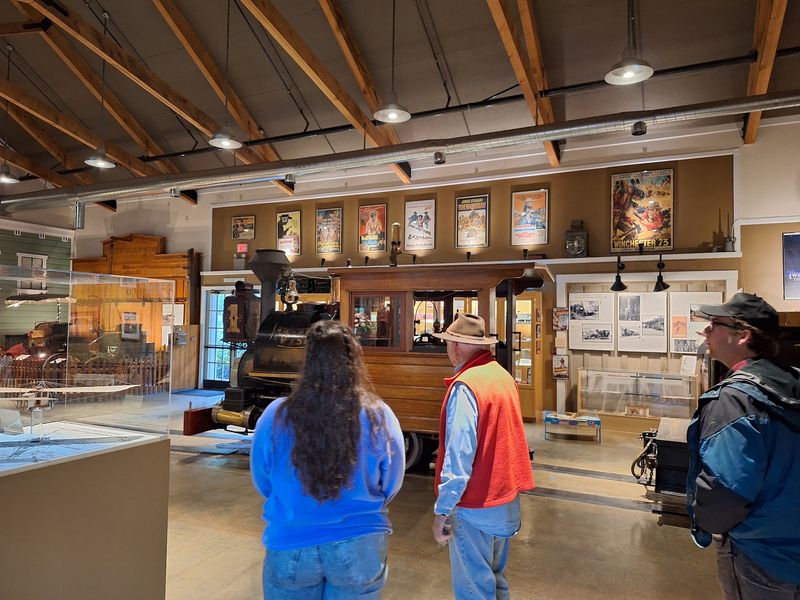
Knowledgeable docents are the beating heart of this museum. Without them, the exhibits would still be nice, but far less lively.
Guests often get personal tours, sometimes one-on-one, with a volunteer answering every question that pops up. The museum may be small, yet an abundance of docents makes up for the size.
That personal touch suits curious minds of every age. Grandparents, kids, couples, and solo travelers can all find something that clicks.
Families with young train lovers will feel right at home. Between the whistle, the rides, and the restoration shop, kids have plenty to keep them wide-eyed.
Serious railfans get a different kind of reward. Volunteers love digging into technical details, history, and restoration stories with anyone who shares their enthusiasm.
History buffs who enjoy California’s mining past will find the local angle especially satisfying. The stories connect trains, mines, and towns into one clear picture.
The overall mood feels relaxed and welcoming rather than stuffy. It’s the type of place where questions are encouraged and nobody rushes you out the door, which feels refreshingly rare these days.
Plan Around These Hours Before You Point The Car North
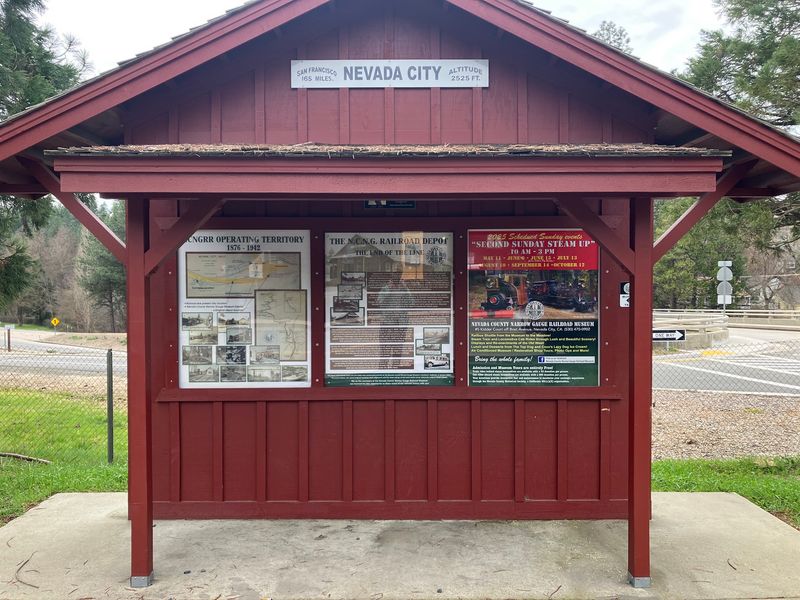
Wednesdays and Thursdays are off the table, so plan accordingly. The museum closes both days each week.
On Monday, Tuesday, and Friday, doors open from 10 am to 2 pm. Weekends run longer, from 10 am to 4 pm on Saturday and Sunday.
You’ll find the Nevada County Narrow Gauge Railroad Museum at 5 Kidder Ct, Nevada City, CA 95959. Parking is free, which is always a welcome bonus in a popular foothill town.
Admission costs nothing, but donations are gladly accepted. Since volunteers maintain and run everything, a small contribution helps keep the engines and exhibits in shape.
A small gift shop inside offers another way to support the museum. It carries some neat items, so railfans may find a souvenir worth bringing home.
Ride reservations are smart if a train trip is high on your list. Calling ahead saves disappointment, especially outside of special event weekends.
Steam schedules shift with the seasons, so check upcoming events before you go. Late fall visits may still offer railcar rides even after the steam season wraps up.
A Gold Country Day Trip That Rewards The Curious
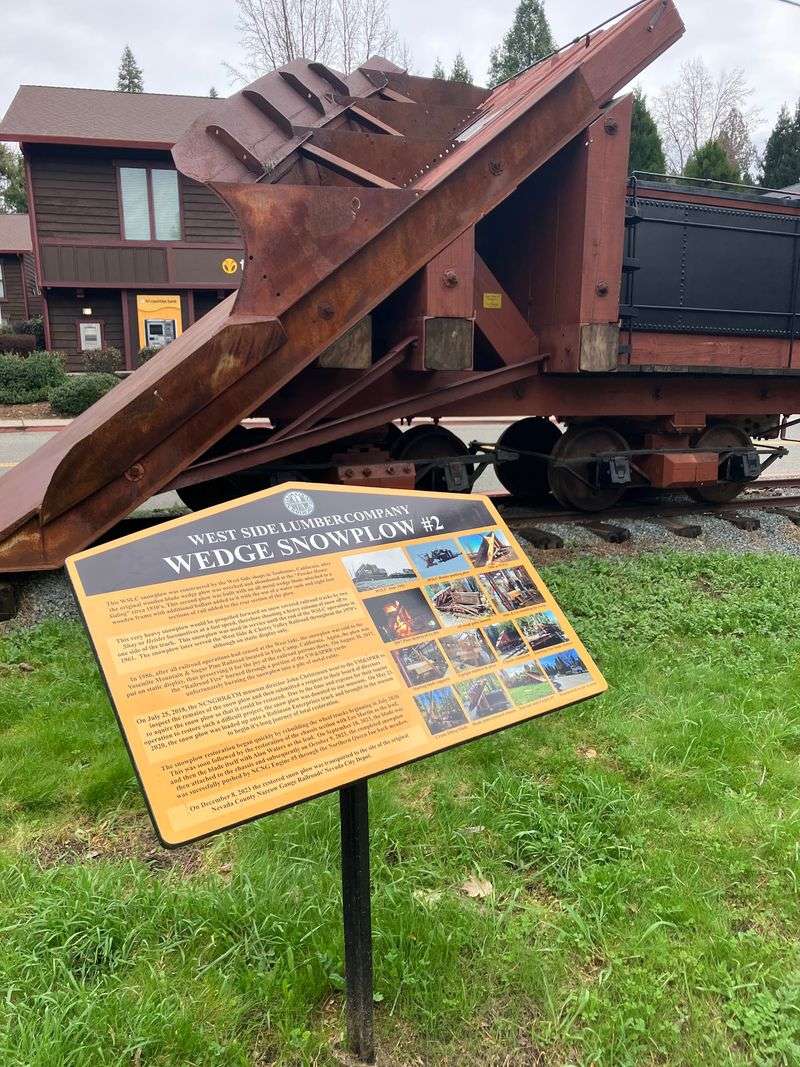
Don’t head home the second you leave the museum. A historic snow plow and rail cars sit on display just one exit north along the highway.
That roadside exhibit is easy to miss, so keep your eyes peeled. It makes a perfect bonus stop for anyone still hungry for railroad history.
The Old Chinese Cemetery sits close by as well. It offers a quiet, respectful look at another important thread in Nevada County’s gold rush story.
The Northern Queen Inn is also nearby. Walking around the area lets you soak in the foothill atmosphere at an easy pace.
So is the Nevada County Narrow Gauge Railroad Museum worth the drive? I believe it is, especially for families, railfans, and anyone who loves California history told with heart.
Free admission, working steam engines, and passionate volunteers make a rare combination. Few places let you watch history being restored while also riding along with it.
It’s a California secret worth a day trip. Toss a donation in the box, blow that whistle if you get the chance, and let a little gold rush magic roll you home.