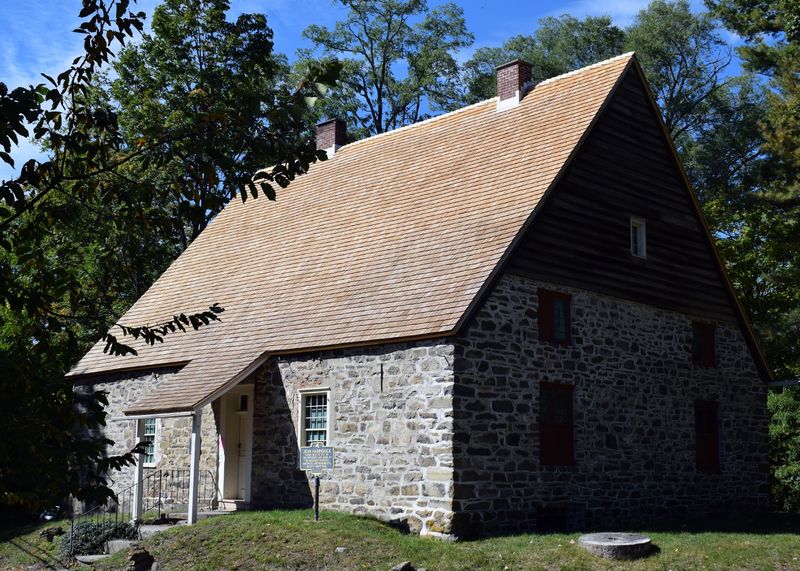
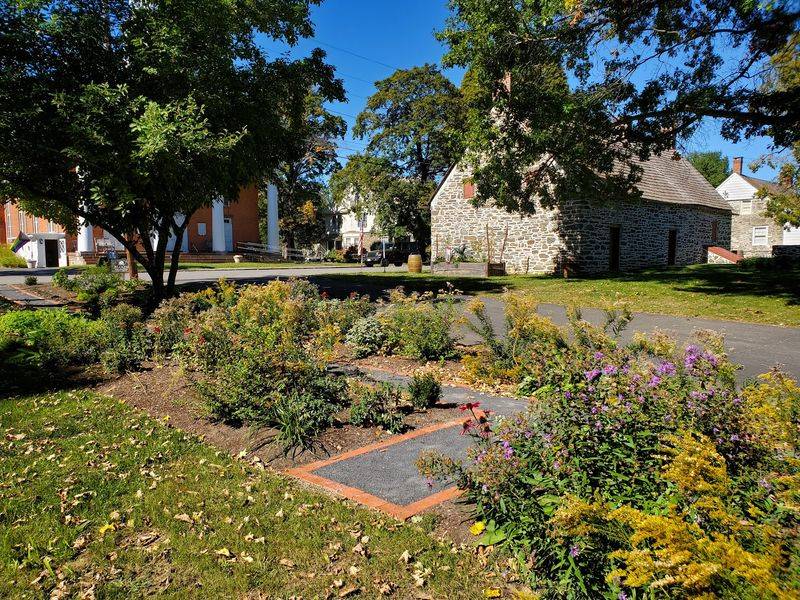
Graves from the 1600s sit just steps from a residential sidewalk on one small street. Nearby, stone houses built by refugee families in the early 1700s still stand in a neat row.
I like how ordinary the setting feels at first. Neighbors live right around the corner.
Yet one of these homes dates to around 1705, and it now welcomes visitors as a museum.
The families who built here had fled religious persecution in France. They bought land from the Esopus Munsee people in 1677, and a village took shape within a year.
Their thick stone walls outlasted nearly everything around them.
For anyone in New York who loves old craftsmanship, family history, or hands-on traditions, this is a rare treat. I can’t imagine a better way to touch the past.
So which house would you open first?
Seven Stone Houses And A Whole Lot Of Patience
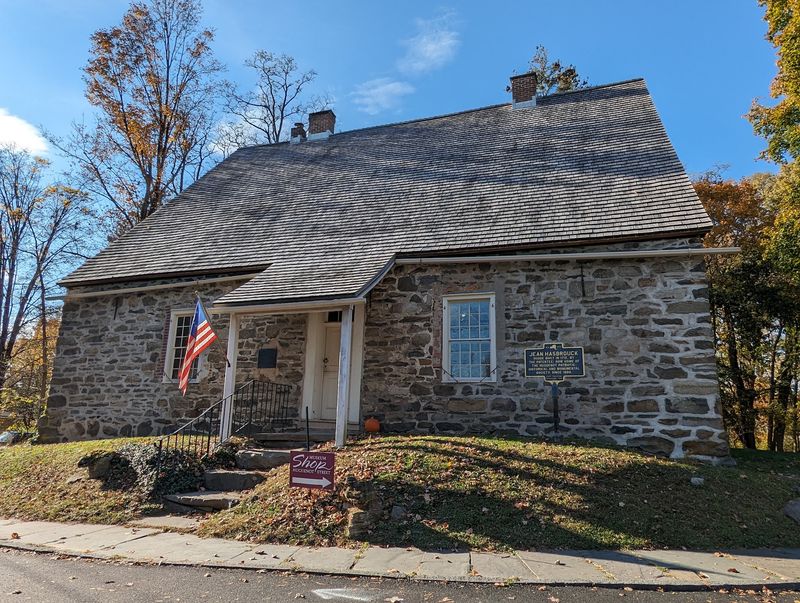
Historic Huguenot Street sits in New Paltz, New York, and it’s officially a National Historic Landmark District. Think of it as an outdoor museum where the exhibits happen to be entire houses.
The district includes seven stone-house museums, plus a rebuilt church, a burying ground, and a visitor center. Some of those homes date to the early 1700s, which is wild when you stand beside them.
The street is often called one of the oldest continuously inhabited streets in America. People have walked this same stretch for more than three centuries.
That’s a lot of footsteps on one quiet road.
What makes it special is how compact it feels. You don’t need a tram or a map the size of a bedsheet.
The buildings sit close together, so the whole story unfolds on foot.
Fans of traditional craft will notice the work right away. These walls were stacked by hand from heavy stone, built to last generations.
They did exactly that, and then some.
It’s a place for curious minds rather than thrill seekers. Slow down, look closely, and the details start talking back.
How A Refugee Village Took Root In 1677
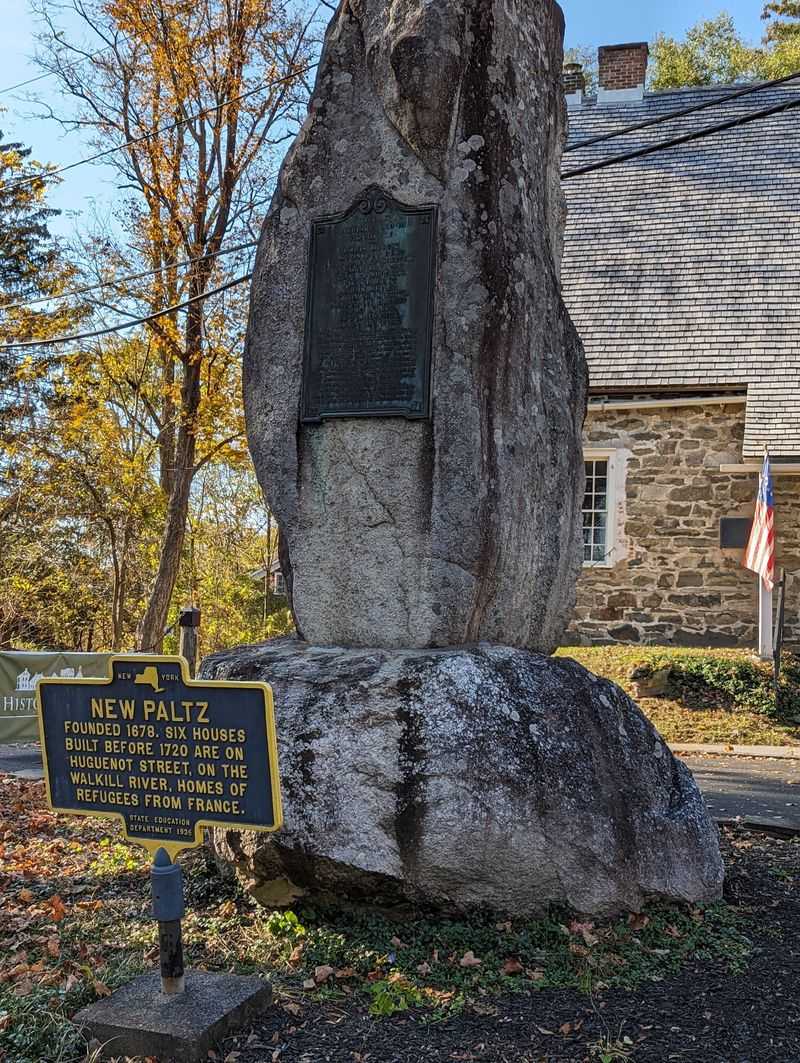
Persecution in France pushed a group of French-speaking Protestants far from home. These Huguenots and Walloons first found shelter in the Pfalz region of Germany.
That temporary refuge left a lasting mark. The name New Paltz honors the Pfalz, also known as the Rhenish Palatinate.
In 1677, the group purchased nearly 40,000 acres from the Esopus Munsee people. By 1678, a small village had taken shape along this very street.
Over the following decades, settlers swapped early shelters for sturdy stone homes. Those are the houses that still stand at Historic Huguenot Street today.
The story doesn’t stop with the founding families, though. Guides also share the history of Indigenous people, Dutch families, and enslaved Africans who lived here.
That fuller picture gives the site real depth. It’s a story of faith and survival, but also of land, labor, and hard truths.
History lovers who enjoy tracing threads will feel right at home. Every house connects to a name, and every name connects to a bigger New York story.
It’s like reading a family quilt, one square at a time.
Your Visit Starts Inside A House From Around 1705
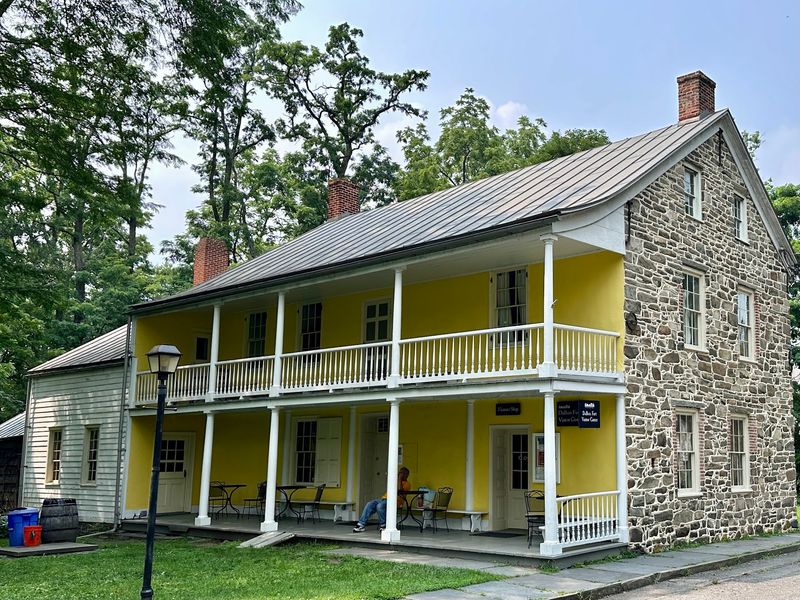
Not many visitor centers come with a birthday older than the country. The DuBois Fort was built around 1705, making it one of the earliest homes on the street.
Today it serves as the starting point for your visit. You can pick up tour tickets here and browse informational exhibits and videos.
It’s smart to begin here before wandering. The exhibits give you enough background to make each house feel less like a pile of stones.
There’s also a small gift shop inside. It makes a handy stop for a souvenir or a book that keeps the history going at home.
The building itself deserves a slow look, too. Its stone walls show the kind of solid construction early families trusted with their lives.
For folks who appreciate handmade work, that matters. Every stone was chosen and placed without power tools or modern shortcuts.
Grab your bearings, ask your questions, and then head outside. The rest of Historic Huguenot Street is waiting just beyond the door.
A little preparation here goes a long way once you start exploring.
Guides Who Make An Hour Feel Way Too Short
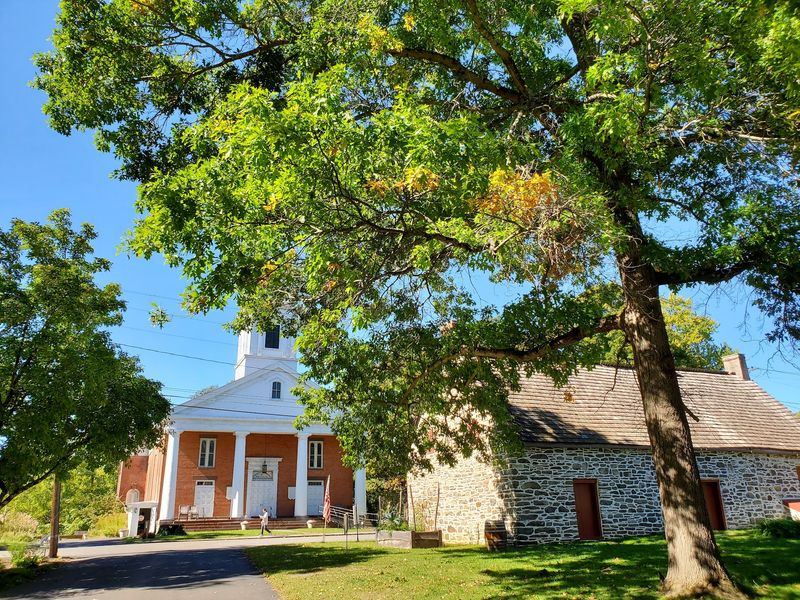
Guided tours unlock the real magic here. Most of the houses stay closed unless you join one, so the ticket matters.
Knowledgeable guides come up often when people describe the site. Some visitors have happily stretched a planned hour into nearly double that time.
Tours explore several historic buildings and the people who lived in them. You’ll hear about architecture, reconstruction, and the diverse groups tied to this land.
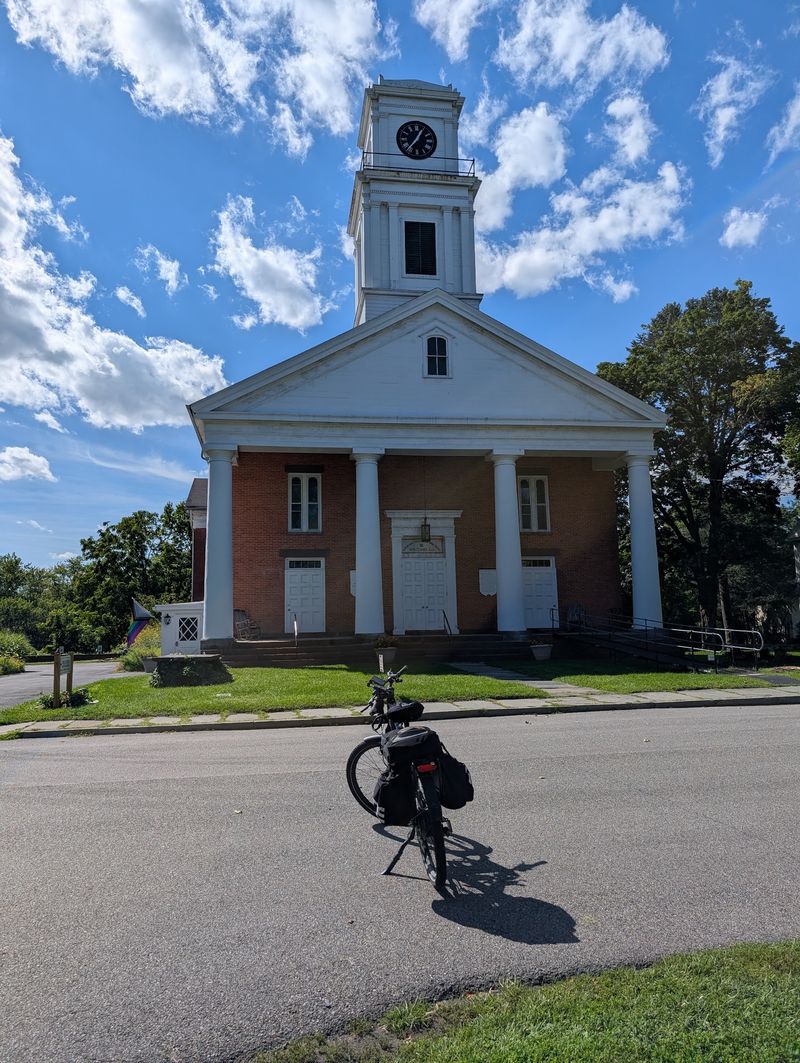
One standout is the rebuilt French Church, reconstructed from a 1717 church. It shows how faith shaped the community these families built together.
Craft-minded travelers get plenty to chew on. Guides explain how the homes were built and how they changed over time.
Short on time? A free app offers a self-guided audio tour you can follow house to house.
It runs under an hour and works well when guided tours aren’t available.
Still, the guided option gives you the inside view. If your schedule is tight, buying tickets in advance is a wise move.
Your future self, standing inside a centuries-old room, will thank you.
Old Headstones Carved With Founding Family Names
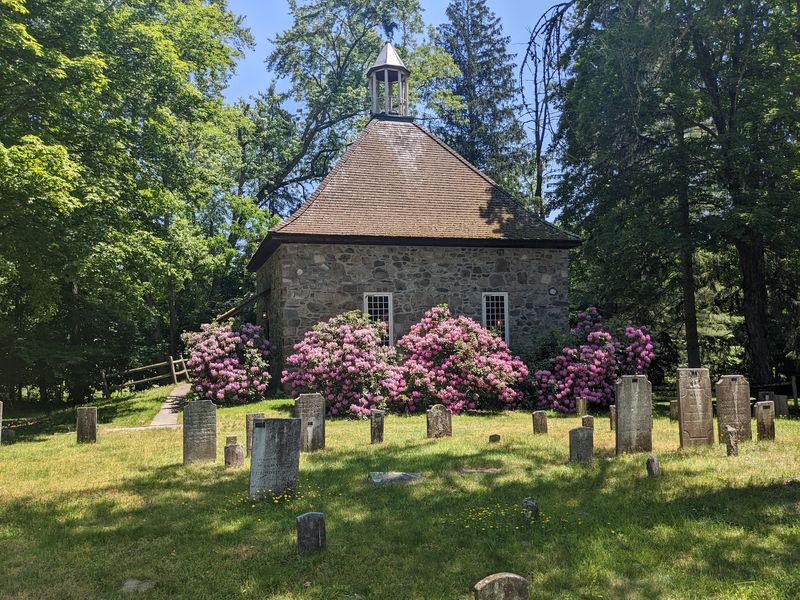
Quiet and grassy, the Old Burying Ground holds some of the street’s most personal stories. It’s the original Huguenot community’s burial site.
Old headstones of early families still stand here. Some date back to the 1600s, which makes them older than most buildings in the state.
Hand-carved lettering rewards a slow, careful look. Many stones show the names of families who shaped New Paltz from the start.
For genealogy fans, this spot can feel especially meaningful. Some visitors come specifically to trace ancestors who once lived on this very street.
Please treat the grounds with care, of course. These stones are fragile, and they’ve already weathered more than three centuries.
You can wander the burying ground even without a guide. It’s an easy addition to a self-guided walk past the houses.
Bring a notebook if family research is your hobby. Jotting down names and dates can spark hours of happy digging later.
Few places let you stand this close to the people who started a whole community. It’s humbling in the best possible way.
A Wigwam That Tells The Story Before 1677
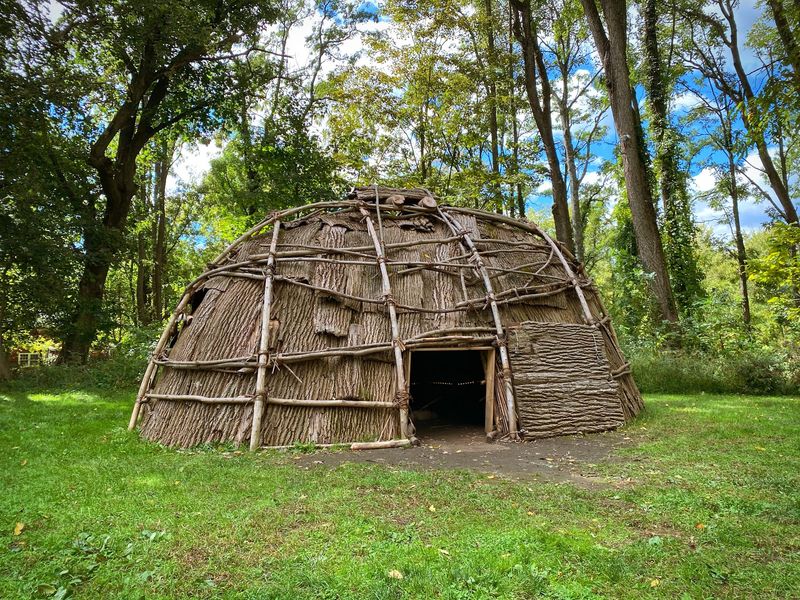
Long before stone walls rose here, the Esopus Munsee people lived on this land. A replica wigwam on the street helps tell that earlier story.
Its shape is simple, curved, and practical. It stands in clear contrast to the heavy stone houses nearby.
Kids especially tend to love this stop. Stepping inside a wigwam turns a history lesson into something you can actually feel.
The replica highlights the people who lived here before the 1677 land purchase. That context makes the whole visit more honest and complete.
Anyone interested in traditional building methods will find it fascinating. Comparing bark and saplings to stone and mortar sparks great conversations.
It also reminds visitors that New York history didn’t begin with European settlers. The land had a long human story well before any deed was signed.
Pair this stop with the visitor center exhibits for a fuller view. Together, they show how different communities shaped this valley across generations.
It’s one of the most thought-provoking corners of Historic Huguenot Street. Families often leave talking about it more than anything else.
Genealogy Buffs, Your Archive Awaits
Family trees get serious attention here. Historic Huguenot Street maintains a research library and extensive archives.
The collections focus on the history and genealogy of Hudson Valley settlers. That makes it a valuable stop for anyone tracing roots in the region.
Plenty of New York hobbyists spend weekends building family histories. Having records this focused on early settlers can save a lot of guesswork.
Research isn’t the same as a casual tour, though. It’s wise to contact the organization ahead of time about access and scheduling.
Pairing archive time with a walk down the street feels especially rewarding. You can read about a family, then stand outside the house they built.
That connection between paper and stone is what makes this place unusual. Records come alive when the walls are still standing nearby.
Even if you’re not related to the founding families, the archives tell a broader story. They reveal how settlers lived, worked, and organized their community.
For anyone who loves careful digging, this is a satisfying treasure chest. Bring patience, a pencil, and plenty of curiosity.
Weekend Hours, Parking, And A Bike Path Bonus
Plan for a weekend trip, because timing matters. The site is open Saturday and Sunday from 10 AM to 4 PM.
It’s closed Monday through Friday, so double-check before heading out. Hours can shift, and a quick look ahead saves disappointment.
You’ll find Historic Huguenot Street at 81 Huguenot Street, New Paltz, NY 12561. It’s easy to reach from the center of town.
A parking lot sits nearby, which helps on busy days. Walking the street is the best way to see it, rather than driving down slowly.
Cyclists have a fun option, too. A nearby bike path connects to the area, making it a great pedal-and-learn outing.
Guided tours require a ticket, purchased at the visitor center or ahead of time. The free app tour works anytime you’re on the street.
Allow about an hour for a self-guided walk. A guided tour could easily take longer, especially if your questions keep coming.
Comfortable shoes are a good call, since you’ll be on your feet most of the visit.
Why Tradition Lovers Should Put This Street On The Calendar
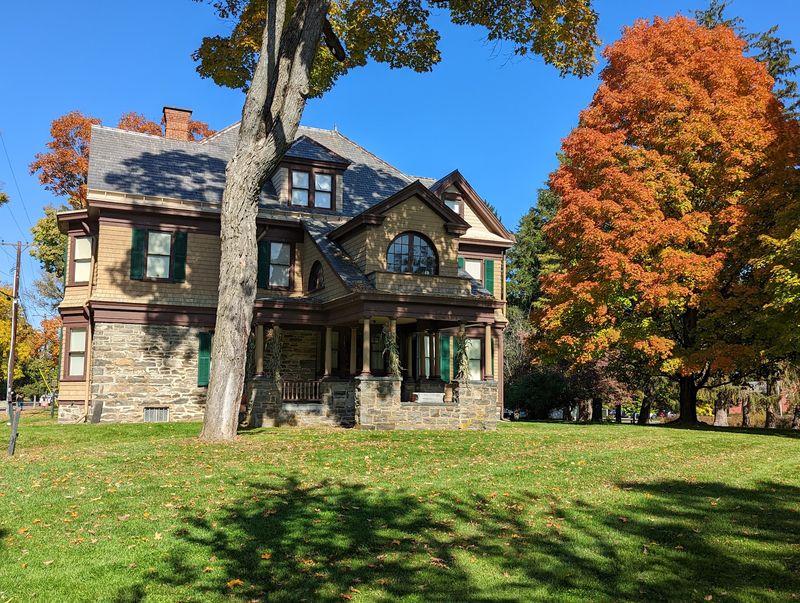
Few day trips in New York offer this much history in such a walkable package. Historic Huguenot Street pulls it off with grace.
It holds a 4.6-star rating across hundreds of reviews. That’s a strong showing for a quiet street of stone houses.
It suits history fans, genealogy researchers, and families with curious kids. Anyone who admires handmade craftsmanship will find plenty to appreciate.
Thrill seekers might want a bit more action, honestly. The rewards here come from slowing down and paying attention.
New Paltz itself adds to the fun. Pair your visit with a hike nearby, then come back for history in the afternoon.
The best visits likely include a guided tour. That’s when the closed doors swing open and the stories really land.
Families built these homes to protect what they valued most. More than 300 years later, the walls are still doing their job.
That feels like a lesson worth bringing home. So grab a friend, pick a weekend, and go meet the oldest neighbors in the Hudson Valley.