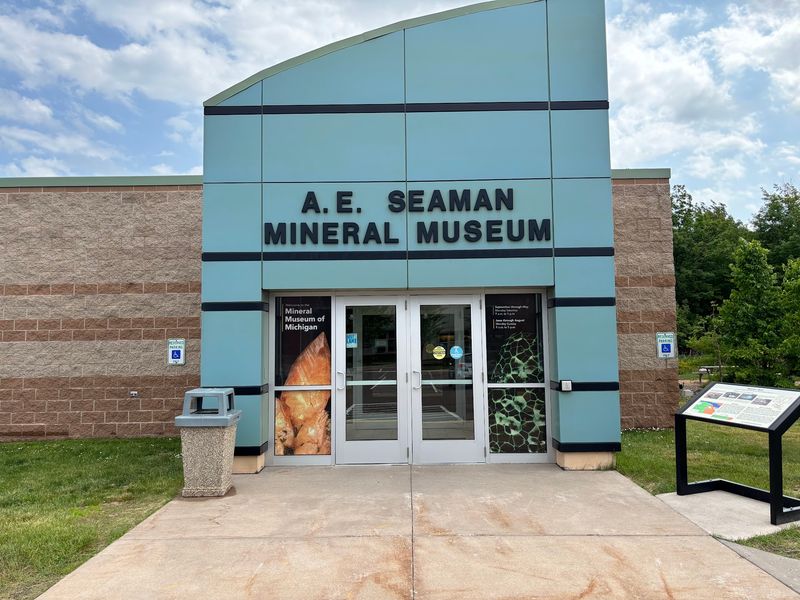
A slab of native copper weighing 19 tons sits in its own pavilion on a college campus in Michigan’s Upper Peninsula. It came up from the bottom of Lake Superior, and it holds a world record.
That alone would justify the drive. Then there’s a darkened room where plain-looking rocks blaze neon green, orange and purple under special lights.
I like how this museum treats rocks like celebrities. It holds the world’s finest collection of crystallized native copper, plus thousands of specimens from around the globe.
Even your ticket is generous, since one admission covers two consecutive days of exploring.
I can’t imagine a better rainy-day plan anywhere in Copper Country. So why do serious rock collectors happily drive for hours to stand in front of a few glowing glass cases?
A Campus Museum With An Official State Title
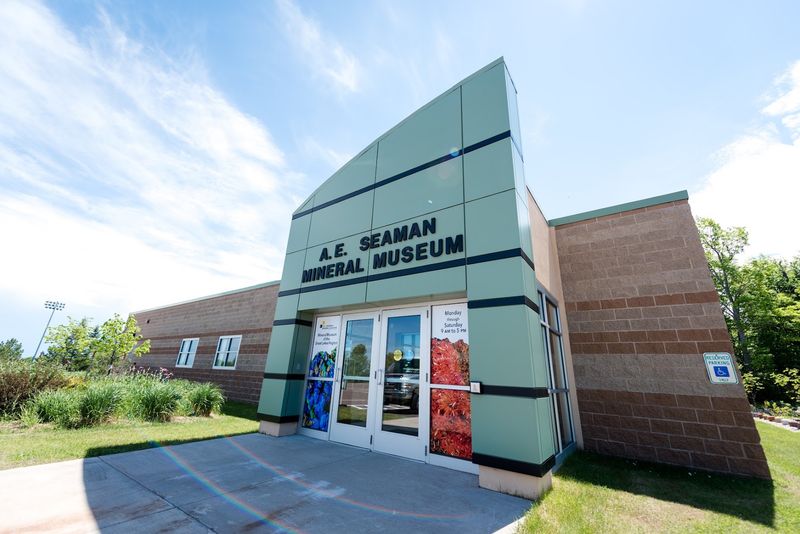
Rock fans finally have a place with paperwork to back up its bragging rights. The A.
E. Seaman Mineral Museum of Michigan Tech was named the official Mineralogical Museum of Michigan in 1991.
It sits on the campus of Michigan Technological University in Houghton, up in the Keweenaw Peninsula. That location matters, because the ground around here shaped one of America’s great mining stories.
The museum is considered one of the premier mineral museums in North America. That’s a big claim, but the collection backs it up with real depth.
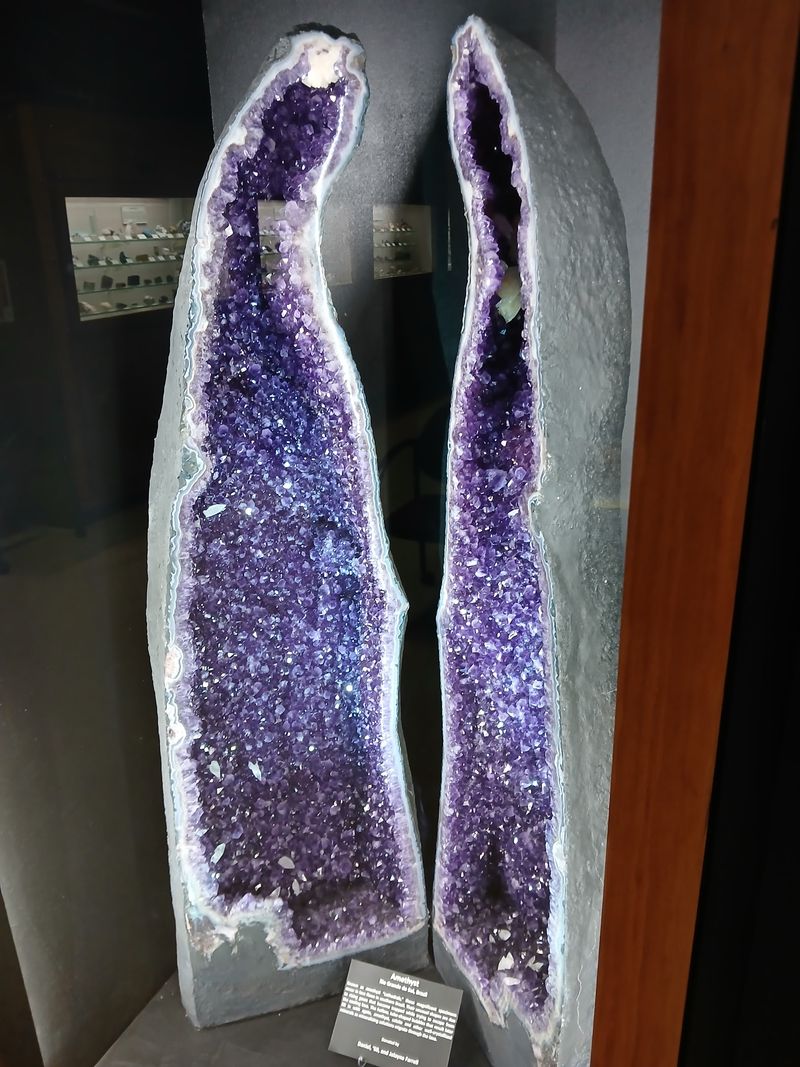
Inside, you’ll find minerals, gems, fossils and geological treasures from across the planet. The museum also holds the world’s best collection of Michigan minerals.
It’s a university museum, so science sits at the heart of everything. Still, nobody needs a geology degree to enjoy a case full of sparkling crystals.
The displays work for curious kids, serious collectors and people who simply like pretty rocks. Call it a library where the books happen to shine.
And yes, the building is larger inside than it looks from the parking lot. Plan accordingly, because two hours can vanish fast.
Roots That Reach Back To The 1800s
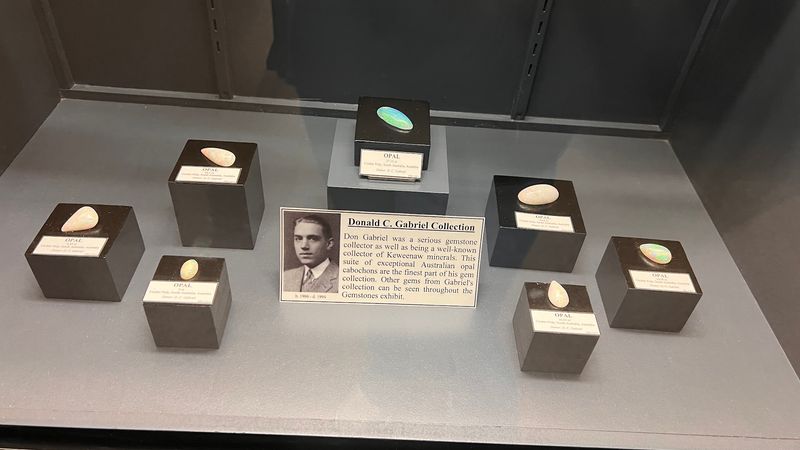
Long before the current building existed, specimens were already piling up here. By 1890, the collection had grown to an impressive 27,000 pieces.
The museum was officially established in 1902. That makes it older than the Ford Model T, which feels fitting for a place obsessed with deep time.
In 1932, it took the name of Professor Arthur Edmund Seaman. He served as curator from 1928 until 1937, so the honor came while he was still on the job.
The exhibits share history on the museum’s directors, too. It’s a nice reminder that collections like this grow through decades of patient people.
The current main building dates to the museum’s 2011 move. That newer home gives a historic collection the room and lighting it deserves.
Old specimens and modern cases make a surprisingly good team. The result feels respectful of the past without feeling dusty.
For a Michigan institution with roots in the 1800s, it still feels lively. Old stones, fresh presentation and a story that keeps growing make it a heritage stop worth the miles.
The Glow Room Steals The Show
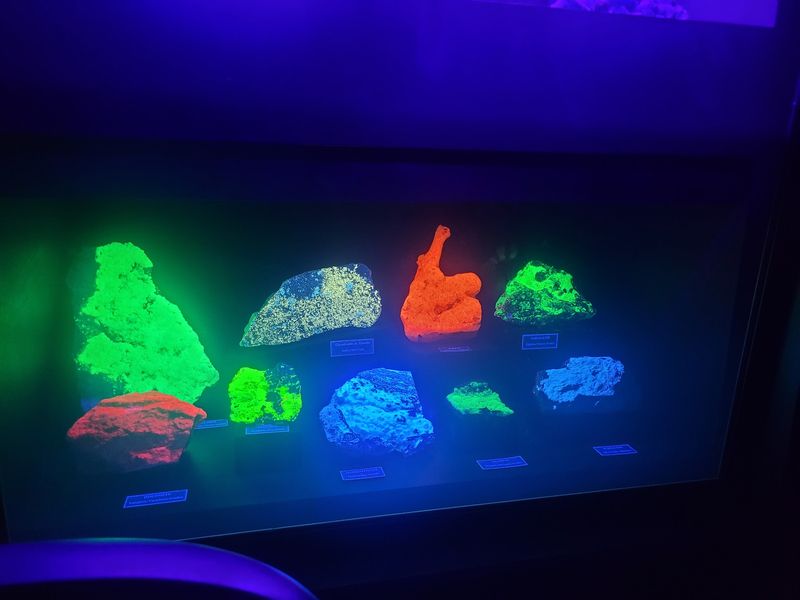
Lights go down, and suddenly the rocks start showing off. The museum features one of the finest fluorescent mineral exhibits in the United States.
Under ultraviolet light, ordinary-looking specimens burst into neon greens, bright oranges and deep purples. Same rocks, totally different personalities.
A video plays along with the display, lighting certain sections at a time. That pacing helps you notice each glowing group instead of staring at one big rainbow blur.
Why do some minerals glow at all? Certain elements inside them absorb invisible ultraviolet light and release it as visible color.
It’s real science, but it feels like a magic trick. Kids and adults alike can follow it without opening a textbook.
The fluorescent room ranks among the most talked-about parts of the whole museum. Rocks may sound like a quiet hobby, but this room argues otherwise.
Give yourself time to watch the full sequence. Rushing through a light show is like leaving fireworks after the first boom.
Snap a photo if you like, but keep expectations realistic. Glowing colors often look even richer in person than on a phone screen.
Native Copper That Grew Its Own Crystals
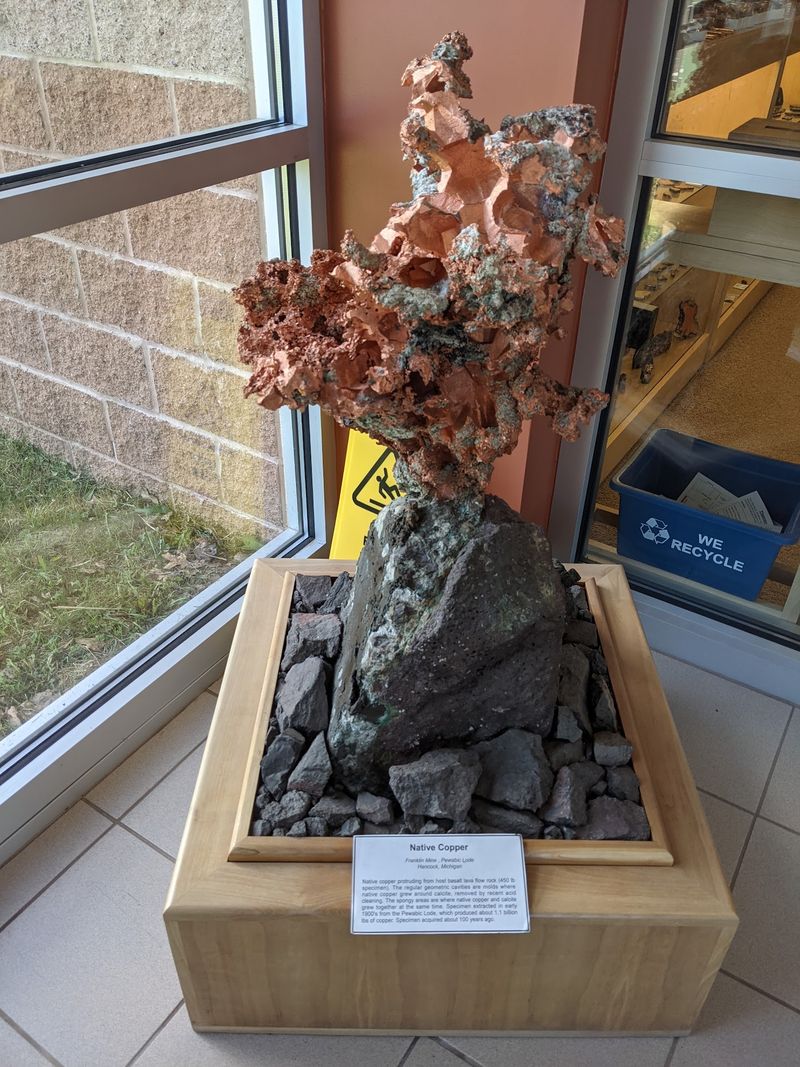
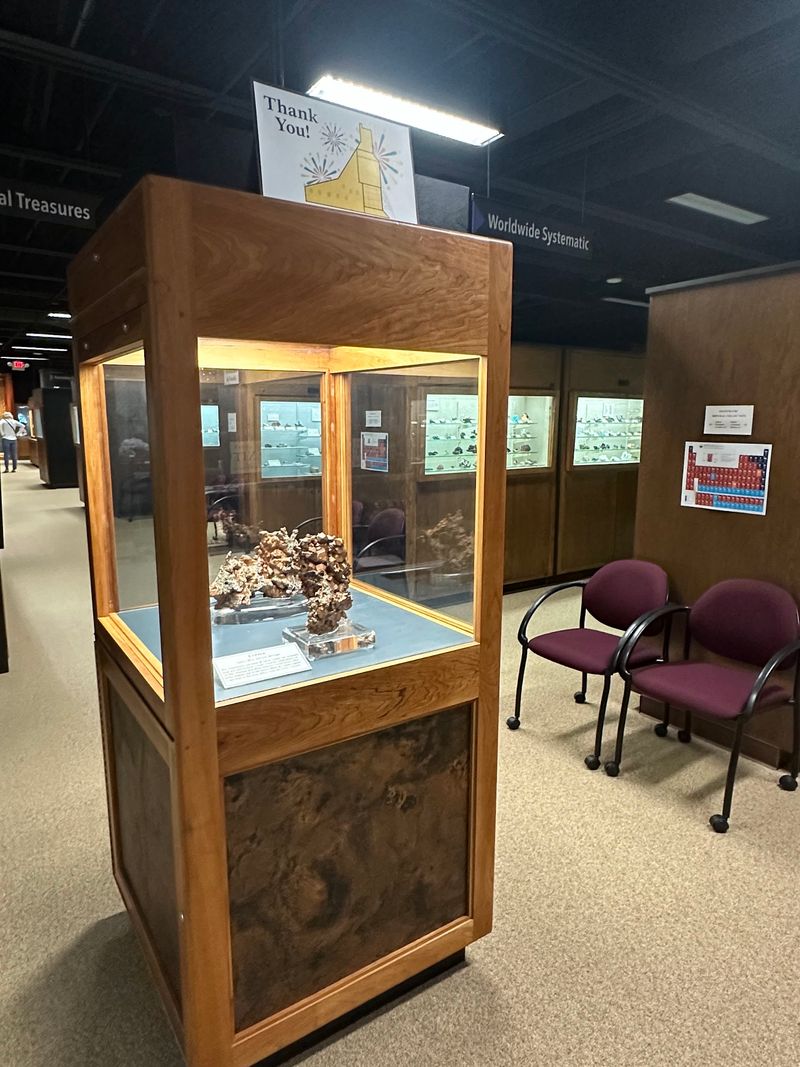
Copper usually shows up as wires and pennies, not artwork. Here, it arrives in natural crystal forms that look almost sculpted.
The A. E.
Seaman Mineral Museum holds the world’s finest collection of crystallized native copper specimens. Many came from Michigan’s Keweenaw Peninsula, a region famous for its copper deposits.
Native copper means the metal formed in nearly pure form inside the rock. Nature did much of the refining work long before anyone picked up a pick.
The crystallized pieces are the true prizes. Branching, twisting shapes make some specimens resemble metal coral or frozen lightning.
Top-quality crystallized copper is rare, and collectors know it. Seeing the best examples gathered in one place can explain why people plan whole trips around this museum.
The exhibits also cover local iron and copper, with mining history woven into the displays. Rocks get context here, not just labels.
For Michiganders, it’s a genuine point of pride. Some of the planet’s finest copper came out of our own backyard, and it’s waiting behind the glass.
Nineteen Tons Of Copper In Its Own Pavilion
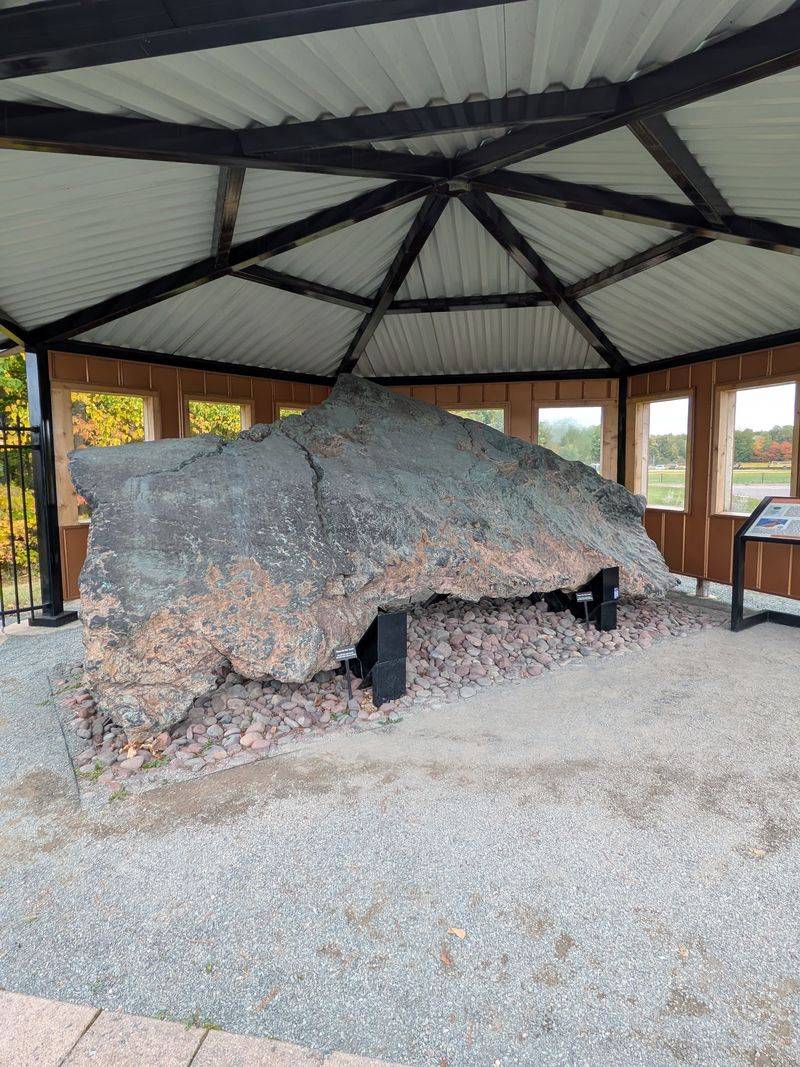
Nineteen tons. That’s the weight of the native copper slab waiting in the Copper Pavilion outside the main building.
It holds a Guinness World Record, and it was recovered from the bottom of Lake Superior. Consider the logistics of that for a second.
Bringing something that heavy up from the lake took serious effort. Now it rests where anyone can stand beside it and feel very small.
The pavilion is seasonal. It typically opens from early May through mid to late October, and dates may shift around the shoulder months.
Planning a fall color drive through the Keweenaw? Pair it with a stop here before the pavilion closes for the season.
Michigan’s Upper Peninsula puts on a stunning October show, and the copper slab makes a fine detour. Few autumn road trips include a world record.
Double-check pavilion dates before you go, especially in spring or late fall. Missing the biggest piece of copper would sting a little.
The slab ties everything inside together. After studying crystals in cases, seeing copper at this scale feels like the grand finale.
A Building Perched Right On A Copper Vein
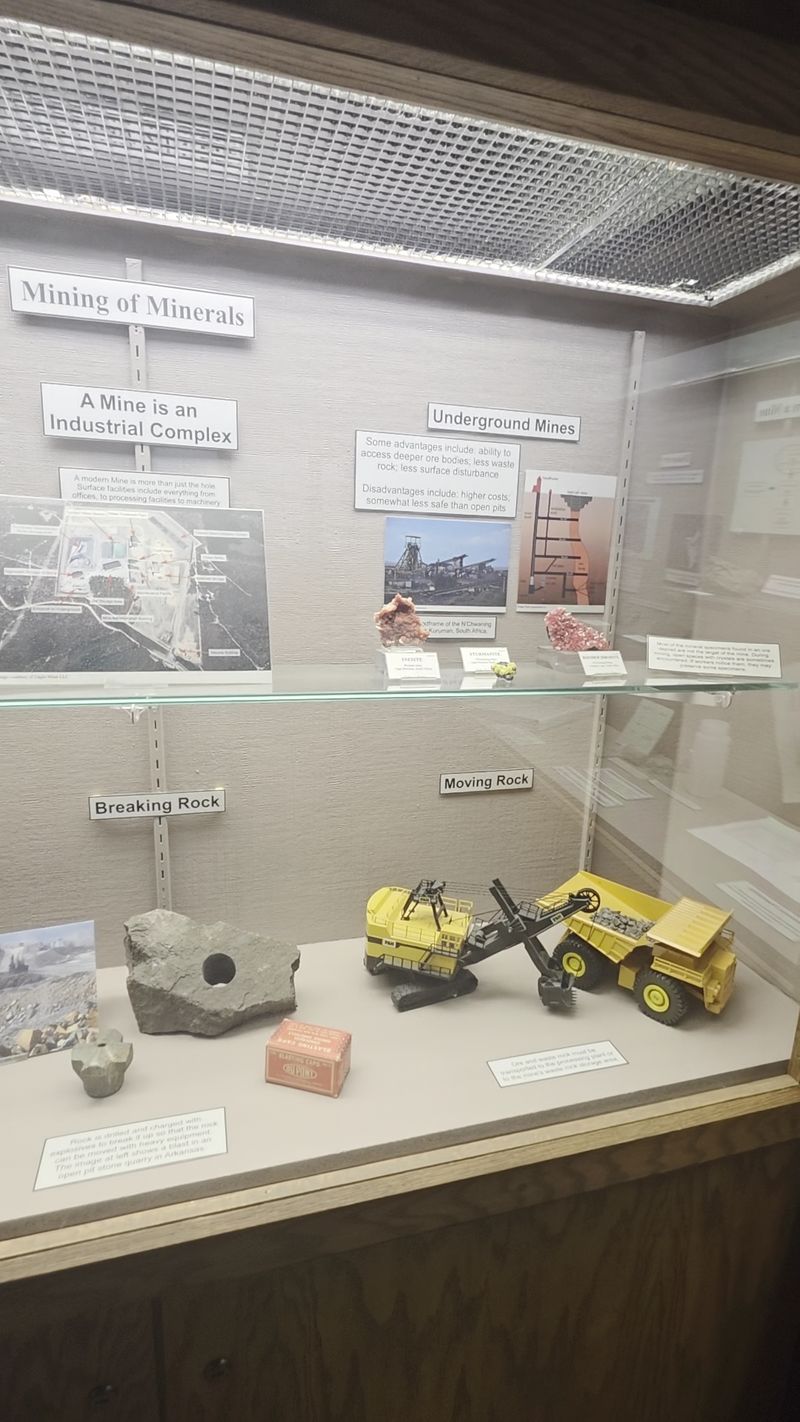
Talk about building on history. The museum’s main building was constructed atop the Mabbs Vein, a past-producing native copper mine.
So the copper story here isn’t only in the cases. It runs right underneath your feet.
The bigger regional story started with Douglass Houghton and his 1841 report on the area’s copper. That report helped spark North America’s first great mining rush in 1845.
The town even carries his name today. That’s quite a legacy for one report.
Exhibits trace mining history in the Copper Country with real care. The displays connect specimens to the people and operations that pulled them from the ground.
The museum also walks through how different minerals form. It moves from big-picture geology to local details, so the story builds logically.
I believe this context is what separates a good rock museum from a great one. Pretty stones are nice, but knowing their backstory makes them memorable.
History buffs may find this section as rewarding as any crystal case. Rock hounds get both science and stories in one stop.
Treasures From Around The Globe And The Great Lakes
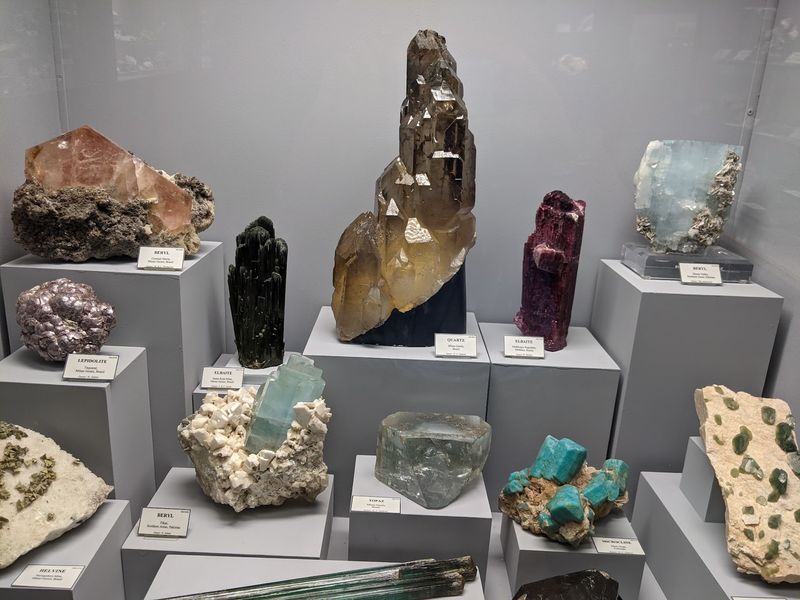
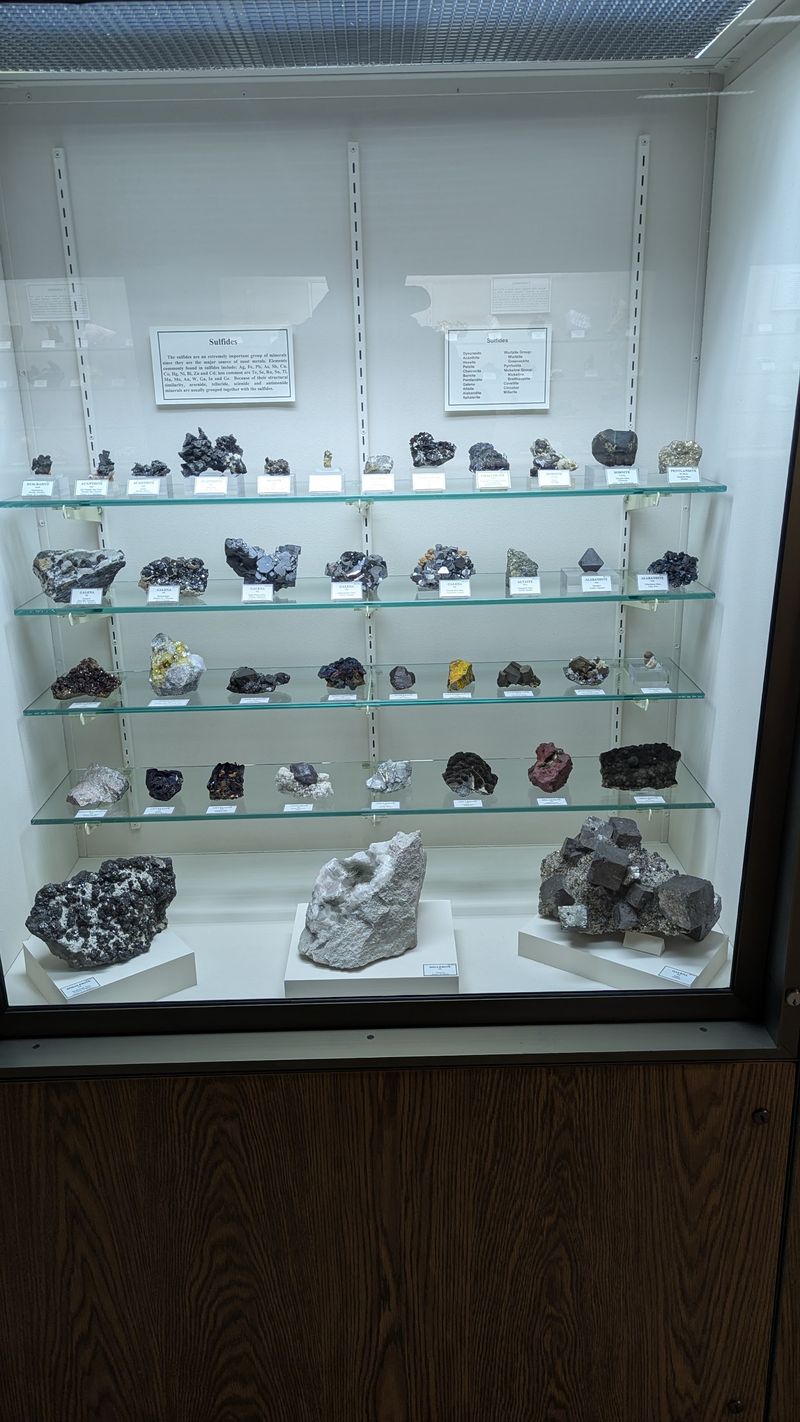
Michigan gets the spotlight, but the rest of the world shows up too. The collection includes thousands of colorful minerals from across the globe.
You’ll also find the largest public exhibit of minerals from the Great Lakes region. For anyone who combs Lake Superior beaches, that’s a serious bonus.
Gemstones, crystals and fossils share space with local favorites. The variety means each corner offers something different from the last.
Some displays focus on beauty, letting color and shape do the talking. Others lean into science, explaining what makes each specimen tick.
That balance helps a mixed group stay happy. An artist and an engineer could study the same case and both leave inspired.
There’s also an exhibit showing how minerals turn up in everyday products. Suddenly your phone, kitchen and car look a bit more geological.
It’s a clever reminder that rocks aren’t just shelf decorations. They’re the raw ingredients of modern life, hiding in plain sight.
Pace yourself in these galleries. The sheer number of specimens can make an afternoon disappear before you notice.
Gardens Outside Worth A Detour
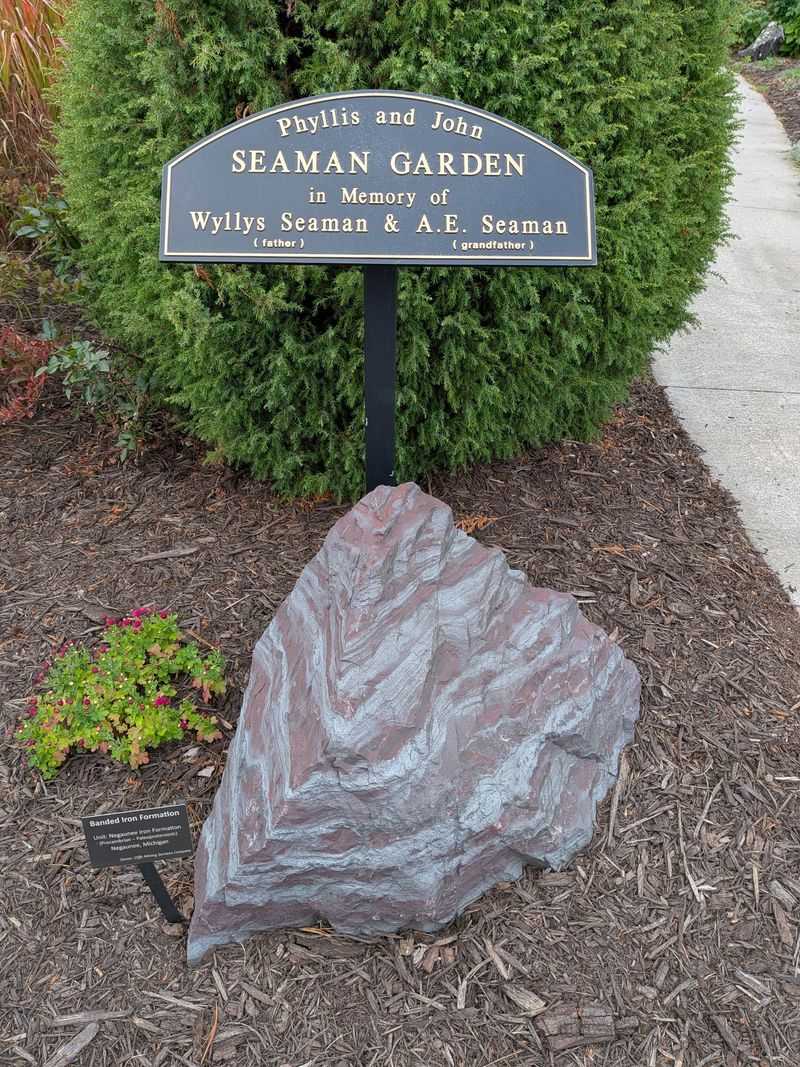
Don’t rush to the car, because the museum doesn’t end at the exit door. The Phyllis and John Seaman Garden adds an outdoor chapter to the visit.
The garden features rock specimens set among plantings and seasonal flowers. It’s a pleasant spot to stretch your legs after a couple of hours indoors.
Big rocks look different under open sky. Natural light brings out textures in a way that feels fresh after the glass cases.
The complex also includes a Mineral Preparation Annex. The name hints at the behind-the-scenes work that keeps a collection like this in shape.
Timing matters for the garden. The outdoor rock garden closes for winter once snow starts falling and sticking.
In the Keweenaw, that can happen earlier than downstate visitors expect. Fall travelers should catch it while they can.
Summer and early fall may offer the fullest outdoor experience, with the garden and pavilion both available. Pair them, and the museum becomes a half-day outing.
Bring comfortable shoes and a light jacket for Upper Peninsula weather. The garden rewards anyone who takes their time.
A Gift Shop That Rock Hounds Plan Around
Fair warning: budgets have a habit of stretching in here. The onsite museum store stocks mineral specimens for starting or growing a collection.
Locally handmade gemstone jewelry sits alongside books about minerals and other rock-themed gifts. There’s raw copper too, which makes perfect sense in Copper Country.
The selection covers a wide range of budgets. Small souvenirs and statement pieces share the same shelves.
Worried about getting a heavy chunk of copper home? The museum ships, which takes the pressure off a packed trunk.
Purchases may also be wrapped carefully for the trip home. Fragile crystals deserve that kind of attention.
For kids, a small specimen can become the start of a lifelong hobby. Today it’s one rock, and someday it might be a whole shelf.
The store works best as a final stop. Browse after the exhibits so you know which minerals made your heart jump.
A piece of Keweenaw copper on the mantel beats a fridge magnet any day. It’s a souvenir with real geological roots and a great story attached.
Who Will Love This Place Most
Rock lovers are the obvious audience, but they’re far from the only one. The museum blends visual art, science and local history under one roof.
Families can find plenty to discuss together. Bright colors, glowing displays and giant copper give kids instant reasons to point and ask questions.
Collectors get world-class specimens to study up close. History fans get the story of Copper Country mining.
The self-guided format lets everyone move at their own pace. Linger at favorites, skip ahead, then circle back.
The space is clean and well kept, including the restrooms. Small comforts like that make a long visit easier.
Being part of a university gives the displays a strong teaching backbone. It feels educational without ever sounding like a lecture.
It’s also a smart pick when Upper Peninsula weather turns gloomy. Rain outside?
The fluorescent room doesn’t mind one bit.
Couples, solo travelers and retirees on a road trip all fit right in. Curiosity is the only real requirement, and a little patience helps.
Hours, Tickets And Getting There
Plan ahead, because hours shift with the seasons. The museum typically opens Monday through Saturday, 9 a.m. to 5 p.m.
During the busier summer and early fall stretch, Sunday hours may be added from roughly June into mid-October. The museum also closes for certain holidays and about two weeks around late December and early January.
Check the schedule before driving, especially near holidays. A quick look can save a long, disappointing ride.
Here’s a nice perk: one admission ticket covers two consecutive days. If the collection overwhelms you, come back tomorrow and finish.
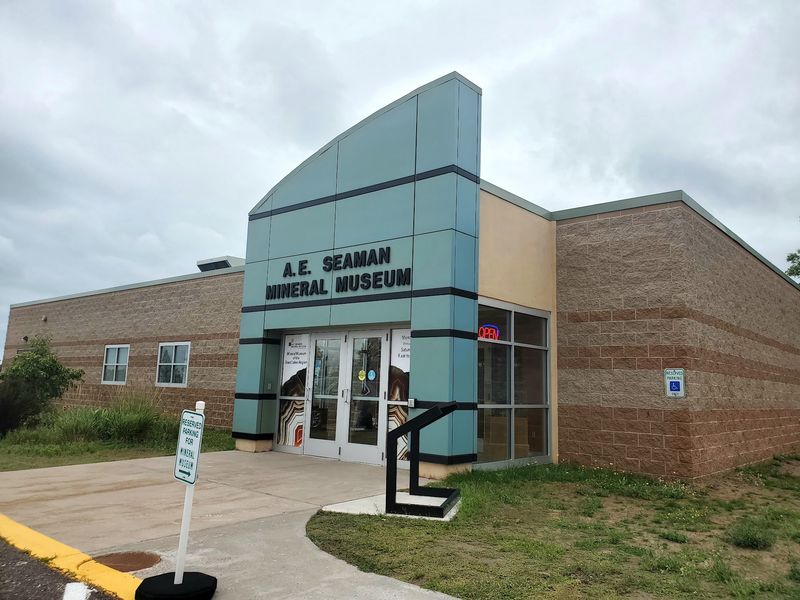
The A. E.
Seaman Mineral Museum sits at 1404 Sharon Ave, Houghton, MI 49931. Parking is available right in front of the entrance.
Plan for at least two hours inside, and more if the copper pulls you in. Add extra time for the garden and pavilion in warmer months.
Houghton is a long haul from downstate Michigan, so pairing it with other Keweenaw stops makes sense. The museum makes a sturdy anchor for that kind of trip.
Worth Every Mile Up The Keweenaw
Some museums ask for an hour, but this one earns an afternoon. The A.
E. Seaman Mineral Museum blends world-class science with proud local roots.
Glowing minerals deliver the wow factor. Crystallized copper delivers the rarity.
A 19-ton slab delivers the bragging rights. And the Mabbs Vein below the building delivers a story no one could fake.
It stands as Michigan’s official mineralogical museum for good reason. The collection reflects more than a century of careful work.
For Michiganders, it’s a chance to see what lies under the Keweenaw. Our state’s mining past shines here, sometimes literally.
Collectors who drive hours to get here aren’t chasing hype. They’re chasing specimens that rank among the best on Earth.
The two-day ticket softens any pressure to see everything at once. Take a break, grab a meal in town, and come back fresh.
I can’t think of a better way to spend a cloudy Upper Peninsula day. Or a sunny one, honestly.
Pack your curiosity and leave room in the car for a souvenir. The rocks are ready to glow.