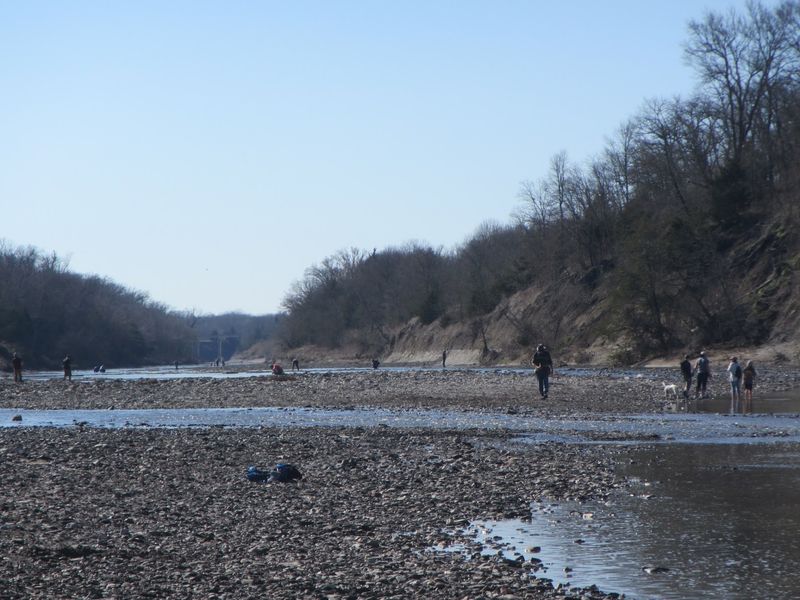
Some of the best days in Texas start with a gravel turnoff and a hunch that something good is waiting at the bottom of the hill. That is exactly how it feels to find a quiet riverbed in the northeast corner of the state where the ground is packed with shells, shark teeth and bones from a sea that vanished long ago.
There is no ticket booth, no gift shop and no fancy visitor center, just mud, sunshine and the thrill of spotting something ancient poking out of the clay. Bring a bucket, because whatever you uncover gets to ride home with you.
A Free Riverbed Park Off FM 904
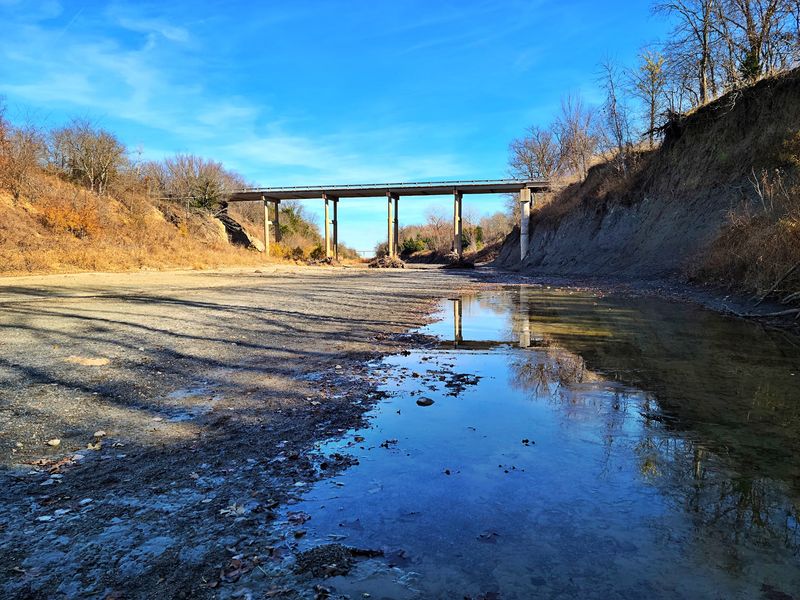
Out on Farm to Market Road 904, past fields and not much else, sits Ladonia Fossil Park. It does not look like a big attraction from the road.
That is part of its charm.
The park gives the public access to the North Sulfur River, a winding channel that cuts through layers of old seafloor. Visitors walk down to the riverbed, scan the gravel and clay, and keep the fossils they find.
Hunting is free, which makes it one of the friendliest bargains on any Texas back road.
The park recently moved to a new permanent spot at FM 904, so older directions may send you somewhere else. The city of Ladonia manages it, and you can reach the city at 903-367-7011 if you have questions before heading out.
Visitors tend to describe it as raw and natural, the kind of place where nature does the decorating. There are no flashy exhibits here, only a river that keeps turning up treasure after every good rain.
For folks who love a spot that skips the frills and still delivers a full day of fun, this one fits right in.
Ancient Seas Hidden in the North Sulfur River
Picture warm ocean water rolling over North Texas, with sharks cruising and giant swimming reptiles hunting below the surface. Long before ranch roads and pickup trucks, that was the scene here.
Regulars point out that the sea creatures whose remains turn up in the river lived around sixty five million years ago or earlier.
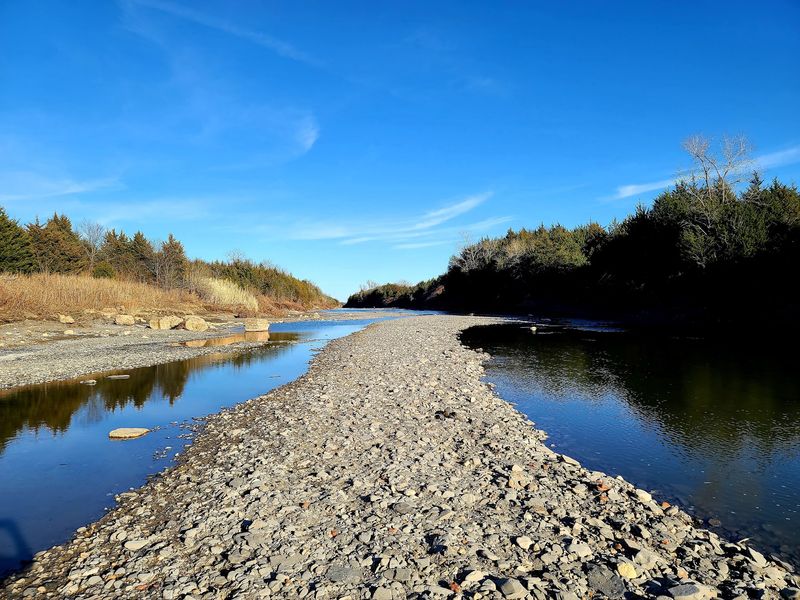
Over time, the old seafloor hardened into clay and rock. The North Sulfur River has since sliced right through it, exposing layer after layer of buried history along its banks and bed.
Every rainstorm washes away a little more of that clay. Fresh fossils tumble out and settle in the gravel, waiting for sharp eyes.
That is why no two visits feel quite the same, even for hunters who have been coming for years.
Walking the riverbed, you are essentially strolling across the bottom of a vanished ocean. Clam shell impressions show up pressed into the clay, and fragments of bone hide among ordinary stones.
It is a geology lesson you can touch, carry and stash in your pocket, which beats any textbook.
Shark Teeth, Mosasaur Bones and Other Prized Finds
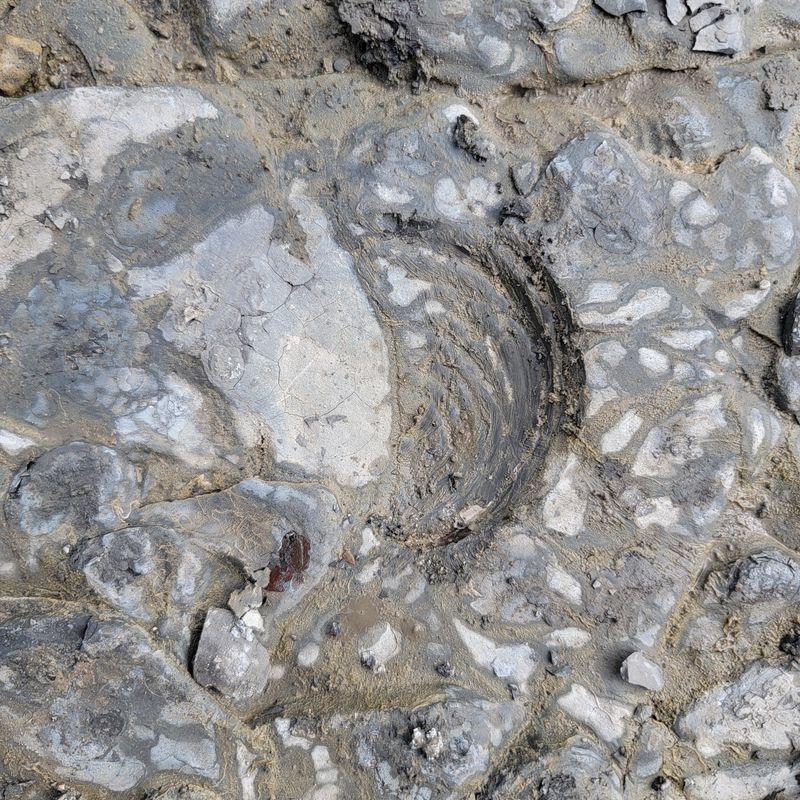
Shark teeth are the headline catch. Visitors regularly mention finding them, often small and dark against the pale gravel.
One longtime hunter shares a handy trick: look for black or brown pieces. Teeth and bone fragments tend to stand out in those colors, while plain river rocks blend together.
Bigger dreams come in the form of mosasaur vertebrae. Mosasaurs were large swimming reptiles that ruled the ancient seas, and a few lucky visitors have carried pieces of their backbones out of this river.
Ammonites, those coiled shells everyone hopes for, also turn up now and then, and some folks have spotted videos of hefty ones being pulled from the mud.
Most days, though, the haul is more modest and still plenty fun:
Fossilized shells and clam impressions in the clay. Crinoid stem segments that look like tiny stacked buttons.
Petrified wood, fish teeth and assorted bone fragments. Even heart shaped rocks, which one family happily counted among their treasures.
Not every trip produces a showpiece. Some visitors leave with just a handful of impressions when conditions are dry, and that is part of the game.
New Pavilion, Benches and a Cement Path to the River
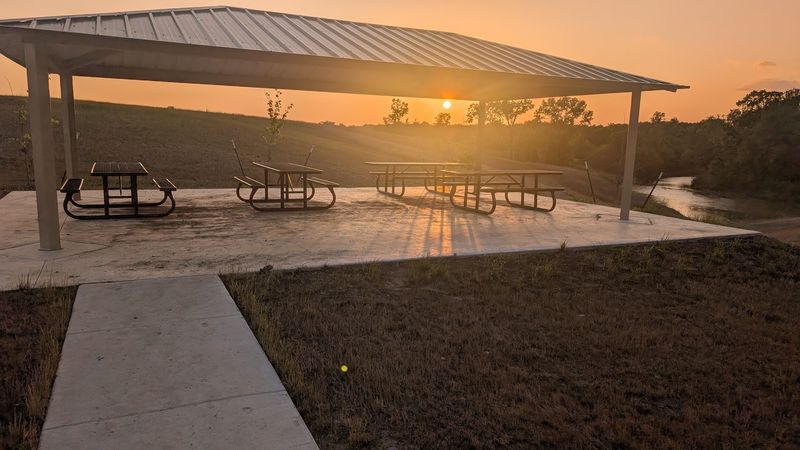
Old timers remember the climb. The former access involved stepped erosion control blocks, some nearly two feet tall, and visitors called them slippery and tough on the knees.
Things look different now. The newer location includes a parking lot, fencing and a pavilion with picnic tables for a shady break.
Best of all, an accessible cement path runs all the way down to the riverbed.
Visitors say the paved route is easier than they expected. Benches along the way are a real gift on the walk back uphill, especially when your bucket is heavy with rocks.
The walk is still long and fairly steep, so pace yourself. A wagon can help haul gear down the sidewalk, though you may end up leaving it at the edge of the riverbed.
The park is still a work in progress. A spot for information signs sits across from the pavilion and is not finished yet, so some visitors wish there were more explanations posted.
For now, the simple setup feels refreshingly homegrown, and the improvements show real care from the town.
Mud, Rain and the Art of Timing Your Trip
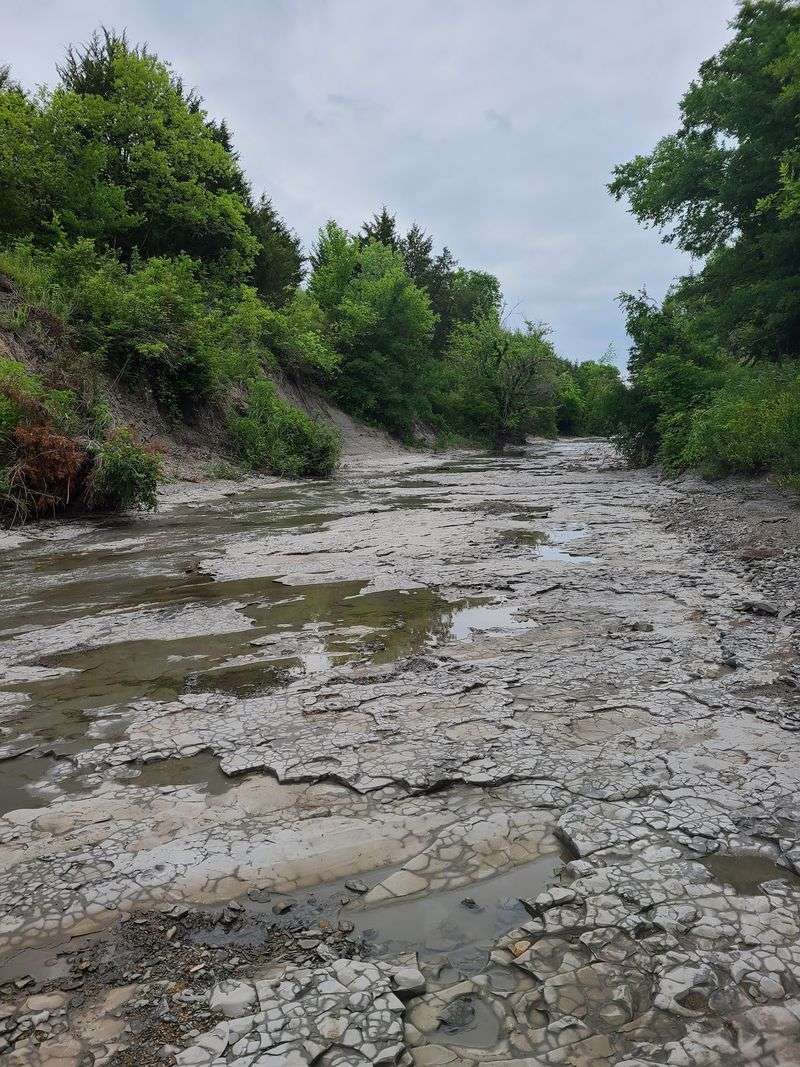
Here is the funny twist: rain is both your best friend and your biggest obstacle. Fresh rain uncovers new fossils, but it also swells the river and turns the banks into sticky clay.
One family watched a morning storm send the water rising so fast that hunting became impossible. A day later it dropped enough for them to dig in a small patch.
Another visitor arrived after rain to find the river rushing and vowed to check the weather next time.
So the smart move is simple. Check North Sulfur River levels before you leave home, and aim for a day when the water is low.
Dry spells bring their own trade off. Some visitors found the river nearly empty and the riverbed pretty picked over, with only a few crinoid bits to show for it.
When water is present, it can run from ankle deep to around two or three feet in spots. The clay grabs your feet, and one recent visitor summed it up neatly by saying the mud was stickier than expected.
Plenty of families admit that slogging through it turned out to be half the fun.
What to Pack for a Day in the Riverbed
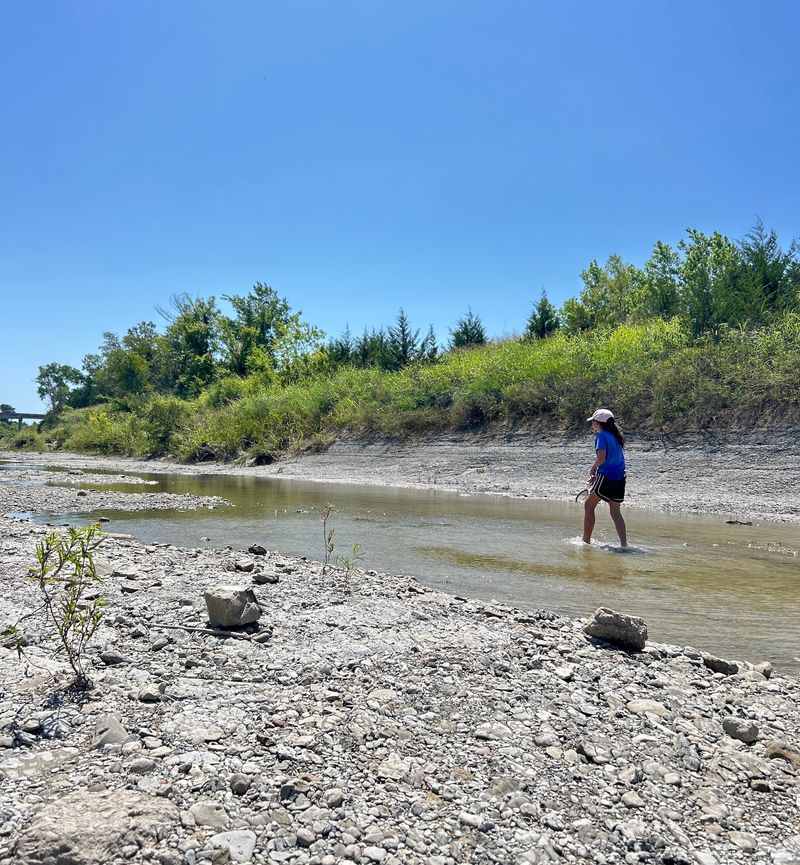
Think of packing like a scout heading into the backcountry. There is no running water on site, no phone signal and very little shade, so you bring what you need.
Regulars agree on the basics. Water comes first, and lots of it, along with sunscreen and a hat.
Snacks that travel well, like jerky and trail mix, keep energy up for long walks along the river.
For your feet, choose shoes that will not slide off. Visitors have spotted broken glass in rocky spots, so going barefoot is a bad idea, and low muck boots tend to fill with mud.
Water shoes or waders work well when the river is running.
A few extras make a big difference:
Small hand shovels for loosening clay. A bucket for carrying finds back up the hill.
Walking sticks for balance in the mud. A chair or towel to sit on while sifting.
Finally, stash a full change of clothes, shoes and socks in the car. Some families even bring a portable shower or jug of rinse water, and they never regret it.
Splashing Kids and Grandparents on a Treasure Hunt
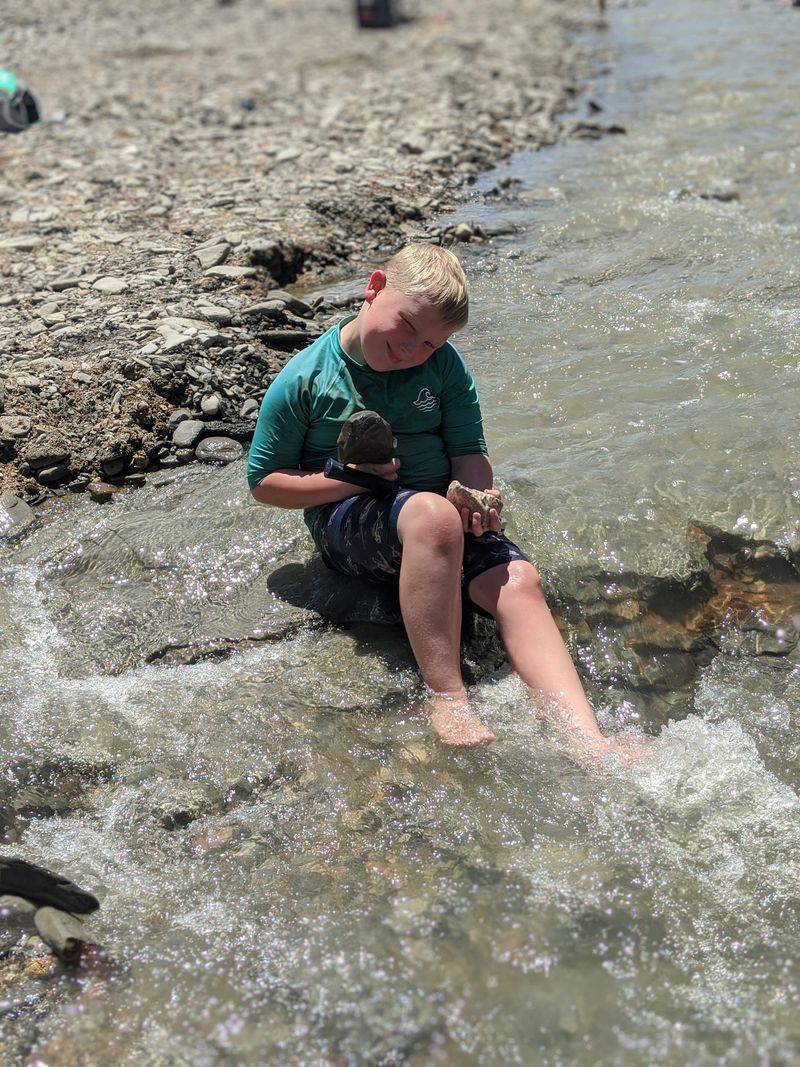
Ask a kid what makes a perfect afternoon, and the answer might sound a lot like this place. Mud, water, rocks and the chance of finding a real shark tooth make for an easy sell.
Parents report that their children never want to leave. Even on days when fossils are scarce, splashing in shallow water and digging in the clay keeps little ones busy for hours.
One family beamed when their youngest made the very first find of the day, a long slender fossil fish tooth. Moments like that turn a road trip into a story kids repeat for years.
Grandparents come too. One visitor brought kids and grandkids, and everybody went home with a fossil or two, though carrying the heavy ones back to the car became its own challenge.
Older kids get hooked as well. A dad with boys aged 11 and 13 called the setting clean and beautiful, just the way nature should be.
Adults get something out of it too. The wind off the river feels wonderful, the views are lovely, and some visitors say they could wander the banks all day.
Hours, Directions and Practical Notes
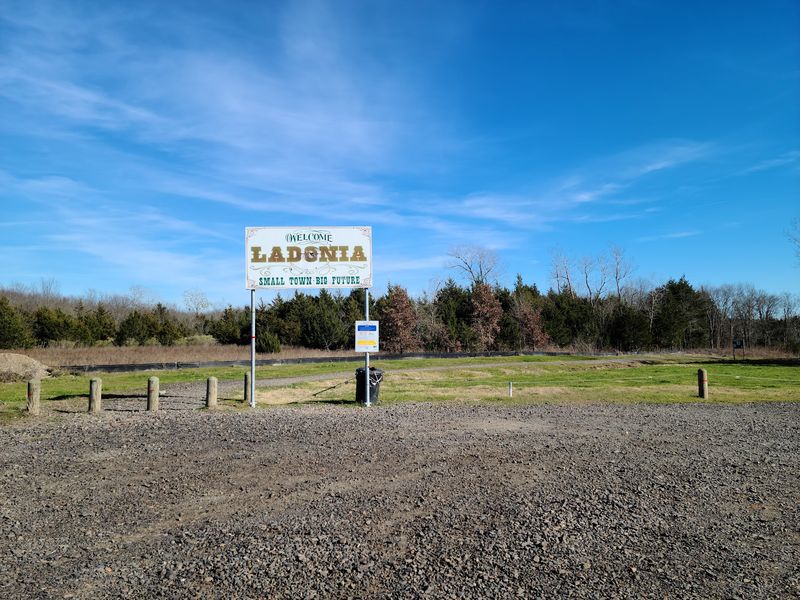
Getting there takes a little planning. The address is FM 904, Ladonia, TX 75449, and at least one family found that a phone map app confused Highway 34 with FM 904 and sent them to the wrong spot.
Cell service is weak or missing in the area, so load your directions before you lose signal. A printed map or saved offline route is a smart backup.
Access runs from dawn to dusk, and fossil hunting is free. That is a rare deal for a full day of outdoor adventure in Texas.
Facilities are simple. There are no permanent restrooms or running water, though some portable toilets have been available.
Use the restroom before you arrive, since the closest gas station sits roughly ten miles away.
Summer heat can be intense with so little shade. Visitors recommend going when temperatures are cooler, and early June on a cloudy, breezy day worked beautifully for one family.
Spring outings, like a March trip with low water, have also been pleasant.
Conditions can change quickly, so a call to the city at 903-367-7011 may help before a long drive.
Worth the Mud on Your Boots
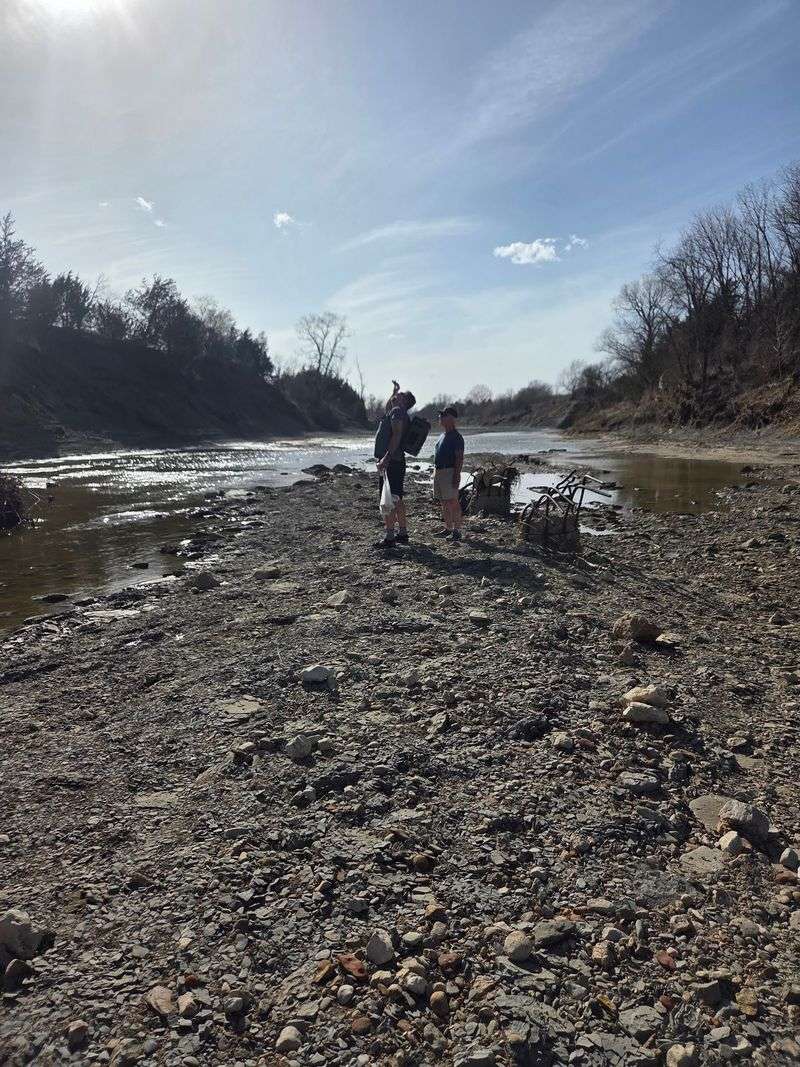
Nobody drives out here for luxury. You come for a riverbed full of ancient ocean leftovers and the chance to carry a piece of it home.
The trade off is honest. You will get dirty, you will probably sweat, and some days the river keeps its best secrets hidden.
Still, most visitors leave grinning, with muddy shoes and a few treasures rattling in a bucket.
The new path, benches and pavilion show a small town putting real heart into its park. It still feels wild, though, and that balance is what makes it special.
For Texas families who prefer real adventures over polished attractions, this place delivers. A free day of hunting shark teeth beats plenty of pricey outings, and the stories last much longer than the mud stains.
Pick a cool morning after the water drops, pack more water than seems sensible, and give yourself time to wander. Somewhere in that gray clay, a tooth from a long gone sea might be waiting just for you.