I pulled into a small gravel lot expecting a quick stretch of the legs, maybe a few ducks on a pond. Instead, I found myself standing on a wooden deck in northern Illinois, listening to hundreds of sandhill cranes call across land that used to grow crops.
It felt like stumbling onto a secret that locals have been quietly keeping for years. If you love wide skies, wild birds, and a walk that costs you nothing but time, this place deserves a spot on your weekend list.
A Floodplain Hideaway Near the Wisconsin Line
Tucked along West Rockton Road in Rockton, the Carl and Myrna Nygren Wetland Preserve sits close to where the Rock and Pecatonica Rivers meet. It is a nature preserve, plain and simple, with no gift shop or snack stand to distract you.
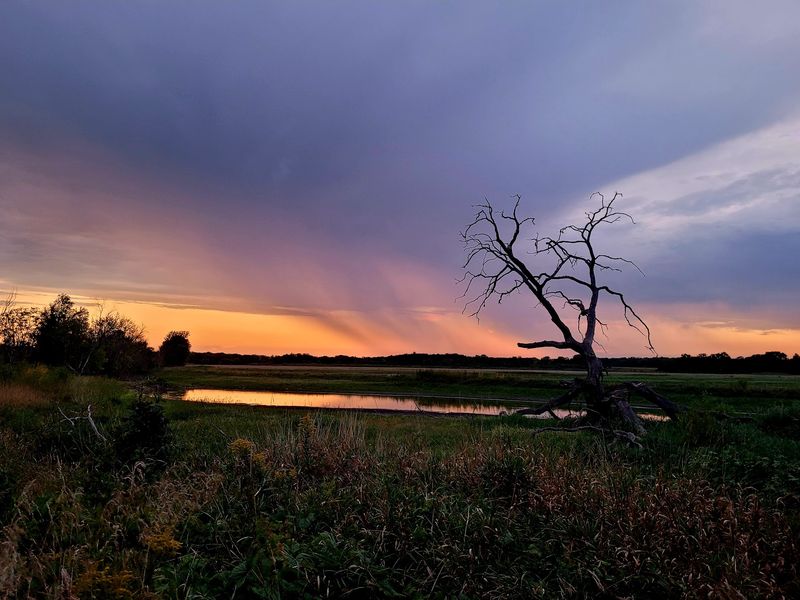
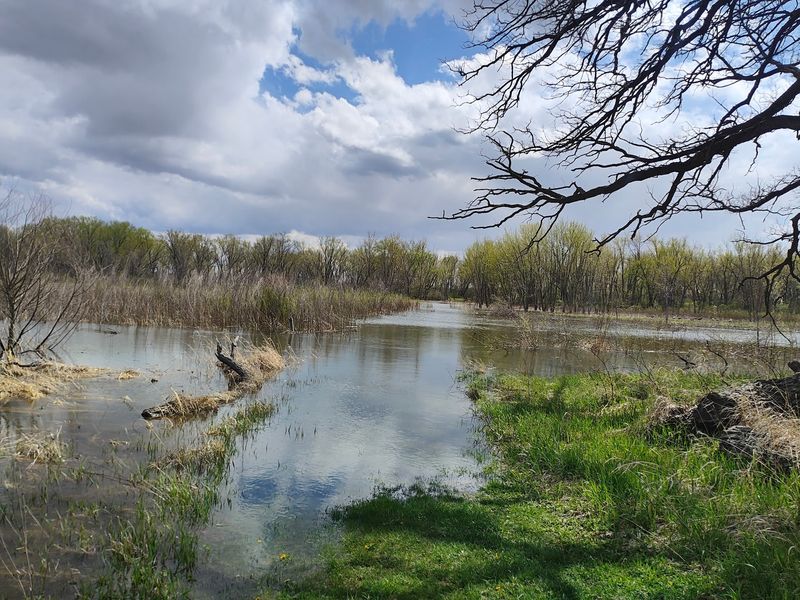
What you get instead is 721 acres of wetlands, ponds, prairie, woods, and a creek. Visitors often describe it as a hidden gem of northern Illinois, and one hiker even ranked it among their top ten spots in the region.
The preserve is cared for by the Natural Land Institute, a group based in the Rockford area. Their website, naturalland.org, carries details about the site, and you can reach them by phone at 815-964-6666 if you have questions before your trip.
Small as the parking lot is, the land beyond it opens up fast. Within minutes of stepping out of the car, the road noise fades and the sounds of birds take over.
From Cornfields to Cattails
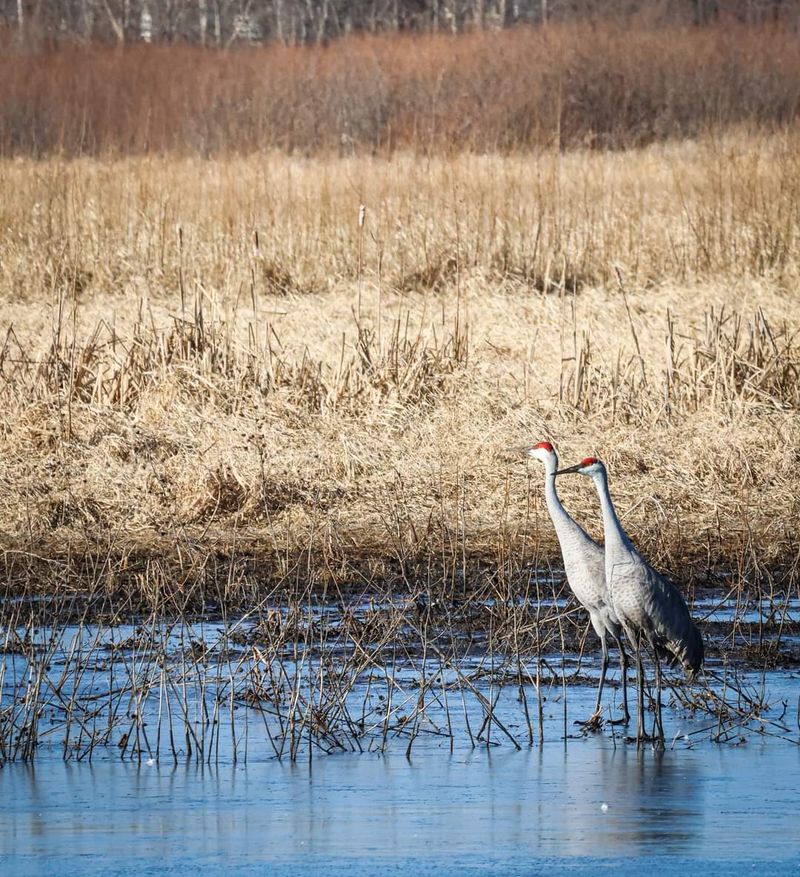
Picture rows of crops stretching toward the river. That was much of this land before restoration work began turning old farm fields back into the habitat that once covered the area.
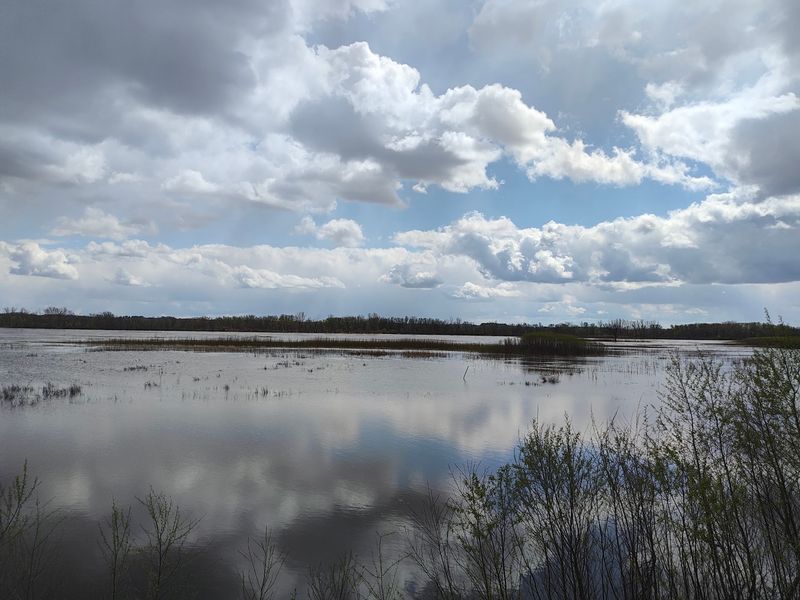
Today the ground does what nature designed it to do. During a recent spring, when the Rock and Pecatonica Rivers ran high, one visitor noticed the preserve soaking up the extra water and working as a true floodplain.
Some trails sat underwater, but that was the whole point.
Signboards along the paths share insight about the animals and how the land has changed over time. They make a nice pause for curious kids and grown-ups alike.
Names matter here too. The preserve honors Carl and Myrna Nygren, and regulars often thank the donors and volunteers who keep this ecosystem healthy.
It is a community effort you can feel on every trail.
The Sandhill Crane Chorus
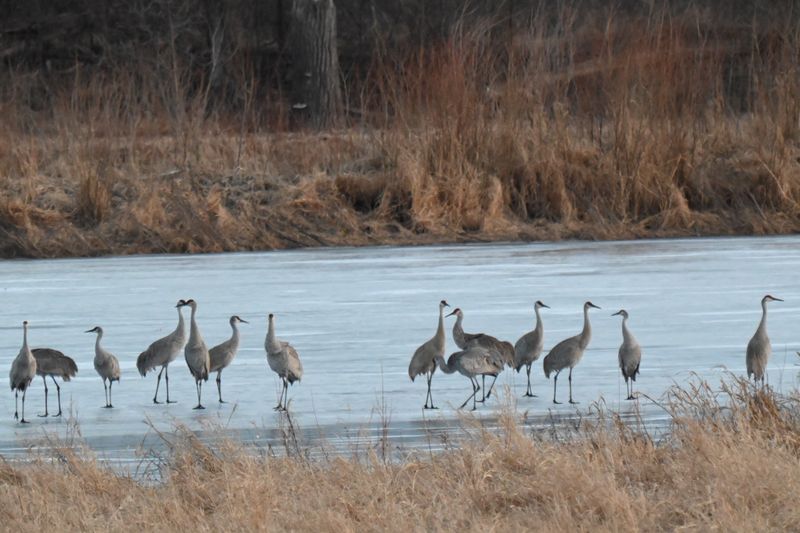
Nothing prepares you for the noise. Sandhill cranes gather here in big numbers, and their rattling calls echo across the water like a crowd warming up for a show.
Cranes rank among the most talked-about sights at the preserve. One visitor counted hundreds during a single trip, while another urged people to come in warmer months to enjoy the absolute cacophony of these tall birds and their family groups.
Fun fact: sandhill cranes often travel and feed in family units, so you may spot parents with their young sticking close together. Watching them stride through the shallows is oddly calming.
Fall migration is another favorite time, with regulars calling it beautiful. Bring patience, find a quiet spot, and let the cranes come to you.
Pelicans in Northern Illinois
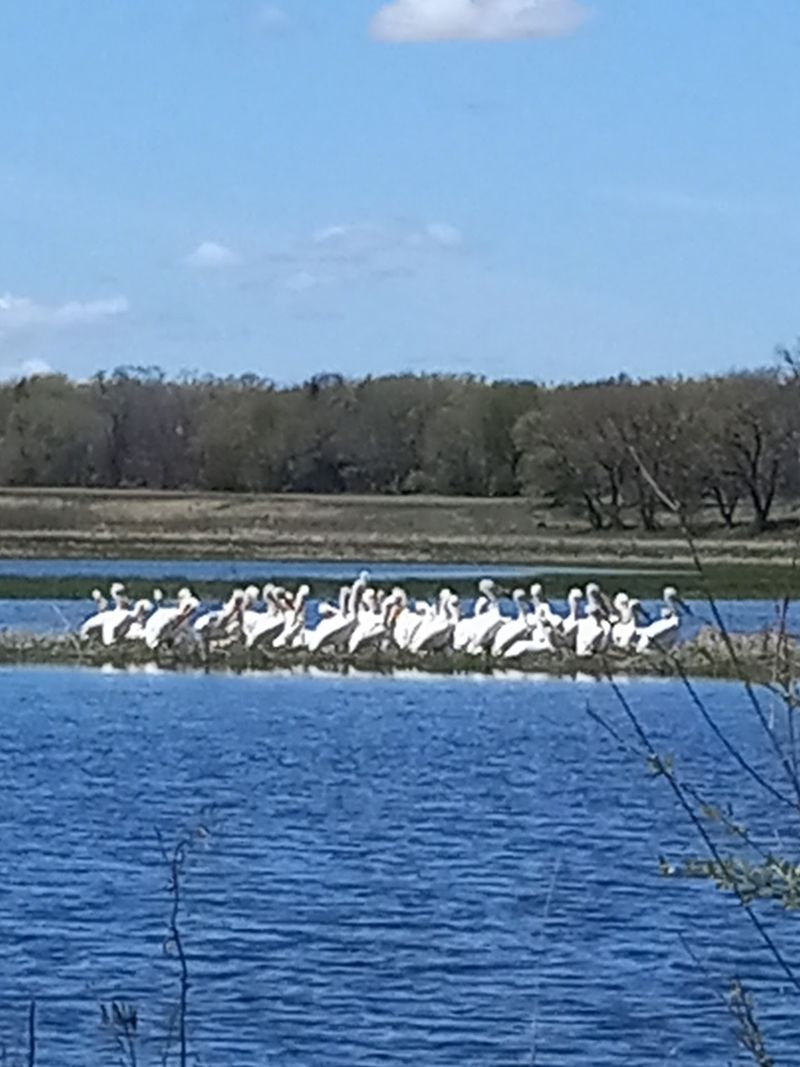
Yes, pelicans. Big, bright, white ones, floating on ponds a short drive from Rockford.
American white pelicans show up often enough that visitors keep mentioning them. One guest saw them on two separate trips, and others list them right alongside cranes, ducks, and geese.
Spotting one for the first time tends to get a laugh of surprise. Most folks picture pelicans near an ocean, not in an Illinois marsh.
Their wide wings and orange bills make them easy to pick out even without binoculars. Timing matters, though, so sightings may vary by season.
If they are around, you will not miss them.
Eagles, Egrets, and a Long Bird List
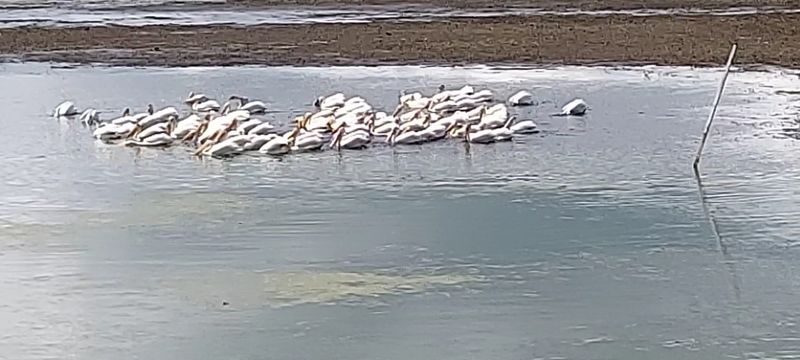
Birders, bring a notebook. The species list here grows fast.
Visitors report bald eagles soaring overhead, sometimes in pairs. Egrets and herons stalk the shallows, while woodpeckers, robins, cardinals, chickadees, and sparrows fill the wooded edges.
Ducks of all kinds paddle the ponds, and Canada geese sometimes lead fuzzy chicks across the water in spring. One hopeful guest thought they spotted a kingfisher but could not zoom in close enough to be sure.
Bird watching is the single most mentioned activity among visitors, and it is easy to see why. Even beginners with only a phone camera leave with stories to share.
Beavers, Minks, and Other Quiet Neighbors
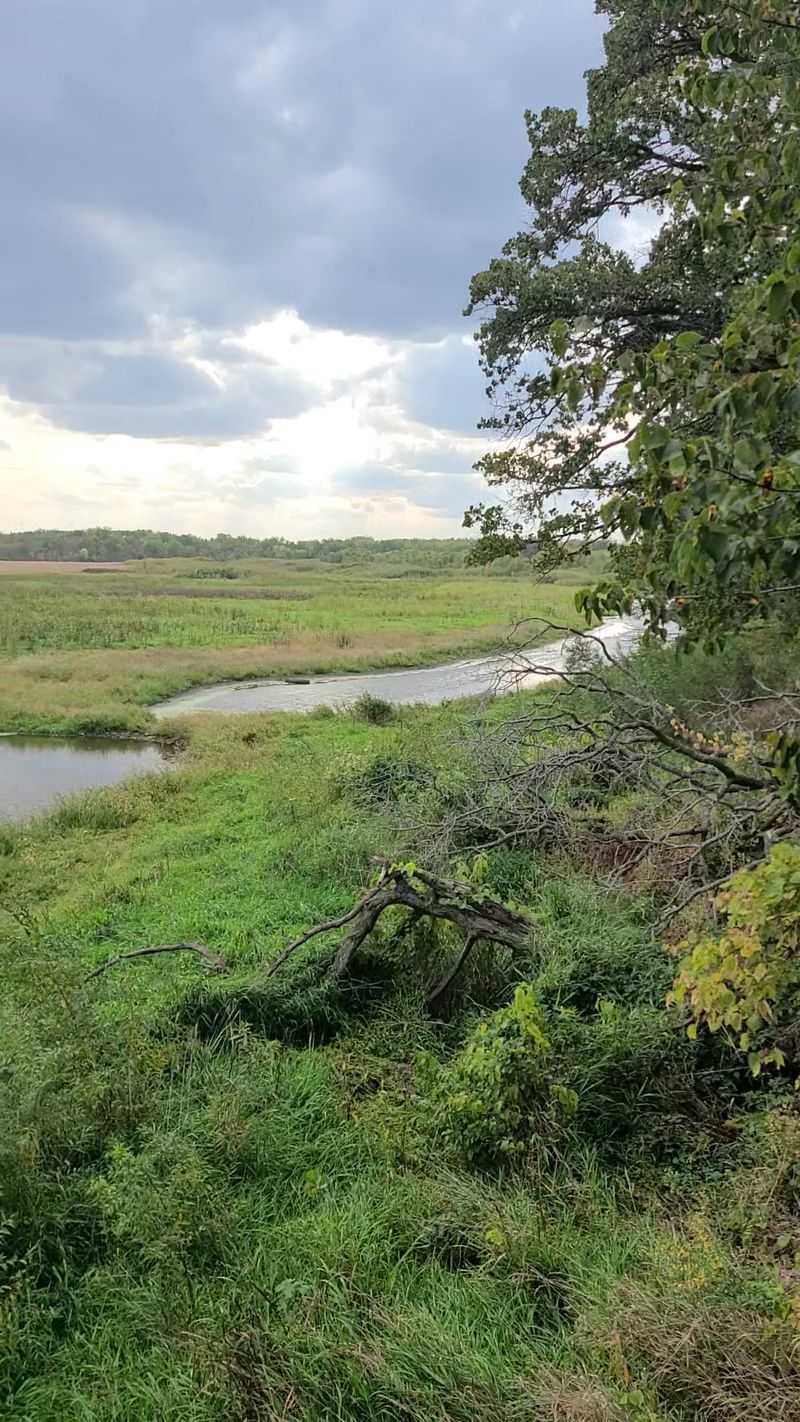
Keep your eyes low as well as high. Some of the best surprises here have fur.
A beaver made an appearance for more than one lucky visitor, and others spotted evidence like chewed branches. Minks, those slim and curious little hunters, have delighted guests too, with one hiker calling it a first-ever sighting.
Deer wander the edges of the prairie. Turtles bask on logs, and frogs chirp from the marsh during warmer months.
What you see depends on the season and a little luck. Walk slowly, talk softly, and you may be rewarded with a moment you will tell your family about at dinner.
Overlook Deck with a Free Telescope
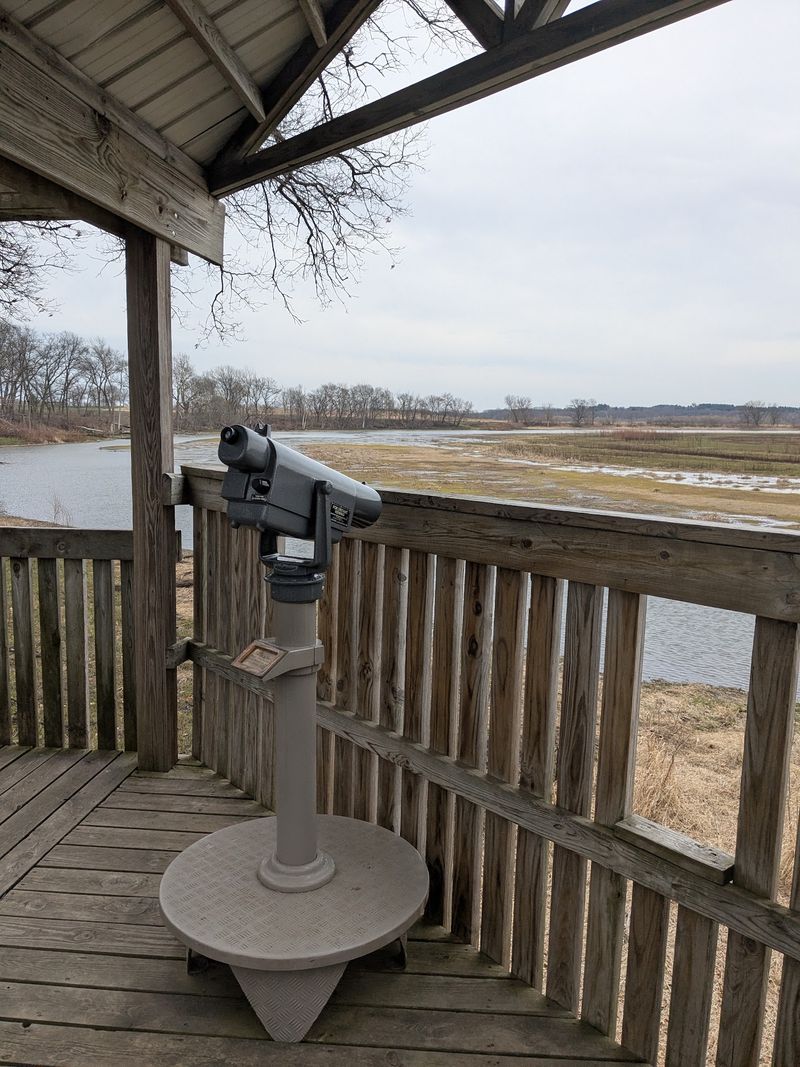
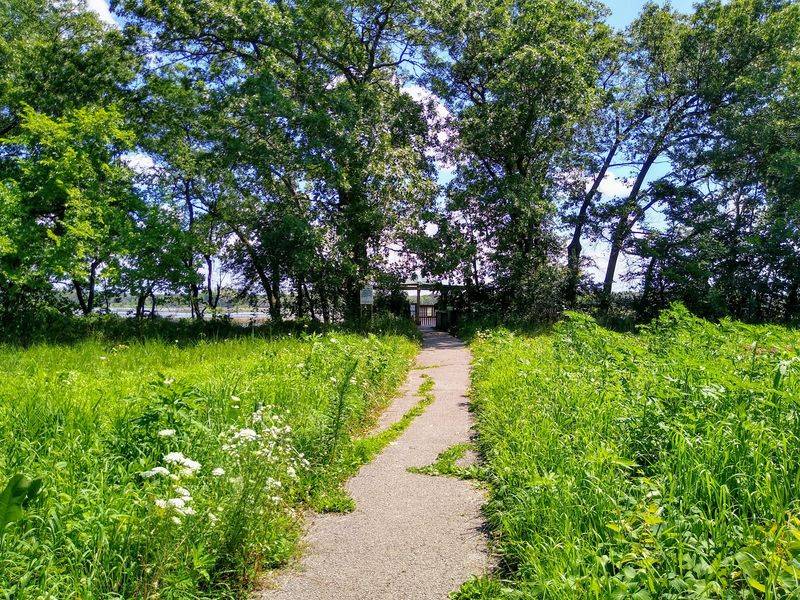
Right near the parking area, a short walk brings you to an elevated wooden viewing platform. A covered gazebo overlooks the wetland, giving you shade and a wide view.
The best part? A free telescope sits ready to use.
Visitors say it helps budding birders spot water birds they may never have noticed otherwise.
Access is fairly easy, which makes the deck a good choice for anyone who prefers not to hike far. Grandparents, little ones, and casual visitors can all enjoy the scene.
Start here before heading out on the trails. A quick scan through the lens often tells you where the cranes or pelicans are hanging out that day.
The Loop and the Trails Beyond
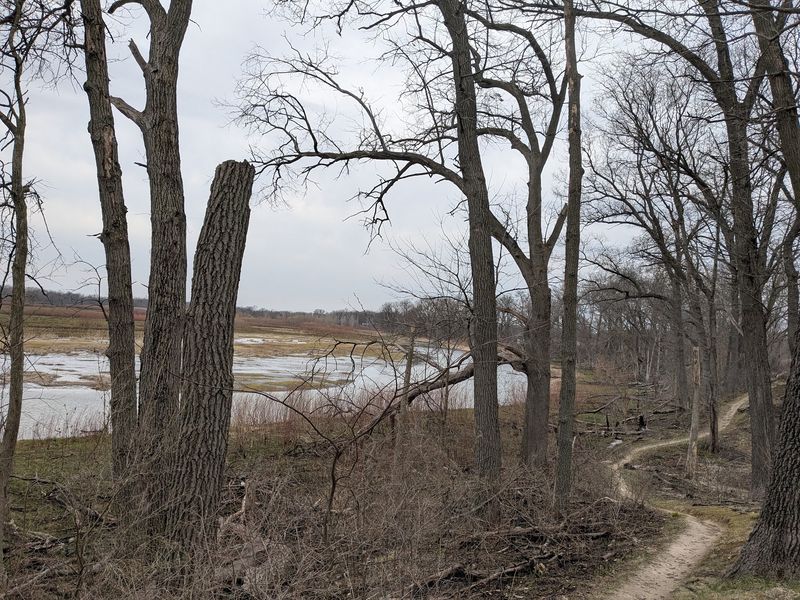
Hiking gets more mentions than anything else at Nygren, and the trail system earns it. The main loop around the central body of water runs roughly two miles, with one visitor clocking it at about 2.3.
Most people take close to an hour to circle it at a relaxed pace. The path is dirt, easy to follow, and fairly simple for most walkers.
Want more? Branch trails split off into prairie and toward smaller ponds.
One birder logged five miles and still did not see everything.
A quick heads-up: grassy sections may get overgrown between mowings, and some trails can flood when the rivers rise. Sturdy shoes are a smart call.
Woods, Creek, and Prairie Bloom
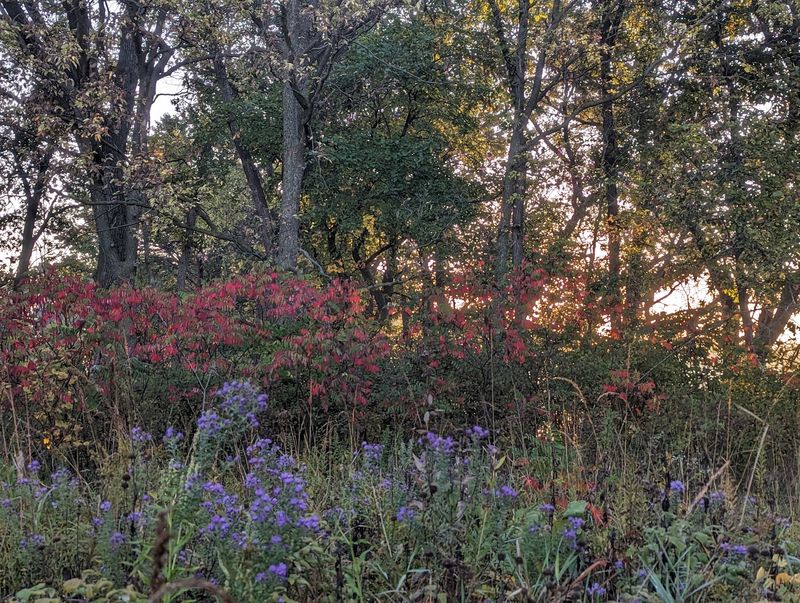
Variety keeps every walk interesting. In one outing you can pass wetlands, multiple ponds, open fields, shady woods, and a winding creek.
Wind can whip across the open ground near the lot, as several visitors have noticed. Step into the wooded stretches, though, and things turn calm and lovely.
Spring and summer bring wildflowers across the prairie, a highlight many guests mention. Even later in the season, some blooms often hang on.
Winter has its own charm too. The preserve stays a gathering spot for animals in colder months, and quieter trails mean you may have the place nearly to yourself.
Calm Air for Nature Lovers
Quiet is the main mood here. On a cold, windy day, one visitor saw only two other cars the entire time.
Dogs are not allowed, which surprises some first-timers. Many end up loving the rule, since it keeps wildlife calmer and lets birders focus without distractions.
Families who enjoy slow walks, photographers, and anyone who needs a break from screens will feel right at home. Kids tend to light up at the telescope and signboards.
Respect goes a long way. Regulars remind newcomers to stay on trails and leave the land as they found it, so the next visitor gets the same peaceful experience.
Free Parking, Free Entry, Simple Planning
Good news for the family budget: there is no admission fee. Parking is free too, in a small lot right at the preserve.
The address is 3714 W Rockton Rd in Rockton, an easy drive from Rockford and a reasonable trip from the Chicago suburbs. Hours are not listed in the data available, so check the Natural Land Institute website or call 815-964-6666 before heading out.
Bring binoculars, water, and layers for the wind. Leave the dog at home.
Visitors also mention that nearby Rockton is a nice little town with restaurants, shops, and antique stores. Pairing the two makes for a full, low-cost day trip.
Worth the Drive to Rockton
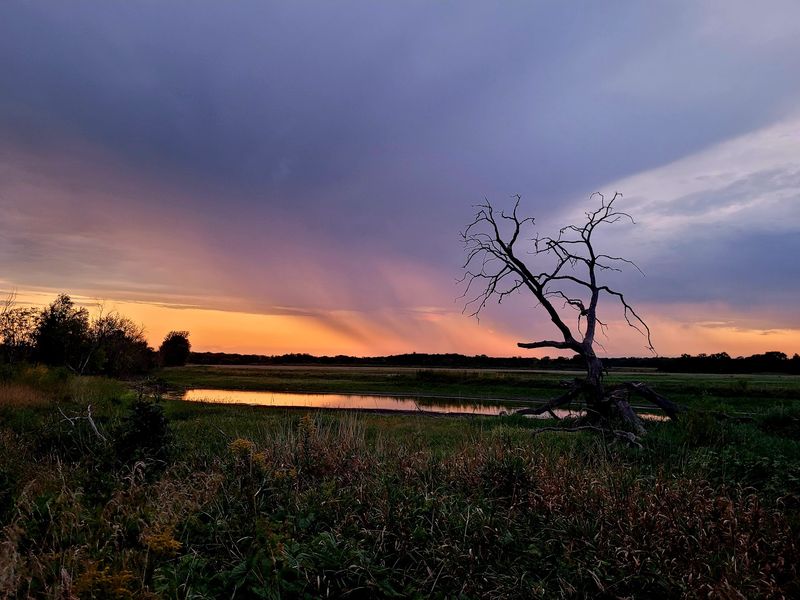
Some places look modest from the road and then quietly win you over. Nygren is one of them.
Restored farm fields now hold cranes, pelicans, eagles, beavers, and blooming prairie. Add a free telescope, a friendly loop trail, and zero cost to enter, and it is hard to find a better value outing in northern Illinois.
Visitors keep saying the same thing in different ways: they will be back. Many plan return trips for different seasons to catch migration or summer flowers.
If you like being the one who knows the hidden spot, this belongs on your list. Share it with someone who loves wide skies and wild sounds.