Nearly every roof in this 1611 English town is thatched with water reed, and you won’t pay a cent to stand under them. Costumed interpreters work inside the buildings, ready to answer your questions in full 17th-century character.
The town sits along the James River in Virginia, close to the I-95 traffic that rushes past every day. Hogs, goats, and chickens live on the farm, and a church holds a hand-made replica of a famous baptismal font.
I like how the whole place rewards curiosity over speed. Ask one question and you might learn about Pocahontas, Virginia Indian life, or how settlers built walls from mud and sticks.
I can’t imagine a better free history lesson in the state. Then there’s the river view waiting out the back gate.
So why have so few travelers ever heard of it?
Virginia’s Second English Settlement Sits Right Off The Interstate
Drivers on I-95 near Chester pass a roadside marker for the Citie of Henricus without a second thought. That marker points to Henricus Historical Park, a living-history museum that recreates Virginia’s second English settlement.
The original town was founded in 1611, just four years after Jamestown. Today, the reconstructed site stands near the James River in Chesterfield County, a short hop south of Richmond.
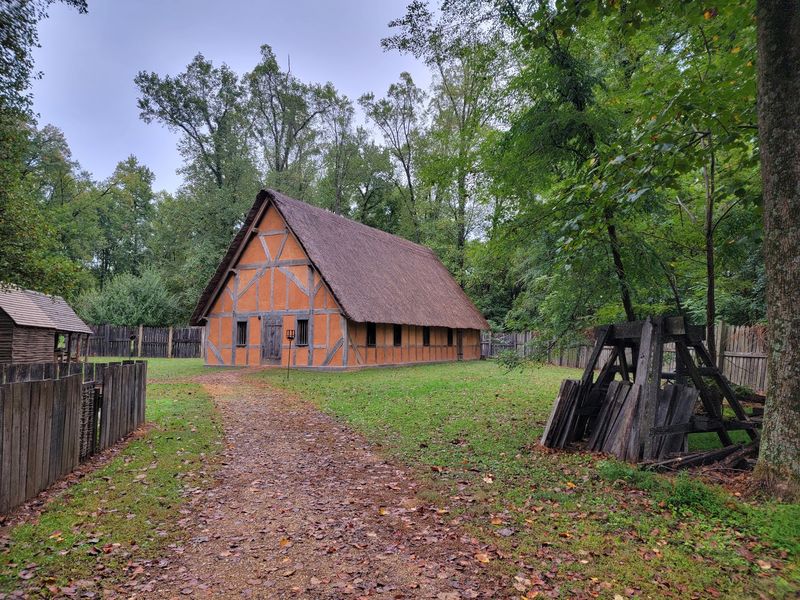
So what exactly is here? Picture-perfect thatched buildings, a fortified town, a farm, and a Virginia Indian village, all staffed by costumed interpreters.
You don’t just look at exhibits behind glass. Most of the experience happens outdoors, building by building, conversation by conversation.
Henricus Historical Park carries a 4.7-star rating across more than 900 Google reviews. That’s a strong number for a place many Virginians still haven’t visited.
Williamsburg gets the crowds and the postcards, and fair enough. Yet this smaller, older settlement tells a story that happened decades before Williamsburg became the capital.
Think of it as the prequel nobody marketed. The good news is that the prequel happens to be free.
The Capital City That Almost Was
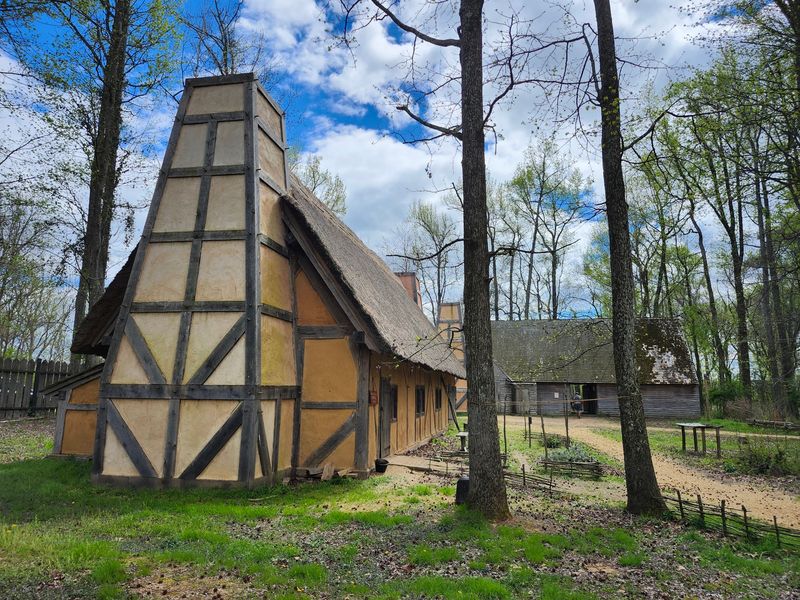
Back in 1611, English settlers had big plans for this patch of riverbank. Henricus was meant to become Virginia’s new capital city, a fresh start upstream from Jamestown.
That ambition explains the town’s layout and its serious fortifications. Settlers weren’t building a quick camp here, they were planning a permanent seat of colonial life.
Things didn’t turn out that way, of course. Williamsburg eventually claimed the capital title, and Henricus slipped quietly out of most textbooks.
Many travelers call it a lost page of American history, and the description fits. Plenty of people learn about Jamestown in school without ever hearing the name Henricus.
The reconstructed site brings that forgotten chapter back into view. Interpreters explain why the town mattered and what its founders hoped to achieve.
A commemorative monument on the grounds also points to Dutch Gap, another overlooked piece of local history. It connects the settlement to a stretch of the James River with its own long story.
Knowing the backstory changes how the whole park feels. You stop seeing cute cottages and start seeing a capital city that never got its chance.
Those Water Reed Roofs Deserve A Closer Look
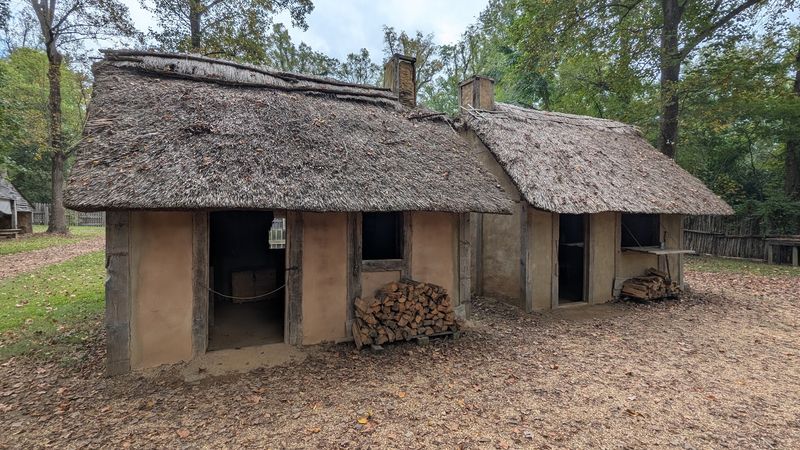
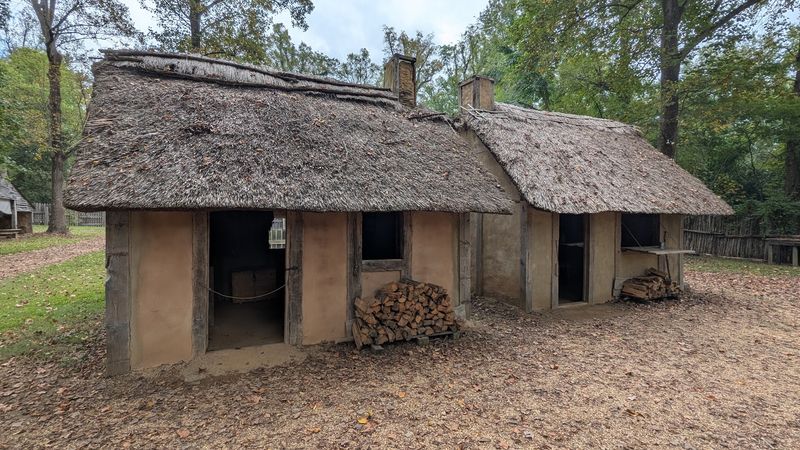
England isn’t the only place to admire a proper thatched roof. Henricus Historical Park uses authentic water reed thatch on nearly all of its structures.
That detail earns the park a bold title as the largest thatched living-history museum in North America. It’s a fun claim to drop at your next dinner party.
Look closer at the walls too. Many buildings use wattle-and-daub construction, a woven frame packed with a mud-like mix.
Post-and-beam framing holds everything together the old-fashioned way. The result looks like it wandered straight out of the English countryside around 1611.
Floors inside some buildings are unfinished slab wood, true to the period. Watch your step, and enjoy how rough and real everything feels underfoot.
You’ll notice the craftsmanship before you even reach the first door. Each roof shows how much work went into recreating a town by hand.
Photographers will have a field day with the textures alone. Golden thatch against blue Virginia sky makes for a shot that’s hard to resist.
Costumed Interpreters Who Never Run Out Of Answers
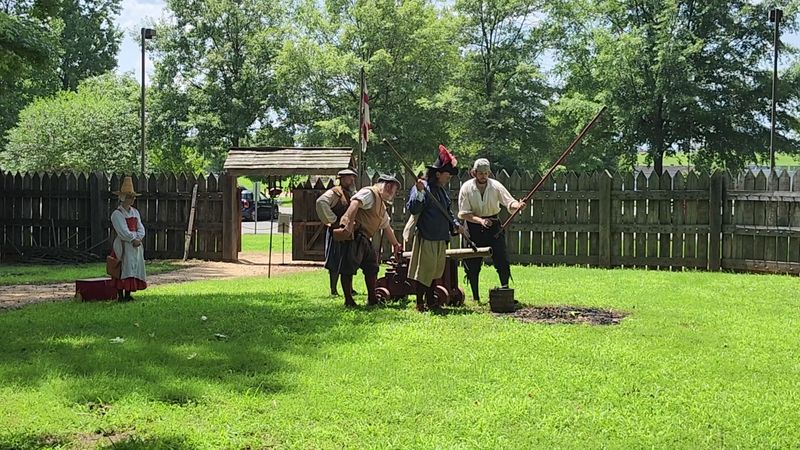
Ask an interpreter a single question, and you might lose an hour. The staff at Henricus Historical Park are known for deep knowledge and serious enthusiasm.
Interpreters wear period clothing and stay in character as they explain daily life in the 1600s. They cover cooking, building, farming, faith, and the challenges settlers faced.
Several staff members have earned shout-outs by name for their storytelling. Randall, in particular, gets credit for bringing the site to life with real passion.
Kids aren’t left out of the fun either. Guides happily field even the wildest questions young visitors can dream up.
Quieter weekdays can mean more one-on-one time with the interpreters. Cooler days especially may give you plenty of room to ask follow-up questions.
The best strategy is simple. Slow down at each building and treat every interpreter like a living library.
You’ll walk away knowing more than you expected, and maybe more than you’ll remember. That’s a pretty good problem to have on a free outing.
A Simple Church With A Pocahontas Connection
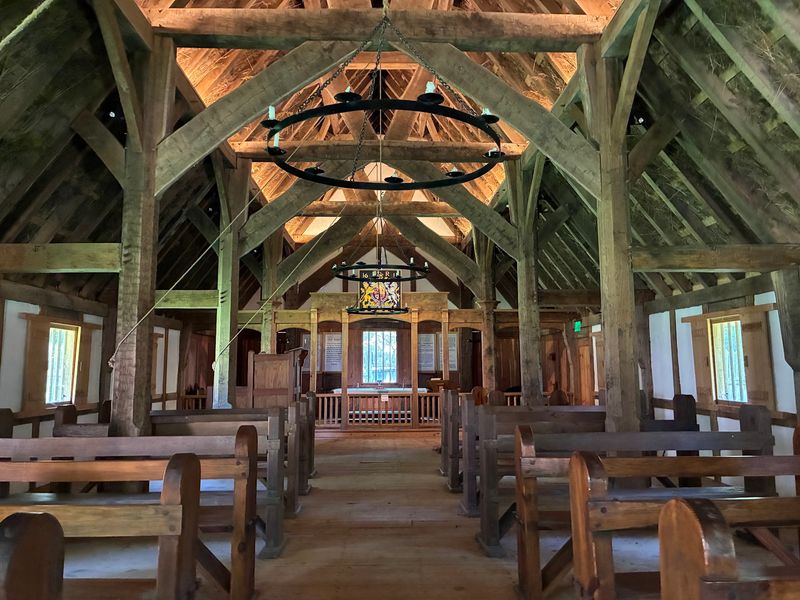
Pocahontas fans, take note. Inside the reconstructed church stands a hand-made wooden replica of her baptismal font.
The site tells the story of her conversion to the Anglican faith, which connects directly to Henricus. It’s a chapter many people know only in bits and pieces.
Interpreters share a fuller version of her story here. Expect more nuance than the cartoon version most of us grew up watching.
The church itself is both simple and beautiful. Its plain design reflects the practical spirit of a young colonial town.
Nearby, the parsonage and the hospital round out some of the most interesting buildings on site. Each one offers a different window into community life in 1611.
The hospital idea alone sparks plenty of questions. How did settlers care for the sick so far from home?
Plan to linger in this corner of the park. The church, parsonage, and hospital together form the heart of the town’s story.
The Virginia Indian Village Tells The Other Half
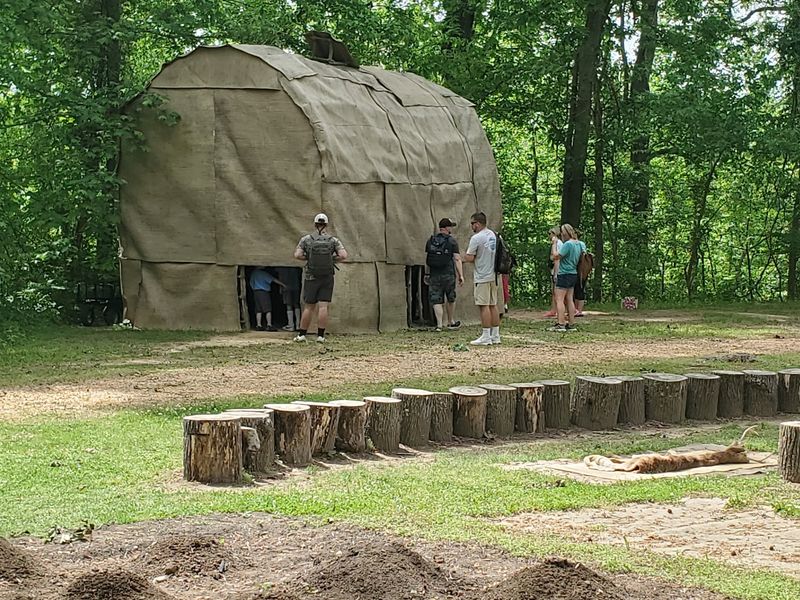
History has more than one side, and Henricus Historical Park makes room for both. A Virginia Indian village area shares the story of the Powhatan people who lived here first.
The focus goes well beyond a quick sign or two. Interpreters explain how people hunted, built shelters, made fire, and crafted boats.
Hands-on displays help those lessons stick. Kids especially enjoy seeing how a canoe or a home came together without modern tools.
Including Native history gives the settlement real context. You understand the English town better once you know whose land it stood on.
School groups often visit this part of the park on field trips. Guides describe the concepts clearly, which helps younger learners follow along.
The contrast between the two areas is striking. English thatch and timber sit just a short walk from Powhatan-style structures.
Give this area as much time as the fort. It might end up being the most eye-opening stop of your day.
Meet The Hogs, Goats, And One Friendly Cat
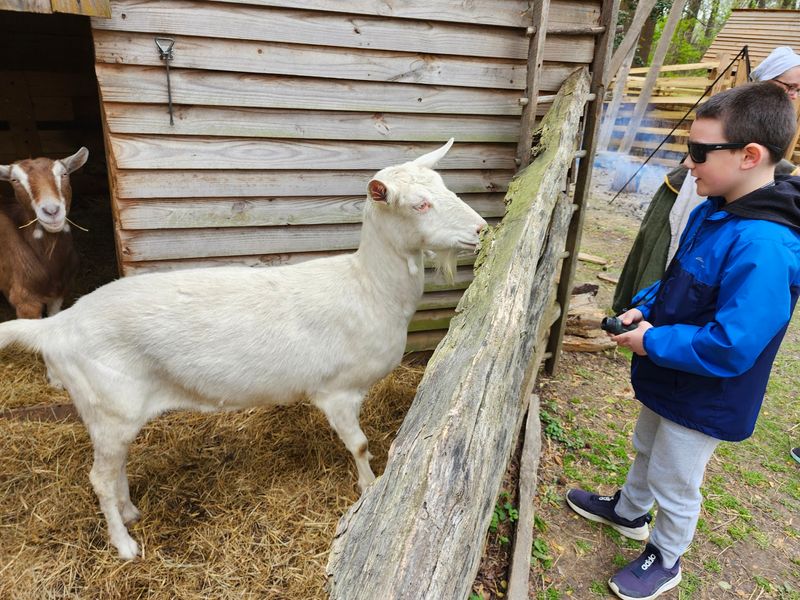
Not every resident here wears a costume. The farm at Henricus Historical Park keeps hogs, goats, and chickens on the property.
An interpreter often discusses livestock and farming practices from the period. You’ll learn why animals mattered so much to a colony far from supply ships.
Kids usually light up when the animals come into view. It’s a lively break from buildings and history lessons.
One firm rule applies, though. Don’t touch or pet the historic farm animals, no matter how charming they look.
A friendly cat also roams the grounds, apparently unconcerned with the 17th century. It may be the most relaxed resident in the entire settlement.
The farm adds sound and movement to the scene. Clucking chickens and rooting hogs make the town feel lived-in rather than staged.
Bring your camera and your patience. The goats rarely pose on command, but they do make great background characters.
Trails And River Views Beyond The Back Gate
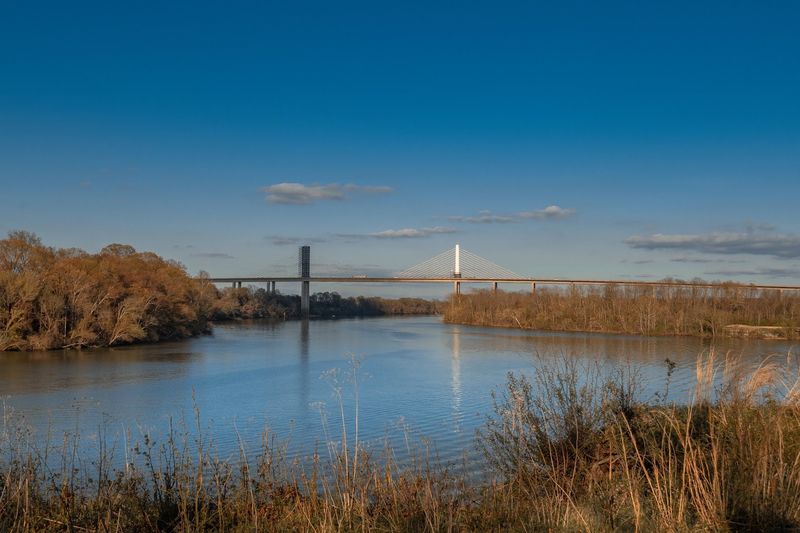
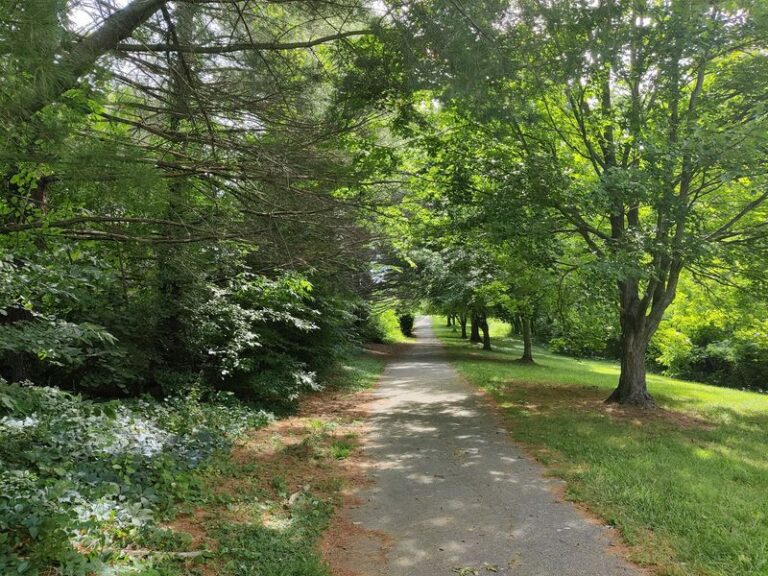
Trails might be the park’s sneakiest surprise. Walking paths with informational signs wind through the surrounding natural area.
Head out the back gate for a view of the James River. The I-295 bridge stretches across the water, a modern contrast to the 1611 town behind you.
Birders will want binoculars along. The trails and riverside setting make the park a pleasant spot for spotting feathered locals.
Deer sometimes appear just outside the park too. Keep your eyes open on the drive in and out.
On the road to the park, a small pull-off leads to a dock in a nearby marsh. It’s an easy bonus stop for anyone who loves wetlands.
Many people focus on the fort and miss the trails entirely. Don’t make that mistake if you have the time.
Leave an extra hour for wandering. The quiet paths balance out all the conversation and storytelling inside the town.
Christmas Around The Centuries Is Worth Marking On Your Calendar
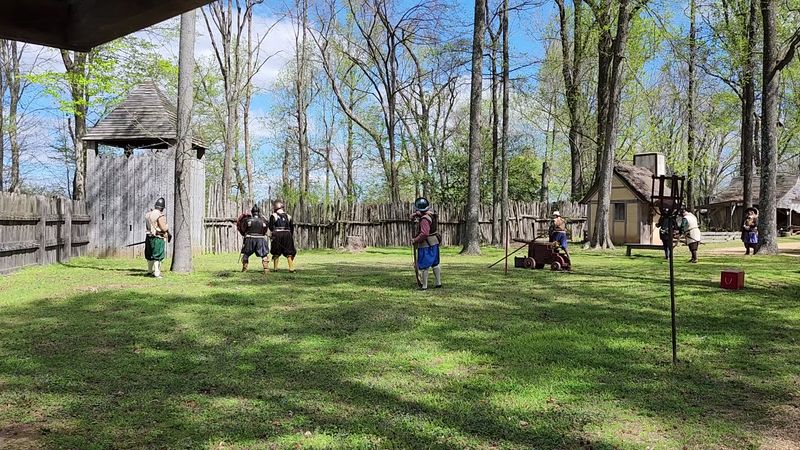
Holiday traditions get a time-travel twist at Christmas Around the Centuries. The seasonal event features costumed actors representing different time periods.
Each actor explains how Christmas was celebrated in their era. It’s a clever way to compare customs across hundreds of years in a single afternoon.
Interaction makes the event shine. The more questions you ask, the more you’ll get out of it.
Winter visits do come with one catch. Nearly everything here happens outdoors, so it can get cold.
Layer up and bring gloves for a December trip. A warm hat won’t hurt either.
Warmer months offer a cozier experience for general visits. Spring and fall strike a nice balance between comfort and fewer crowds of bugs.
Still, the holiday event adds a festive glow to the old town. Watching history and holiday cheer collide is reason enough to brave the chill.
Families, History Buffs, And Small Dogs All Fit Right In
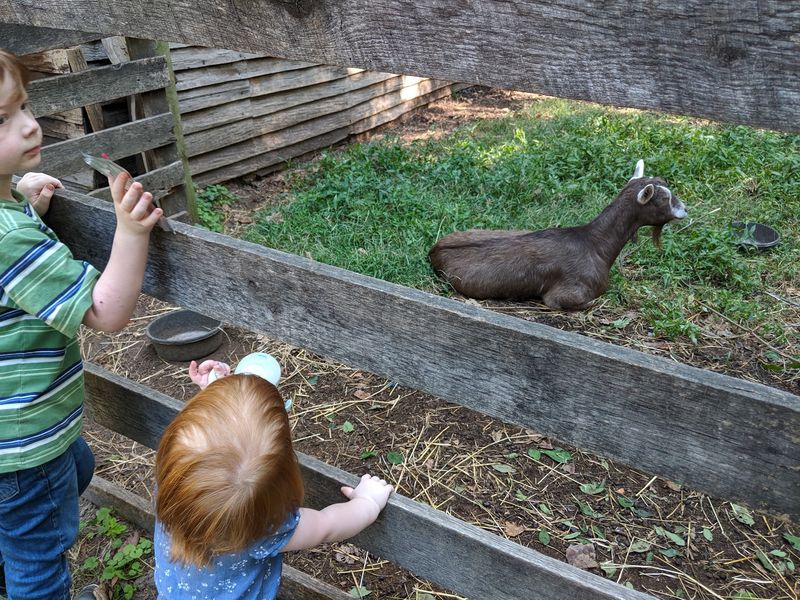
School-age kids might be the luckiest visitors of all. Interactive displays, farm animals, and things to touch keep young minds busy.
Adults get just as much out of it. History buffs may even learn something brand new about early Virginia.
Curious travelers passing through the Richmond area will find an easy, rewarding detour. It can turn an ordinary road trip into a memorable stop.
Bringing the dog? Small pups are welcome, with one important condition.
Pick up your dog and carry it inside the historic buildings. Those unfinished wood floors absorb odors, and nobody wants a 400-year-old stink.
Owners of larger dogs should plan for someone to wait outside with them. A little teamwork keeps the buildings fresh for everyone.
The pace suits nearly anyone willing to walk and chat. Slow wanderers and question-askers will feel especially at home here.
What To Know Before You Head To Chester
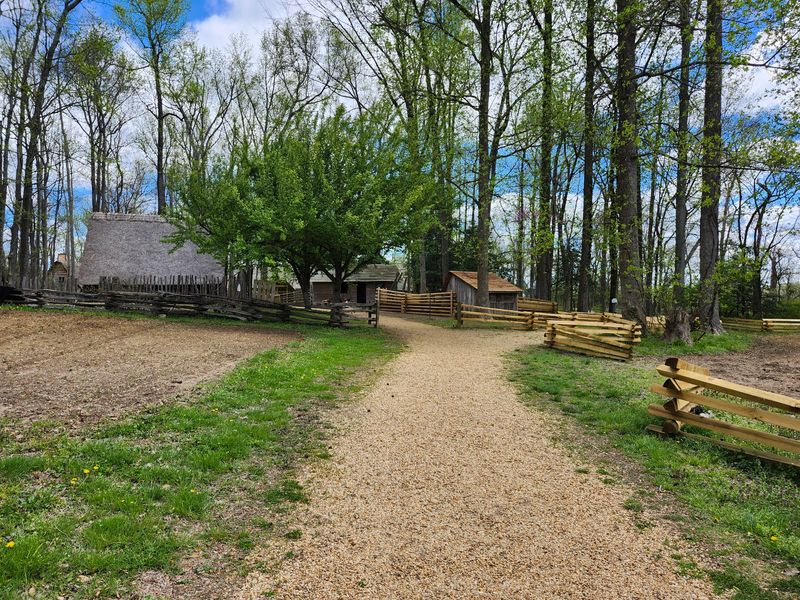
Admission is free, which still feels slightly unbelievable. Donations are welcome and help keep the park running.
Henricus Historical Park sits at 251 Henricus Park Rd, Chester, VA 23836. Hours run 10 a.m. to 4 p.m.
Thursday through Sunday, and it’s closed Monday through Wednesday.
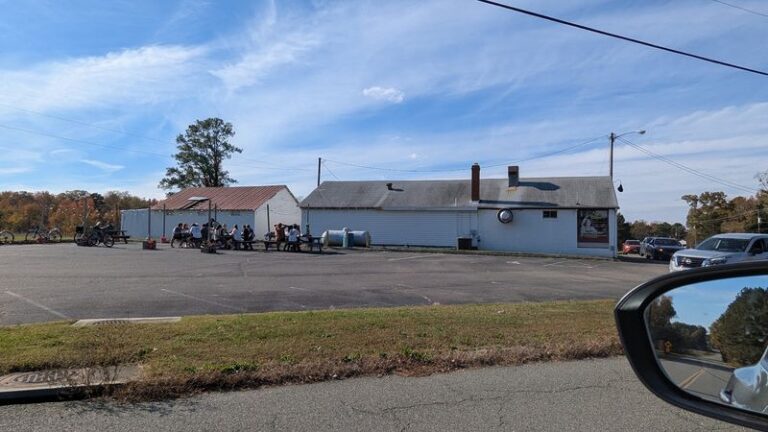
The drive passes through an industrial area with power facilities and truck traffic. Don’t worry, the scenery improves dramatically once you arrive.
Follow the posted signs as you get close rather than relying on GPS. Take extra care at the multi-way stop near the train crossing.
Parking is plentiful, and restrooms sit beside the gift shop. A picnic area makes it easy to stretch the visit into a full day.
No food is sold, so pack a lunch. There are no garbage cans either, so plan to carry your trash out.
Allow at least three hours to see everything. Many people leave wishing they’d budgeted even more time.
Why This Little Town Should Stop Being A Secret
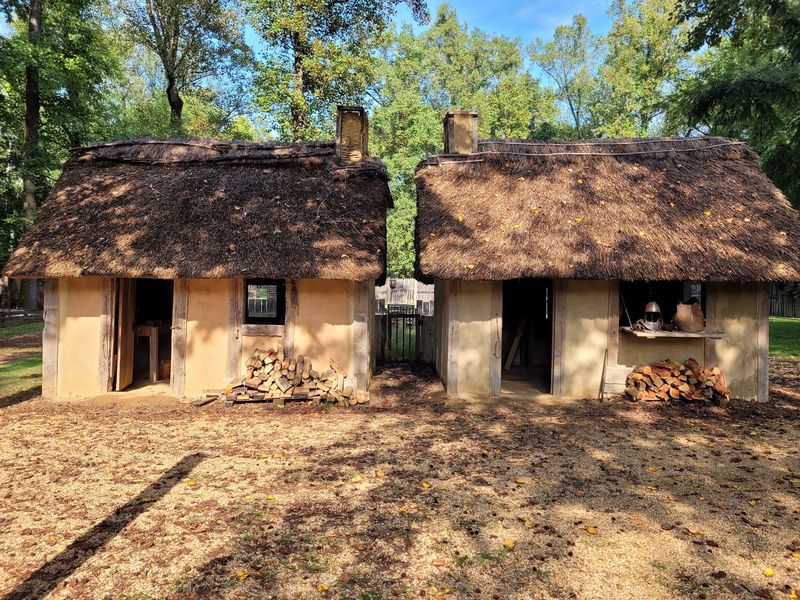
Few free attractions pack this much history into one riverside setting. Henricus Historical Park offers thatched buildings, a Native village, a working farm, and miles of trails.
Add passionate interpreters, and you’ve got an experience that rivals far pricier destinations. Williamsburg is wonderful, but it doesn’t have a monopoly on colonial charm.
The site also fills a gap many people never knew existed. Henricus tells a Virginia story that most textbooks skip right over.
Is it flashy? Not really, and that’s part of the appeal.
You won’t find big crowds or elaborate indoor galleries here. What you will find is genuine conversation, real craftsmanship, and plenty of room to think.
Bring snacks, comfortable shoes, and a list of questions. Leave the rush at home and let the interpreters set the pace.
That roadside sign near Chester has been waiting patiently for your attention. Maybe this is the year you finally take the exit.