Gold paint glows across a high domed ceiling, and a whole crowd of painted saints watches from above. That ceiling sits inside a Detroit church that most people drive past without a second glance.
The parish traces its roots to Polish immigrants, and it still feels like it. The original pre-Vatican II altar remains in place.
A solo organist still fills the space with music.
I like how a building this ornate keeps such a low profile. It sits on a quiet side street in Michigan’s biggest city, far from the usual tourist stops.
Its fenced lot and weekday hours make a visit easier than you might guess.
I believe Michiganders deserve to know this place exists. So why have so few of us ever looked up at that ceiling?
A Polish Parish Sitting Quietly On Detroit’s East Side
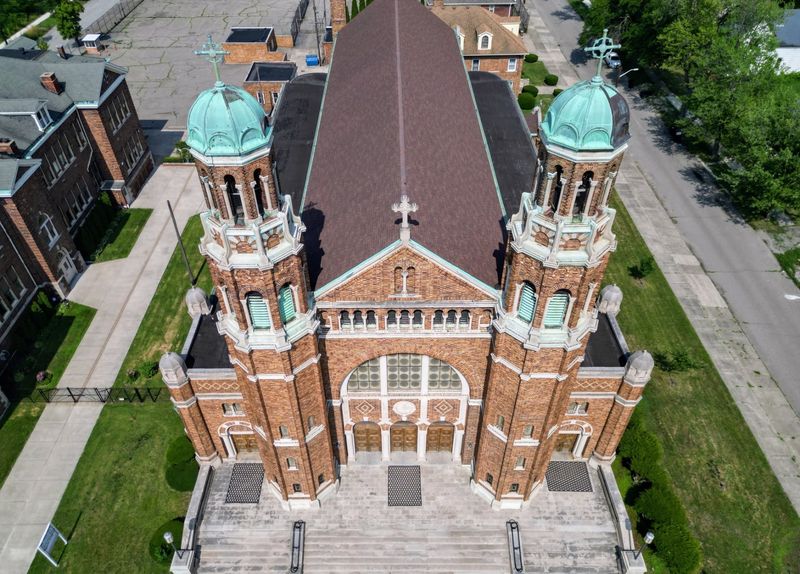
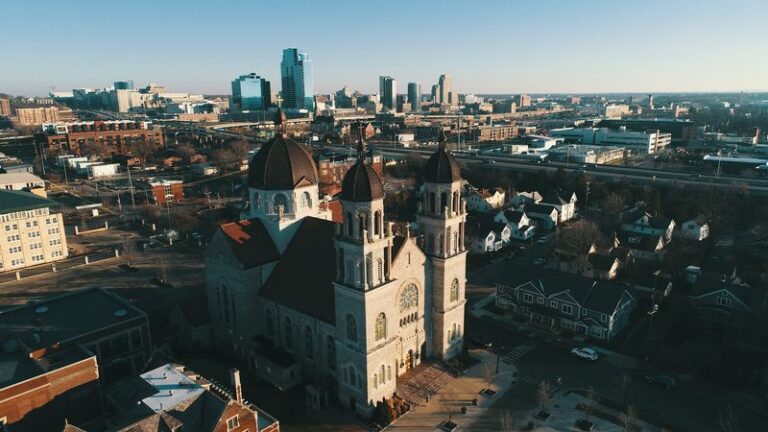
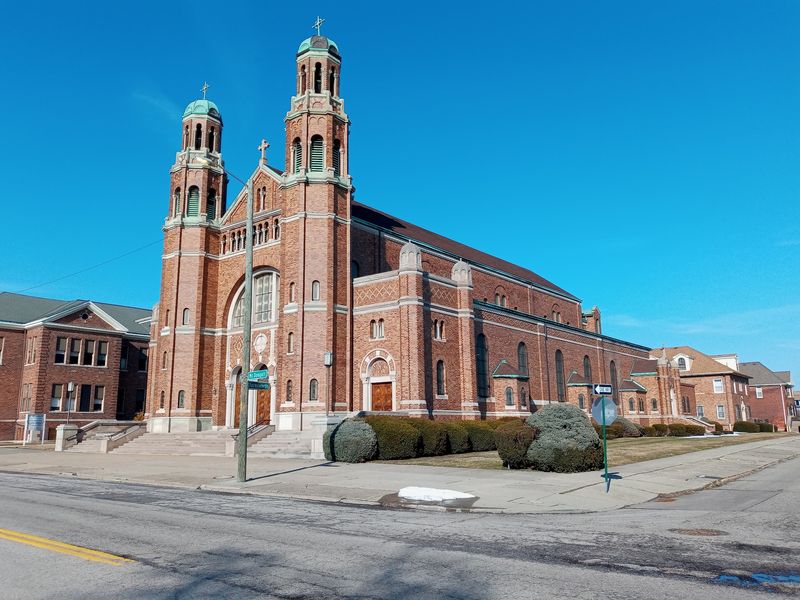
St Hyacinth Church is the kind of place you could pass a hundred times and never suspect what waits inside. It sits in Detroit, Michigan, on a side street rather than a busy boulevard.
The parish grew out of the city’s Polish immigrant community. Those families wanted a church that looked and felt like home, and they built accordingly.
That heritage still shapes the place today. Its ties to Polish Detroit remain part of its identity, and the parish keeps that story alive.
Online, the church holds a 4.9-star rating across 41 Google reviews. That’s a remarkable score for a building most Michiganders couldn’t find on a map.
The appeal comes down to a simple trade. You give up a little time on a weekday, and you get one of the most ornate interiors in the region.
No ticket booth greets you, and there’s no gift shop at the door. It’s an active Catholic church first, which shapes how and when you visit.
Treat it like the working parish it is. Do that, and St Hyacinth Church rewards your curiosity with something genuinely beautiful.
Roots That Reach Back To Detroit’s Polish Immigrant Families
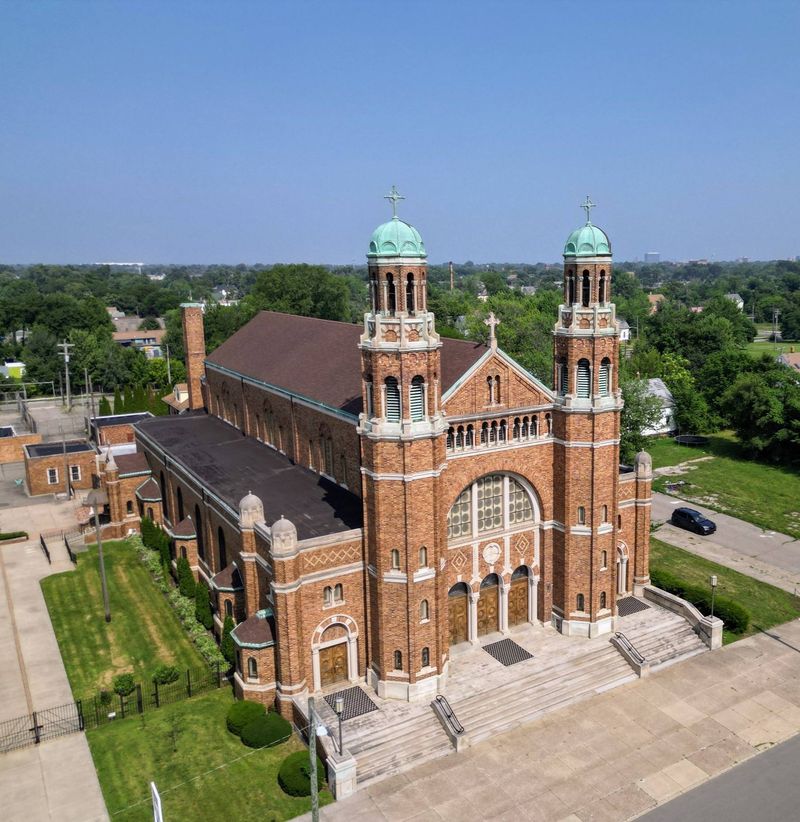
Polish immigrants poured into Detroit in the early twentieth century, looking for factory work and a fresh start. Many of them also wanted a parish where their language and traditions felt welcome.
St Hyacinth Church became one answer to that need. Its roots are commonly tied to 1907, the year often given for the parish’s beginning.
The name itself carries Polish weight. Saint Hyacinth was a Polish Dominican friar, so the choice signals exactly who built this community.
Families raised children here, celebrated sacraments here, and passed the parish down through generations. Some former parishioners still return years later, drawn back by memories of school Masses and Christmas services.
That continuity matters. Plenty of old Detroit churches have closed, merged, or changed hands, yet this one keeps its doors open.
Exact construction dates for the current building can vary by source, so hedge any trivia night bets. What stays clear is the immigrant devotion stamped into every surface.
Knowing that backstory changes the way the interior feels. Every gilded detail starts to look like a thank-you note from people who arrived with very little.
Gold Leaf And Painted Saints Overhead
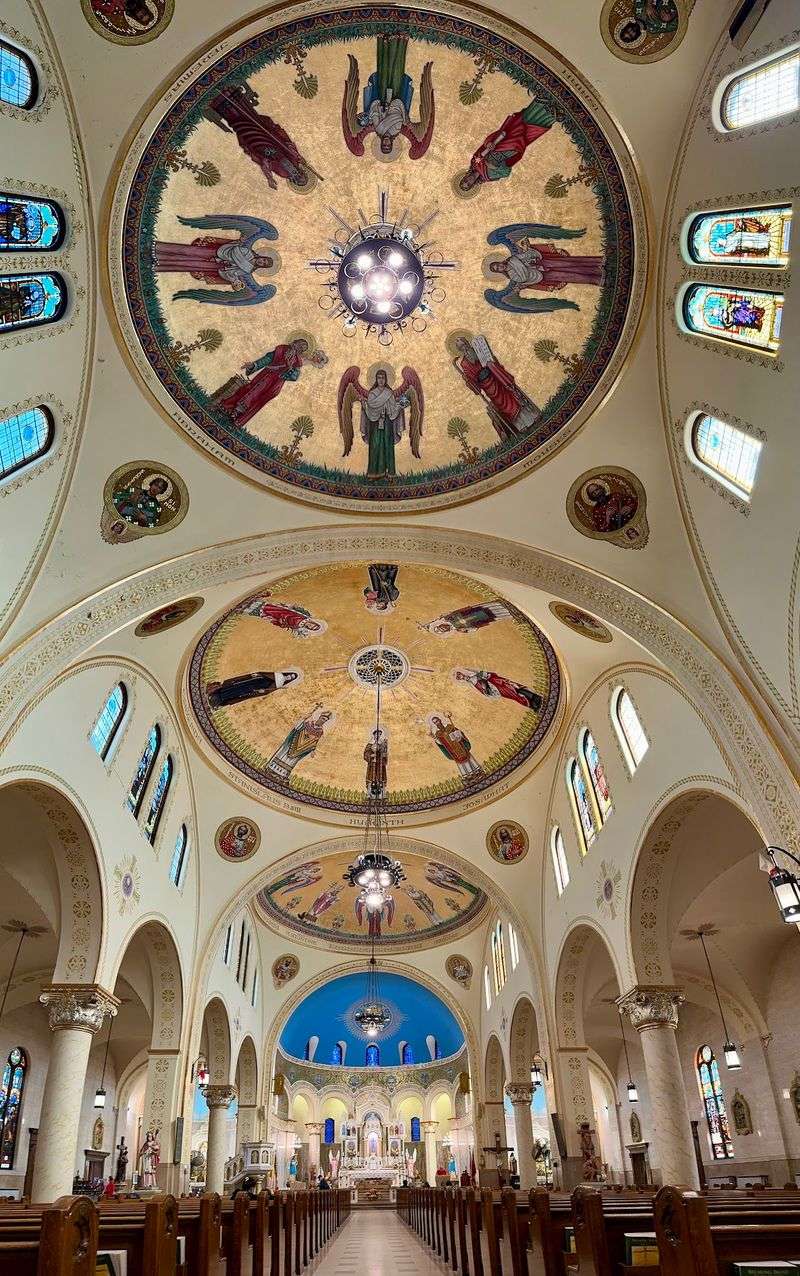
Look up first. The high domed ceilings at St Hyacinth Church are painted with gold and ringed by a gathering of saints.
That’s the view most Michiganders have never seen. It’s also the reason this church punches far above its quiet street address.
The gold moldings and trim appear bright and well kept. Nothing about the color scheme feels faded or tired, which is impressive for a building this old.
Painted figures fill the upper spaces, so your eyes keep traveling. One saint leads to another, and suddenly you’ve spent five minutes staring at the ceiling.
Bring patience, because the details reward slow looking. Small flourishes in the trim show up only after the big picture sinks in.
It’s easy to compare the effect to old churches across Europe. The comparison fits, since the parish founders were recreating something they knew from home.
A camera may help you remember it, but please be respectful if prayer or a service is underway. Some views are better soaked in quietly, with the phone tucked away for a moment.
An Original Altar That Survived The Changes
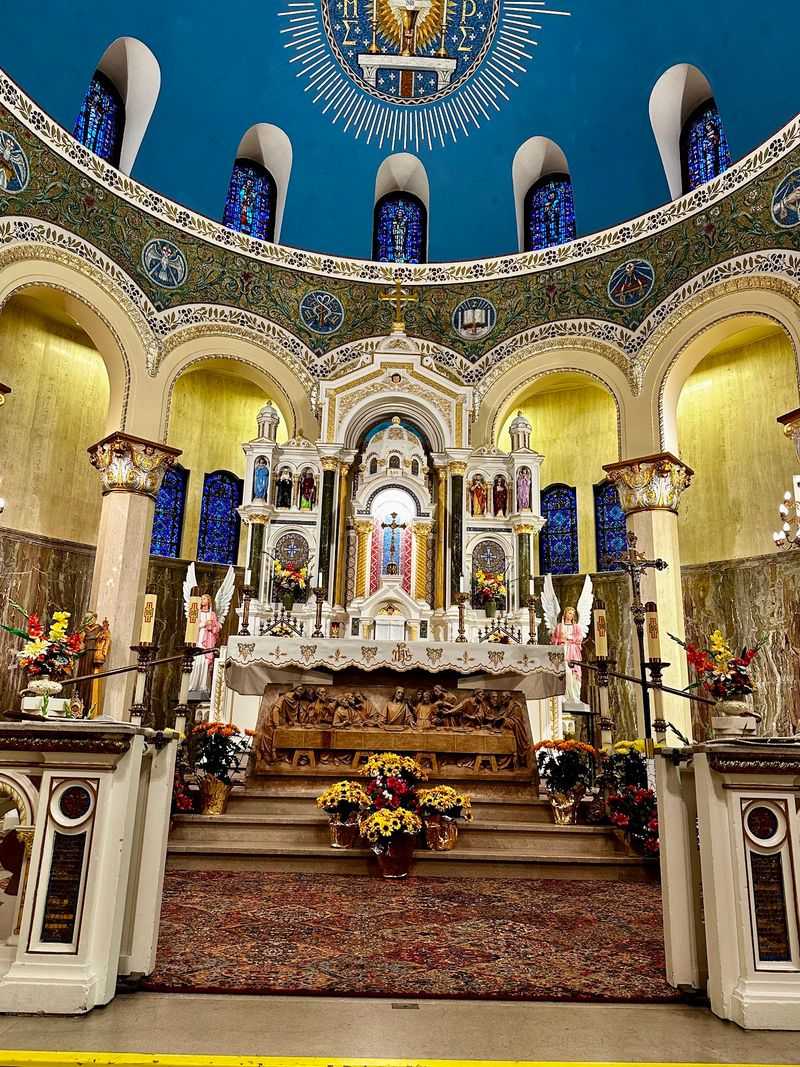
Plenty of American parishes removed their old high altars after the Second Vatican Council. St Hyacinth Church kept its original pre-Vatican II altar in place.
That decision preserved a centerpiece many churches lost. The old altar still stands as part of the sanctuary’s grand backdrop.
The tabernacle sits right in the middle. It’s framed by an elaborate structure that pulls every glance straight to the center.
Modern Masses use a separate, newer altar placed in front. Its front panel features a representation of the Last Supper, which adds its own artistry.
Somehow the two pieces work together. The newer altar doesn’t feel out of place beside the older one, which is no small trick.
For history fans, this pairing tells a story without a single plaque. You can read decades of church change just by standing in the aisle.
Catholic or not, it’s worth noticing the craftsmanship involved. Somebody spent serious hours on every carved edge, and the results still hold up beautifully.
Organ Music That Still Fills The Nave
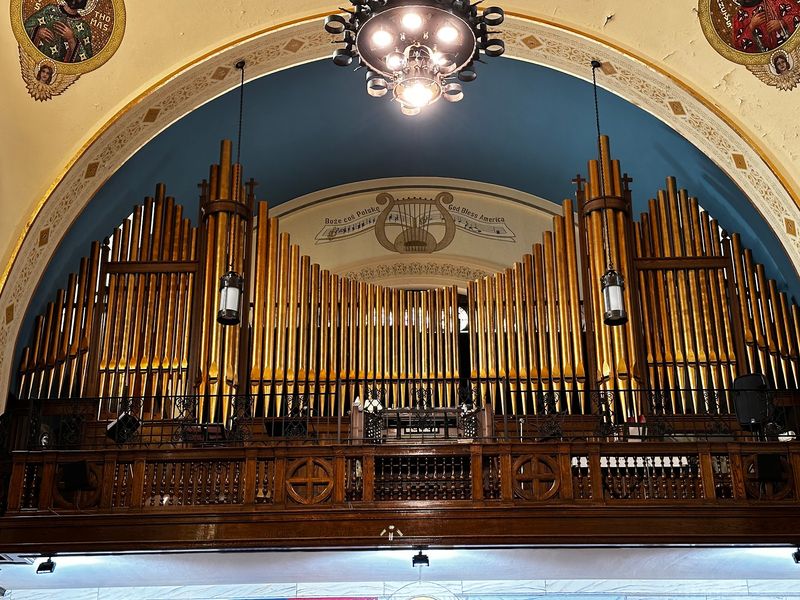
Some churches have swapped pipes for speakers. At St Hyacinth Church, a solo organist has led the music at Sunday Mass.
That sound suits the room. High ceilings and old plaster give organ notes plenty of space to roll around.
The hymns come from a standard Catholic hymnal rather than anything exotic. Still, hearing them on an organ in a room like this feels different.
Congregational singing may be on the quieter side. Don’t let that stop you from humming along, since nobody’s grading your pitch.
Music schedules can change, so plan around posted Mass times if you want to hear it. The parish publishes its Mass schedule online, which makes checking easy.
A weekday visit will likely be silent instead. That has its own charm, especially if you want to study the ceiling without distraction.
Either way, the acoustics matter. Even footsteps carry a little in a space like this, so walk softly and enjoy the hush.
Reverence Without Any Fuss
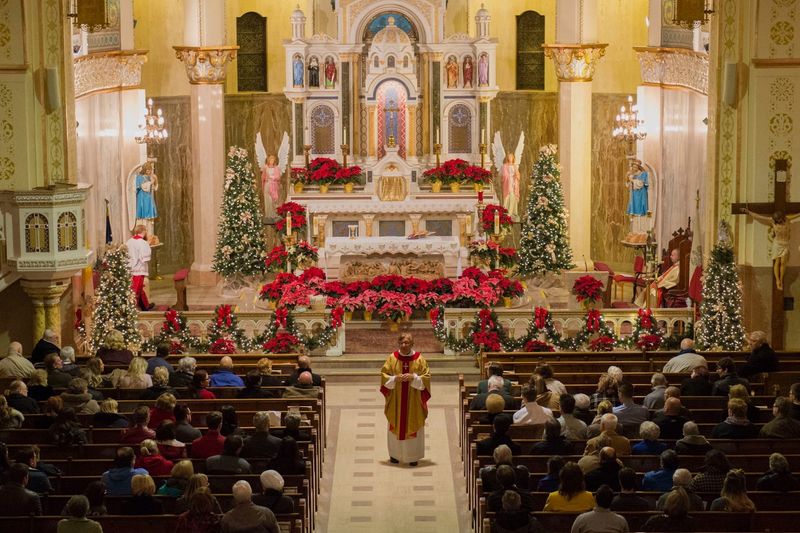
Quiet and simple describes Mass here pretty well. Parishioners kneel at the appropriate times, and the sign of peace stays low-key.
That traditional feel appeals to people who prefer a calm liturgy. Nothing here is flashy, and nobody seems to want it to be.
The community leans toward an older generation. Many longtime members keep supporting the church, which explains how it stays so well cared for.
An older priest with a Polish accent has served the parish. That detail ties today’s Masses straight back to the immigrant roots of the place.
Visitors from outside the parish are welcome at public Masses. Just follow the usual etiquette, keep phones silent, and save photos for after.
Younger faces would bring fresh energy, and the door is open. Showing up is honestly one of the best ways to help historic parishes survive.
Not Catholic? You can still sit in the back and appreciate the setting quietly.
Respect goes a long way, and nobody will quiz you on the responses.
Yes, There Really Is A Banana Festival
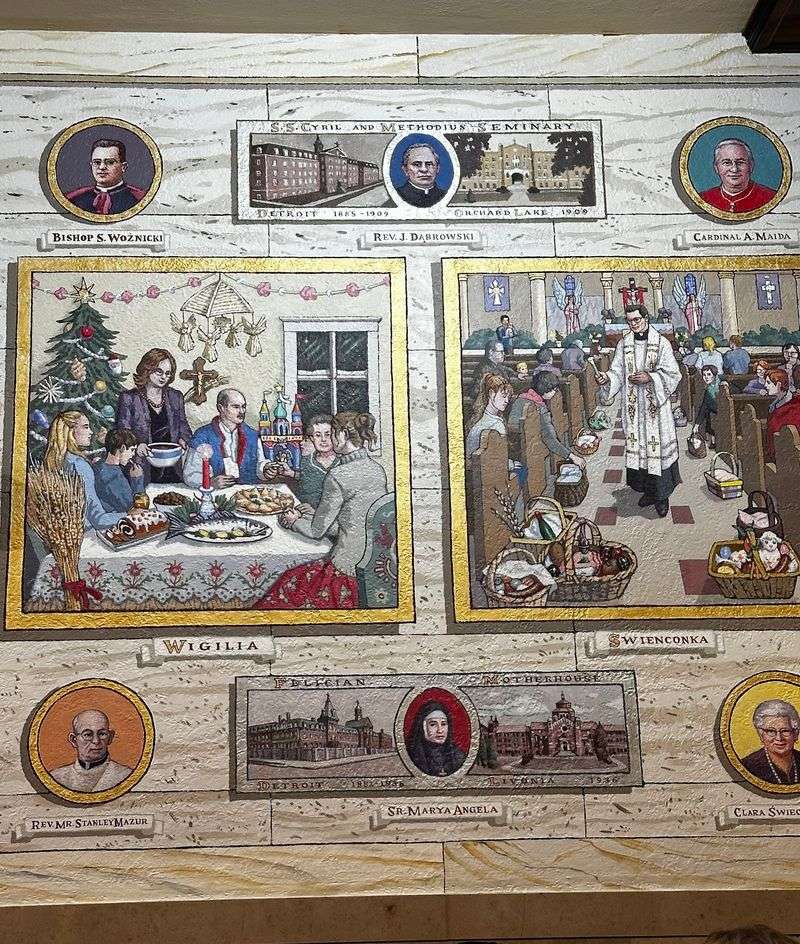
A Polish parish hosting a Banana Festival sounds like a typo. It isn’t, and the event has become one of the church’s best-known traditions.
The festival happens in the fall, typically around October. That timing makes it a fun excuse for a Michigan autumn day trip into Detroit.
Food is a big part of the draw. Festival-goers have praised the eats, and parish festivals tend to bring out serious home cooking.
Friendly volunteers help set the tone. A parish event like this feels more like a neighborhood reunion than a commercial fair.
Dates and details can shift from year to year. Check with the parish before you go so you don’t arrive to an empty parking lot.
The name always sparks questions, which is half the fun. Ask a volunteer about it, and you might get a story along with your plate.
Pair the festival with a peek inside the sanctuary if it’s open. Few events let you go from festival food to gilded saints in a matter of steps.
Rummage Sale Treasures And Friendly Faces
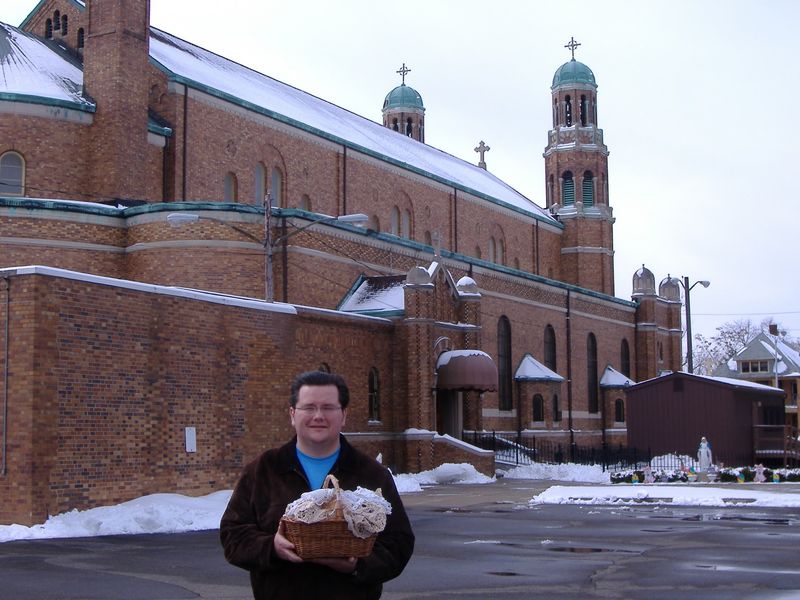
Bargain hunters, take note. St Hyacinth Church has hosted a rummage sale alongside festival activities.
Church rummage sales are a classic Michigan tradition. You never know what vintage dish, old book, or oddball gadget will turn up on the tables.
Shoppers have come away with finds and good impressions. The people running things are known for being kind and welcoming.
That warmth shows up in other ways too. Staff have been described as helpful during baptisms and other milestones.
It’s the sort of parish where people remember why they come back. Former parishioners return years later just to walk the aisle again.
Sales and events follow the parish calendar, so timing varies. A quick check ahead can save you from showing up on the wrong weekend.
Bring small bills and a reusable bag, just in case. And maybe leave room in the trunk, because rummage sales have a talent for sending people home with surprises.
Weekday Windows For Seeing The Interior
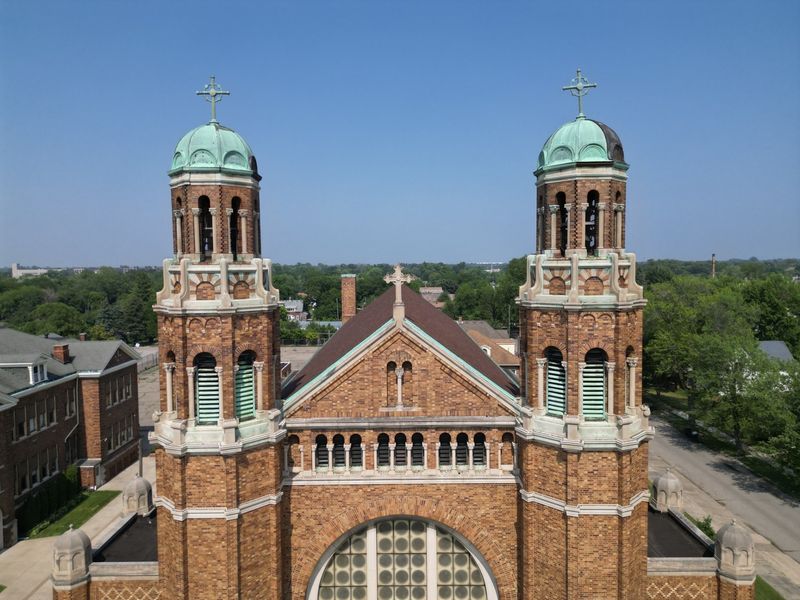
Timing is everything here. St Hyacinth Church lists weekday hours from Tuesday through Friday.
Tuesday, Wednesday, and Thursday run from 10:30 a.m. to 3:30 p.m. Friday closes a bit earlier, at 2:30 p.m.
Monday and Saturday are listed as closed. Sunday also shows as closed for general hours, though Mass happens on its own schedule.
Hours can change for holidays or parish needs. Calling ahead or checking the parish’s online Mass schedule is a smart move before a long drive.
A midweek visit may give you the quietest look at the ceiling. Sunday Mass gives you the full experience, with organ music and a gathered congregation.
There’s no admission fee to worry about for a respectful look around. A donation is always a kind gesture for a historic parish working to stay open.
Plan for at least half an hour inside. Between the dome, the altars, and the painted saints, you’ll want more time than you expect.
Finding Farnsworth Street And Parking With Confidence
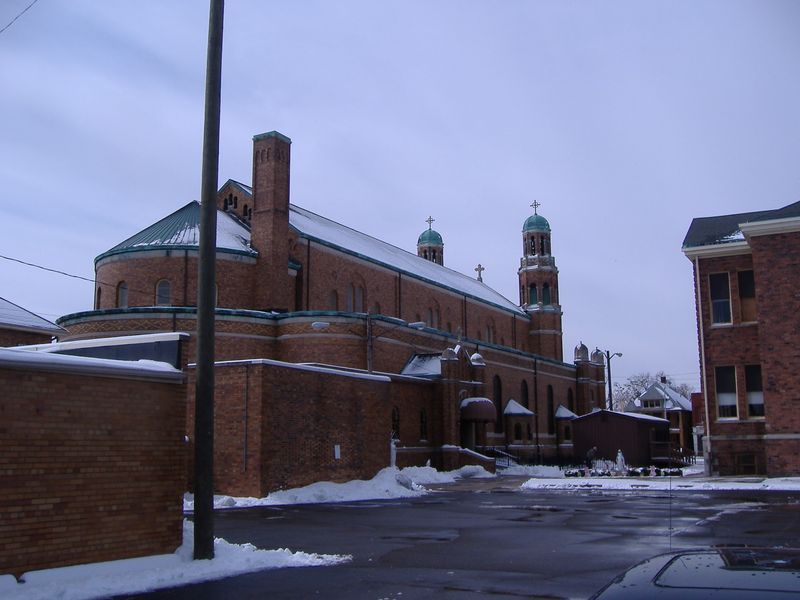
Plug 3151 Farnsworth, Detroit, MI 48211 into your GPS and you’re set. The church sits on Detroit’s east side, a short drive from downtown.
Parking is easier than many expect in the city. The church has a fenced, secured lot right on site.
That fenced lot brings peace of mind. The surrounding area has seen hard times, so the secured parking is a welcome touch.
Coming from elsewhere in Michigan? Freeways put Detroit within reach of most of the state’s southern half for an easy day trip.
Pair your visit with other Detroit stops if you have extra hours. The city is packed with historic churches, so a sacred-architecture road trip practically plans itself.
Restroom facilities are on the older side, according to at least one visitor. It’s a small trade-off for a building with this much history.
Arrive a few minutes early for Mass. That gives you time to park, settle in quietly, and gaze at the ceiling before the opening hymn.
Why This Quiet Church Deserves Your Next Day Trip
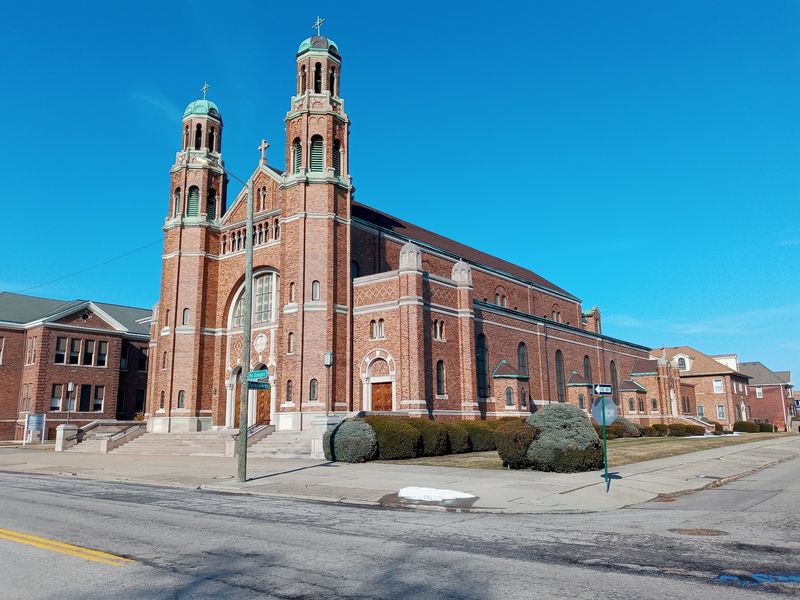
Detroit has bigger churches and more famous ones. Few manage to feel this personal while looking this grand.
St Hyacinth Church blends Polish immigrant pride with old-world craftsmanship. The gold ceilings, painted saints, and preserved altar make that pride visible.
It suits history lovers, architecture fans, and anyone curious about Michigan’s immigrant story. Catholics will appreciate the reverent liturgy and traditional touches.
Families can make it part of a fall outing, especially around festival time. Photographers will want extra minutes for the dome, assuming no service is underway.
The biggest lesson might be how much beauty hides in plain sight. Michigan has plenty of places like this, waiting for someone to simply open the door.
Support matters too. Each visit, donation, or festival plate helps keep a historic parish going for the next generation.
So pick a Tuesday, or circle the festival on your calendar. Then look up, and see what generations of Polish Detroiters built for anyone willing to notice.