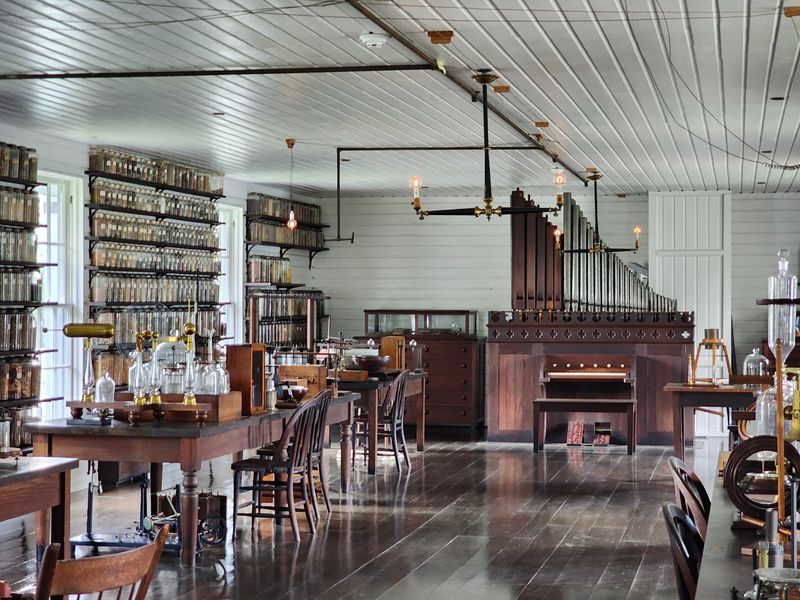
Henry Ford didn’t just rebuild Thomas Edison’s laboratory. He hauled in the actual New Jersey soil so visitors could walk where Edison walked.
Edison saw the finished copy and called it ninety-nine percent right. His only complaint?
He said his lab was never this clean. I love that the greatest inventor of his age gave a review like a picky roommate.
A short stroll away sits the bicycle shop where the Wright brothers built parts for their first airplane. Orville Wright himself supervised its rebuild here in Michigan.
That’s two turning points in history, a few minutes apart on foot.
I can’t imagine a better place to feel history up close. Add steam trains, Model T rides, working farms and glassblowers, and the day fills fast.
So how much of the past can one street actually hold?
An Entire Century Of America Fits Inside These 80 Acres
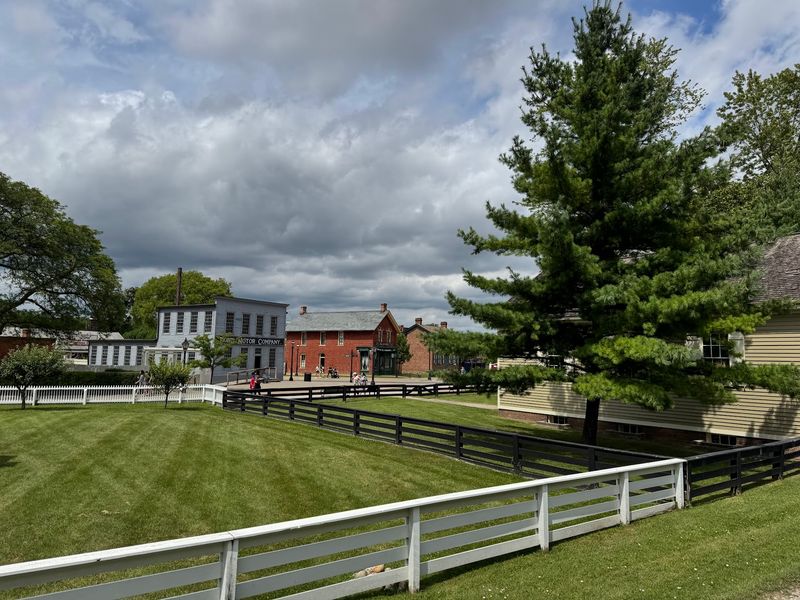
Greenfield Village sits in Dearborn, Michigan, as the outdoor half of The Henry Ford. The other half is the Henry Ford Museum of American Innovation, which sits right next door.
The village covers 80 acres and holds more than 80 historic structures. Many of them weren’t built here.
Henry Ford bought them from around the country and moved them, piece by piece.
That’s what makes Greenfield Village so unusual. You aren’t looking at replicas built from blueprints.
You’re looking at real homes, shops and workplaces where real Americans once lived and worked.
Ford founded the village in 1929, and it opened to the public in June 1933. Nearly a century later, it still runs on the same big idea.
History should be something you can walk through, not just read about.
The grounds mix famous names with everyday life. You’ll find inventors’ workshops, family farmhouses, craft studios and a working railroad.
Some buildings are quiet and thoughtful. Others puff steam and clatter down the tracks.
For Michiganders, it’s a point of pride. Few states can say they host Edison’s lab and the Wrights’ shop in the same backyard.
Why Henry Ford Started Collecting Whole Buildings
Most collectors stop at stamps or coins. Henry Ford went bigger and started gathering entire buildings tied to American ingenuity and daily life.
His goal was simple to say and tough to pull off. He wanted people to see how Americans actually lived and worked.
Moving the real structures felt more honest than building copies.
Work on the village began in the late 1920s. The Edison laboratory reconstruction started in 1928 and was dedicated in October 1929.
That same year marks the official founding of Greenfield Village.
The public got its first look in June 1933. By then, Ford had filled the grounds with homes, shops and workplaces from across the country.
The collection kept growing for years after.
Some pieces came with famous names attached. Homes connected to Noah Webster and Robert Frost now stand here too.
Others belonged to ordinary families whose routines tell their own stories.
That blend is the real gift. You see the giants of invention right beside farmers, craftspeople and shopkeepers.
Together, they paint a fuller picture of how the country changed. Ford’s hobby turned into one of Michigan’s lasting treasures.
Edison’s Lab Arrived With Its Own New Jersey Dirt
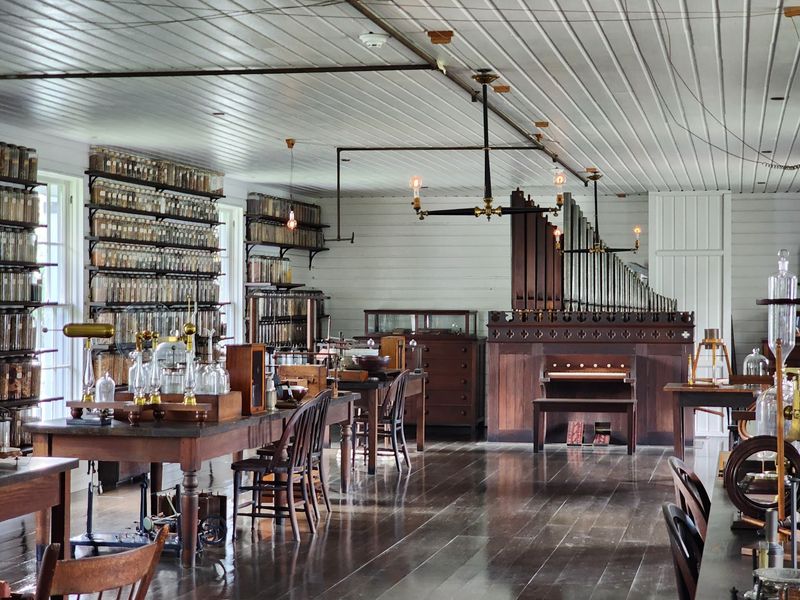
Ford took authenticity seriously. When he rebuilt Thomas Edison’s Menlo Park laboratory complex, he used original materials and structural pieces from the New Jersey site.
Then he went a step further. He moved soil from the original location to Dearborn.
He wanted visitors to literally walk where Edison walked.
The reconstruction began in 1928. It was completed in time for a dedication in October 1929.
Edison saw the result and declared it ninety-nine percent right.
The missing one percent became a famous line. Edison said his real lab was never this clean.
Anyone with a messy garage workshop will feel a little seen.
Menlo Park was where Edison and his team chased ideas at an astonishing pace. Standing inside the rebuilt complex gives you a sense of that busy, experimental energy.
It feels like the inventors just stepped out for lunch.
The lab is part of the Edison at Work District inside Greenfield Village. Plan some unhurried time here.
Between the shelves, benches and equipment, there’s plenty to study. It’s easily one of the most meaningful stops in the whole village.
Where Bicycle Money Paid For The First Airplane
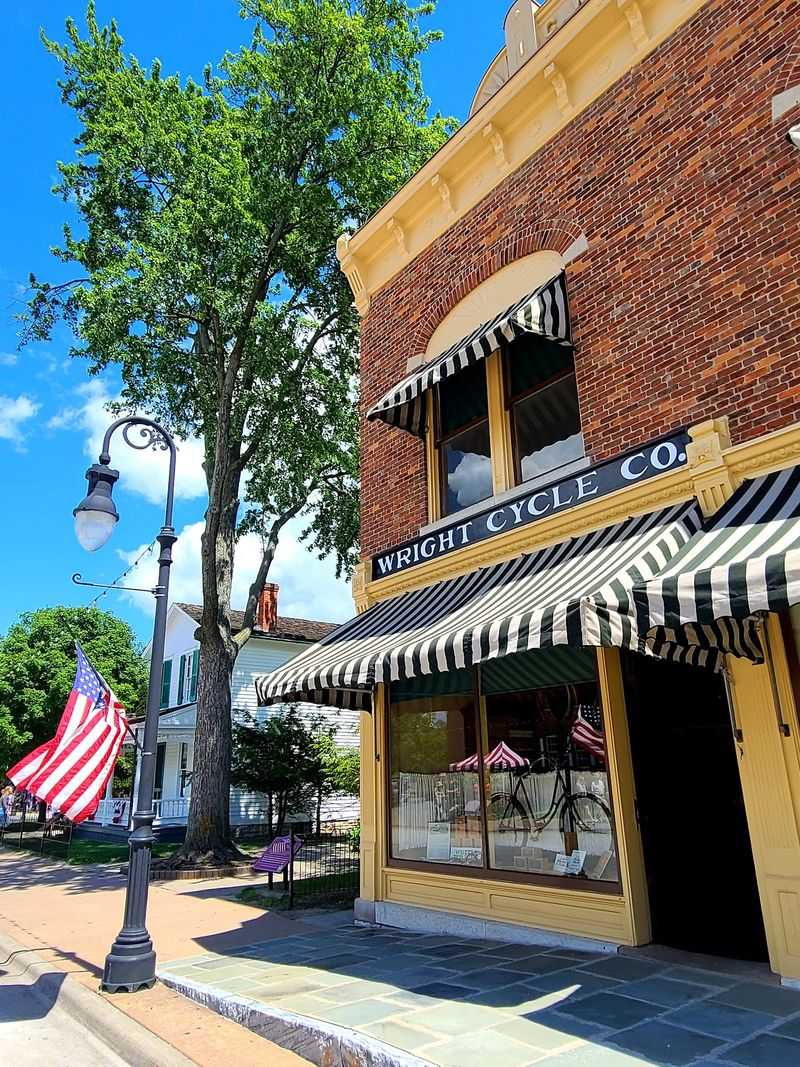
Two brothers fixed bicycles to fund a wild dream. Their shop, often called the birthplace of aviation, now stands on Main Street in Greenfield Village.
Henry Ford acquired the Wright brothers’ Dayton, Ohio, cycle shop and their family home in 1936. Both buildings were moved to Dearborn by February 1937.
Here’s a fun twist. In Dayton, the shop and home sat a few blocks apart.
In Greenfield Village, they stand side by side, like neighbors finally reunited.
Orville Wright personally supervised the reconstruction. That’s about as strong an endorsement as a building can get.
The shop opened to the public on April 16, 1938.
Inside, you’ll see both sides of the brothers’ lives. Bicycle repair tools share space with airplane wing ribs.
Their drill press, band saw and lathe are on display too.
This is where they built parts for the 1903 Flyer. The bicycle business paid for their flying experiments.
It’s a humble room for such a huge leap. Kids who love tinkering may find it especially inspiring.
You Can Ride In A Real Model T Down Period Streets
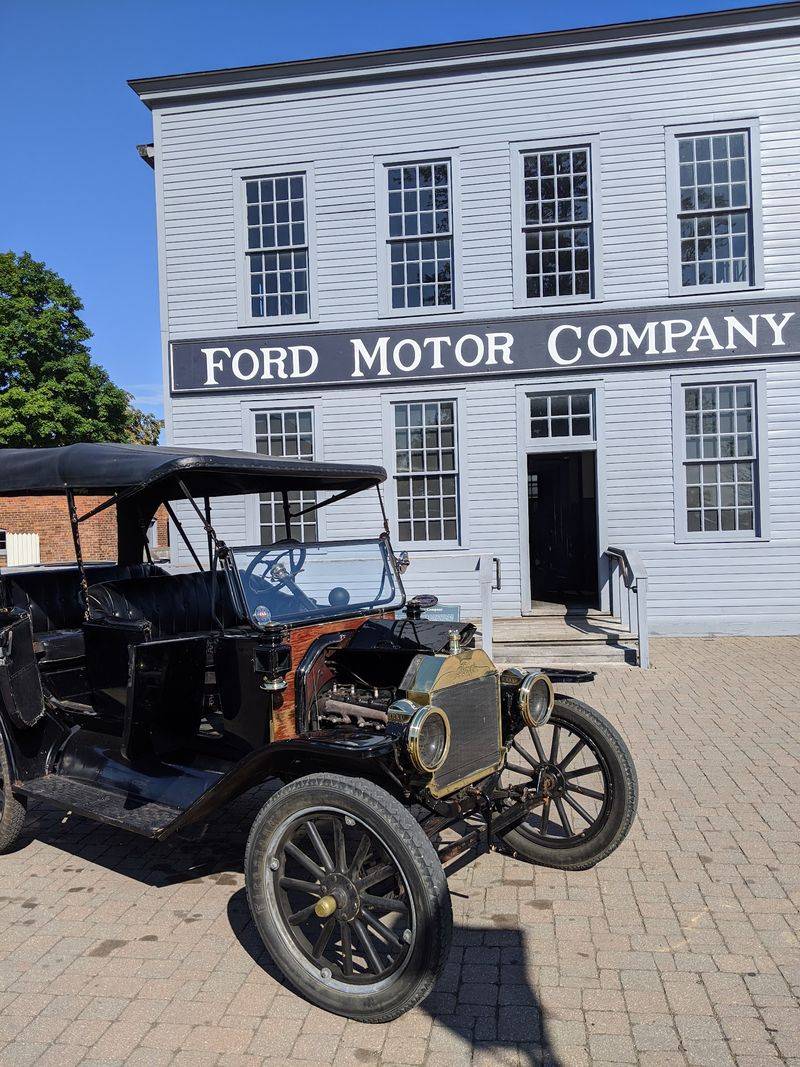
Few rides suit Dearborn better. Greenfield Village offers Model T rides in historic Fords, a fitting tribute to the man who built the place.
It’s one of the most talked-about experiences here. The cars rumble past historic buildings, and the setting does a lot of the storytelling.
Drivers often share history along the way.
Period details fill the streets too. Old-fashioned street lights and vintage touches help the scene feel convincingly old.
You may catch yourself forgetting what year it is.
Families with little ones tend to love the novelty. Grandparents may enjoy the nostalgia even more.
Either way, it’s a fun break from walking.
Car fans should also watch for the Old Car Festival. The village hosts this celebration of early automobiles, and it fits the place perfectly.
Check the schedule before you go, since dates can shift.
Riding in a Model T here feels right. Michigan put the world on wheels, and this is one of the best places to feel that legacy.
Hold on to your hat, at least in spirit.
All Aboard A Steam Train From An 1800s Depot
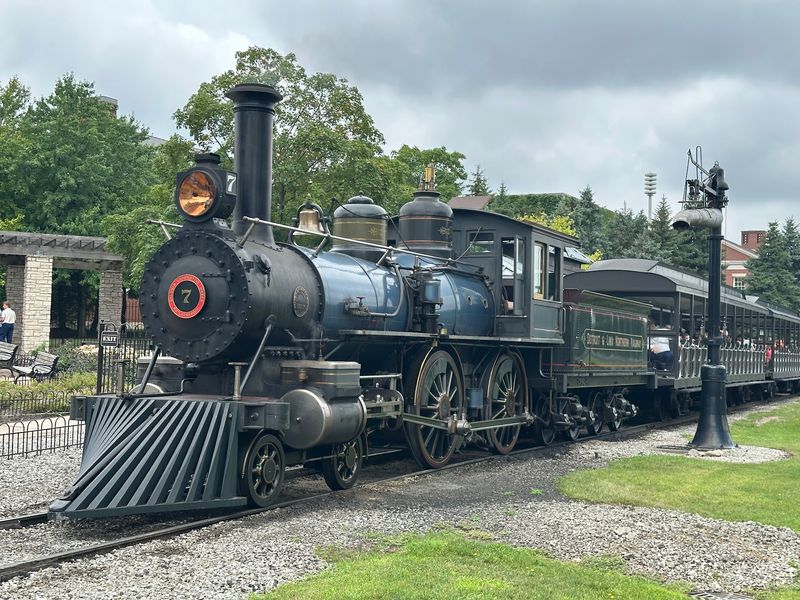
Steam, whistles and a 19th-century depot make a strong first impression. The Railroad Junction at Greenfield Village offers steam locomotive rides that start from an 1800s train depot.
The train ride is the single most mentioned experience among visitors. That says a lot in a place packed with famous buildings.
It’s also a smart way to get your bearings. The village is large, and the ride gives you a relaxing look at the grounds.
Your feet will thank you for the rest.
Kids usually go wild for anything with a real steam engine. Adults often find it surprisingly soothing.
There’s something calming about watching scenery roll by at an old-fashioned pace.
Fans of a certain blue tank engine should take note. The village has hosted Thomas the Tank Engine events in the past.
Watch the event calendar if your little conductor is a fan.
Pair the train with the carousel and the Model T, and you’ve got a full lineup of vintage rides. Few Michigan attractions let you sample so many old ways to travel in one afternoon.
Glassblowers, Potters And Weavers Still Work With Their Hands
Molten glass glows orange as an artisan turns it into something beautiful. That’s the scene at Liberty Craftworks, where craftspeople demonstrate traditional skills.
Glassblowing is a crowd favorite. Pottery and weaving demonstrations offer their own quiet fascination.
Each one shows how everyday objects were made before factories took over.
Watching a skilled maker work feels different from reading a placard. You see the patience, the timing and the small corrections.
It turns history into something active and alive.
Other demonstrations pop up around the grounds too. Blacksmith work has been part of the village experience.
These hands-on trades connect neatly with the inventors down the street.
Think about it. Edison and the Wrights depended on tools and materials shaped by skilled workers.
Craftworks shows that side of the story.
Want a souvenir with meaning? The Liberty Craftworks Store and the Greenfield Village Store carry historically inspired crafts and American-made handcrafts.
It beats a plastic keychain by a mile. You’ll leave with something that reflects the skills you just watched in action.
Firestone Farm Shows What Chores Looked Like Long Ago
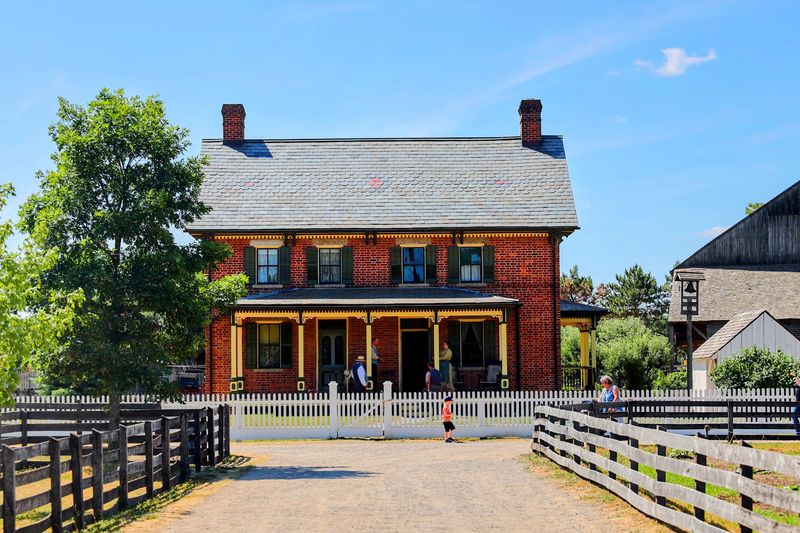
Not every star here invented something. Some simply kept a farm running, and Greenfield Village honors that work too.
The village includes working farms with livestock and fields. Firestone Farm stands out, with costumed presenters portraying farm life from another era.
Chores here look nothing like a modern weekend.
It’s a great reminder of how most Americans actually lived. While inventors tinkered in labs, families planted, harvested and cared for animals.
Their daily rhythm shaped the country just as much.
Kids raised on grocery stores may find it eye-opening. Seeing where food once came from sparks plenty of questions.
Bring patience for the follow-up conversation in the car.
Nearby, other historic homes line the village streets. Maple Lane offers plenty of houses to explore.
The Ford Home, connected to Henry Ford himself, adds a personal chapter.
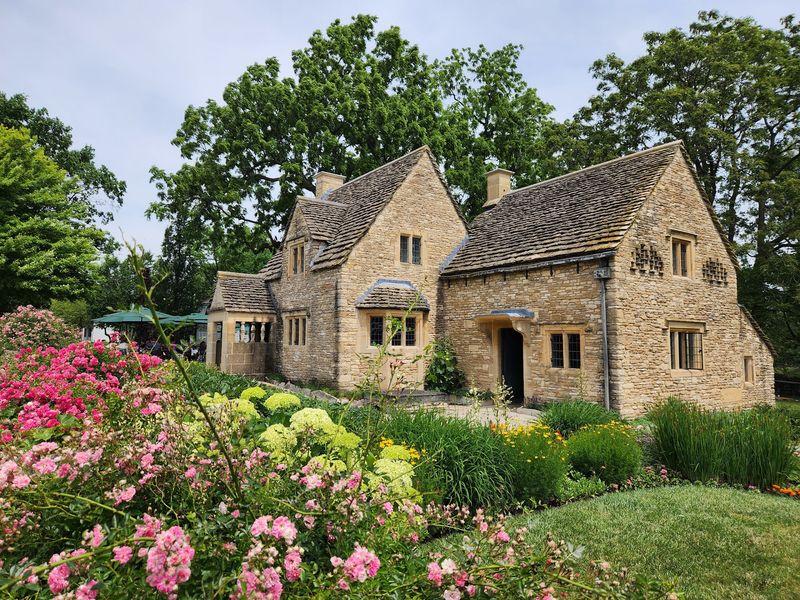
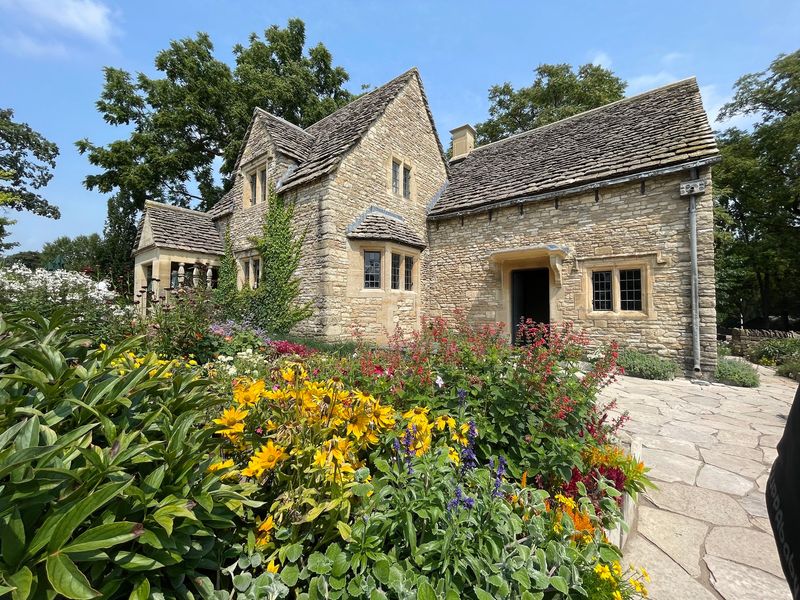
There’s also an English cottage on the grounds. It shows how far Ford’s collecting reached.
Honestly, a stroll through these homes may become your favorite part. The quieter corners often hold the most surprising stories.
The Newest Arrival Carries A Civil Rights Story From Selma
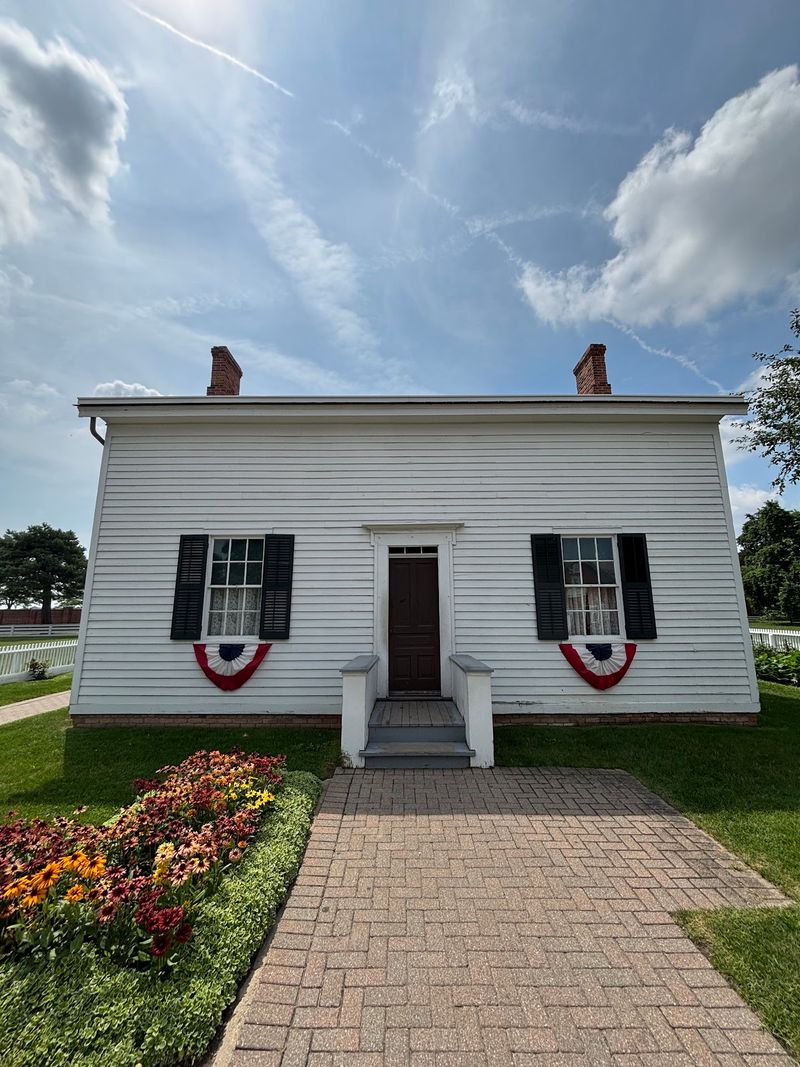
Greenfield Village keeps adding chapters. In June 2026, it opened the Dr. Sullivan and Mrs. Richie Jean Sherrod Jackson Home.
The house was carefully taken apart in Alabama and moved to Michigan. It now adds a significant piece of Civil Rights history to the village.
An exhibit sets the scene before you enter the home. It covers the Civil Rights era with photos and background on the groups working for change.
It also explains the role the Jacksons and their house played in the events in Selma.
Moving this home echoes Ford’s original approach. Real places carry weight that replicas can’t match.
Standing inside lets visitors connect with the people behind the history.
The addition broadens the village’s story in an important way. American progress includes inventions and machines, but also courage and community.
This home speaks to both.
Plan time to take it in slowly. The exhibit rewards careful reading.
It’s a moving stop for teens, adults and anyone curious about how ordinary homes became part of extraordinary moments. Even longtime members may find a fresh reason to return.
Lunch Comes With A Side Of History
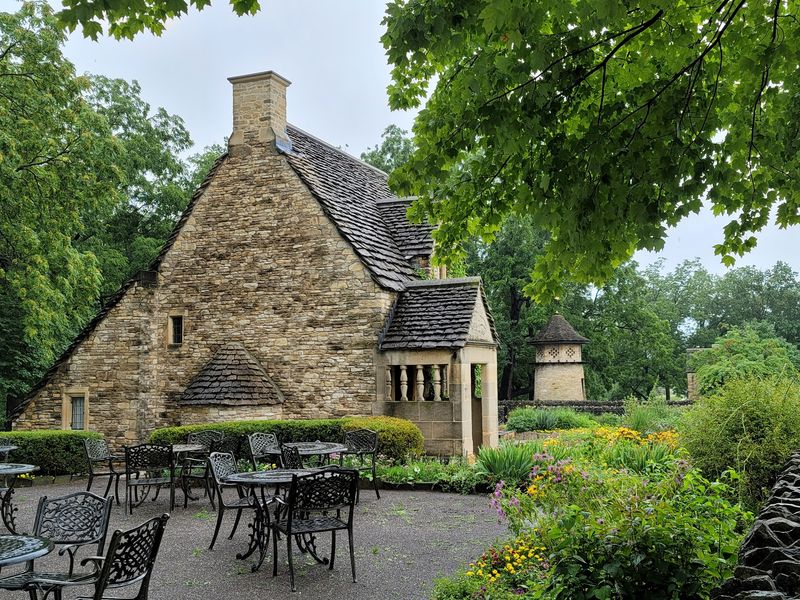
History burns calories. Luckily, Greenfield Village has several places to refuel without leaving the 1800s behind.
A Taste of History offers seasonal and historically inspired recipes. Themed stations carry names like Jackson Home, George Washington Carver, Sarah Jordan and Burbank Potatoes.
It’s lunch with a lesson baked in.
For a more immersive meal, head to Eagle Tavern. It serves early American fare, and staff dress in period costume.
You’ll feel like a traveler stopping in after a long carriage ride.
Got a sweet tooth? The Sir John Bennett Sweet Shop is ready for you.
A frozen custard stand has also won fans. Both make a fine reward after a few miles on foot.
Menus can change with the season. Some spots may not be open on every day, especially early in the year.
Bringing a water bottle is a smart move either way.
Planning meals around your route helps the day flow. Grab lunch midway, then tackle the far corners.
A good snack break might be the secret to seeing everything.
Comfortable Shoes Are The Smartest Ticket Upgrade
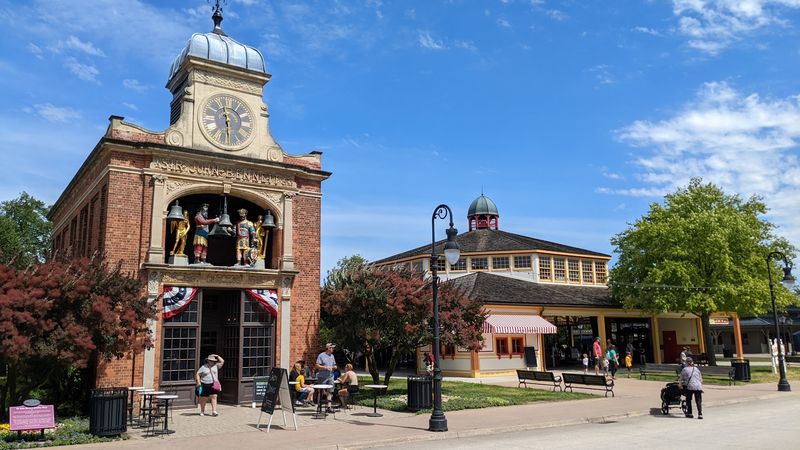
Eighty acres sounds manageable until you start walking. Greenfield Village sits at 20900 Oakwood Blvd in Dearborn, Michigan, and it rewards a full day.
The village runs seasonally, generally from April through November. Hours are typically 9:30 a.m. to 5 p.m.
Recent schedules have shown Friday through Sunday openings, so check before you drive.
Parking and restrooms are available on site. Benches and seating appear around the grounds.
Still, expect plenty of walking, and consider a scooter for anyone who tires easily.
Fall brings special evening events, including Halloween programs. Tickets for those may work differently than regular admission.
Look over details ahead of time.
Bad weather doesn’t have to ruin the trip. The Henry Ford Museum of American Innovation sits next door.
It can easily fill another day indoors.
Local families often consider memberships worthwhile. If you live nearby and love the place, repeat visits add up fast.
One trip rarely covers everything. That’s not a complaint, just fair warning for the overachievers who want to see every single building before closing time.
Edison Would Still Grumble About How Tidy It Is
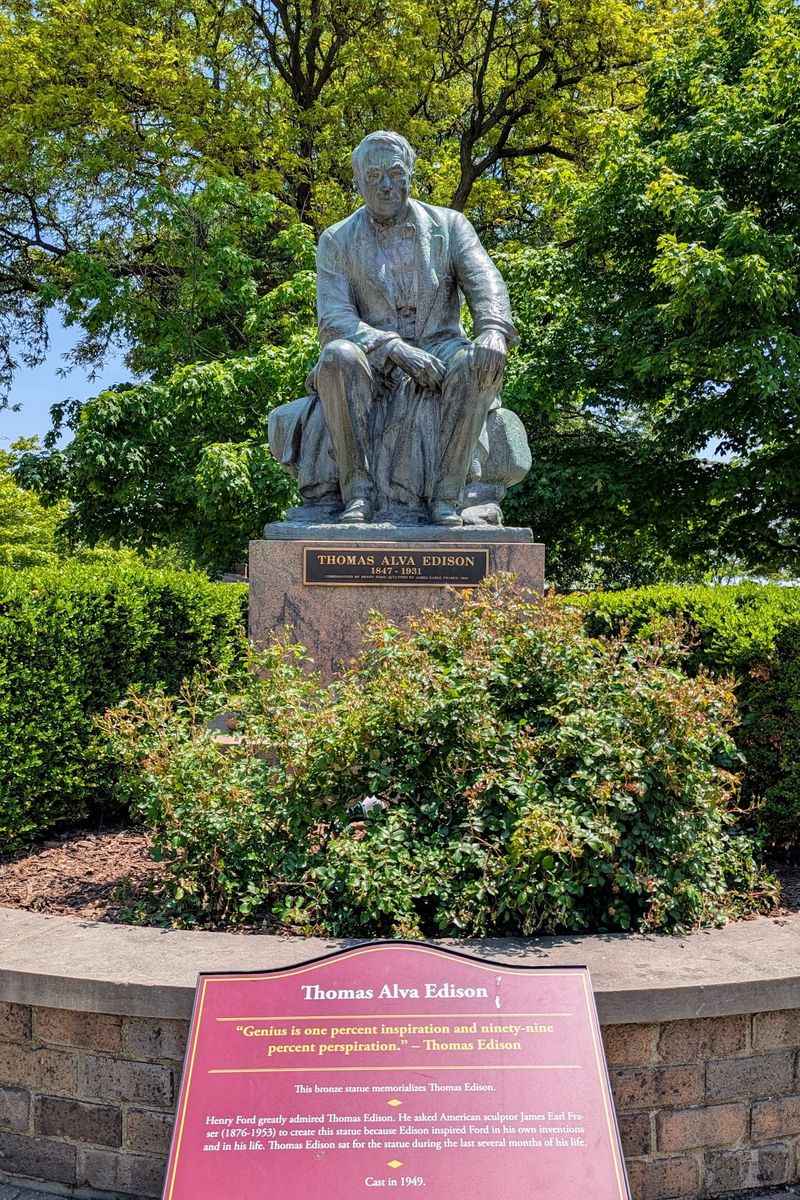
Few places let you visit Menlo Park and Dayton before lunch. Greenfield Village makes that possible right here in Dearborn.
It works for nearly everyone. History buffs get authentic buildings and real stories.
Kids get trains, a carousel and old cars. Grandparents get a big dose of nostalgia.
The village also keeps evolving. The Jackson Home shows it isn’t frozen in place.
Seasonal events give regulars a reason to come back again and again.
Is it perfect? The layout can feel confusing at first, and the walking is real.
Grab a map, pace yourself and pick a few must-sees early.
Visitors consistently praise the knowledgeable staff and well-kept grounds. With a 4.8-star average from thousands of ratings, the enthusiasm seems well earned.
Many say one day isn’t enough.
For Michiganders, this is a home-state treasure worth showing off. Bring the curious kid, the history-loving uncle or just yourself.
Walk the same soil as Edison and stand where the Wrights built their dreams. Then head home already planning the next trip.