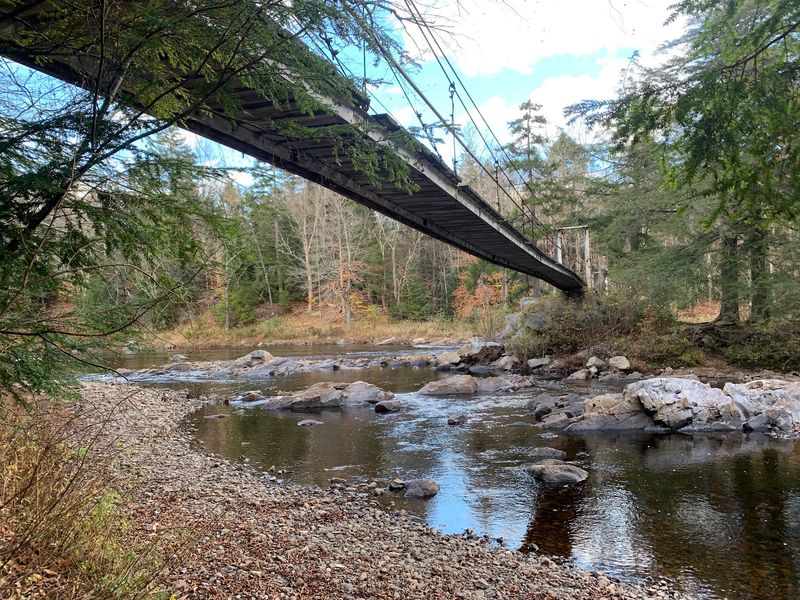
A lonely stone chimney stands at the edge of a river, right beside a double-span suspension bridge. It once belonged to a busy little settlement.
Now the woods have nearly swallowed everything else.
Getting there takes commitment. A long dirt road runs about seven miles before it simply ends at a trailhead.
Cell service fades long before you arrive.
I love that the reward comes almost instantly. From the trail register, the bridge and chimney sit only minutes away.
Keep going and a second swinging bridge waits deeper in the forest.
This corner of the New York Adirondacks feels like a story someone forgot to finish. Old foundations, cellar holes, and a tiny cemetery all hint at the people who came before.
So who lived out here, and why did they leave?
A Trailhead At The Very End Of The Road
Some trails start in busy parking lots. Whitehouse Chimney – NPT Trailhead starts where West River Road finally gives up, deep in the Adirondack Park of New York.
The spot sits near Wells and carries a Lake Pleasant mailing area. It serves as a doorway to the Northville-Placid Trail, one of the most famous long-distance footpaths in the state.
Here’s what makes it special for a day trip. You don’t need to hike for hours to see the good stuff.
A short walk from the parking area brings you to a trail registry box, and the main attractions wait just beyond it.
The place goes by a few names. Hikers call it Whitehouse, the Whitehouse suspension bridge hike, or simply the NPT trailhead.
All of them point to the same patch of quiet riverside woods.
Google lists the area as open 24 hours, which makes sense for a wild trailhead. Still, daylight is your friend out here.
The road is long, the woods are thick, and the nearest town feels far away once you park.
It also holds a strong 4.7-star rating from a small handful of reviews. That’s a nice sign for a place this remote.
Seven Miles Of Dirt Before The Fun Begins
Patience pays off on West River Road. The route stretches roughly seven miles of dirt and rock before reaching the trailhead.
The Town of Wells maintains the road, so it’s generally passable. Still, a sturdy vehicle helps, and slow driving is the smart move.
One past visitor described a tree leaning across the road. They debated turning around before pushing on, and they were glad they did.
That tells you the kind of adventure this drive can be.
Another group stumbled onto the road by accident while looking for a waterfall. They ended up exploring the bridge and the river instead.
Not a bad consolation prize.
Conditions change with the seasons. Spring mud and winter snow can quickly affect access, so checking with the New York State Department of Environmental Conservation before you go is wise.
Plan your navigation early too. The DEC lists trailhead coordinates, and plugging them into your GPS before leaving town is a great habit.
Cell signal tends to vanish along the way.
Treat the drive as part of the experience. The farther you go, the more the world quiets down around you.
Turn Left At The Register For The Big Payoff
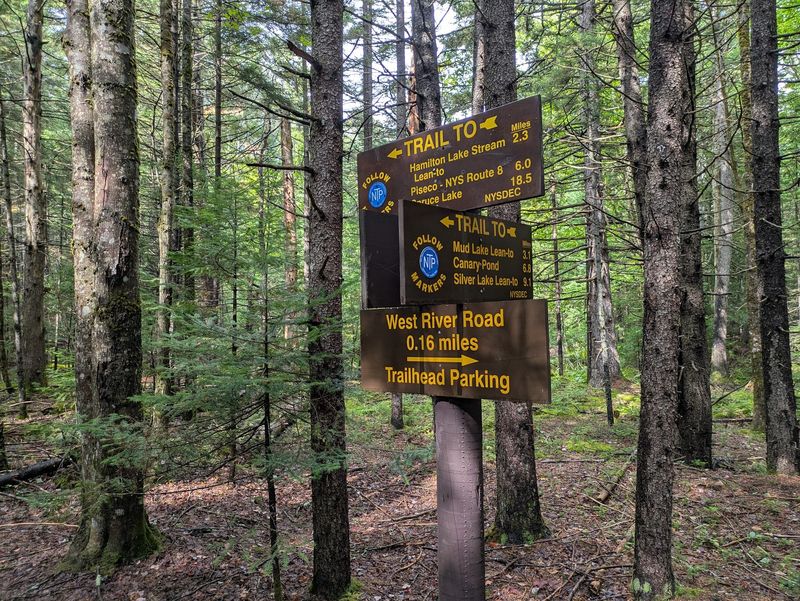
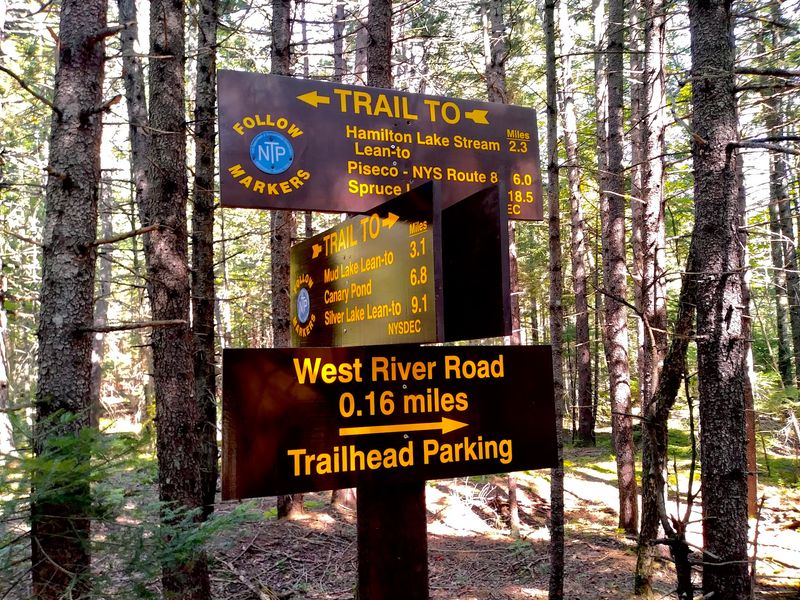
Directions matter here more than you’d think. Shortly after leaving the parking area, you’ll reach an intersection with a trail registration box.
Turn left, and the chimney and suspension bridge appear almost right away. One visitor reached the double-span bridge in about five minutes from the register.
Turn right, and you’re in for a longer walk. A past hiker who chose that way spent about an hour finding a suspension bridge and lean-to.
They never saw the fireplace they hoped to find.
That mix-up is pretty common. One visitor even wished the trailhead offered more information, since the signage wasn’t obvious at first glance.
So take a moment at the junction and look around before you choose.
Signing the register is a good idea too. It helps land managers track trail use and keeps a record of who’s out in the woods.
Once you know the layout, the whole place makes sense. Left for the famous double bridge and ruins.
Right for the longer trek on the Northville-Placid Trail toward the second bridge.
The Double-Span Bridge That Steals The Show
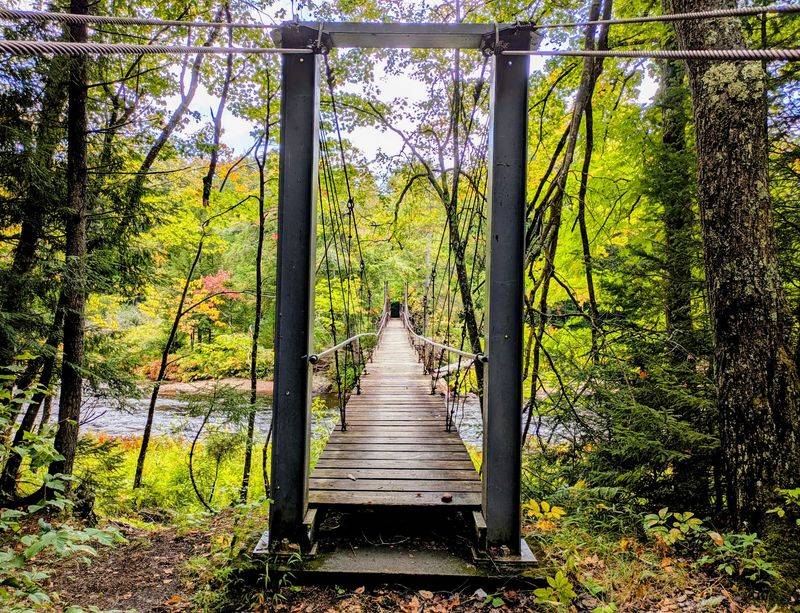
Wow is the word one past hiker used, in capital letters. The Whitehouse Suspension Bridge earns that reaction honestly.
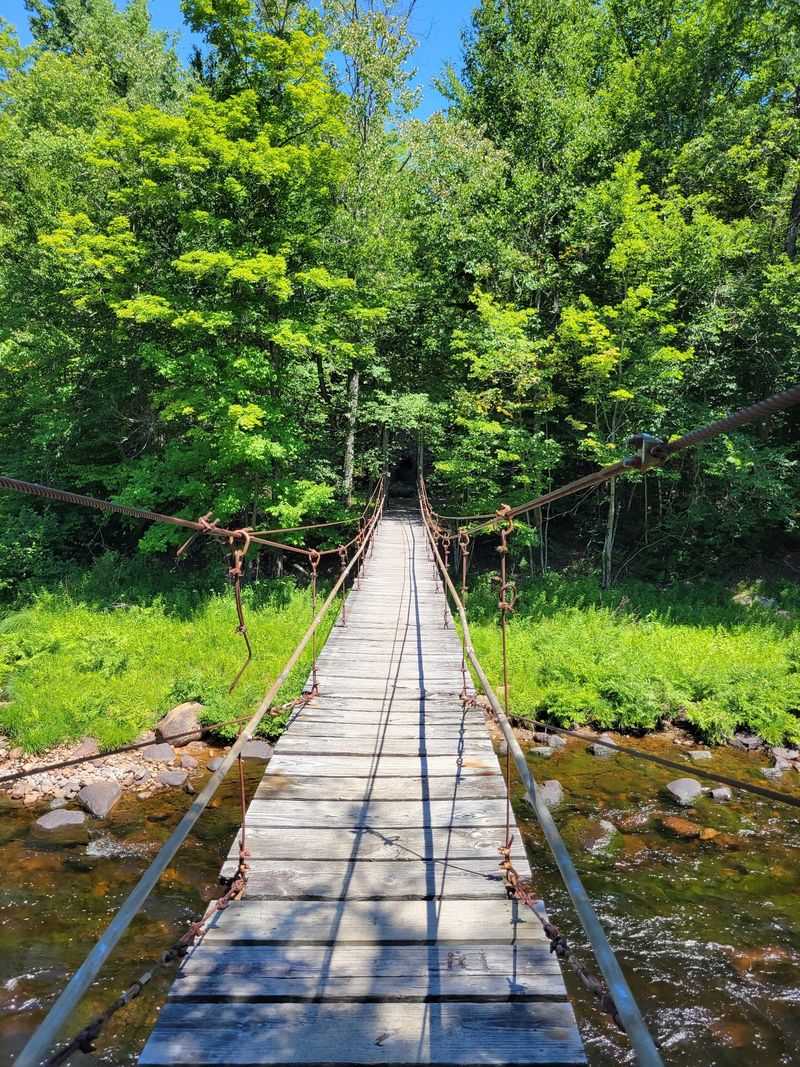
It’s a double-span pedestrian bridge crossing the West Branch of the Sacandaga River. It’s considered one of the largest pedestrian suspension bridges in the Adirondacks.
The bridge is estimated to date back to the mid-1960s. That’s a long stretch of standing strong in a wild river valley.
Walking across gives you a full view of the water flowing below. The river setting is a big part of why this spot gets so much love from those who make the trip.
Suspension bridge mentions top the list in reviews of this trailhead. That’s no surprise once you see how the bridge links both banks across the wide river.
For anyone who appreciates sturdy handwork, the craftsmanship is the real draw. One visitor praised the workmanship of these bridges directly.
Cables, planks, and towers all work together out here, far from any road crew.
Bring your camera and take your time. A bridge like this deserves a slow crossing.
A Lonely Chimney Guarding The River
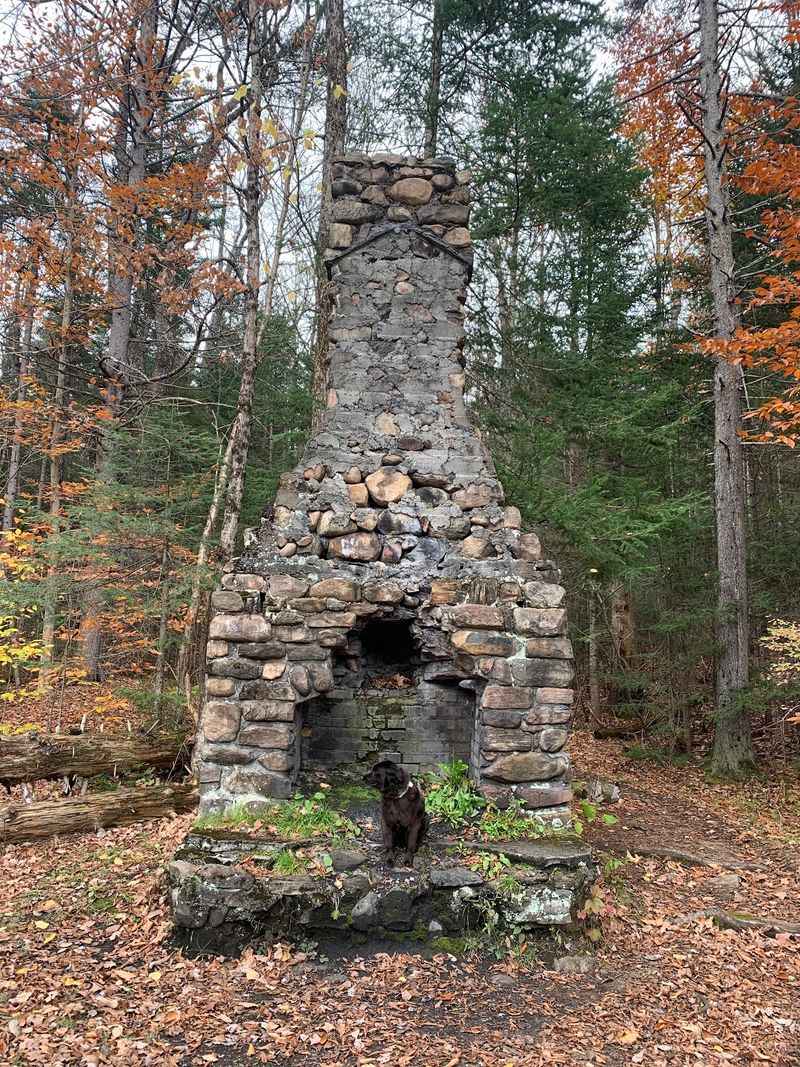
Stone outlasts almost everything. At Whitehouse, an old fireplace and chimney still stand near the entrance to the first suspension bridge.
One visitor called the old fireplace majestic. It’s easy to see why, since it rises alone among the trees where a building once stood.
The area actually holds two old stone chimneys. Along with them, you’ll spot scattered foundations and several cellar holes in the forest floor.
These ruins give the hike its slightly eerie charm. You’re walking through a former settlement, and the clues are everywhere if you slow down and look.
Chimneys and fireplaces show up again and again in visitor comments. For many people, the chimney is a main reason to come, right alongside the bridge.
Please treat the ruins with respect. They’re part of the story of this place, and touching or climbing them could damage what remains.
Fans of old stonework will find plenty to admire here. Someone stacked these stones carefully by hand long ago, and they’re still standing in the Adirondack weather.
Hotels, Hunting Lodges, And A Ghost Town Story
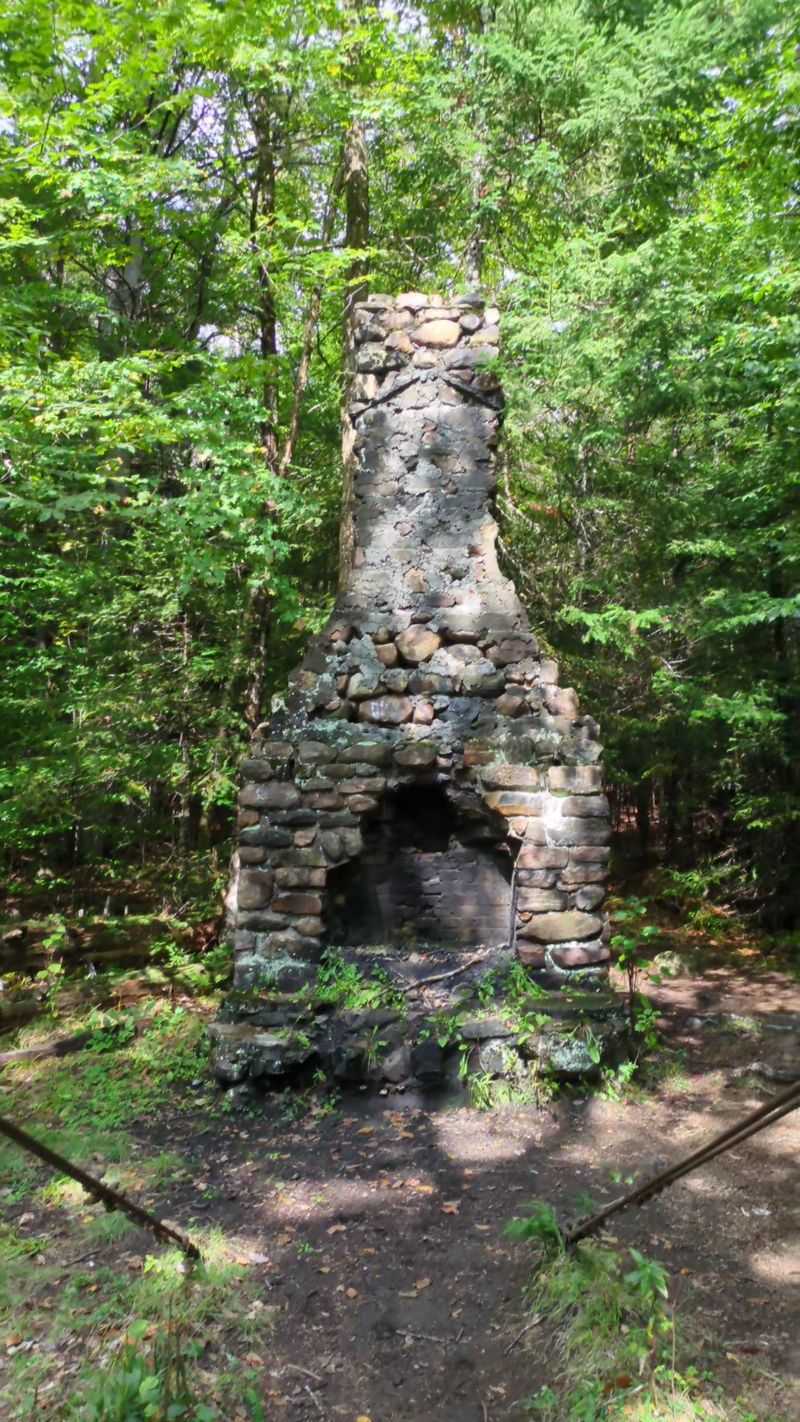
Long before it became a quiet trailhead, Whitehouse had company. Hotels, hunting lodges, and even a boys’ summer camp once operated in this area.
New York State acquired the Whitehouse property in 1962. After that, the buildings faded away, leaving the ruins you see today.
There’s also an old cemetery nearby. One hiker learned its location from a knowledgeable local and described five stones in the woods.
That small burial ground adds a reflective note to the visit. It’s a reminder that real families lived and worked in this remote valley.
The road itself has a story too. Proposals to close the final section of West River Road to vehicles date back to 1962.
A 2006 state plan for the Silver Lake Wilderness repeated that idea.
Even so, the Town of Wells has continued to maintain the road. That’s why visitors can still drive right to the trailhead today.
For tradition-minded explorers, this layered history is the heart of the trip. Every cellar hole hints at a chapter you’ll want to learn more about.
Walking A Piece Of A Famous 1920s Trail
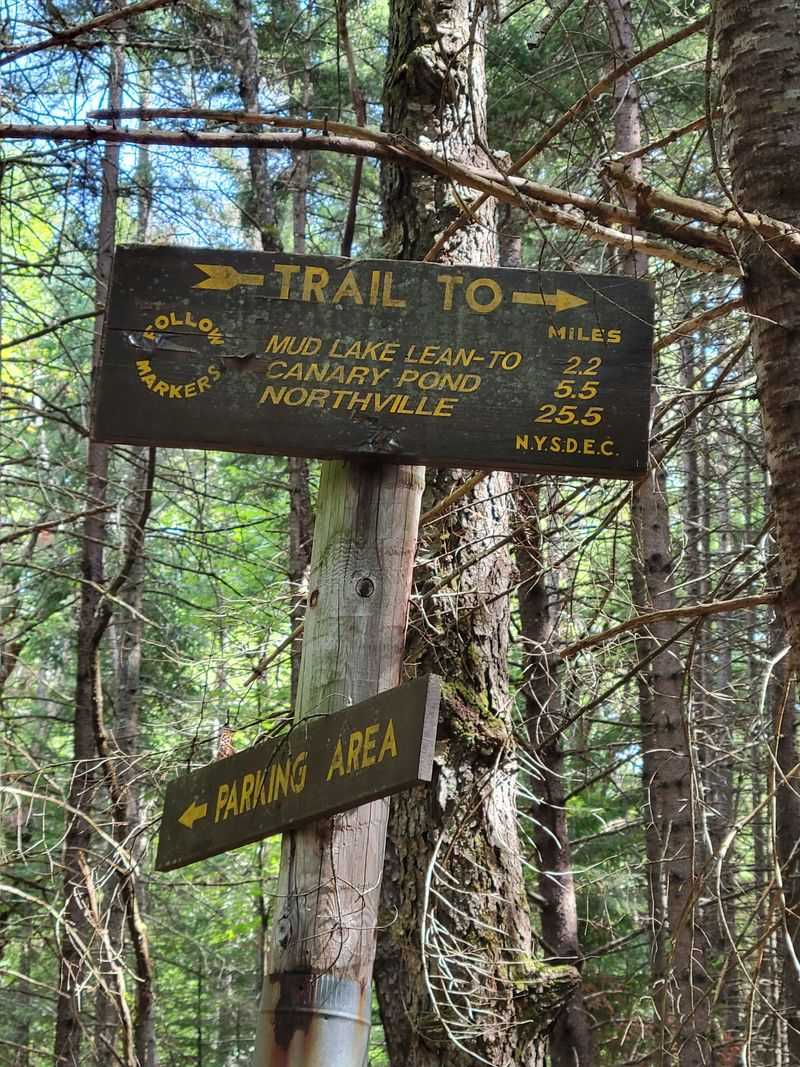
Hikers have followed this path for a century. The Northville-Placid Trail was built by the Adirondack Mountain Club between 1922 and 1924.
The full trail runs about 138 miles across the Adirondacks. Whitehouse gives you an easy way to sample it without committing to the whole journey.
From Whitehouse, the segment to NY Route 8 near Piseco covers about 6.1 miles. Most day hikers just follow a portion of it and turn back.
Both the state DEC and the Adirondack Mountain Club chapter for the trail work to keep it maintained. That care shows in the trail’s condition.
One visitor found the path mostly in good shape, with a few uphill climbs and descents. They noted it was dry during their trip but guessed boots could get muddy in wetter seasons.
Another hiker called it a fairly easy hike for a family. That’s encouraging if you’re bringing younger trail companions.
Following a trail built by hand in the 1920s feels meaningful. You’re stepping along a route generations of New Yorkers have kept alive.
Bridge Number Two And A Lean-To For Lunch
One bridge isn’t the limit here. A second, shorter suspension bridge crosses Hamilton Lake Stream farther along the Northville-Placid Trail.
One hiker reached it after about an hour of walking toward Piseco. They noted a couple of missing boards but found it still strong and very usable.
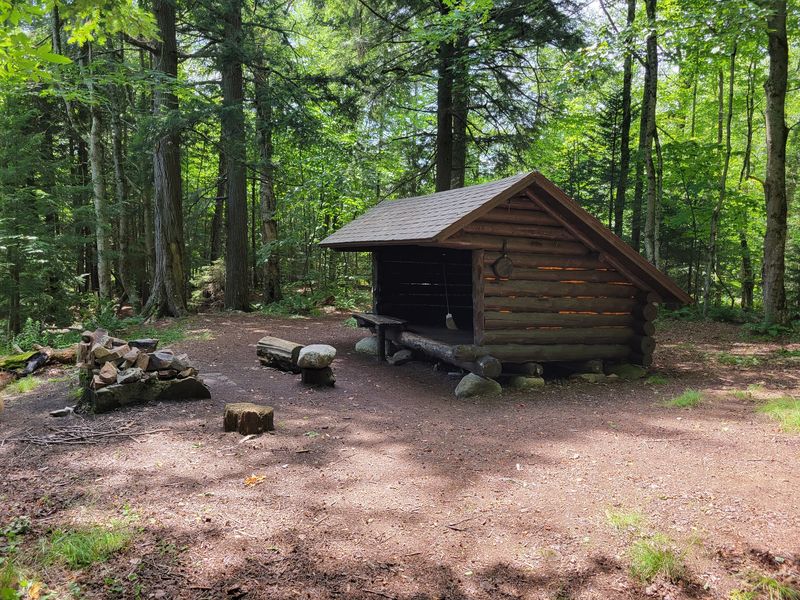
About seven minutes past that bridge, the same hiker reached the lean-to. It’s a traditional three-sided Adirondack shelter, perfect for a snack break.
Hamilton Lake Stream also features a scenic campsite. That makes it a natural turnaround spot for day hikers or a resting place for backpackers.
Lean-tos earn several mentions from visitors. They’re a classic piece of Adirondack trail tradition, and resting inside one feels like part of the experience.
Watch your footing on the second bridge. Missing boards call for slow, careful steps, especially for kids or dogs.
Pack a picnic if you plan to go this far. One visitor specifically enjoyed hiking these trails and having picnics while soaking up the scenery.
Side Trips To Mud Lake And Big Eddy
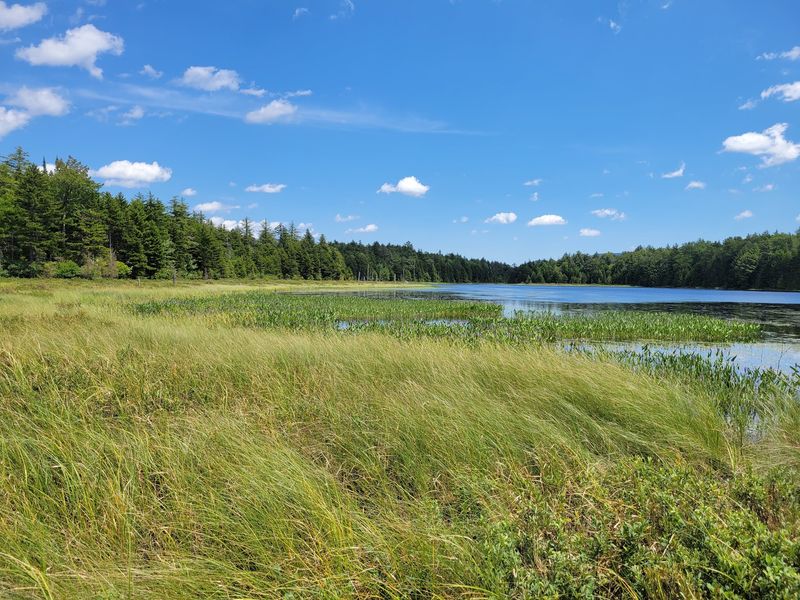
Mud Lake lives up to its name, according to one honest hiker. They reached it after about 3.5 miles and found a very muddy shoreline.
A lean-to and a canoe were also available at the lake during that visit. It’s a rewarding destination if you want a longer outing.
Big Eddy is another popular side trip from Whitehouse. Both options let you stretch the day beyond the bridges and ruins.
Along the way, the trail offers views of the West Branch of the Sacandaga River. Dugaway Mountain also appears in the scenery.
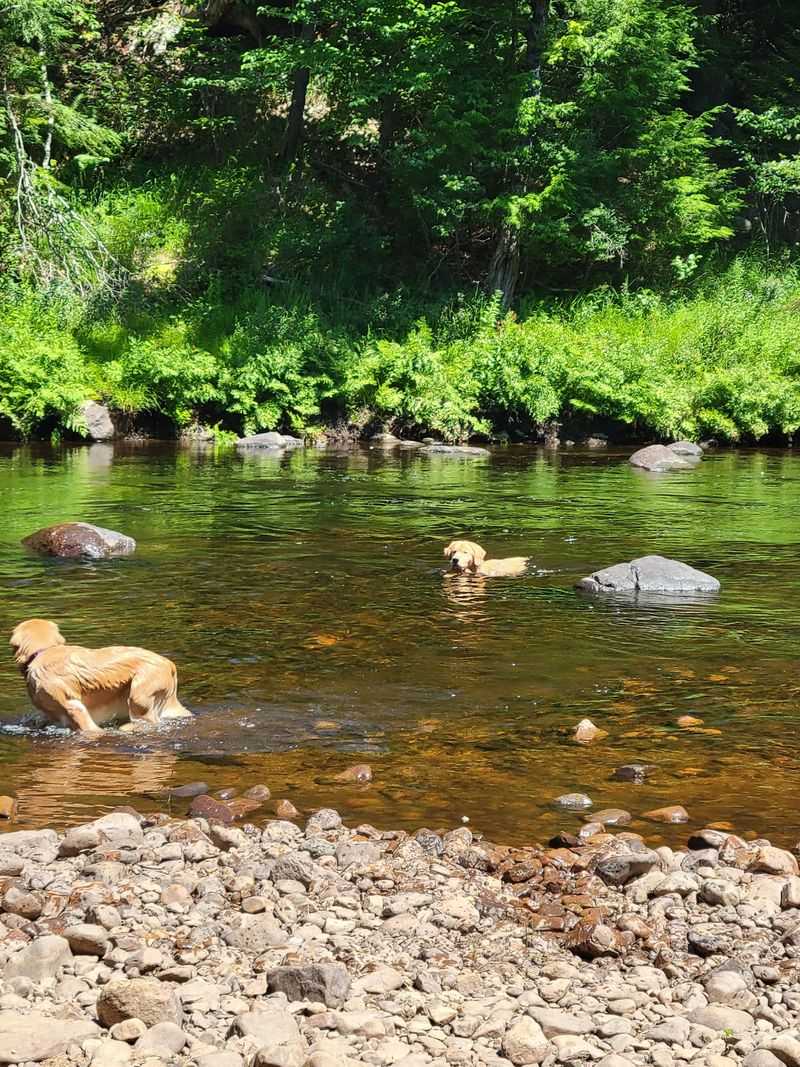
Dog owners will appreciate the river too. One group let their dogs enjoy a free swim near the first bridge before continuing on.
Planning matters for these longer walks. Bring plenty of water, a map, and enough daylight to get back to the car comfortably.
Remember that cell service is unreliable here. A paper map or downloaded route makes these side trips much more relaxing.
Even a short detour feels like discovering a new chapter. The deeper you go, the wilder it gets.
Quiet Woods For Families, Dogs, And History Buffs
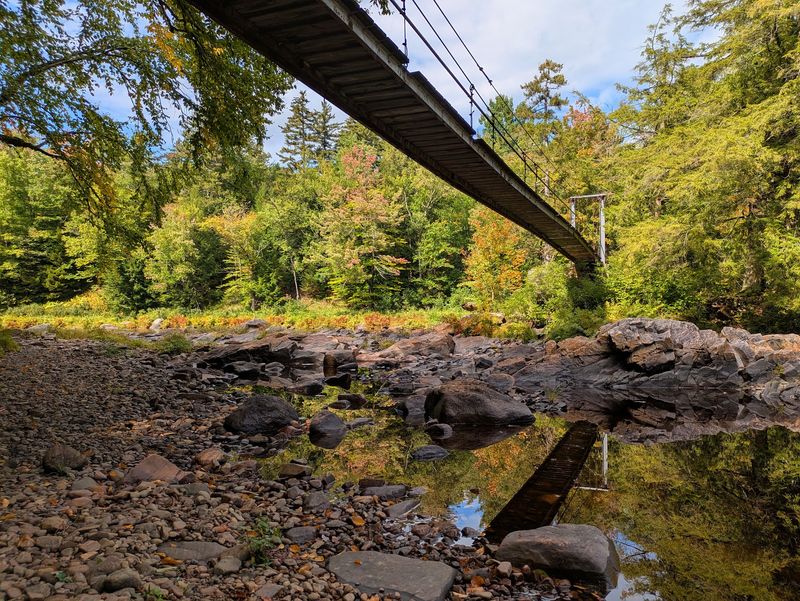
Silence might be the best amenity at Whitehouse. One autumn visitor described the walk as quiet and serene, with crisp leaves underfoot.
That same hiker and their dog had the trail to themselves that day. Of course, crowds can vary, but remote spots like this tend to feel peaceful.
Families have found the short walk to the bridge and chimney manageable. It’s a strong choice for kids who love exploring old ruins.
History lovers get plenty to ponder. Foundations, cellar holes, chimneys, and a small cemetery all speak to the past.
Craft-minded visitors will enjoy studying the bridges and stonework. There’s real satisfaction in seeing handwork that has held up in the woods for decades.
Photographers have a lot to work with as well. The river, bridges, and ruins make memorable scenes in any season you can safely reach.
Bring a good attitude about remoteness. No cell signal means fewer distractions and more time noticing the details around you.
For many New Yorkers, that kind of quiet is reason enough to make the drive.
Worth Every Bumpy Mile Of The Drive
Few New York hikes pack this much into so little walking. Whitehouse Chimney – NPT Trailhead delivers a giant bridge, stone ruins, and river views within minutes of the car.
You’ll find it at 43.3668357, -74.4527432, Lake Pleasant, NY 12108. Save those coordinates before you lose signal on West River Road.
Google lists the area as open 24 hours. Daytime visits make the most sense, especially given the long, rocky approach.
Check conditions with the DEC first, particularly in spring or winter. Mud and snow can change the road quickly.
Pack essentials like water, snacks, layers, and a printed map. Sturdy footwear helps if the trail turns soggy.
One visitor wanted to come back with more time to explore. That feels like the right takeaway after a first trip.
Start with the chimney and the double-span bridge. Then decide if the second bridge, the lean-to, or Mud Lake is calling your name.
For New Yorkers who love old stonework and stories left in the woods, this one belongs on your list.