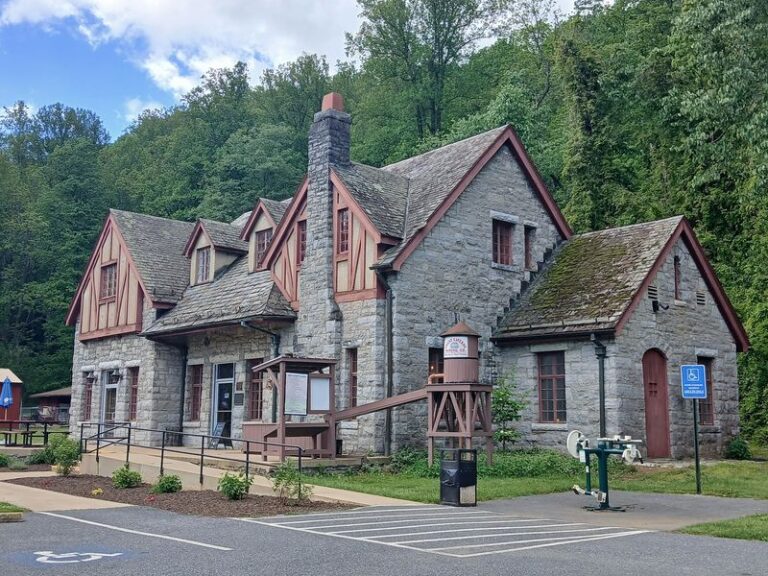
Long before it treated a single patient, this mountain hospital was a resort where travelers came to sip sulphur spring water. That alone stopped me in my tracks.
A spa turned sanatorium turned psychiatric hospital? Few buildings change jobs that dramatically.
The tuberculosis patients who once filled its halls are long gone. Their era ended decades ago, when new medicines made mountain-air cures unnecessary.
Yet the campus never went quiet for good. New footsteps took over, and they still echo today.
I love how one quiet valley in Virginia holds three very different chapters of American health care. The setting sits close to some of the most photographed hiking country in the state.
Mountains rise on every side.
So how does a former resort end up as a working state hospital? The answer is stranger, and kinder, than the ghost stories suggest.
A Mountain Valley Address With Three Lives Behind It
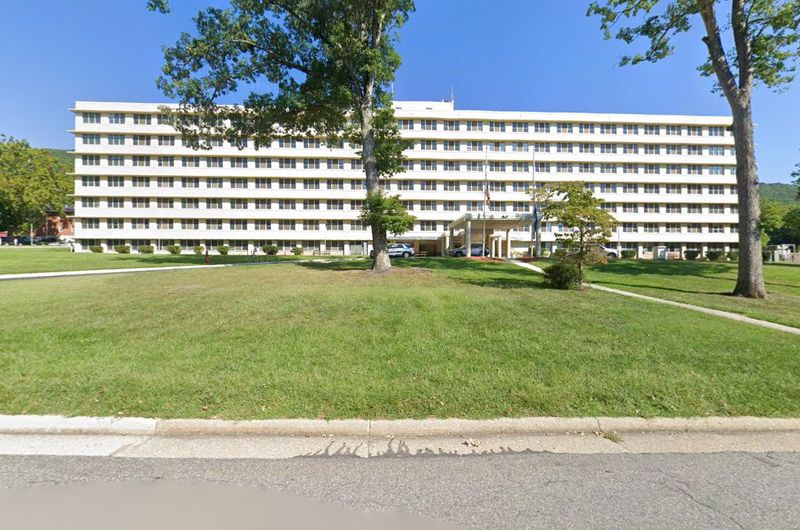
Catawba Hospital sits deep in Roanoke County’s Catawba Valley, surrounded by ridges that look like they were painted on. It’s a state-run psychiatric hospital today, operated by Virginia’s Department of Behavioral Health and Developmental Services.
Here’s the twist that makes the title make sense. The halls didn’t empty because the place closed, they emptied because one whole purpose ended.
For decades, the campus served as a tuberculosis sanatorium. Patients came for fresh mountain air and long, quiet rest, the best treatment available before modern drugs arrived.
Once antibiotics changed the fight against tuberculosis, those wards slowly lost their reason to exist. The building could have gone dark like so many old sanatoriums around the country.
Instead, Catawba Hospital reinvented itself again and kept the lights on. That’s why the footsteps never fully faded.
They simply belong to different people now.
So if you’re expecting a crumbling ruin with broken windows, adjust your mental picture. This is a living, working hospital with real patients and staff.
The story is more interesting because of that.
Sulphur Water and Summer Guests Came First
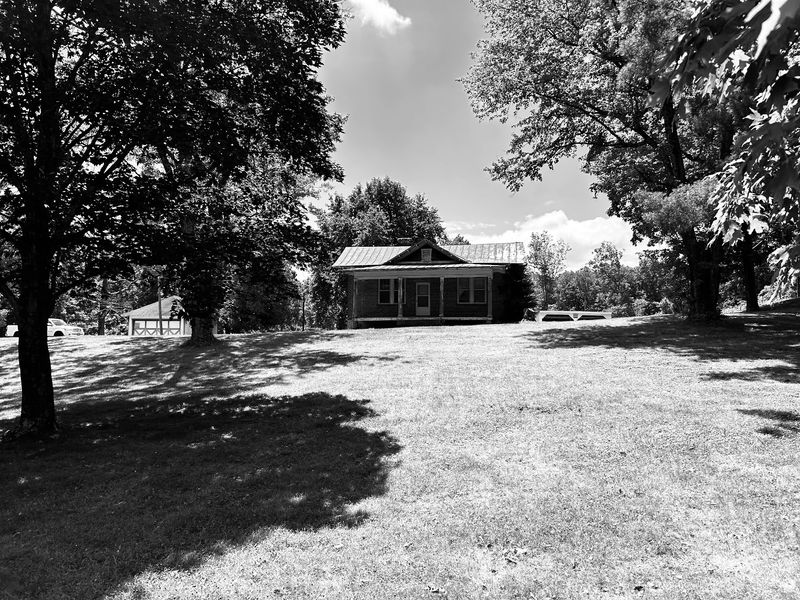
Before doctors, there were vacationers. The land here once hosted Roanoke Red Sulphur Springs, a mineral springs resort that drew visitors in the nineteenth century.
Springs resorts were wildly popular in the Virginia mountains back then. People believed the mineral water could ease all kinds of ailments, and a cool valley escape didn’t hurt either.
Think of it as the old-fashioned version of a wellness retreat. Guests traded city heat for fresh breezes, long porches, and water that smelled faintly of matches.
That reputation for healthy air mattered later. When Virginia looked for a place to treat tuberculosis, a valley already known for restoring people made a lot of sense.
I find it oddly charming that the site’s purpose never strayed far from healing. The methods changed completely, but the goal of helping people feel better stuck around.
Very little of the resort-era atmosphere survives in the modern campus. Still, knowing the history adds a layer to every photo of the valley.
Those quiet ridges have been watching people seek relief here for well over a century.
The Fresh-Air Cure Era That Filled Every Ward

In 1909, the property opened as Catawba Sanatorium, Virginia’s first state tuberculosis sanatorium. That’s a big milestone for a quiet valley most travelers zip past today.
Tuberculosis was one of the most feared illnesses of the era. Without effective medicine, doctors leaned on rest, good food, and plenty of clean mountain air.
Sanatoriums like this one were built around that idea. Patients often spent long stretches resting, sometimes for months, while the slow work of recovery happened.
Catawba’s elevation and remote setting fit the treatment plan perfectly. Distance from crowded cities was considered a feature, not a drawback.
Picture the scale for a second, without the forbidden ghost-tour theatrics. Families sent loved ones here hoping the valley would give them back stronger.
Then science caught up. Antibiotics transformed tuberculosis care in the mid-twentieth century, and the need for long sanatorium stays shrank year by year.
Those emptying wards are the real source of the haunting headline. The original patients left because medicine finally worked.
Honestly, that’s a happier reason for quiet halls than any spooky legend could offer.
New Footsteps on Old Floors Since 1972

Plenty of old sanatoriums across America simply shut their doors. Catawba took a different road and became a psychiatric hospital in 1972.
That shift gave the campus a fresh mission. Today Catawba Hospital provides inpatient psychiatric care as one of Virginia’s state facilities, with a strong focus on older adults.
So the footsteps you hear about are very real. They belong to nurses, doctors, support staff, and patients moving through a working hospital every single day.
I believe that’s the most surprising part for anyone expecting an abandoned shell. The building’s third act has now lasted more than five decades.
Of course, mental health care is serious work, and opinions about any hospital vary. Families and former patients have shared both grateful and critical experiences over the years, which is common for facilities like this.
What stands out historically is continuity. The same valley that once promised rest from tuberculosis now offers care for a very different kind of need.
The halls emptied once, then filled again with a new purpose, and they haven’t gone silent since.
Why the Ghost Stories Miss the Real Plot
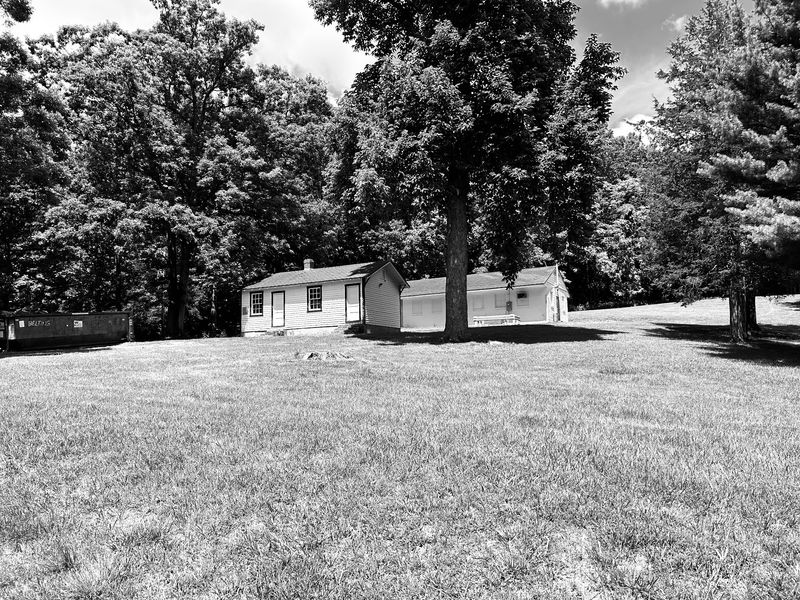
Old hospital plus misty mountains equals instant ghost-story material. The internet loves that formula, and Catawba’s long history makes it an easy target.
Here’s my take, though. The verifiable story is far more compelling than invented tales of phantom patients.
A resort became a sanatorium. A sanatorium became a psychiatric hospital.
Each change mirrored how American medicine evolved over more than a century.
That’s the kind of history that sticks with you. It’s grounded in real people, real treatments, and real progress rather than creaky-door sound effects.
There’s also a respect issue worth keeping in mind. People receive care here right now, and their privacy matters far more than anyone’s paranormal curiosity.
So enjoy the eerie vibe of the headline, then let it go. Treating an active hospital like a haunted attraction isn’t fair to anyone inside.
If you crave spooky Virginia history, read about the sanatorium era instead. The documents, photos, and accounts of tuberculosis care in the early 1900s are fascinating.
They deliver goosebumps without crossing anyone’s boundaries, which is a pretty great trade.
Ridges, Pastures, and a Seriously Pretty Drive
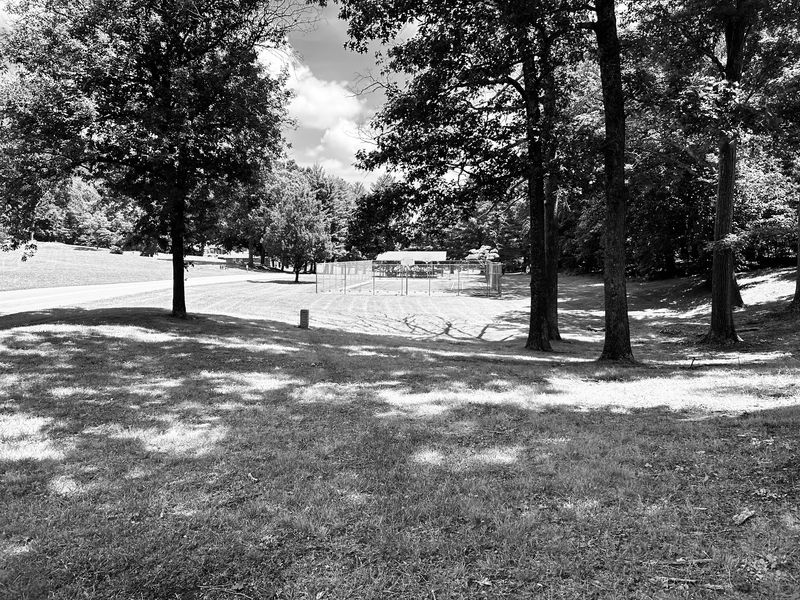
Good luck keeping your eyes on the road out here. The Catawba Valley is all farmland, wooden fences, and mountains stacked in soft blue layers.
Most people reach the area by Route 311 from the Salem side of Roanoke County. The drive climbs over a ridge, then drops into a valley that feels miles from city life.
That remoteness is exactly why the site appealed to sanatorium planners in the early 1900s. Clean air and distance from crowded towns were part of the treatment back then.
Today the same qualities make the valley a favorite for scenic drives. Fall color here can be spectacular, and spring brings bright green pastures.
The hospital itself isn’t a sightseeing stop, so keep your gawking to the public roads. Pull over only in safe, designated spots.
Honestly, the landscape tells part of the hospital’s story on its own. Seeing those ridges explains why generations of doctors trusted this valley to help people heal.
Fresh air was the prescription, and this place had it in abundance.
Famous Hiking Neighbors Just Up the Road
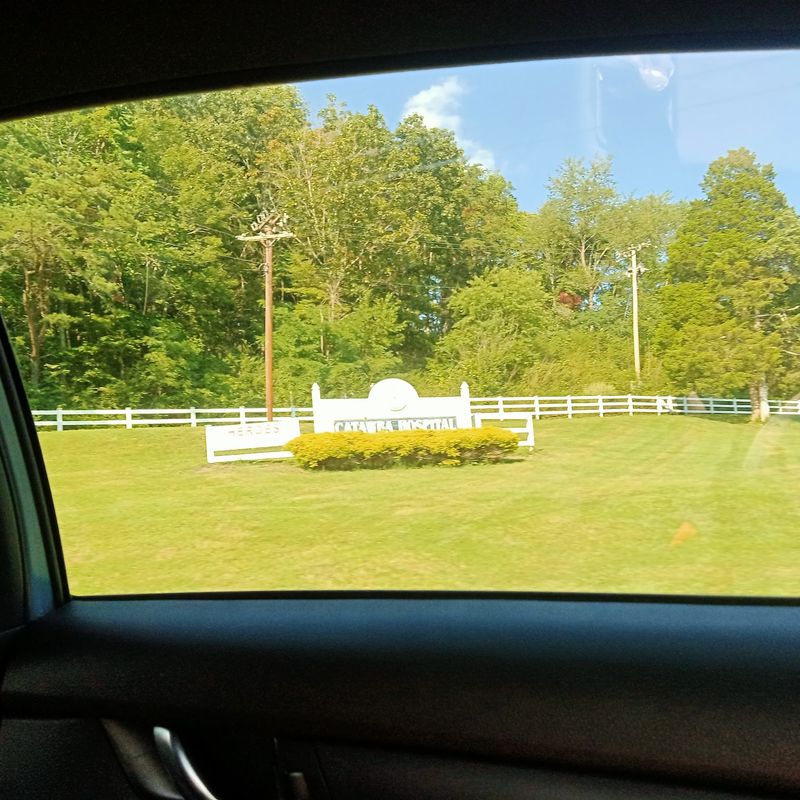
Few psychiatric hospitals share a valley with one of the most photographed spots on the Appalachian Trail. Catawba Hospital does.
McAfee Knob rises above the Catawba Valley, and its jutting rock ledge has graced countless postcards and phone screens. The trailhead parking area sits along Route 311, not far from the hospital.
From the summit, hikers look down across the very valley where sanatorium patients once rested. That connection gives the view a little extra depth.
Dragon’s Tooth, another popular Appalachian Trail destination, is also nearby. Its rocky spire offers a tougher scramble for anyone wanting more adventure.
These trails are where visitors should actually spend their time in the area. They’re public, gorgeous, and built for exploring, unlike an active medical campus.
Pack plenty of water and start early, since these hikes take real effort. Parking can fill on nice weekends, so plan ahead.
And while you’re catching your breath at the top, scan the valley floor below. Knowing the history of Catawba Hospital turns a pretty view into a living timeline.
Know Before You Go Anywhere Near Campus
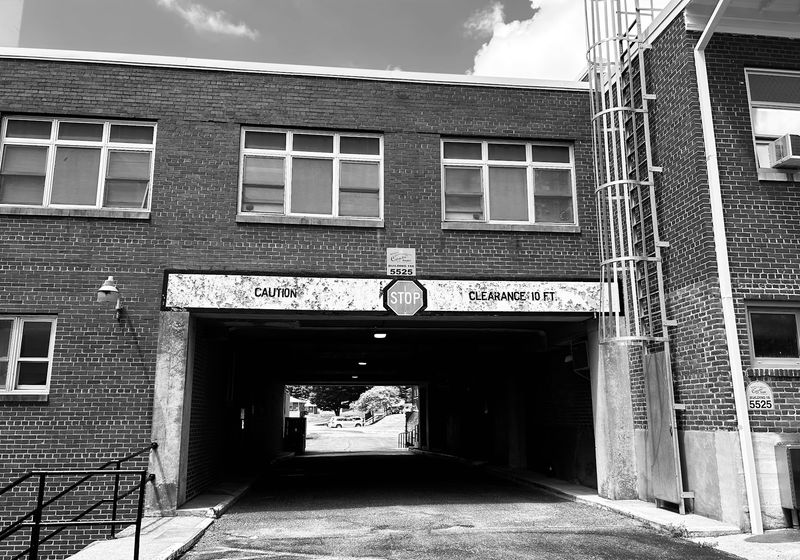
Quick reality check for curious road-trippers. Catawba Hospital is a working state psychiatric facility, not a museum, park, or tour stop.
Its address is 5525 Catawba Hospital Dr, Catawba, VA 24070. You’ll find it in rural Roanoke County, roughly a scenic drive from Salem and Roanoke.
The campus isn’t set up for sightseers, so there are no public tours or visitor attractions to plan around. Family visits and official business follow the hospital’s own procedures.
If you have a loved one receiving care there, contact the hospital directly for visitation guidance. Rules at medical facilities can change, so always confirm before driving out.
Photography is another thing to handle thoughtfully. Snapping pictures of patients or staff is a clear no, and lingering at the entrance isn’t kind either.
The best way to appreciate the place is from a respectful distance. Read up on its history, enjoy the valley roads, and save your exploring for public trails nearby.
That approach lets you soak in a remarkable Virginia story without disrupting anyone’s care. Everyone wins.
A Valley That Kept Choosing to Heal
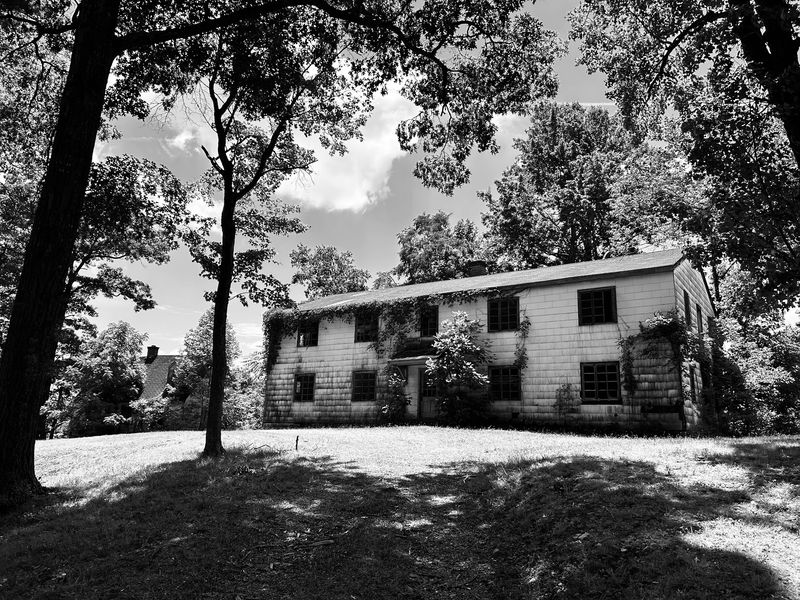
Some buildings fade quietly when their first purpose ends. Catawba Hospital kept finding new ways to stay useful, and I find that genuinely moving.
A springs resort welcomed summer guests. A tuberculosis sanatorium took over in 1909, then a psychiatric hospital in 1972 carried the campus forward.
Three chapters, one valley, and a steady thread of people trying to get well. That’s a rare kind of continuity in Virginia history.
The headline’s echoing footsteps are real, just not in the way ghost stories suggest. They’re the sound of a place that never stopped working.
History lovers will enjoy tracing how medical thinking changed here. Hikers get a bonus layer of meaning when they gaze down from McAfee Knob.
Thrill-seekers hoping for an abandoned ruin should look elsewhere, though. This campus deserves respect, not flashlights and dares.
My suggestion is simple. Drive the valley, hike the nearby ridges, and let the story of Catawba Hospital ride along with you.
Some places are best admired from the road, and this one earns that admiration easily.