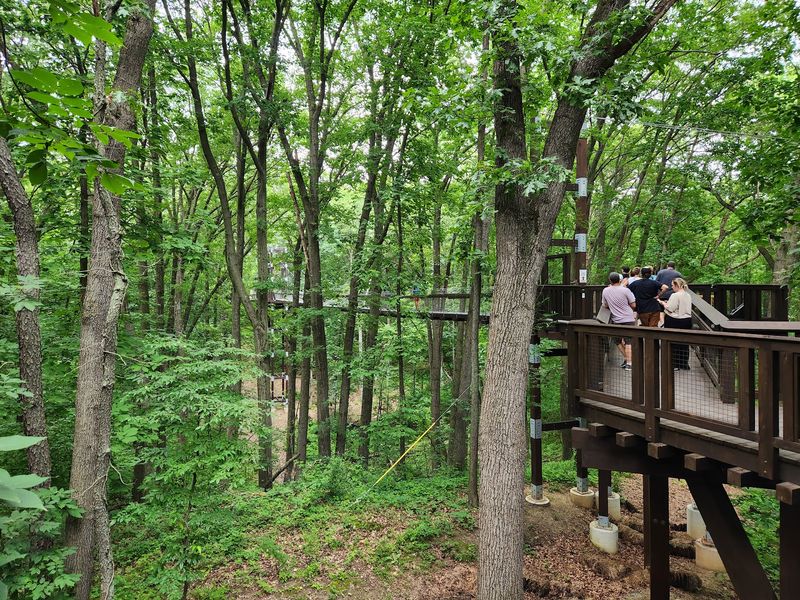
A pair of wooden suspension bridges stretches 726 feet through the forest canopy, swaying 65 feet above a glacial kettle hole. Yes, it really sways.
And somehow, plenty of people living an hour away have never heard of it.
The bridges are built from Southern Yellow Pine and held up by steel cables. They opened in 2023, which makes them the newest star on a property that has welcomed visitors for decades.
Leaves, branches and birds sit right at eye level.
I like how this place in southern Michigan rewards anyone willing to walk a little uphill. The trek to the bridge is about half a mile.
The payoff is a view most people only ever see from the ground.
So why does such a striking spot still fly under the radar? Let’s find out together.
A Michigan State University Treasure In The Irish Hills
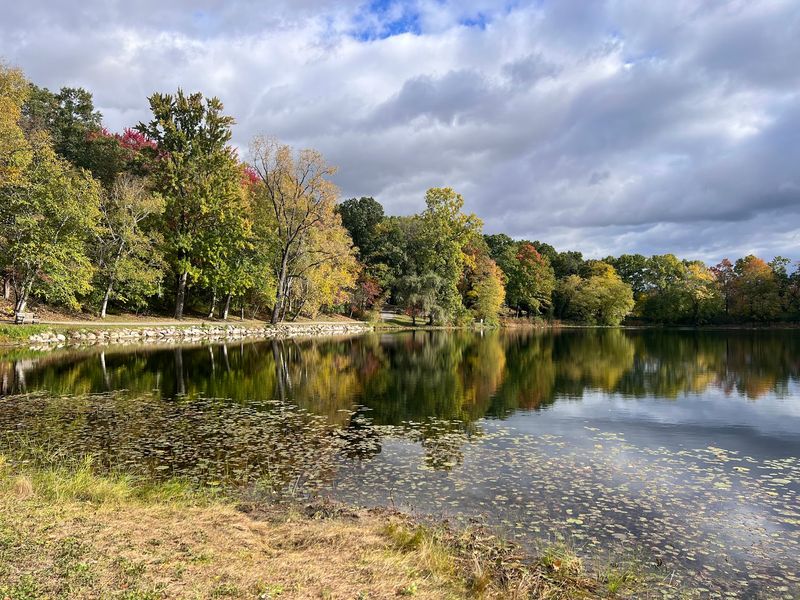
Start with the basics. Hidden Lake Gardens is a 755-acre arboretum and botanical garden in Tipton, owned and operated by Michigan State University.
That’s a lot of ground for one garden. You get oak-hickory woodlands, open meadows, glacial kettle holes and a quiet lake that gave the place its name.
The collections reach well beyond pretty flower beds. Rare conifers, hostas and bonsai all have dedicated homes here, alongside a glass conservatory and that famous canopy walk.
The vibe is part public park, part outdoor classroom. Interpretive signs along the paths explain what the trees and plants are doing, which turns a simple stroll into a sneaky science lesson.
It also sits in a pleasant corner of southern Michigan. The drive in winds through small towns and farm country, so the trip feels like an outing before you even reach the gate.
Bring a plan, or don’t. Some folks come for the bridge and leave hours later after wandering trails, the lake and the greenhouses.
That’s the charm of a garden this size. One visit rarely covers it all, and nobody seems to mind coming back.
How A Retired Adrian Businessman Planted A Legacy
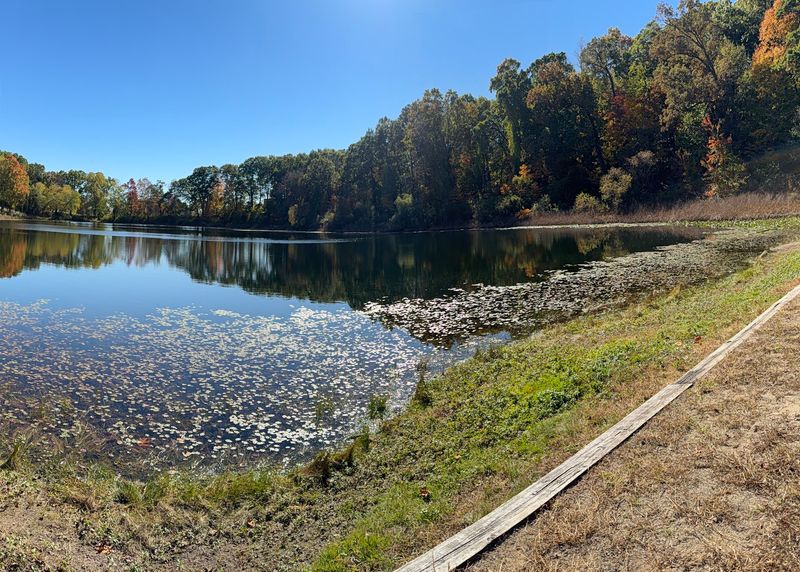
Back in 1926, Adrian businessman Harry Fee retired and bought 228 acres around a pretty lake. His first idea was farming.
Thankfully, the land had other plans. Fee began shaping it into a landscape he thought of as a series of pictures, scenes of natural beauty meant to be enjoyed.
His dream was a public place where art, nature and horticulture could share the same space. That’s a big dream for a retiree, and he followed through.
In 1945, Fee donated the property to Michigan State University. He added a financial endowment so the gardens could keep growing long after him.
Grow they did. Later gifts pushed the grounds to today’s 755 acres and added new collections along the way.
The Herrick Family funded the Visitors Center and Conservatory in the mid-1960s. Then in 1981, Justin Harper donated his collection of dwarf conifers.
I believe that chain of generosity is the real story here. Every bridge plank and bonsai pot traces back to people who wanted strangers to enjoy something beautiful.
Pretty good return on a farm that never really happened.
Walking 65 Feet Up On The Reach For The Sky Canopy Walk
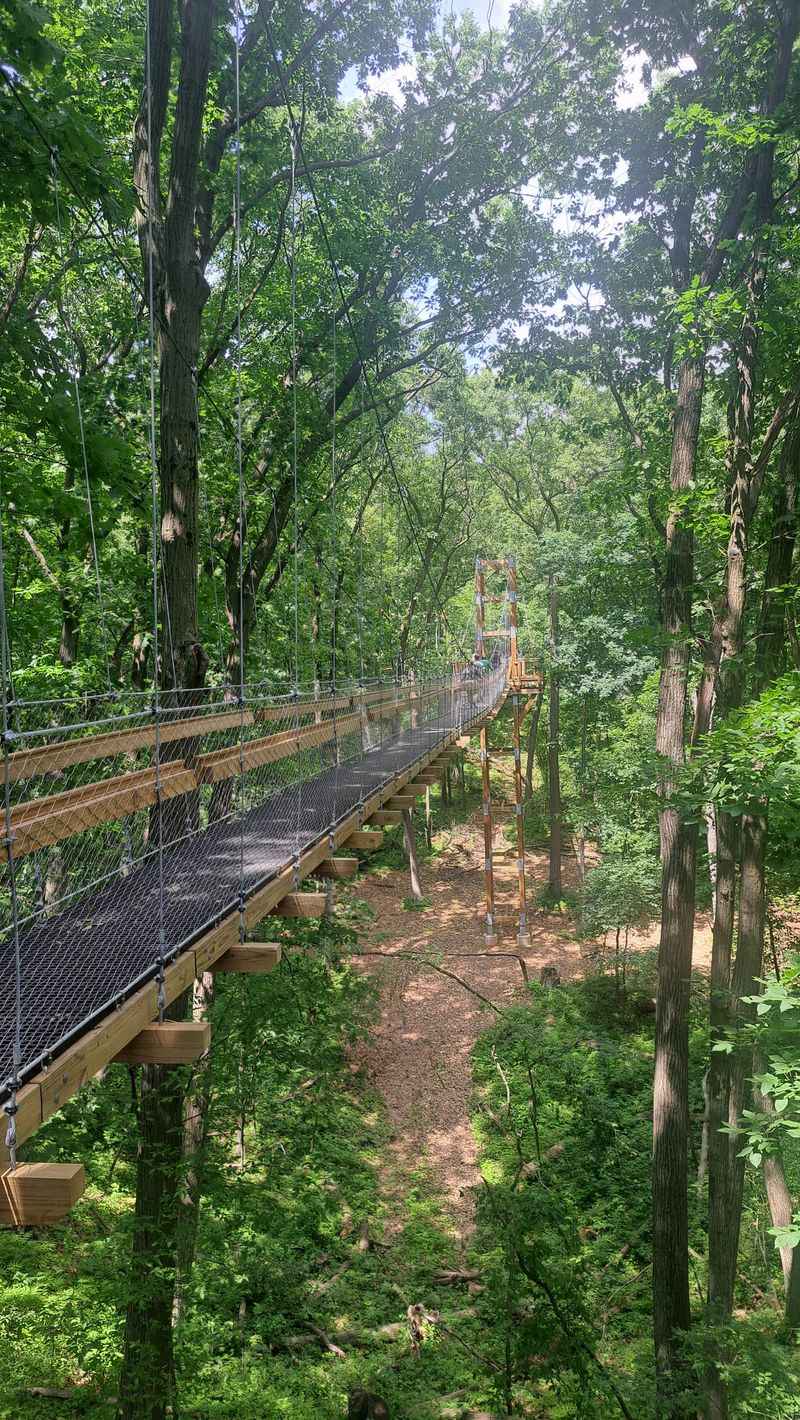
Sixty-five feet. That’s how high the Reach for the Sky Canopy Walk floats above a glacial kettle hole.
The structure opened in 2023 and uses two back-to-back suspension bridges. Together they stretch 726 feet, built from Southern Yellow Pine and anchored with steel cables.
Up there, the forest changes shape. You see leaves, branches, birds and insects at their own level instead of craning your neck from below.
Fair warning for nervous walkers. It’s a true suspension bridge, so it can wobble and sway as people move across it.
Getting there takes some effort. The route climbs uphill about half a mile from the Visitor Center on paved and crushed gravel paths.
An accessible path also runs through the woods to the bridge. Signs along the way share facts about the forest, so the walk feels less like a chore.
Best of all, the canopy walk comes with general admission. No extra ticket, no separate line.
Is it the longest canopy walk in Michigan? Some folks think so, but I’d rather just call it unforgettable and keep walking.
Three Climates Under One Glass Roof
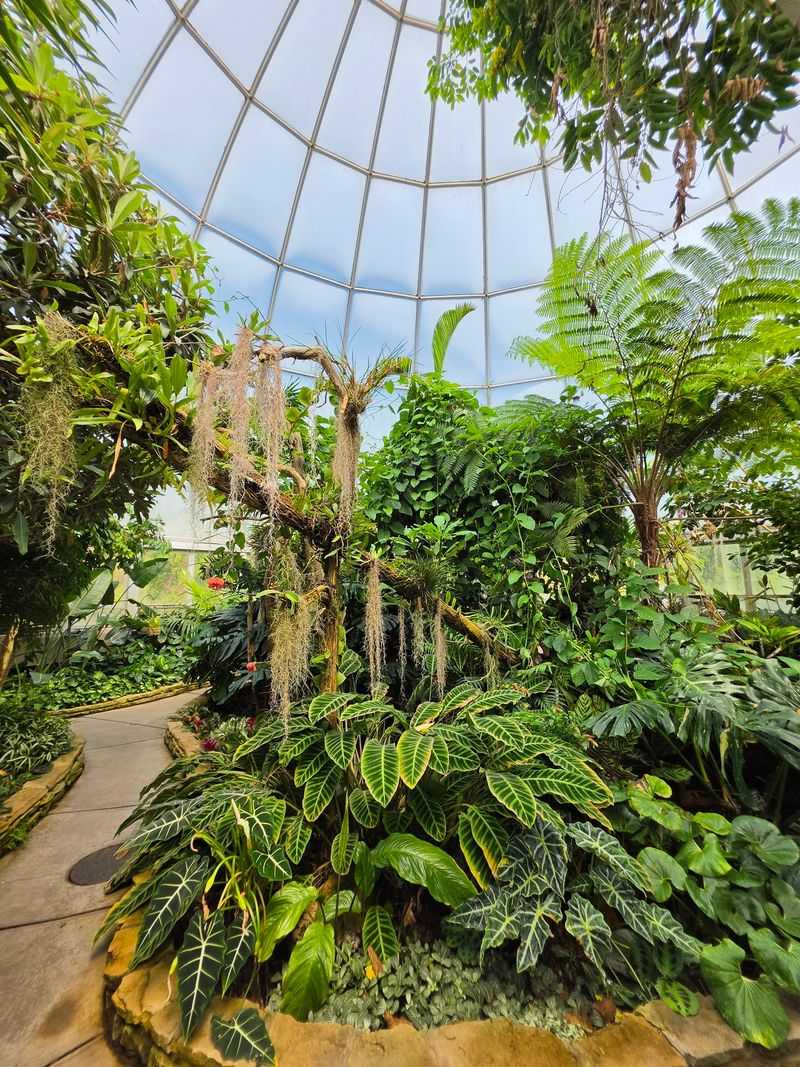
Michigan in February doesn’t usually offer cactus and banana plants. The Conservatory at Hidden Lake Gardens happily breaks that rule.
The indoor complex covers more than 8,000 square feet. Inside, three biomes sit side by side: tropical, arid and temperate.
Each zone holds plants built for very different lives. Think palm trees and banana plants in one room, then cacti and desert specialists in the next.
Orchids and hibiscus add color to the mix. Many of the plants are ornamental, while others are economic plants people rely on around the world.
That variety makes it a quick trip across the globe without a passport. It’s also a smart stop for kids who need a change of scenery after a long trail.
The Conservatory keeps its own schedule inside the larger grounds hours. It generally runs from 10 a.m. to 4 p.m., so time your visit accordingly.
On a chilly day, the warm air alone feels like a treat. Add the greenery and it may become your favorite part of the visit.
Not bad for a building that dates to the 1960s.
Tiny Trees With Serious Patience Behind Them
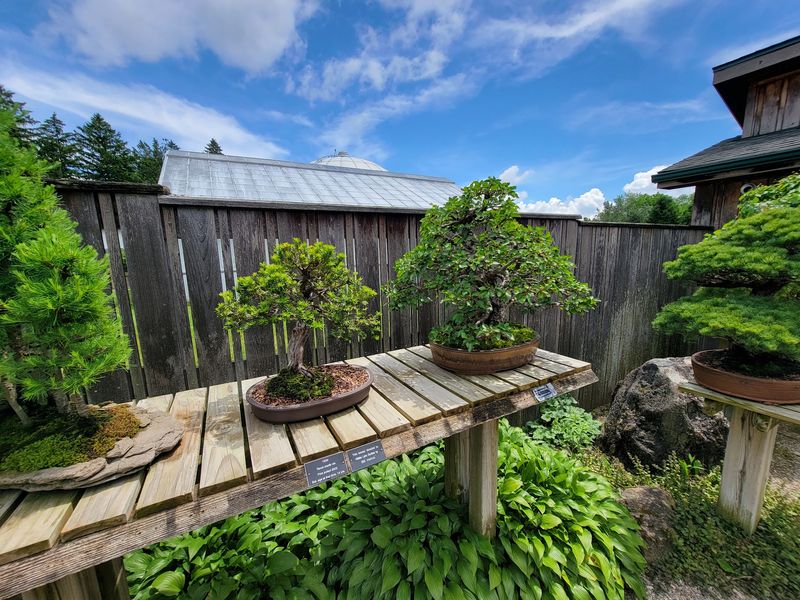
Some trees take decades to grow tall. The ones in the MacCready Bonsai Collection take decades to stay small.
The collection lives in a peaceful courtyard at Hidden Lake Gardens. Each tree shows the careful shaping and pruning that bonsai artists practice for years.
Timing matters here. The courtyard typically opens from May through October, so early spring visitors may find it closed.
Thursdays can be extra rewarding. Staff and volunteers are often working on routine care that day and may be happy to answer questions.
That’s a rare chance to learn how these living sculptures are trimmed, wired and watered. Even curious kids tend to lean in close.
Hobby gardeners will find plenty of inspiration. Your sad windowsill succulent may suddenly feel a little underachieving.
Plan a slow lap through the courtyard. Bonsai rewards a patient eye, and the details get better the longer you look.
If the courtyard is closed during your trip, consider it a perfect excuse to return. Few things in southern Michigan make a second visit feel so justified.
Rare Conifers And A Hillside Full Of Hostas
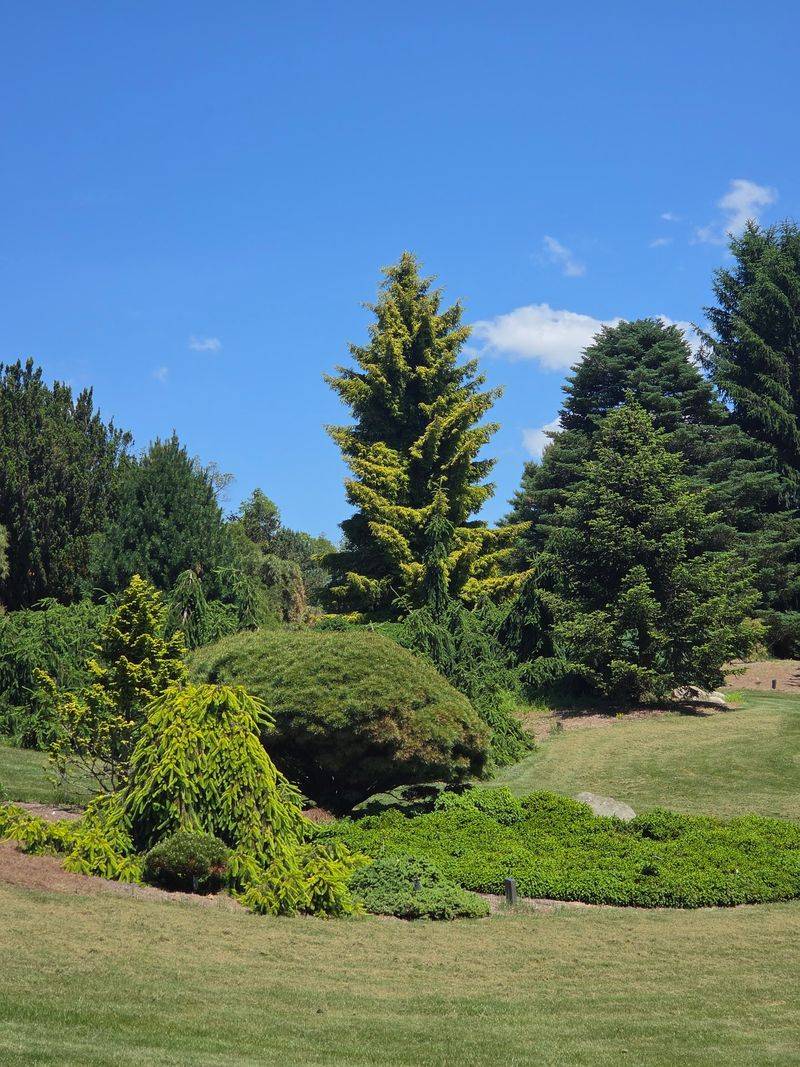
Pines, firs and spruces don’t usually get top billing. At Hidden Lake Gardens, they star in the Harper Collection of Rare and Dwarf Conifers.
Justin Harper donated the collection in 1981. Today it shows off evergreens in surprising shapes, sizes and shades of green.
It’s a great spot for anyone who thought a conifer was just a Christmas tree. Some of these varieties look more like sculptures than shrubs.
Nearby, the Hosta Hillside takes a softer approach. A large hosta collection covers a shaded slope.
A cascading stream runs through the planting. The water spills down into a calm reflecting pool at the bottom.
Shade gardeners, take notes. Few home yards can match the variety tucked along that slope.
Plant labels exist throughout the grounds, though some can be tricky to spot in dense areas. A little hunting is part of the fun.
Bring your phone camera and some patience. Between the textured evergreens and the leafy hillside, these two collections reward anyone who slows down instead of racing to the next attraction.
Twelve Miles Of Trails And Six Miles Of Scenic Road
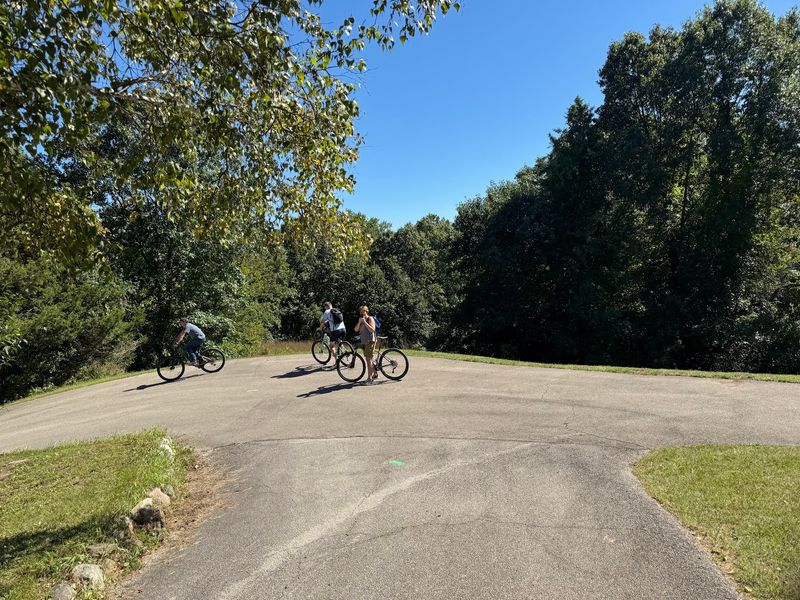
Lace up good shoes. Hidden Lake Gardens offers about 12 miles of marked hiking trails through woods, meadows and wilder corners of the property.
Trail lovers will find plenty to explore. Some paths are well marked, while a few may feel confusing for beginners, so grab a map.
Prefer wheels? Around six miles of paved scenic drives wind through the arboretum and garden areas.
Those roads suit leisurely car tours, bikes and even motorcycles. Rolling hills keep things interesting without turning into a workout from hiking hell.
Seasonal changes affect access. Woodland Drive closes to vehicles for the season in November but stays open for people on foot.
Fall may be the showstopper here. Hardwood forests across Michigan put on a color show, and these drives make a lovely front-row seat.
Pack water, sunscreen and bug spray. Wandering here can easily stretch from one hour into four.
Your admission covers a day pass, so you can leave and return with your receipt. That’s handy if lunch plans pull you off the property.
Picnics, Gift Shop Finds And A Hilltop Visitors Center
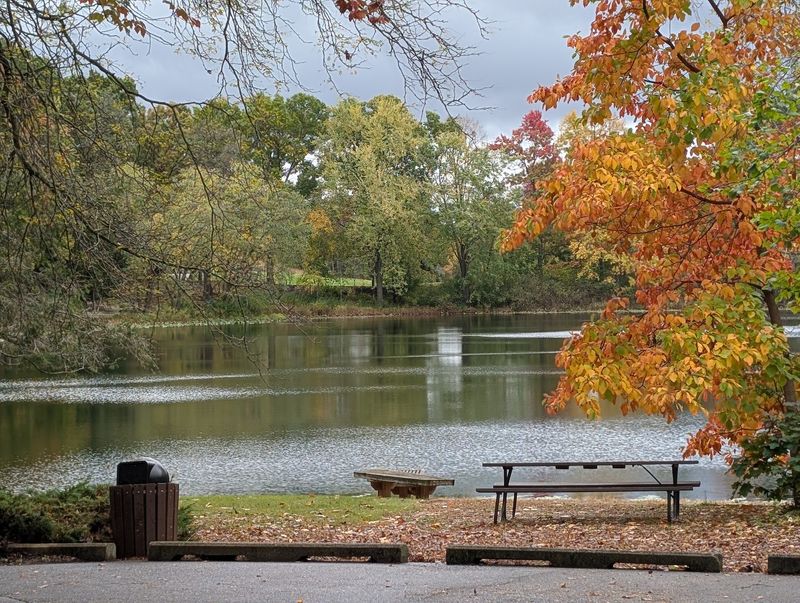
Food planning matters, because there’s no restaurant on site. Pack a lunch and claim a picnic table with a view.
Picnic areas sit throughout the grounds. The lakeside spots make an especially scenic place to eat.
The Visitors Center serves as home base. Completed in 1966 with Herrick Family funding, it sits on a hillside overlooking Hidden Lake.
The building holds offices, meeting rooms, a library and an auditorium. It also received renovations in early 2025.
Downstairs, the Daffodil Gift Shop offers garden-inspired goods, including items from local vendors. It’s a good stop for a souvenir or a gift.
Restrooms and a water filling station help make longer visits easier. Friendly staff at the gate and shop add to the welcome.
Dog owners get good news too. Leashed pups are generally welcome on the grounds, though not inside buildings or on the Sky Walk.
Families can spread out here without much fuss. Toss a blanket on the grass, unpack the sandwiches and let the kids burn off energy before the next trail.
When Holiday Lights And Fall Festivals Take Over
Winter nights bring a different kind of magic. During Woodland Nights and Sky Walk Lights, luminaries line the paths and the canopy bridge glows with holiday lights.
That’s a rare treat. Few places let you walk among treetops lit up after dark.
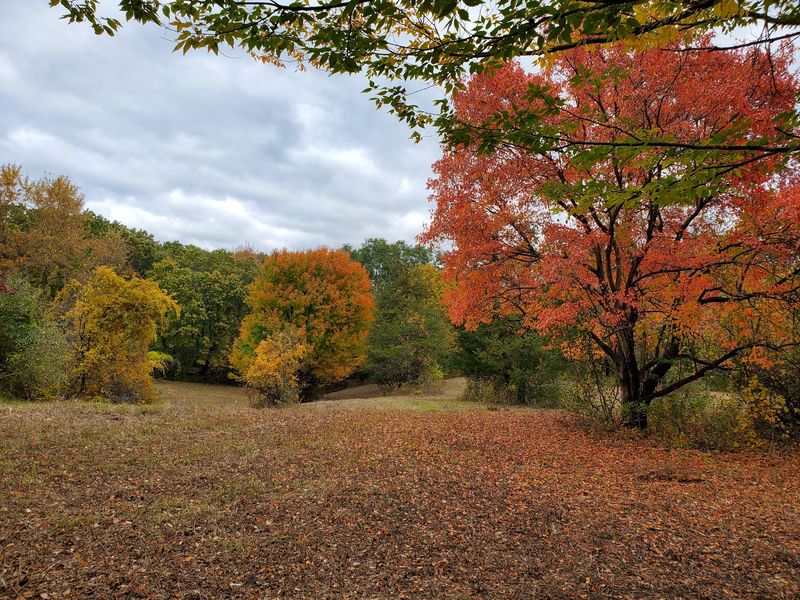
Autumn has its own celebration. The Fall Foliage and Fruit Festival honors the season when Michigan hardwoods show their brightest colors.
Spring gets attention too. A Spring Flower Show helps shake off the gray months.
Educational programs and workshops run across the year. They cover plants, art and the natural world in hands-on ways.
Even wellness has a place. Functional Yoga sessions have been offered on Thursdays.
Event schedules can change from year to year. Check the latest calendar before driving out for a specific program.
Members and some nature center members may receive admission perks, depending on the program. It may be worth asking at the gate.
Every season gives the garden a new personality. That makes repeat visits feel less like a rerun and more like a fresh episode.
Your Easy Plan For A Day Trip To Tipton

Set your GPS for 6214 Monroe Road (Hwy M-50), Tipton, MI 49287. Hidden Lake Gardens sits right along M-50 in southern Michigan.
The grounds open Tuesday through Sunday from 9 a.m. to 5 p.m. Mondays are closed, so don’t make that the day.
Key attractions, including the Sky Walk and Conservatory, generally run from 10 a.m. to 4 p.m. Arrive early if you want everything.
Admission is modest, with discounts for seniors and students. Many visitors consider it a bargain for a full day outdoors.
Parking is easy, and accessibility options include paved paths and barrier-free facilities. Comfortable shoes still help.
Bring snacks and water. Several hours can disappear between the bridge, trails, lake and greenhouses.
Weekdays may feel quieter, which suits anyone craving peaceful time outside. Fall color season brings its own appeal.
So is it worth the drive? I can’t imagine a better Michigan secret for a day of fresh air and treetop views.
Go once for the bridge. You’ll likely return for everything else.