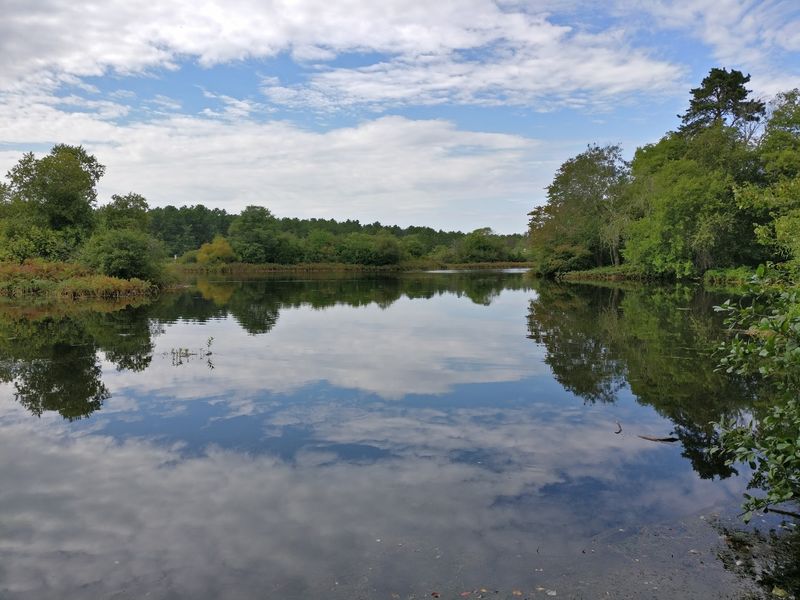
A pond that once supplied harvested ice now anchors 305 acres of pine woods, bogs, and quiet trails. Around it live owls, hawks, and a peregrine falcon that can no longer survive in the wild.
Each one stays for life, cared for by a small team that clearly takes the job seriously. Giant African spurred tortoises even have their own greenhouse.
That detail alone made me sit up a little straighter.
I like how this New York refuge asks nothing for admission. Donations keep it running, and the trails stretch more than seven miles through rare Pine Barrens habitat.
Bring binoculars, a sketchbook, or just a curious kid.
I can’t imagine a better trade for a free afternoon. So who exactly lives here, and how did an old ice business turn into a wildlife haven worth the drive?
A Free Refuge With More Wild Neighbors Than Parked Cars
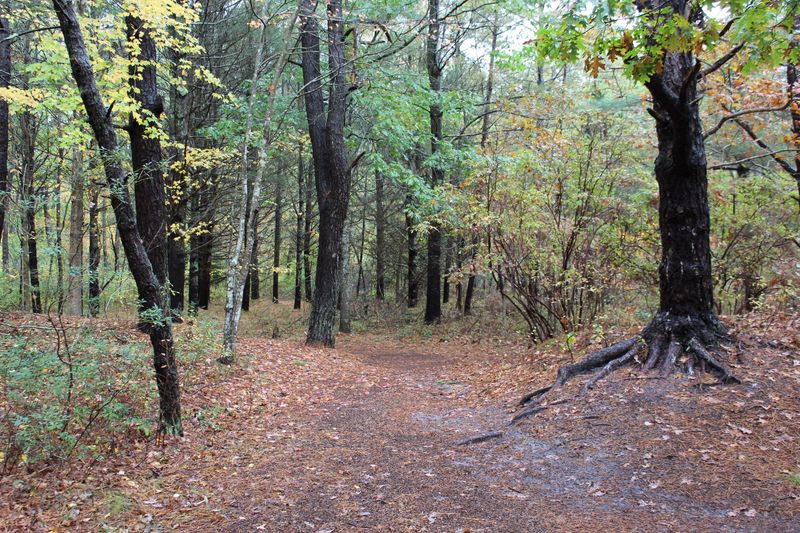
Quogue Wildlife Refuge covers 305 acres on the East End of Long Island, New York. It’s a nonprofit nature preserve and education center, and general admission costs nothing at all.
That alone deserves a small round of applause. The refuge blends woodland trails, ponds, wetlands, and an outdoor home for native animals that can’t return to the wild.
Yes, the woods really do feel far from any highway. Sunrise Highway isn’t actually distant, yet the pine-lined paths swallow the outside world within minutes.
Mostly, the place rewards slow attention. Birders, hikers, sketchers, and families with curious kids all find good reasons to linger a while.
For hands-on hobbyists, that matters a lot. Nature journalers get endless subjects, and amateur photographers get raptors that sit still far longer than any wild bird would.
No ticket booth, no turnstile, no fuss at the entrance. You park, stroll in, and some of the residents are waiting right near the start.
The Southampton Township Wildfowl Association runs the whole operation as a 501(c)(3) nonprofit. Every visit quietly supports animal care, trail upkeep, and environmental education across the entire property.
An Ice Business That Melted Into a Wildlife Legacy
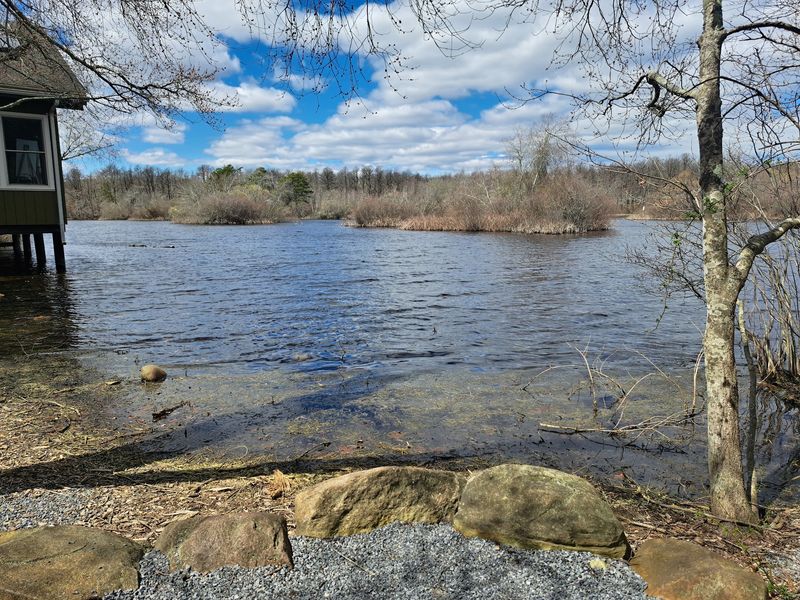
Long before owls moved in, this land meant business, specifically the frozen kind. The Quogue Ice Company once harvested ice right here from Old Ice Pond.
Think saws, tongs, and blocks of pond ice headed for local iceboxes. It was practical, cold, and very much a pre-refrigerator way of life.
Then 1934 changed the story completely. That October, the Southampton Township Wildfowl Association formed to protect waterfowl populations, and the refuge was born.
That founding makes it one of the oldest nature preserves on Long Island. The same association still manages the property today, which is a remarkable run of devotion.
The early volunteers didn’t waste time either. In 1936, their conservation work earned first prize in a National Waterfowl Contest, just two years after they began.
For tradition-minded New York day-trippers, this history hits differently. The ice industry left behind tools, a pond, and a landscape that someone decided was worth saving.
So when you stroll the shoreline now, you’re tracing two eras at once. One was about cutting ice for profit, and the next was about protecting everything living around it.
Meet the Residents Who Can’t Go Home Again
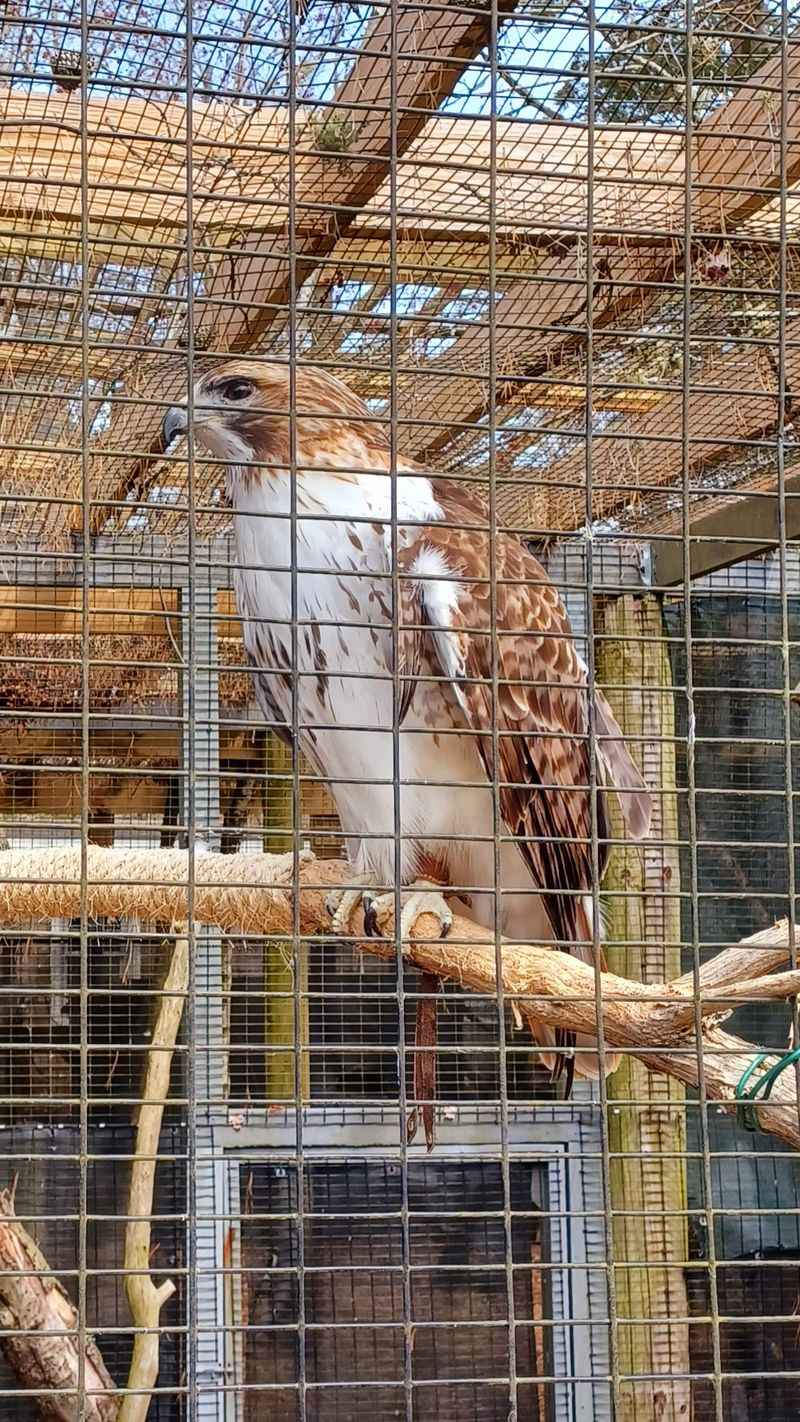
Every animal in the Outdoor Wildlife Complex has a backstory. Permanent injuries mean none of them could survive on their own in the wild.
Instead, they get lifelong care and a meaningful second job. Each one serves as an education ambassador, teaching visitors about native New York species face to face.
The lineup is genuinely impressive for a free stop. Expect owls, Cooper’s and red-tailed hawks, opossums, a peregrine falcon, and a turkey vulture.
Vultures rarely win popularity contests, sadly. Seeing one this close might change your mind about their surprisingly important role as nature’s cleanup crew.
The enclosures sit near the entrance, so you meet the animals early. That placement also explains the no-dogs rule, since pets and raptors make awkward neighbors.
A nearby train line adds a funny twist to the setting. The red-tailed hawk has apparently grown quite used to passing trains and the commotion they bring.
Give yourself time here before rushing off to the trails. Watching a hawk preen or an opossum shuffle around is weirdly calming, and it beats scrolling your phone by a mile.
Owls That Return Your Stare Without Blinking
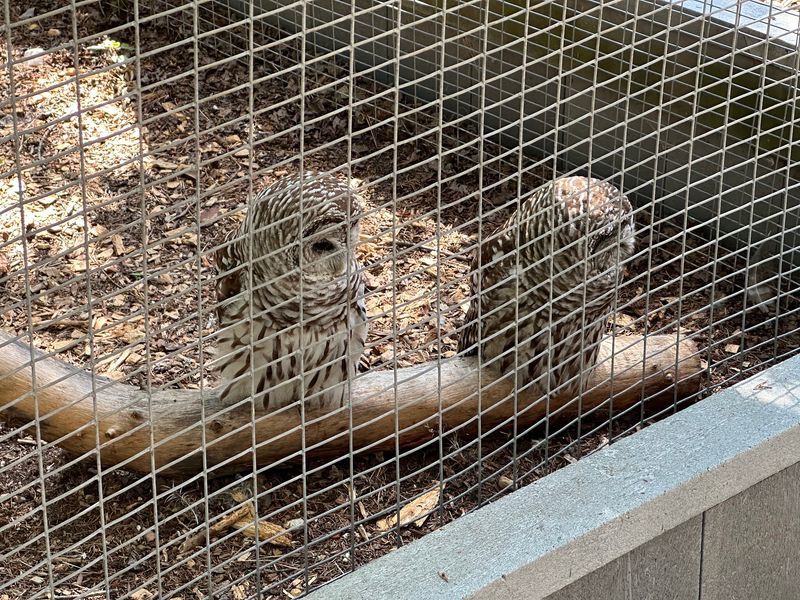
Few things feel as personal as a barred owl locking eyes with you. At Quogue Wildlife Refuge, that small showdown happens regularly near the wildlife complex.
Three owl species live on the property. Barred, great horned, and screech owls each bring a very different look and personality to the lineup.
The great horned owl brings the drama with those feathery ear tufts. The screech owl, meanwhile, is small enough to seem almost pocket-sized by comparison.
Bird lovers who keep life lists will appreciate the chance to study details up close. Feather patterns, eye color, and posture are far easier to notice here than through distant binoculars.
Sketchers and painters, take note of this. Owls are famously patient models, and these residents aren’t going anywhere in a hurry.
Warmer days can make a difference in how settled the birds appear. Cooler, busier moments may find them more alert, so a second loop around is worth it.
Bring a small notebook if you enjoy jotting observations. Comparing the three owls side by side turns a casual stop into a mini field lesson you’ll remember.
Tortoises Big Enough to Need Their Own Greenhouse
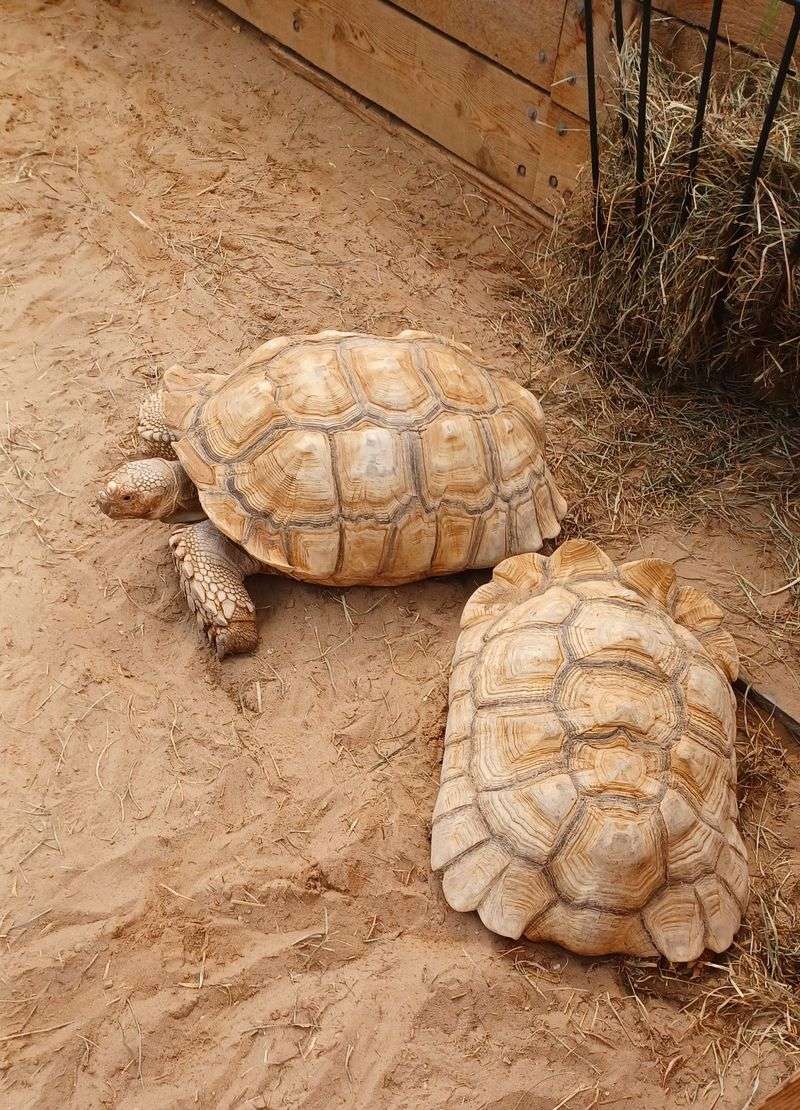
Some pets outgrow their tanks, and some outgrow an entire nature center. The refuge’s giant African spurred tortoises did exactly that, so they got an upgrade.
Their spacious greenhouse sits just beyond the Pollinator Garden. A red-footed tortoise shares the space, which makes for a pretty charming shell-based household.
African spurred tortoises are among the larger tortoise species in the world. Seeing one lumber across its enclosure is a reminder that slow and steady really does have style.
Timing matters a bit with these heavyweights. They aren’t always visible, especially when weather or their own mood keeps them tucked away.
Plan to swing by the Pollinator Garden on the way. Gardeners in particular might enjoy seeing how native plantings fit into a refuge built around wildlife.
Kids usually find the tortoises hilarious and fascinating in equal measure. Adults, honestly, tend to react the same way once they spot those armored legs.
Native turtles also roam the grounds, so keep watching your path outdoors. Turtles rank among the most talked-about sights here, right after the trails themselves.
Seven Miles of Trails That Make Time Slow Down
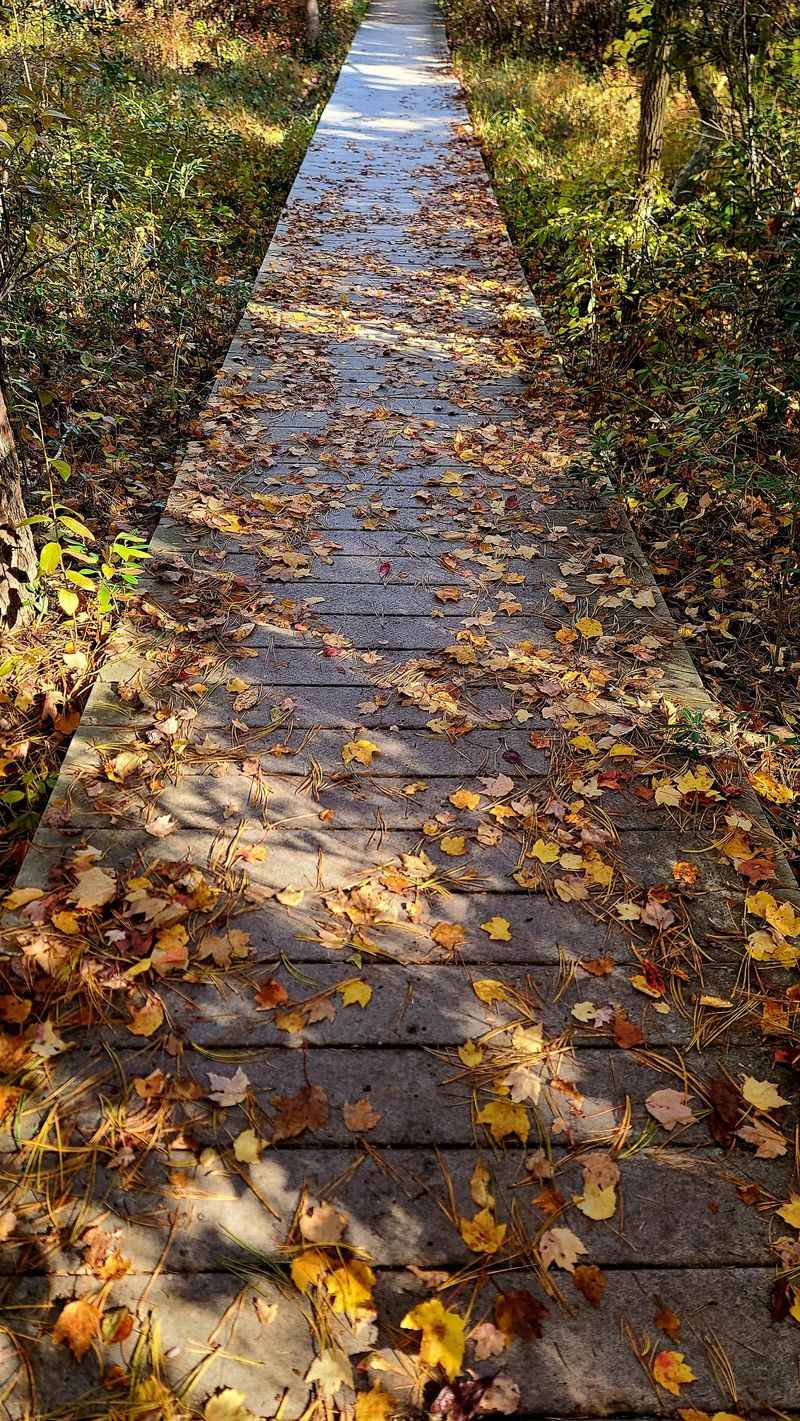
Seven miles of trails might not sound endless, yet they feel wonderfully roomy. Paths wind through Pine Barrens, past bogs and wetlands, across fields, and along a tidal estuary.
Most of the routes are flat and wide. That makes them friendly for easy hikes, casual jogs, or a slow ramble with a toddler in tow.
Better still, the main trail works for strollers and wheelchairs. Accessibility like that is rare in woodsy settings, and it opens the experience to far more people.
Little footbridges and ponds pop up along the way. In fall, a thick blanket of pine needles softens every step and quiets the whole forest.
Loops can run from about one mile to three or more. You can match your walk to your energy level without committing to an all-day trek.
Winter brings its own bonus when snow cooperates. Cross-country skiing and snowshoeing are allowed, turning familiar paths into a hushed white playground.
Bikes and dogs stay home, though. That rule keeps the trails calm for walkers and protects the wildlife living just off the paths.
Rare Dwarf Pines Scientists Love to Study
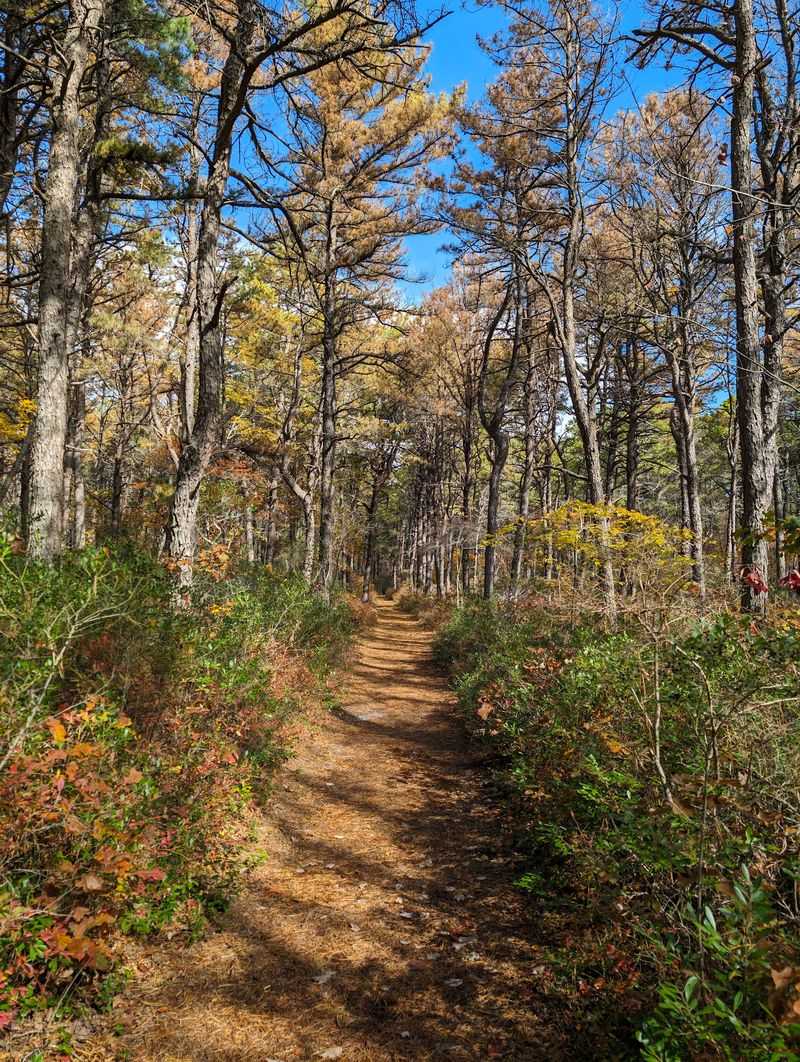
Short trees with a big reputation live here. The Dwarf Pine Plains within the refuge’s Pine Barrens are considered ecologically rare and draw scientific attention.
Pine Barrens habitat has a distinctive look and feel. Sandy soils, pitch pines, and scrubby undergrowth create a landscape unlike the leafy forests found elsewhere in New York.
Dwarf pines don’t grow tall, and that’s exactly the point. Their stunted, shrubby shape is part of what makes this particular habitat so unusual.
Nature hobbyists will appreciate the chance to see it firsthand. Botany buffs, photographers, and anyone who loves oddball ecosystems will find plenty to examine.
The pine-scented air is part of the appeal too. Walking through these woods feels calm and grounding, a welcome reset from busy roads and screens.
Birding can be rewarding in these areas as well. Towhees, woodpeckers, and nuthatches have all turned up for sharp-eyed walkers moving quietly.
A field guide makes this section even more fun. Identifying plants and birds adds a treasure-hunt feeling to an otherwise peaceful stroll through the barrens.
Old Ice Pond Still Steals the Spotlight
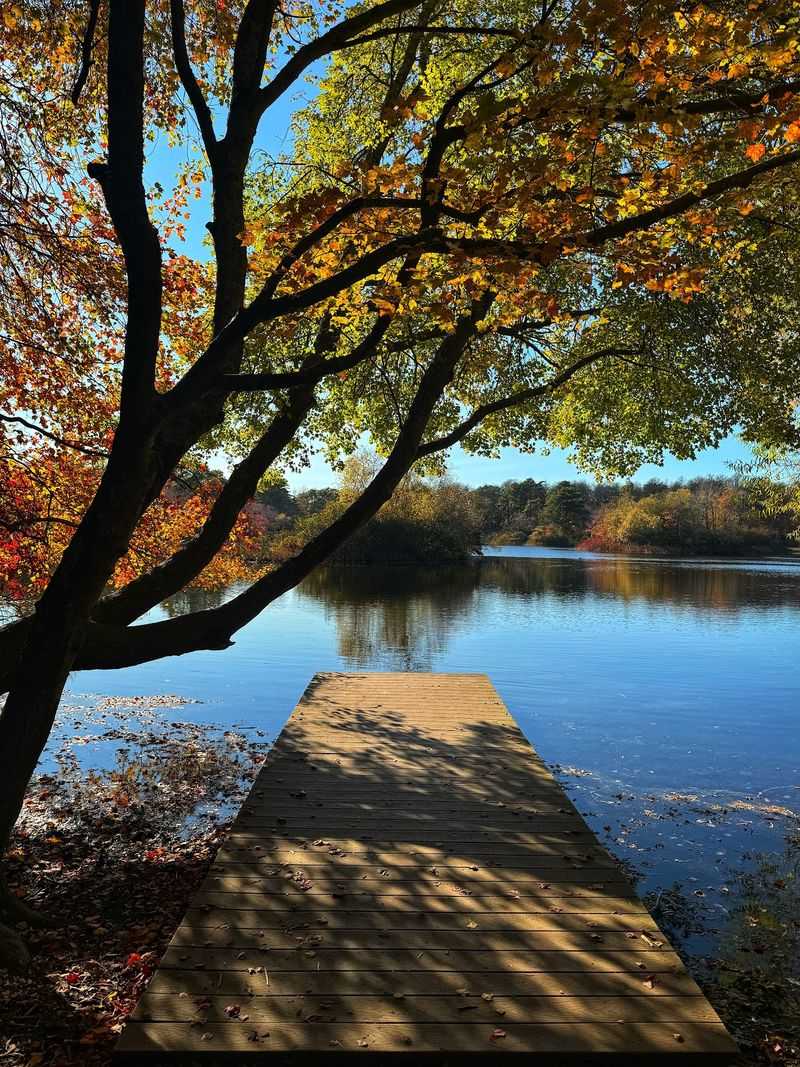
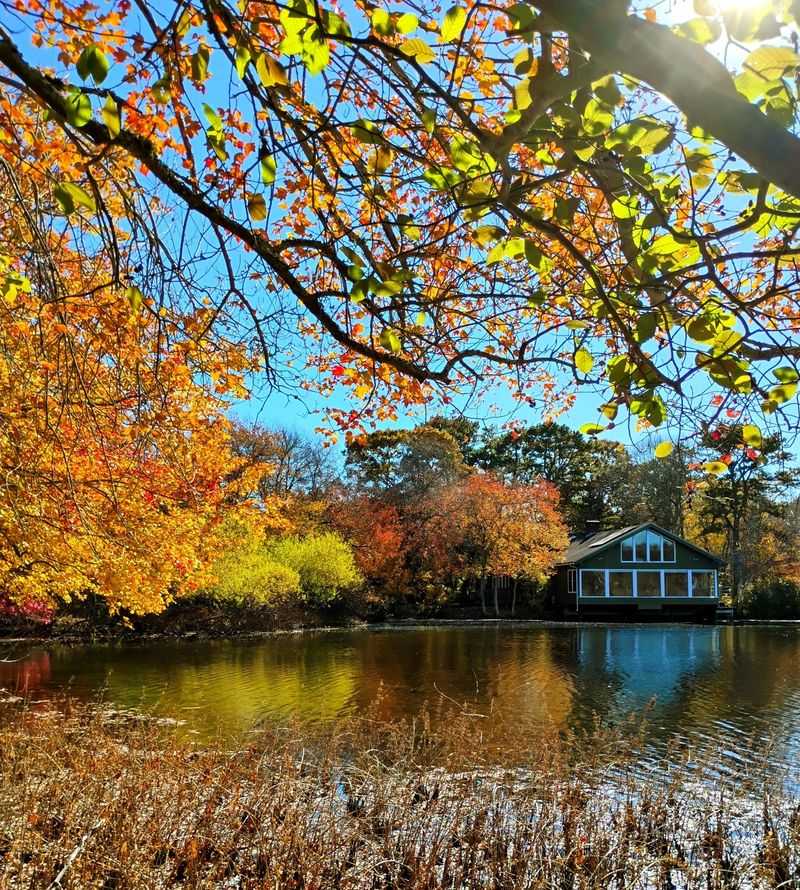
Ice used to be the main product pulled from this water. Now Old Ice Pond simply offers reflections, ducks, and one of the prettiest views on the property.
The pond sits near the heart of the refuge. Many trail loops pass close to it, making it a natural pause point during almost any walk.
A loop around the water is a favorite for good reason. Paths stay well maintained, and the views shift gently with every bend in the shoreline.
Bird activity here can be lively. Ducks are common, and patient watchers sometimes spot other species working the edges of the water.
Each season changes the pond’s personality. Autumn color, spring greenery, and winter stillness give regular visitors a reason to come back throughout the year.
History fans get an extra layer here. Knowing workers once cut ice blocks from this very surface makes the calm water feel like a living museum.
Bring a thermos and claim a quiet moment by the shore. Sometimes the best part of a nature outing is simply standing still long enough to notice things.
A Boardwalk Where Salt Water Meets Fresh
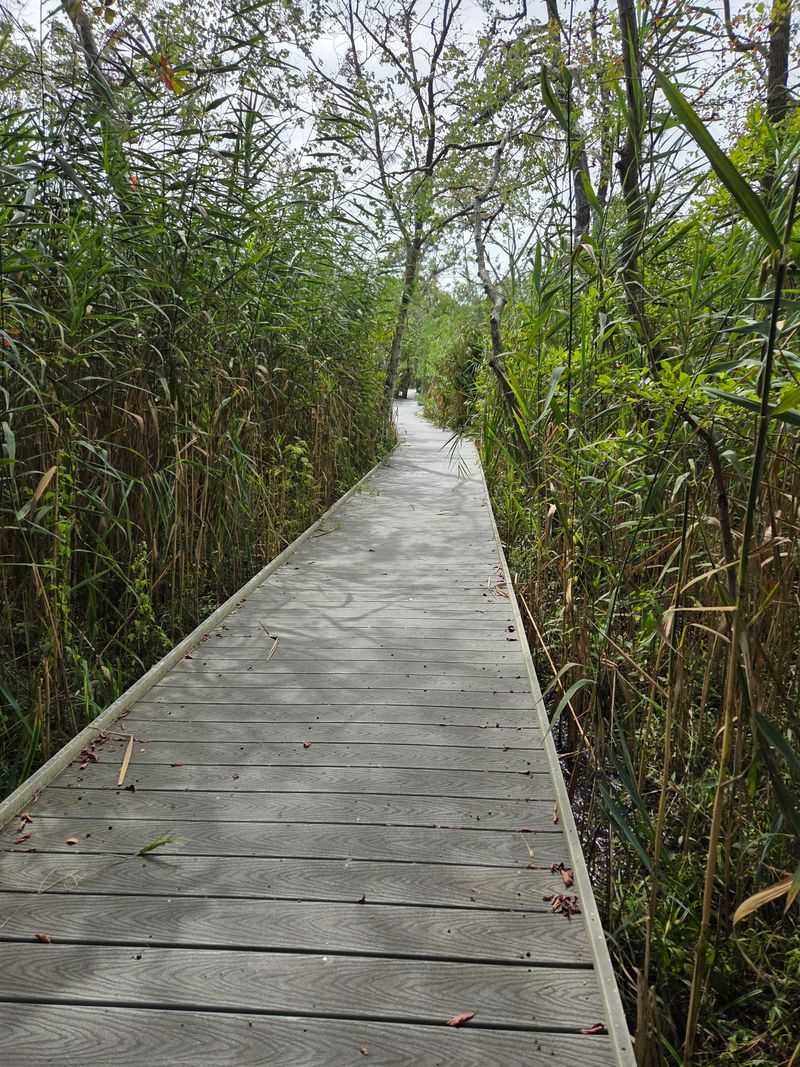
Fairy Dell might be the most enchanting name on the whole property. This boardwalk stretches through tidal wetlands along Quantuck Creek, about a block from the main area.
It’s where salt water and fresh water blend together. That mixing zone creates a special habitat full of marsh grasses and wetland life.
The boardwalk has a romantic reputation from years past. It needed reconstruction after long use, and the rebuilt version is set to include new educational signage.
Check with staff about its current status before heading over. Construction timelines can shift, and nobody wants to walk a block for a closed gate.
Once open, it offers a refreshing change of scenery. After hours among pines, the open wetland views feel bright, breezy, and wonderfully different.
Photographers should note the potential here. Boardwalk lines leading into marsh grass make for lovely compositions, especially in soft morning light.
Kids may love the name almost as much as the walk. Telling them they’re heading to Fairy Dell is a pretty reliable way to keep tired legs moving.
Century-Old Tools and a Nature Center on the Rise
Antique ice saws aren’t something most people expect to see on a nature walk. The refuge’s Ice Harvesting Museum displays authentic tools around a century old.
Each tool tells part of the Quogue Ice Company’s story. Collectors and history lovers will appreciate seeing real equipment from a vanished New York trade.
Nearby, the Charles Banks Belt Nature Center is undergoing renovation and expansion. Big changes are underway, so some indoor exhibits may be limited for now.
Historically, the center offered large picture windows overlooking Old Ice Pond. It also housed live reptiles, freshwater turtles, and some impressively large insects.
Plans for the reopened space sound promising. A children’s room, a touch table, and a nature library are all part of the vision.
A water refill station near the nature center has been a handy perk. Clean restrooms and a gift shop round out the basic comforts on site.
Keep an eye on refuge announcements for reopening news. When the doors swing wide again, it’ll be a great excuse for a return trip.
Bat Hikes, Turtle Storytimes, and Other Delightful Plans
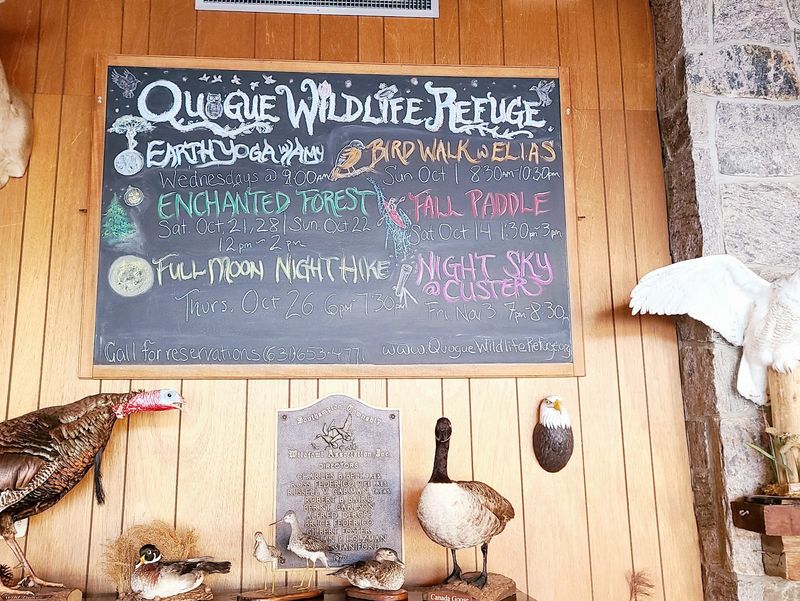
Box turtle storytime sounds like something invented for maximum cuteness. It’s real, and it’s one of many programs the refuge hosts throughout the year.
The calendar covers all ages. Bat hikes, nature journaling workshops, and seasonal events give both kids and adults fresh reasons to visit.
Nature journaling deserves special attention for craft-minded folks. Sketching, note-taking, and close observation fit naturally with hobbies like drawing, painting, or keeping detailed records.
A storybook path adds a sweet touch for families. Story pages appear on signs along the trail, so little ones can follow a tale while they walk.
Guided tours can bring the animals to life too. Knowledgeable staff share background on each species and why it lives at the refuge.
Many programs are free or low-cost, though specifics change. Check the refuge’s event listings before you go so you can catch something that matches your interests.
Repeat visits pay off here. With new events rotating through the seasons, no two trips have to look exactly the same.
Easy Directions, Free Parking, and a Few House Rules
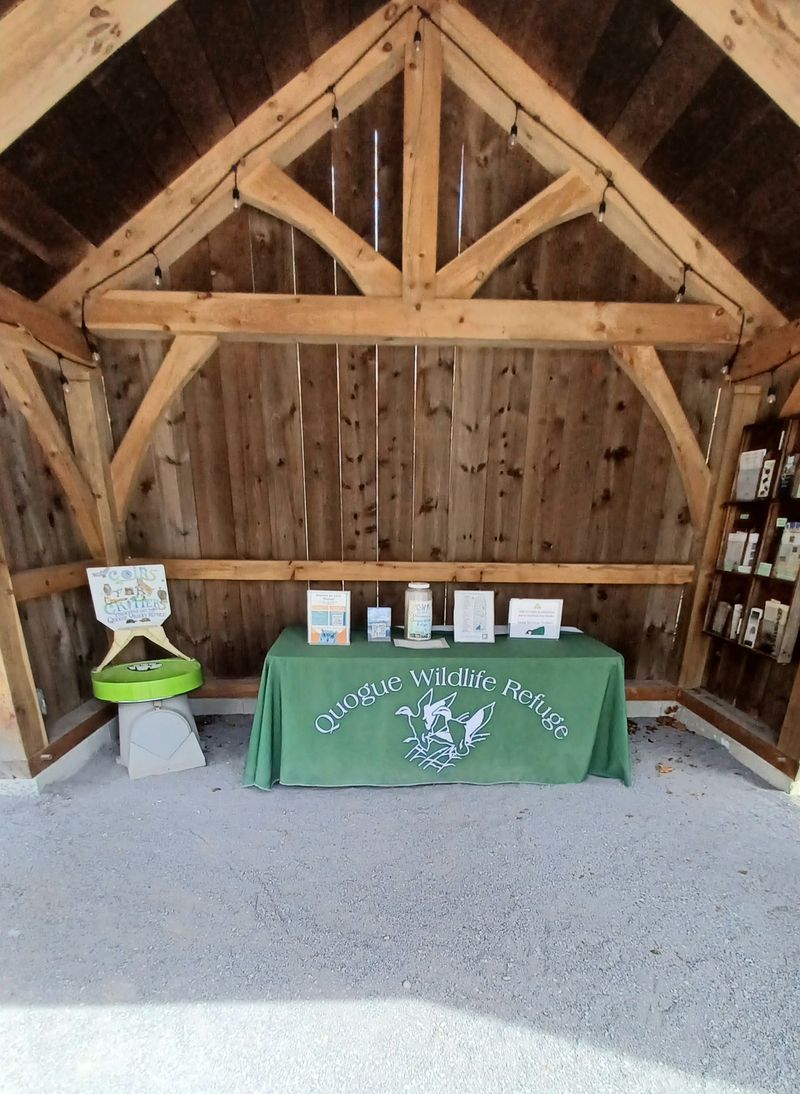
Getting there takes less effort than the woods suggest. Quogue Wildlife Refuge sits at 3 Old Country Road, Quogue, NY 11959, in Suffolk County.
Sunrise Highway and the Long Island Expressway both connect toward the area. From either route, the final stretch leads to a quiet, wooded entrance.
Parking is free and generally ample. You’ll be steps from the wildlife complex and trailheads moments after shutting off the engine.
The current listing shows daily hours of 7 AM to 4:30 PM. The refuge also describes trails as open sunrise to sunset, so confirm timing before an early or late trip.
A few rules keep things running smoothly. Dogs and bicycles aren’t allowed, which protects both the resident animals and the calm trail experience.
Pack bug spray and do a careful tick check afterward. Lone star ticks live in the area, and a quick scan before getting in the car is smart.
Comfortable shoes and a water bottle cover most needs. The refill station near the nature center makes topping off easy during a longer walk.
Why This Quiet Corner Deserves a Spot on Your Calendar
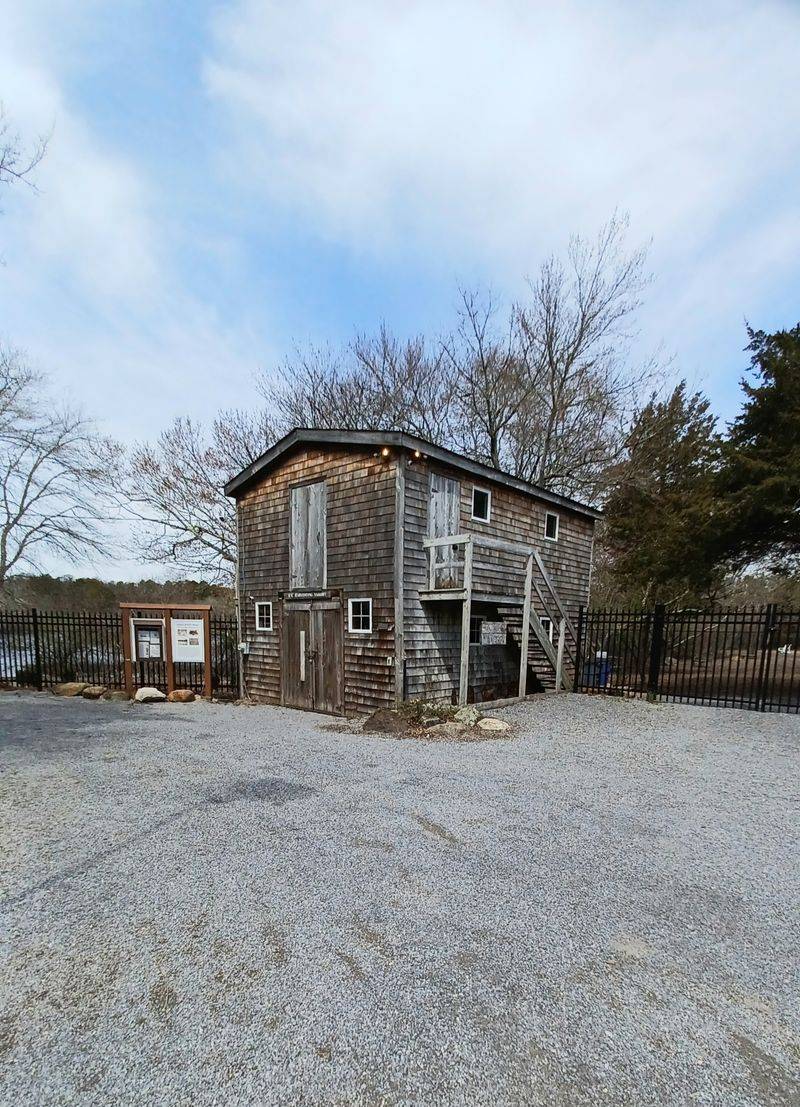
Free admission, rescued raptors, giant tortoises, and rare pines make a strong case. Quogue Wildlife Refuge packs a surprising amount into 305 peaceful acres.
Families will find plenty to keep kids engaged. Storybook signs, animal encounters, and flat trails make outings simple and rewarding.
Hobbyists might love it even more. Birders, sketchers, photographers, and nature journalers get a place that genuinely respects slow, careful observation.
Tradition-minded day-trippers get history woven right into the scenery. An ice pond, century-old tools, and a 1934 conservation mission give every walk extra depth.
Remember that donations keep everything going. Animal care, trail work, and education programs all depend on support from people who care.
Fall stands out with pine needles and colorful leaves. Still, every season in this New York refuge offers its own reason to return.
A walk here won’t overwhelm you, and that’s the charm. Good luck leaving without promising those owls you’ll be back soon.