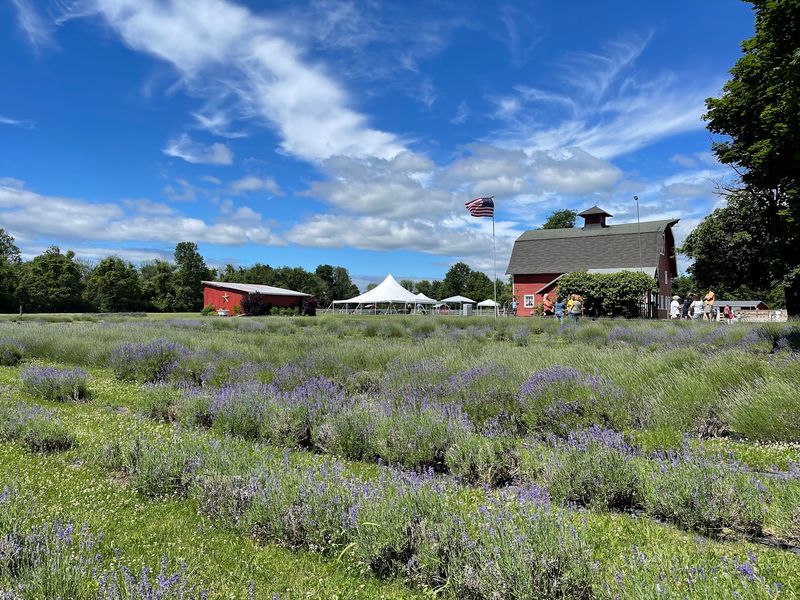
Fifteen varieties of lavender grow on one quiet farm, and the alpacas get to stroll right through the scenery with you. You can reserve a walk, take a lead rope, and let a fuzzy new friend set the pace.
The best part might be the price of getting in. Admission is free, though donations are welcome.
A small bag of feed costs pocket change, and the alpacas happily take care of the rest.
I like how this place mixes two calming things that rarely share a fence line. Purple rows bloom in early summer, and the gift shop smells like a lavender cloud all year.
New Jersey has plenty of farms, but I can’t think of many that pair soft noses with fragrant fields. So how does a lavender patch end up with its own herd of alpacas?
A Purple Patch Of Somerset County Where Alpacas Run The Show
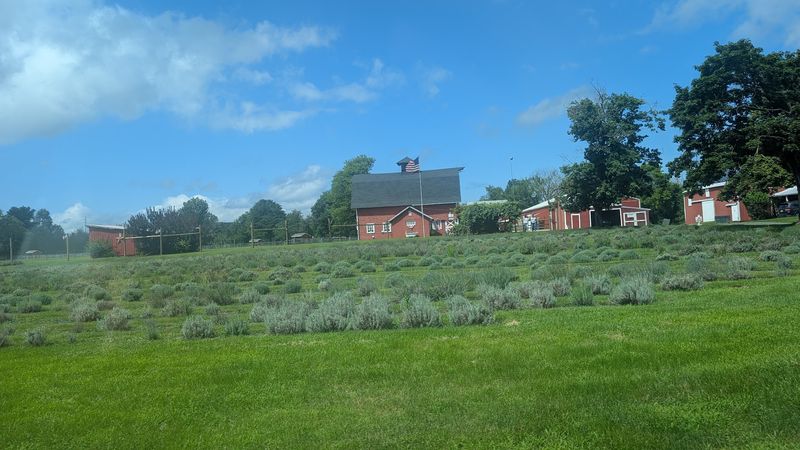
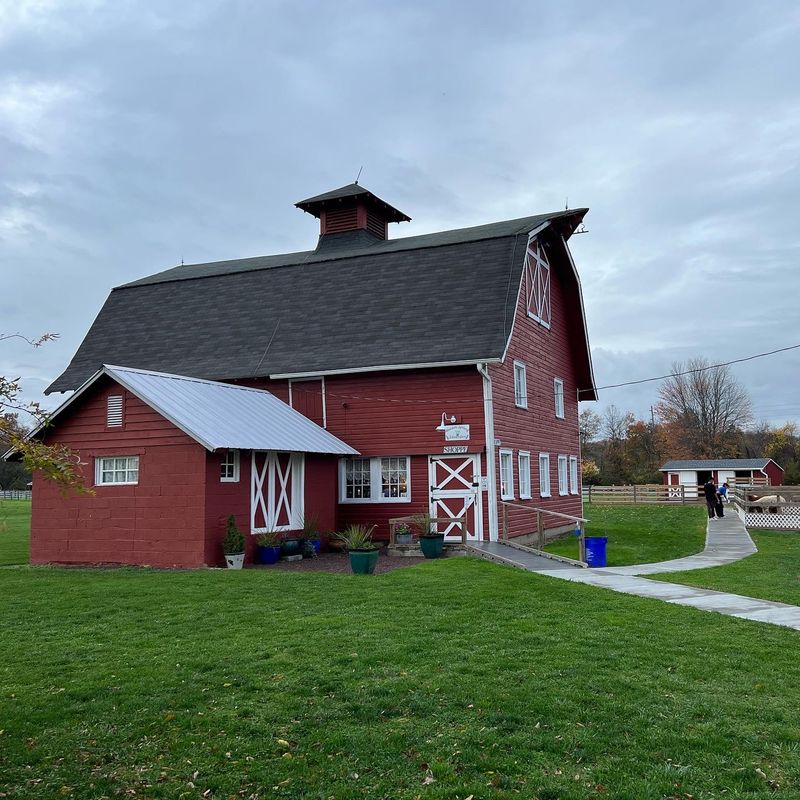
Out in the farm country of Skillman sits Hidden Spring Lavender & Alpaca Farm, a family-run spot that blends two gentle obsessions. The property covers 25 acres in Somerset County, New Jersey.
Lavender is the crop, and alpacas are the welcome committee. Visitors can wander past purple rows, meet the herd, and browse a gift shop stuffed with farm-made goods.
The pairing sounds random until you hear the reasoning. The owners have explained that lavender and alpacas share one big quality, since both are known for being calming.
That idea shapes the whole visit here. Nothing feels rushed, and the pace leans more toward a slow amble than a theme-park sprint.
A husband and wife team runs the operation. Volunteers often pitch in, helping visitors with questions and keeping the animal side of things moving smoothly.
You won’t find rides, snack stands, or loud attractions. What you get is simpler, with soft animals, fragrant fields, and a shop where nearly everything smells like summer.
For families hunting a low-cost outing, it checks a lot of boxes. It also feels a long way from the Turnpike, even though it isn’t.
Nearly Two Decades Of Lavender Roots
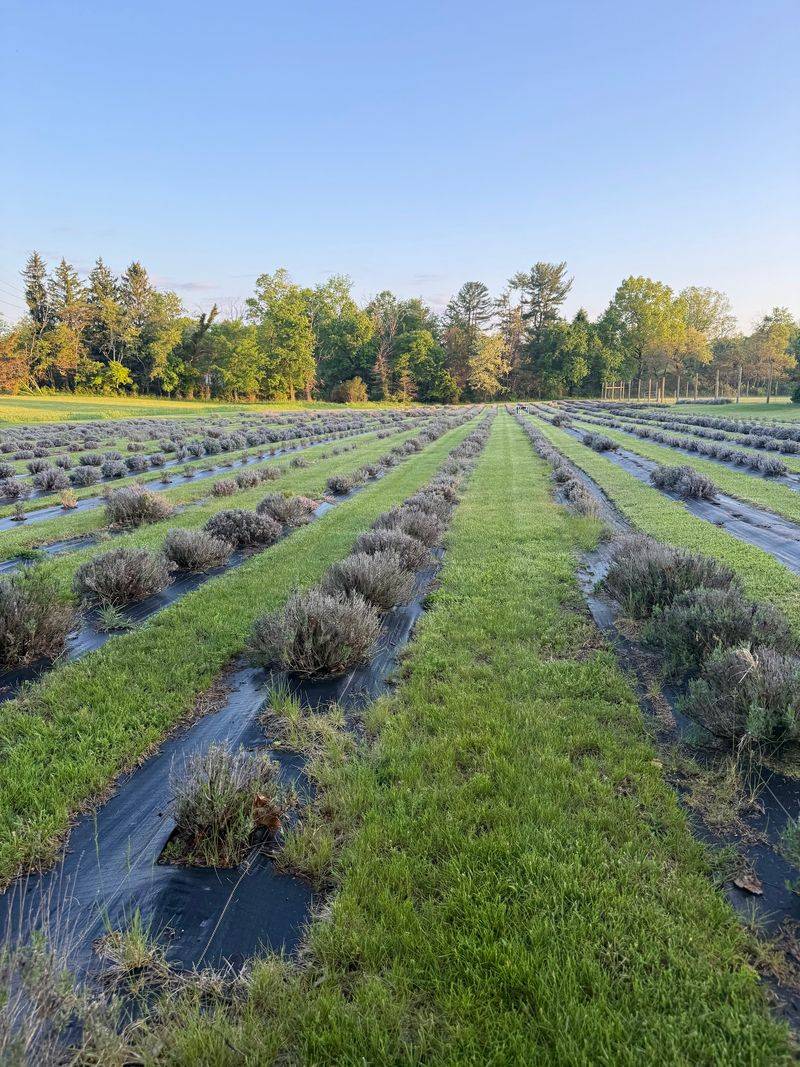
Long before lavender farms became a summer social media trend, this one was already growing. Hidden Spring was among the first lavender and alpaca farms in New Jersey.
The first lavender fields went into the ground around 2007, according to the farm. That gives the purple rows almost two decades of history.
Plenty of new farms try the lavender idea now. Few have stuck with it this long while also raising a herd of alpacas on the same land.
The family approach shows in the small touches. Products in the shop come from farm-grown lavender, and the owners make many of them themselves.
Longevity matters in a place like this. Lavender plants take patience, and alpaca care is a daily commitment that never takes a holiday.
I can’t imagine running both at once without serious dedication. Yet here they are, still opening their gates on weekends and still welcoming curious families.
The farm has also grown beyond its start. Honeybees now share the property too, adding lavender honey to the shop shelves.
So when you visit, you’re stepping onto a farm with real staying power. That’s a nice thing to support.
Your Own Fuzzy Walking Buddy, Reservation Required
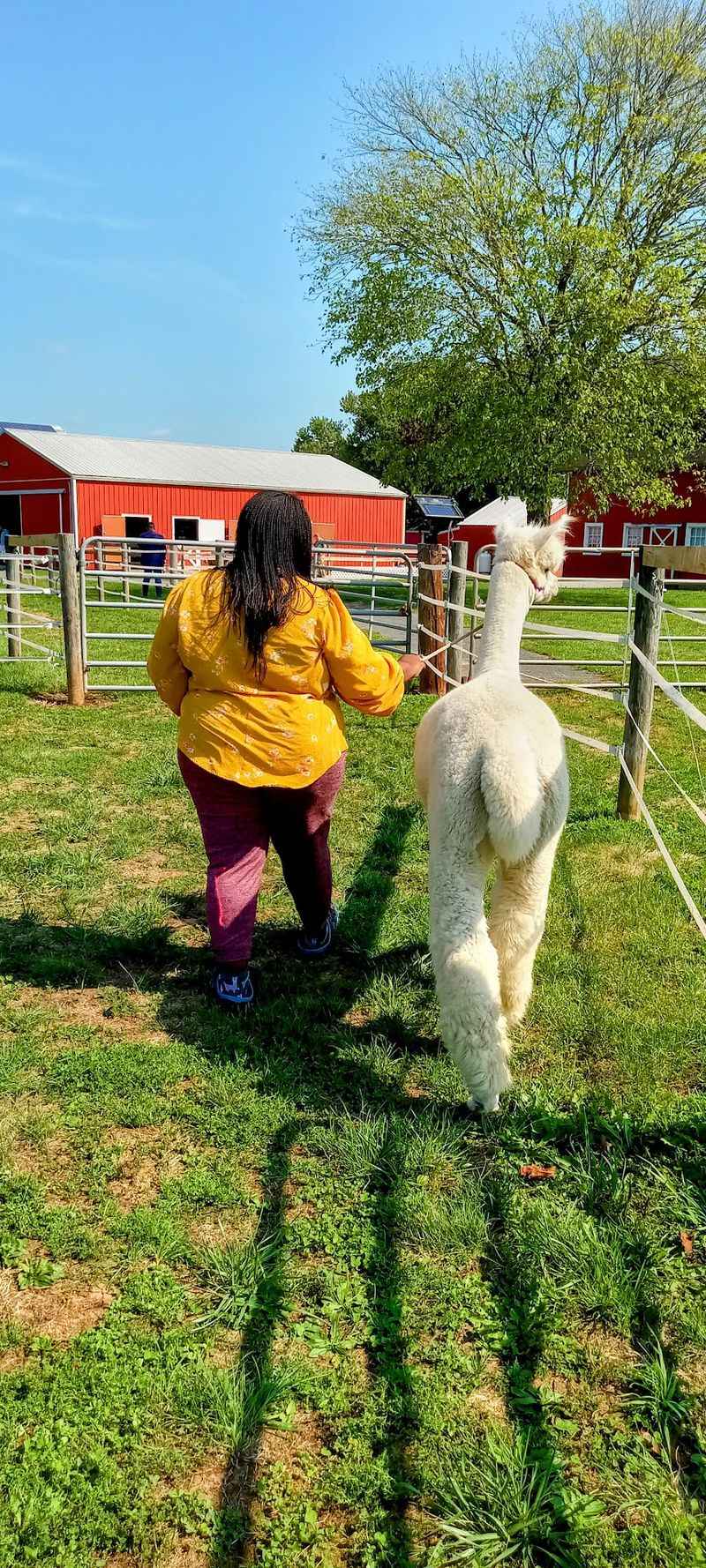
Holding a lead rope while an alpaca strolls beside you is a little surreal. It’s also the headline experience at Hidden Spring Lavender & Alpaca Farm.
Alpaca walks need a reservation, and they usually happen on Saturdays. Don’t just show up hoping to grab a rope, because spots are planned ahead.
One detail trips up some families. Reservations work on a strict one adult, one child basis, so count everyone carefully before booking.
The walk itself is fairly short, often around 15 minutes. That’s plenty of time for photos and a few giggles at those long necks.
Volunteers help guide things along. They can answer questions about the animals, which tend to be curious but polite companions.
The herd here is registered too. The alpacas are certified and microchipped through the Alpaca Owners Association.
After the walk, the fun doesn’t have to end. You can head over and feed the other alpacas for as long as you like.
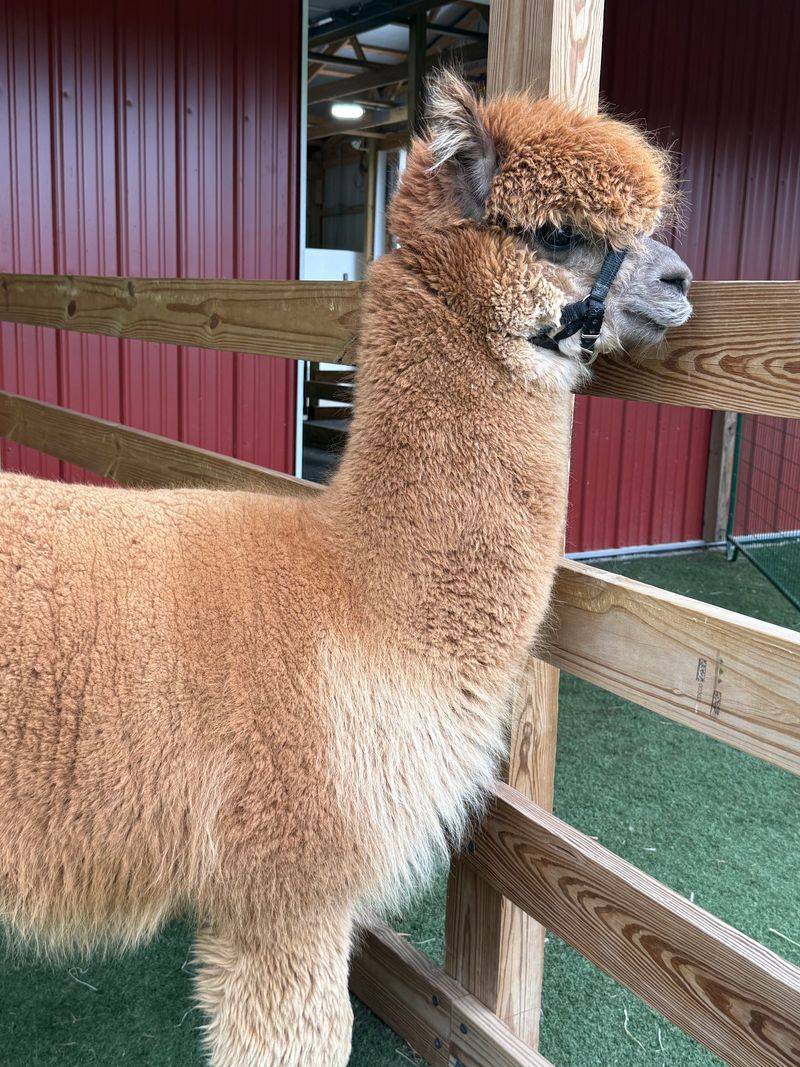
Good luck keeping a straight face when one leans in for a sniff. Those fluffy topknots make serious expressions nearly impossible.
Pocket-Change Snacks And Soft Alpaca Nibbles
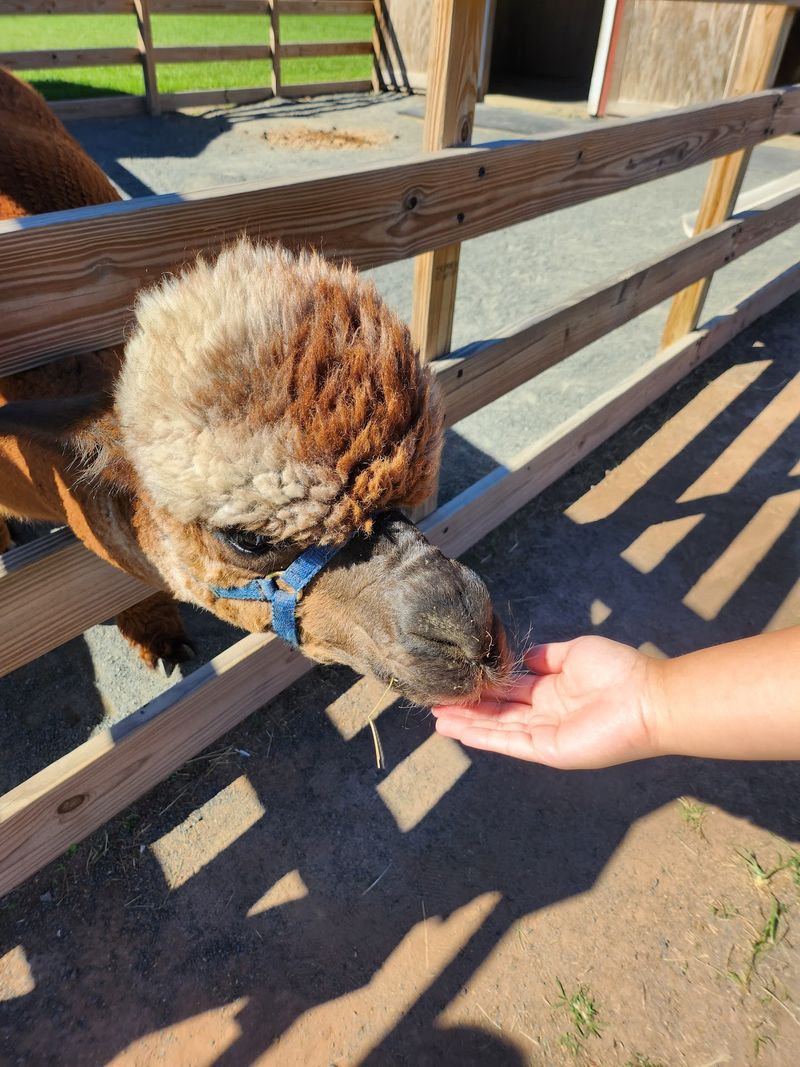
Feeding time might be the best bargain in the Garden State. Small bags of alpaca treats sell in the gift shop for just a couple of dollars.
Bring cash for these. Feed purchases have been cash only, so tuck a few bills in your pocket before you leave home.
The owners have mentioned that alpacas prefer being fed by hand. Flat palms work well, and the gentle nibbles tickle more than anything.
Toddlers often light up during this part. Little ones may even get a surprise sniff or nuzzle from a curious muzzle.
The herd is sizable for a small farm. You’ll find plenty of alpacas lined up near the fences, ready to accept snacks.
Shaded areas help on hot days, both for people and animals. That makes it easier to linger without wilting in July heat.
Petting is part of the fun too. Alpaca fleece is famously soft, and those woolly heads are hard to resist.
You don’t need a reservation for feeding. Just walk over during open hours, buy a bag, and make some new friends.
Fifteen Shades Of Purple In The Fields
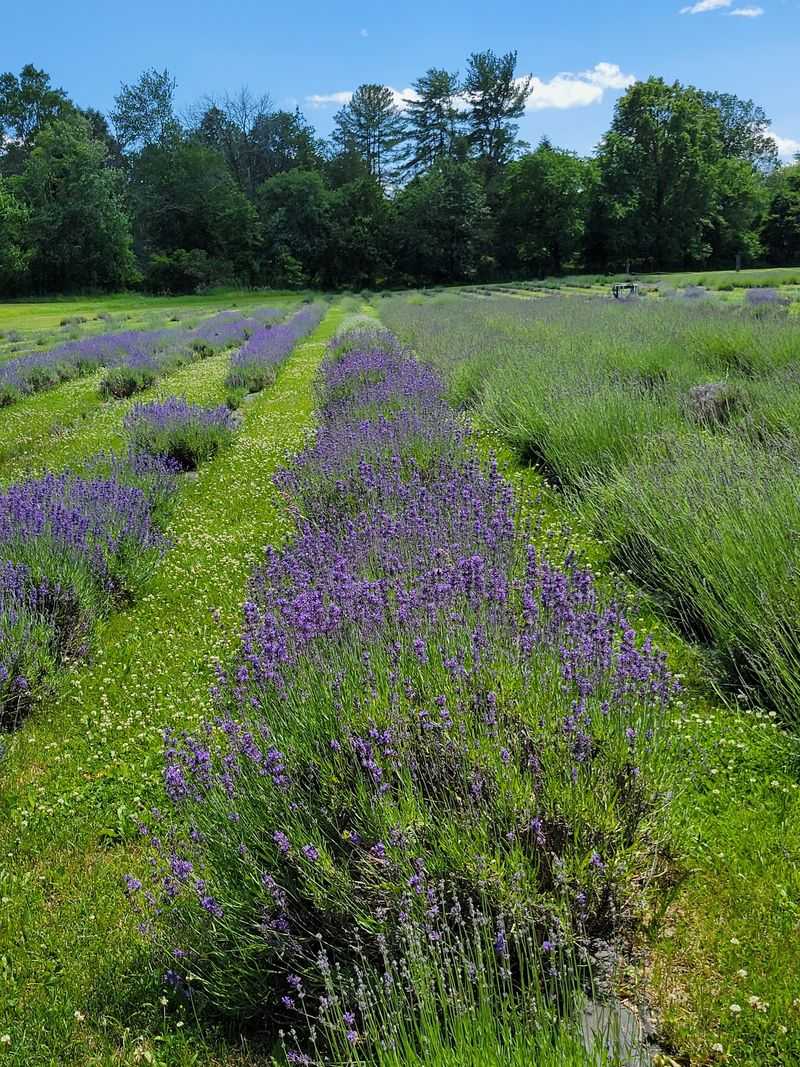
Purple isn’t just one color out here. The farm grows 15 varieties of lavender, each with its own shade and scent.
Timing is everything with these fields. Full bloom usually runs from mid-June to mid-July, so plan around that window.
Arrive in May or early June and you’ll likely see green stems instead. The alpacas still deliver, but the flowers need summer warmth first.
The harvest gets put to good use. Lavender here becomes bouquets, dried buds, essential oil, and culinary ingredients.
Live lavender plants are sometimes for sale too. That’s handy if you want to bring a little purple home to your own garden.
The fields also make a lovely evening backdrop. At the right hour, the sunset can glow right over the rows.
Honeybees love the blooms as much as people do. They buzz around the flowers and help produce the farm’s lavender honey.
Bring a camera and comfortable shoes. Between the colors and the fuzzy neighbors nearby, you’ll probably want more photos than you expected.
Watching Flowers Turn Into Oil Each July
Ever wondered how a field of flowers becomes a tiny bottle of oil? Each July, the farm lets visitors see that process up close.
Lavender oil distillation happens on site during the bloom season. Fresh flowers go in, and fragrant essential oil comes out.
It’s a neat lesson for kids and adults alike. Science class rarely smells this nice.
That oil doesn’t travel far. The farm uses its own pure lavender essential oil in the products sold in the gift shop.
Knowing that makes shopping feel different. The lotion on the shelf started as flowers you just walked past.
July is a busy, beautiful month here overall. Blooms peak, bees work hard, and the distillation adds one more reason to visit.
If you can only pick one summer trip, aim for early July. You’ll catch the fields and possibly the oil-making in one outing.
Check the farm’s posted schedule before heading out. Seasonal activities can shift, and a quick look saves you from missing the main event.
A Tiny Shoppe Packed Floor To Ceiling With Lavender
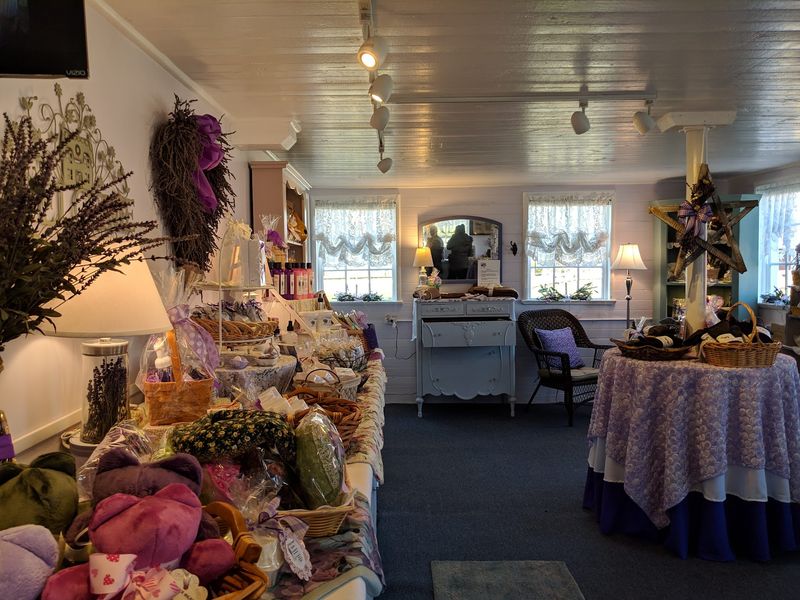
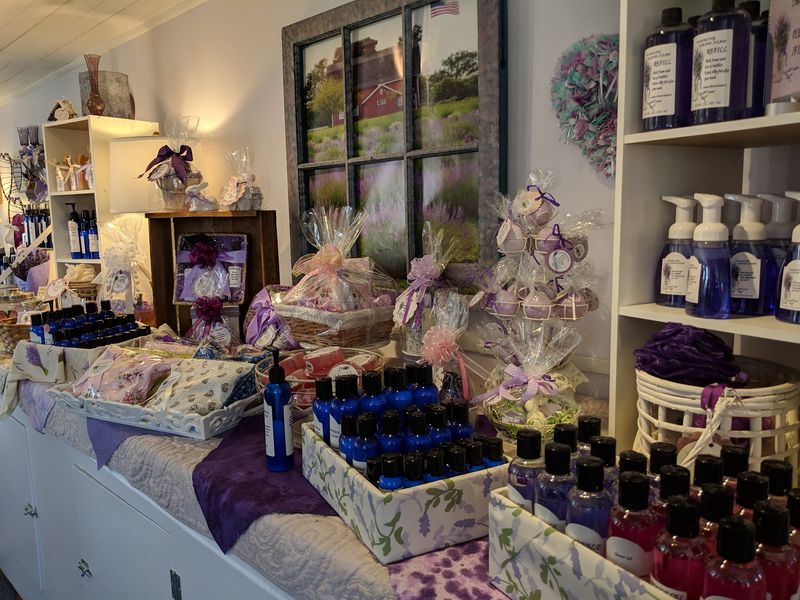
Your nose will notice the gift shoppe before your eyes do. The small space smells strongly of lavender from the moment you enter.
A life-size alpaca figure stands near the front. Inside, shelves overflow with themed goods made from farm-grown flowers.
Expect sachets, aromatherapy pillows, hand creams, and bath products. Soaps, lotions, candles, and essential oils fill out the selection too.
Everything uses farm lavender and pure lavender essential oil. That homegrown angle makes these gifts feel more personal than mall versions.
Lavender honey from the farm’s bees also shows up here. It’s a sweet souvenir that fits right in.
The shop is a retail space, not a play area. Little hands should stay gentle, and staff ask that merchandise be treated with care.
Photos inside the store aren’t allowed. Save your camera for the fields and the fluffy residents outside.
Prices reflect handmade, small-batch work. Supporting a family farm usually costs a bit more, but these products travel home with a story attached.
Cozy Alpaca Socks For Cold Jersey Winters
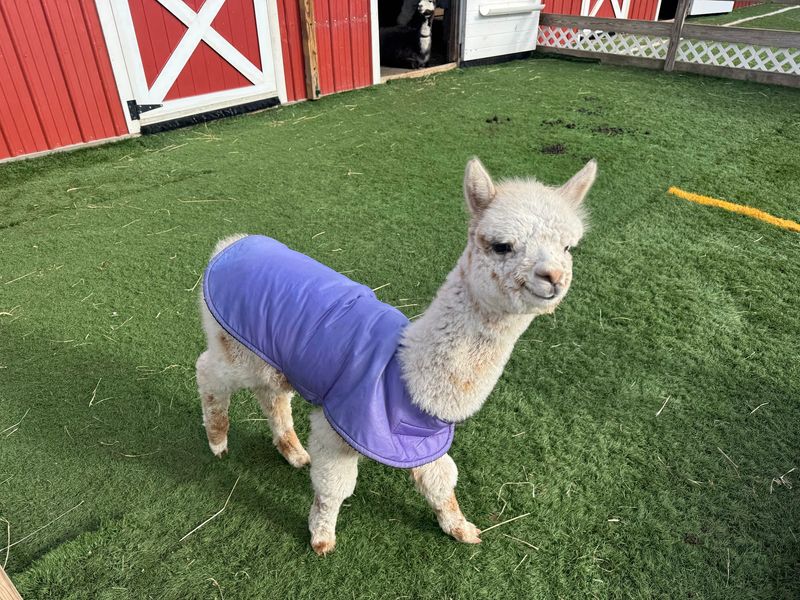
Lavender gets top billing, but alpaca fiber quietly steals some of the spotlight. The shop carries a range of alpaca products.
Socks are a popular pick for chilly months. Alpaca wool is known for warmth, which helps during a New Jersey January.
You’ll also find hats, gloves, scarves, and sweaters. Knitters can browse alpaca yarn for their own projects.
Some items are delightfully practical. Alpaca dryer balls, for example, give laundry day a fuzzy upgrade.
These goods make thoughtful gifts too. They’re especially nice for relatives who live in even colder states.
It’s fun to buy something connected to animals you just fed. The herd outside suddenly feels like part of the purchase.
The farm also sells products online. That’s helpful if you discover a favorite and run out later.
A winter visit can still be rewarding thanks to these cozy finds. The fields rest, but the shop and herd keep things lively.
Dinner Under A White Tent Beside The Blooms
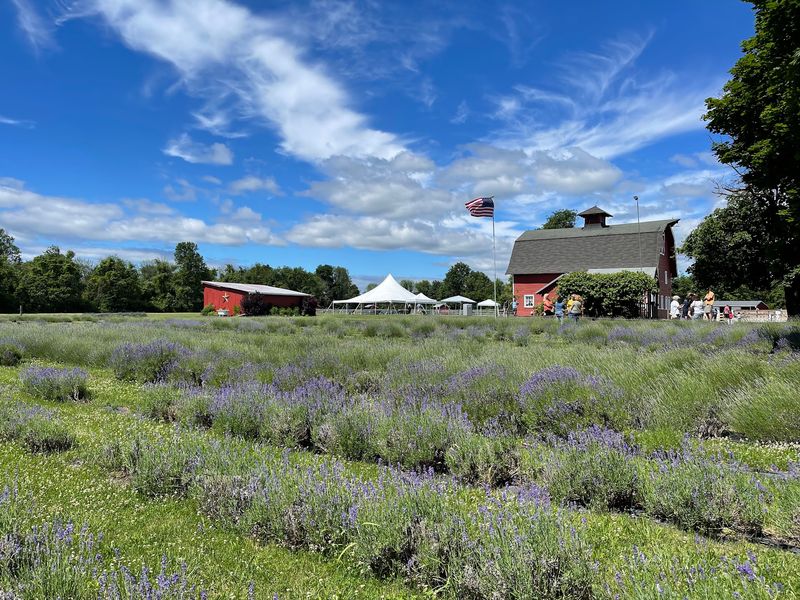
Some evenings, the farm turns into a dinner party. Outdoor themed Farm to Table dinners take place on the grounds.
Meals have been served under a large white tent beside the lavender field. Past events have included a special dinner around Mother’s Day.
Guests at these dinners have also had chances to walk the alpacas. Few dinner parties offer a fluffy escort as part of the evening.
The farm hosts private gatherings too. Weddings, birthdays, and showers can all be held here.
That’s a charming option for a milestone celebration. Lavender rows and alpacas make memorable backdrops for photos.
Sunset over the field adds another layer of magic. Evening events can catch that glow at just the right time.
Dates for special dinners change from season to season. Watch the farm’s announcements if this sounds like your kind of night.
Event hours may also differ from regular weekend hours. Always check the posted schedule before planning around a special evening.
Calm, Clean, And Easy On Little Legs
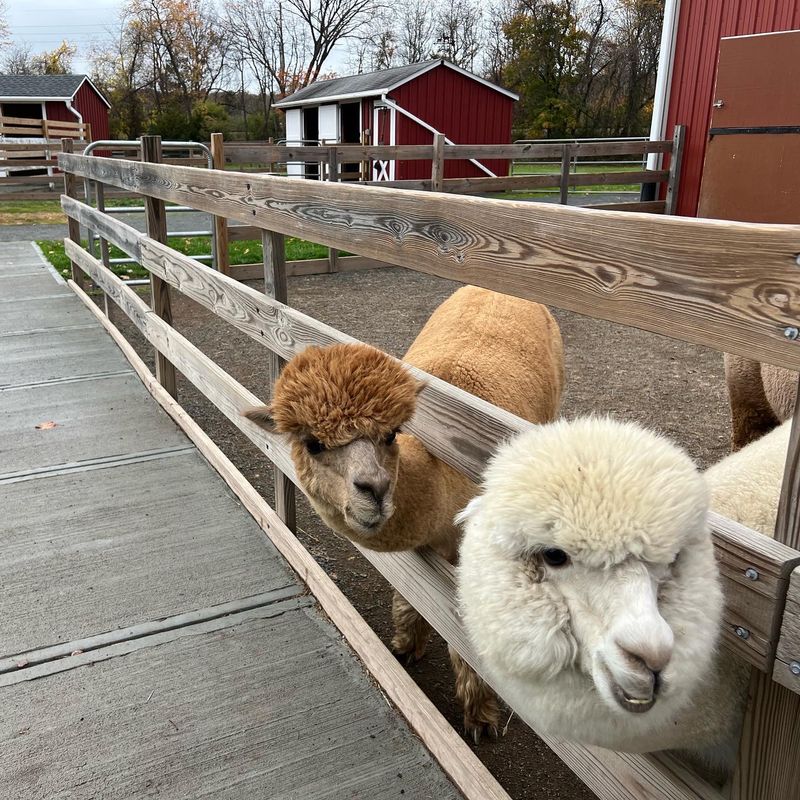
Peaceful is the word that fits this farm best. Nothing blares, flashes, or demands your attention.
The grounds are kept tidy and well maintained. Shady spots give everyone a break on sunny afternoons.
A concrete sidewalk runs from the parking lot toward the shop and barns. That can make the visit easier for seniors or anyone with mobility concerns.
Young kids tend to adore the feeding area. Grandparents often enjoy the slower pace and fragrant air.
There’s no food for purchase for humans on site. Eat before you arrive, or plan a meal nearby afterward.
Pets must stay home. The farm doesn’t allow them on the property, which keeps the alpacas relaxed.
Most visits run short and sweet. An hour or two usually covers feeding, browsing, and a stroll near the fields.
That makes it an easy add-on to a Somerset County day trip. It’s simple, gentle fun that doesn’t wear anyone out.
Weekend Hours, Free Gates, And Where To Park
Mark your calendar for the weekend. The farm opens Friday, Saturday, and Sunday from 10 AM to 4 PM.
It’s closed Monday through Thursday. Hours can change for holidays or special events, so double-check before driving out.
You’ll find it at 890 Belle Mead-Blawenburg Rd, Skillman, NJ 08558. The country roads here feel pleasantly rural for central New Jersey.
Parking is free. Admission is free too, though donations help support the animals and the fields.
Bring cash for feed bags. Small bills make the process quick and keep the alpacas happily munching.
Alpaca walks need advance reservations. Book each walker properly, since the farm keeps a firm count.
Plan your season with intention. Late June through early July brings peak bloom, while cooler months highlight cozy fiber goods.
Comfortable shoes and sunscreen help in summer. Leave the dog at home, and bring patience for photo sessions with camera-shy alpacas.
Why This Lavender Detour Earns A Spot On Your List
Sweet, simple, and a little silly in the best way. That sums up Hidden Spring Lavender & Alpaca Farm nicely.
Free admission sets a friendly tone right away. A couple of dollars for feed buys plenty of joy.
The lavender delivers when the timing lines up. Fifteen varieties in bloom make early summer the prime moment to visit.
The alpacas deliver all year. Their fluffy faces and curious personalities keep visitors grinning in any season.
I believe the real charm is the family behind it. Nearly two decades of care show in the fields, the herd, and the handmade products.
It won’t fill an entire day. Still, it fits beautifully into a relaxed weekend drive through New Jersey farm country.
Book a walk if you can snag a spot. Walking beside an alpaca through a fragrant farm is not something most people get to say they’ve done.
Then grab a bar of lavender soap on the way out. Your car will smell like the farm all the way home.