Picture a big white owl from the Arctic sitting calmly on a sandy beach, with city towers rising across the water behind it. That scene really happens in Illinois, and it surprises almost everyone who sees it for the first time.
The spot looks small and quiet on a map, yet it turns out to be one of the most memorable nature stops in the state. If you are curious about where birders go to watch, keep reading, because the answer is closer than you might think.
A Wild Hook of Land on Chicago’s North Side
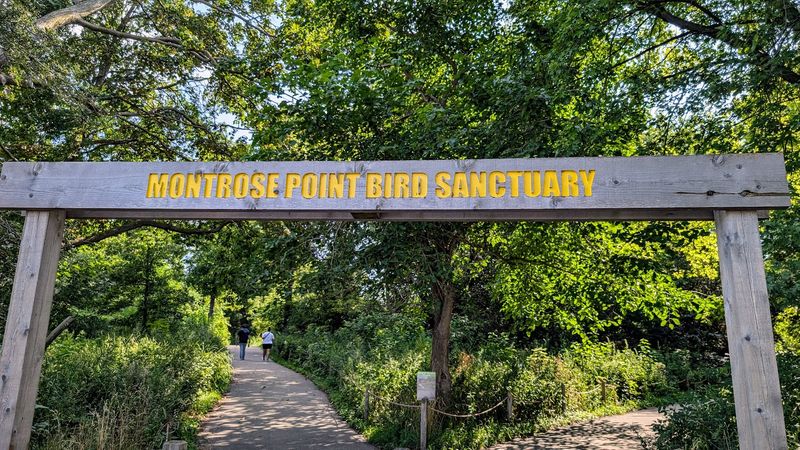
Tucked along the shore of Lake Michigan, Montrose Point Bird Sanctuary sits in the Lincoln Park area of Chicago, right off the lakefront. It is officially listed as a bird watching area, and the park district describes it as a preserve for migrating songbirds and butterflies.
On a map, the point looks like a little thumb of land poking into the lake. That shape matters more than you might guess.
Birds flying along the shoreline see it as a natural resting stop, especially after crossing open water.
Visitors often call it an urban oasis, and the label fits. One minute you are near busy streets, and the next you are on a quiet path lined with prairie plants and trees.
Many people say it feels like a hidden gem, even though it sits inside one of the biggest cities in the country.
Nearby you will also find Montrose Harbor and a sandy beach, so the sanctuary is part of a larger lakefront area. Still, the sanctuary itself has its own calm personality, and that is what keeps birders coming back year after year.
Fifteen Acres of Prairie and Woodland
Size can fool you here. The sanctuary covers just over 15 acres, which does not sound like much, yet regulars say there is a surprising amount of nature packed into that small space.
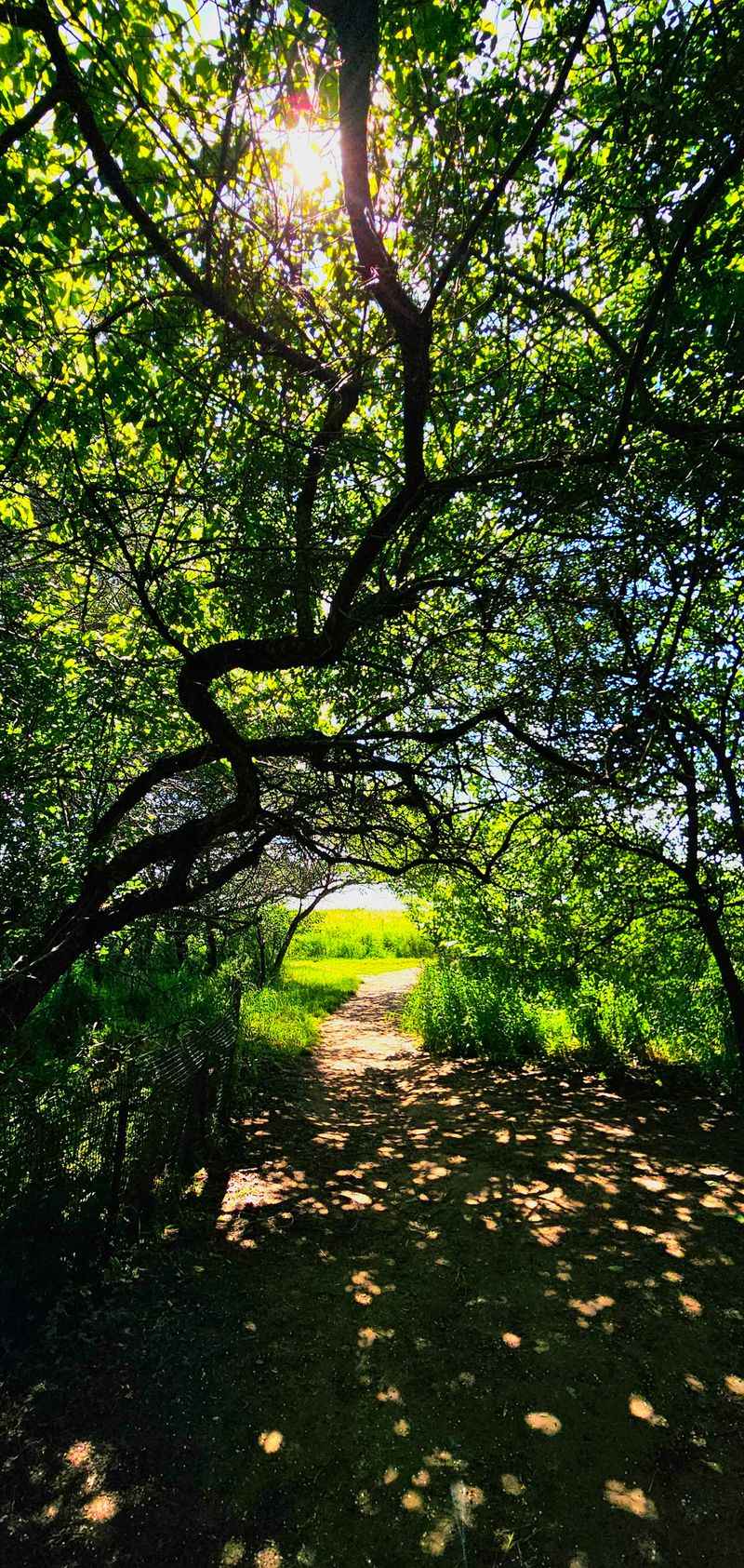
A paved path loops through natural prairie and patches of woodland. Along the way, tall grasses give way to shady tree-lined trails, and side branches lead off for anyone wanting extra quiet.
Some visitors mention wading through foliage in certain spots, which gives the walk a wilder feel. Others describe it as taking a forest bath, breathing deeply and listening to birds sing overhead.
The mix of habitats is the secret. Prairie, shrubs, and trees each attract different creatures, so a short stroll can show you a lot of variety.
Think of it as a sampler plate of Illinois landscapes, all served right beside the lake.
Winter Visitors from the Far North
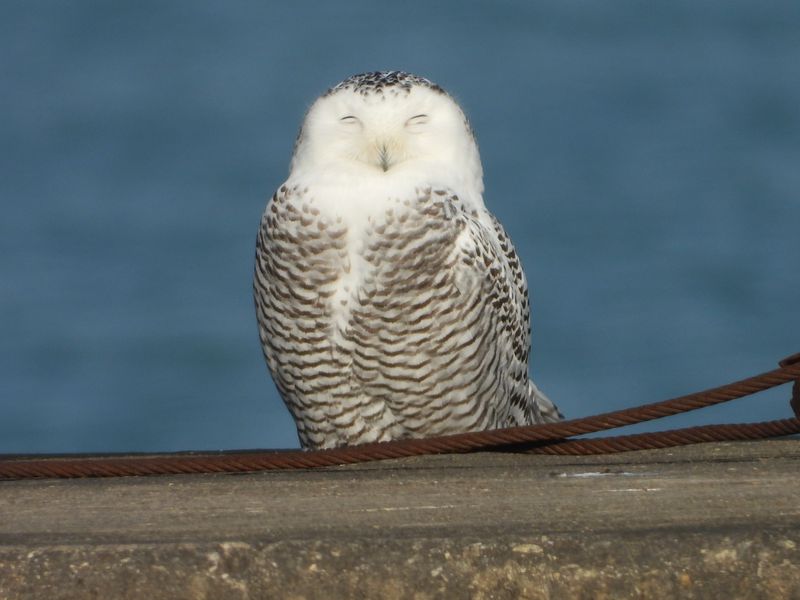
Bright white feathers against gray winter sand make a snowy owl hard to miss once you know where to look. These big owls nest in the Arctic, and some travel south when the cold months arrive.
Montrose Point is one of the places where they show up. One visitor shared that they made a special trip after hearing two migrating snowy owls were hanging out at the sanctuary, and they did get to see them.
For many birders, that sighting counts as a lifer, meaning the first time they have ever seen that species. Word spreads quickly among bird fans when owls appear, and people gather to watch from a respectful distance.
Fun fact: snowy owls hunt in daylight more than many other owls, which helps explain why lucky visitors can spot them sitting out in the open. Bring patience and warm layers, and give these northern guests plenty of space.
The Concrete Breakwater Lookout
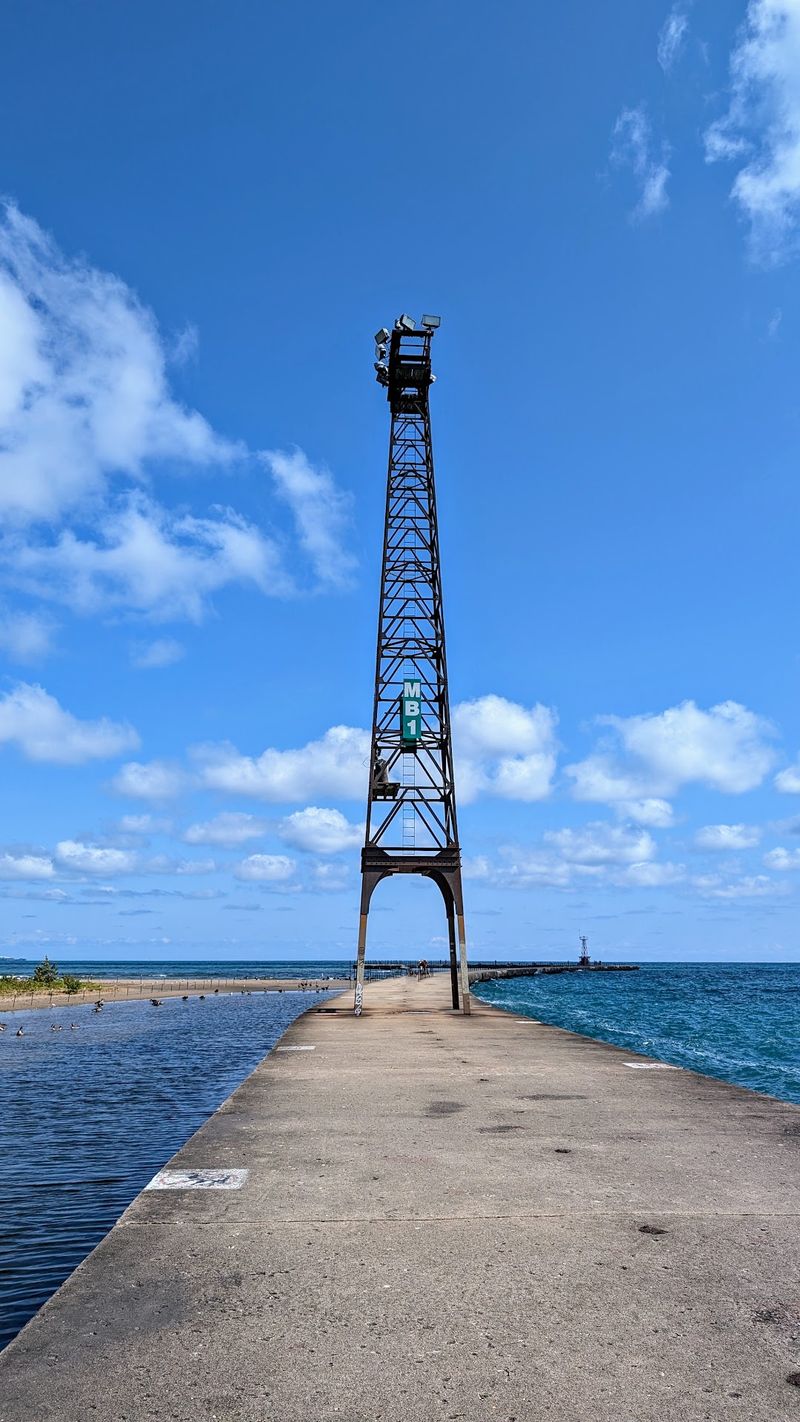
Ask a regular where to stand, and many will point toward the water. Walking out onto the concrete breakwater gives you a wide view of the lake and plenty of bird activity.
Visitors say they have seen many different species from this spot. Gulls are common, and the open view makes it easier to scan the shoreline and the waves.
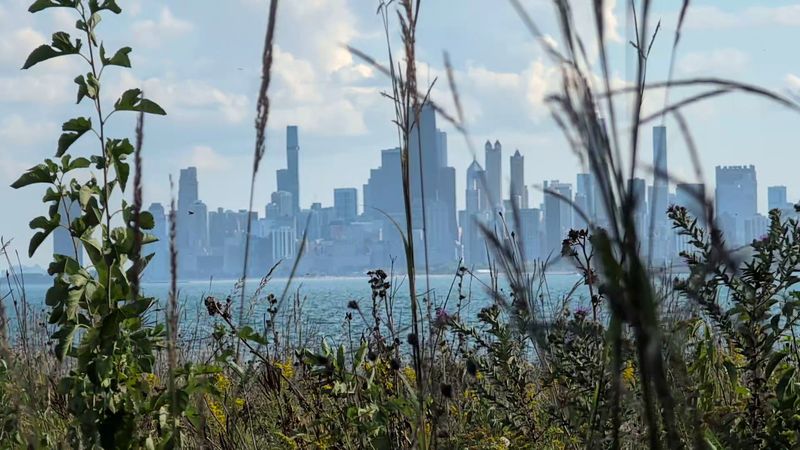
The pier also offers a great look back at the Chicago skyline. That combination of birds in front and towers in the distance is part of what makes photos from here so special.
Wind off the lake can be strong, especially in winter. Dress for it, keep your footing steady, and you will understand why so many birders treat this concrete edge as their favorite lookout.
Piping Plovers on the Protected Dunes
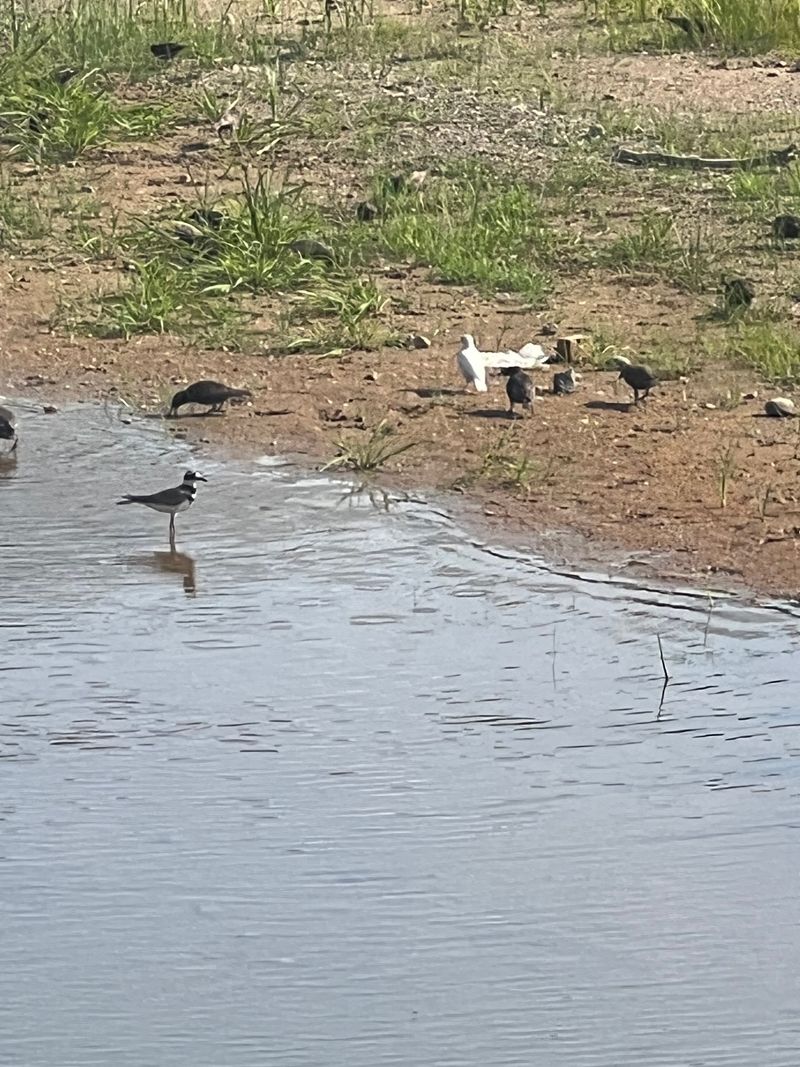
Tiny, sand-colored, and very loved, piping plovers are local celebrities here. The sanctuary serves as a seasonal home for these shorebirds.
One visitor described the real showstopper as seeing a plover pair with three fuzzy little chicks. Another mentioned planning to return in spring hoping to see them after an owl trip in winter.
Some dunes are roped off to protect nesting birds. Those barriers are there for a reason, so please stay on the open paths and admire from outside the lines.
Plovers are a great reminder that the sanctuary changes with the calendar. Owls in winter, plovers in warmer months, and something new waiting each time you visit.
Songbirds, Warblers, and a Red-Winged Chorus
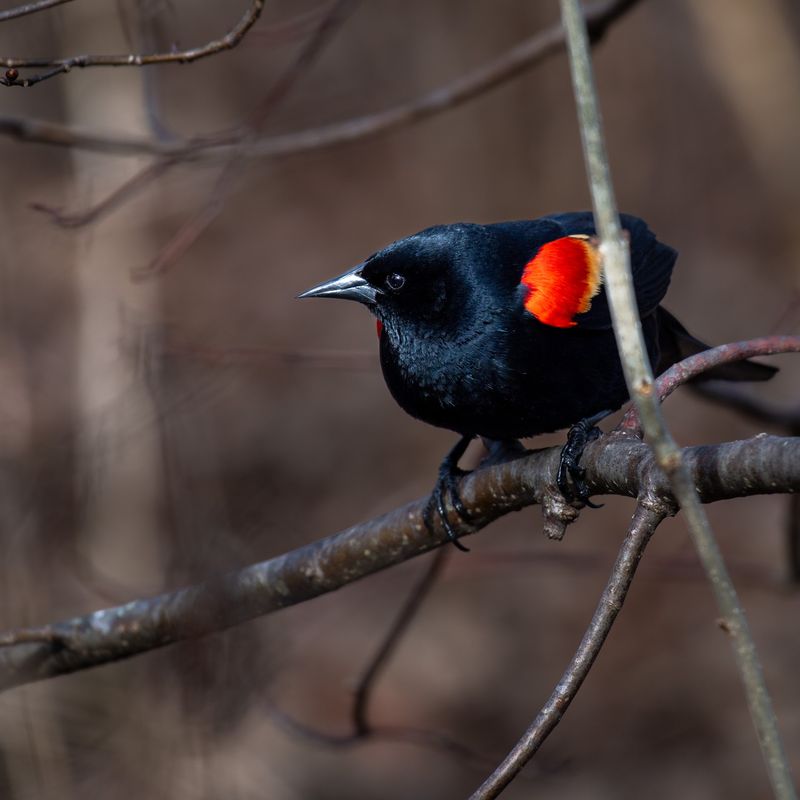
Listen before you look. In warmer months, red-winged blackbirds are among the loudest residents, and visitors mention seeing tons of them.
The list does not stop there. People report cowbirds, starlings, sparrows, robins, grackles, woodpeckers, and warblers, plus the occasional swallow that surprises even experienced watchers.
Because the point is an oasis for migratory birds, spring and fall can bring a steady stream of travelers stopping to rest and refuel. Regulars say you can watch birds eat, drink, and sing right in front of you.
Not sure what you are hearing? One visitor suggests the Merlin app, which can help beginners identify birds by sound or sight.
It makes the experience friendly for newcomers and experts alike.
Butterflies, Bees, and Blooming Wildflowers
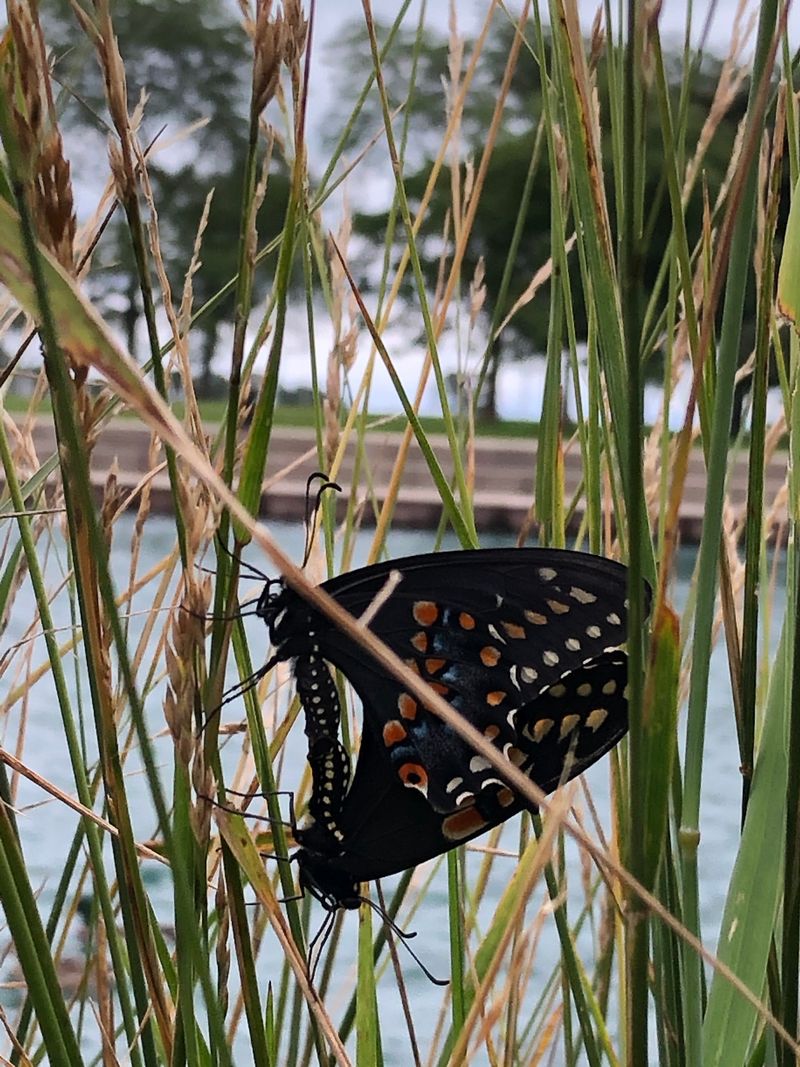
Feathers get most of the attention, but wings of another kind steal the show in summer. The sanctuary is known for butterflies, and monarchs are a favorite sight.
Native plants like bee balm add bright color to the prairie. Visitors describe buzzing bees and fluttering monarchs that make the whole field feel alive.
Wildflowers come up often when people talk about this place. They bring the pollinators, and the pollinators help keep the habitat healthy for birds too.
If you love macro photography or just enjoy colorful flowers, a slow summer walk here is a treat. Pause by the blooms for a minute and watch how busy that small patch can be.
Surprise Guests Beyond Birds
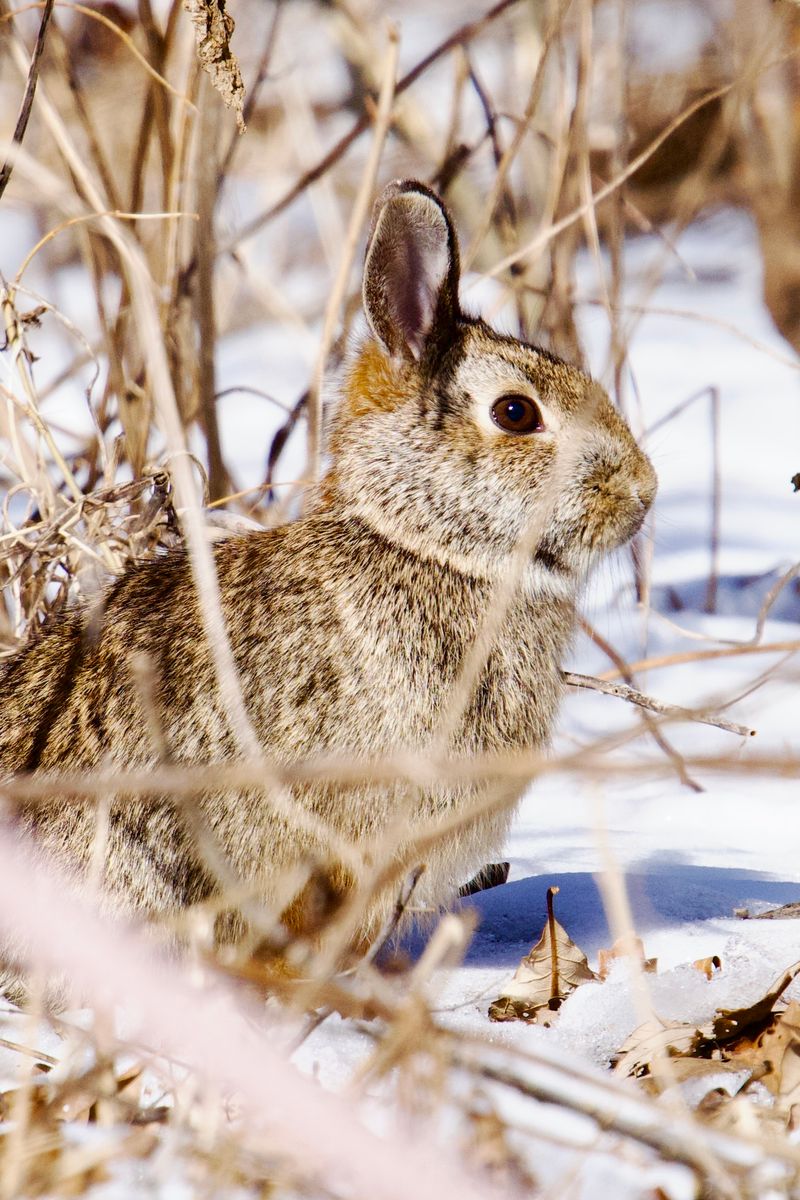
Sometimes the best moment has nothing to do with birds at all. One lucky visitor spotted two deer passing through, and a friend who visits often said she had never seen one there.
Smaller critters are more common. People mention bunnies, squirrels, and chipmunks darting along the paths, and one group even noticed a sleeping bat.
A few visitors have watched birds fly down to land on a person’s open hand when that walker had treats. Moments like that show how close you can get to wildlife in the middle of a city.
Keep your eyes moving and your voice low. The calmer you are, the more you tend to see.
Skyline Views That Steal the Spotlight
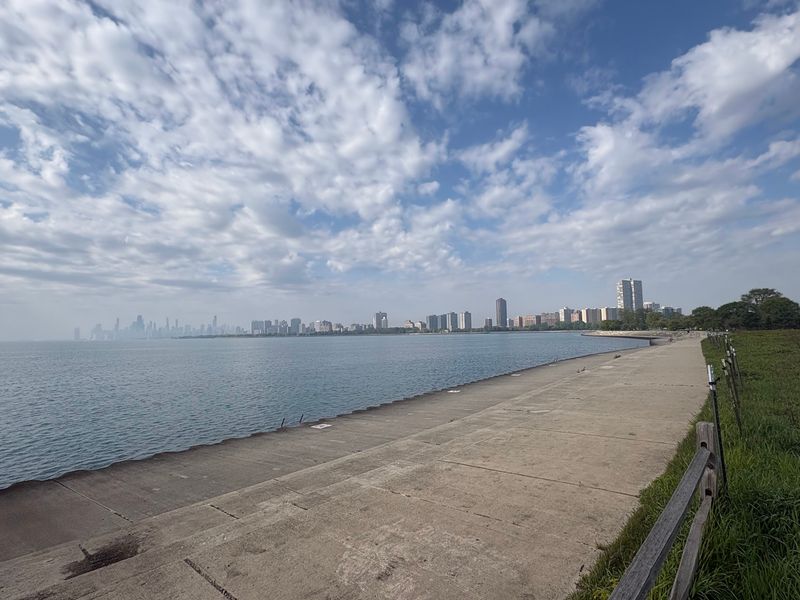
Here is a twist: one of the most talked-about features of a bird sanctuary is a view of skyscrapers. Visitors mention the skyline again and again.
At the end of the walking path, you reach the shore of Lake Michigan. From there, downtown Chicago spreads across the horizon, and the contrast with the wild prairie behind you is striking.
Photographers love it. Wildlife shots with city towers in the background are hard to find anywhere else, and families say it is a great place for pictures together.
Go near sunrise or late afternoon for softer light. Even without a single bird in the frame, the scenery is worth the walk.
Peaceful Mood and Who Will Love It
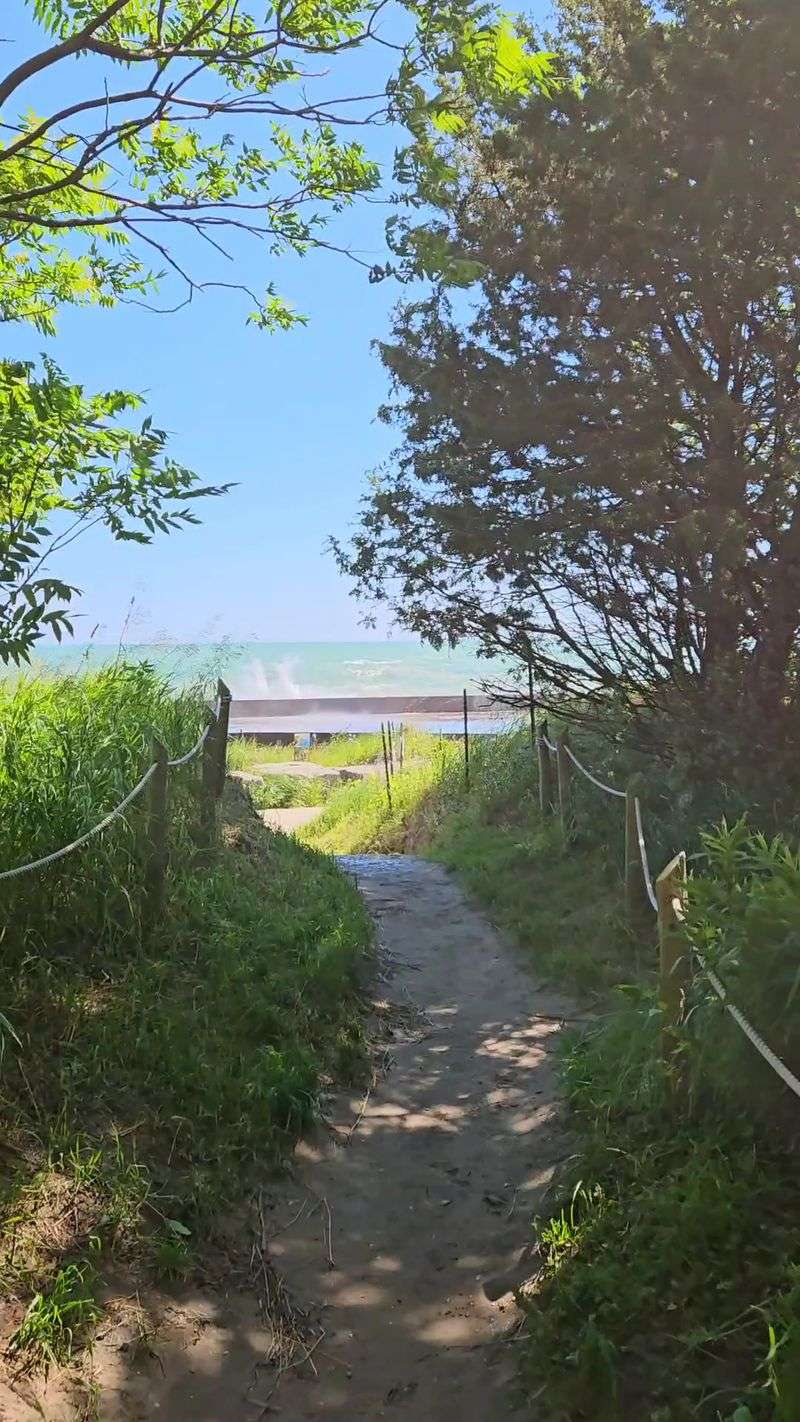
Peaceful is the word visitors use most when describing the sanctuary. People call it a great escape from city noise and a place to seek calm in a busy life.
Birders feel right at home, and regulars say it is a lovely spot to meet fellow bird fans. Folks tend to respect each other’s space, which keeps the mood relaxed.
Nature lovers who do not know a sparrow from a starling enjoy it too. Families come for pictures and walks, and the main paths work well for strollers and wheelchairs.
Avian photographers, casual walkers, and anyone who needs a quiet hour will all find something here. Just remember it is a wildlife space, so keep things low-key.
Beach, Harbor, and Food Nearby
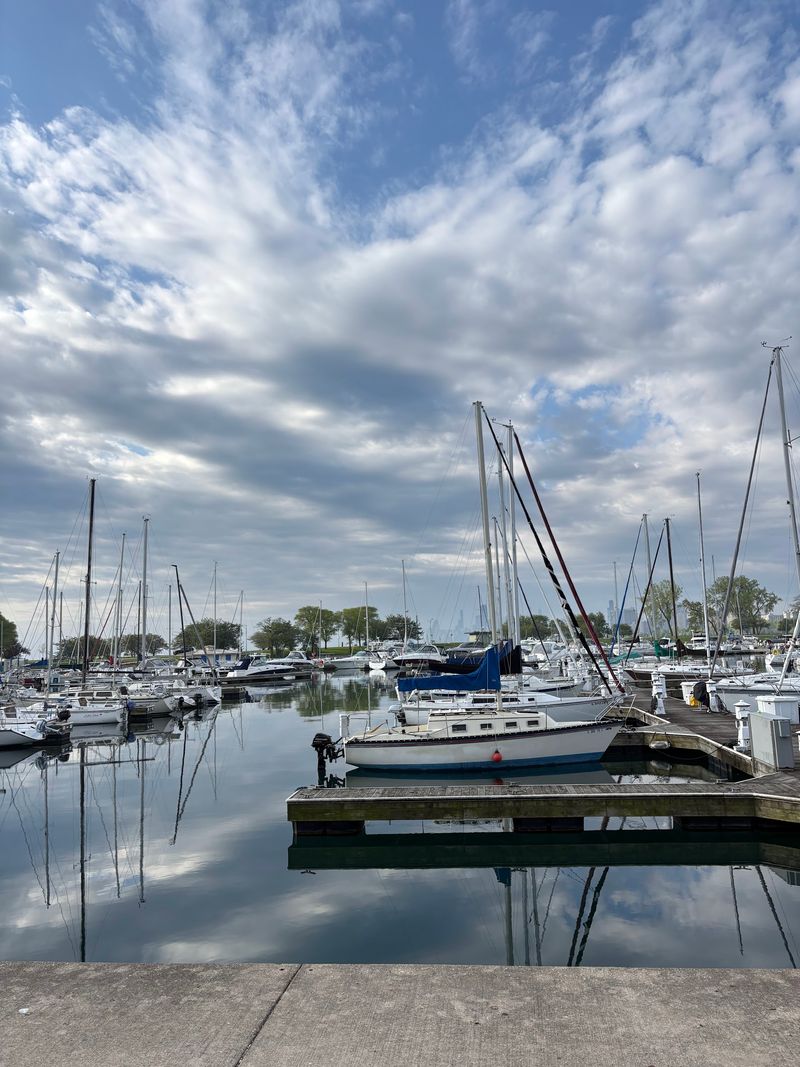
Want to stretch your visit into a full day? The sanctuary sits beside a sandy beach and Montrose Harbor, both popular for strolling.
Visitors mention grassy areas with open space to hang out, plus a paved trail that keeps going with fantastic city views. There is also a spot called The Dock with a sit-down dining area serving American-style food that visitors call tasty.
Some people mention activities like dance and concerts in the broader area during busy seasons. That gives the lakefront a lively side to balance the quiet sanctuary.
A good plan is birds first, then a beach walk, then a meal by the water. It is an easy recipe for a satisfying Illinois day trip.
Hours, Parking, and Getting In
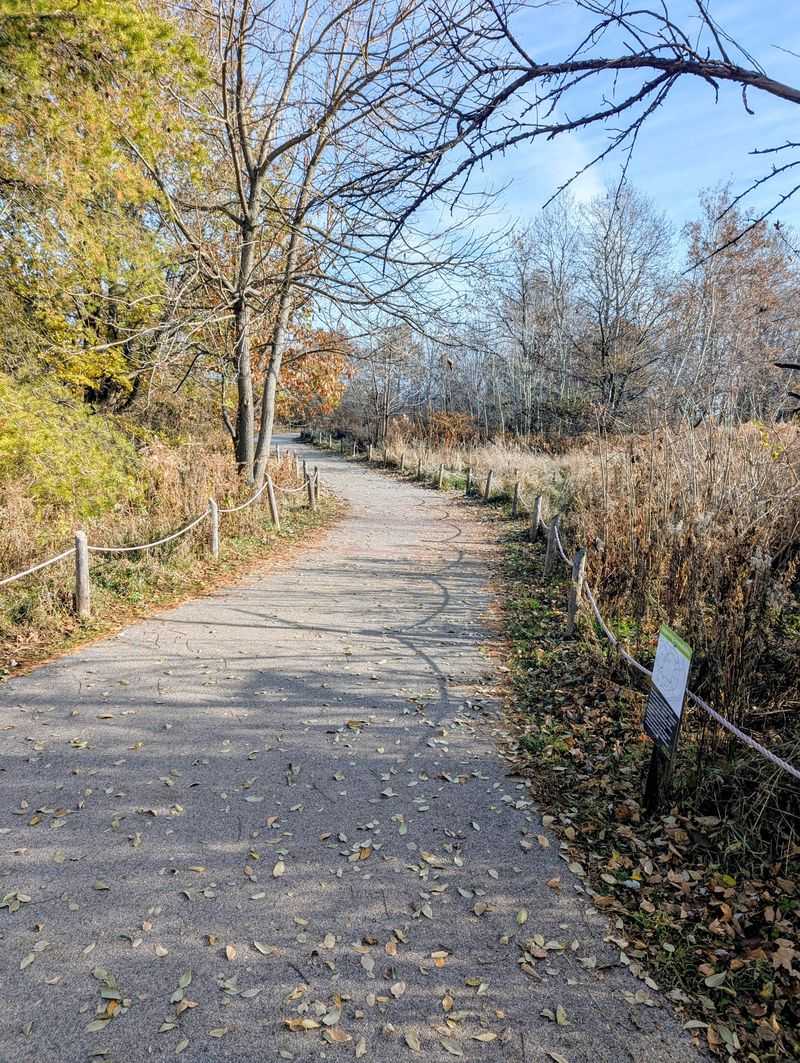
Good news first: there is no entrance fee for the bird sanctuary, according to visitors.
Hours run from 6 AM to 8 PM every day of the week. Early mornings are a smart choice for birding, since birds are often most active then.
Parking is available at the main entrance of Montrose Harbor. Some street parking is free, while other spots charge a small fee.
Weekends can be tricky, and one visitor called parking a hassle on a busy weekend. Arriving early helps, and it also rewards you with quieter paths.
For the latest details, check the Chicago Park District website before you head out.
A Point Worth Watching in Every Season
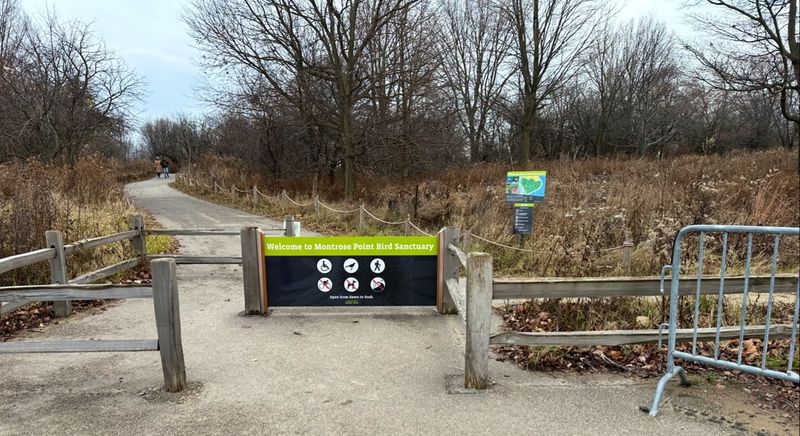
One visitor summed it up nicely: every season here offers something different. That might be the best reason to come back again and again.
Winter can bring snowy owls from the Arctic. Spring and fall fill the trees with migrating songbirds, and summer adds plovers, butterflies, and wildflowers.
All of it happens on a small point of land with free entry, easy paths, and a skyline view that never gets old. For Illinois travelers looking for a fresh weekend outing, it is hard to beat.
So pack binoculars, dress for the lake breeze, and head to the point. You may leave with a new favorite bird, or at least a calmer mind.