A patch of bamboo planted in the 1950s to shelter honeybees through the winter never stopped growing. Today it covers about two acres, and its stalks can shoot past 30 feet tall.
That alone would be worth a trip. Then you learn the whole place costs nothing to enter, and parking is free too.
Walking paths wind through the grove, and the air inside often feels noticeably cooler.
I love that this sits in central New Jersey, a short hop from busy highways and college crowds. It belongs to a larger public garden with flowers, evergreens, a creek and quiet wooded trails.
You can wander for an hour or lose a whole afternoon.
I can’t imagine a cheaper way to feel like you’ve left the state for a bit. So where exactly is this green tunnel hiding?
A Free Botanical Escape Hiding On A College Campus
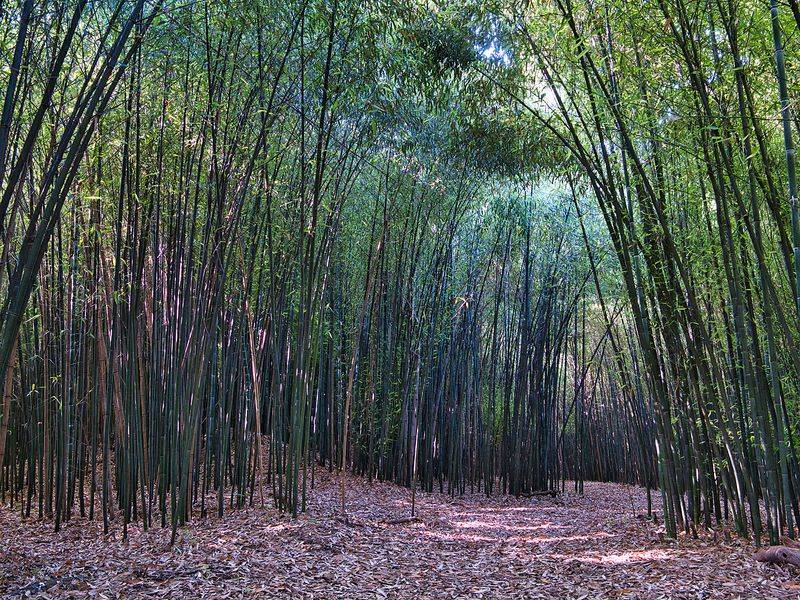
Rutgers Gardens is the official botanical garden of Rutgers University, and anyone can stroll right in. You don’t need a student ID, a membership card or a gardening degree to enjoy it.
The grounds sit on the Rutgers-New Brunswick campus in New Jersey. Yet once you park, the dorms and lecture halls feel very far away.
Admission is free, and donations help care for the plants and natural areas. Parking is free as well, with a main lot and extra overflow spaces nearby.
So what will you find here? Cultivated display gardens, a towering evergreen collection, open fields, a creek and miles of shaded paths fill the property.
The real headliner, though, is the bamboo forest. It’s the spot many people come for first, and honestly, it’s easy to see why.
Benches dot the gardens, and plenty of them rest in the shade. That makes it friendly for slow walkers, grandparents and anyone who simply wants to sit with a book.
Many trees and plants carry name placards too. You can learn a little botany without even trying, which feels like a sneaky bonus for curious kids and adults alike.
Two Acres Of Green Stalks That Swallow The Sunlight
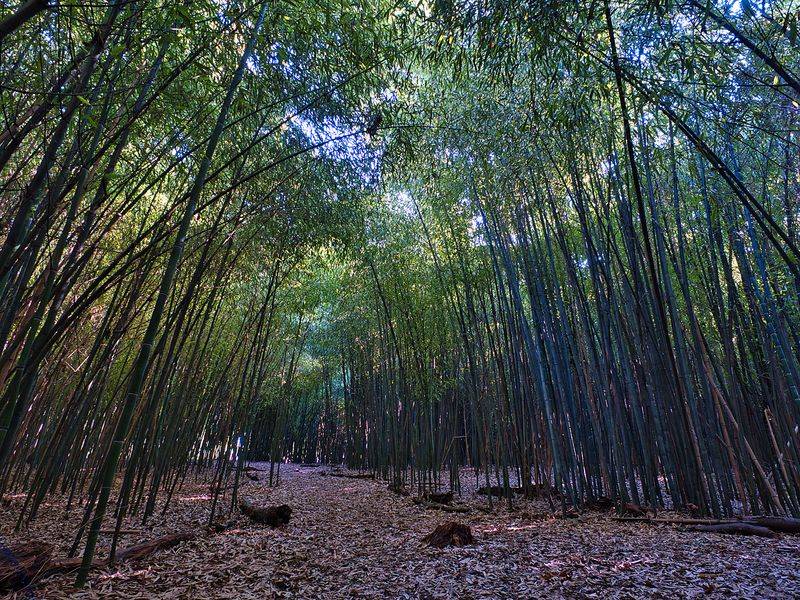
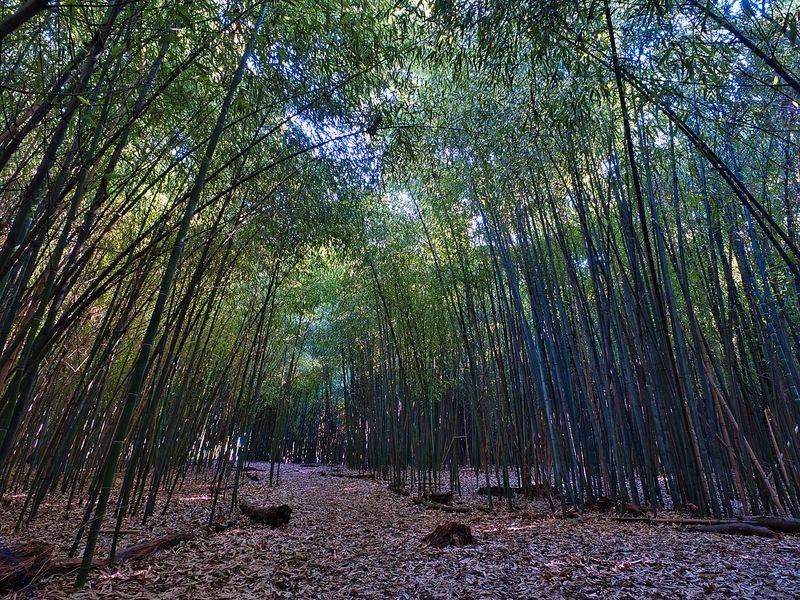
Step onto the path and the bamboo closes in on both sides like a living hallway. The grove stretches across roughly two acres, so it’s far more than a quick photo stop.
Winding trails loop through the stalks in a way that invites slow wandering. Sunlight filters through the thick canopy and lands on the ground in shifting patches.
Many people notice a cool change in the air once they’re inside. On a sticky New Jersey summer day, that shade can feel like nature’s own air conditioning.
The look is so unexpected that it can feel like a movie set. Some folks compare it to scenes from martial arts films, which says a lot about the mood.
Photographers tend to love the long, vertical lines of green. Kids usually just love the feeling of being swallowed by a giant plant maze.
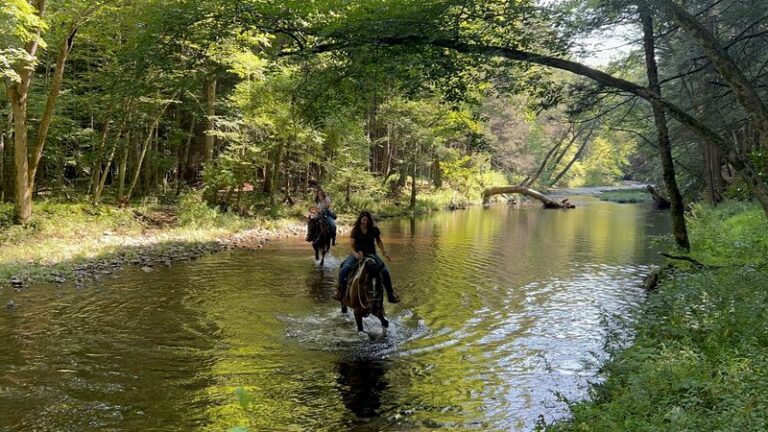
A creek runs nearby, and some routes cross over it. Closed-toe shoes are a smart call here, since the ground can be uneven and slippery after rain.
Go slowly and look up often. The tops of those stalks are a long way overhead.
How A Cozy Shelter For Honeybees Got Totally Out Of Hand
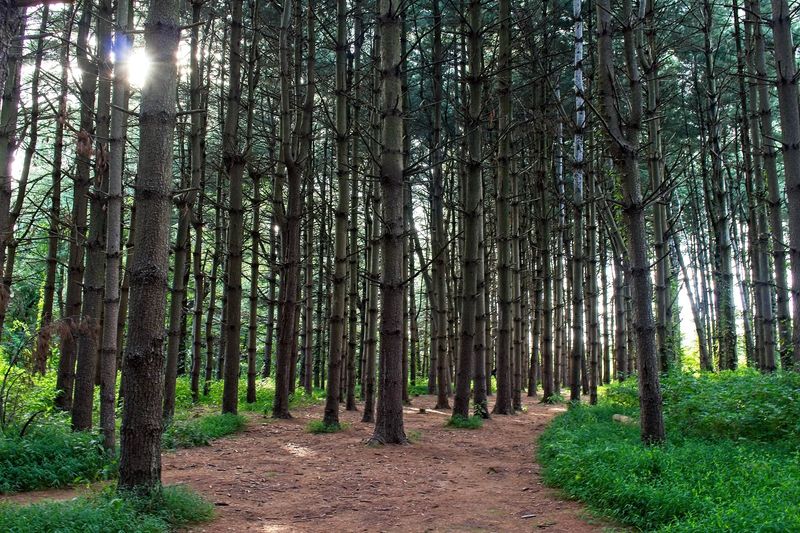
Nobody planted this grove hoping to build a jungle. Back in the 1950s, a small patch of bamboo went into the ground to protect honeybee colonies during winter.
The idea was practical and pretty clever. Dense bamboo can block cold wind, giving hives a sheltered corner when temperatures drop.
Bamboo, however, had bigger plans. Over the decades, that modest windbreak spread and spread until it filled about two acres.
I like how the whole story feels like a garden project that simply refused to stay small. It’s the plant version of a puppy that grew into a very large dog.
Today, the bees are no longer the main characters. The grove itself has become one of the most talked-about features at Rutgers Gardens.
That humble origin makes the place feel even more charming. A research-minded fix for chilly hives turned into a free attraction for families across New Jersey.
Next time you walk the paths, think about those first few stalks. Every towering culm around you traces back to a little winter shelter for bees, which is a pretty great fun fact to share with the kids.
Fresh Culms That Rise Taller Than A Three-Story Building
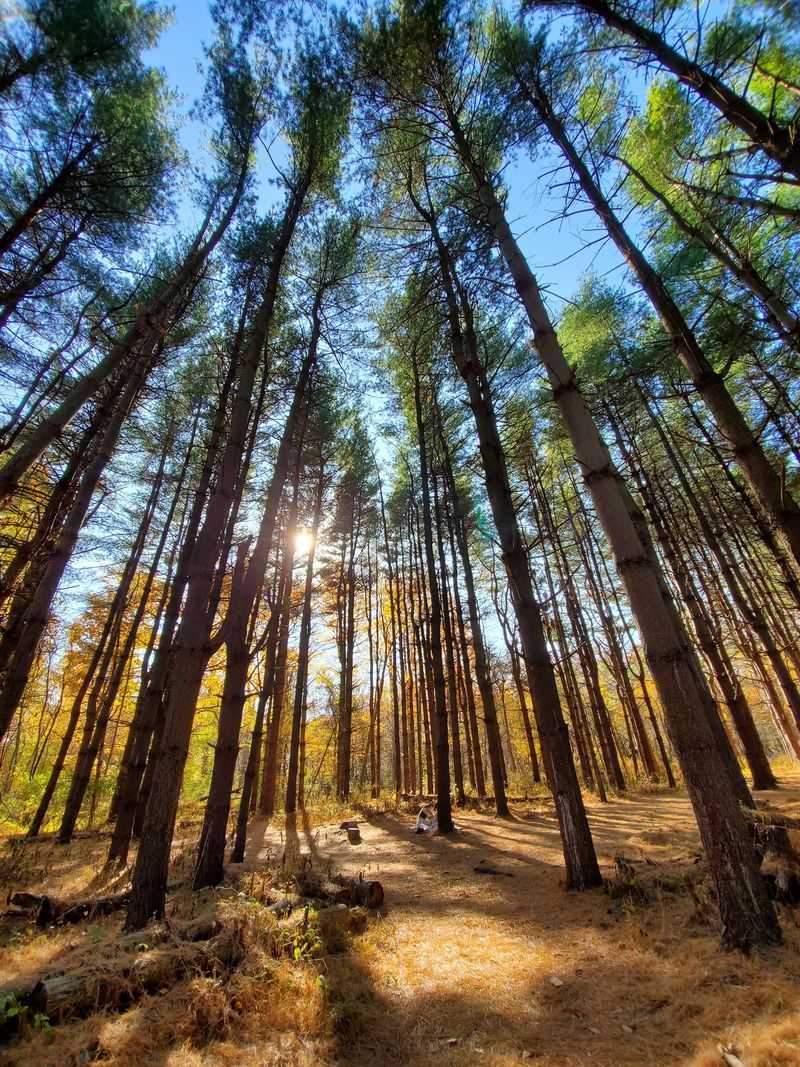
Here’s a word worth adding to your vocabulary: culm. That’s the botanical name for a bamboo stalk, and this grove is packed with them.
New culms push up from the ground each season. Some can reach more than 30 feet high, which is taller than many houses.
That steady growth means the forest is always renewing itself. The grove you see this year won’t look exactly like the one from a few years ago.
Tilt your head back while standing among the stalks. The canopy feels impossibly high for something that technically counts as a grass.
Yes, bamboo is part of the grass family. Your backyard lawn would probably feel very underachieving if it heard that news.
Plants here are living things, so please leave them as they are. Picking, cutting or removing plants is not allowed anywhere on the grounds.
Instead, let the camera do the collecting. A wide-angle shot pointed straight up can capture just how tall these culms really get.
Kids may enjoy guessing how many of them stacked together would match one stalk. Spoiler alert, it takes quite a few.
Peach Research Roots And Depression-Era Buildings Still Standing
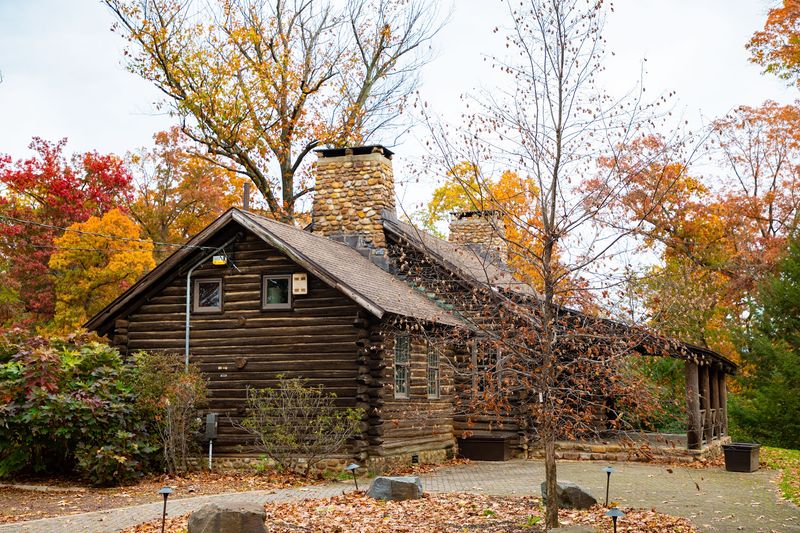
Long before the bamboo, this land was all about peaches. Rutgers Gardens got its start in 1916 as Horticultural Farm No. 1, a site focused on peach-breeding research.
Ornamental displays began joining the mix in the early 1920s. Bit by bit, a working research farm turned into a garden people visit for beauty.
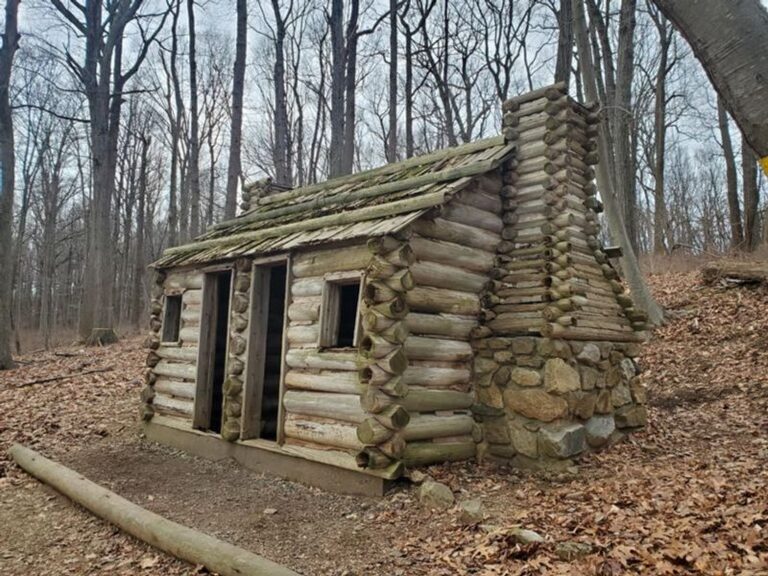
Some of its most charming history still stands on the grounds. The Log Cabin was built in 1936 by the Works Progress Administration.
Nearby, the Holly House dates to the early 1930s. The Civilian Conservation Corps built it during the same tough economic era.
Those two programs put people to work across the country. Seeing their handiwork here gives the garden a quiet sense of Jersey history.
In fact, the street address itself honors that cabin. The gardens sit at 130 Log Cabin Road in New Brunswick, which feels fitting.
History buffs can pair a bamboo walk with a peek at these old structures. It’s a neat way to show kids that public parks often carry stories from generations ago.
More than a century later, the property is still growing and changing, just like its famous grove.
One Of America’s Biggest Holly Collections Plus Weeping Pines
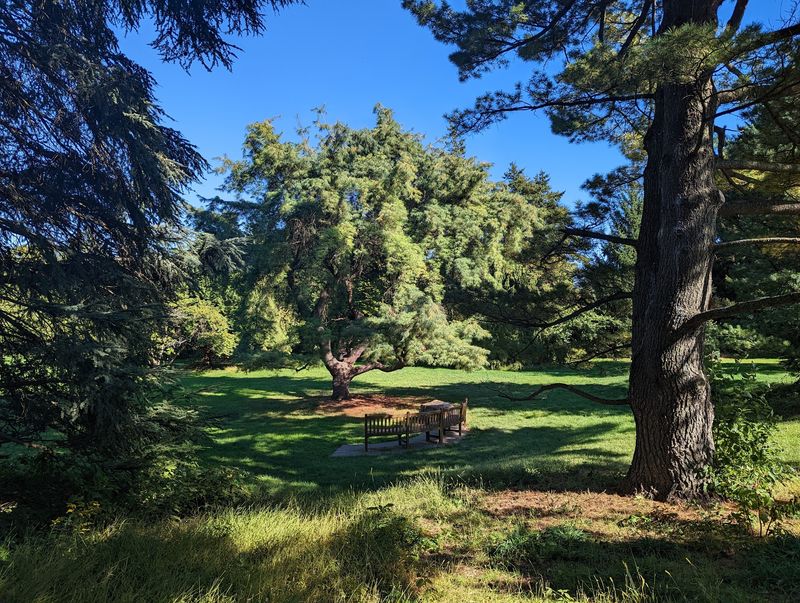
Hollies might not sound thrilling until you hear the scale. Rutgers Gardens holds one of the largest collections of American hollies in the United States.
That’s a big claim for a free garden in central New Jersey. It also means winter visits can still deliver plenty of green and, often, bright berries.
Evergreen lovers should head to the Roy H. DeBoer Evergreen Garden.
Weeping white pines and an assortment of conifers create a very different kind of forest feel.
Some of the spruces and firs on the property look truly ancient. Their size makes a strong case for slowing down and simply staring upward again.
The pine areas and the bamboo grove make a fun pairing. One feels soft and drooping, while the other feels tall and tight.
Not every corner is picture perfect, since a small staff cares for a big property. Still, the evergreen spaces reward anyone who enjoys texture, shade and quiet.
Bundle up in colder months and you might have these paths mostly to yourself. Cold air, deep green needles and zero entry fee add up to a pretty sweet deal.
Bright Flower Beds Buzzing With Bees And Butterflies
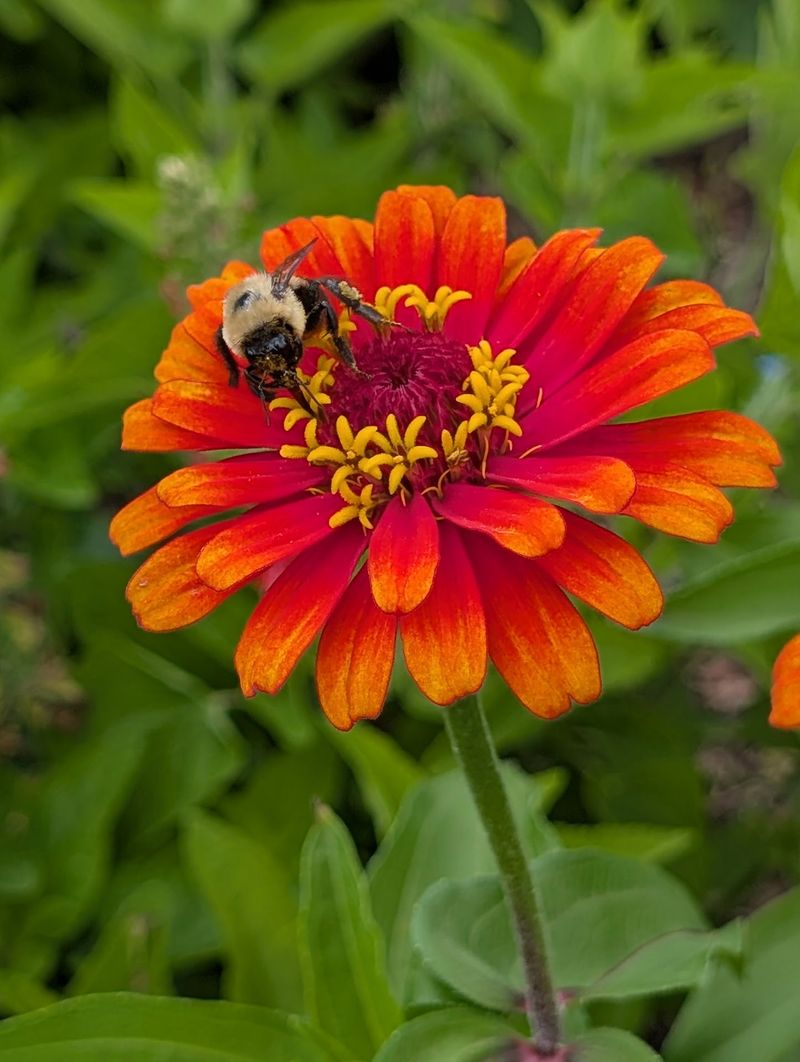
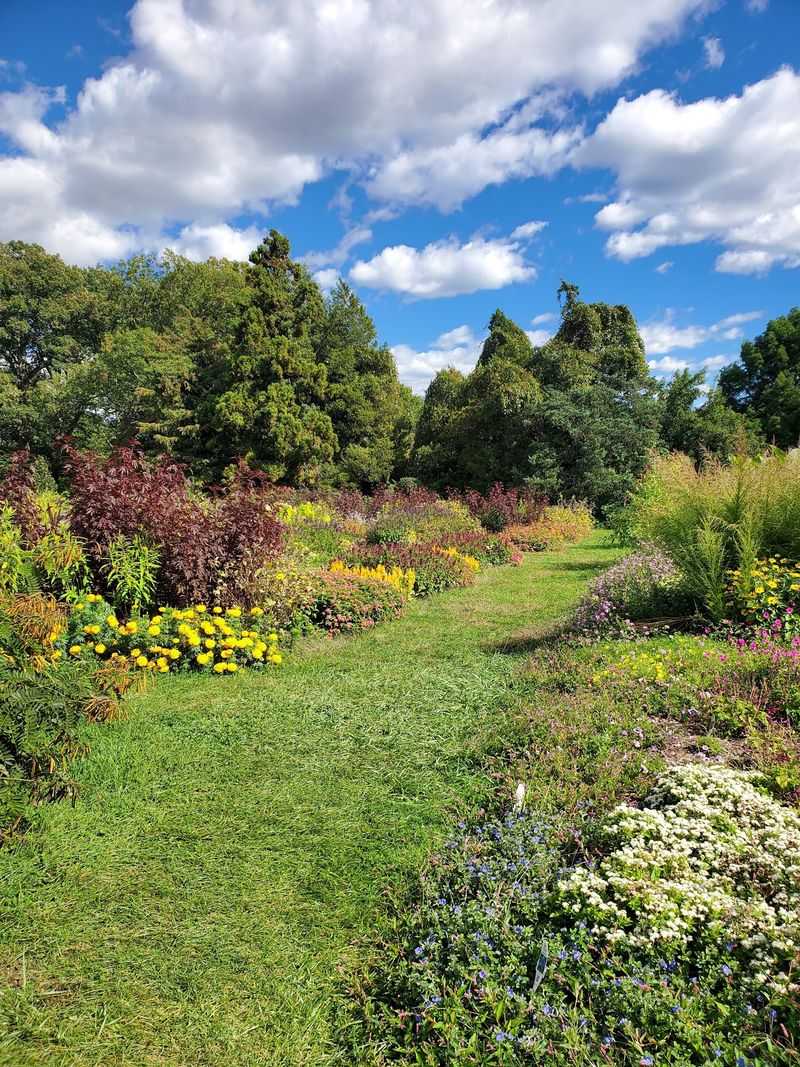
Color takes over in the warmer months, and the Donald B. Lacey Display Garden leads the show.
Annuals, tropical plants and irises fill its beds with bold shades.
Flower lovers will want to keep going. The Rhododendron and Azalea Garden adds small trees and groundcovers to the mix.
On a sunny day, pollinators often join the party. Bees and butterflies can be busy among the blooms, giving kids a living science lesson.
Many plants carry name labels, so you can learn what you’re admiring. It’s a nice touch for anyone who can’t tell an iris from an azalea.
Spring and summer tend to bring the richest displays. Fall still offers color, though some beds naturally fade as the season winds down.
A lily pond adds another layer of charm. Frogs may even chime in with their own croaky soundtrack.
Bring a camera, because the flower areas are popular for photos. Families, couples and even maternity shoots have used these beds as a backdrop.
A hat and water make sense in July and August. The flower gardens get more sun than the shady bamboo trails.
Nearly 60 Acres Of Woodland Trails Next Door
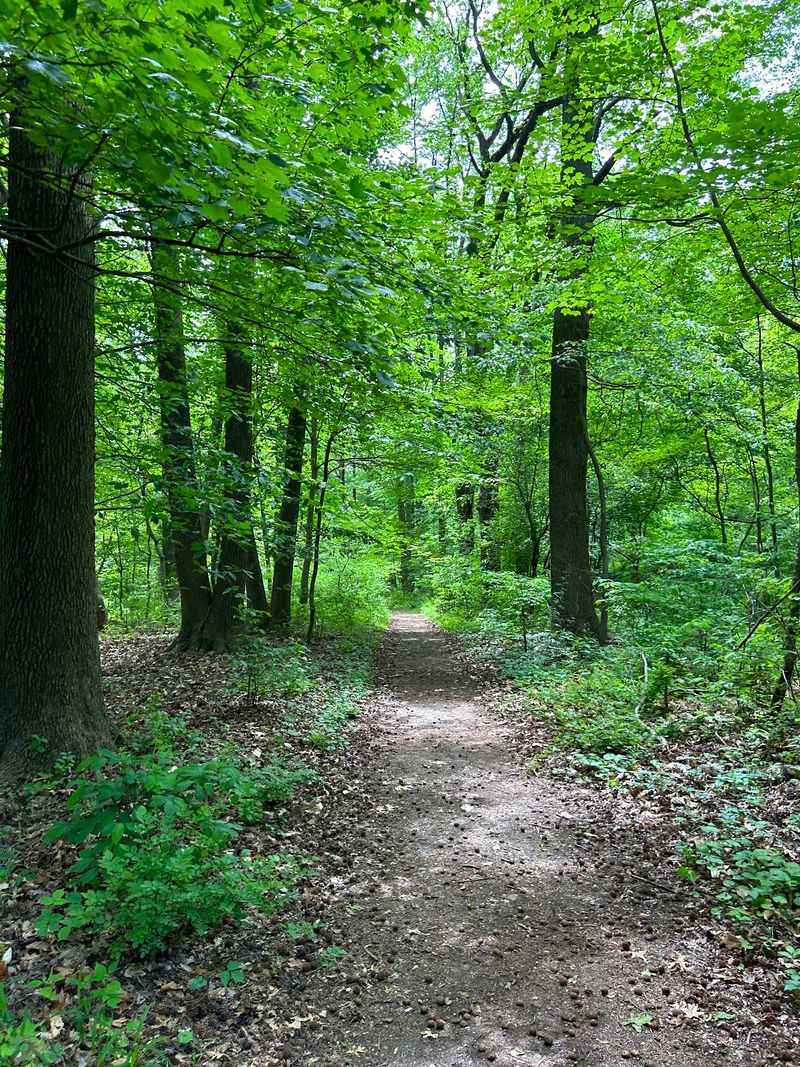
Just when you think you’ve seen it all, the woods open up. Frank G.
Helyar Woods sits beside the gardens and spans nearly 60 acres.
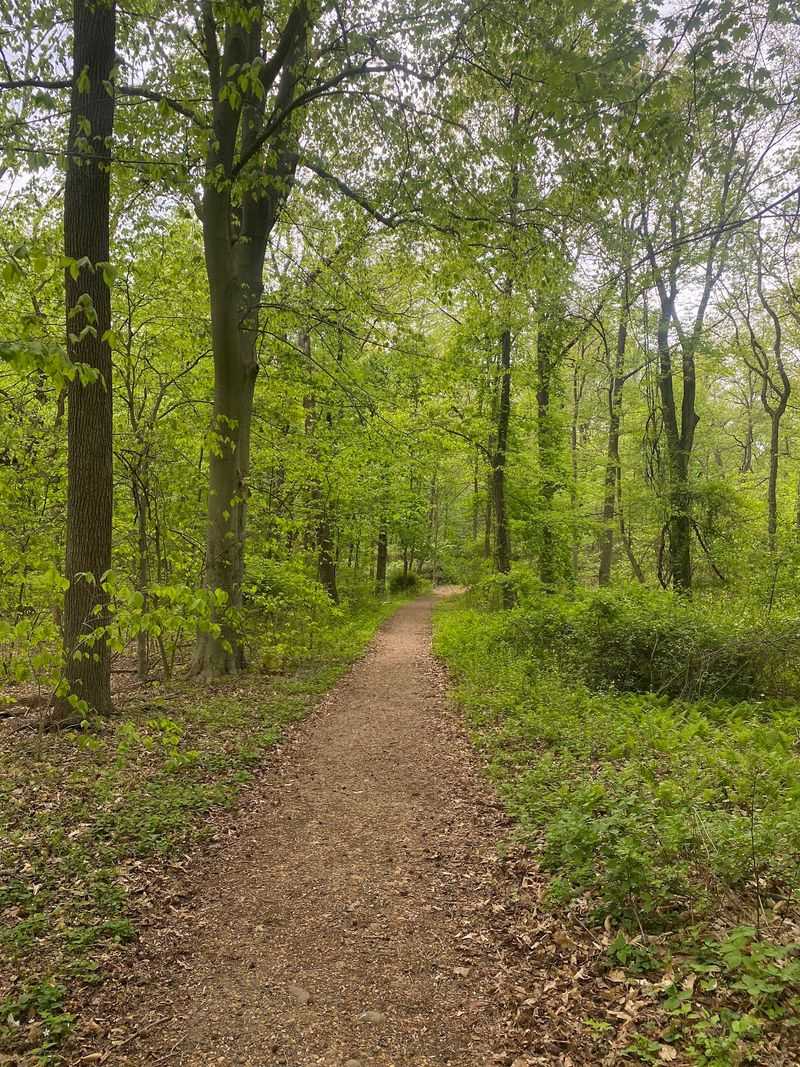
Trails here lean more toward a nature walk than a manicured stroll. Some paths follow along the water, while others wind deeper under the trees.
For a state known for traffic jams, this feels refreshingly far from the Turnpike. The quiet can be the best part of the whole visit.
Expect natural footing, not sidewalks. Stone paths, grass and dirt can turn uneven or slick, especially after rain.
Sturdy shoes help a lot. Downed trees sometimes block a route, so stay flexible and stick to open paths when needed.
Ticks and mosquitoes may be around in warmer months. Bug spray and long socks are smart additions to your bag.
Wildlife sightings can add a little magic too. A heron gliding low overhead would make anyone pause mid-step.
Pair the woods with the bamboo grove for a fuller adventure. Together, they make Rutgers Gardens feel much bigger than its parking lot suggests, and every step remains free.
Giant Chairs, Leashed Pups And A Friday Farmers Market
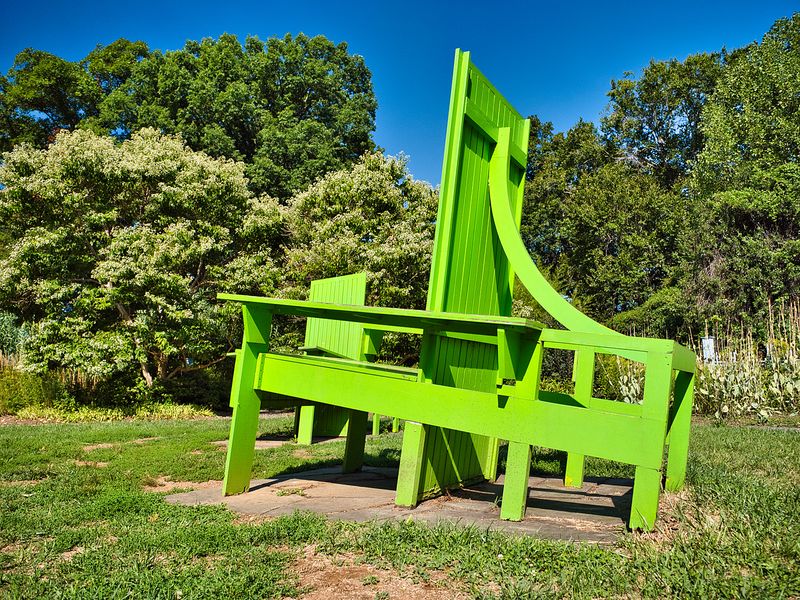
Kids tend to spot them right away: huge green Adirondack chairs that make grown-ups look tiny. They sit in the Edwin J. and Ida M.
Otken Memorial Garden and are a favorite photo stop.
Go ahead and climb in for the family picture. Nobody leaves without at least one silly shot.
Dogs are welcome too, as long as they stay on a leash. Owners are expected to clean up after them, which keeps the paths pleasant for everyone.
Picnics are allowed, though there are no picnic tables. A blanket on the grass or a shady bench works just fine.
Fridays get an extra treat in season. The Rutgers Community Farmers Market runs from May through November.
Shoppers can find organically grown vegetables from the Rutgers Gardens Student Farm. Local farmers and makers often round out the selection.
Grab your goodies, then take a lap through the gardens. Turning a quick market run into a bamboo walk is a pretty excellent upgrade.
It’s the kind of low-cost outing that pleases toddlers, teens and grandparents at once, which is rare enough to celebrate.
Timing, Parking And A Few Simple Ground Rules
Plan around Mondays, because that’s the one day the gardens stay closed. The rest of the week, gates open at 8 AM.
Current listings show closing at 5 PM, though warmer months have historically run later. Check the schedule before you go, since gates lock right at closing time.
Set your GPS for 130 Log Cabin Road, New Brunswick, NJ 08901. The main lot is small, but overflow parking usually picks up the slack.
Weekend afternoons may get busier, so mornings can feel calmer. Either way, parking and admission are both free.
The gardens follow a carry-in, carry-out policy. Whatever trash you bring, take it home with you.
Restroom options can be limited, and portable units sometimes fill in. A quick stop before arriving might save some grumbling in the back seat.
Pack water, sunscreen and bug spray for summer days. Closed shoes are your best friend on uneven trails.
No guided tours are needed to enjoy the place. You simply wander at your own pace, which suits New Jersey families who like a relaxed, do-it-yourself day out.
Why This Free Green Tunnel Deserves A Spot On Your Weekend List
Some outings cost a fortune and still leave everyone cranky. Rutgers Gardens costs nothing and might send the whole crew home calmer.
The bamboo forest alone makes the drive worthwhile. Two acres of towering culms, born from a winter shelter for bees, is a story kids won’t forget.
Then come the bonus rounds. Historic WPA and CCC buildings, a major holly collection and colorful display beds keep things interesting.
Nearly 60 acres of woodland trails wait for anyone with extra energy. Shady benches wait for anyone without it.
Every season brings a different mood. Spring blooms, summer shade, fall foliage and winter evergreens all give you a reason to return.
It’s not a theme park, and that’s the point. Nobody hands you a map or a schedule, so curiosity sets the pace.
I believe that kind of freedom is rare, especially in a busy state like New Jersey. Here, a quiet grove of giant grass can reset an entire week.
So grab some sneakers, a water bottle and maybe the dog. The bamboo has been growing for decades, and it’s still waiting for you.