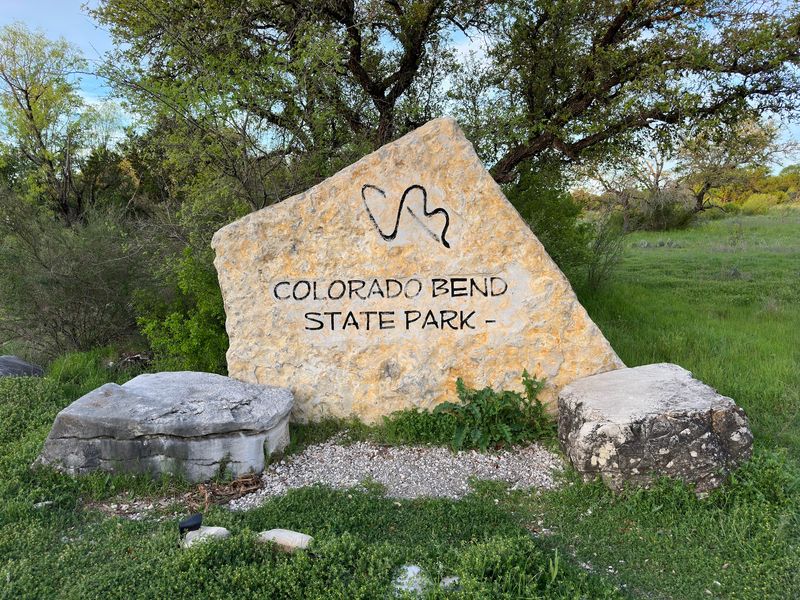
You drive past cows, curvy roads, and miles of quiet ranch land, wondering if you made a wrong turn. Then the trail drops into a green canyon, and you hear water pouring down a cliff in the middle of dry Texas hill country.
Below your feet, hundreds of caves wait in the dark like a secret the land has kept for ages. It is the kind of place that makes you hungry for more trails, more swimming holes, and more quiet days far from the city.
A Riverside Wilderness Northwest of Austin
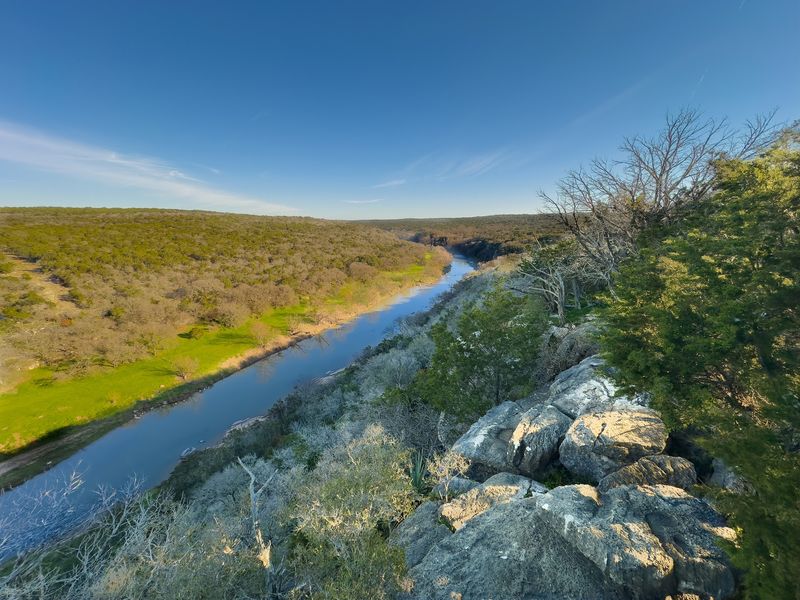
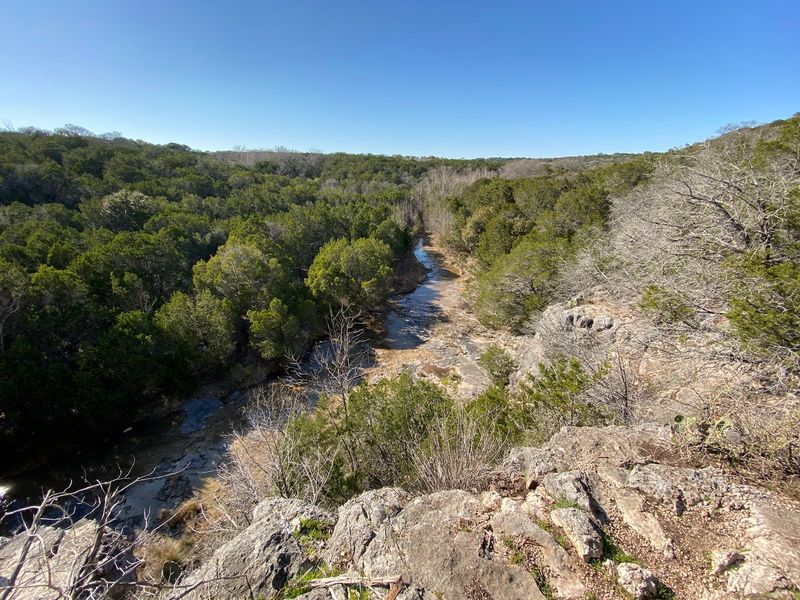
Roughly two hours northwest of Austin, the Colorado River bends through a patch of Texas that still feels wild. Colorado Bend State Park covers about 5,328 acres of caves, trails, springs, and riverbank near the small community of Bend.
The park sits at 2236 Park Hill Dr, and it is not the kind of spot you stumble upon by accident. You go on purpose, and you usually leave planning a second trip.
Visitors keep coming back for three big reasons: a living waterfall called Gorman Falls, a network of more than 400 known caves and karst features, and the sheer quiet. On weekdays especially, people report seeing only a handful of other hikers over several hours.
Think of it as a sampler platter of the Hill Country. You get river frontage for fishing and paddling, spring-fed pools for cooling off, and a trail system big enough to fill a whole weekend.
The Long, Lovely Road to Headquarters
Count the cows. Seriously, that might be the first activity of your visit, because livestock wander near and sometimes onto the narrow, winding roads leading in.
From the entrance, it is about six miles to park headquarters. Guests describe the drive as relaxing and scenic, with deer popping up along the way and the river views growing as you go.
Cell service can be spotty out here, which only adds to the sense that you have left regular life behind. Download maps before you lose signal.
Drivers should also keep an eye on the speed limit. Some parts of the park are posted at 20 miles per hour, and rangers do patrol, even at sunset when the roads look empty.
One more heads-up for RV owners. Campers longer than about 25 feet may struggle with a very sharp turn before the campsites, so plan to stay nearby if your rig is big.
Gorman Falls, the Living Waterfall
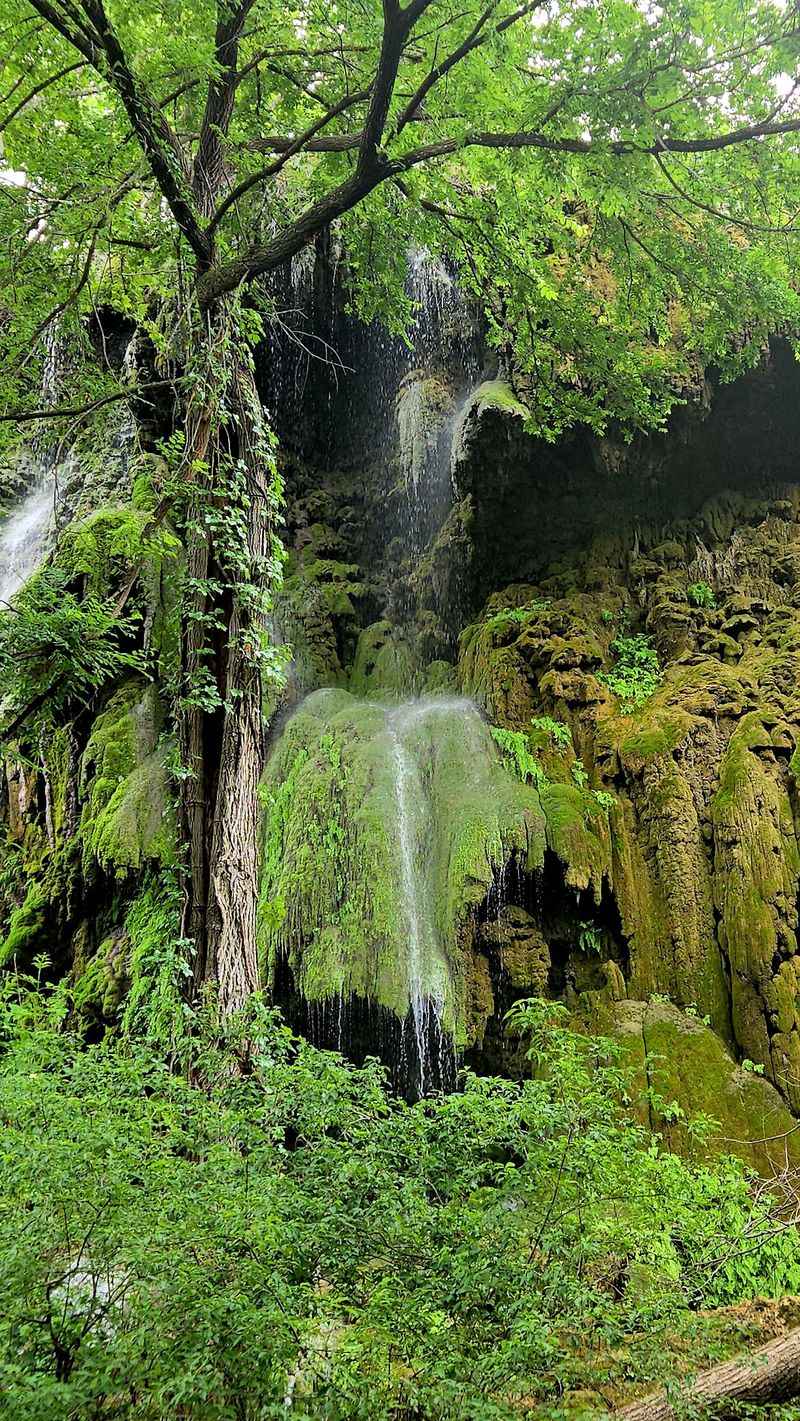
Here is a waterfall that is still growing. Mineral-rich spring water at Gorman Falls keeps leaving behind calcium carbonate, slowly building travertine formations that look like moss-draped stone.
The falls tumble around 60 to 70 feet down a curved cliff, and the whole wall drips with maidenhair ferns and bright green moss. After hiking through dry, cactus-dotted land, it feels like stepping into a tiny jungle.
Many call it the crown jewel of the park, and plenty of hikers say the trip was completely worth the effort. Even in January, some visitors found two streams flowing.
Because the formations are so fragile, the area right around the falls is roped off. Admire from the viewing spots, snap your photos, and let the sound of water do the rest.
Cables, Rocks, and the Gorman Falls Trail
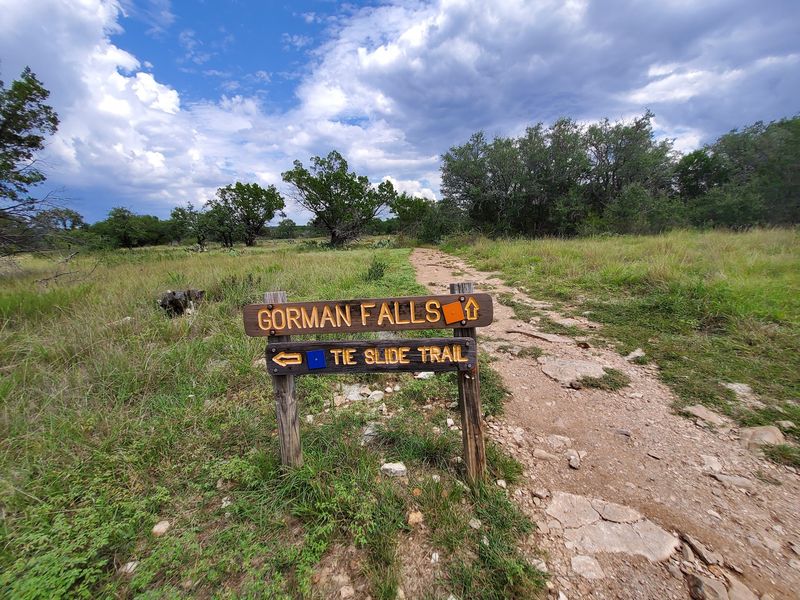
Three miles round trip sounds easy on paper. Hikers who have done it would like a word.
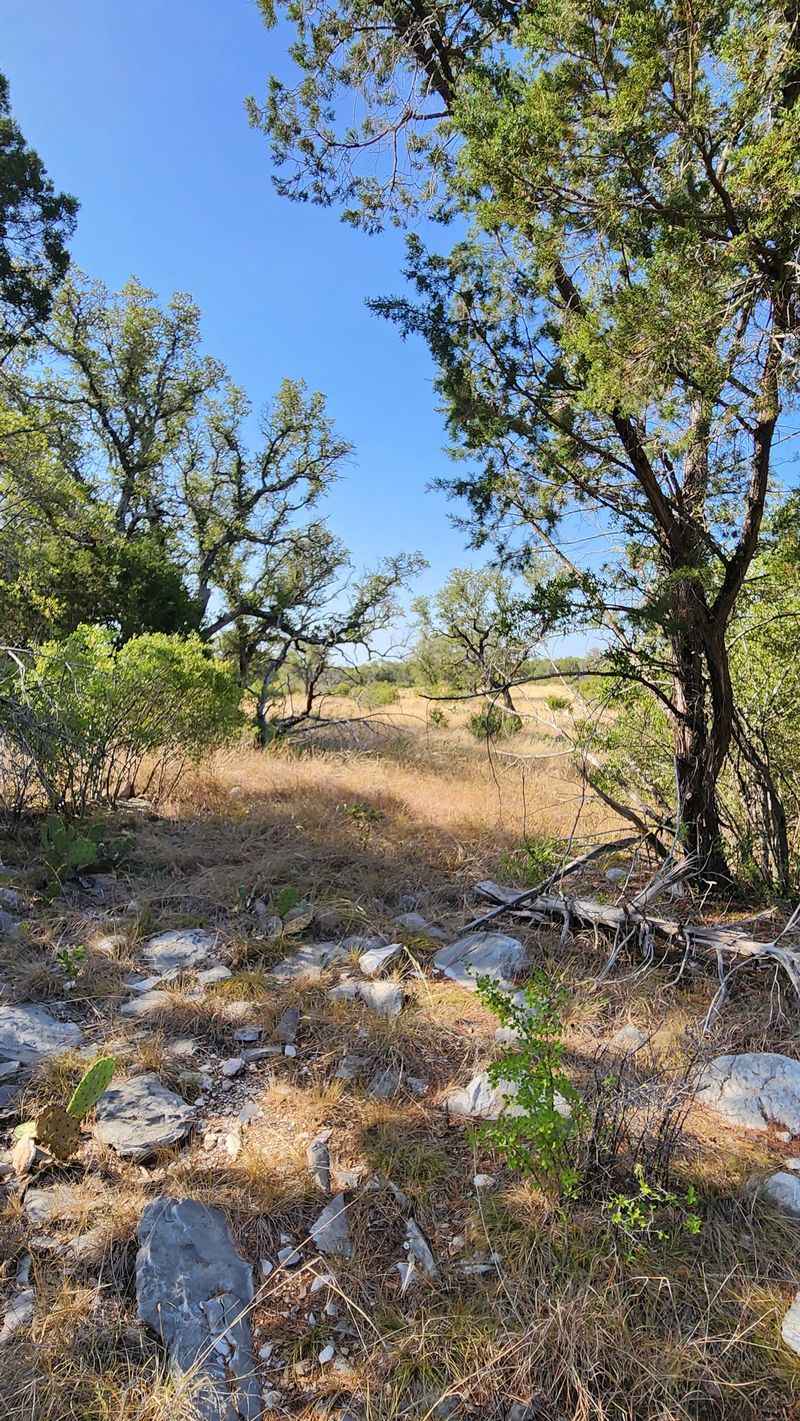
The trail starts out open and sunny, crossing limestone and cactus country. Then it slips into thicker woods before a steep final descent to the falls, where cable handrails help you over slick rock.
Those cables are no joke, according to more than a few visitors. Watch your footing, hold on, and take your time.
The climb back out tends to surprise people most. It is steep, so rest as needed and bring more water than you think you need.
On the bright side, weekday parking at the trailhead is usually plentiful. In spring, blooming cactus and even wildlife sightings make the walk feel like part of the show.
Hundreds of Caves Beneath the Hills
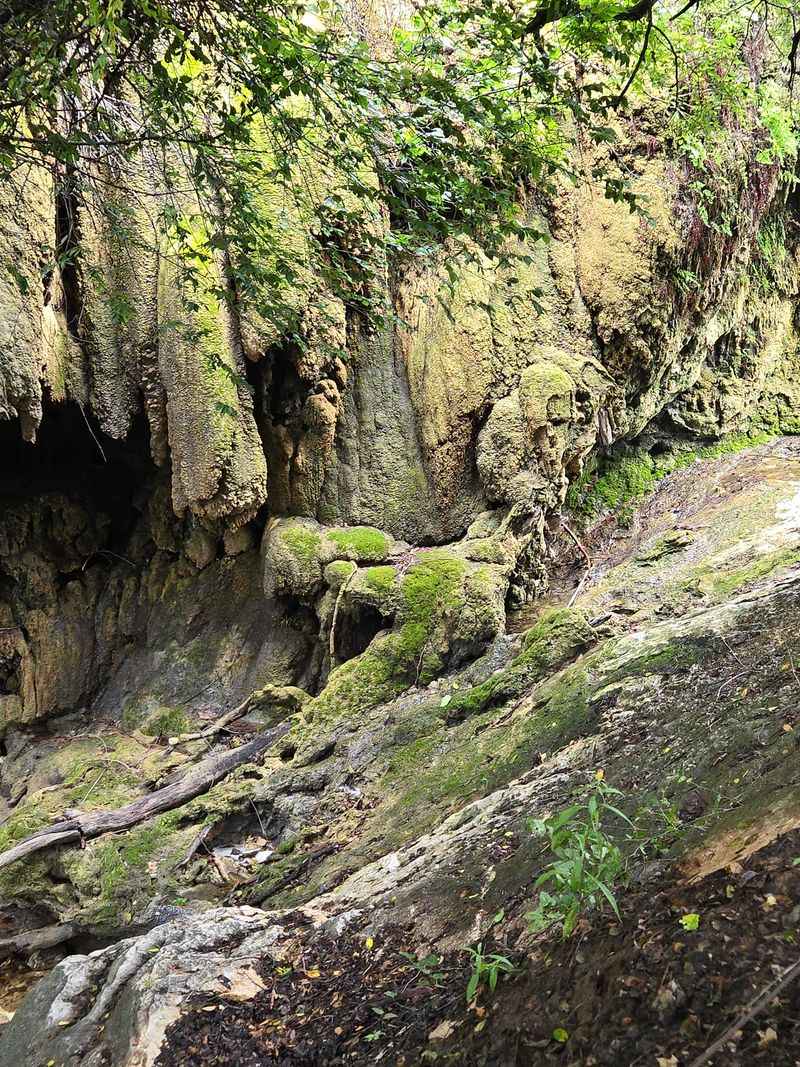
More than 400 caves and karst features hide under this park. That number alone makes it one of the more unusual spots in Texas for underground adventure.
Guided wild cave tours lead visitors through passages that are not paved or lit. Expect to crawl, slide, and climb, and expect to get dirty and maybe wet.
Not ready to squeeze through tight spots? The Discovery Tour of Dynamite Cave is a gentler option, with more stooping than crawling.
Adventurous types can pick tours with tighter spaces for a real spelunking challenge. Expert guides keep things safe and explain the formations along the way.
Fun detail: one hiker noted a cave being literally cool inside, a welcome break on a hot day. Special bat-friendly gates also protect habitats for cave myotis bats living below.
Spicewood Springs and Its Swimming Holes
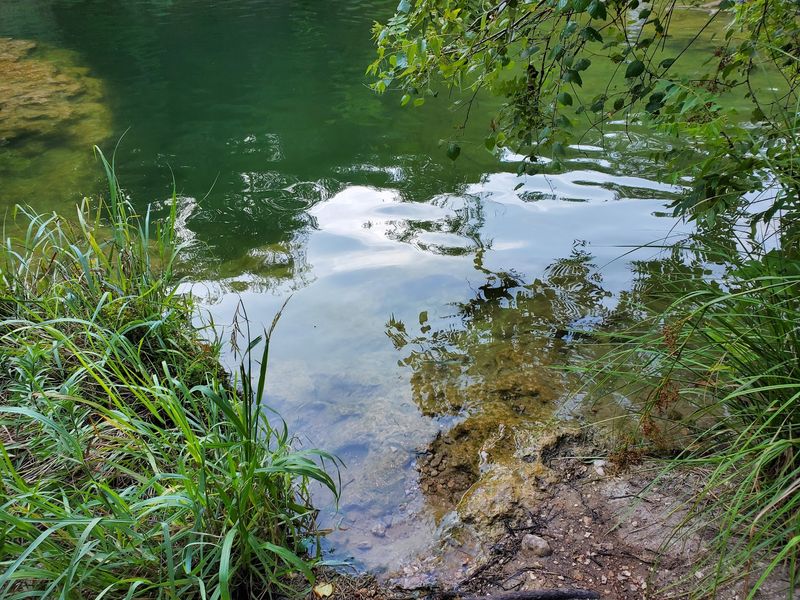
Wet shoes are part of the deal on this trail. Spicewood Springs Trail crosses the creek several times, switching from one side to the other.
The path is rocky and rough, so sturdy footwear matters. One family felt it suits kids older than about 10 to 12.
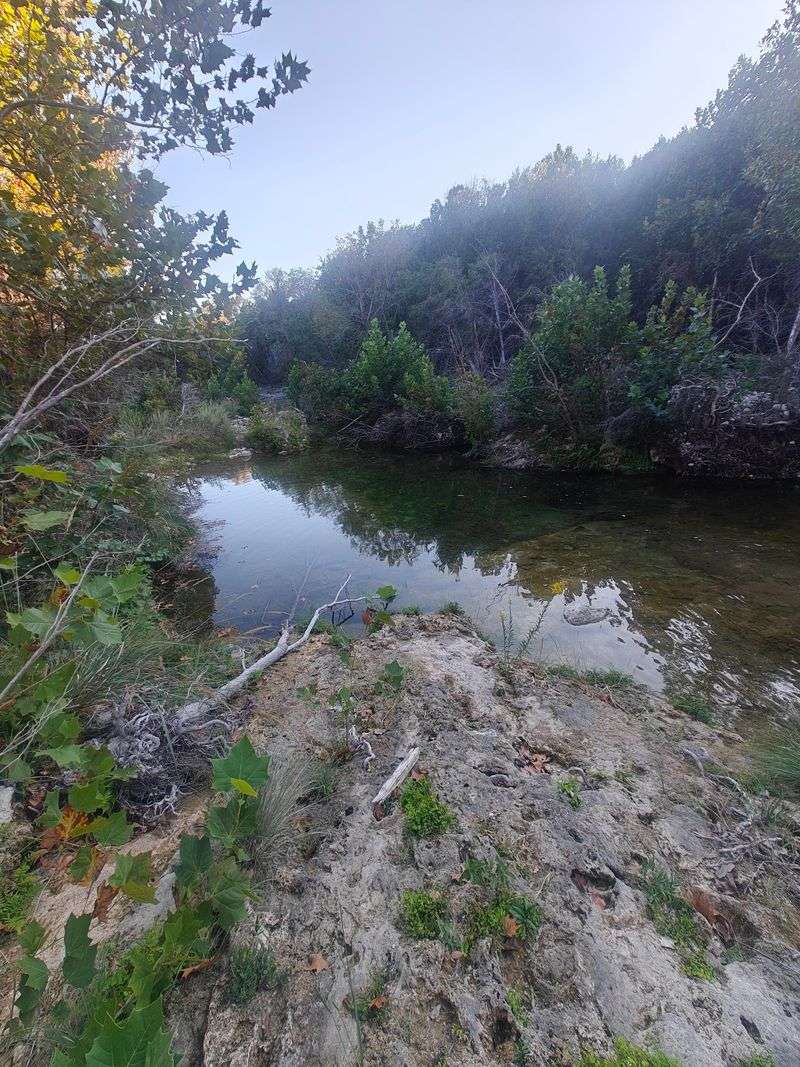
The reward is clear, clean water and a series of spots where you can splash or swim. A bigger swimming hole waits farther along for those with time to reach it.
Visitors call a trip here a must, and even a guest who had complaints elsewhere praised the refreshing spring. Since water runs close by, the hike feels cooler than you might expect.
Give yourself plenty of daylight. Rushing it before sunset means missing the best pools.
Thirty-Five Miles of Trails for Every Pace
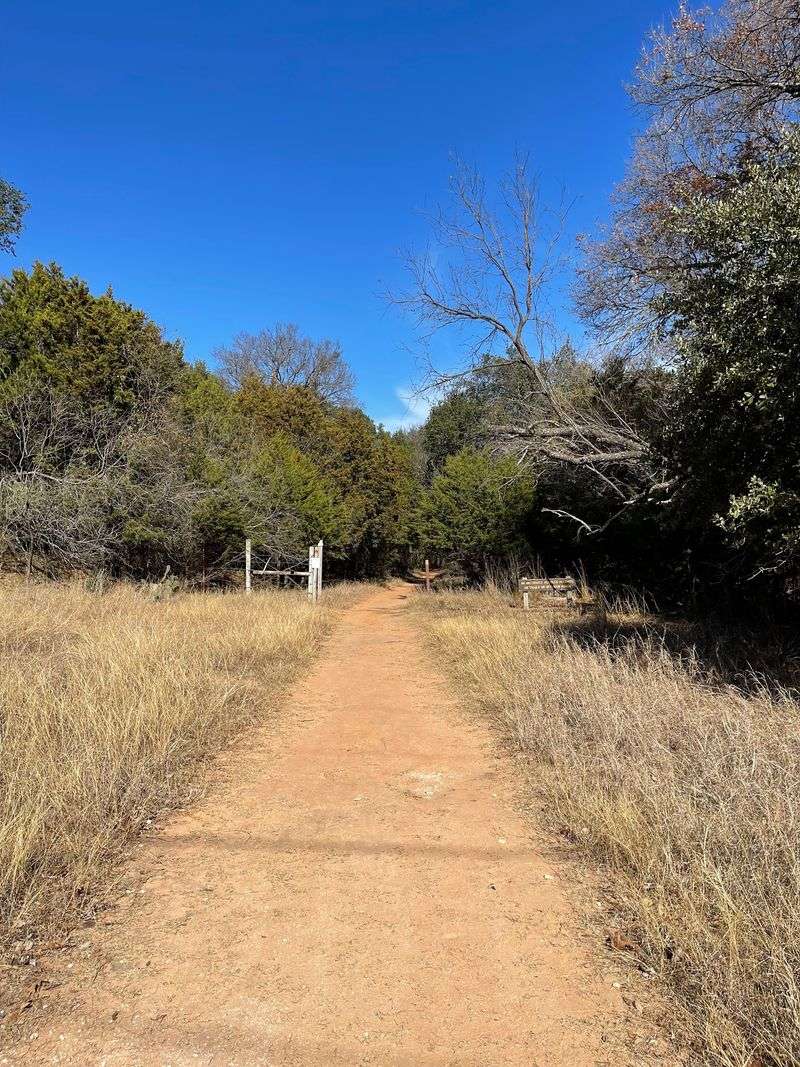
Beyond the headline sights, more than 35 miles of multi-use trails wind across the park. Hikers and mountain bikers share them.
Paths are well marked with different levels of difficulty, guests say. The River Trail earns praise for scenic water views, and Rooster overlook gets fans too.
Rocky ground is the common theme. Trip hazards are everywhere, so expect stiff legs afterward, although most agree the views pay you back.
Some determined hikers clock around 10 miles in a day. Others stroll a short stretch of the River Trail and still head home happy.
After stormy seasons, a few trails can get a bit overgrown. Nothing serious, just something to expect.
Deer, Armadillos, and One Bold Raccoon
A raccoon once strolled right up to a camper, ran off, then returned the moment the family went to bed to hunt for dinner scraps. Stories like that are common here.
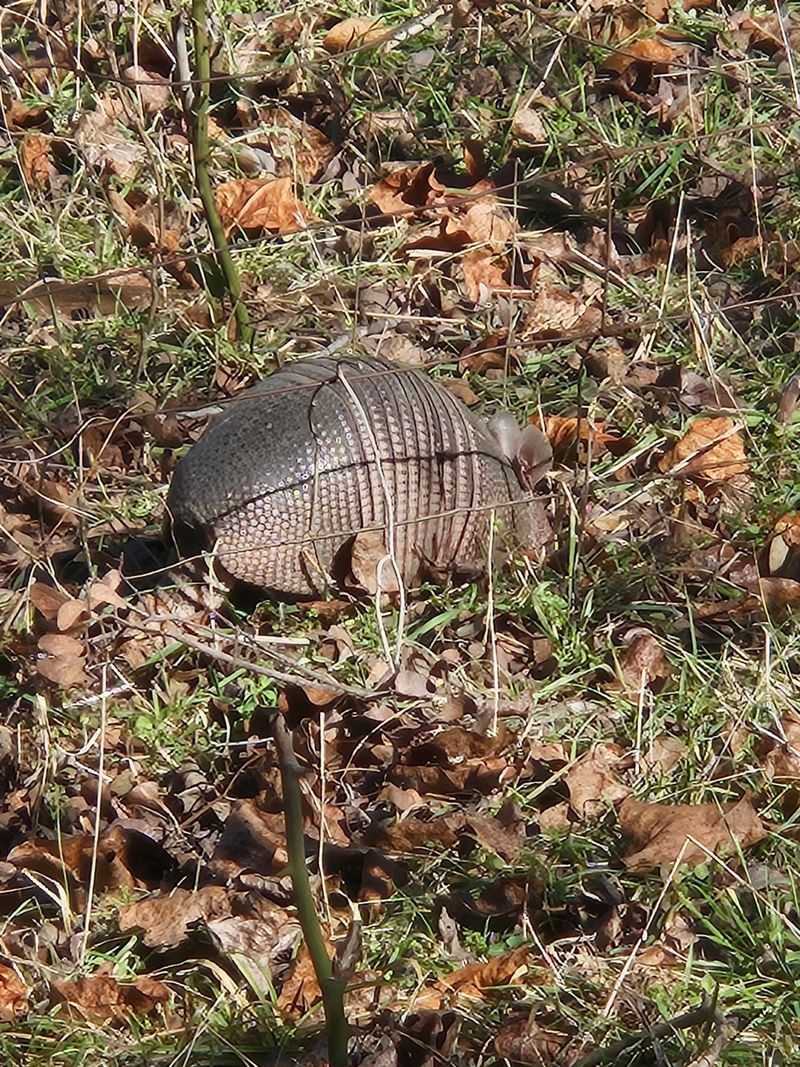
Deer and armadillos show up constantly, and one group counted about 20 deer on the drive in. Others have spotted a ram along the trails.
Feral hogs are another reality. One school group had more than 30 hogs plus raccoons raid their coolers overnight.
So lock up food, close coolers, and clean up around the fire ring. The animals have learned that campers can mean snacks.
Anglers enjoy the wildlife in the river too. Catfish and gar have both been caught by happy campers.
Campsites Right on the River
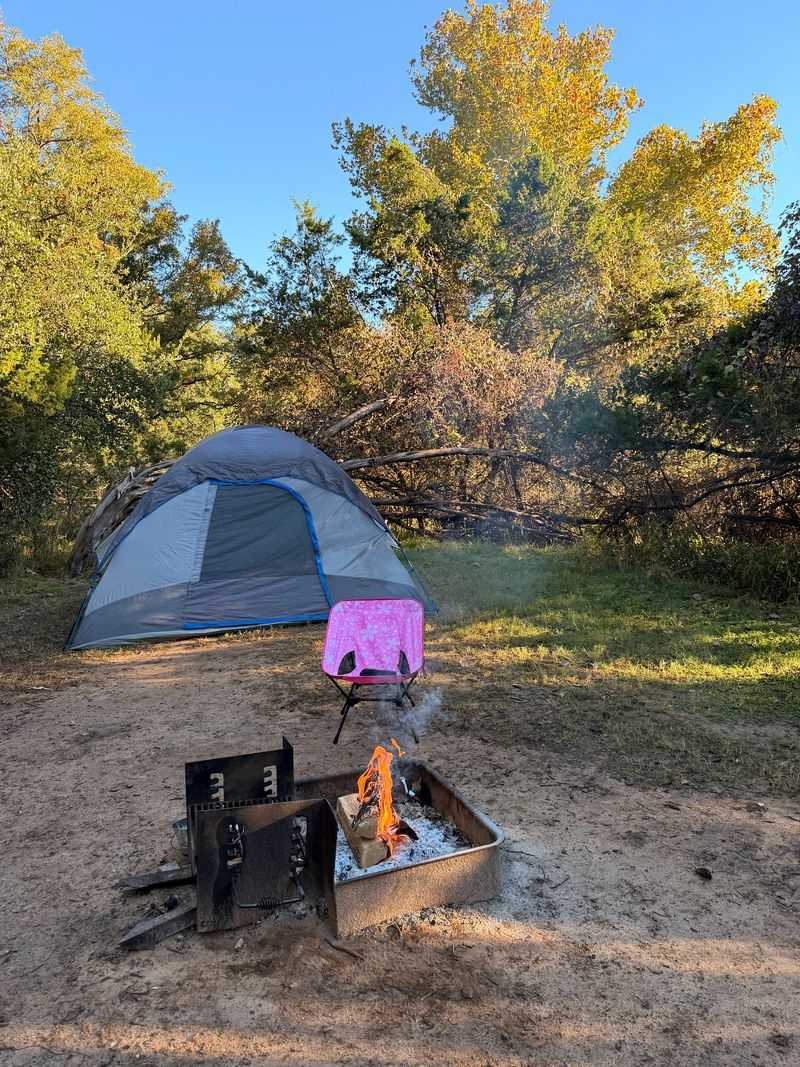
Ask regulars for advice and you will hear site numbers. Tent site 25 and site 26 come up often for shade, privacy, and river access.
Site 26 is a walk-in spot about 100 feet from parking, with one huge tree shading the whole area. Bring a cart or pack light.
The park offers group, tent, and primitive sites, from drive-up to hike-in. Families describe a classic back-to-basics camping trip with dark skies full of stars.
Primitive sites by the river feel farther away with a heavy pack, so travel light. Some suggest cooking at the main campground instead of hauling food.
Not everyone is thrilled, though. One visitor found sites close together and a bathroom needing upkeep, and compost toilets are part of the experience.
Quiet Days and Friendly Rangers
Three people in five hours. That was the full hiking crowd one couple met during a weekday visit.
Peace and space are what make this park feel miles from anywhere. Thursdays in particular seem almost empty, and some guests found the check-in cabin closed because traffic was so light.
When the headquarters is open, rangers get glowing praise for being kind, knowledgeable, and full of good suggestions. A small park store stocks a little bit of everything, souvenirs included.
Rangers also keep the place safe. During a drought burn ban, campers noticed staff checking on anyone ignoring the rules.
If you want to relax away from people, this park delivers.
Hours, Fees, and What to Pack
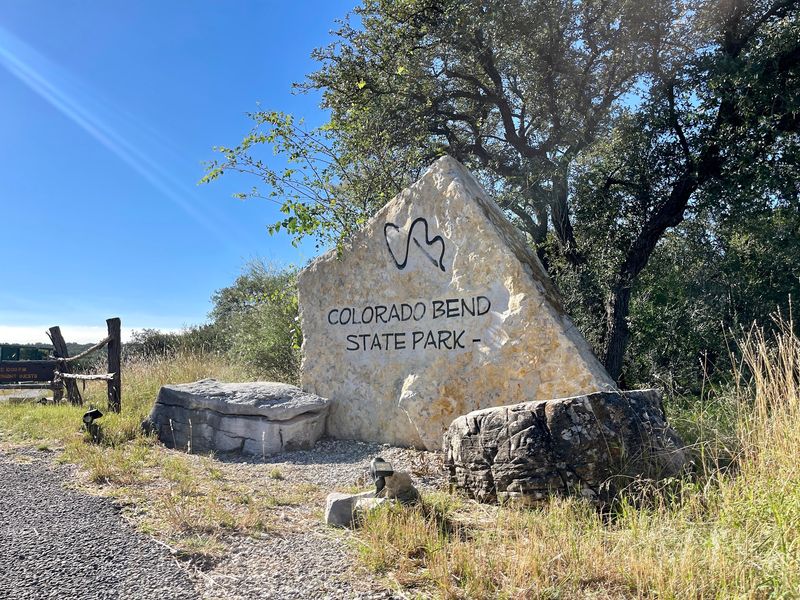
Gates open from 6 AM to 10 PM every day of the week. Day passes have run about $5 per person.
On slow days, a self-pay box by the headquarters takes cash, and paper maps sit right beside it. For questions, call 325-628-3240 or check the Texas Parks and Wildlife website.
Water is the number one tip. Hikers repeat it again and again, and one even shared sports drinks with struggling hikers who brought only small bottles.
Wear real hiking shoes, pack snacks, and add sun protection. Many trails are exposed, so be careful with dogs on hot days.
Spring and fall bring the most comfortable temperatures. Go early in the day, and burn bans may mean bringing propane.
Worth Every Rocky Step
Some places look great in photos and fall flat in person. Colorado Bend works the other way around.
The roads are slow, the trails are rocky, and the climb from Gorman Falls will test your legs. Yet the payoff keeps people booking return trips: a living waterfall, hidden caves, clear springs, and stars overhead.
It may not suit travelers wanting paved paths or big RV pads. For hikers, campers, swimmers, and curious kids, it feels like a true find.
Bring water, bring patience, and leave room in your schedule. Chances are you will drive home already plotting which trail to tackle next time.